
Published : 2026-03-19
The recently concluded Milan Winter Olympics has once again focused the public's attention on ice and snow sports. By 2025, the scale of China's ice and snow economy will have surpassed 1 trillion(RMB, same below).
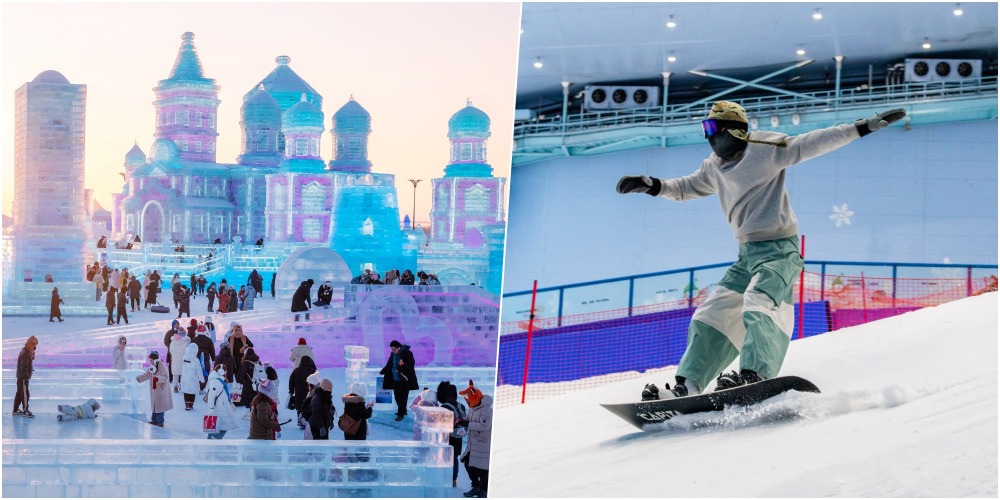
Apart from the north, which has natural ice and snow resources, the ice and snow craze has swept across the south, with more and more indoor ski resorts being established in the south, ice and snow sports can transcend geographical boundaries. Cities that almost never see snow are becoming new growth engines in the ice and snow consumption market.
Ice and snow economy surpassed 1 trillion for the first time
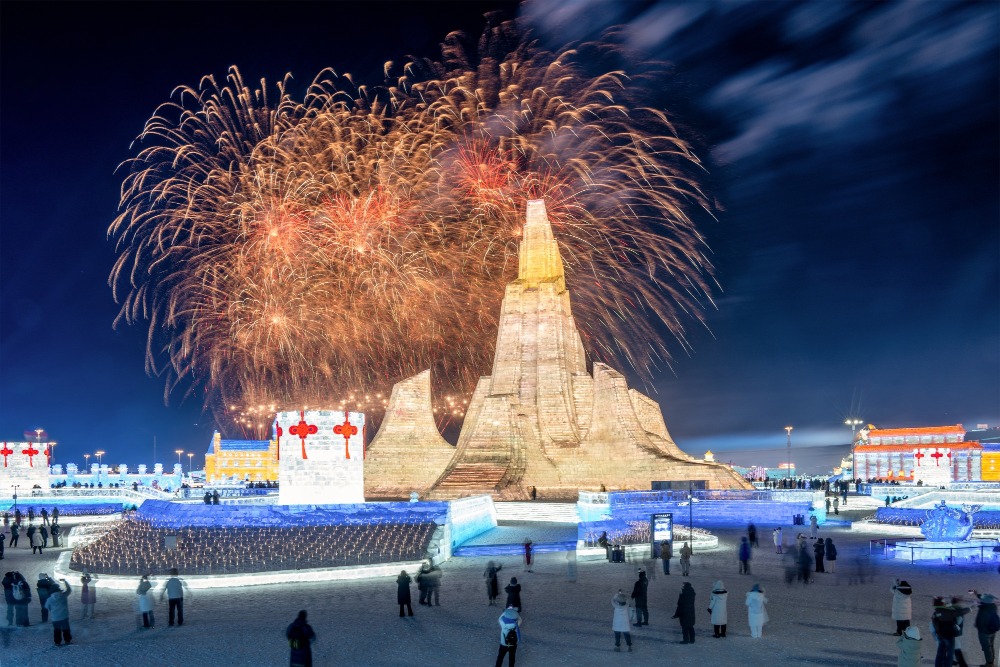
So, just how large is the scale of China's ice and snow economy nowadays?
The scale of China's ice and snow industry increases from 270 billion in 2015 to over 1 trillion in 2025, achieving nearly a fourfold increase in ten years.
The number of ice and snow tourism-related enterprises nationwide has exceeded 14,000, with a year-on-year growth rate of 11%.
In fact, China's ice and snow craze was ignited as early as around the time of the 2022 Beijing Winter Olympics.
At that time, the country proposed "getting 300 million people to participate in ice and snow sports" as a goal, and the public's enthusiasm for participating in ice and snow sports was stimulated to an unprecedented degree.
Even after the end of the Beijing Winter Olympics, the ice and snow economy has continued to heat up. During the 2025-2026 ice and snow season, the number of ice and snow tourists nationwide is expected to reach 360 million.

Behind the rapid development of the ice and snow economy is the continuous push from national policies. Multiple documents have drawn a clear blueprint for the entire ice and snow economy.
For example, in 2024, the General Office of the State Council issued "Several Opinions on Stimulating the Vitality of the Ice and Snow Economy through High-Quality Development of Ice and Snow Sports" (hereinafter referred to as the "Opinions"), to consolidate and expand the achievements of "getting 300 million people on ice and snow".
It is worth noting that in recent years, China's ice and snow economy has been breaking through geographical limitations.
The ice and snow economy in the south is now showing explosive growth, becoming the second front for China's ice and snow economy. Indoor snow centres are numerous, ice and snow theme parks are bustling with people.
Ice and snow sports, once not so accessible, are now becoming part of the daily lives of more and more southern consumers, turning into a new leisure option that is both fashionable and fun.
Most indoor ski resorts in the south become immensely popular after opening, quickly forming a stable flow of customers, and the potential of the ice and snow market is considerable.
Why can ice and snow sports take root in the south?
Most areas in the south do not snow, yet they have managed to find creative ways to enjoy ice and snow. There are various reasons behind this.
The scarcity of snow in the south is the biggest selling point. People in the south have a fixation on seeing and playing in the snow and are willing to pay for this novel experience.
Moreover, the south is economically developed and people has high purchasing power. For consumers, ice and snow sports are part of happiness economy, providing higher-quality, upgraded products and services that satisfy people's pursuit of a happy life.
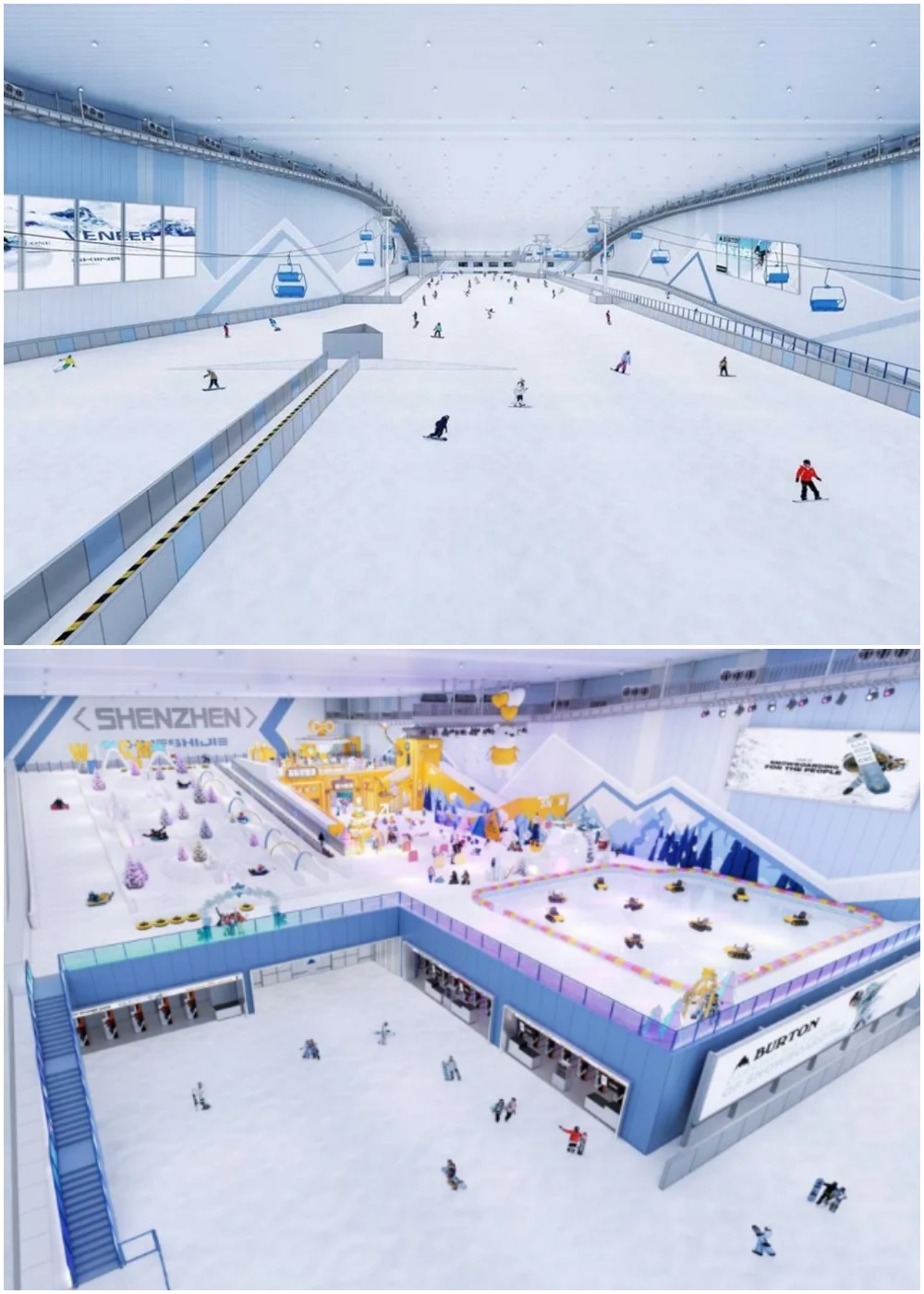
So, in the snow-free south, how can we make snow to satisfy the obsession of Southerners to see and play in the snow?
First, the problem of 'where does the snow come from' must be solved. The snow-making technology in southern indoor ski resorts has reached a level that is almost indistinguishable from the real thing, and people can ski on real powder snow indoors.
After the snow is made, sub-zero temperatures must be constantly maintained, which means high refrigeration costs.
Technological innovation is the 'key to breaking through' for southern ice and snow venues.
For example, Shenzhen HuaFa Snow World uses the building itself for photovoltaic power generation, which can cover 20% of the ski resort's annual electricity demand. This is not only energy-saving and environmentally friendly, but also reduces operating costs.
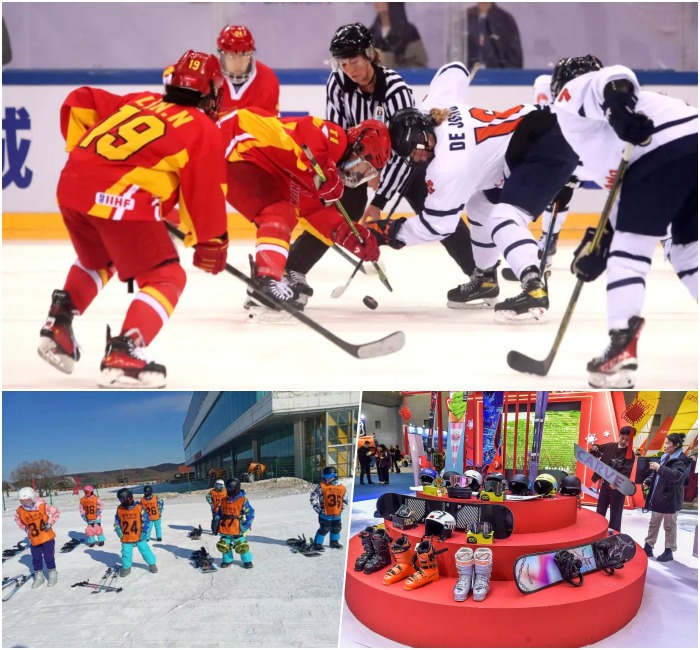
Secondly, the ice and snow industry not only has high technical barriers, but also requires high capital investment and the capabilities of related manufacturing industries. In this respect, Guangdong has a prominent advantage.
Guangdong has firmly caught the wave of the ice and snow economy's popularity. Not only are there more than 30 ice and snow venues, but nearly 23,000 ice and snow equipment-related enterprises are also rushing to fulfil orders.
Guangdong's ski equipment production accounts for about a quarter of the country's total. From snowboard and ski suits to snow-making machines, Guangdong goods are marketed globally, fully leveraging the province's manufacturing advantages.
In terms of geographical location, the Greater Bay Area 1-hour Ice and Snow Economic Circle has also attracted many Hong Kong and Macao residents to travel north to visit.
Taking Guangzhou Bonski as an example, the proportion of tourists from Hong Kong and Macao reached 32% in 2024. The snowball of the ice and snow industry is getting bigger and bigger in Guangdong.
Exploring 'Ice and Snow+' to enrich operational scenarios
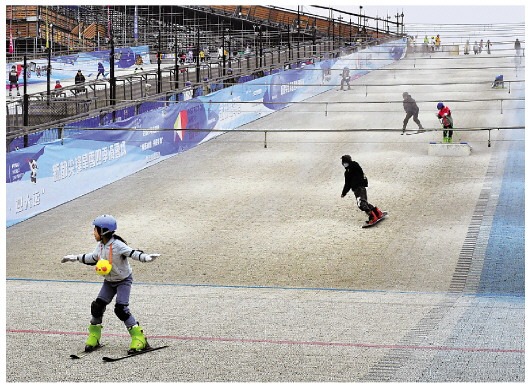
The advantage of the ice and snow economy in the south is that by creating 'tropical snow country'-style all-season ice and snow consumption scenarios, they can run year-round without seasonal restrictions.
Transforming the ice and snow experience into stable and continuous consumption not only stimulates local consumer demand but also provides a new path for the expansion of China's ice and snow economic landscape.
In addition, the integration of ice and snow with technology, culture, tourism, and events has also created new consumption scenarios.
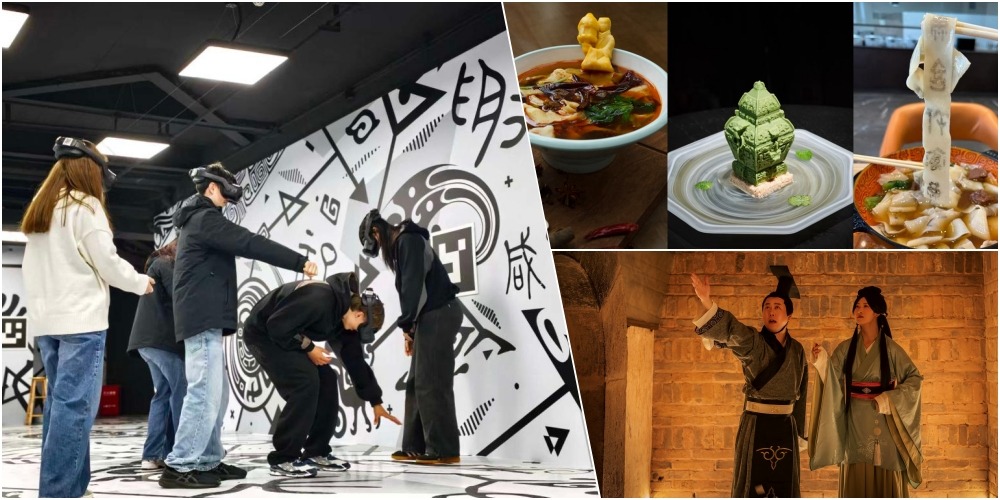
Besides common activities like skiing and ice skating, the 'Ice and Snow+' integrated business models offer a one-stop, high-quality, and diverse leisure experience, such as 'Ice and Snow + VR', 'Ice and Snow + Intangible Cultural Heritage', and 'Ice and Snow + Hot Springs'.
Local governments have also adapted to local conditions, leveraging their own advantages to forge unique paths for developing their ice and snow economies.
For example, by issuing consumption vouchers, creating boutique routes, and organising ice and snow sports events and folk activities, they have ignited consumer enthusiasm for ice and snow
Also, these issues turn cold ice and snow into a hot economy, and become an important engine driving regional economic transformation and consumption upgrades.
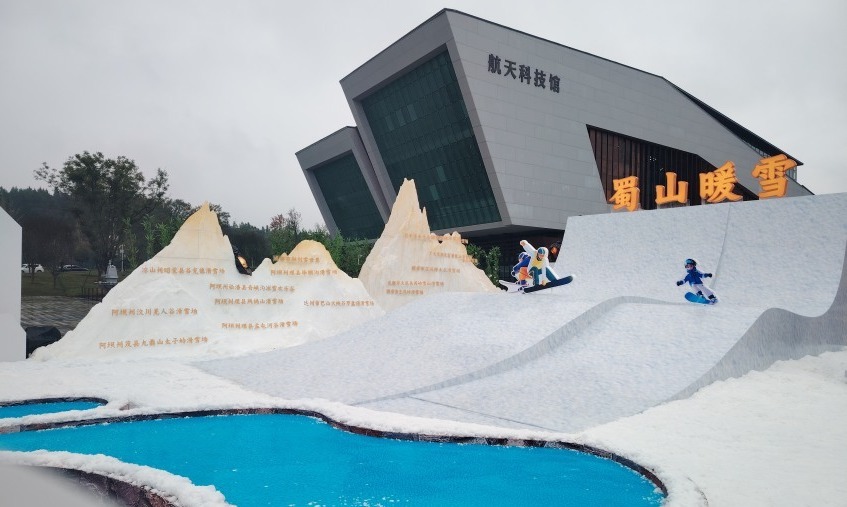
From 'longing for snow' to 'playing in the snow', the deep integration of southern residents with ice and snow reflects the vitality and potential of the quality improvement and upgrading of cultural and tourism consumption.
The pristine white snow is no longer exclusive to the north but is becoming a beautiful sight that can be seen in all seasons in the south.
Read more: How does marathon economy paved a 16.8 billion track in China?