Published : 2026-03-04
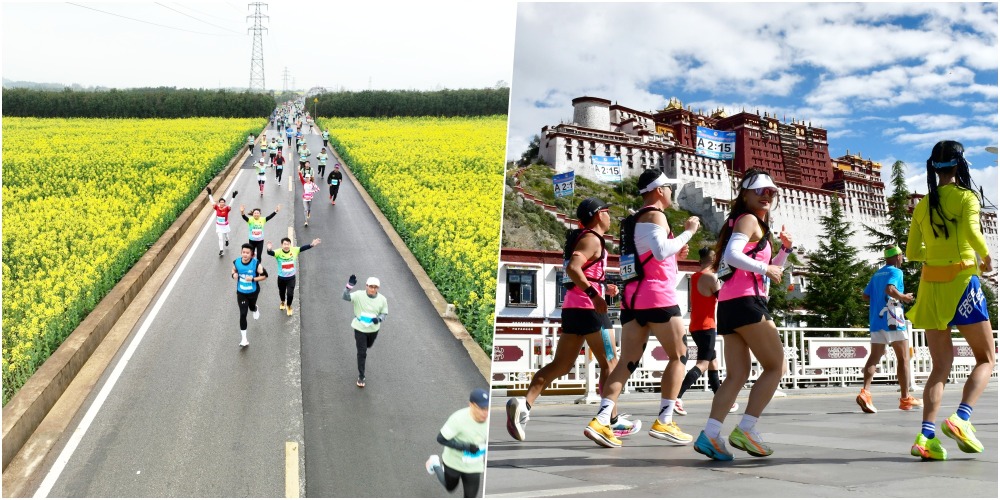
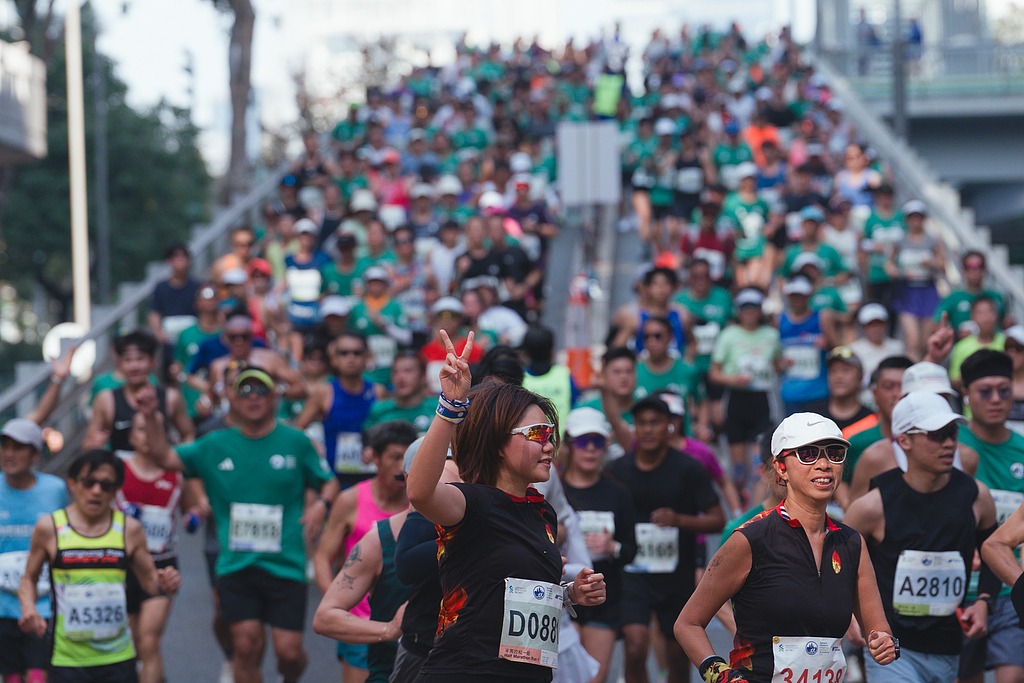
Recently, Hong Kong's annual sporting event, the Standard Chartered Marathon, was successfully held, with a total of 74,000 local and overseas runners registered to participate. Such a huge event has become a powerful engine driving consumption and urban vitality in China.
In 2024, the total consumption by participants in full and half marathons in China exceeded 16.8 billion RMB(same below), driving the development of related industrial chains. How did marathon events become so popular? And what challenges do they face?
Marathon economy drives 16.8 billion in consumption
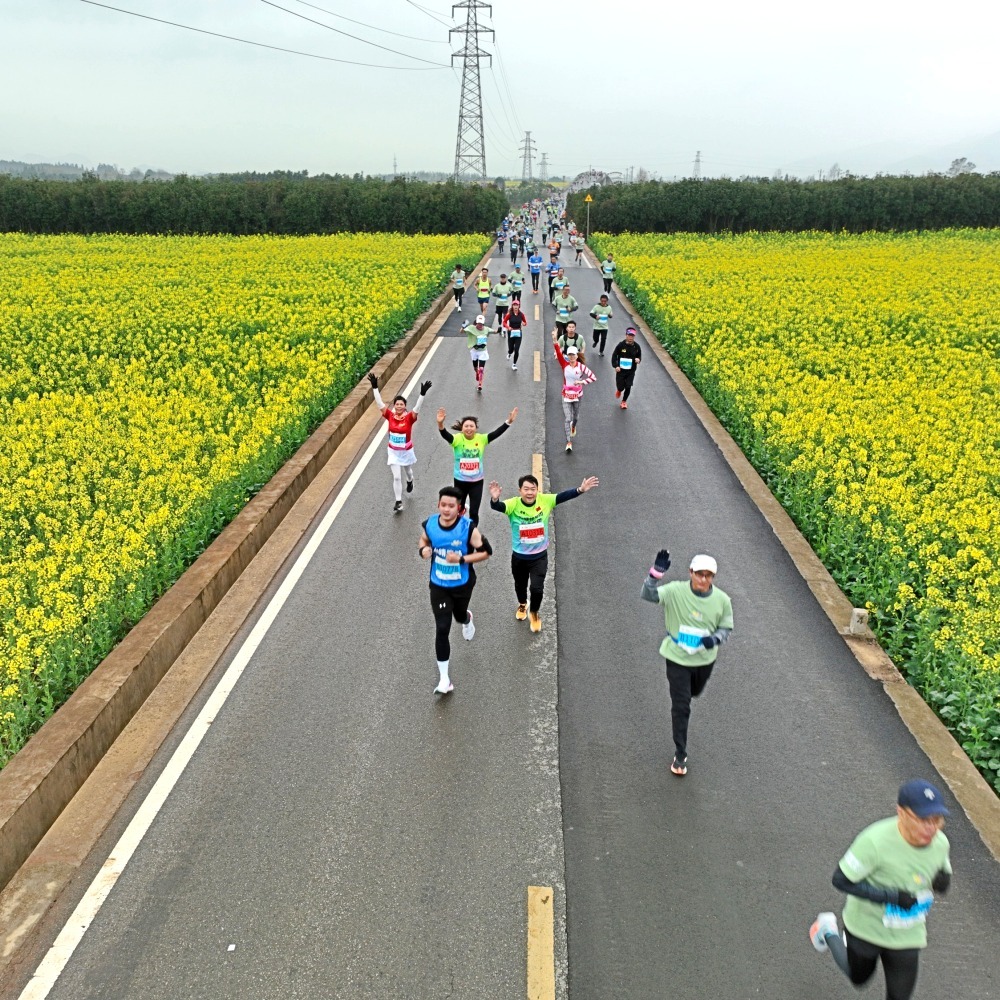
A marathon specifically refers to a precision road race with a distance of 42.195 kilometres. In 2024, China held a cumulative total of 749 road races of all levels and types, a frequency of almost two races a day, with a total participation of 7,048,600 people.
In 2024, the total consumption by participants in China's certified full and half marathons exceeded 16.8 billion, an increase of 26% compared to 2023.
On one hand, marathon has generated enormous economic benefits in terms of direct consumption, such as professional sportswear and footwear, wearable devices, nutritional supplements, and sports rehabilitation.
On the other hand, unlike traditional competitive spectator sports, marathons, as sporting events with high public participation, can stimulate urban consumption demands for food, accommodation, transport, tourism, shopping, and entertainment, creating considerable economic returns for the host city.
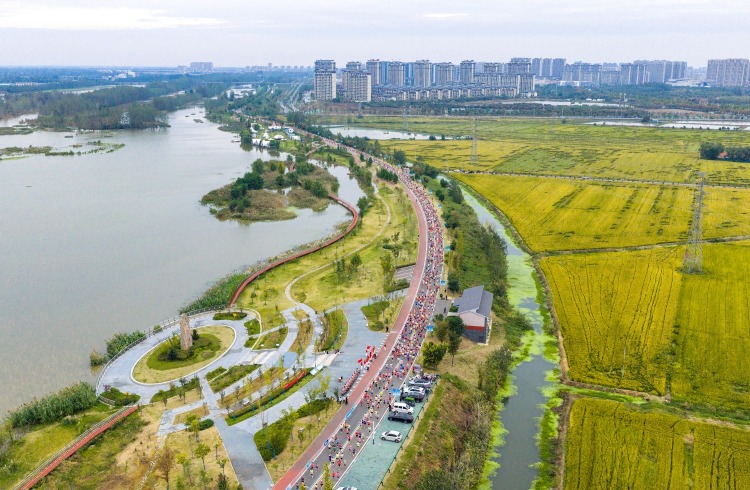
As marathon events and related supporting industries continue to develop and mature, the sports consumption chain linked by "running" is rapidly extending, and the road-running population is becoming an important potential group for both sports and tourism consumption.
Marathons have also become one of the key platforms for various regions and industries to create new consumption scenarios.
Read more: Why are young people obsessed with "Goods"?
A win-win feast: personal needs + industrial development + city marketing
The explosion in the popularity of the marathon economy is the result of a combination of factors, including individual psychology, industry, and society.
The booming data from marathon events and the enthusiastic participation of runners reflect a change in the structure of residents' consumption. Survey reports show that sports tourism meets the intrinsic demands of consumption upgrades on the tourism industry format.
For road-running enthusiasts, paying for running is something they are more than willing to do, and upgrading their gear is also a source of pleasure.
In today's fast-paced, high-pressure society, people's health consciousness is gradually awakening, and running is a relatively convenient, low-barrier way to keep fit.
Completing a marathon requires a lot of pre-race training and preparation, which not only strengthens the body but also hones one's willpower, providing a strong sense of mental satisfaction.
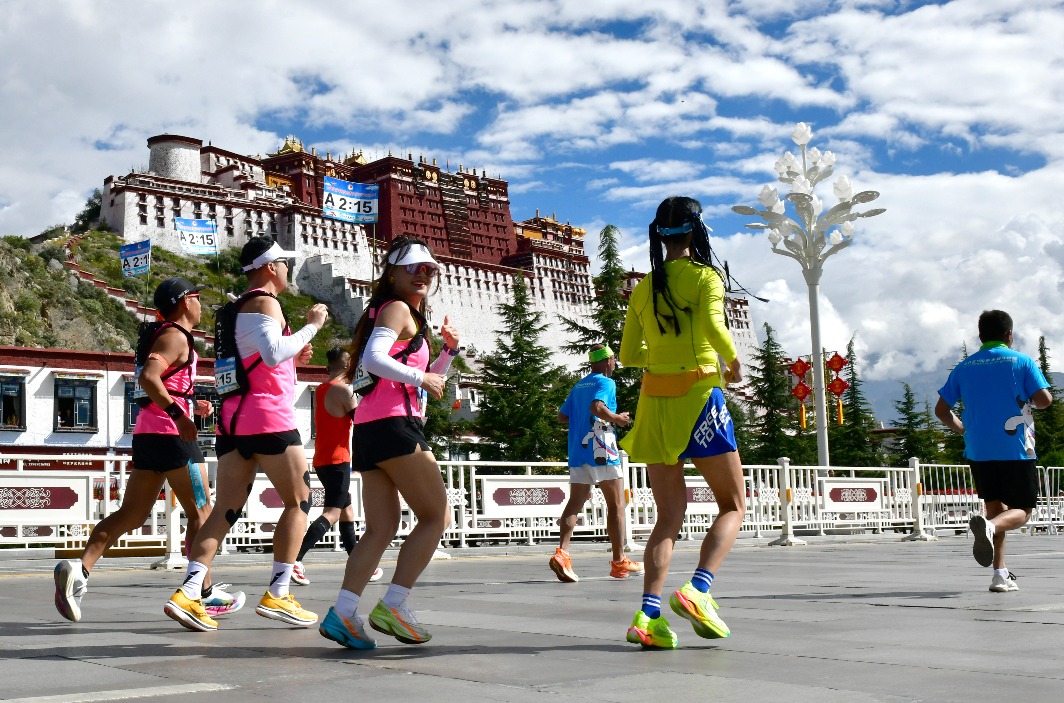
Why do cities and companies actively invest in organising marathon events?
Marathon events inherently possess the attribute of integrating urban resources and showcasing the city's image. The ripple effect of 'one day of competition, many days of stay; one person competing, many people consuming' is becoming increasingly widespread.
Some runners even bring their families along. In addition to participating in the race, they experience the local culture and customs with their families.
A well-organised marathon event, broadcast through live television and social media, can fully display the city's scenery, management capabilities, and civic spirit, making it a highly cost-effective city advertisement.
According to industry insiders, marathon events primarily have three sources of revenue: advertising sponsorship, government subsidies, and registration fees and merchandise sales.
As marathon events becoming mature, top-tier marathons are developing a complete sponsorship system, becoming a huge stage for brand marketing. At the same time, the marathon industry has already formed a mature and lucrative industrial chain.
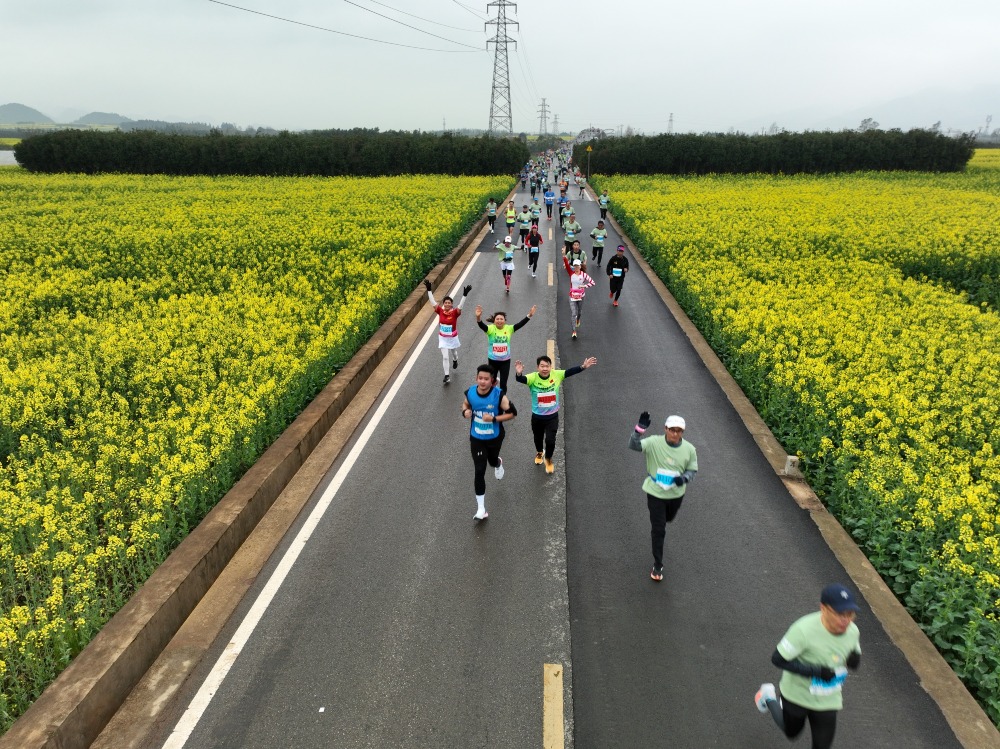
The trials and challenges behind marathons
Hosting a marathon event is a profound test of a city's comprehensive governance capabilities. It not only tests the organisers' ability to mobilise resources, their professional organisational skills, and their responsiveness, but also examines the city's maturity in inter-departmental coordination, security assurance, and public services.
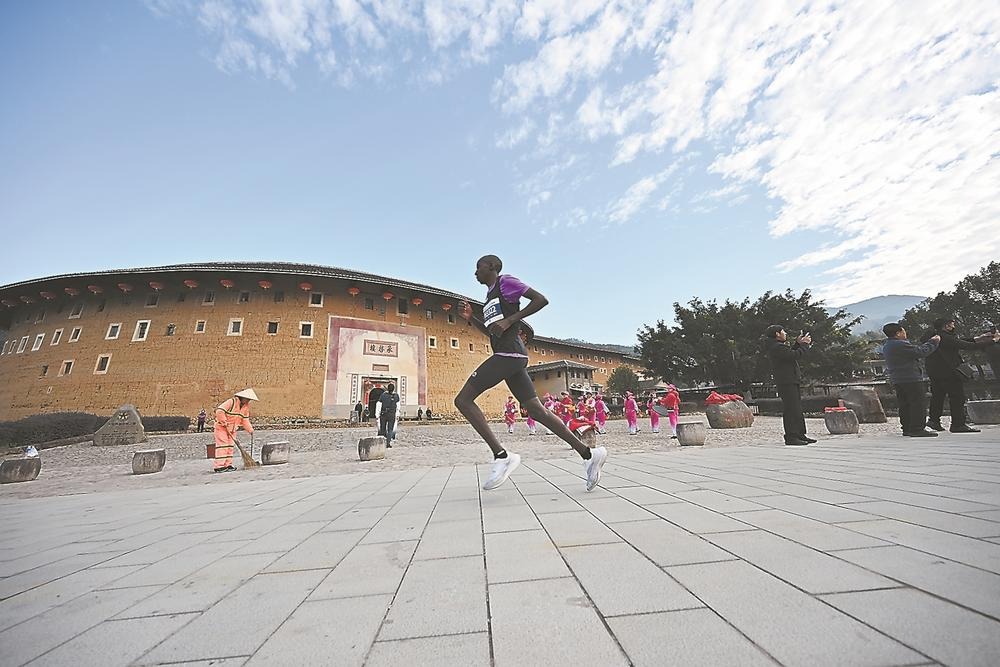
This vast and complex undertaking of a marathon also faces numerous challenges.
It not only requires ensuring the safety and race experience of tens of thousands of runners, but also faces the pressure of large-scale road closures affecting citizens' lives, high organisational costs and risk management, as well as the ultimate test of how to transform the short-lived event fever into a long-term city brand.
Read more: How does performance economy drive an 80 billion consumption boom in China?