Published : 2026-07-05
It is often said that behind AI is computing power, and behind computing power is electricity. If China wants to become the "world's token factory", it cannot do so without the development of computing power and electricity.
Development alone is not enough; the key lies in "computing-electricity coordination", enabling computing power and electricity to shift from operating separately to resonating in synergy.
The concept of "computing-electricity coordination" has emerged with the development of AI, was written into the government work report for the first time in 2026, listed as an emerging infrastructure project, which shows its strategic importance.
The so-called "computing-electricity coordination" refers to the deep integration of computing power networks and power systems.
It can be roughly regarded as the "Eastern Data, Western Computing" project an upgraded version, which not only involves moving data centres and computing power parks to the western regions where land and energy are more abundant, but also emphasises the integrated planning and scheduling of computing power and electricity.
Spatial coordination of computing and electricity
"Computing-electricity coordination" can be understood from two aspects: spatial coordination and temporal coordination.
Spatial coordination means that computing power follows electricity.
The priority is to locate large data centres and computing power parks in the western regions, which are rich in clean energy, to consume green electricity locally and reduce long-distance transmission losses during the "West-East Power Transmission" process.
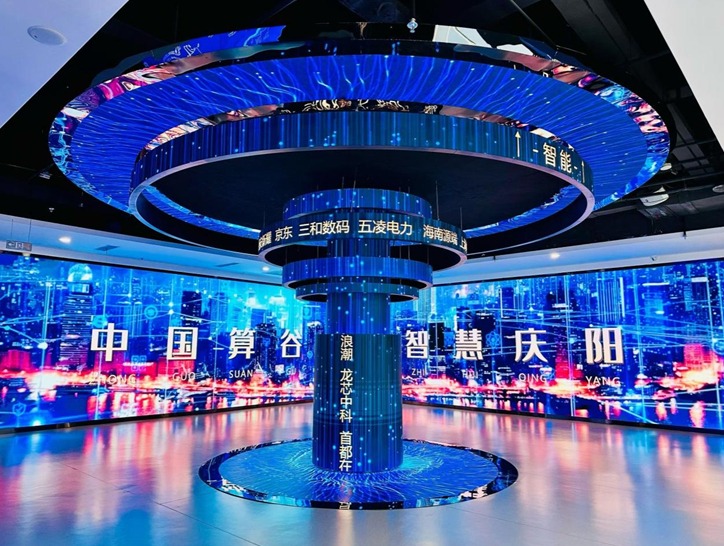
For example, the "Eastern Data, Western Computing" industrial park in Qingyang, Gansu, has attracted many computing power companies to the area due to its abundant green electricity and low electricity prices.
Compared to the eastern regions, electricity in Qingyang is 0.2 to 0.3 yuan cheaper per kilowatt-hour, meaning a large data centre can save tens of millions of yuan in electricity costs annually.
However, for real-time tasks like intelligent driving, moving computing power to the west can cause transmission latency issues, making it difficult to meet the demand for millisecond-level responses, which has led to the emergence of "Eastern Data, Marine Computing".
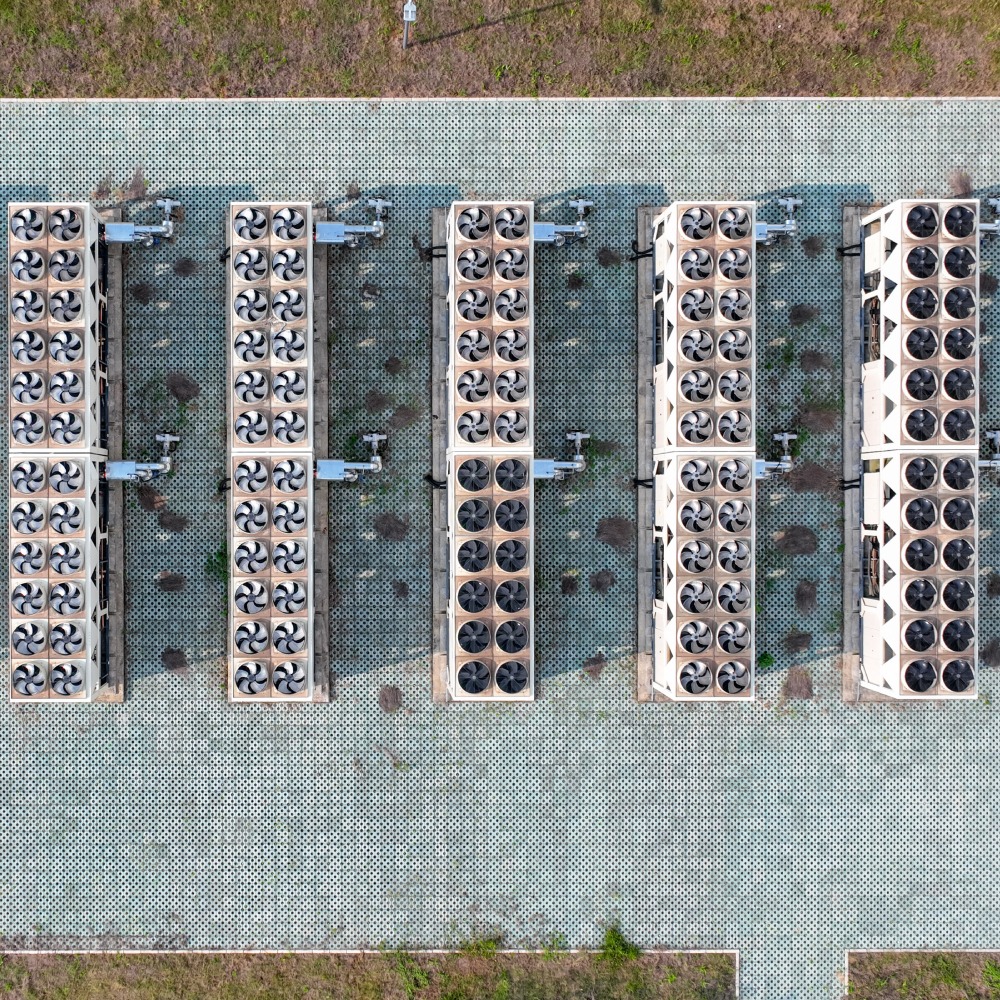
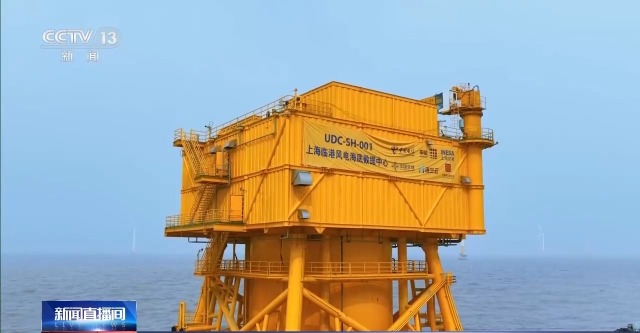
In the Lingang New Area of Shanghai, data centres are built on the seabed near the coast and are directly connected to offshore wind farms.
On the one hand, this utilises nearby wind power, reducing transmission links; on the other hand, it uses seawater to cool the server rooms, lowering the energy consumption and cost of cooling equipment, providing another solution for the spatial coordination of AI computing power.
Temporal coordination of computing and electricity
Temporal coordination, on the other hand, means that computing power follows the peak. Computing power is dynamically allocated based on the "time difference" in peak electricity usage across different regions and time periods.
The two major data centres, Jingshuitan in Zhejiang and Midong in Xinjiang, are a typical example.
Between 8 a.m. and 10 a.m., Zhejiang in the east experiences its morning peak of electricity consumption, with a heavy computing power load, while computing power in Xinjiang in the west is relatively idle at this time; Zhejiang can then schedule some of its tasks to Xinjiang according to load balancing strategies.
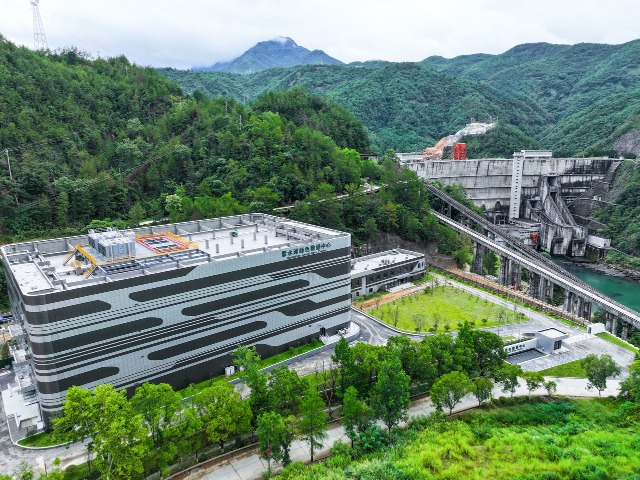
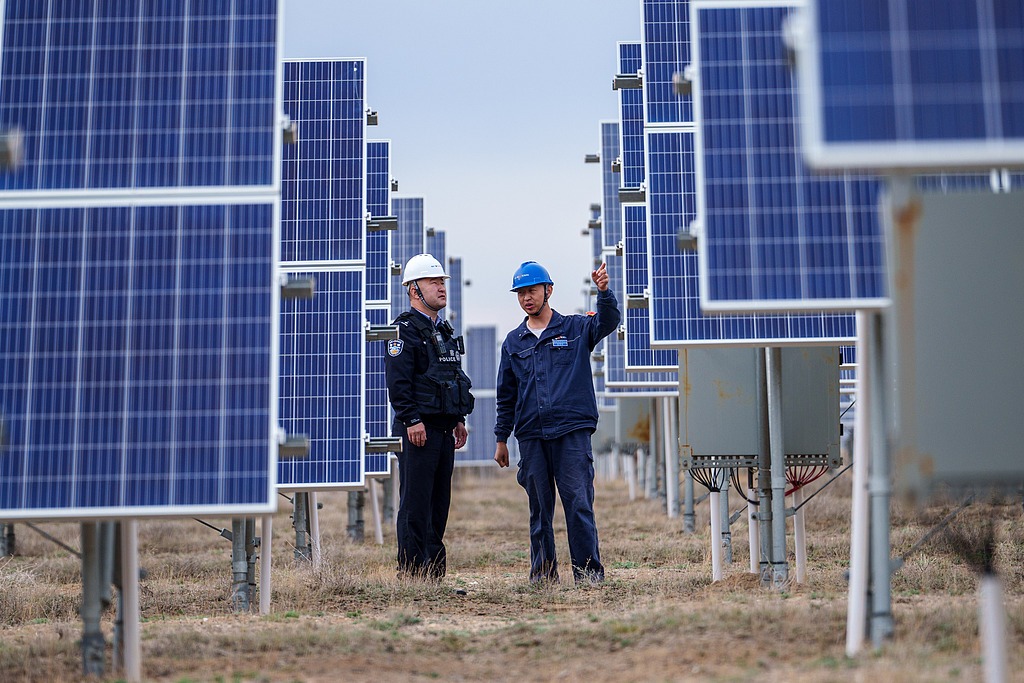
From 10 a.m. to 12 p.m., photovoltaic power generation in Xinjiang enters its "peak period", and green electricity is abundant.
The local area then takes on more computing demands from Zhejiang, especially high-intensity, delayable, non-real-time computing tasks like training large models, to consume as much surplus green electricity as possible.
This "peak shaving and valley filling" method keeps the computing power loads in both locations stable within the optimal range of 60% to 80%, and the electricity cost for Tokens is also reduced by 18%.
Computing power makes the power grid smarter
One aspect of "computing-electricity synergy" is using a more flexible and lower-cost electricity supply to "feed" computing power; the other aspect is, in turn, using computing power to enhance the intelligence of the power grid.
In the traditional model, the power grid's perceptual capabilities are limited.
It can predict the approximate time of peak electricity consumption in a city, but it is difficult to be precise about the load changes in a specific community or a single building.
Additionally, the supply and demand for electricity are constantly fluctuating, and electricity is difficult to store on a large scale for long periods, so the power grid is constantly being tested.
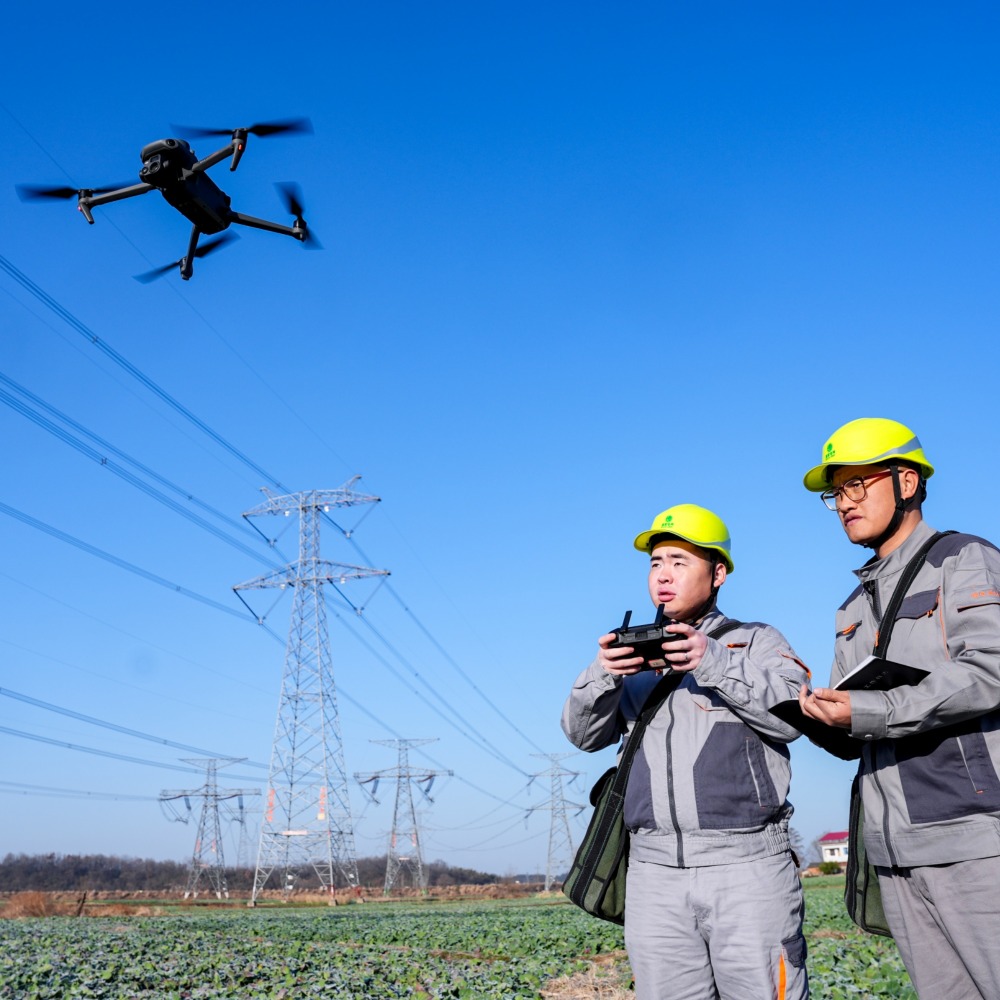
Now, with the support of computing power, the situation has changed. With the deployment of a large number of sensors and smart devices, the power grid can obtain multi-dimensional data in real time, such as meteorological changes, equipment status, and electricity usage behaviour, and feed this vast amount of information into an "intelligent centre" for more precise load forecasting and smart dispatching.
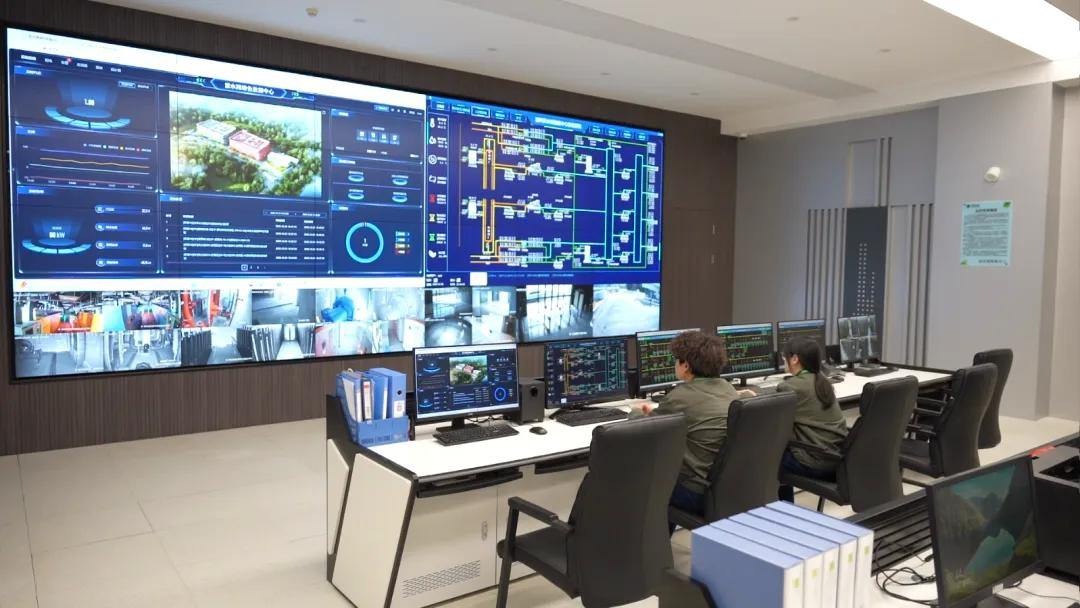
You can think of computing power as an "electricity forecaster". It can predict that at 2 p.m. on a certain day, the core business district of a city will experience a peak in electricity consumption.
At the same time, a wind farm in the distant suburbs will experience a strong gust of wind, causing its power generation capacity to rise rapidly.
Computing power uses this information to draw a high-precision "forecast map", allowing the dispatch system to easily make efficient decisions.
In summary, computing power and electricity are no longer two independent systems, but an integrated whole that coordinates with each other. And this is precisely the key role that "computing-electricity synergy" plays in China's journey towards becoming the "world's token factory".
Read more:
What is a "Token factory"? What advantages does China have?
How to start a "one-person company" with AI?