Published : 2025-12-23
Artificial Intelligence (AI) represents a major trend for future development. But when applied to preventive medicine and healthcare, what new perspectives does it offer?
In 2024, The Hong Kong University of Science and Technology (HKUST) successfully developed four innovative AI medical models, which are capable of diagnosing and prognostic assessment for over 30 types of cancers and diseases.
They can also quickly distinguish between benign and malignant tumours, thereby minimising the need for needle biopsies and bringing welcome news to countless patients.
AI model MOME distinguishes malignant from benign breast lumps
When a person is suspected of having cancer, a needle biopsy (cell or tissue sample) test is often required for an accurate diagnosis. This invasive procedure can cause varied experiences for patients, ranging from mild discomfort to temporary bleeding or bruising.
So, is it possible to get a diagnosis without having to undergo a needle biopsy?
At the end of 2024, the HKUST successfully developed four AI medical models, one of which, MOME, the first adaptation of a large foundation model for analysing Magnetic Resonance Imaging (MRI) scans.
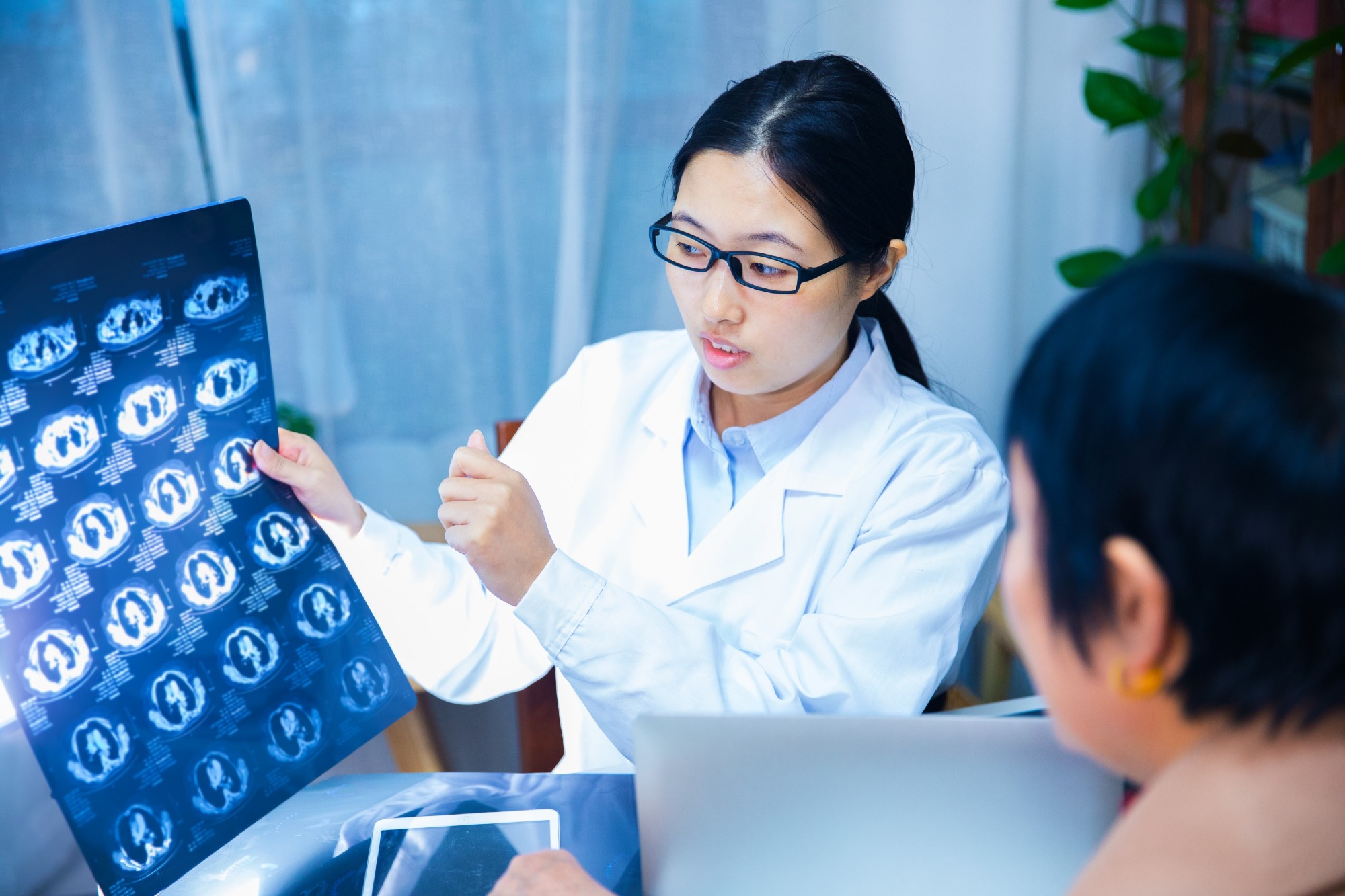
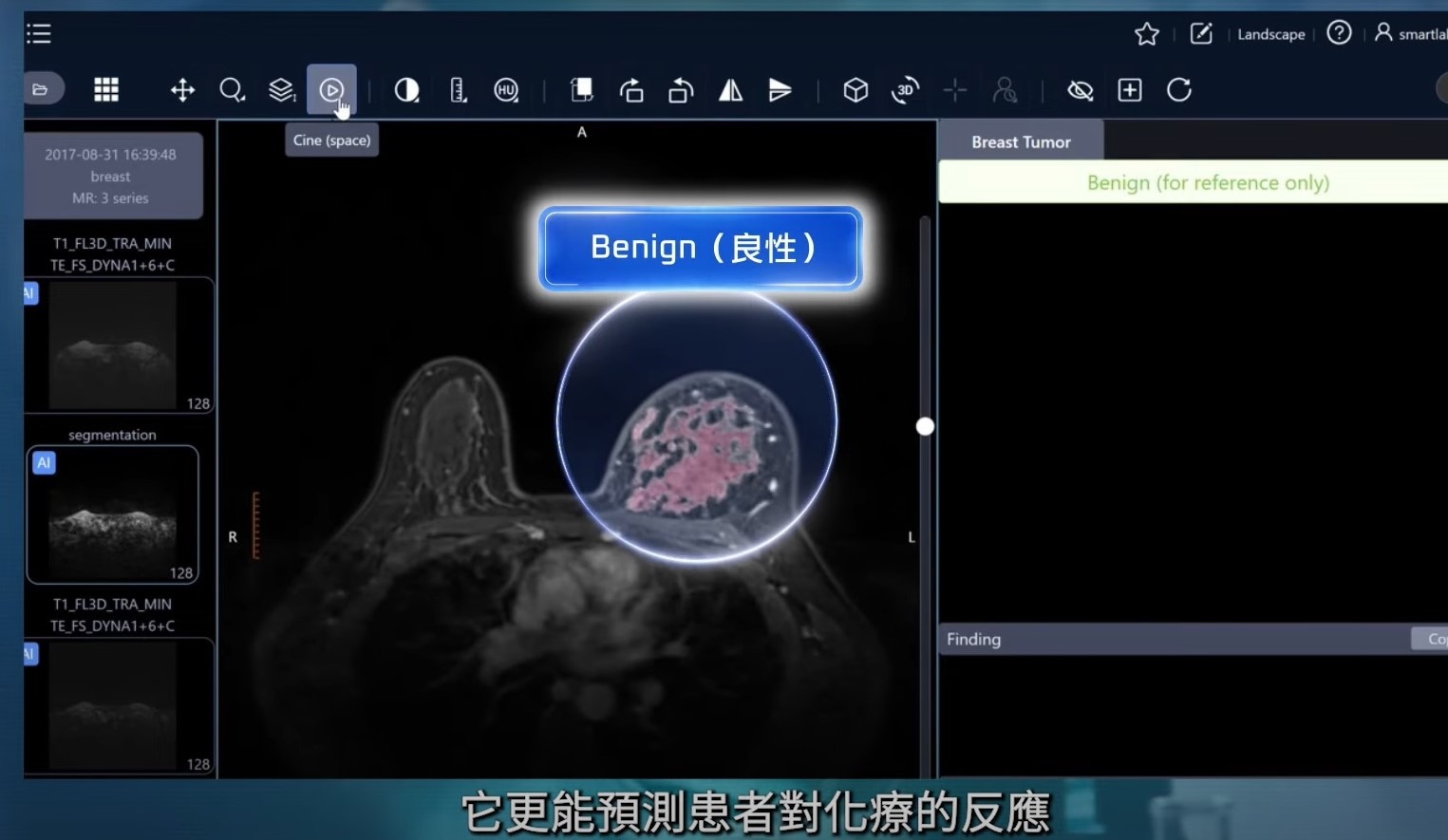
Targeting breast cancer, one of the most prevalent cancers among females in Hong Kong, MOME assists doctors in analysing breast MRIs to quickly determine whether a tumour is benign or malignant, with an accuracy rate of 90%. This eliminates the need for unnecessary biopsies and reduces diagnostic time by 30% to 40%.
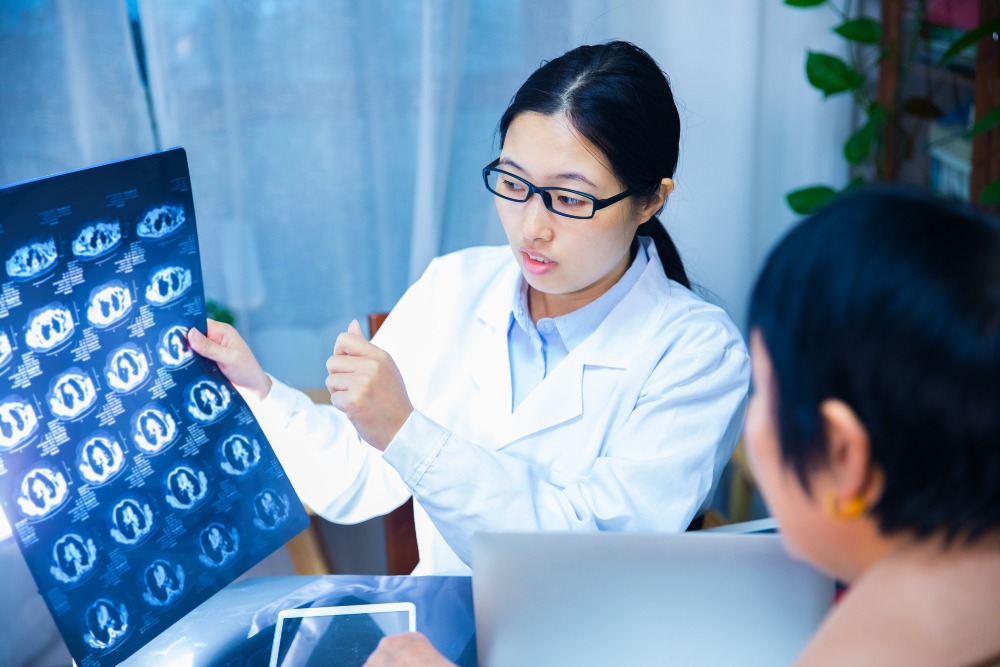
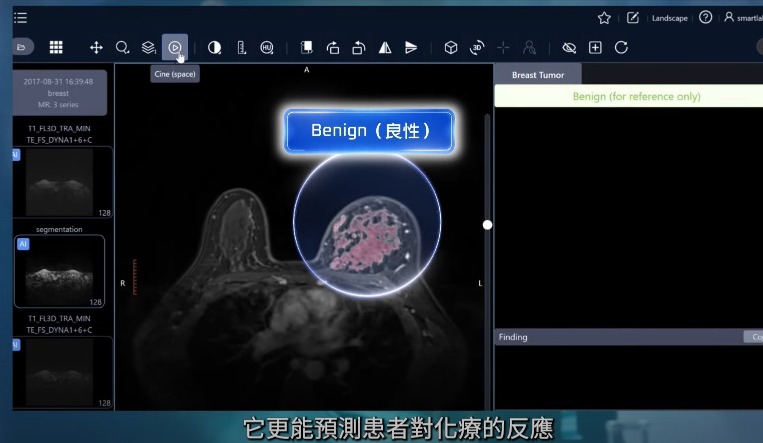
The accuracy of the MOME system is equivalent to that of a radiologist with five or more years of experience. Additionally, it predicts patients' responses to neoadjuvant chemotherapy, enabling non-invasive and personalised management of breast cancer.
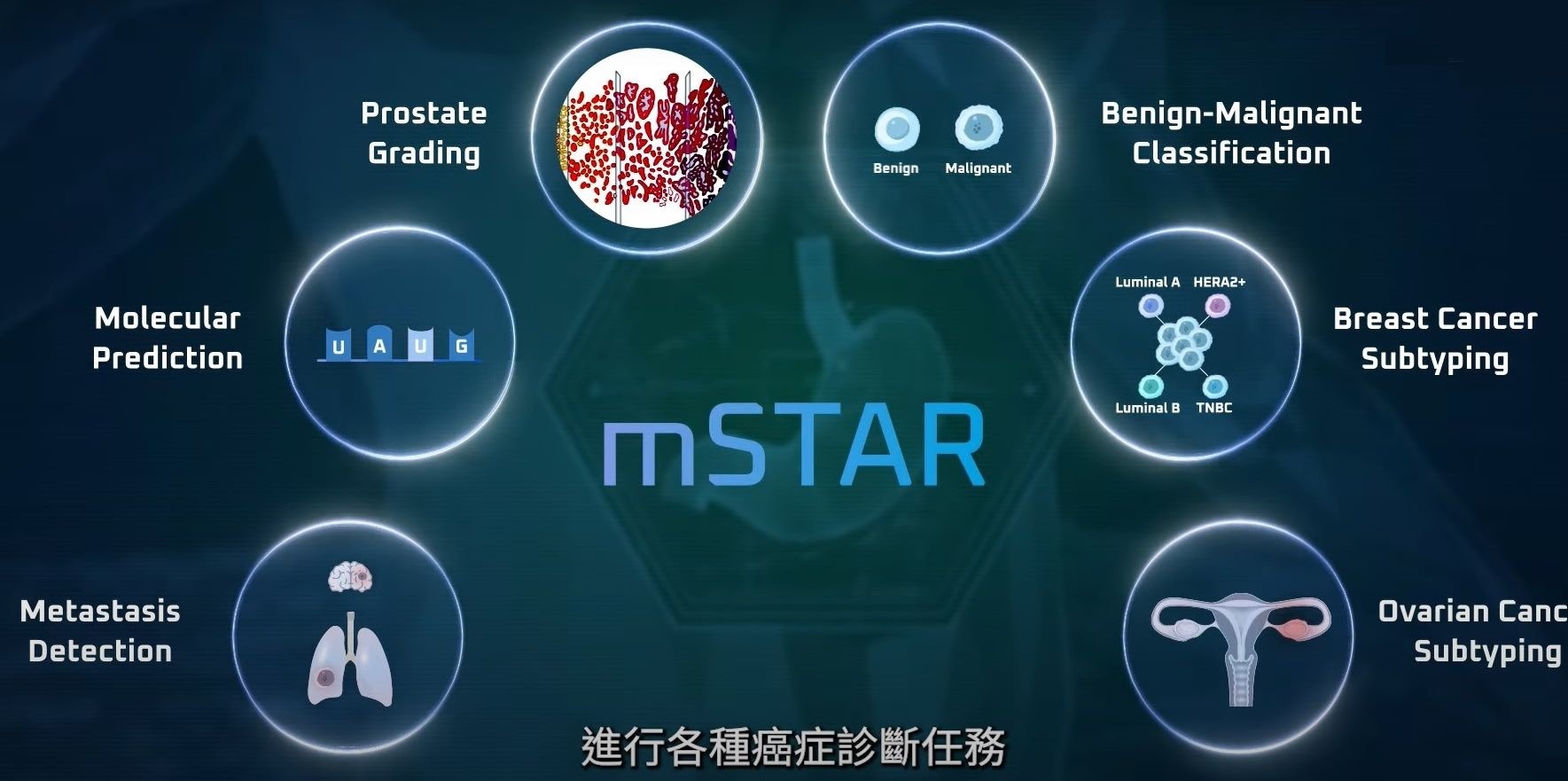
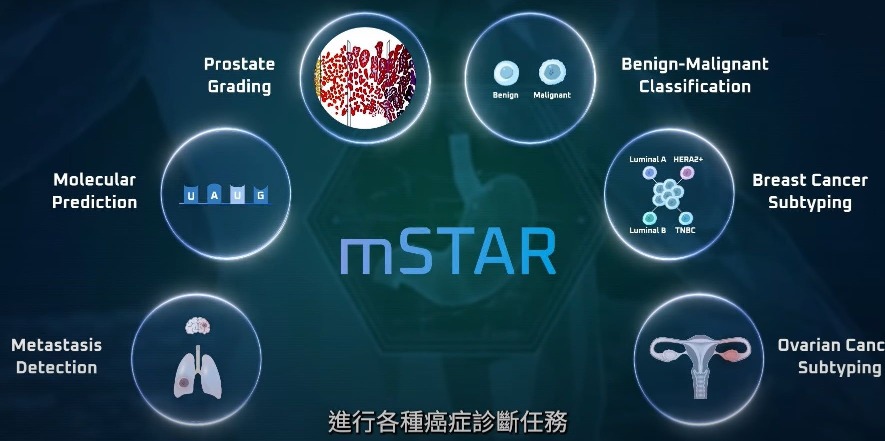
Another medical model, mSTAR, recognised as one of the world's leading foundation models, serves as an adjunct to pathological analysis. Unlike existing ones that analyse slides by splitting them into individual patches, mSTAR stands out by directly modelling whole slide images and augmenting with multimodal knowledge, further enhancing accuracy.
It assists pathologists in performing up to 40 diagnostic and prognostic tasks, significantly reducing examination time and improving diagnostic consistency.
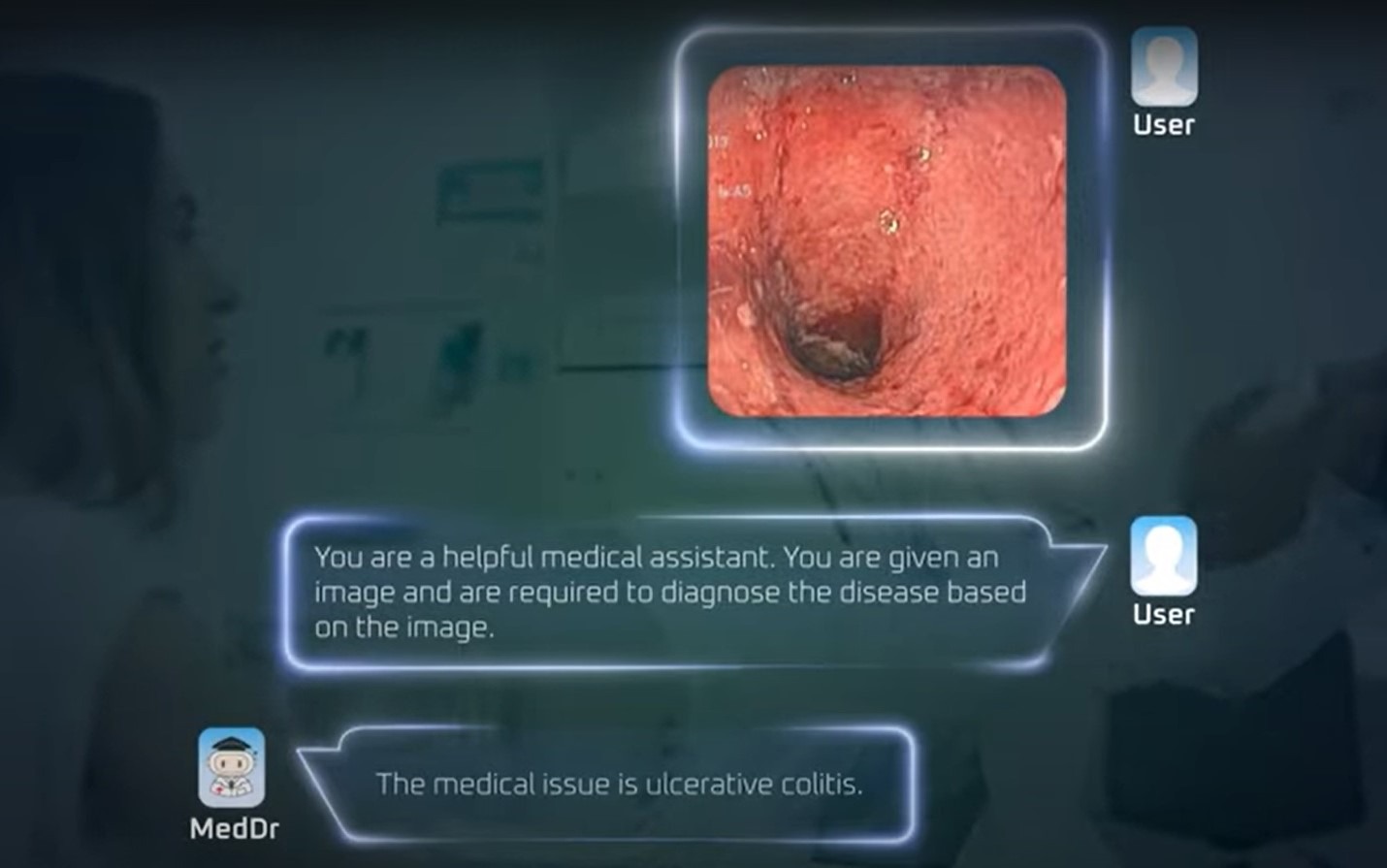
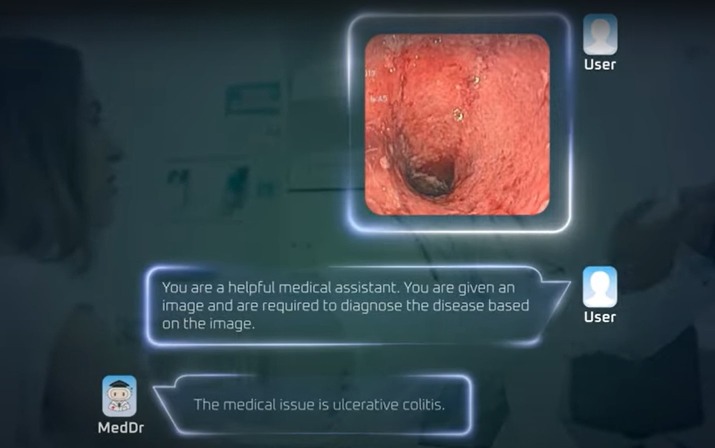
The multimodal language model of the medical model MedDr, is like a "medical GPT" AI general practitioner. The multimodal language model can answer questions, generate medical reports, and provide initial diagnoses based on medical images.
XAIM is an innovative AI framework that provides visual and textual explanations for the system's diagnostic results, improving the previous issue of insufficient system transparency and thereby enhancing medical personnel's trust in the AI system's analysis.
Professor Chen Hao, Assistant Professor in the Department of Computer Science and Engineering at HKUST, stated that these four major AI medical models help doctors improve diagnoses, promote personalised treatment for patients, and simplify workflow processes.
AI system delivers cancer diagnosis with an accuracy greater than 95%
After a year, the HKUST developed the AI pathology system SmartPath in 2025, providing one-stop cancer diagnosis and treatment support for patients.
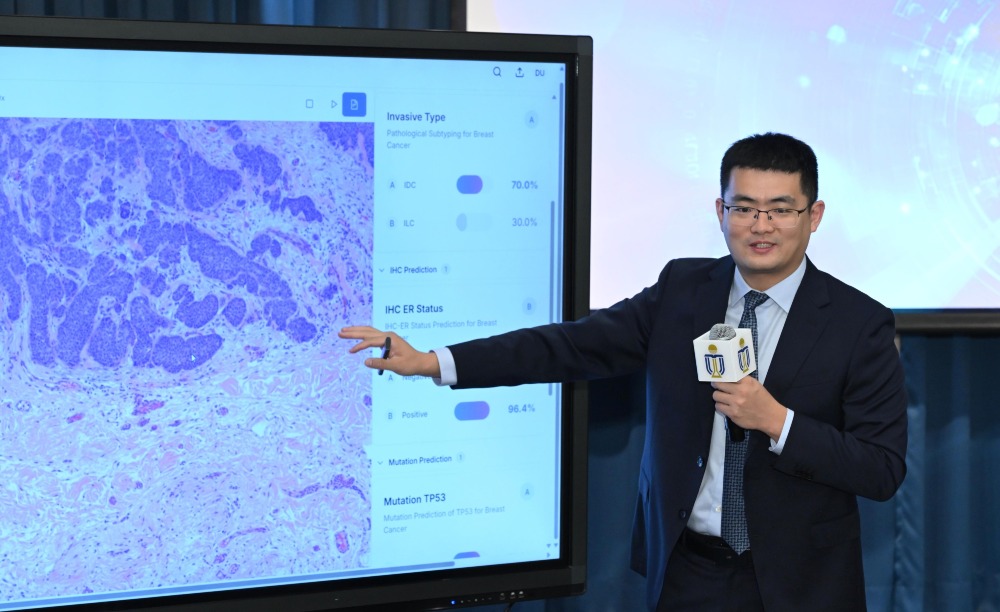
The new system, SmartPath, is developed by the team led by Professor Chen Hao, Director of Collaboration Center for Medical and Engineering Innovation, and Assistant Professor of the Department of Computer Science and Engineering and Department of Chemical and Biological Engineering at HKUST.
Developed from one of the largest and most diverse pathology datasets, SmartPath was trained on more than half million whole slide images spanning 34 major tissue sites.
The system provides integrated support for clinical diagnosis, subtyping, biomarker quantification, treatment response assessment, and prognostic follow-up across a wide spectrum of cancers, aiming to accelerate turnaround times and enhance the personalisation of treatment plans.
Currently, the SmartPath system utilises a comprehensive pathology foundational model framework to accurately diagnoses various high-incidence cancers in Hong Kong, including lung cancer, breast cancer, colorectal cancer, and gastric cancer.
Professor Chen stated that the research team conducted clinical validation in over 10 hospitals in Hong Kong and the Chinese Mainland. Based on comprehensive benchmarking, the SmartPath system demonstrated outstanding performance.
According to a prospective study conducted by Nanfang Hospital, the system excelled in diagnosing cancers such as lung, breast, and colorectal cancer, achieving an overall accuracy rate of over 95%.
In terms of time, the AI model takes only about one minute to complete a diagnosis, which, compared to the traditional manual diagnosis time of several to over 10 minutes, significantly reduces patients' waiting times and also lowers the risk of undergoing unnecessary surgeries.
Professor Chen Hao also emphasised that the SmartPath system will continuously evolve with each clinical application, setting a new standard for intelligent personalised healthcare.
Read more: Hospitals in Shenzhen's Longgang District fully adopt HuatuoGPT
Read more: Tong Kai Yu developed the "Hand of Hope" reigniting hope for stroke patient