Published : 2025-04-26
Many streets in Hong Kong are given alternative names that highlight their unique characteristics. Pottinger Street (砵甸乍街) in Central Pottinger is commonly known as Stone Slab Street (石板街), naturally referring to its stone-paved surface.
But why were the stones designed with some recessed and others raised? Did you know Pottinger Street once had an air raid shelter?
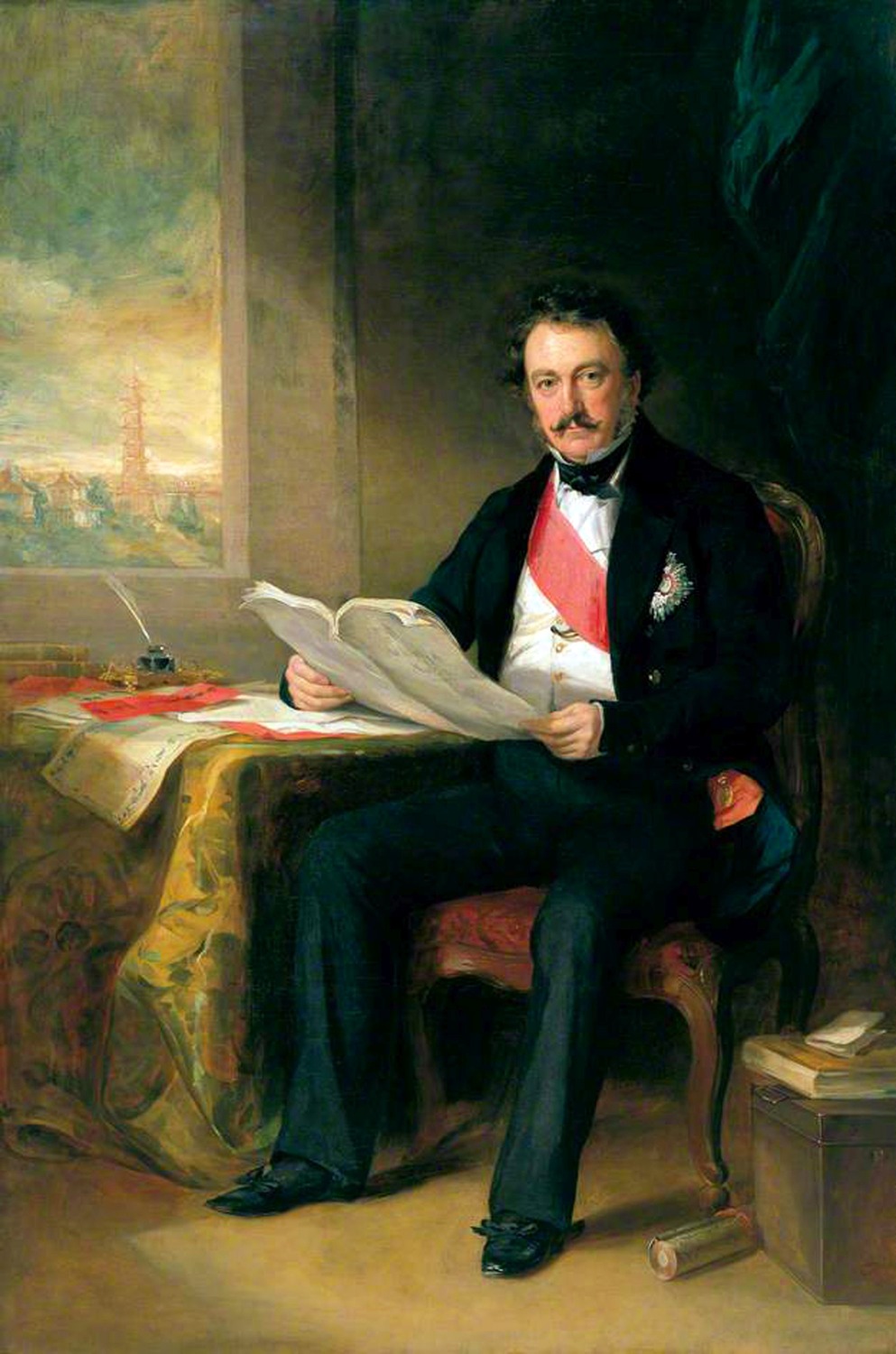
Pottinger Street is named after the first Governor of HK
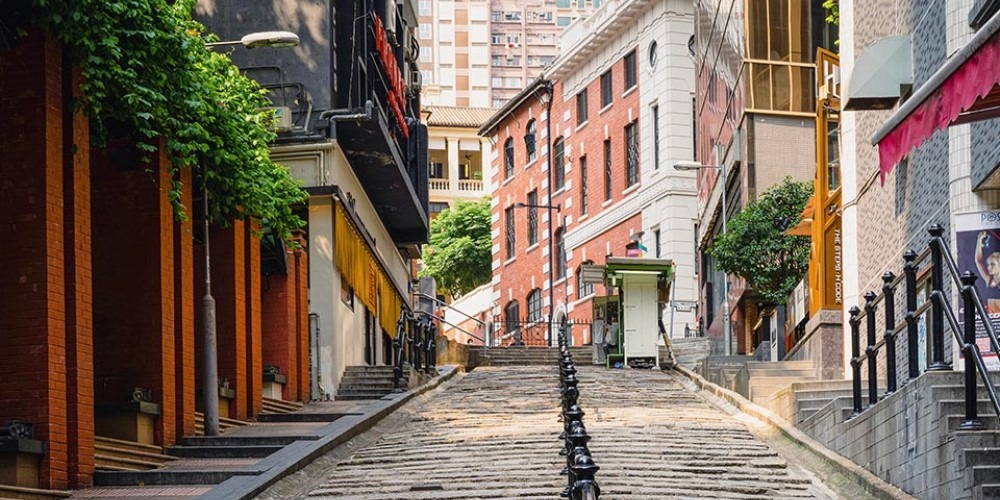
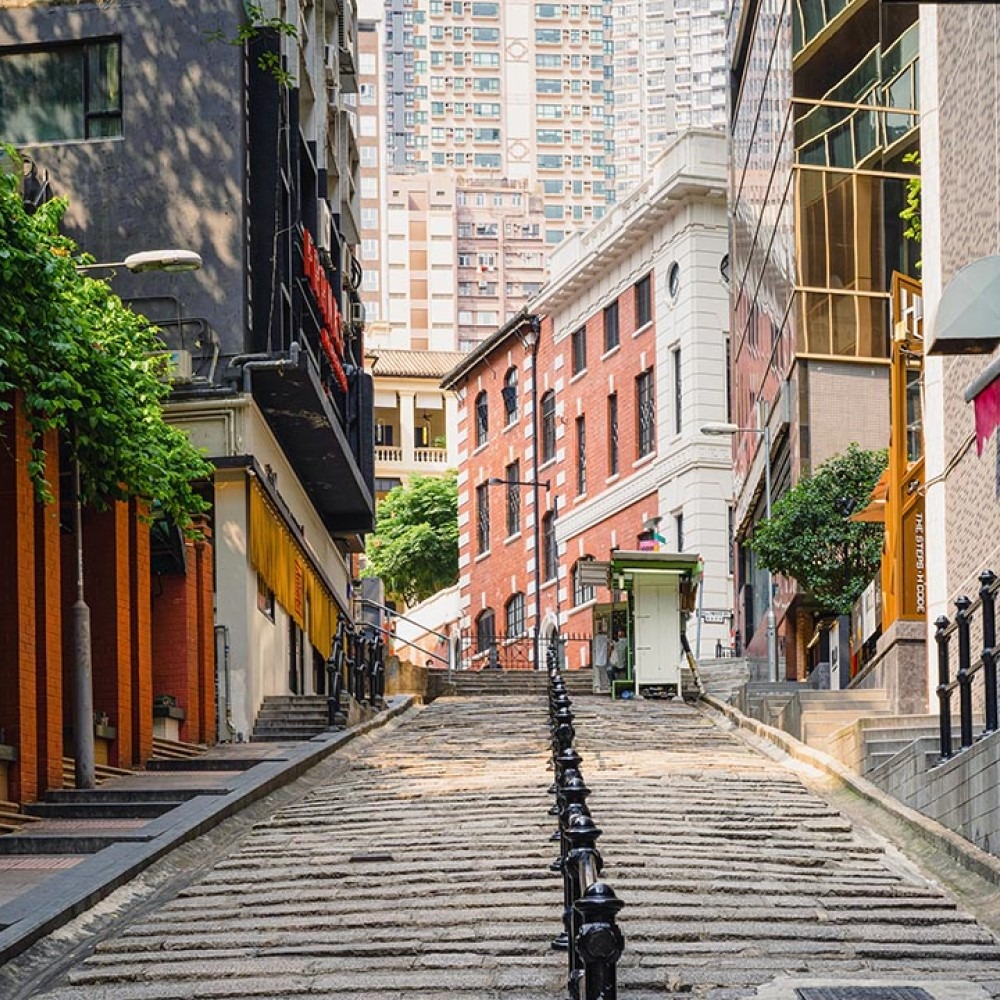
Pottinger Street is an ancient street in Central, approximately 400 metres long. Its distinctive stone-paved road and preserved green iron-sheet stalls made it a popular photo spot for both local and foreign tourists.
This over-a-century-old street was built in 1845 and named after the first Governor of Hong Kong, Sir Henry Pottinger, in 1858. However, looking back, Pottinger was a rather controversial figure.
He is well-known for signing the Treaty of Nanking and establishing the Legislative Council, the judiciary, and the Executive Council in Hong Kong.
However, during his time in Hong Kong, he faced marginalisation by the British military and merchants, compounded by severe law and order issues caused by rampant piracy. As a result, he resigned in 1844.
Although Pottinger left Hong Kong in such a disheartened state, the British Hong Kong Government later decided to name the street after him.
Read more: HK's only remaining gas lamps on Duddell Street
Pottinger Street with uneven paved road for convenience of sedan chair carriers
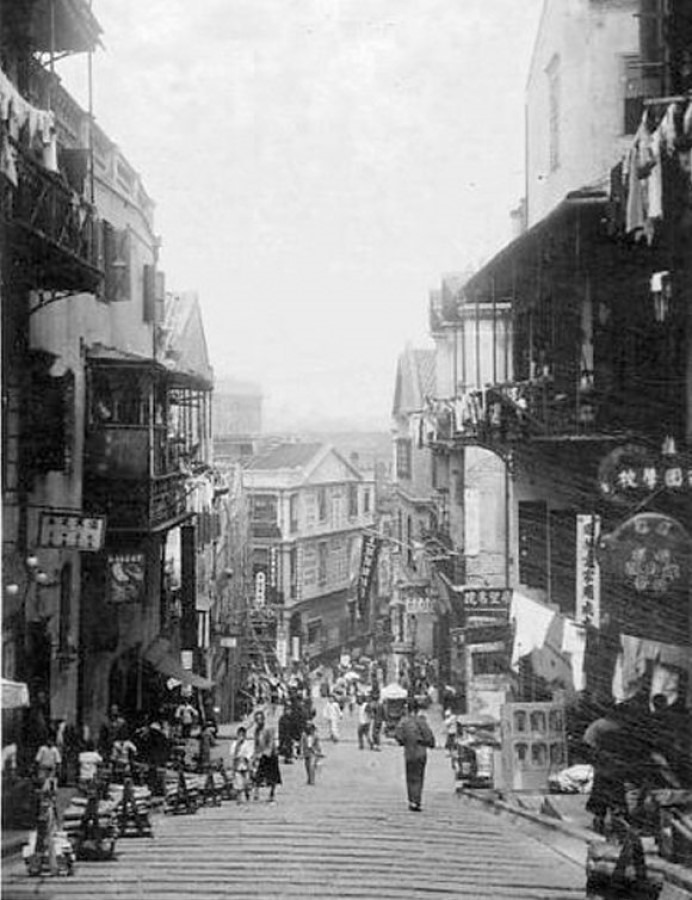
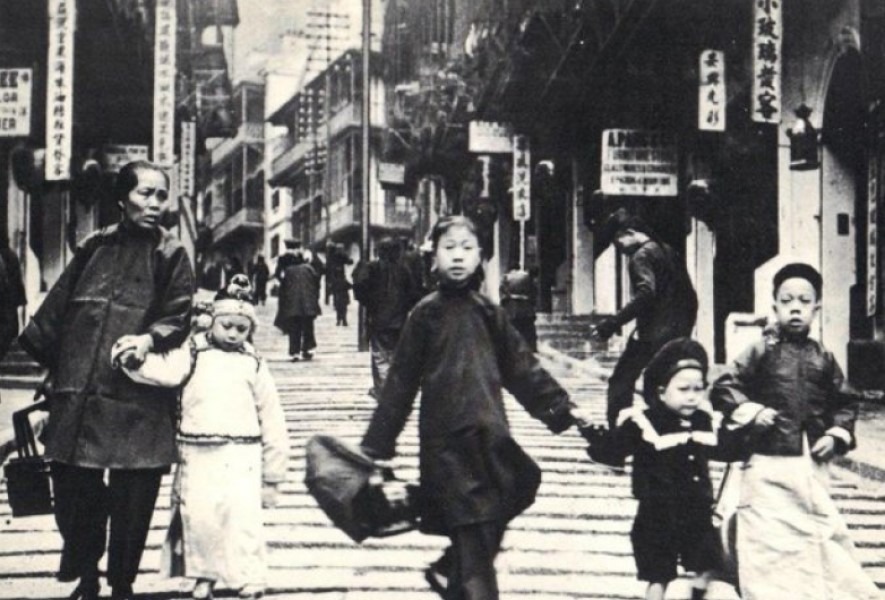
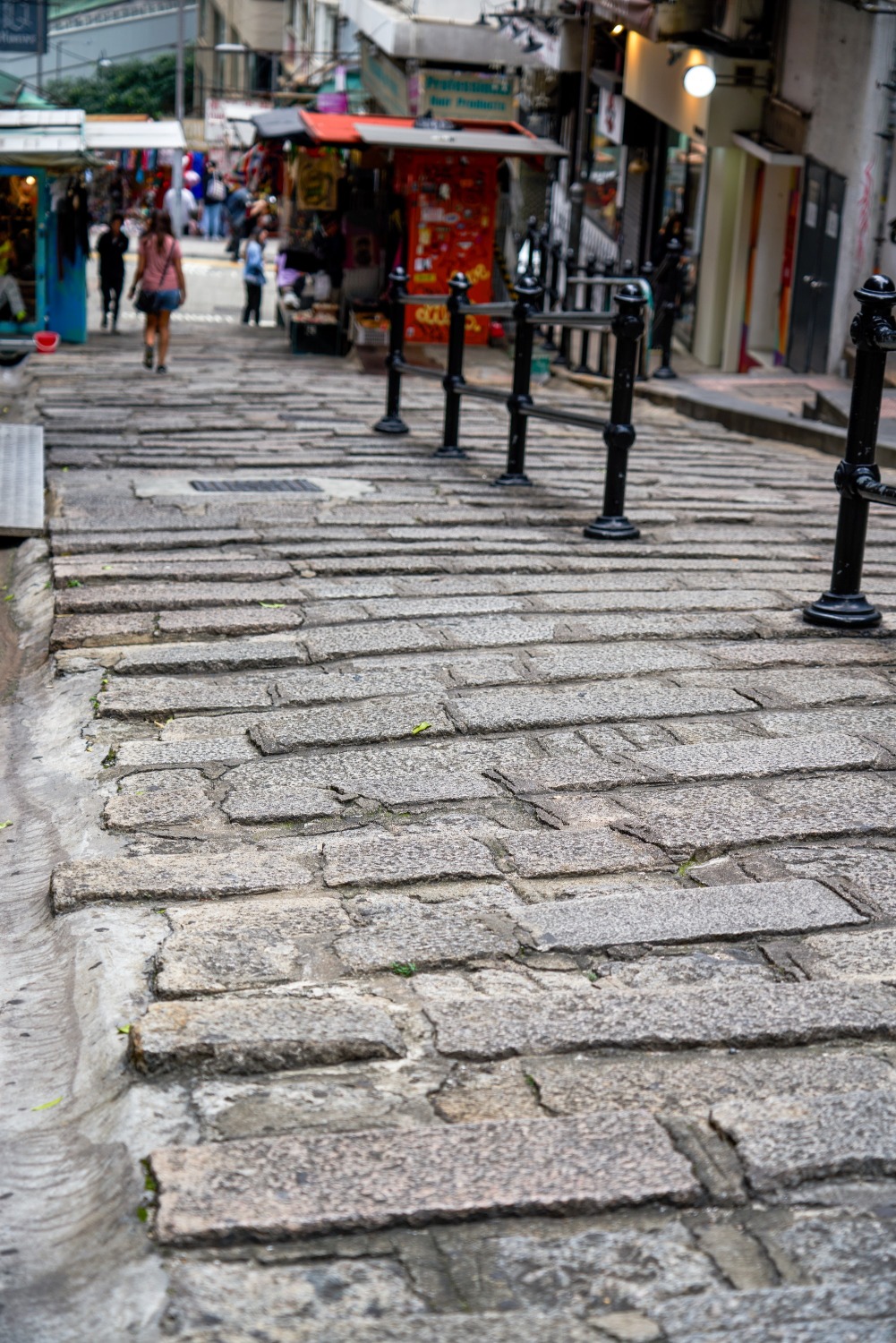
Pottinger Street's nickname, Stone Slab Street, literally refers to the stone-paved road. The street was originally a steep slope, and the British Hong Kong Government intentionally paved it with uneven stones to facilitate both pedestrian and sedan chair carriers up and down the hill.
Another reason is that during rainy days, rainwater can flow down along both sides of the street, reducing the difficulty of walking on a waterlogged road.
Currently, Pottinger Street connects Hollywood Road at the top and Connaught Road Central at the bottom. Initially, the street extended only from Hollywood Road to Des Voeux Road Central. It wasn't until the completion of the Central-Western District Reclamation Project in 1889 that it extended to Connaught Road Central.
In 1961, the British Hong Kong Government carried out major renovation work on Pottinger Street, removing grime from the road and repairing damaged areas, thus preserving the street's stone slab appearance in good condition.
Read more: Kam Hong Street and Shu Kuk Street in North Point named after two century-old establishments?
Pottinger Street is lined with stalls selling household items and festive decorations
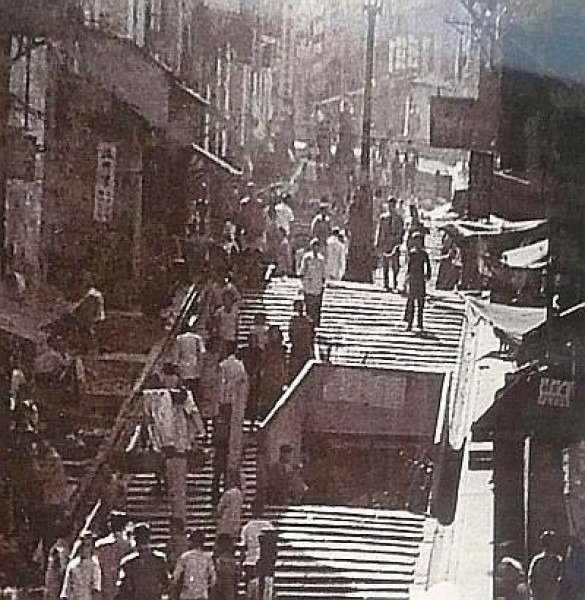
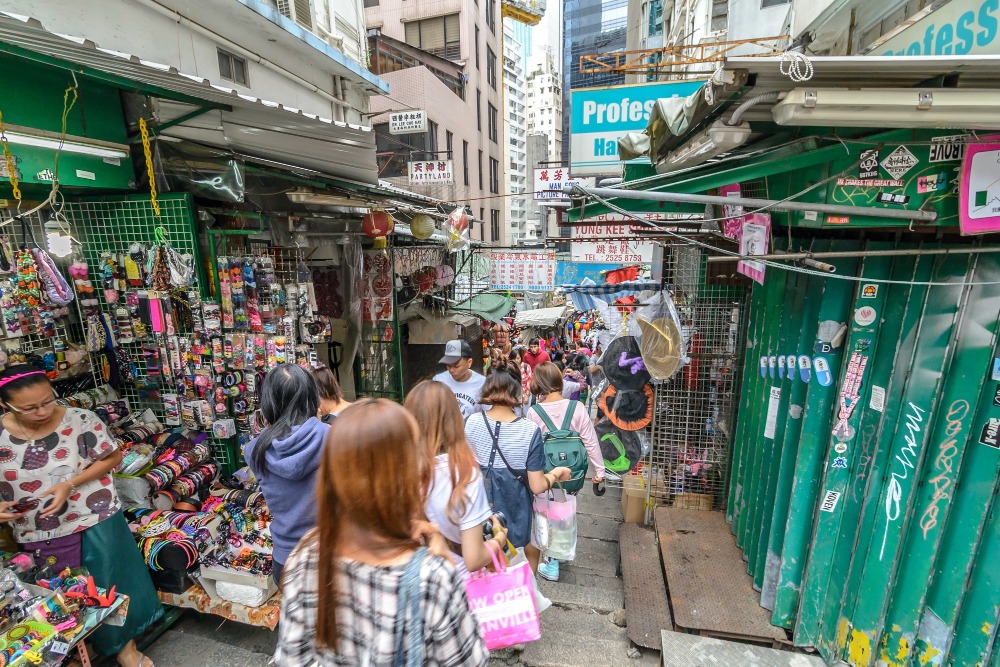
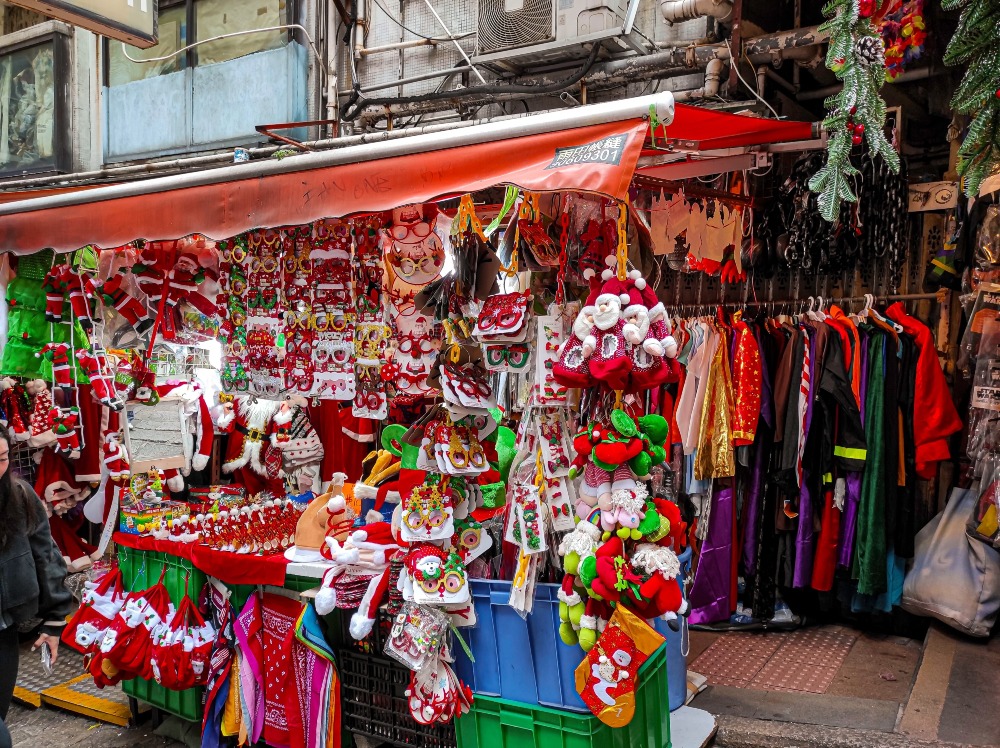
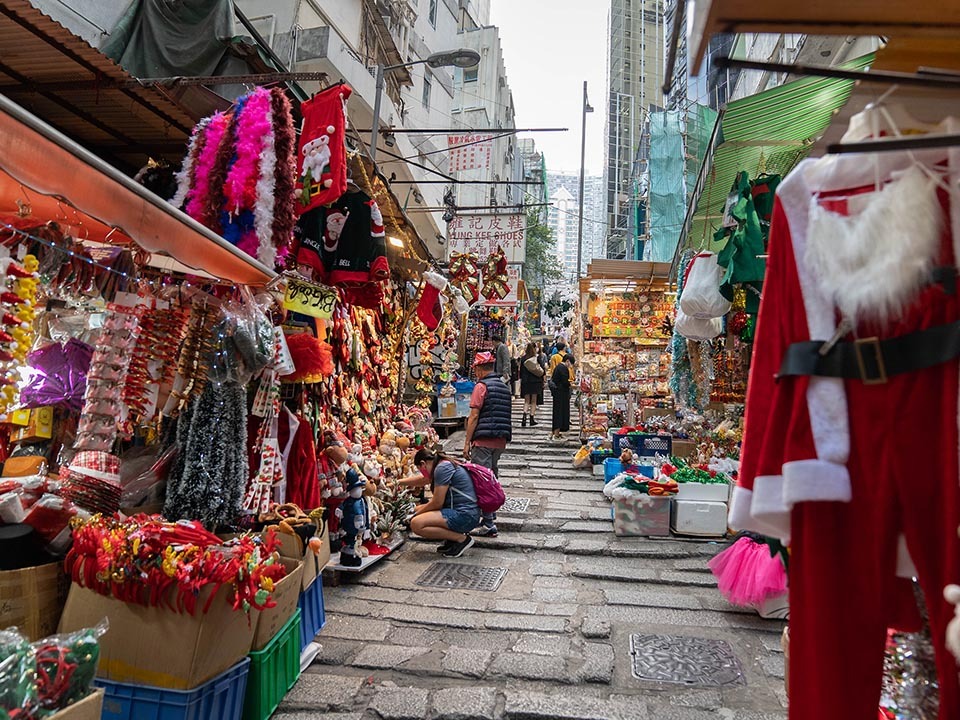
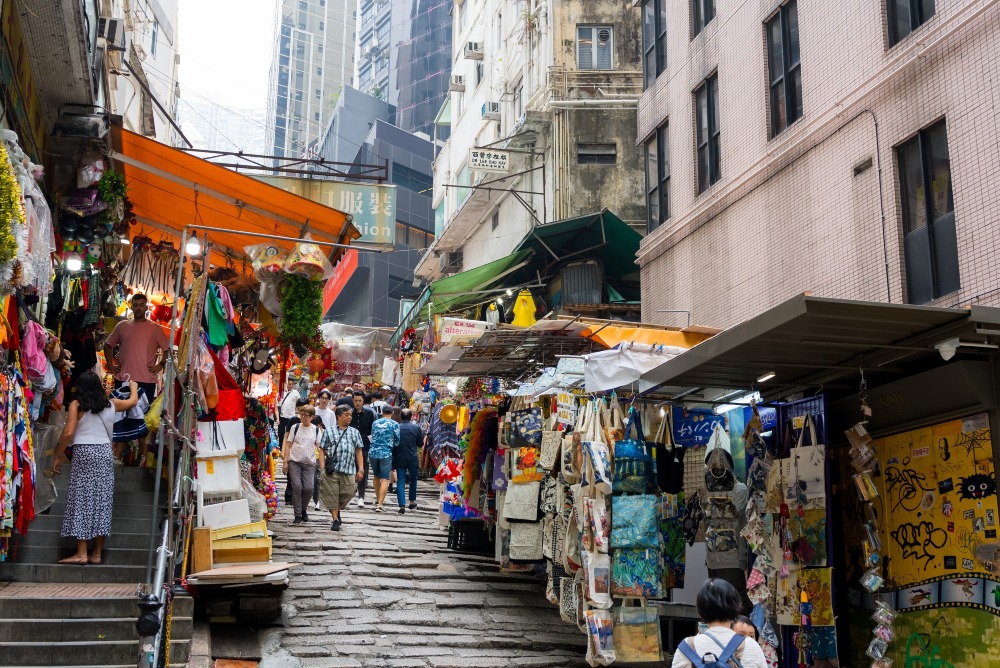
Regarding old stories about Pottinger Street, during World War II, it once had an air-raid shelter built for emergencies. However, it was never used at the time, and it was abandoned and filled in during the 1980s.
A stroll down Pottinger Street takes less than 10 minutes. Besides admiring the unique stone-paved road, you will discover many green tin-roofed stalls and small shops on both sides. These stalls used to sell household items and provide services like shoe repairs, kettle repair, and clothing alteration. Today, many stalls have shifted to selling festive decorations, masks, vintage clothing, or handicrafts.
Pottinger Street is a popular filming location for movies.
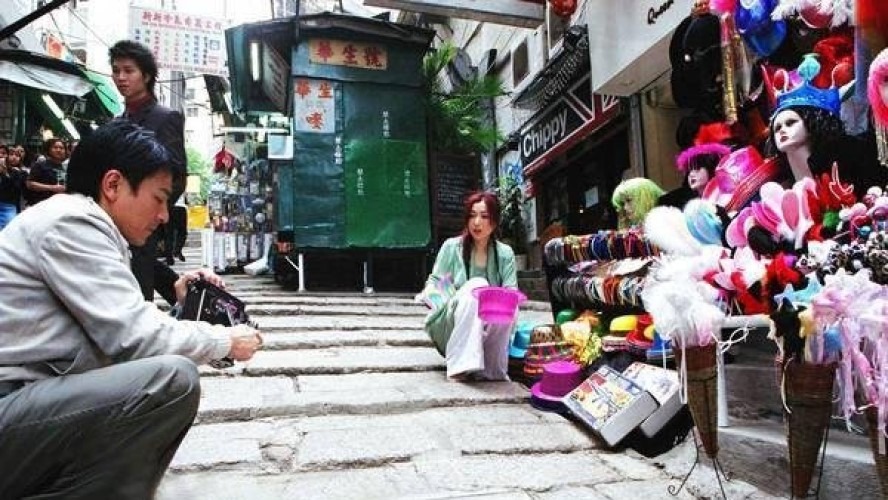
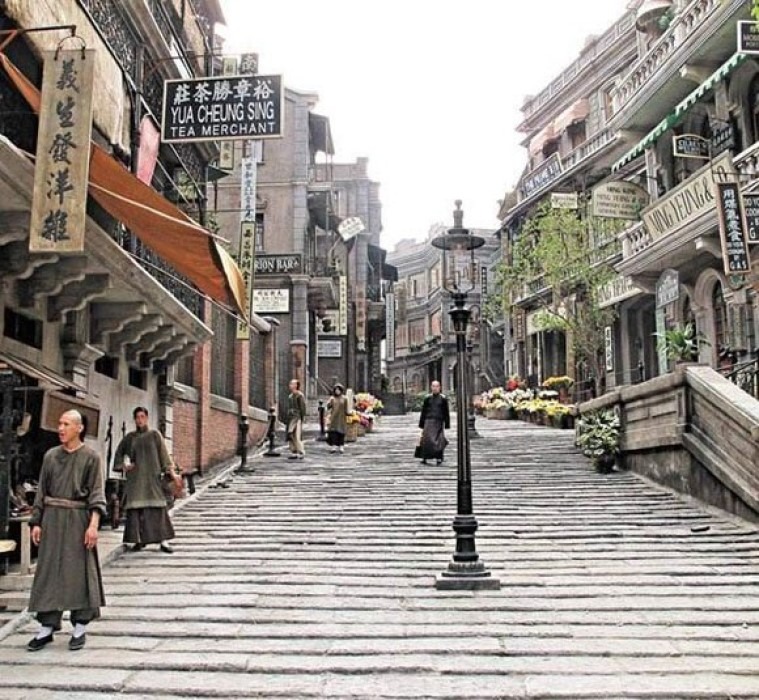
In 2009, Pottinger Street was designated as a Grade I historic building by the Antiquities and Monuments Office. This street, full of historical charm and old Hong Kong flair, not only attracts tourists for sightseeing and photography but has also been a filming location for many movies, such as Yesterday Once More (《龍鳳鬥》), Bodyguards and Assassins (《十月圍城》), Infernal Affairs III (《無間道III》), Lust, Caution (《色,戒》) and more.
In the bustling and modern Central district, Pottinger Street with its stone slate path and hidden historical charm, makes one feel like stepping into a time tunnel, experiencing a nostalgic atmosphere.
Read more: A century of changes in Hong Kong's Criminal Law from the revitalisation of Tai Kwun