Published : 2025-11-11
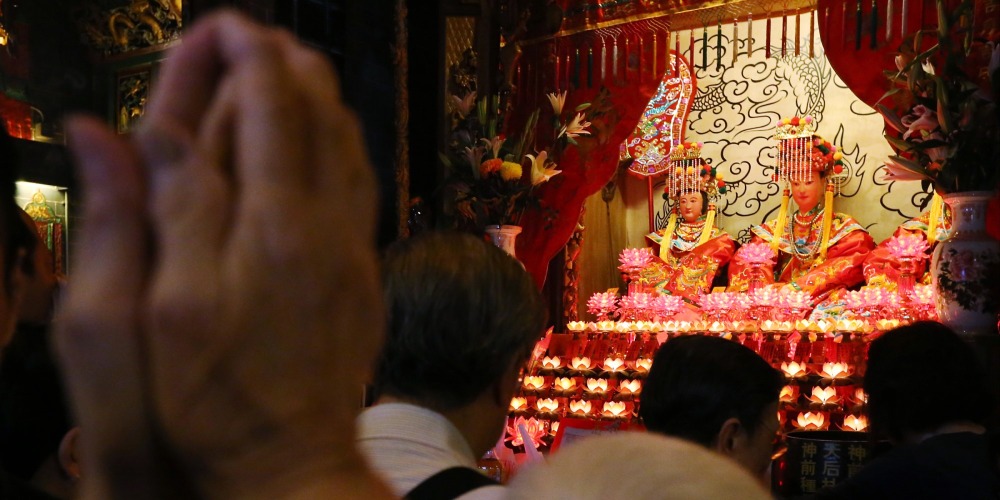
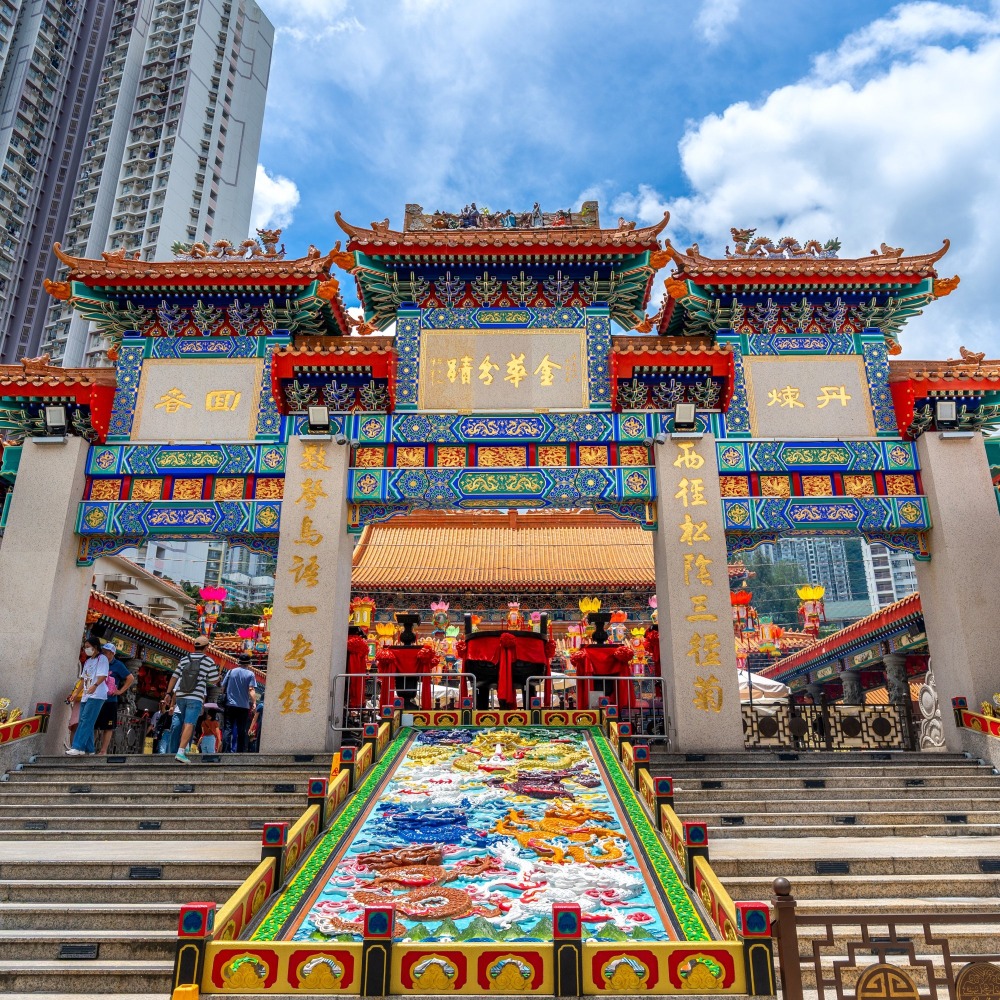
Wong Tai Sin Temple (黃大仙祠) is a popular tourist destination in Hong Kong, and the "Belief of Wong Tai Sin" is even a national-level intangible cultural heritage.
Who is Wong Tai Sin? What are the special features of Wong Tai Sin Temple? What are its historical ties with Hong Kong? Let's find out the facts through the following 10 numbers.
1 poor family
Master Wong Tai Sin's original name was Wong Cho Ping (黃初平), and he was born into a poor family in 328 AD during the Jin Dynasty (266-420 AD). Master Wong Tai Sin began herding sheep at the age of eight in the area of Red Pine Mountain (赤松山), north of today's Jinhua, Zhejiang Province.
At 15, he met an immortal elder who taught him the arts of meditation and refining medicinal herbs. He practised diligently in the mountains for 40 years and achieved immortality.
Wong Tai Sin once demonstrated to his older brother the magic of turning stones into sheep. After he shouted at some white rocks, the stones surprisingly transformed into a flock of sheep.
Because the immortal master lived in seclusion on Red Pine Mountain, he is also known as "Red Pine Wong Tai Sin" (赤松黃大仙).
Brought to Hong Kong in early 20th century
The belief of Wong Tai Sin originated in Jinhua, spread to Lingnan during the Ming and Qing dynasties, and reached Hong Kong in the early 20th century.
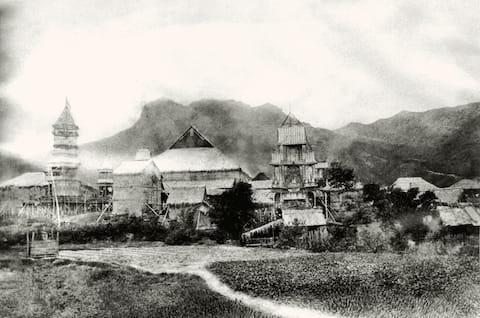
The belief of Wong Tai Sin in Hong Kong was founded in 1915. The Taoist priests Liang Ren-an (梁仁菴) and Liang Jun-zhuan (梁鈞轉), who were father and son, from the Puqing Altar (普慶壇) on Xiqiao Mountain (西樵山) in Guangdong, first set up an altar in Central to preach.
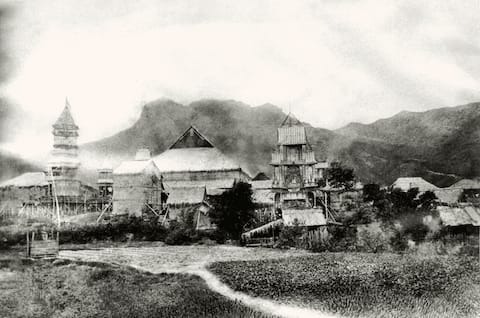
In 1921, the Leungs established the "Wong Tai Sin Temple" (赤松仙館) in the desolate area of Chuk Yuen (竹園) in Kowloon City and founded "Sik Sik Yuen" (嗇色園) as the managing organisation, gradually developing it into the present-day belief of Wong Tai Sin, which combines religious and charitable characteristics.
3 religions united in veneration
Although the belief of Wong Tai Sin originates from the Taoist immortal Wong Cho Ping, Wong Tai Sin Temple advocates for the equal reverence of Confucianism, Buddhism, and Taoism.
In fact, since the Song and Ming dynasties, the principles of the three religions have been deeply embedded in traditional Chinese culture.
Although the doctrines of the three religions differ, their core principle is to guide people towards goodness. Therefore, Sik Sik Yuen, which manages Wong Tai Sin Temple, bases its ethos on "Three Religions United in Veneration", in line with Hong Kong's socially integrated cultural character.
It encourages devotees to adopt a broader perspective, transcend sectarian biases, pursue universal harmony, and elevate Wong Tai Sin's guiding principles of "universal aid and exhortation to goodness" to new heights.
The four-character tenet
Wong Tai Sin Temple's guiding principle is the sacred teaching, "To act benevolently and to teach benevolence" (普濟勸善), and these four Chinese characters are the instructive text revealed by Master Wong Tai Sin through Fuji (planchette writing) at the front altar (Puji Altar).
"Pu Ji" (普濟) means the widespread bestowal of spiritual nourishment and the salvation of all beings.
"Pu" (普) means universal and without discrimination, representing treating everyone equally without distinction; "Ji" (濟) refers to relief and deliverance (rescuing suffering souls), including material relief (known as "the gift of wealth") and non-material spiritual care or religious deliverance rituals (also known as "the gift of fearlessness").
"To teach benevolence" (勸善) means to advise people to be good and to correct their wrongdoings, enabling them to cultivate virtue and accumulate blessings.
It is with this principle that Wong Tai Sin Temple propagates Taoism and expounds its teachings to society, spreading positive energy, and exhorting people to do good and be edified.
Officially opened in the 1950s
Wong Tai Sin Temple was officially opened in 1956. The story behind this "official opening" dates back to the Chinese Temples Ordinance implemented in 1928.
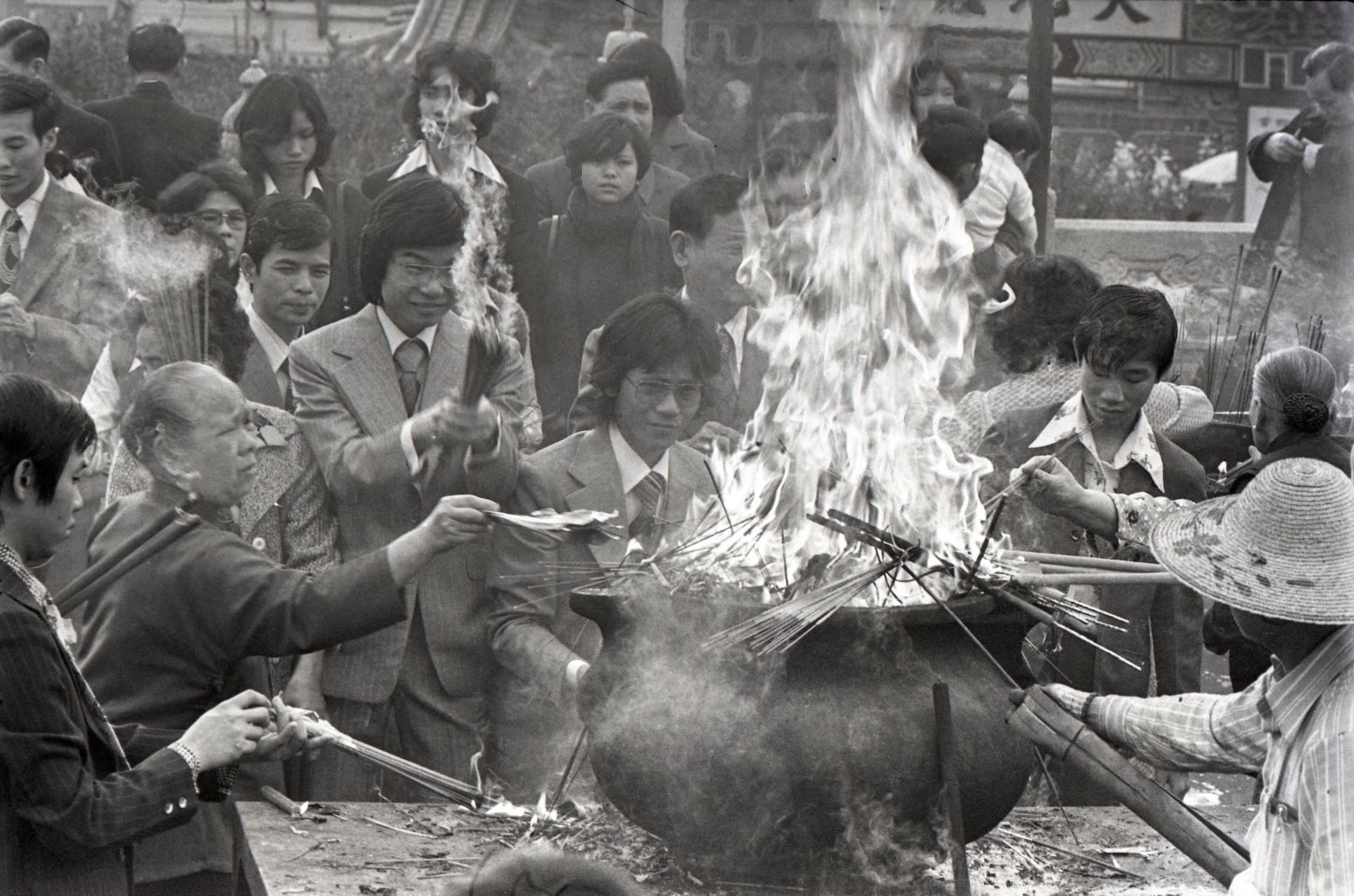
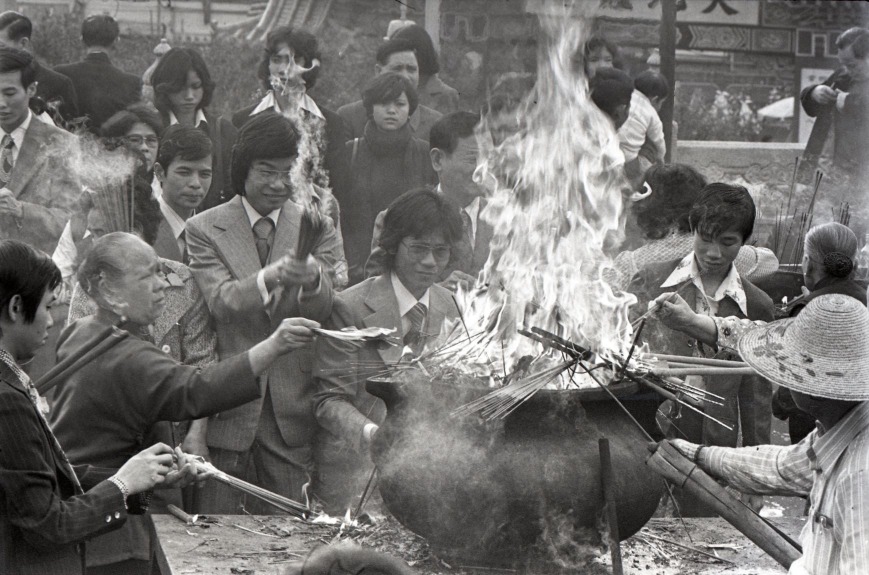
In fact, when Wong Tai Sin Temple was completed in 1921, many worshippers were already visiting to pray, and incense was burnt non-stop.
However, after the Canton–Hong Kong strike (省港大罷工) occurred in Hong Kong in October 1926, the British Hong Kong Government, in order to consolidate its governance, strengthened its supervision in various aspects, including the enactment of the Chinese Temples Ordinance (華人廟宇條例) in 1928, which required all Chinese temples and religious organisations to register and be vetted by the Chinese Temples Committee. Some temples were forced to close after failing to meet the evaluation criteria.
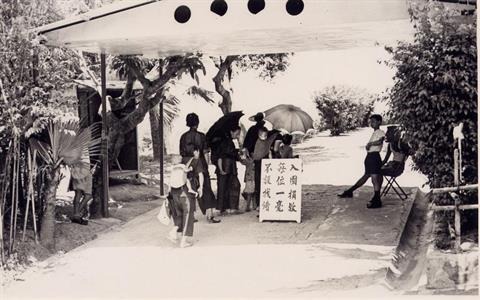
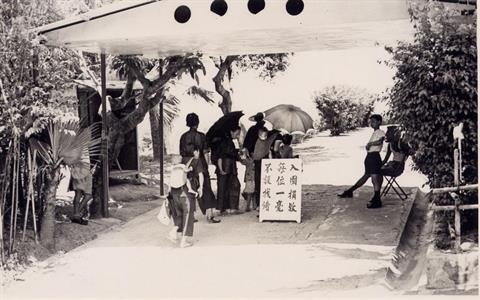
In its early days, Wong Tai Sin Temple operated as a private Taoist site, and thus avoided the crisis of being closed down, but it was restricted from opening to the public, only allowing Taoist members of Sik Sik Yuen or their families to worship.
However, this did not stop worshippers from setting up altars and burning incense outside the temple.
Later, through the mediation of Sir Chau Tsun-nin, a prominent government official and community leader, Wong Tai Sin Temple was granted permission to open its main hall to the public during the first lunar month each year. This arrangement later gave rise to the tradition of offering the "first incense" of the lunar year.
During the Japanese occupation, Sik Sik Yuen was once occupied by the Japanese army. After the liberation of Hong Kong, the British Hong Kong Government once again requested Sik Sik Yuen to register in 1947, leading to the closure of the Wong Tai Sin Temple.
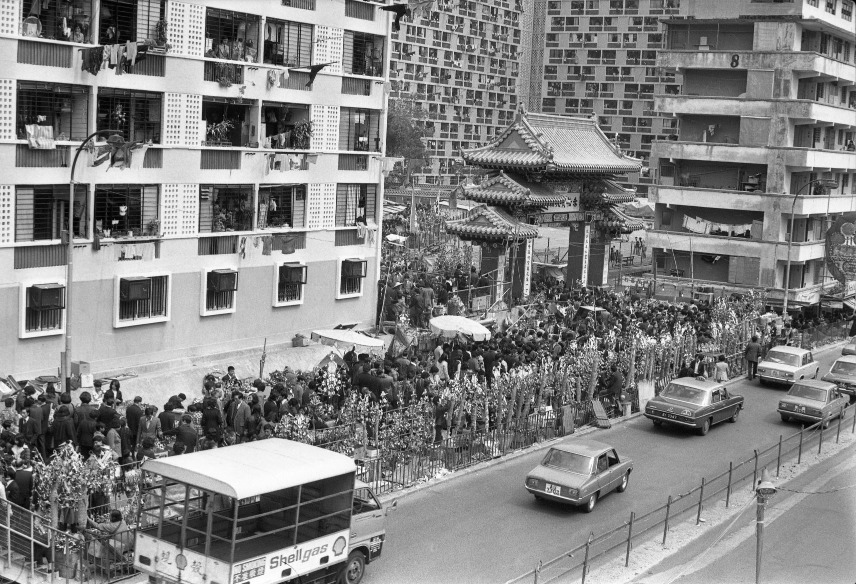
In 1956, Wong Tai Sin Temple was almost repossessed by the government for the construction of Government Low Cost Housing (政府廉租屋).
At that time, Wong Wan-tin (黃允畋), the Chairman of Sik Sik Yuen, actively contacted government officials, community leaders, and the Tung Wah Group of Hospitals for help. He also proposed charging each worshipper who entered the temple a fee of 10 cents, to be allocated as funding for Tung Wah's free schools.
Finally, in 1956, Wong Tai Sin Temple received government approval to be open for public worship.
Became a place name in the 1960s
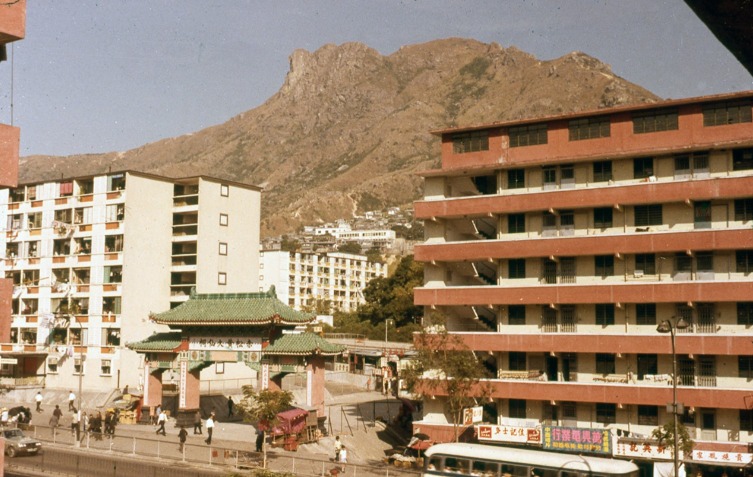
"Chuk Yuen" (竹園), where the Wong Tai Sin Temple is located, was one of the Thirteen Villages of Kowloon in the old days, named after a large bamboo forest in the area.
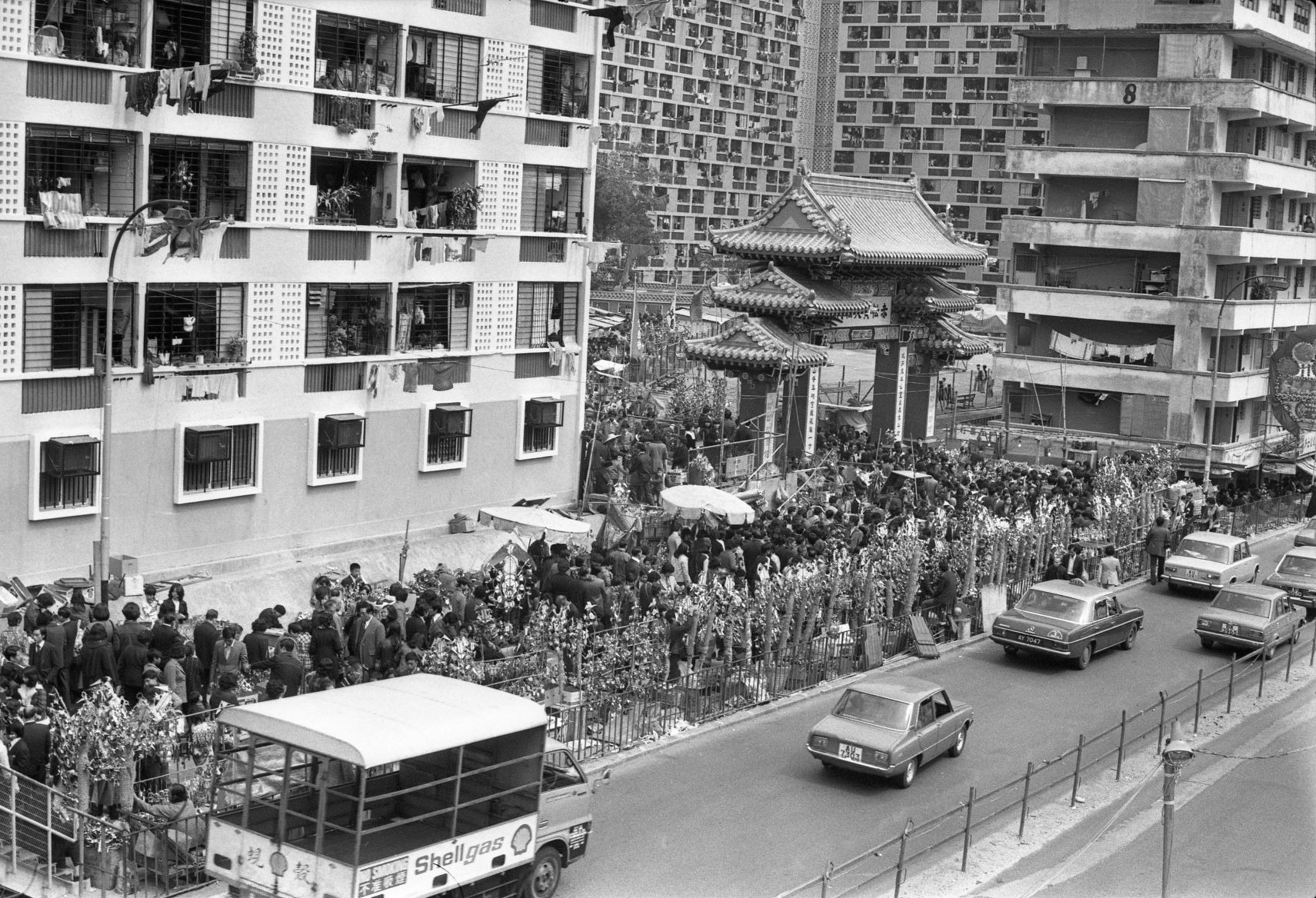
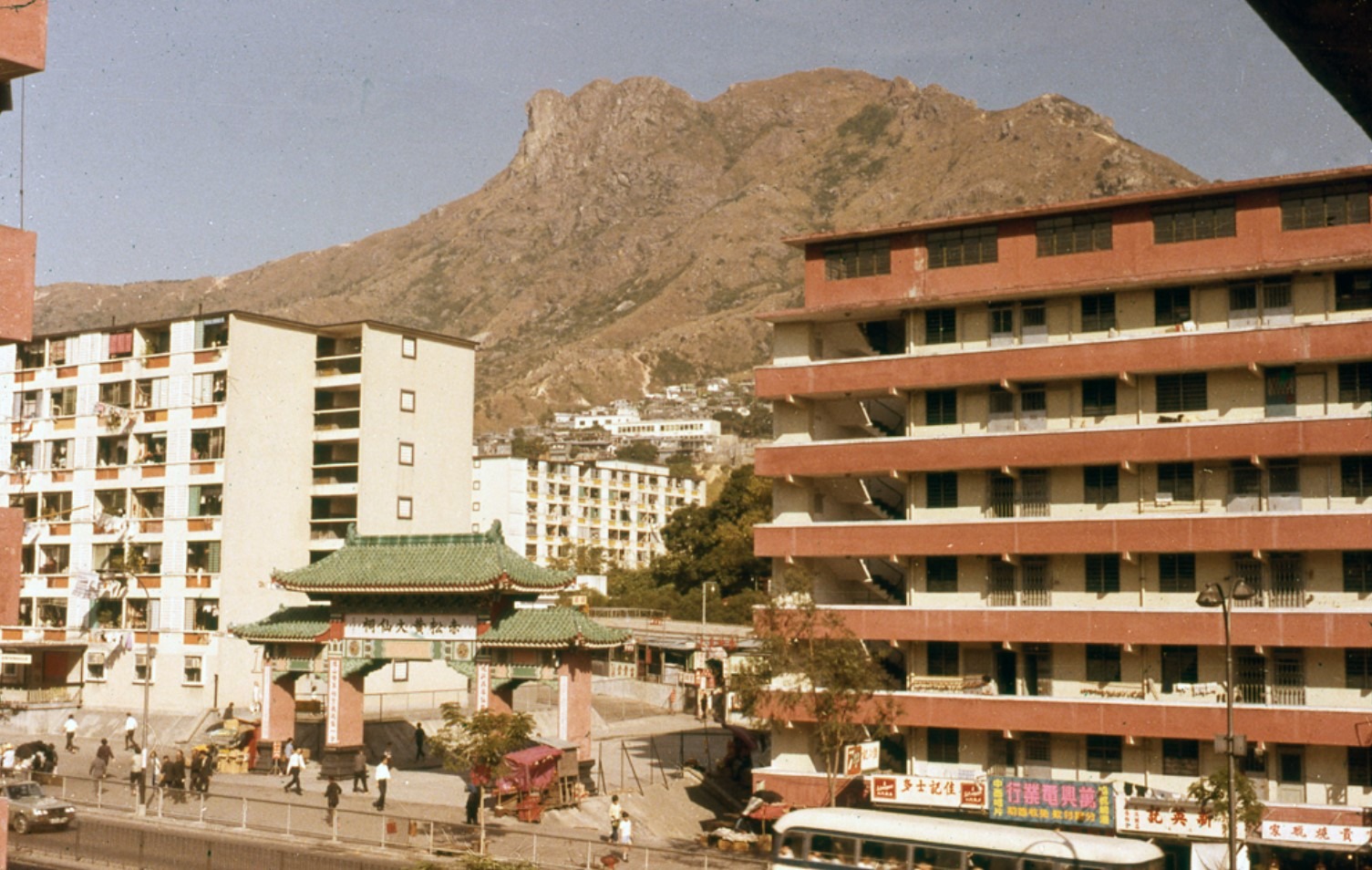
Later, due to population growth, the government began to clear Chuk Yuen Village in 1956 to build Government Low Cost Housing, which later became the Wong Tai Sin Resettlement Estate.
In 1969, the government published the Report on District Officer's Work Review, establishing that the relevant area be named after the popular Wong Tai Sin Temple. Wong Tai Sin officially became a place name, and gradually replaced "Chuk Yuen" as the main place name.
Today, Wong Tai Sin District is one of the 18 administrative districts of Hong Kong.
Opens at 7:30 a.m.
Wong Tai Sin Temple opens daily at 7:30 a.m. and closes at 4:30 p.m. However, on the 1st and 15th of each lunar month, the opening hours are from 8:00 a.m. to 9:00 p.m.
Wong Tai Sin Temple offers free admission, with only the "Taisui Yuenchen Hall" (太歲元辰殿) charging an entrance fee of 100 HKD. Senior citizens aged 65 or above and individuals with disabilities are eligible for a 50% discount.
Birth of Wong Tai Sin is on 23 August of the lunar month
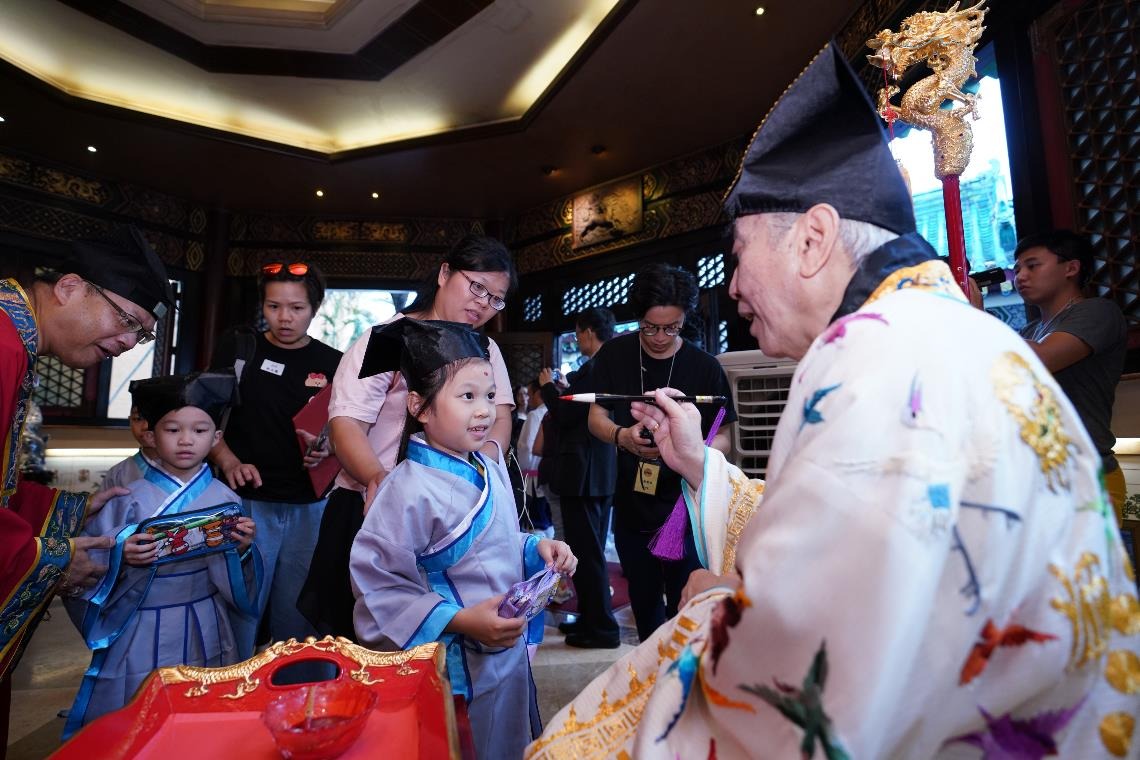
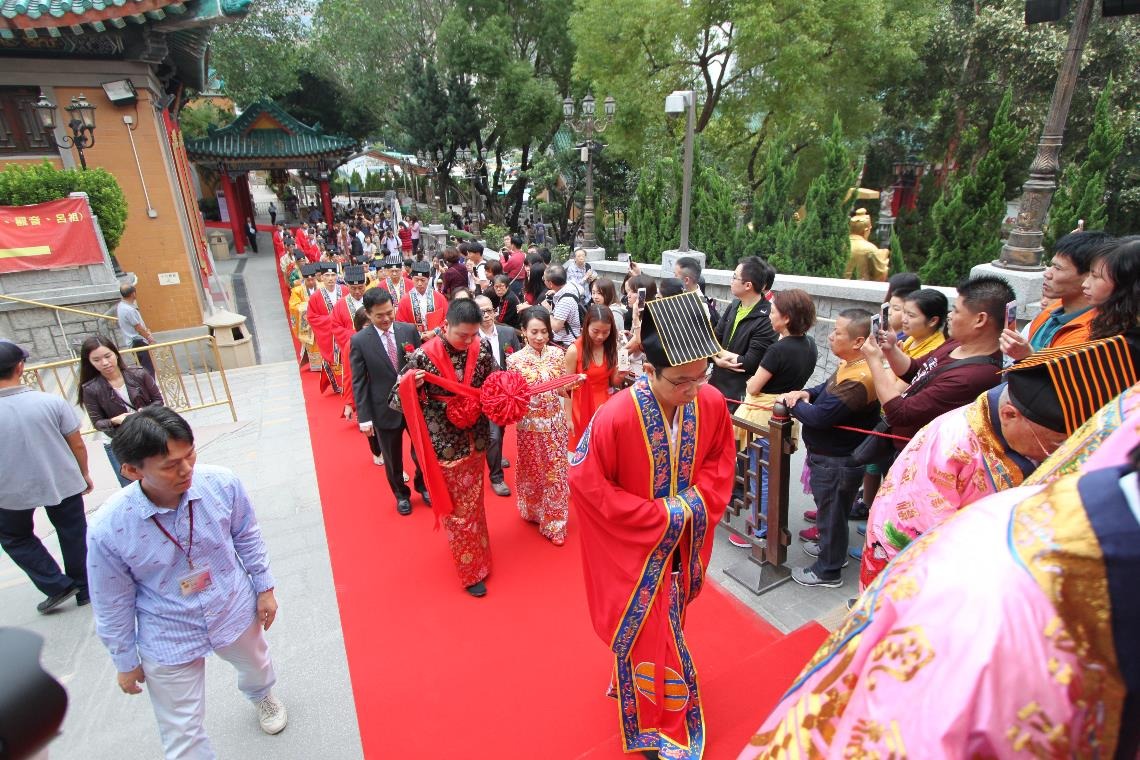
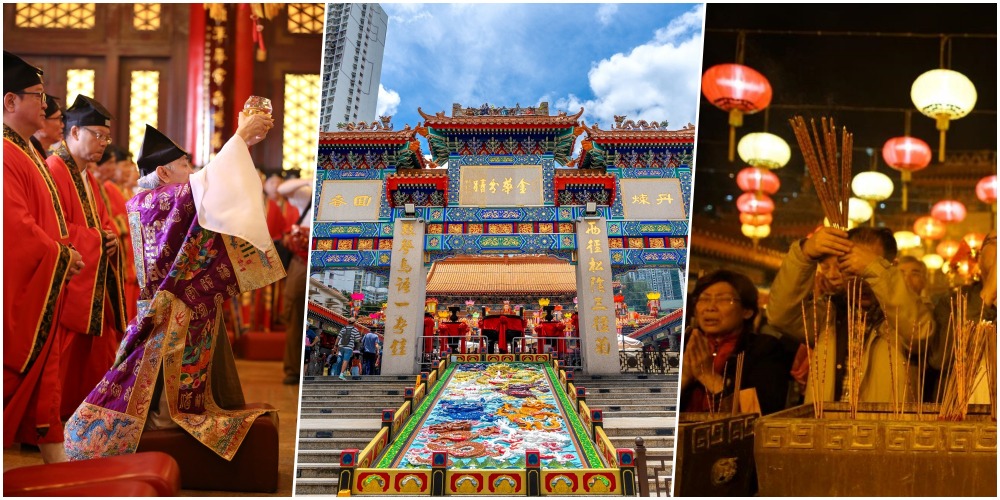
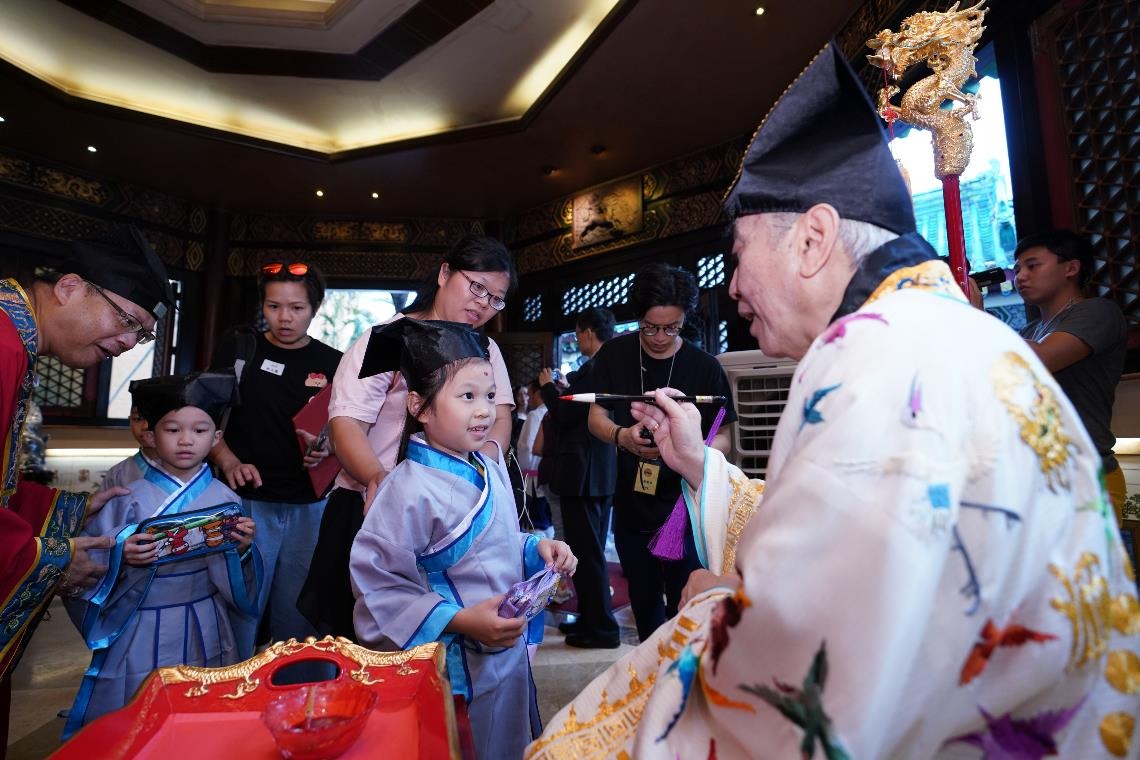
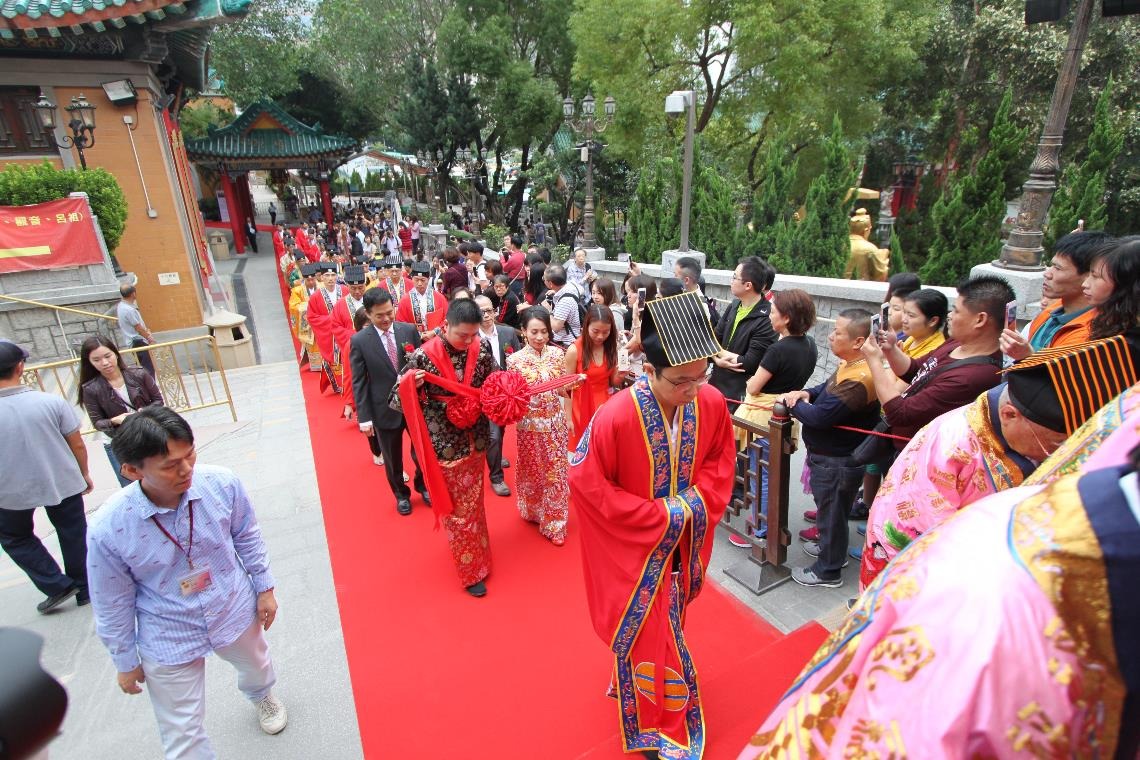
The birthday of Wong Tai Sin is celebrated annually on the 23 August of the lunar month. The ceremony begins at noon, with Taoist priests in red and blue robes conducting the ritual under the guidance of the lead priest.
The chief officiant starts the ceremony by offering large incense sticks at the incense burner outside the hall, performs three kneelings and nine kowtows, performs "fish washing" (洗魚) ritual (striking the wooden fish and the sounding stone nine times), recites the Praise of Exquisite Gems, and reads a scripture.
Then, they perform a sprinkling purification inside and outside the hall, using the "Purifying Heaven and Earth" incantation (上淨天地解穢咒), followed by recitations of the "Incense Invocation Mantra" (祝香咒) and "Inviting the Saints Praise" (請聖讚).
Afterwards, the chief officiant presents the five offerings (namely incense, flowers, lamps, water, and fruit), chants the Praise to the Immortal Master in unison, recites the True Scripture of Wong Tai Sin of Chisong, the Precious Scripture, and the Precious Proclamation, followed by the reading of the prayer and the Birthday Praise, and then offers steamed buns, chicken, blessed meat (roast pork), and precious silk (votive paper offerings).
Finally, as the staff outside the hall strike the bell and drum 24 times, the Taoist priests offer wine to the Immortal Master; the chief officiant goes outside to distribute the Immortal Master's talismans to the departing members, and everyone can line up and leave to the sound of gongs and drums, concluding the ceremony.
Worshipping with 9 incense sticks
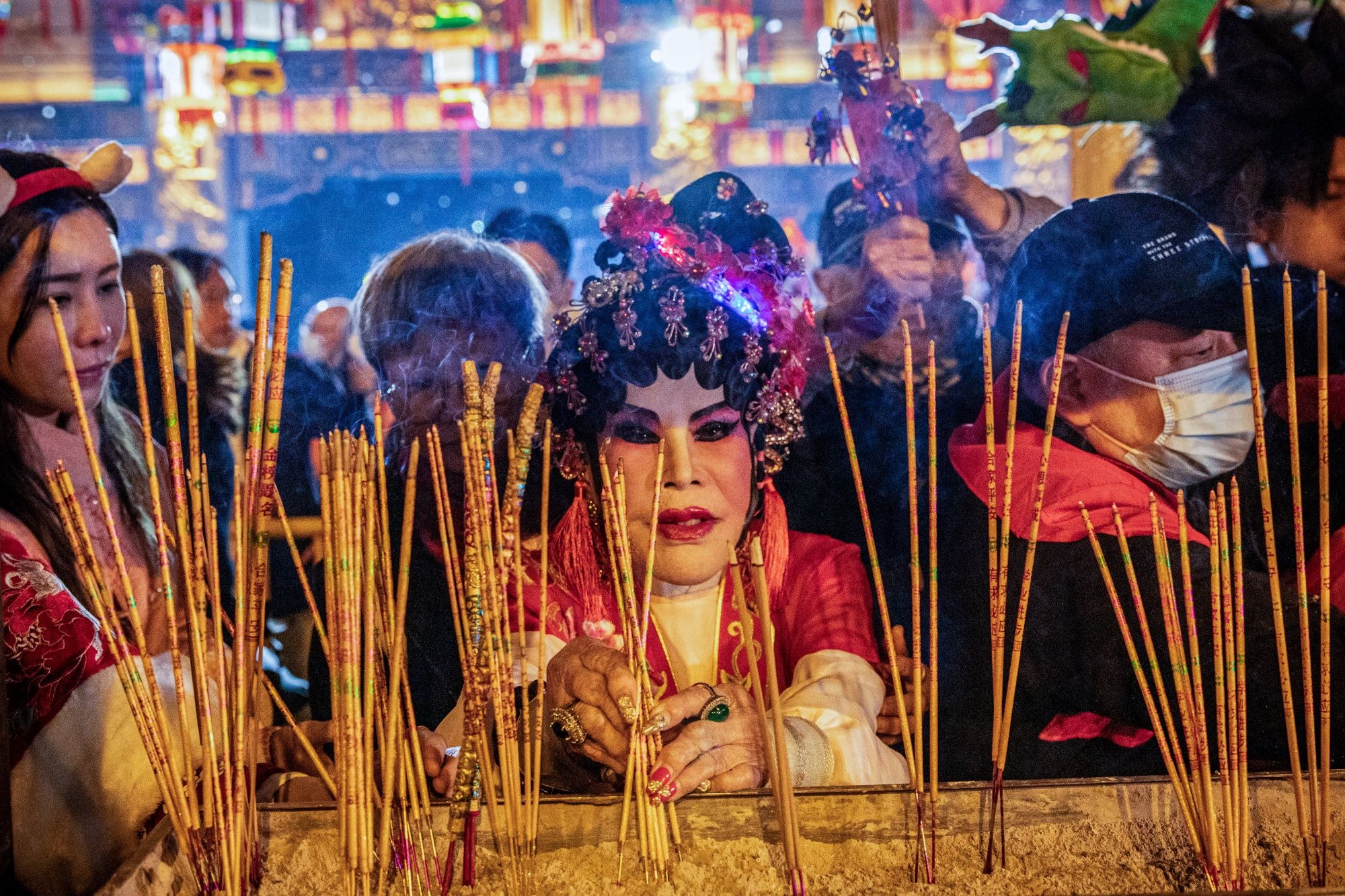
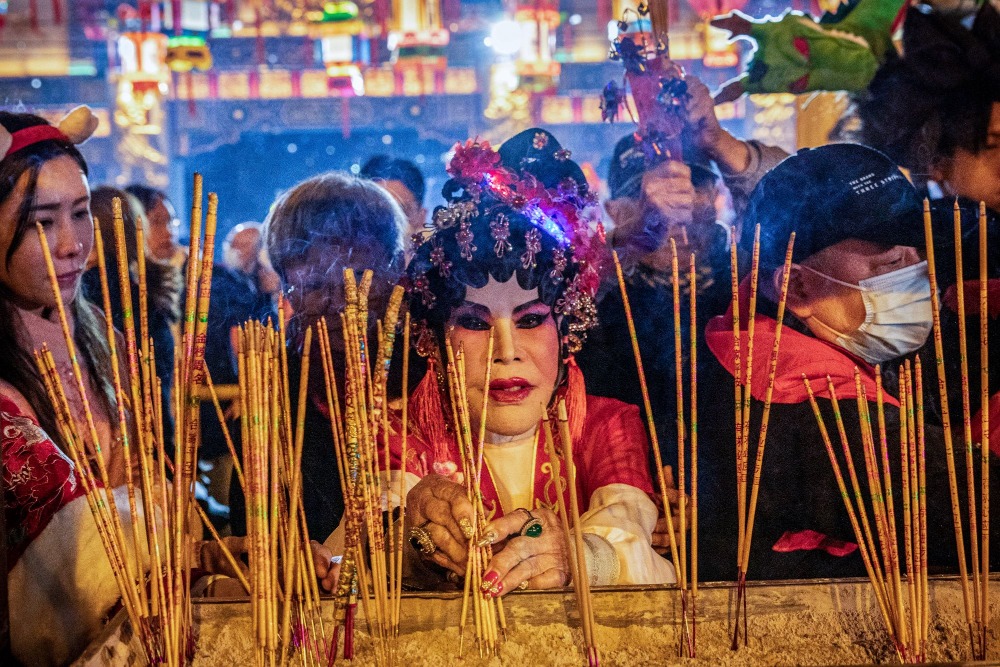
According to the Sik Sik Yuen official website, Wong Tai Sin Temple strictly prohibits the entry of paper ingots, candles, uncooked oil, and large incense sticks, as well as the burning of large bundles of incense.
Therefore, worshippers only need to bring nine thin incense sticks to make offerings at the three designated incense points in the temple (the Main Altar platform, Hall of Three Saints Hall三聖堂, and the Yue Heung Shrine盂香亭).
10 Admonitions for Life
"Wong Tai Sin Sutra" (黃大仙寶經) puts forward 10 life disciplines: filial piety, fraternal piety, loyalty, benevolence, righteousness, integrity, a sense of shame, propriety, moderation, and trustworthiness.
It exhorts people to strictly abide by morality and ethics and be upright and honourable individuals, so as to attain the state of "acting benevolently and teaching benevolence" advocated by Wong Tai Sin.
Read more: 10 key facts about traditional Chinese Cheongsam
Read more: 8 numbers to understand the history of Hong Kong's herbal tea development