Published : 2026-03-17
From bustling urban centres to tranquil rural retreats, we explore authentic sights tucked away in backstreets and nestled within lush wilderness, offering a richer, multi-dimensional perspective on the diverse character of this metropolis.
If you were to recommend to a tourist the accommodation with the most authentic Hong Kong flavour, Mei Ho House in Sham Shui Po would surely be a top contender. As the starting point of Hong Kong's public housing development, Mei Ho House, with a history of over 70 years, is the earliest resettlement block built in Hong Kong.
It has now been revitalised and transformed, serving as both a youth hostel and a public housing museum. When tourists stay here, it is as if they are placed at the starting point of history, witnessing the vicissitudes of Hong Kong's society.
Does living in public housing make you a winner in life?
In Hong Kong, locals often joke that public housing tenants are the "winners in life", which is a sarcastic joke that exposes the reality of Hong Kong's sky-high property prices.
How heavy is Hong Kong's housing burden?
According to data from Census and Statistics Department and Housing Authority, the median monthly rent for private properties is as high as 12,000 HKD, accounting for over 30% of income.
In contrast, the median rent for public housing is only about 2,090 HKD, with the rent-to-income ratio being approximately 11.7%. All else being equal, public housing tenants seem to have more disposable income for spending, so it is no wonder they are "envied".


Mei Ho House transformed into a Youth Hostel
To experience Hong Kong's most authentic grassroots housing culture, Sham Shui Po's Mei Ho House (美荷樓) is the perfect choice for tourists. Because this youth hostel is revitalised from Hong Kong's earliest prototype "H-shaped" resettlement block, and all 129 rooms in the hostel are converted from original public housing units, including nostalgic themed rooms.
For as little as a few hundred Hong Kong dollars (depending on the room type and check-in date), tourists can travel back in time to stay in rooms furnished with nostalgic furniture from the 1970s, such as mosaic floor tiles and rattan chairs, and savour Hong Kong's living culture.
Inside the hostel is a free community museum, Heritage of Mei Ho House (美荷樓生活館), which spread over two floors with 10 themed exhibition areas. The ground floor recreates everyday scenes from the past, such as a warm neighbourhood grocery store, the now-rare tin-roofed "dai pai dong" (street food stalls), and an old-style barbershop.
Many old items from dusty memories can all be seen in the museum: the out-of-print "big turtle TVs" (CRT television), the black-and-white comic books that children once loved, the red-and-white hard plastic "watermelon balls"...


Step into Heritage of Mei Ho House to explore the history of public housing development
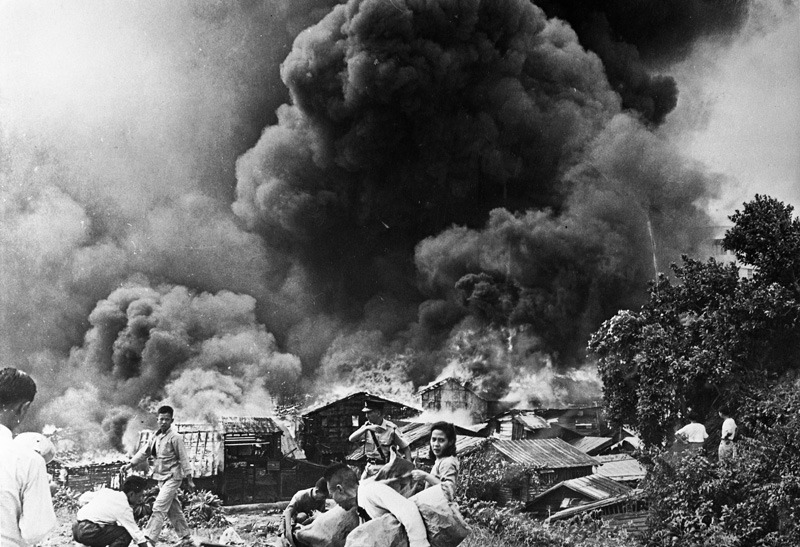
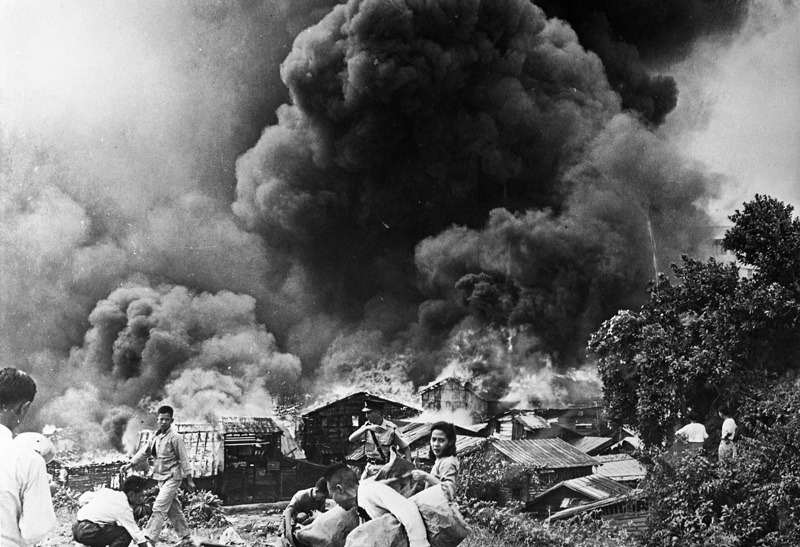
Hong Kong's public housing came about because of the Shek Kip Mei fire on Christmas Eve 1953.
Before the fire, many people lived in squatter huts with poor facilities and no running water or electricity, unsanitary conditions, and frequent fires. The relentless fire of 1953, destroyed the homes of over 50,000 people in an instant, forcing the British Hong Kong Government to face the housing problem.
It resolved to develop public housing to resettle the homeless victims.
The exhibition area on the first floor of Heritage of Mei Ho House recreates the life stories of residents of the Shek Kip Mei Resettlement Estate from the 1950s to the 1970s.
Although the earliest resettlement blocks did not provide private kitchens and toilets and were criticised for their cramped living spaces and poor lighting and ventilation, they were at least well-equipped compared to squatter huts, allowing countless victims to have a place to live.
The old-fashioned demonstration units inside the museum are all laid out according to the oral histories of residents, and much of the furniture and furnishings inside were donated by former residents, making them exceptionally meaningful.
Visitors can not only learn about the development and changes in Hong Kong's public housing, but can also, from these snapshots of life, glimpse into the minute details of grassroots life and understand how they worked hard to strive for a better life, creating the legend of Hong Kong's economic take-off.
Read more: Shek Kip Mei fire on Christmas Eve 1953 led to the development of public housing in Hong Kong


The exhibition incorporates various interactive elements, including touchscreen electronic devices and motion-sensing games, allowing visitors to learn through play and deepen their impression.
Heritage of Mei Ho House holds a public guided tour in Cantonese everyday at 3 p.m. Visitors can join for free on the spot without prior reservation.
From the perspective of architectural revitalisation, conserving Mei Ho House not only extends the life of this historic building but also preserves the collective memories of several generations.
As a cradle for many grassroots families, the life trajectories recorded by Mei Ho House embody and pass on the "Lion Rock Spirit" of Hong Kong's self-reliance and mutual support. It has become a valuable and educational hostel and tourist landmark, giving Mei Ho House new life while continuing to serve Hong Kong society.
Heritage of Mei Ho House / YHA Mei Ho House Youth Hostel
Address: Block 41, Shek Kip Mei Estate, 70 Berwick Street, Sham Shui Po, Kowloon
Opening Hours: 10:00-18:00, closes early at 16:00 on Mid-Autumn Festival, Christmas Eve, and Chinese New Year's Eve; closed on Mondays (except public holidays) and the first to the third day of the Chinese New Year
Guided Tours: A Cantonese guided tour is available daily from 15:00-16:00, no booking required, free admission.
Tickets: Free admission
Website: https://www.yha.org.hk/zh/our-services/mei-ho-house-revitalisation-project/heritage-mei-ho-house/
Read more: How did the Lau Fau Shan Police Station become the Hong Kong Guide Dogs Academy?
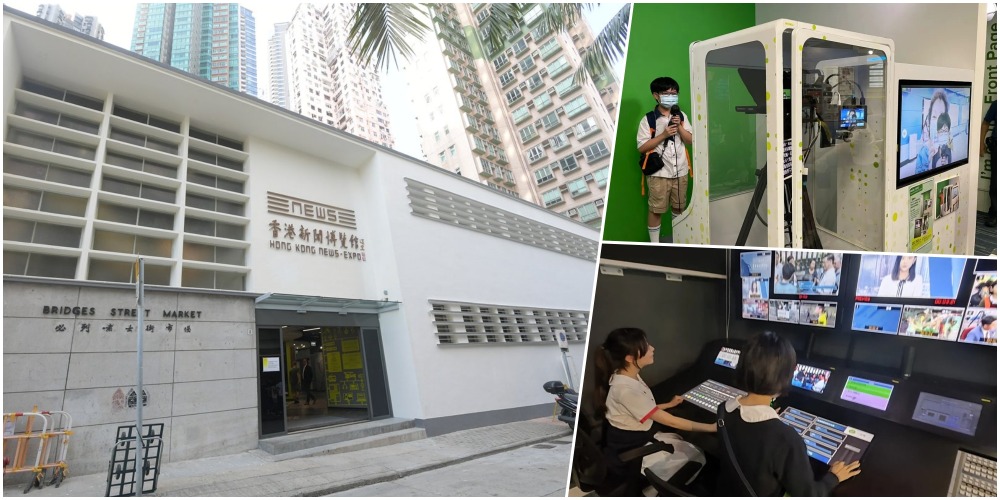
Read more: Why was HK's old market transformed into the News-Expo?