Published : 2026-04-05
Since January this year, Lufengdong and Lufengnan stations in Shanwei have been added as direct high-speed rail stops from Hong Kong, making the journey from West Kowloon Station just over an hour.
Whether for visiting family or a weekend getaway, Lufeng is now easier than ever to reach.
If you have never been, a weekend trip is a good place to start. This two-day itinerary takes you from the hills to the sea and into the world of intangible cultural heritage, offering a taste of Lufeng at its most local.
Xuanwu Mountain
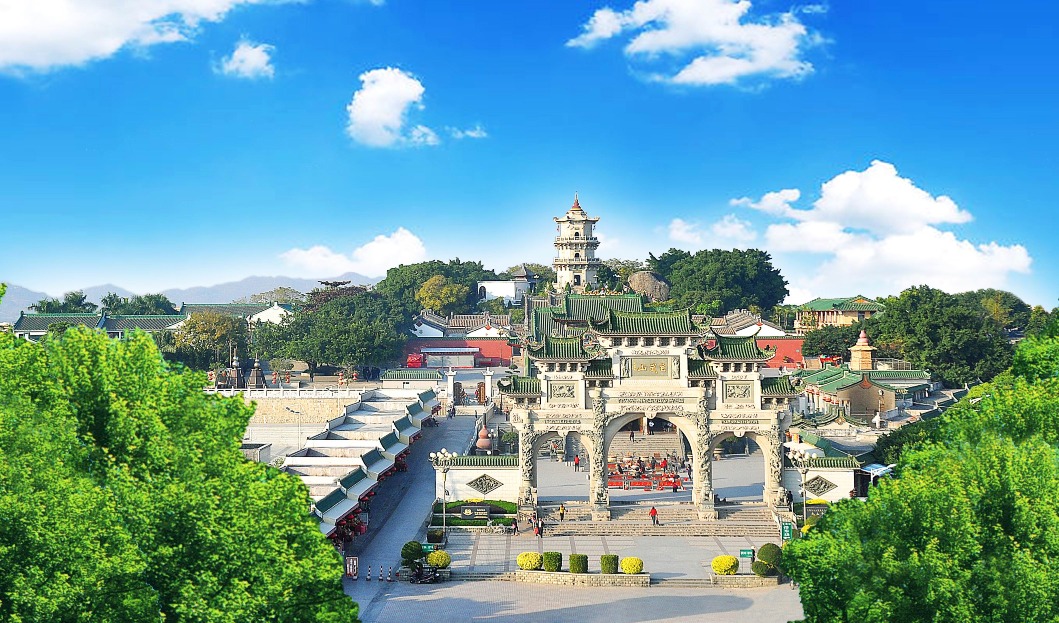
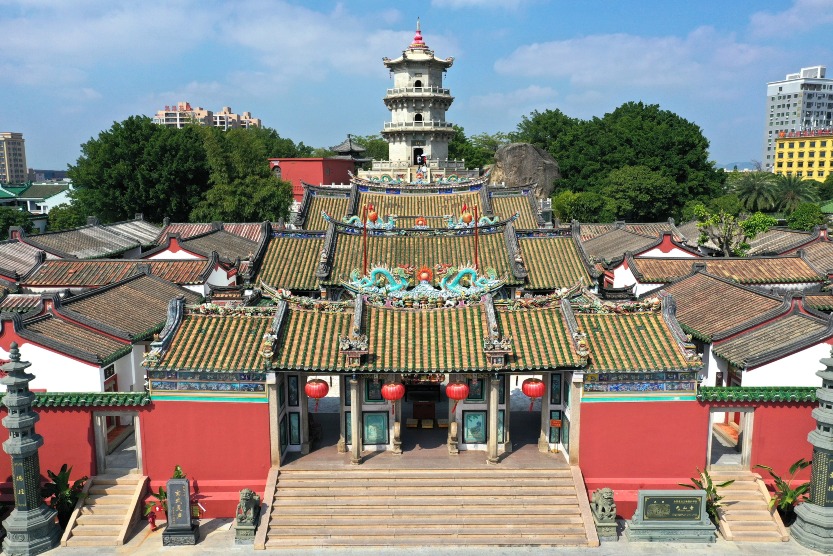
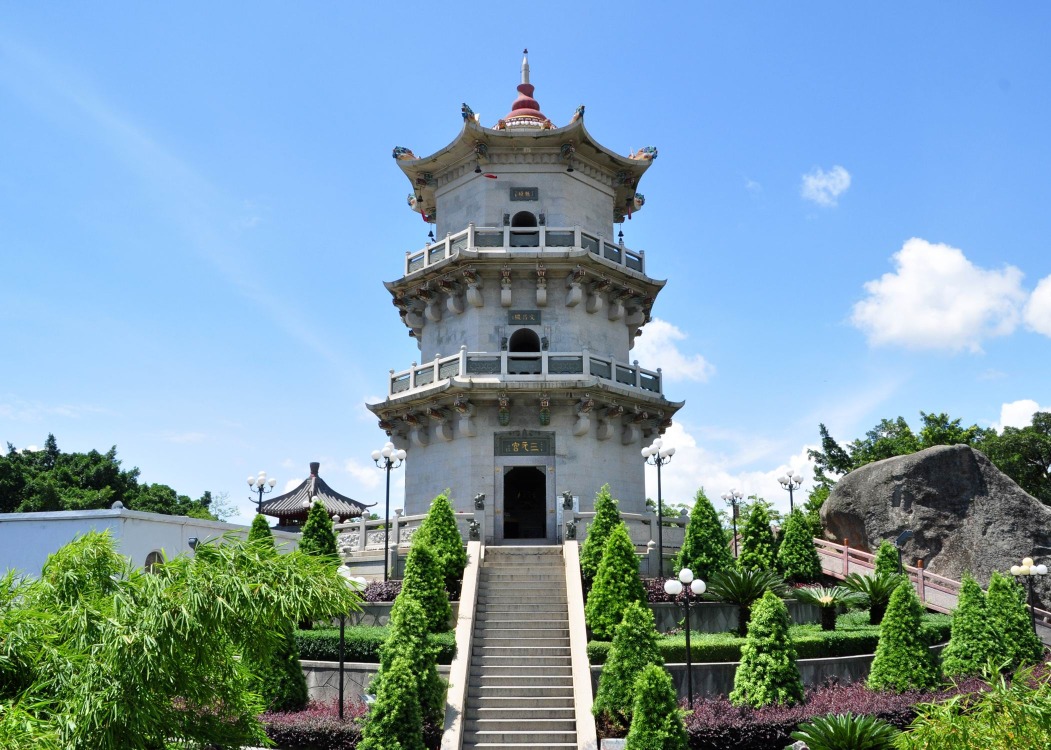
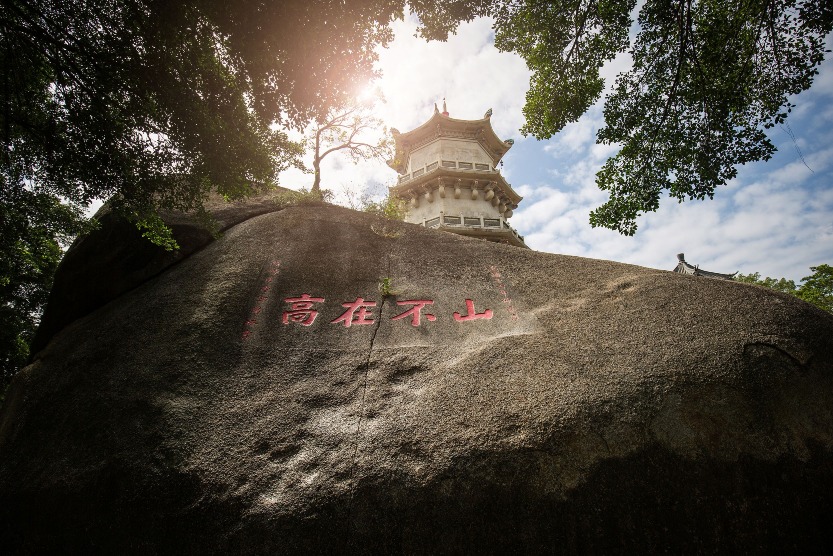
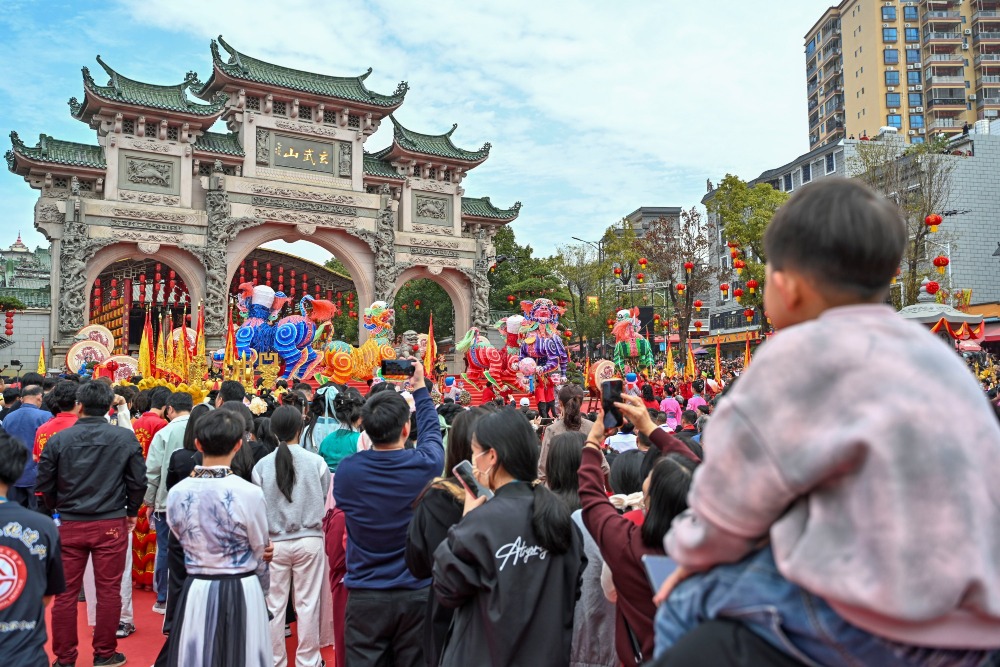
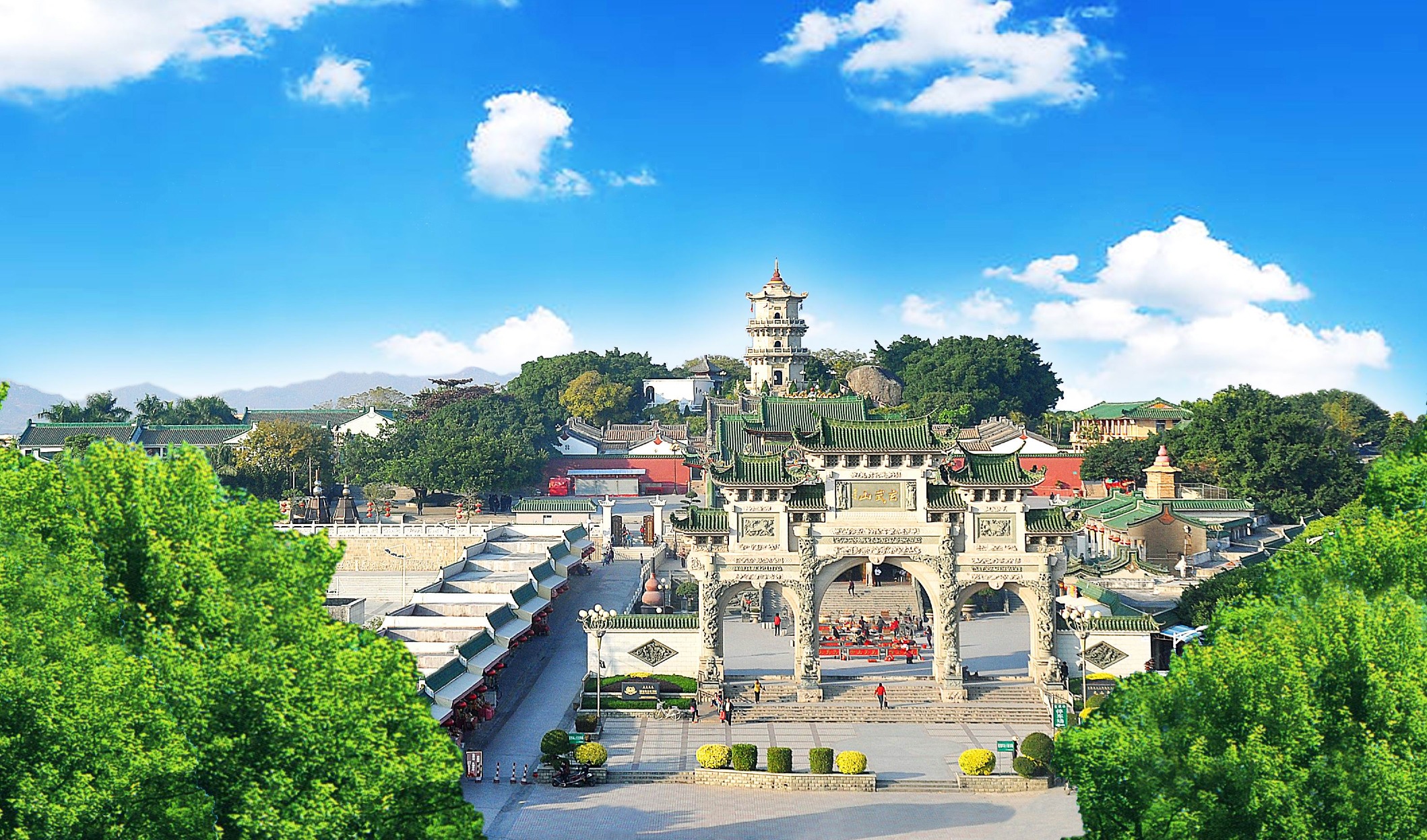
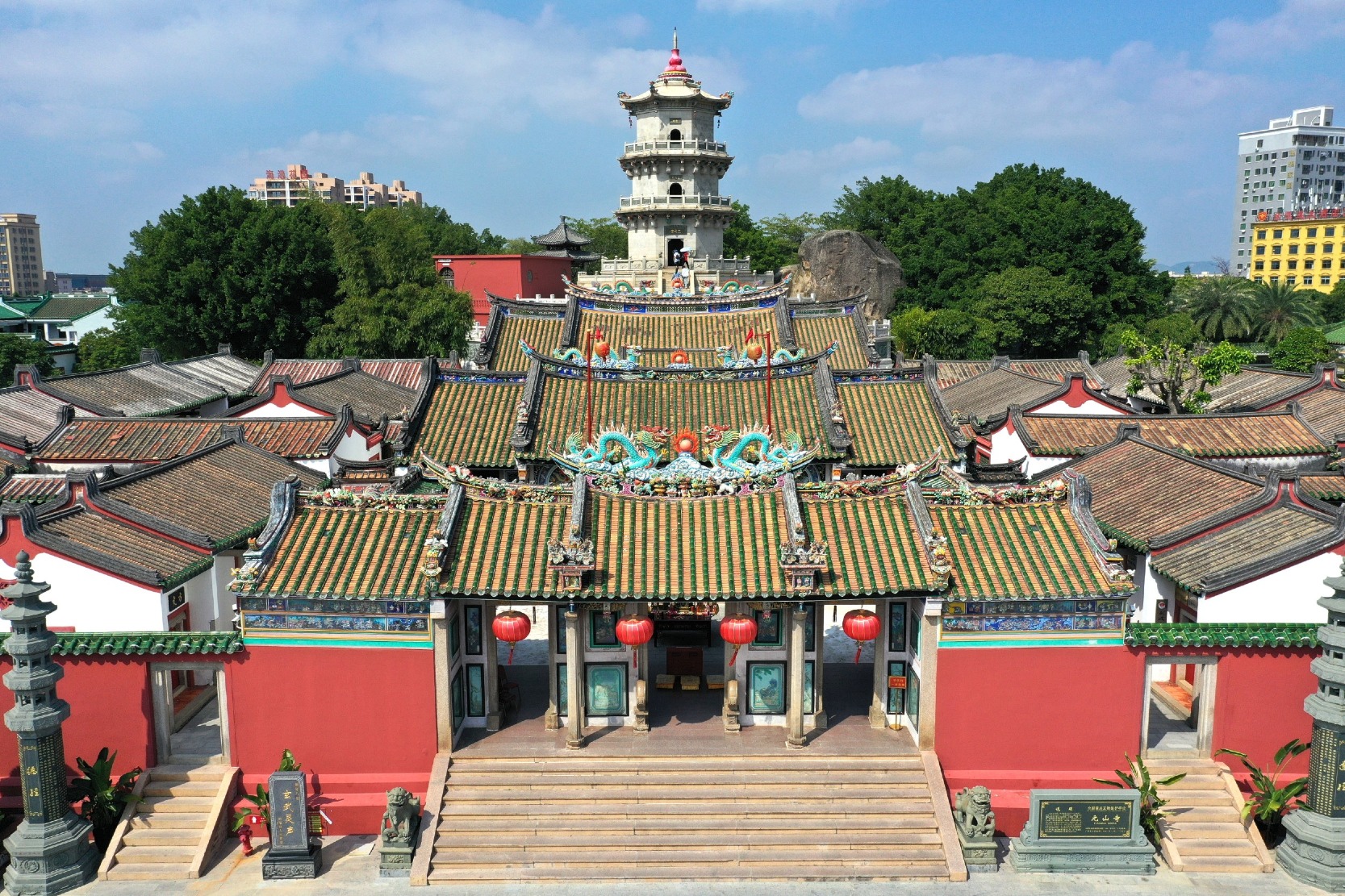
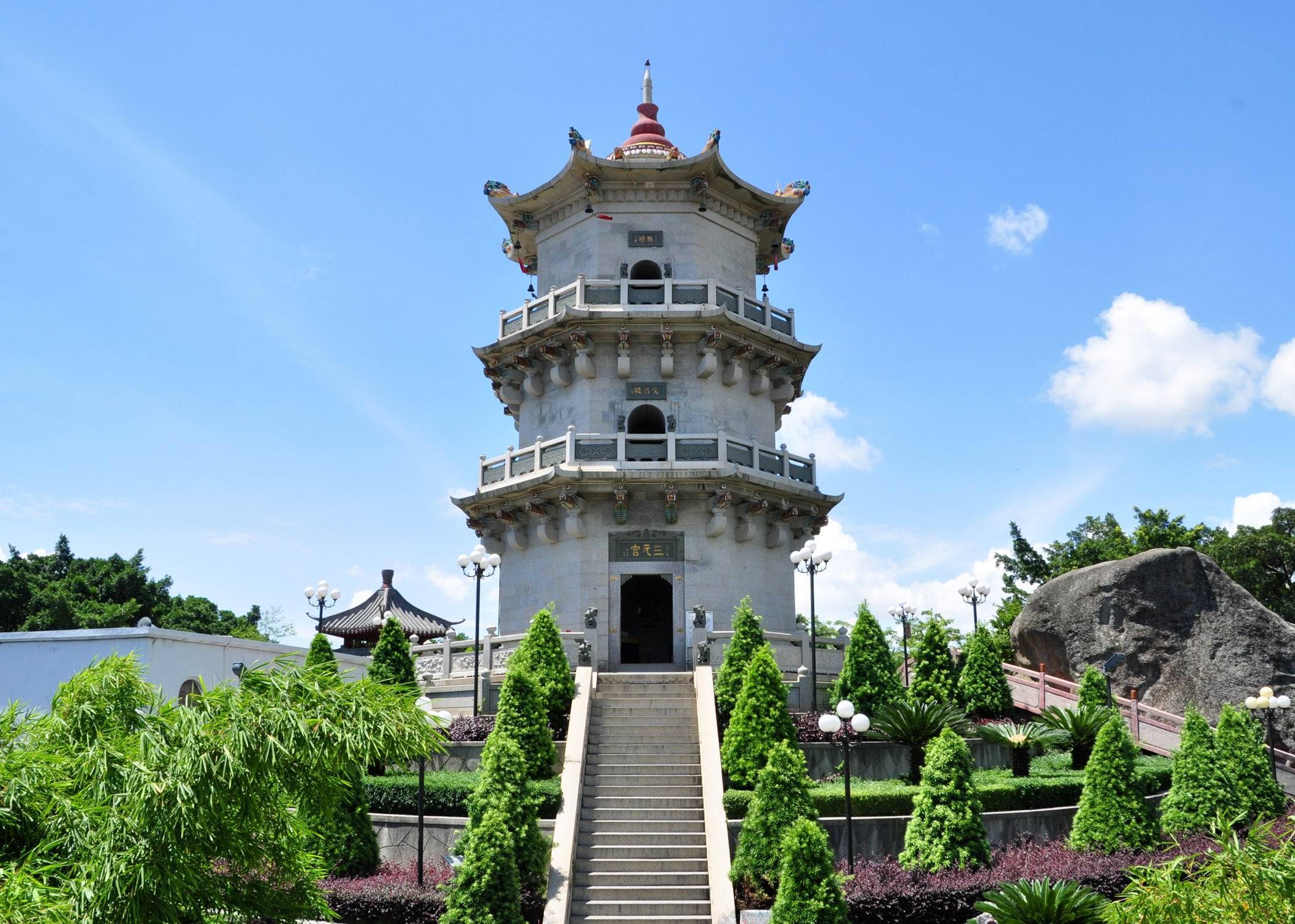
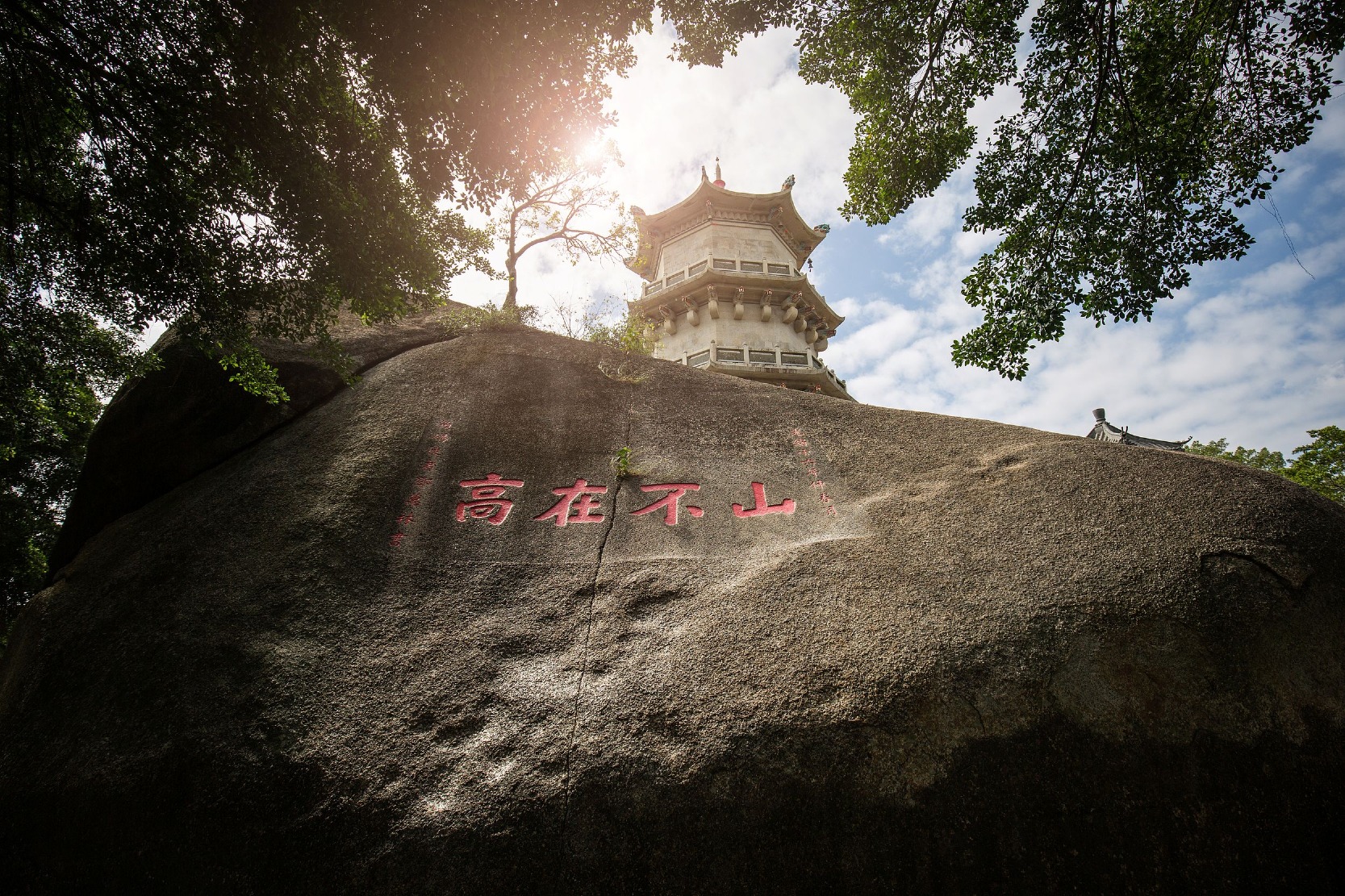
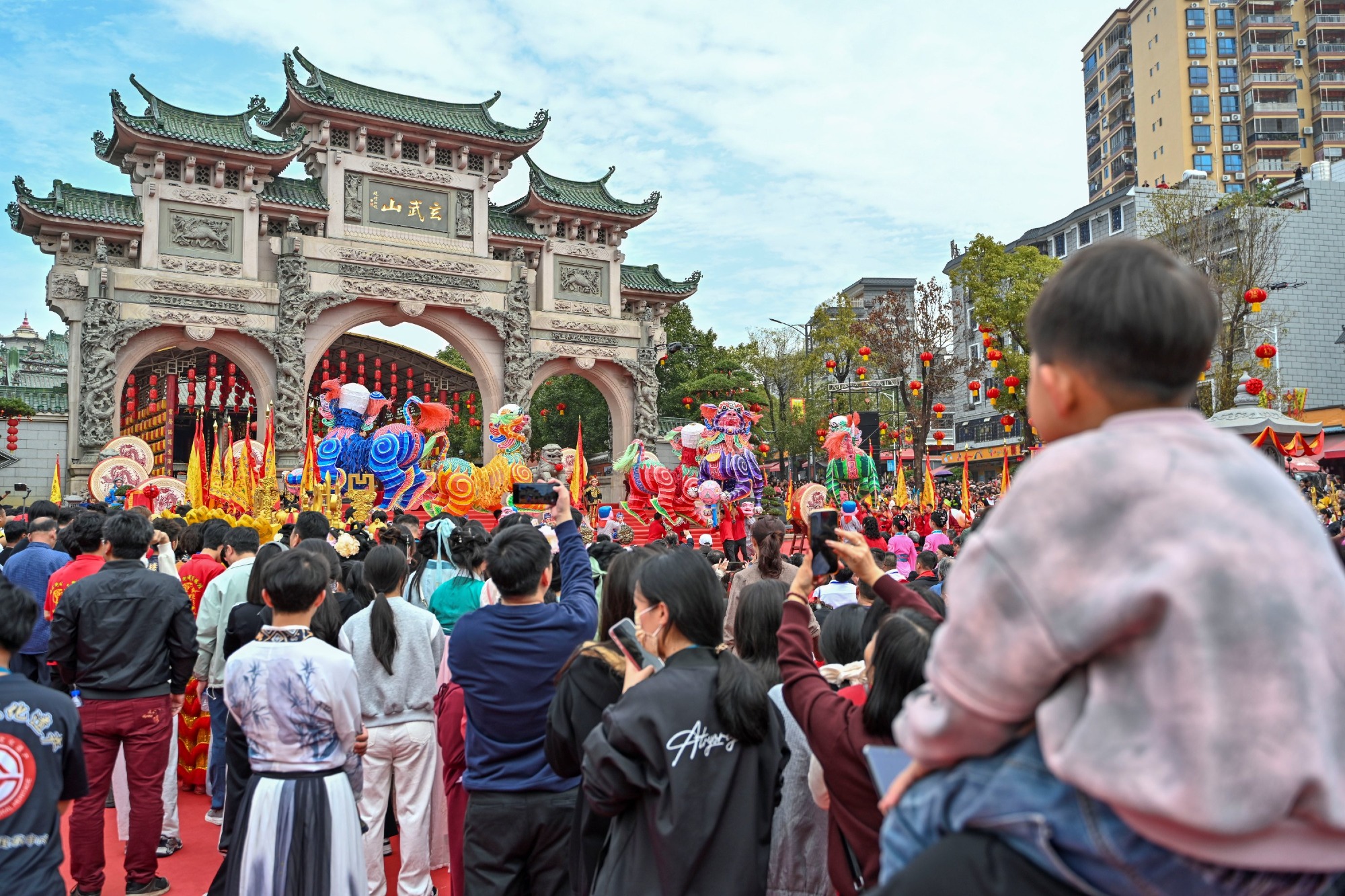
Many visitors come to Xuanwu Mountain to pray for blessings. At its heart stands Yuanshan Temple, first built in 1127 during the Southern Song dynasty.
Blending Buddhist and Taoist traditions, the temple is dedicated to Xuantian Shangdi, known in Hong Kong as Pak Tai, and is especially popular with worshippers seeking guidance on career, love, family and health.
Xuanwu Mountain, one of Lufeng's best-known landmarks, also bears witness to the city’s strong coastal defence tradition. In the Ming dynasty, Jieshi Wei at the foot of the mountain was established to guard against pirate raids, while in the Qing dynasty the area remained an important military post.
Inside Yuanshan Temple, visitors can still see calligraphy left by historical figures including Lin Zexu and Liu Yongfu, adding a further layer of historical resonance to this long-revered site.
Jinxiang Beach
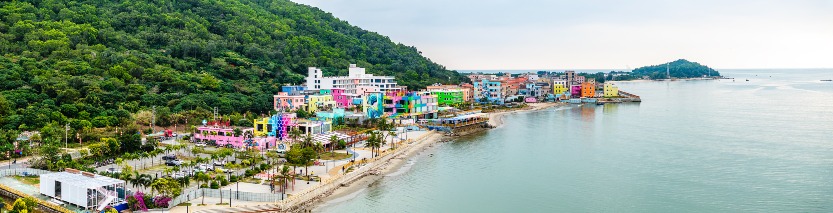

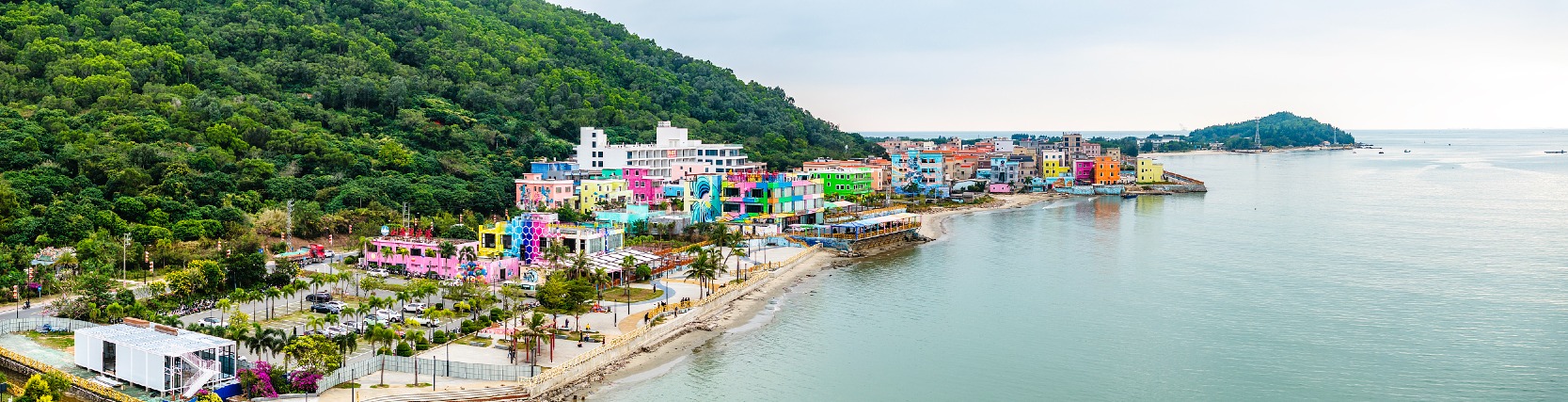
About a 20-minute drive from Xuanwu Mountain lies Jinxiang Beach, also known as Jinxiang Silver Beach, a stretch of coast often praised as eastern Guangdong’s "golden shoreline".
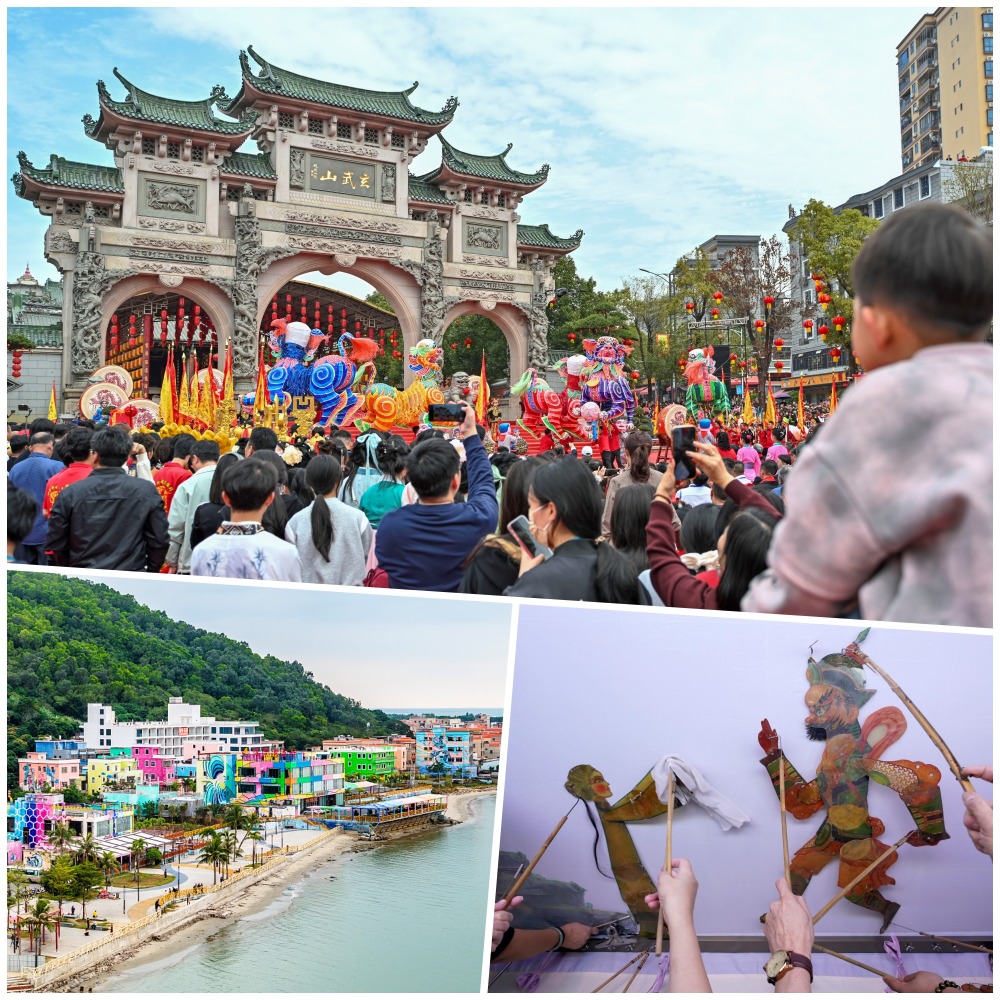
In recent years, as part of efforts to boost rural revitalisation and tourism, local authorities transformed the nearby fishing village into a "Rainbow Town", decorating ordinary homes with colourful murals and turning it into a popular social media spot.
At sunset, the beach takes on a gentle charm: the sea glitters in the fading light, small boats rock softly near the shore, and children laugh as they search for shells in the sand. It is an idyllic scene that makes everyday worries feel far away.
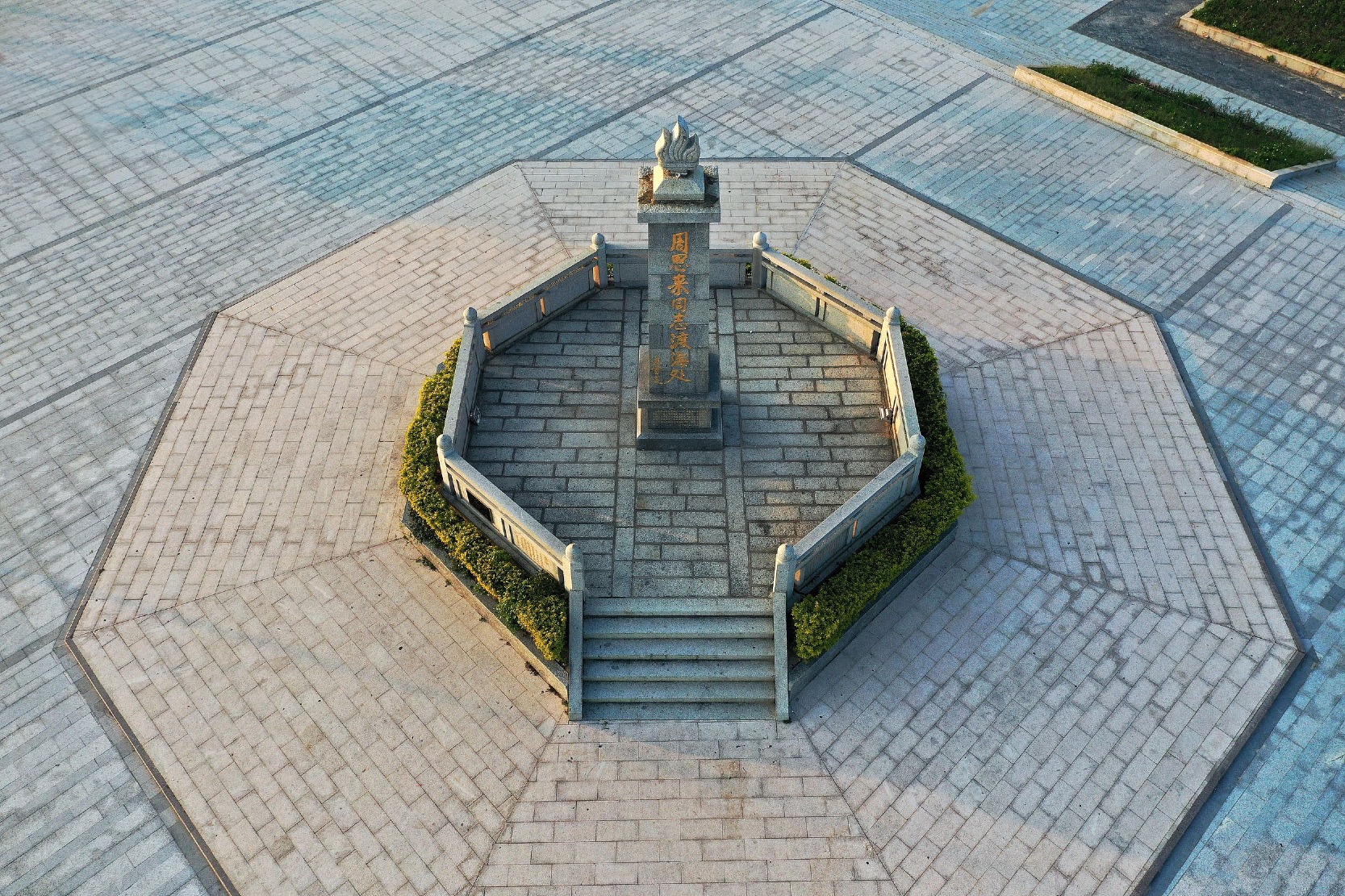
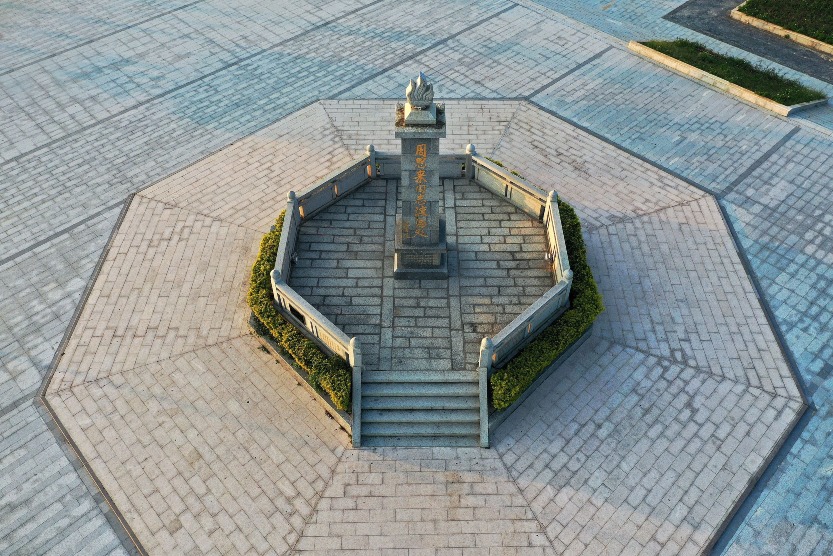
Jinxiang Beach is more than a scenic retreat; it also marks an important moment in China’s revolutionary history. After the Nanchang Uprising failed in 1927, revolutionary leaders including Zhou Enlai were sheltered by local residents before boarding a boat from Jinxiang Beach to Hong Kong.
Their help, given at great personal risk, reflected the loyalty and courage long associated with the people of Hailufeng.
Lufeng's shadow puppetry
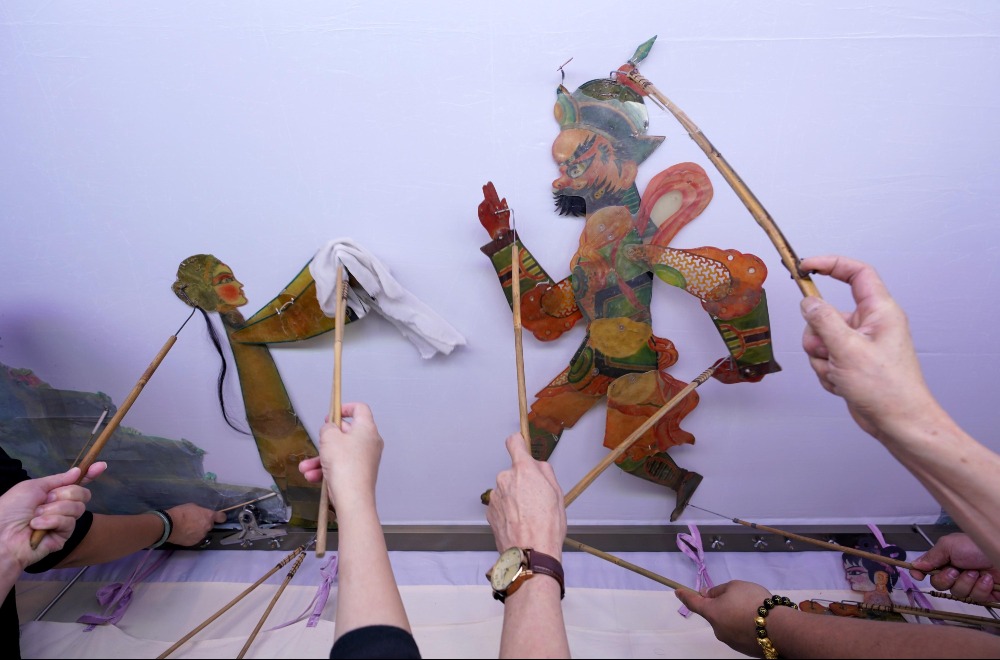
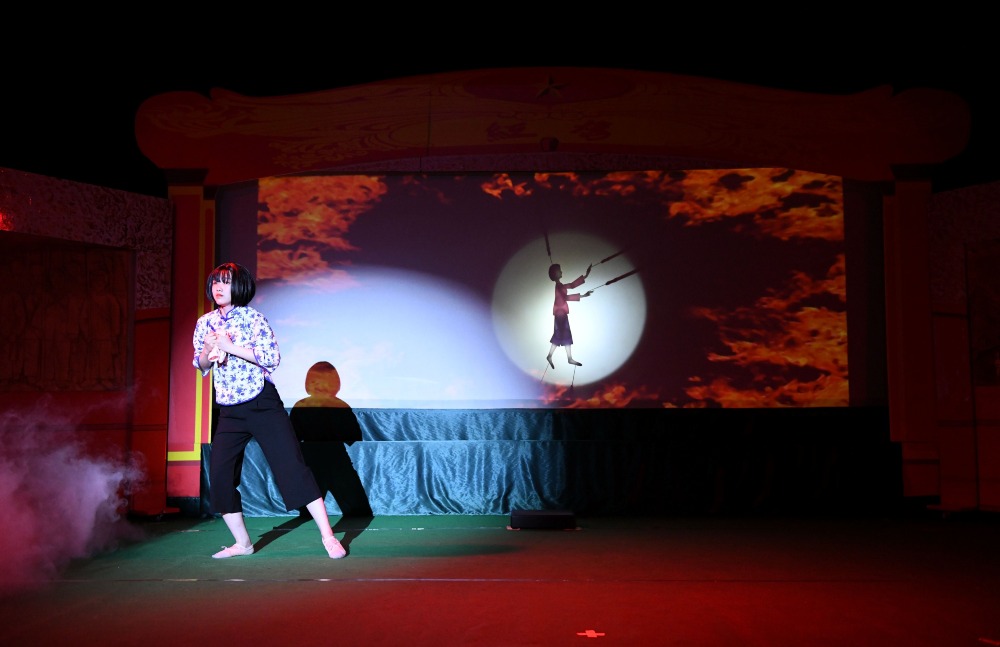
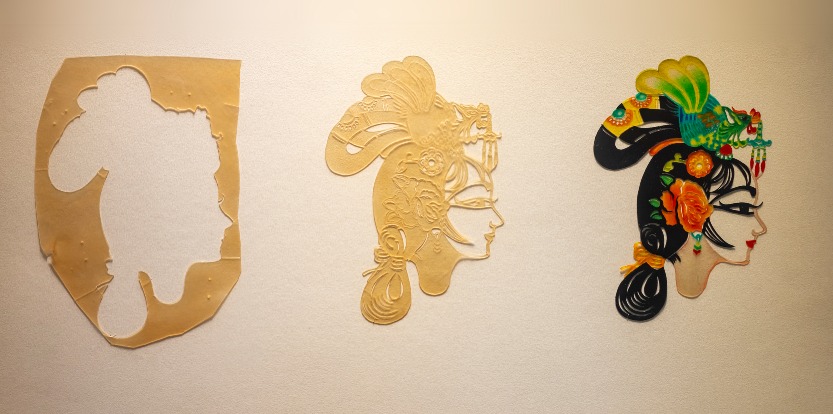
After taking in Lufeng’s mountains and coastline, it is time to turn to one of the city's cultural treasures: Lufeng shadow puppetry.
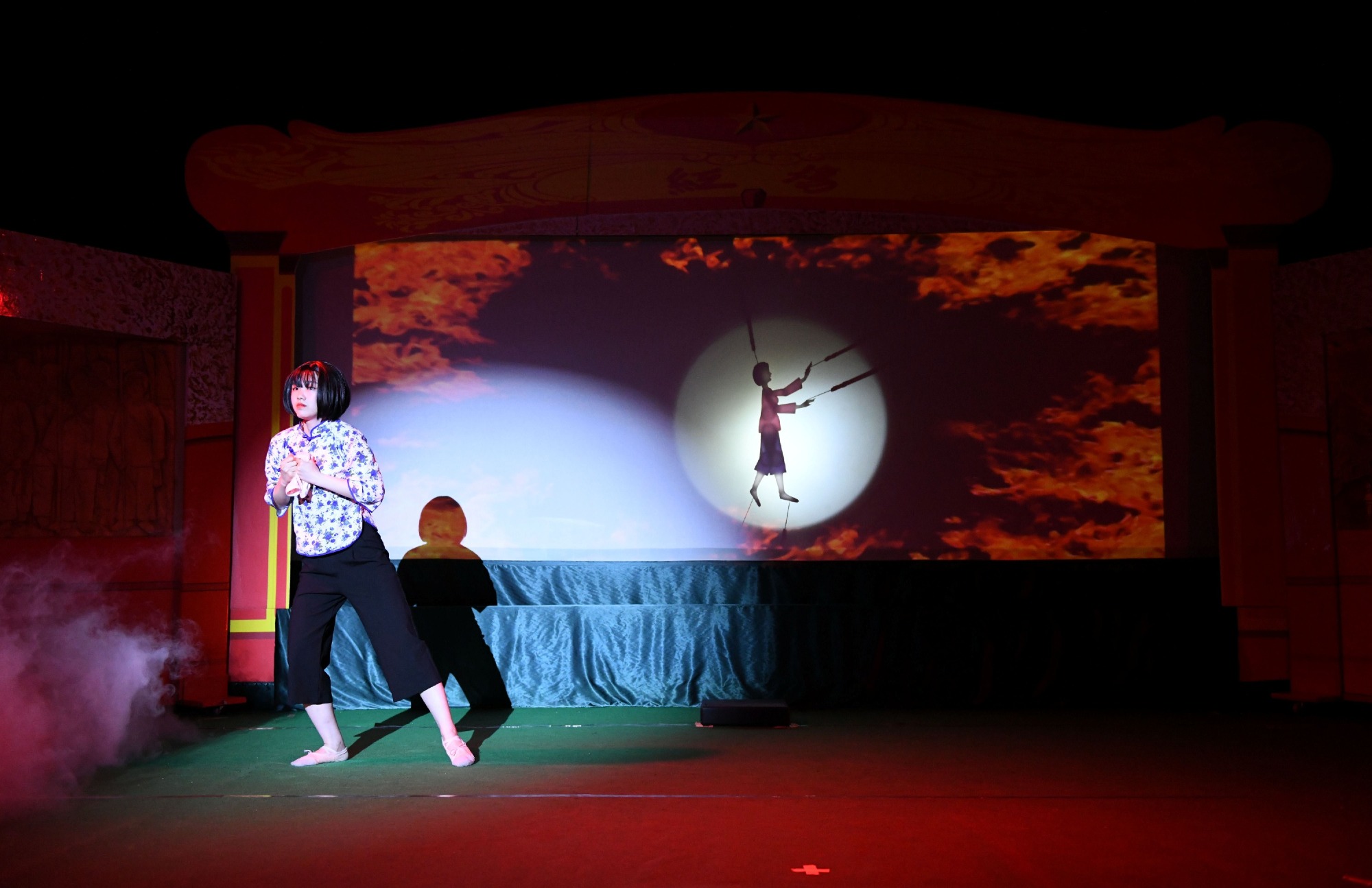
At the Lufeng Shadow Puppetry Inheritance and Preservation Centre in Donghai Subdistrict, visitors can learn about the history and artistry of this tradition, one of the three major shadow puppetry schools in China.
With a long history dating back to the Song dynasty, Chinese shadow puppetry had already become well developed and widely popular centuries ago.
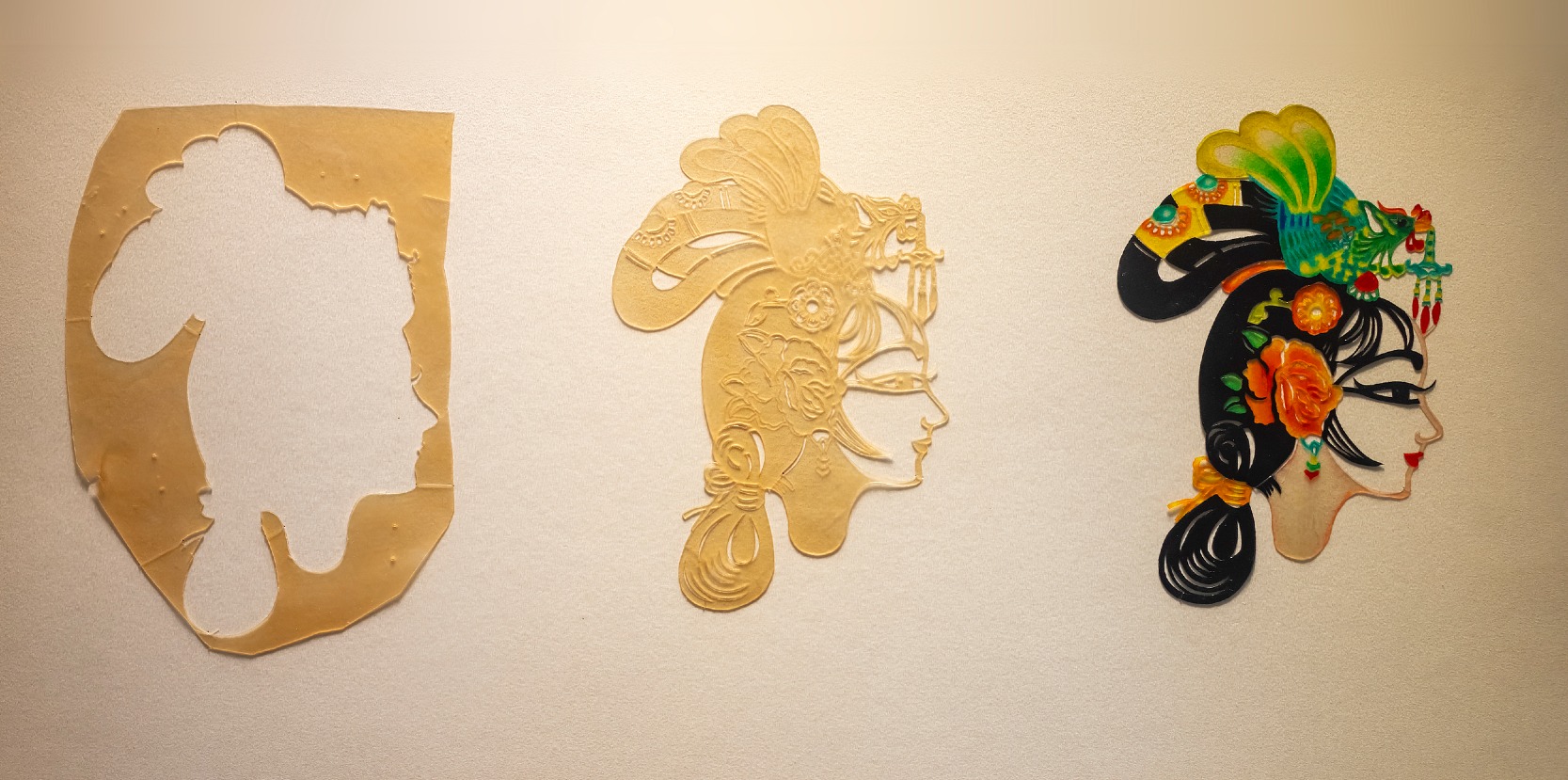
Lufeng shadow puppetry is the only surviving branch of the Chaozhou school, bringing together literature, painting, carving, craftsmanship and performance.
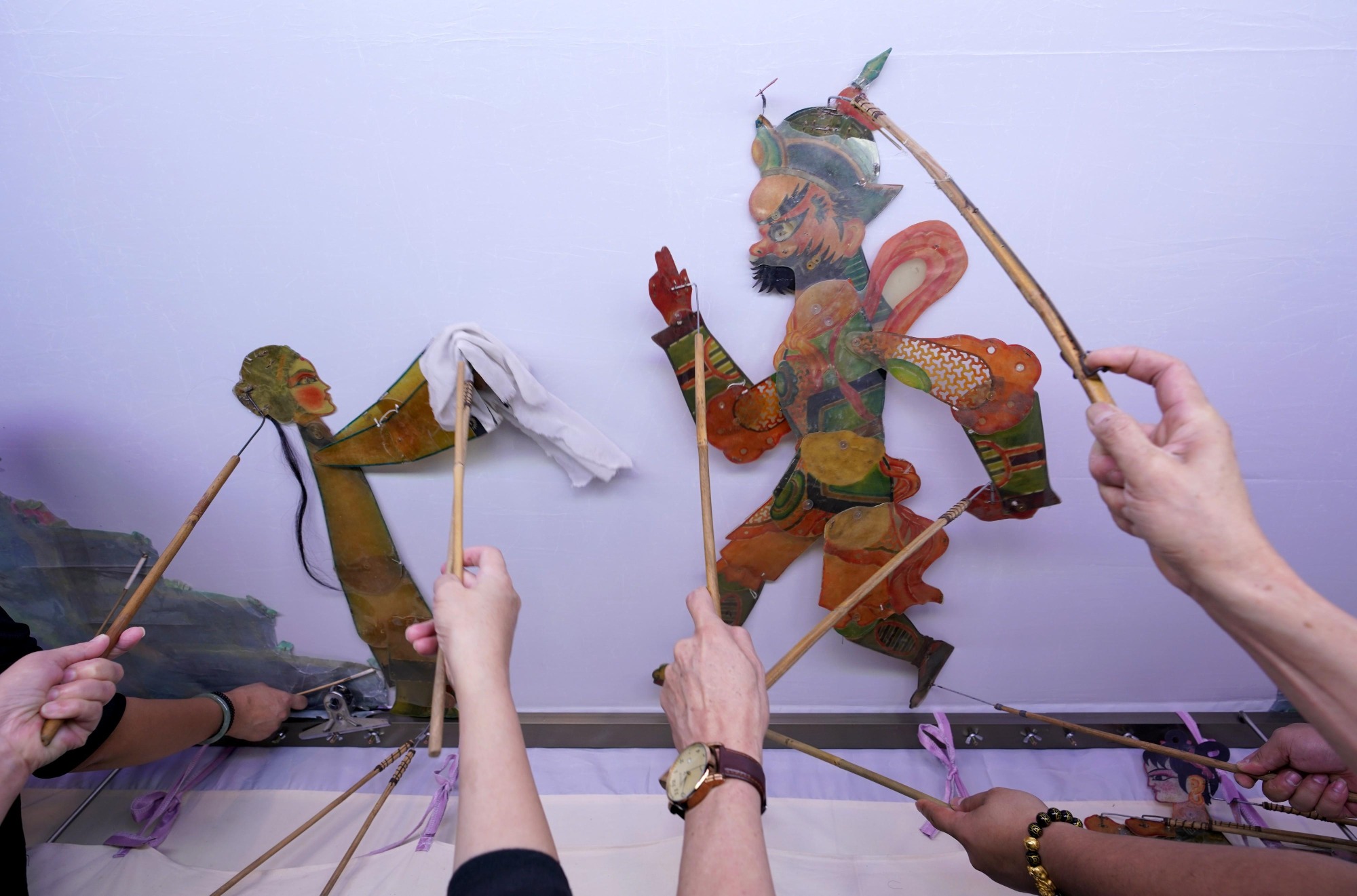
Most of the puppets and stage props are made of cowhide. The figures are finely outlined, with movable limbs that allow for graceful and lively gestures. Bringing a single puppet to life is no easy task: it usually takes two performers working together, one controlling the upper body and the other the lower half, to create movements such as flying, dancing, walking and jumping.
At the centre, visitors can see traditional puppets, props, musical instruments and scripts, and may even get the chance to watch the performers' remarkable handwork up close or try operating a puppet themselves. It is well worth a visit.
Read more: Why are young Chinese flocking to Jingdezhen?|Slower Escapes
Read more: Exploring Quanzhou: Starting point of the Maritime Silk Road