Published : 2026-05-10
From bustling urban centres to tranquil rural retreats, we explore authentic sights tucked away in backstreets and nestled within lush wilderness, offering a richer, multi-dimensional perspective on the diverse character of this metropolis.
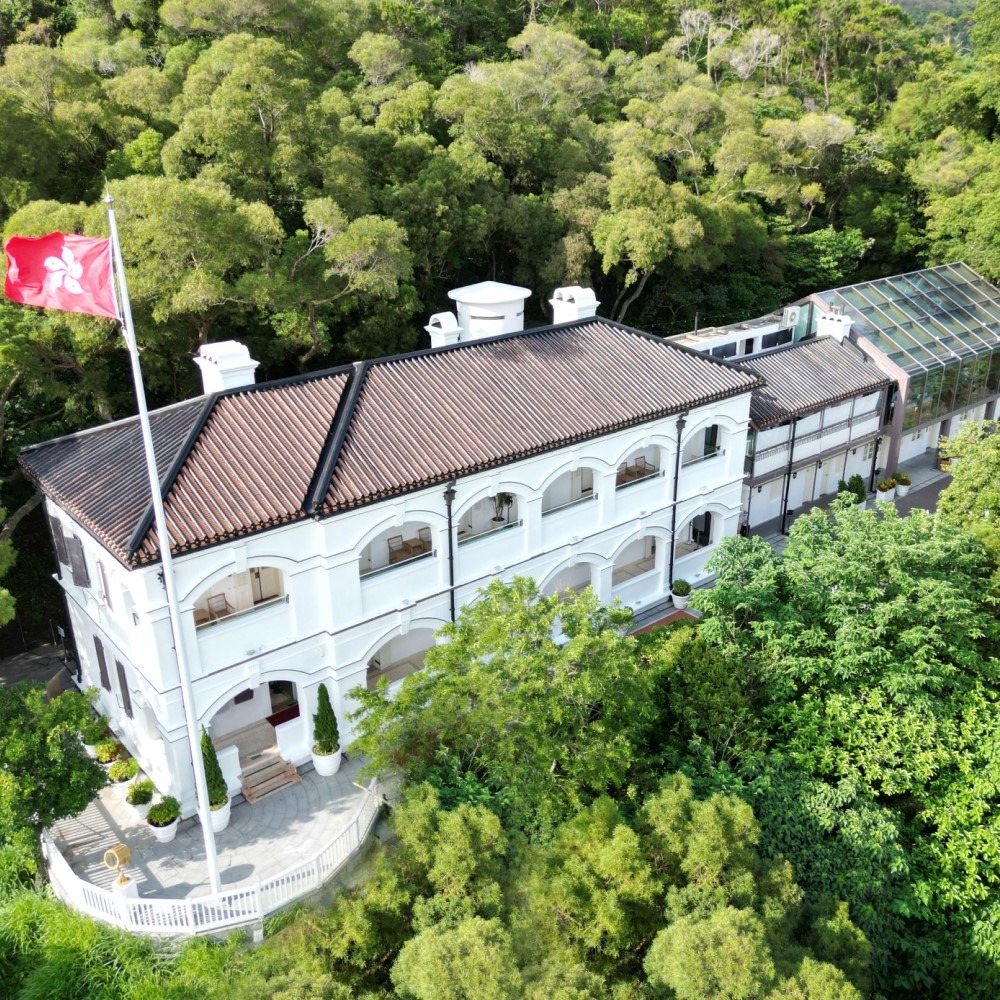
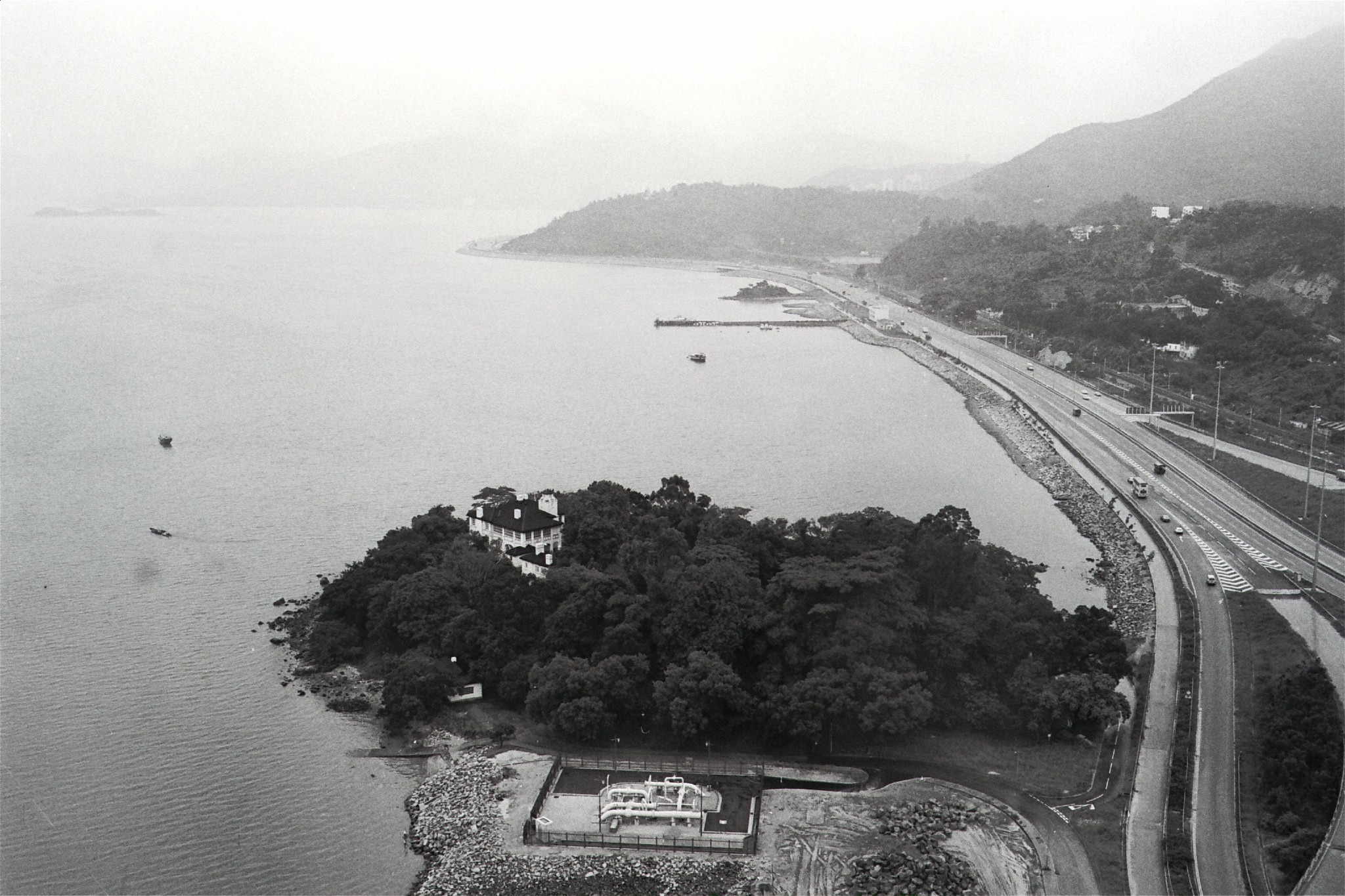
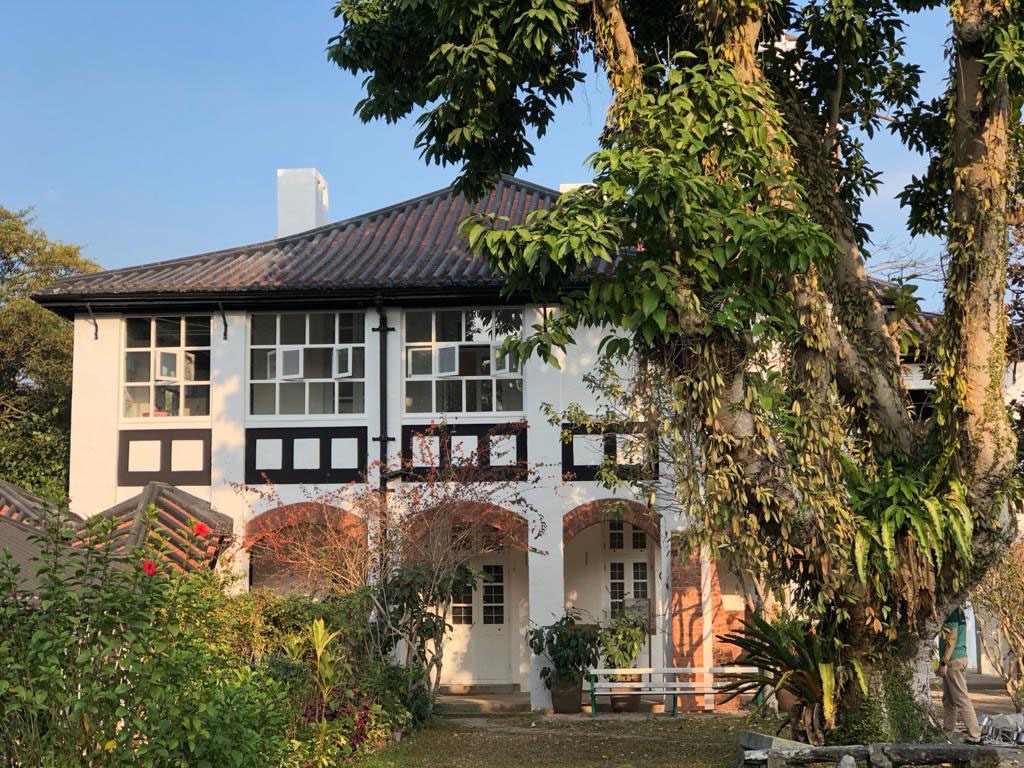
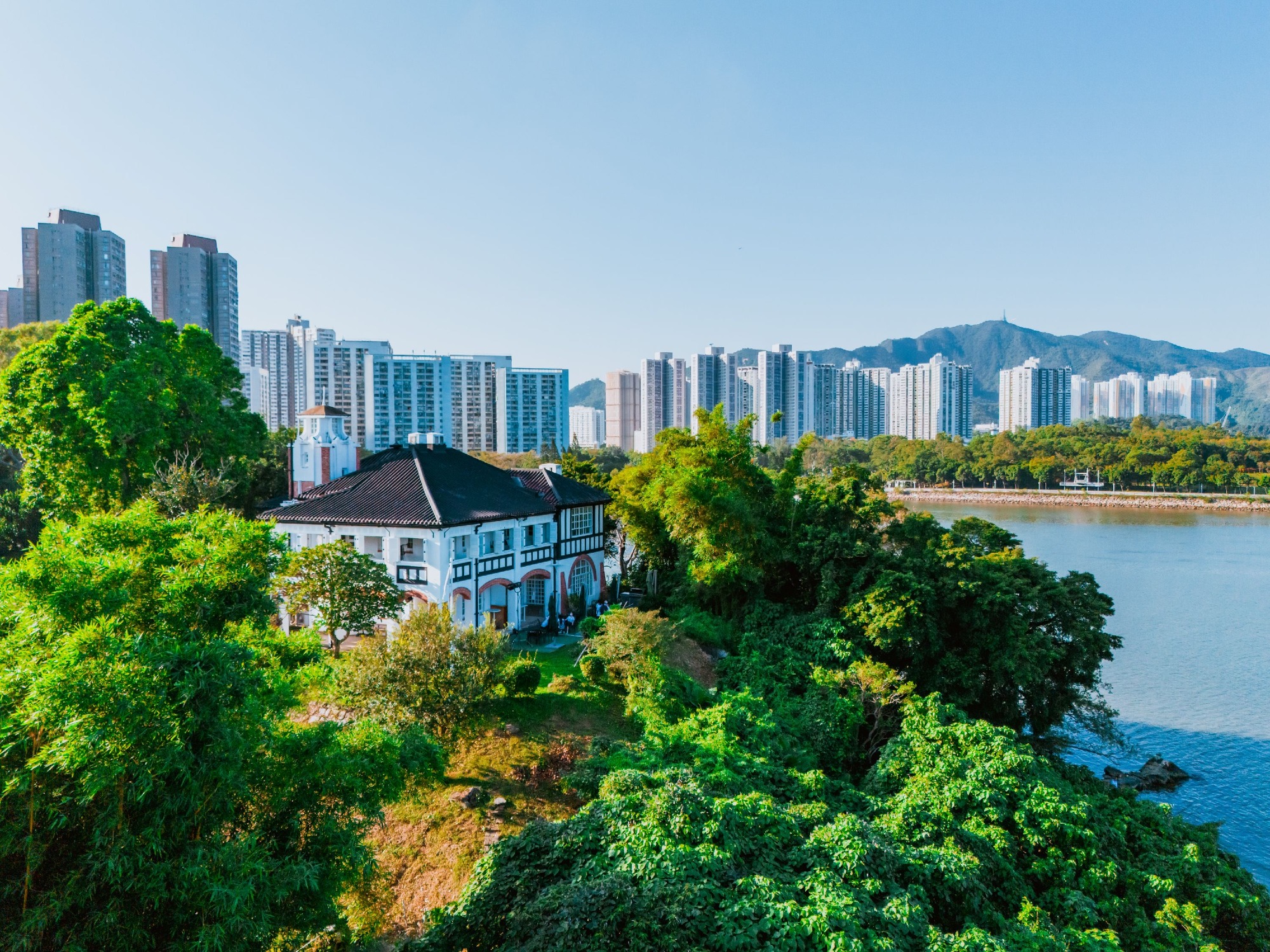
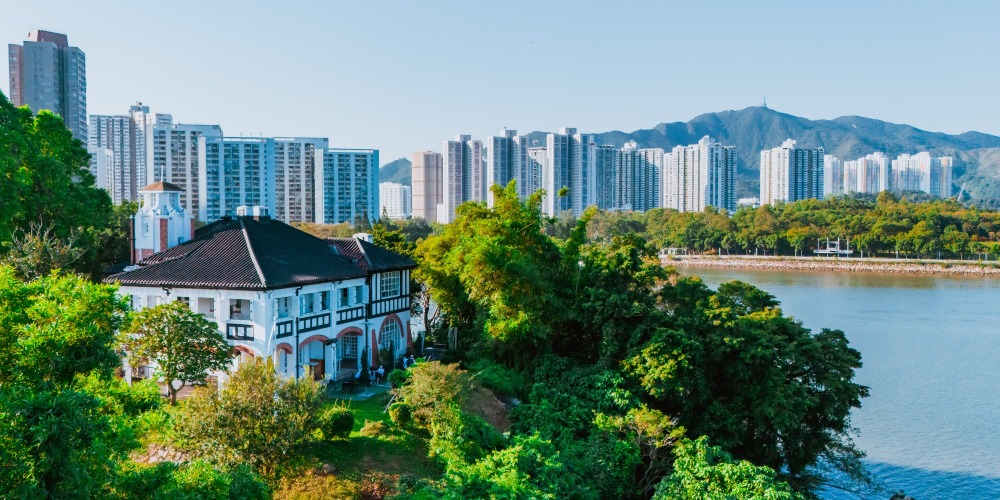
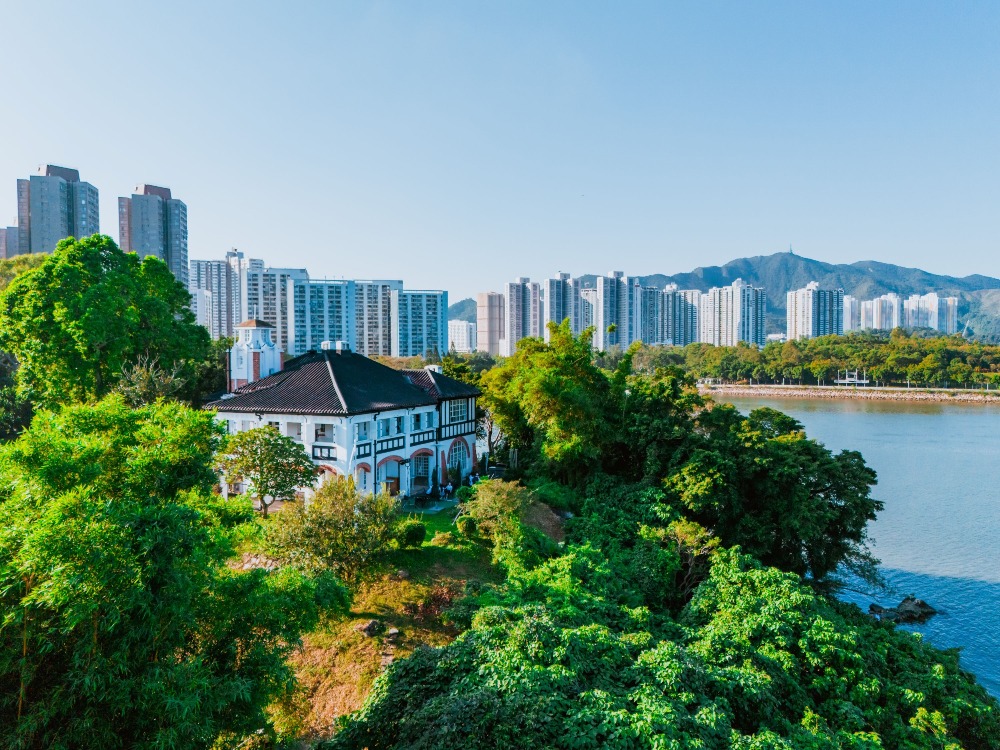
As your car leaves the Tolo Highway in Tai Po, Hong Kong, a snow-white, elegant colonial building comes into view. This house, known as "Island House", was once the official residence of the District Commissioner for the New Territories during the colonial era.
Following the departure of Sir David Akers-Jones, the last Secretary for the New Territories, the mansion was handed over to the World Wildlife Fund (WWF) for management in 1986, taking on the vital responsibility of environmental conservation and research.
It subsequently became a pioneer for heritage revitalisation in Hong Kong.
The 1980s can be described as the nascent period for the revitalisation of historic buildings in Hong Kong.
As public conservation awareness grew and the Antiquities and Monuments Ordinance (《古物及古蹟條例》) coming into effect in 1976, the government's attitude towards old buildings shifted from simple demolition to considering how to preserve them. The former Island House in Tai Po was a pioneer in this regard.
The former Island House was revitalised and transformed 40 years ago
In the 1970s, the demolition of landmarks such as the old Tsim Sha Tsui railway station, the old General Post Office in Central and other landmarks causing a huge public outcry.
The public's conservation awareness grew, and the past mentalities of "development first" and "out with the old, in with the new" were no longer the sole creed of urban development in Hong Kong.
In the 1980s, the concept of heritage revitalisation began to be incorporated into policy considerations, enabling the preservation of historic landmarks such as the former Headquarter House in Central (also known as Flagstaff House, now the Museum of Tea Ware) and Murray House.
The Island House, which became Island House Conservation Studies Centre in 1986, is also a pioneer in revitalising historic buildings.
Unlike Flagstaff House and Murray House, which are managed by the government, the Island House was handed over to a charitable organisation to operate. This public-private partnership and bold attempt undoubtedly laid an important foundation for future policies on revitalising historic buildings.
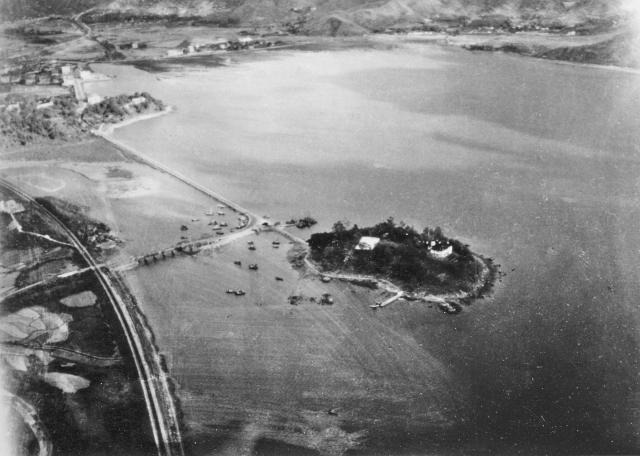
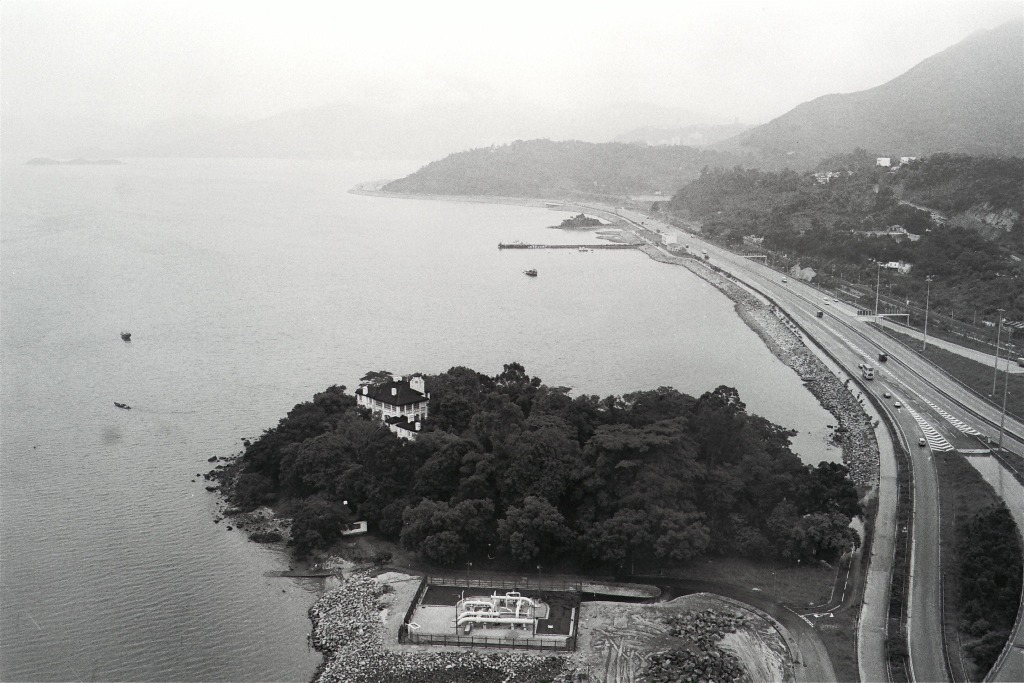
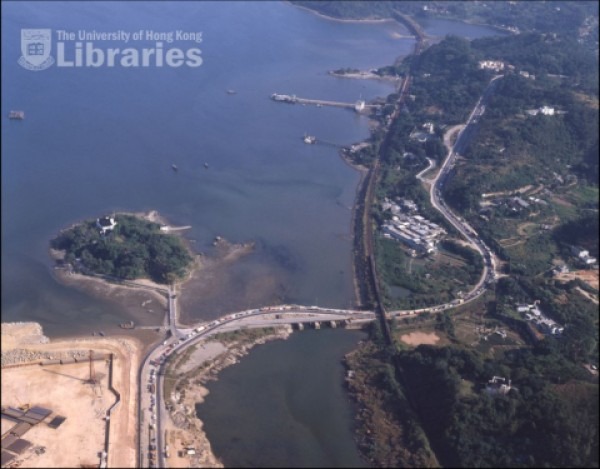
The evolving surroundings of Island House
As a key seat of power for the British administration of the New Territories, the historical story behind the Island House in Tai Po certainly does not end here.
In 1898, China and Britain signed The Convention Between Great Britain and China Respecting an Extension of Hong Kong Territory (《展拓香港界址專條》). Due to its strategic geographical value, Tai Po became the British administrative centre for the New Territories.
In April 1899, British troops landed at the present-day Hong Kong Lookout Tower (香港紀念回歸塔) in Tai Po, raised the flag in a temporary police shed on Flagstaff Hill. The residents of the New Territories rose up to resist the British, starting the Six-Day War of 1899, but it ended in failure due to the disparity in military strength.
1899, Old Tai Po Police Station was completed on Flagstaff Hill, and the British Hong Kong Government immediately began work on Yuen Chau Tsai, levelling the small hill to build quarters for senior officials. This colonial building, completed in 1906, is the Island House.
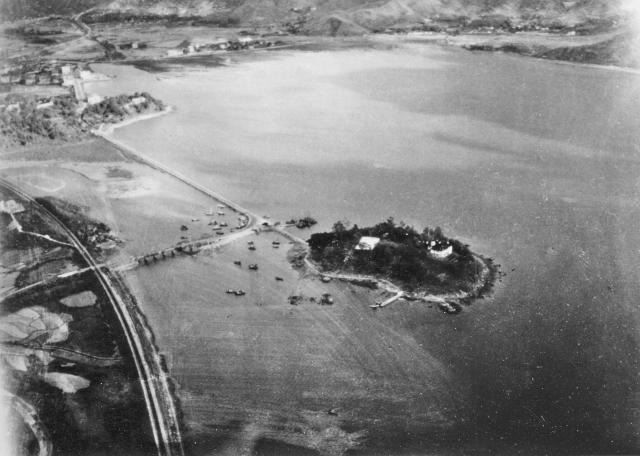
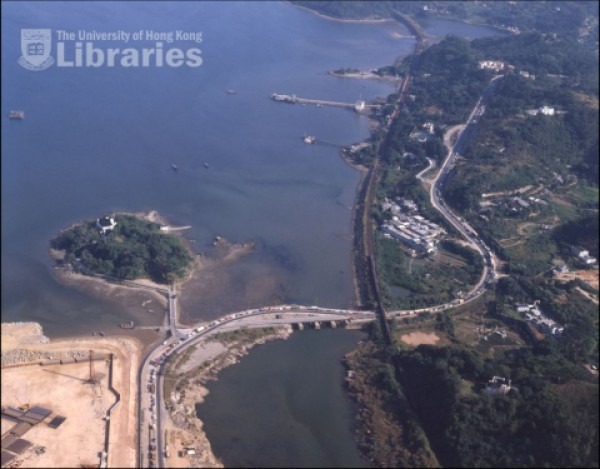
Yuen Chau Tsai was originally an isolated island in Tolo Harbour. When the quarters were built, the authorities specially constructed a causeway to connect it to the mainland, running directly from Yuen Chau Tsai to the Old Tai Po Police Station to facilitate officials' work.
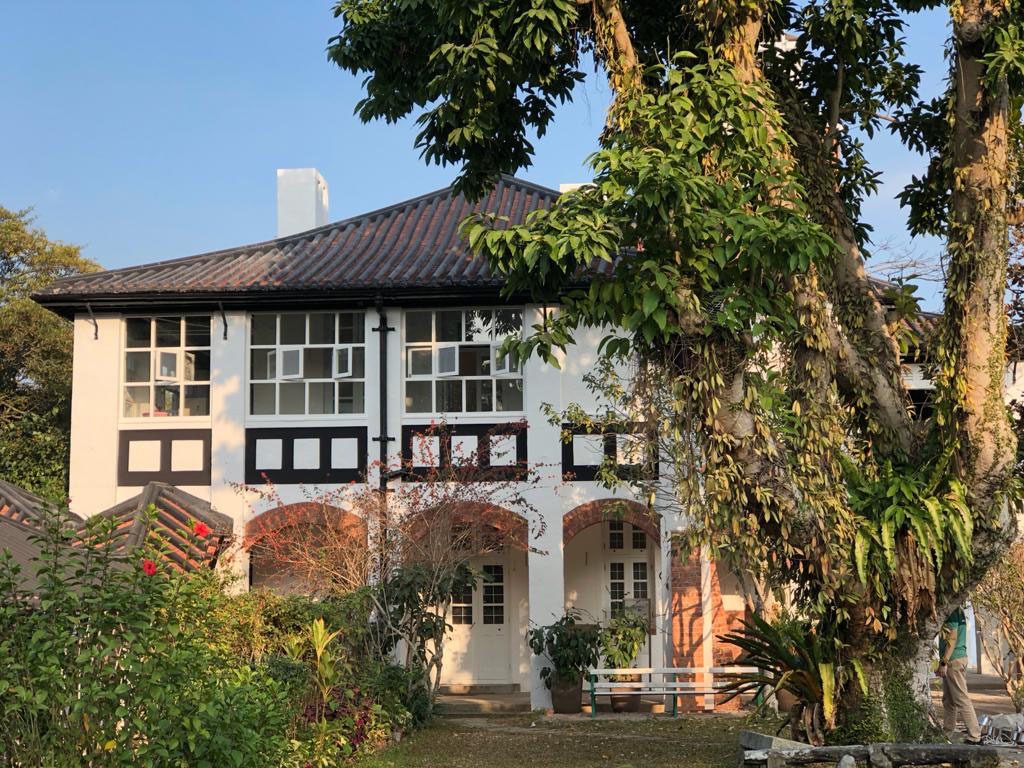
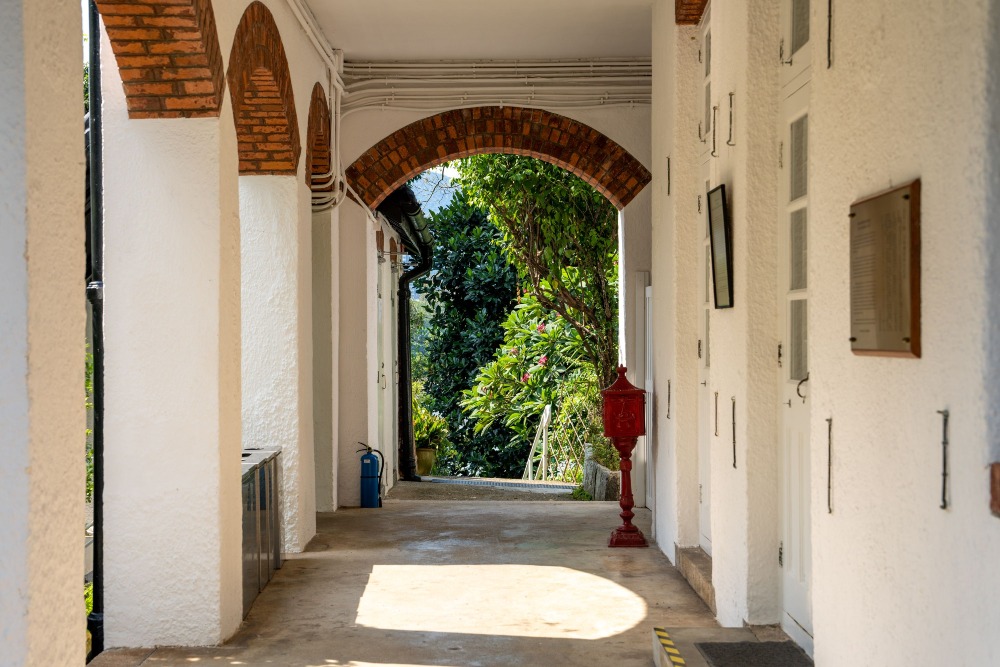
3 reasons for choosing Yuen Chau Tsai as the site for Island House
The Old Tai Po Police Station originally had quarters, so why build separate accommodation for senior officials on Yuen Chau Tsai?
The conservation records of WWF provides the following explanation: "Yuen Chau Tsai's unique strategic position was advantageous for military defence, surveillance and easy retreat."
When Island House was completed, it was only a few years after the Six-Day War of the New Territories, and the British Hong Kong Government was still wary of the villagers in the New Territories.
The location of Yuen Chau Tsai was not only advantageous for military defence, but also convenient for monitoring maritime activities such as smuggling. In the event of an incident, a swift evacuation by boat was possible, serving multiple purposes.
Moreover, the British at the time feared tropical diseases, so a well-ventilated mansion far from the crowds was also a plus point for the site selection.
Before 1947, this place served as quarters for senior officials. After the Second World War, due to changes in the government's administrative structure, Island House became the official residence of the Secretary for the New Territories.
15 successive Secretary for the New Territories had resided there, and the most well-known one was arguably the last, Sir David Akers-Jones.
Sir David Akers-Jones was the longest-residing occupant of the Island House, spending 12 years here until he was promoted to Chief Secretary of Hong Kong in 1985 and moved out of Yuen Chau Tsai.
The Island House then concluded its historical role, became a revitalised historic building, and was handed over to the WWF for management.
The Island House boasts numerous architectural features
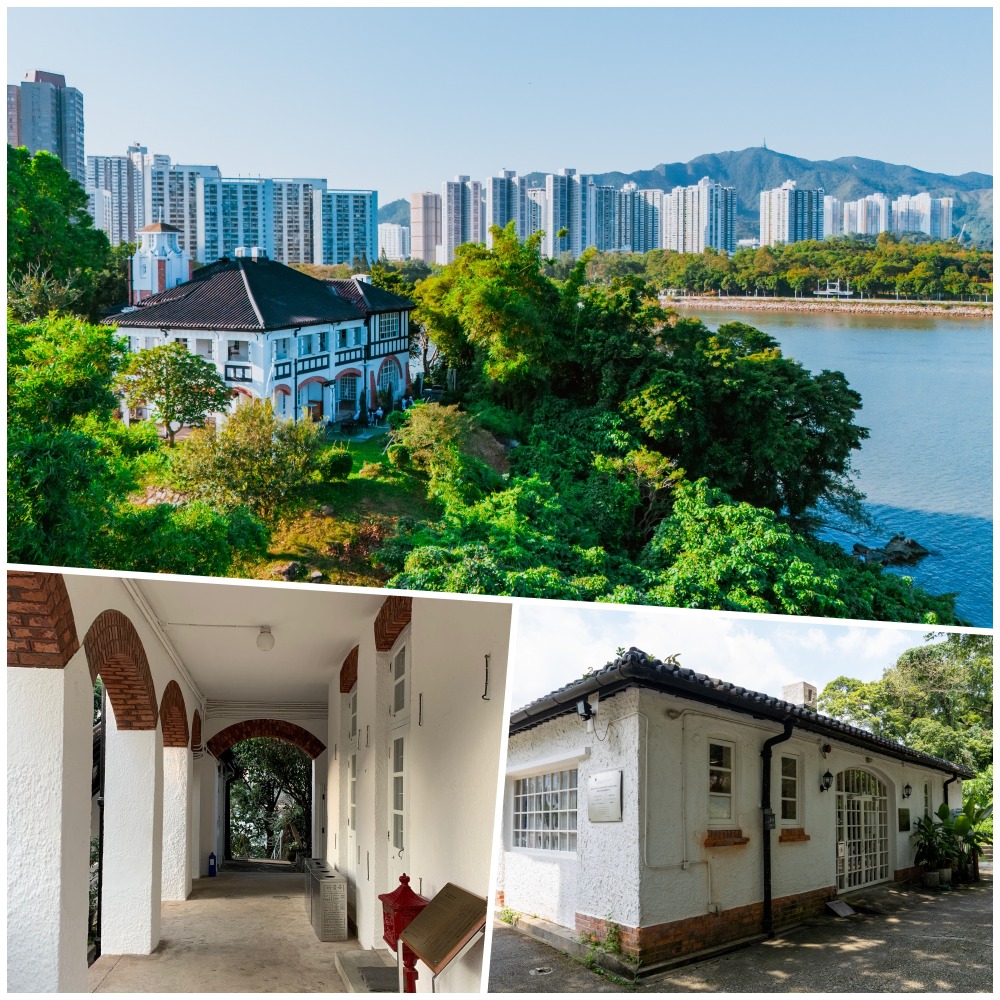
When visiting the Island House, you will find that this hilltop has a total of three buildings: the main building, the servants' quarters and the stables.
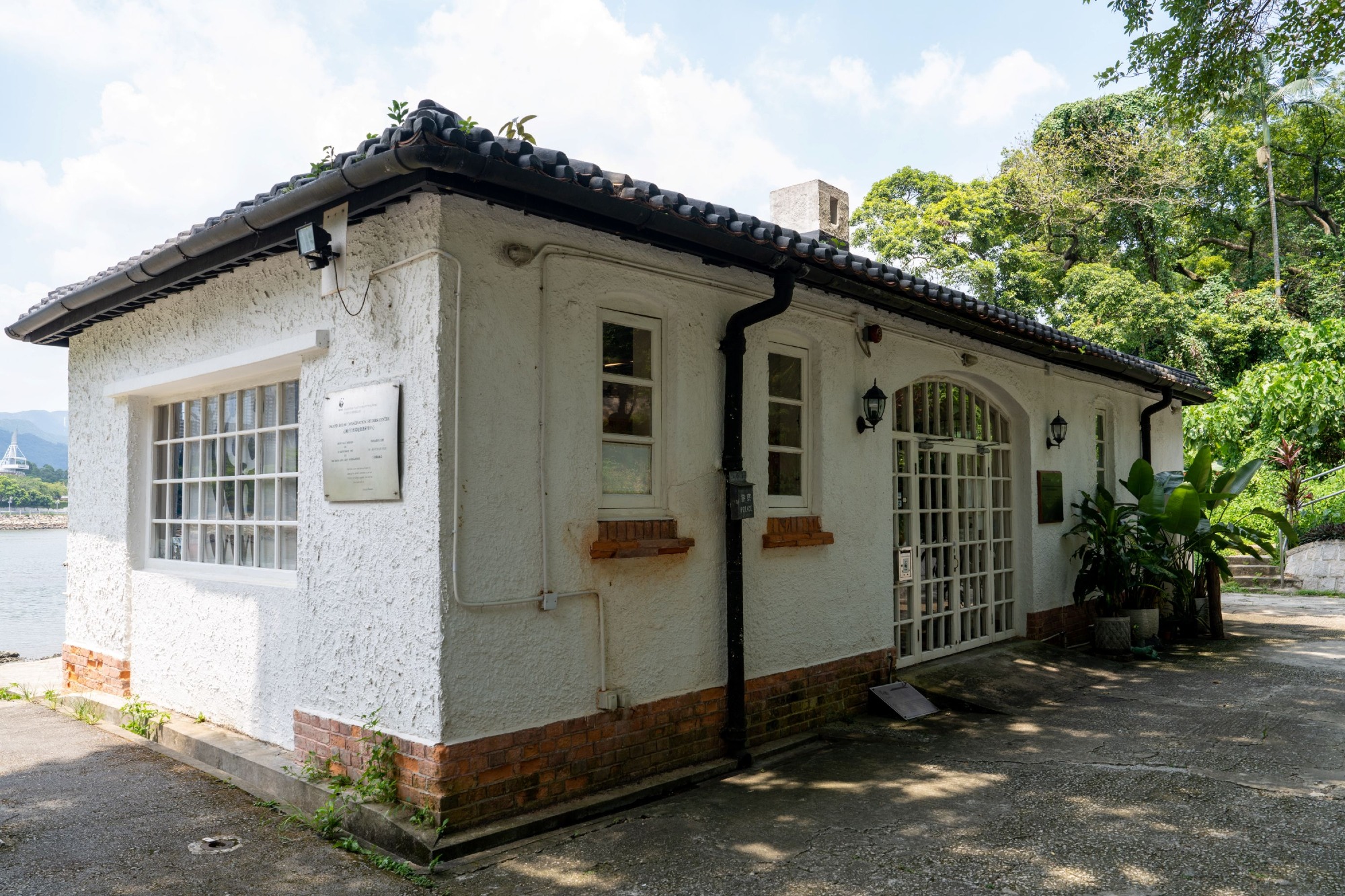
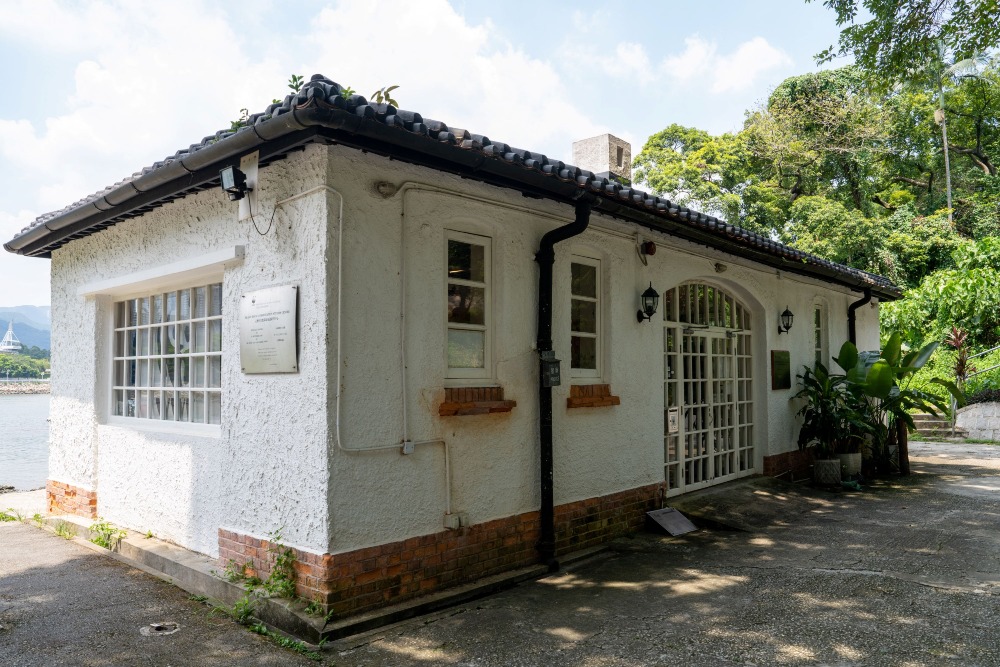
Starting from the seafront at Yuen Chau Tsai, you will first reach the visitor centre, which was formerly the stables.
This place was formerly the entrance to the causeway connecting Yuen Chau Tsai to the mainland, used to house the horses and carriages for transport.
The small building has a wide, semi-circular arched door to facilitate the entry and exit of carriages, and the windows are set higher than usual, which was actually to accommodate the height of the horses.
Continuing towards the hilltop, the first thing that comes into view is the servants' quarters.
To prevent cooking smells from reaching the main building, the kitchen was located here. The classic European-style kitchen retains the brick-built oven, complete with a cast-iron door and handles, and is full of a lived-in atmosphere.
For more exquisite details, that would naturally be the main building where the Secretary for the New Territories lived.
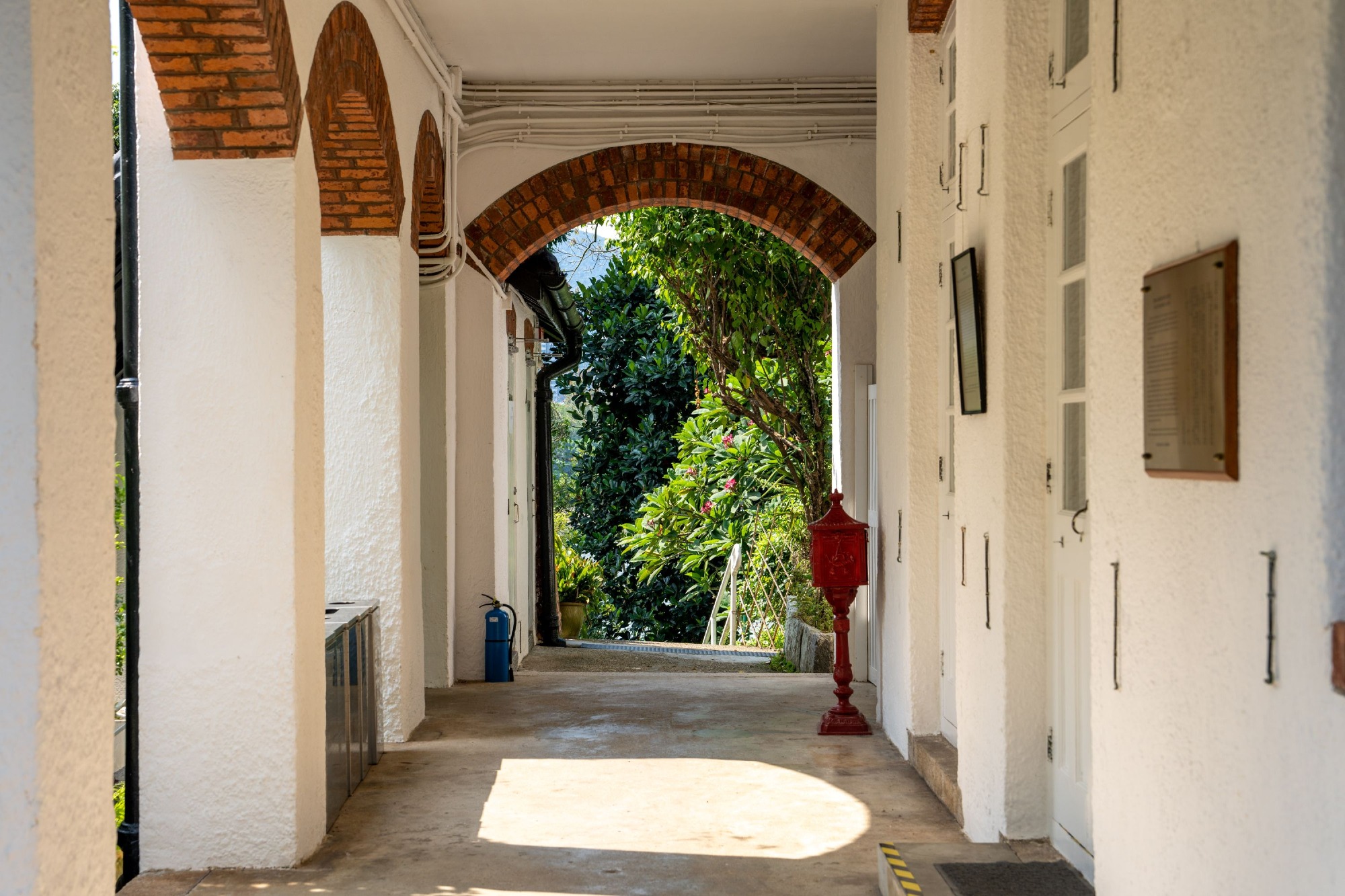
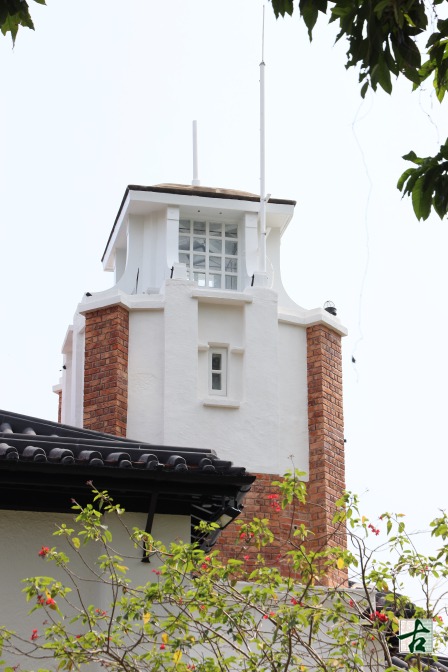
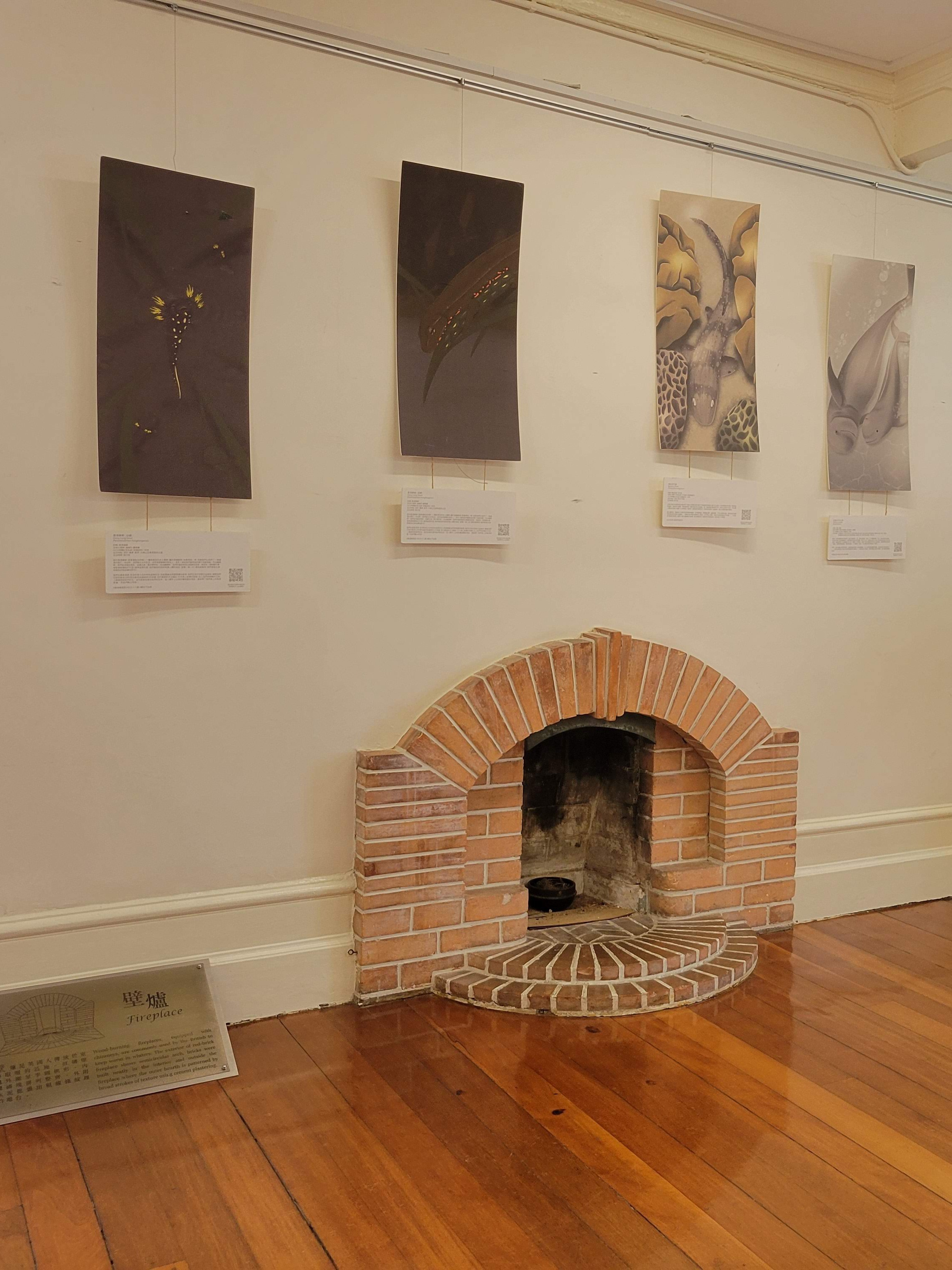
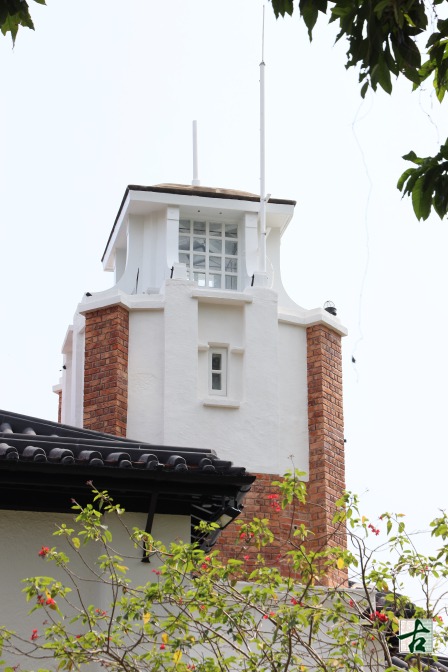
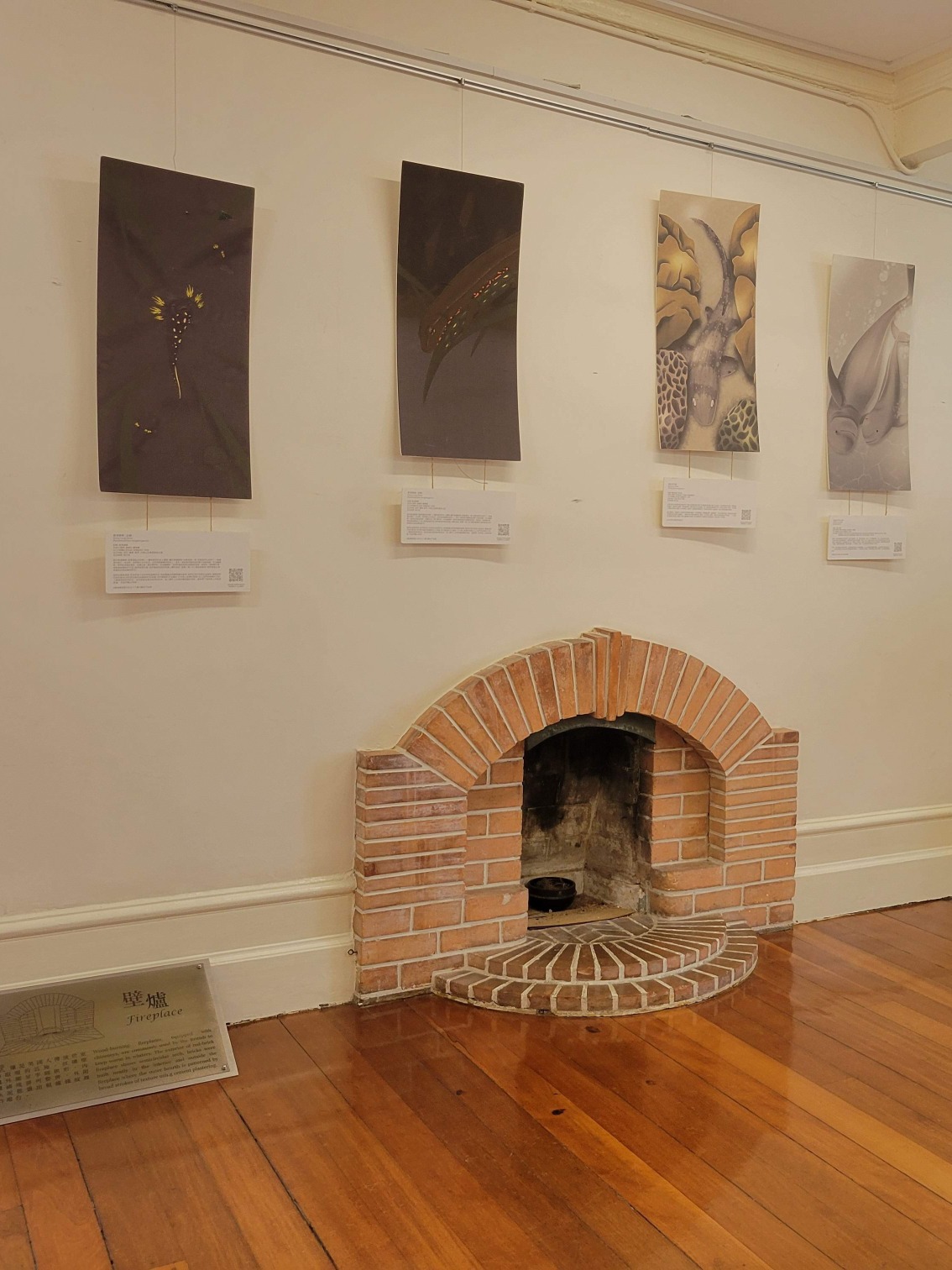
Looking at the mansion from a distance, you will see that the main building has a unique lighthouse, which once guided vessels in Tolo Harbour. Stepping inside, the huge arched doorways and windows, the red-brick fireplace, and the elegant wooden staircase are all magnificent.
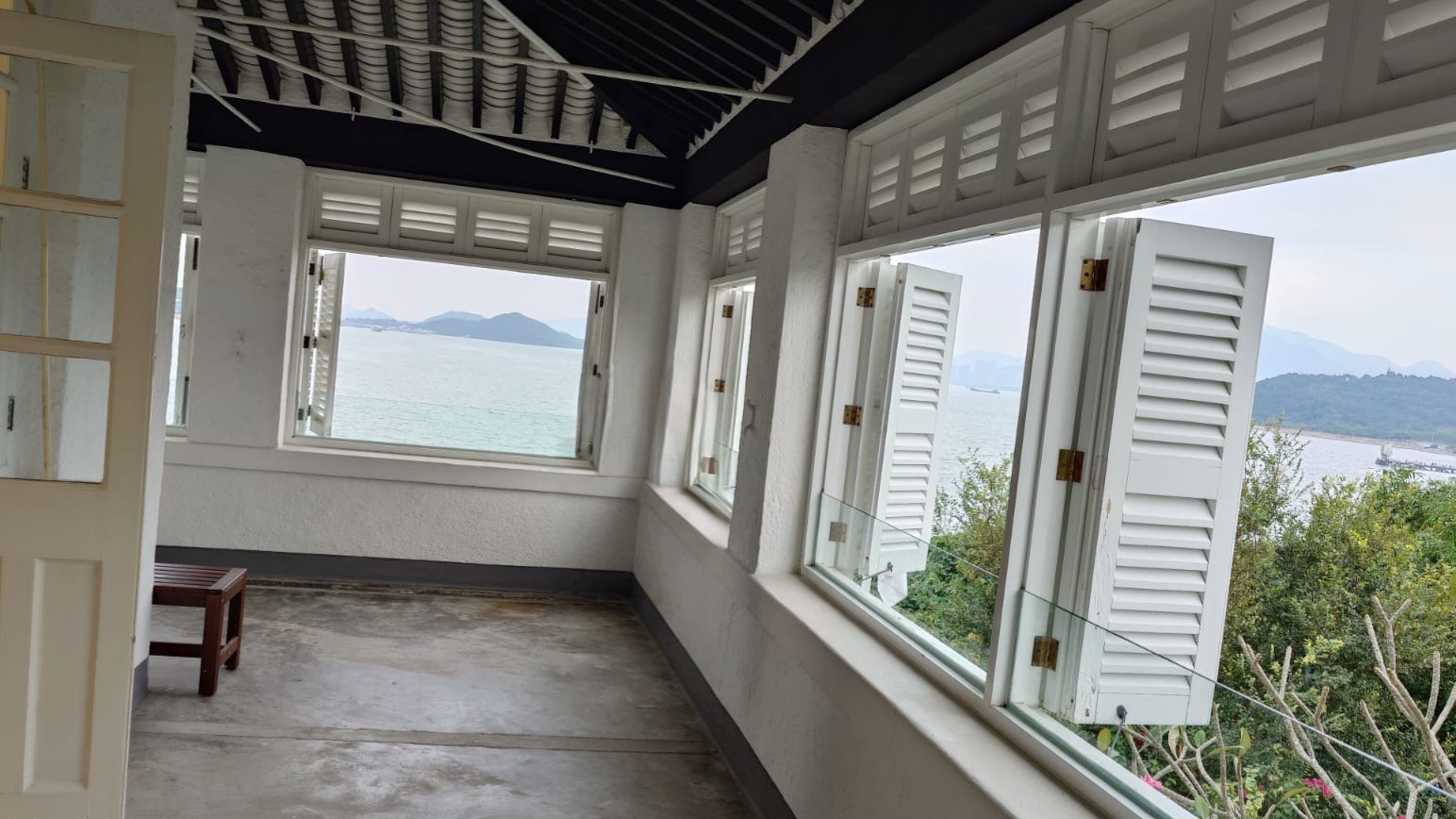
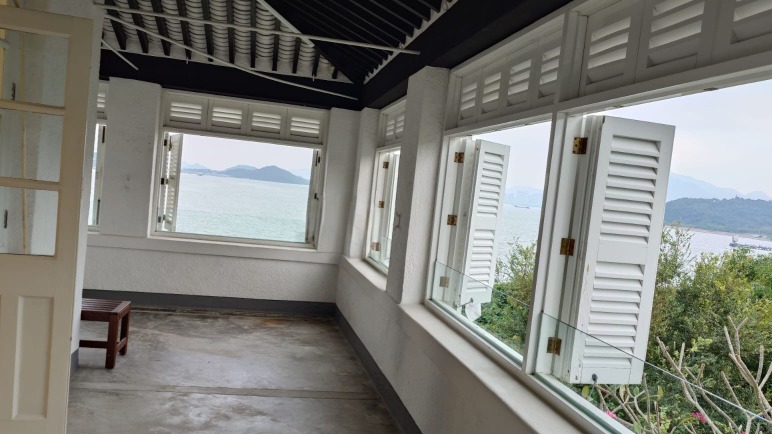
The main building is surrounded by a veranda, where many tourists take photos. Pushing open the white louvered windows, the beautiful scenery of Tolo Harbour fills your view. The window frames act like picture frames, capturing the blue sea and sky in a scene of breath-taking beauty.
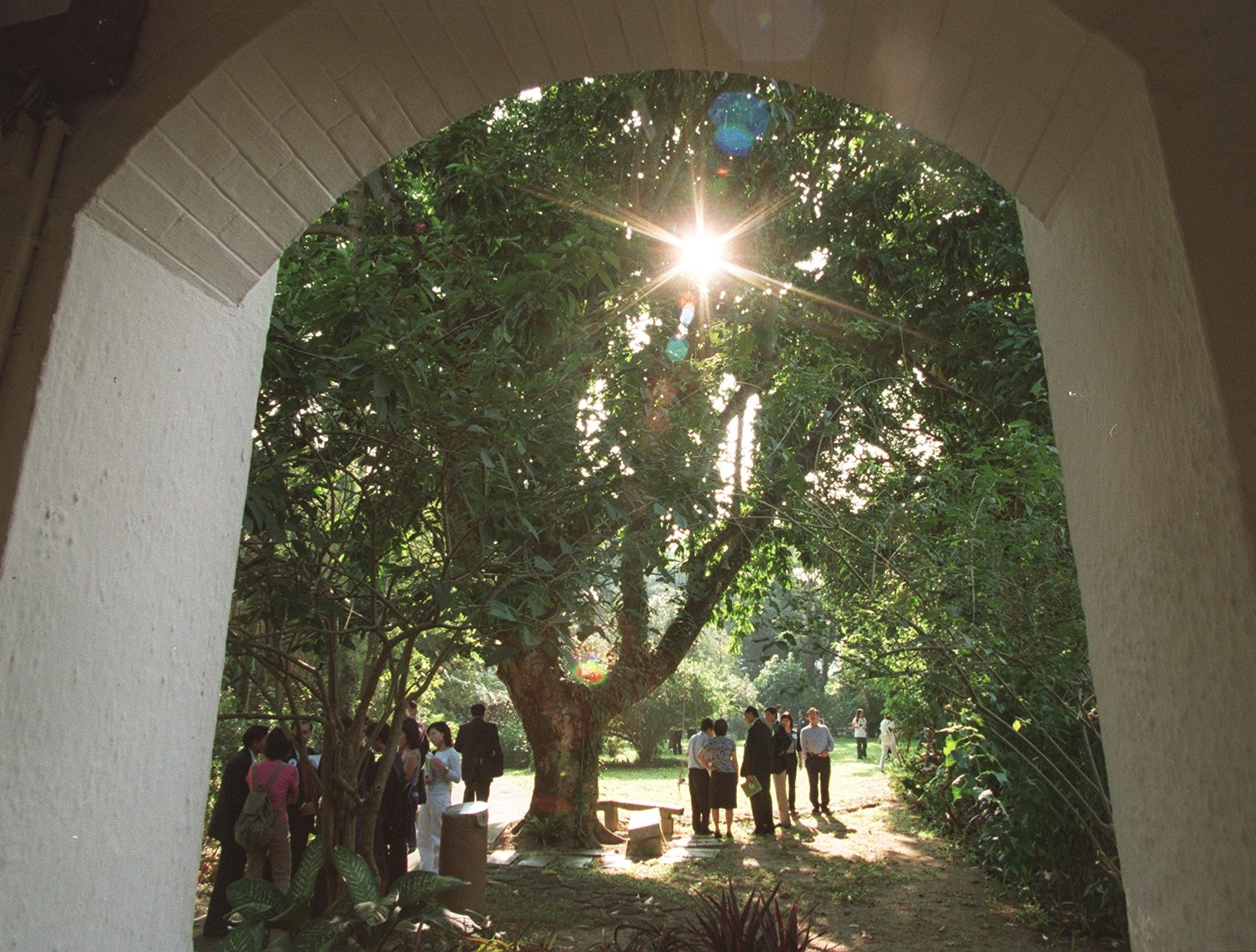
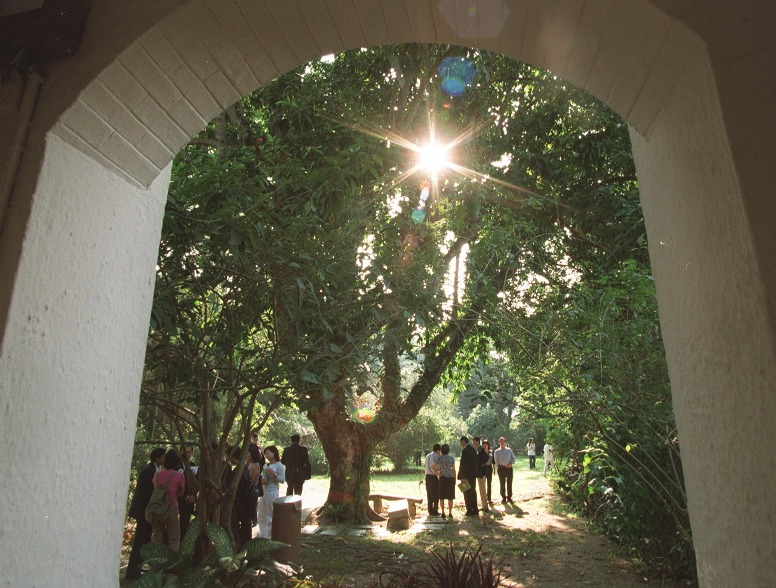
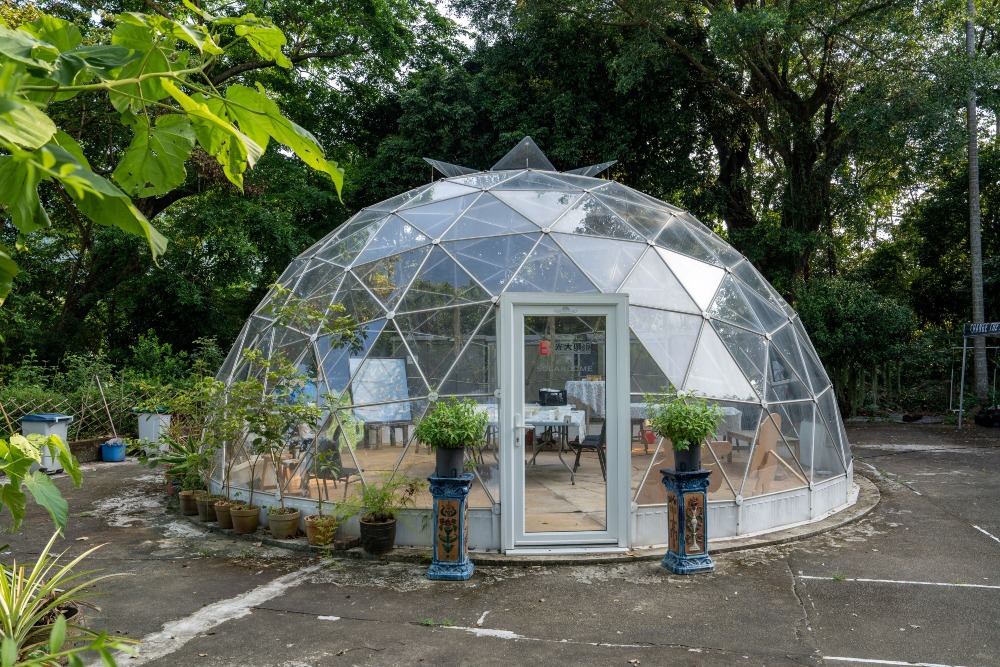
On the grounds of the grand house, there is also a lush English-style garden, where over 140 species of plants are grown, many of which were personally cultivated by Sir David Akers-Jones, who was passionate about horticulture. However, this garden also buries his heart-breaking past.
Wandering through the garden now, one can see a "Red-skinned Rough-fruit Tea" with an orange-red trunk, which was reportedly planted by Mr and Mrs Akers-Jones in memory of their son who died in a car accident, serving as a memorial and an expression of their grief at the loss of their son.
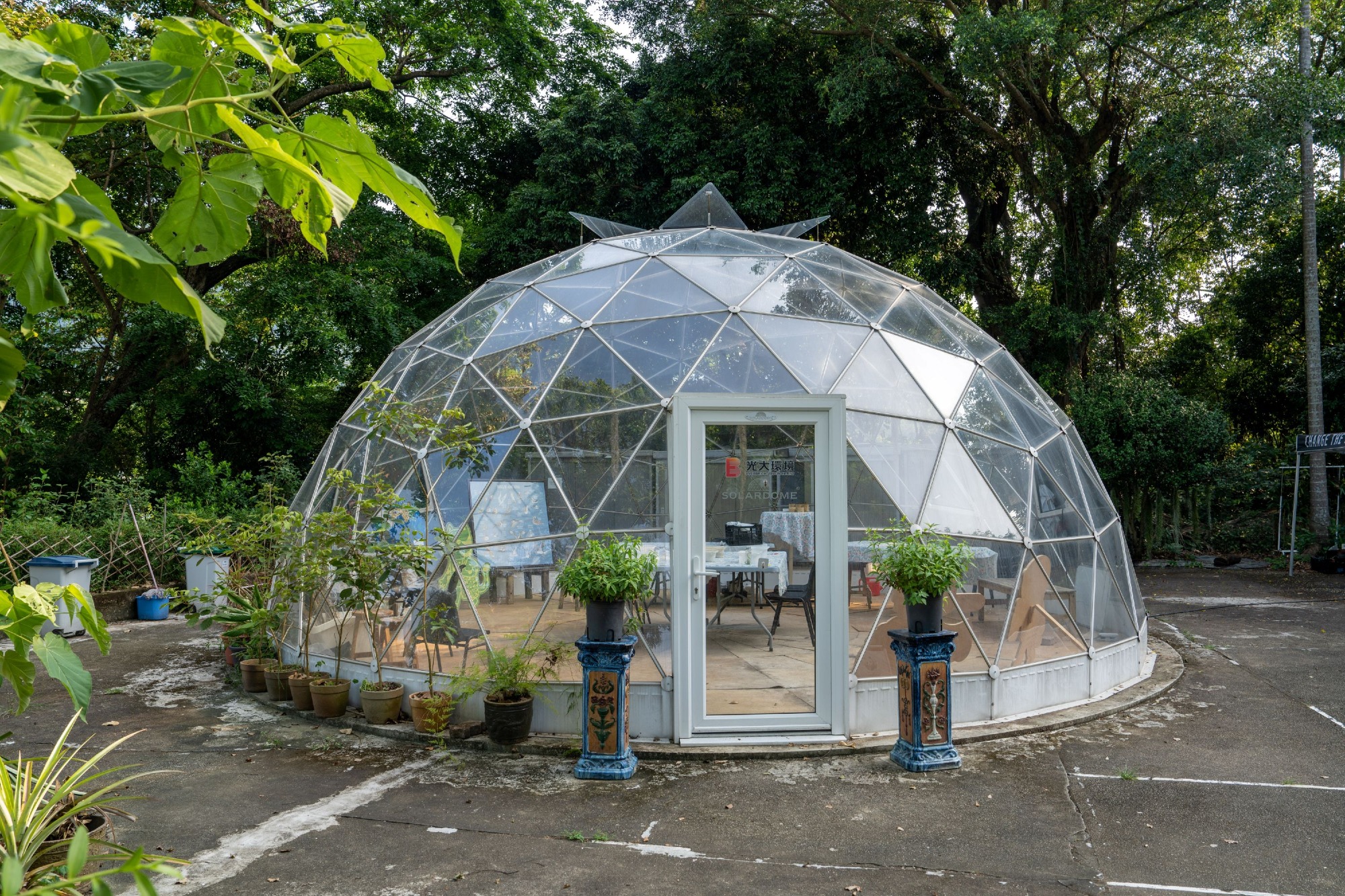
Since becoming a centre for environmental conservation and research 40 years ago, the mansion has consistently championed education in urban ecology and marine conservation. The site regularly hosts events and opens its doors to the public.
Visitors can also join guided tours for a fee, exploring every brick, stone, plant, and tree of this former official residence of the Secretary for the New Territories. Guests can stroll along the pristine shoreline of Yuen Chau Tsai and look out over the beautiful scenery of Tolo Harbour from this century-old mansion.
Through the history of the building's revitalisation, the transformation of Tai Po, and the shifting eras of Hong Kong's governance, visitors can truly savour the evolution of our city.
Island House Conservation Studies Centre (Island House)
Address: Island House Lane, Tai Po
Telephone: +852 2526 1011
Guided Tour Times and Fees: Every Friday to Sunday, and public holidays 10:00-13:00 or 14:00-17:00, from 150 HKD per person
Website: https://www.wwf.org.hk/cities/island-house/
Read more: Visit the old Tai Po Police Station and savour a low‑carbon lifestyle
Read more: Jao Tsung-I Academy: Tracing the footsteps of a Chinese studies master in HK