Published : 2025-11-19
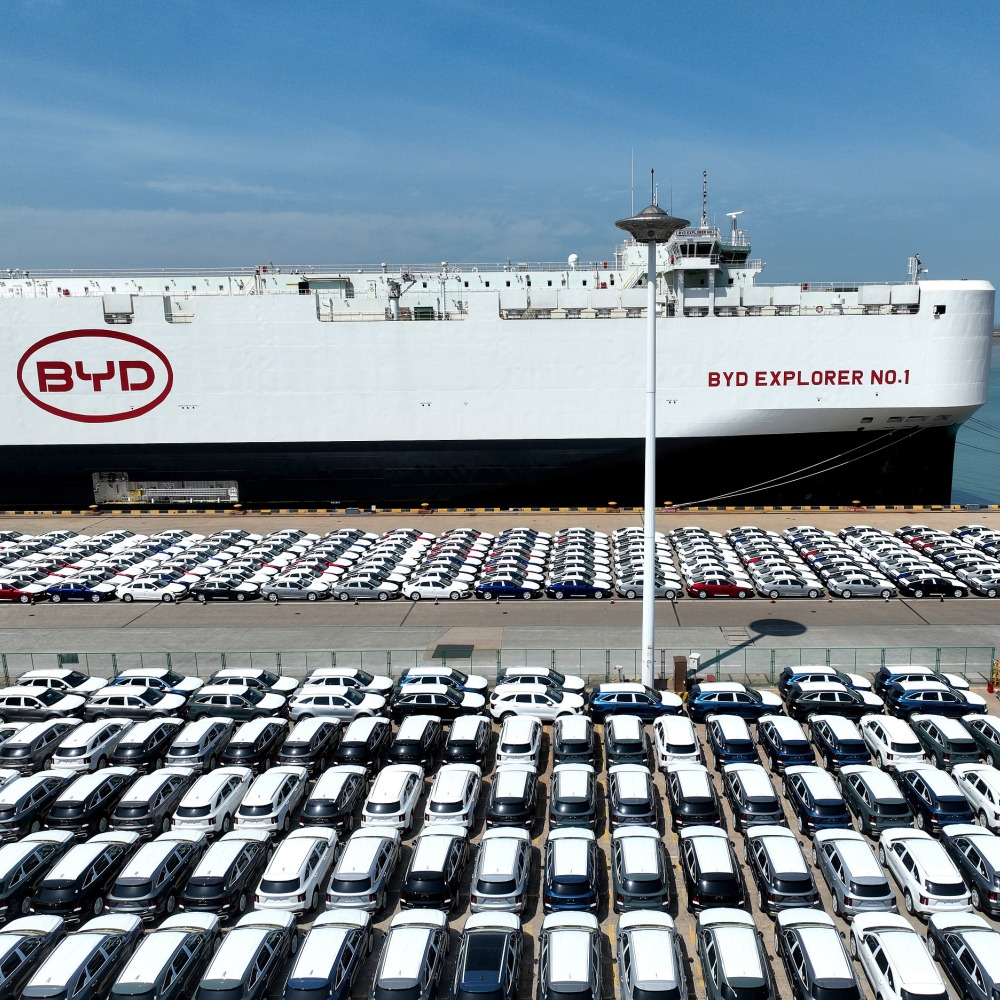
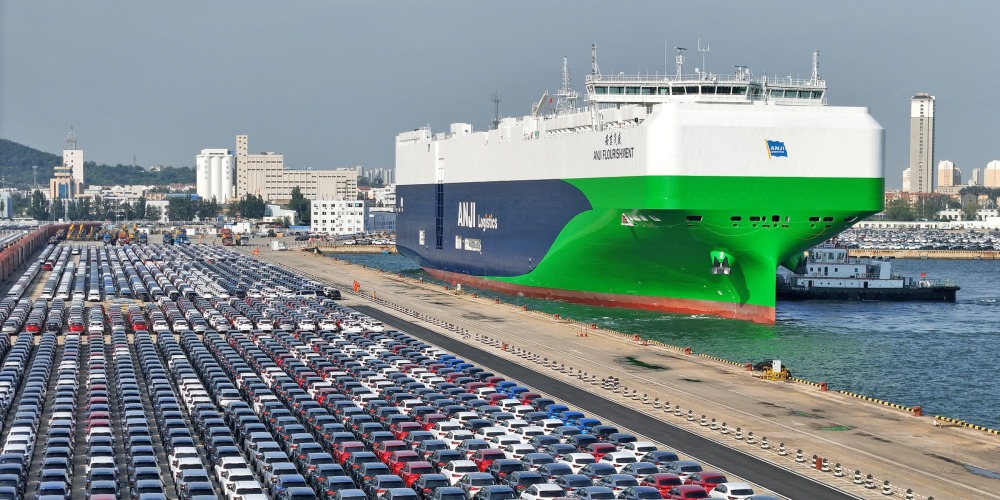
In the past two years, China"s car export volume has ranked first in the world, and behind the surge in car orders, "car transport ships" responsible for sending cars overseas have become a key link.
The "control" of car transport ships was once in the hands of other countries, but currently, the world"s largest car transport ship is independently manufactured by China and can carry 9,500 vehicles. Why are Chinese car companies like BYD, Chery, and SAIC moving from "borrowing ships to go to sea" to crossing over into "building ships for long voyages"?
What is a car transport ship?
As the name suggests, a car transport ship is a vessel specifically used for transporting cars, and is a type of roll-on/roll-off ship.
Roll-on/roll-off ships are mainly used to transport vehicles and large machinery and equipment, and usually have open-style holds that allow vehicles or machinery to be driven directly into the hold without the need for loading and unloading equipment.
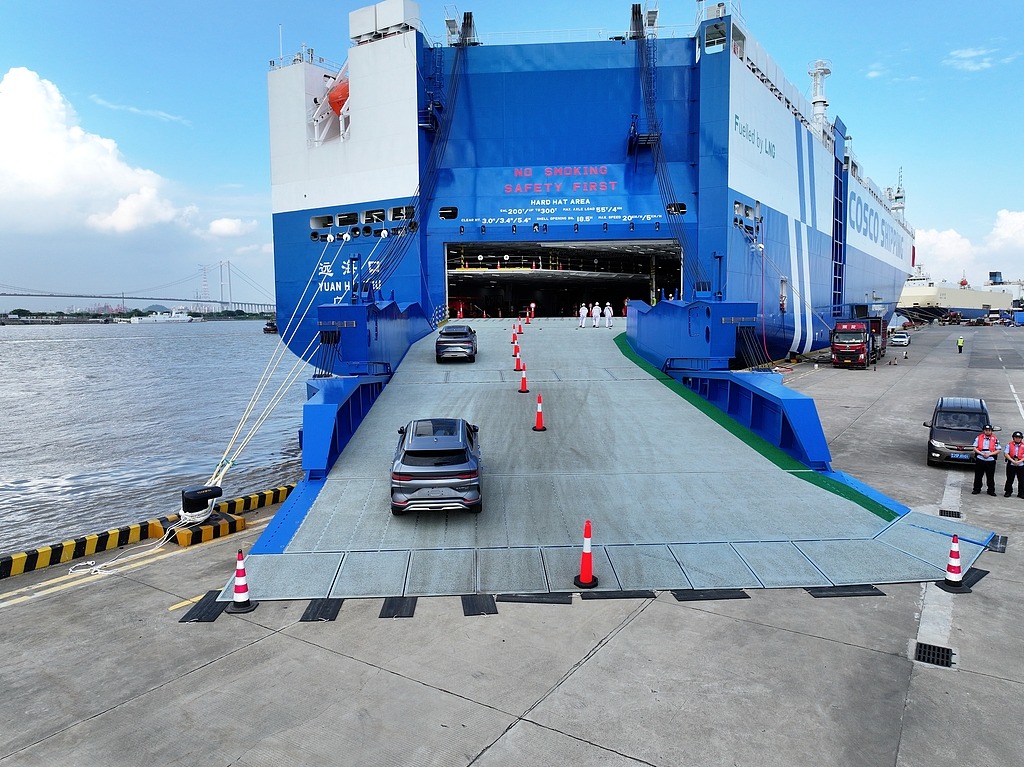
Roll-on/roll-off ships have many advantages: firstly, because cars can be driven directly on and off, the loading and unloading process is more efficient; secondly, because roll-on/roll-off ships do not require lifting and unloading equipment, loading and unloading costs are reduced; furthermore, using roll-on/roll-off ships can also reduce the rate of cargo damage during transport.
In contrast, transporting vehicles using container ships requires additional containers and lifting equipment, making the loading and unloading process complex and the costs and risks higher.
In terms of size and loading capacity, car transport ships can be described as "leviathans of the sea"; China has already built and delivered several car transport ships with capacities of over 9,000 car spaces.
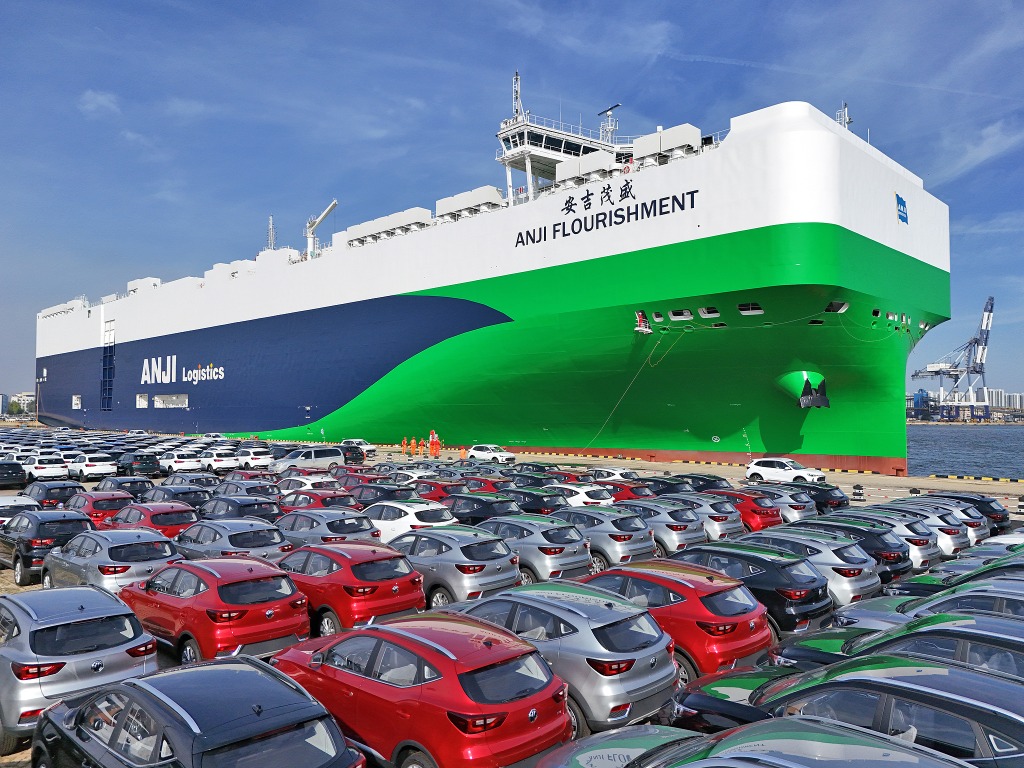
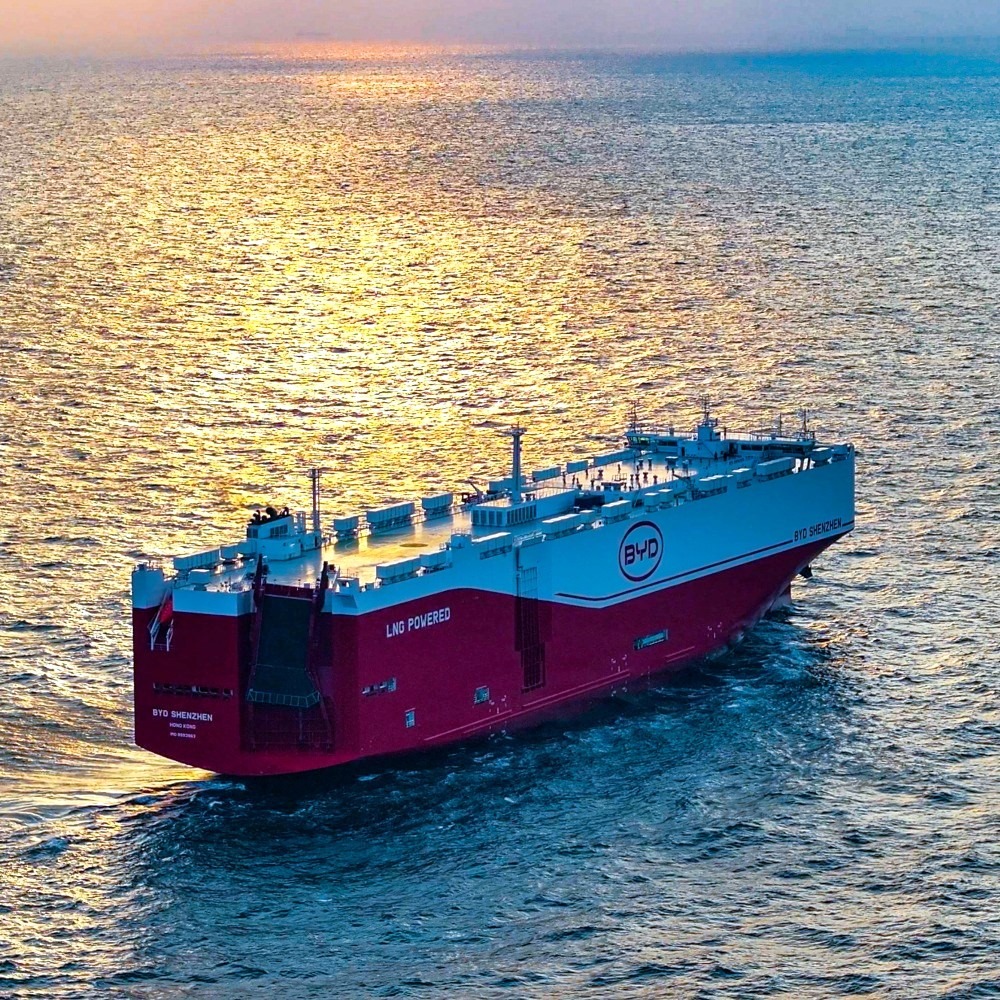
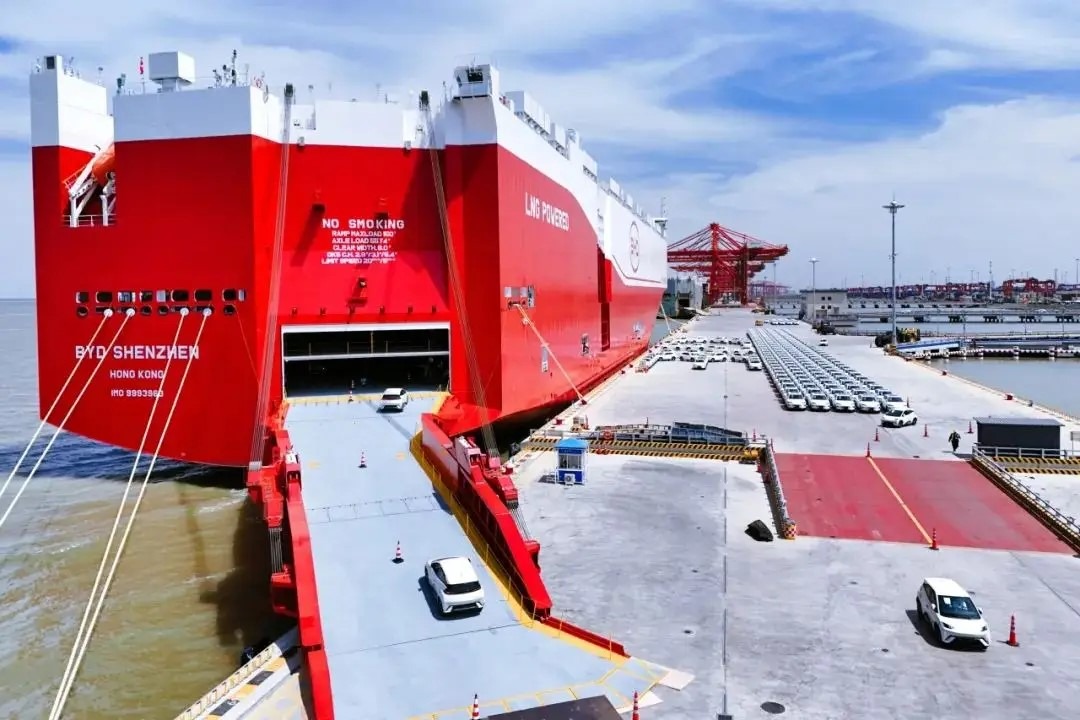
For example, the "Anji Maosheng" vehicle carrier under the SAIC Group has 9,500 car spaces, and is currently the world's largest in scale, strongest in loading capacity, and most energy-efficient low-carbon, smart, ultra-large vehicle carrier; in addition, the "Gangrong" vessel under "China Merchants Energy Shipping" has a loading capacity of 9,300 car spaces, while BYD's "BYD SHENZHEN" has 9,200 car spaces.
Why does China need to build its own car transport ships?
On 22 April 2025, BYD's "BYD SHENZHEN", with 9,200 car spaces, became the vehicle carrier with the world's largest loading capacity at the time. Less than a month later, the "Anji Ansheng", which made its maiden voyage on 15 May, once again broke the record for the world's largest vehicle carrier by loading capacity, with 9,500 car spaces.
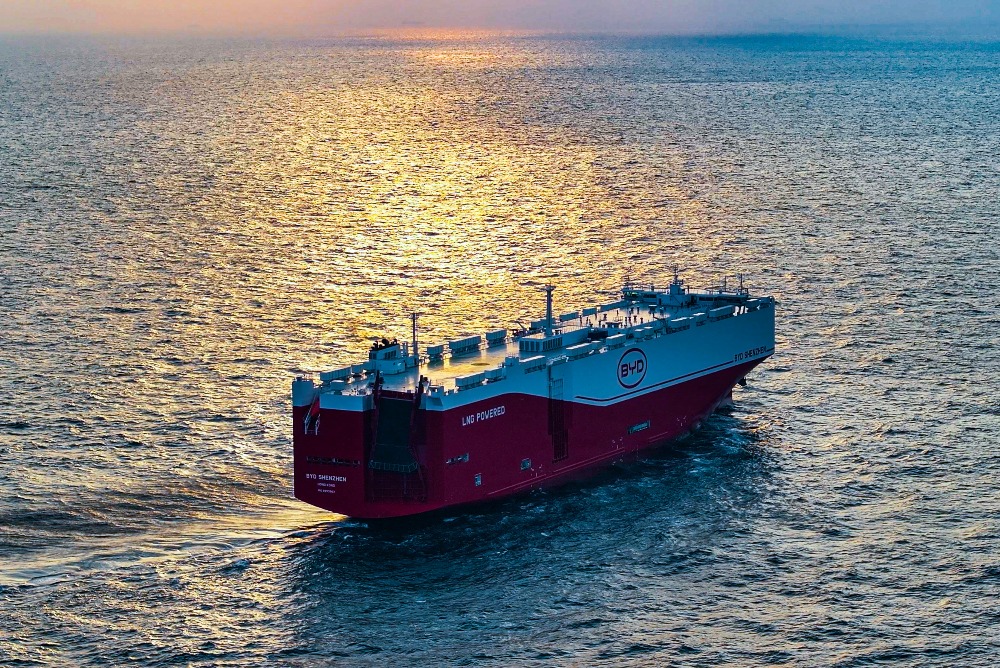
Why have Chinese car companies spent large sums of money in recent years to build their own ocean-going fleets? This is closely related to reasons such as the sharp increase in demand for car exports and the soaring price of maritime car transport.
In 2021, China's car export volume exceeded 2 million vehicles for the first time. By 2024, this figure surpassed the 6 million mark for the first time, reaching 6.41 million vehicles, making China the world's largest car exporting country for three consecutive years.
Among these, new energy vehicles are highly popular in overseas markets. In July 2025, the export volume of new energy vehicles accounted for 39.1% of the total car exports, a record high. New energy vehicles have become the main driving force for growth in car exports, driving the overseas expansion of Chinese car companies.
Read more: China"s Car Exports Surpass Japan to Become World"s No. 1 for the First Time
Although car export volumes have surged, the growth rate in the number of car carriers has been far from keeping up with the pace of exports, leading to insufficient car export capacity and a sharp rise in freight costs. For example, the charter rate for a car carrier with 6,500 standard car spaces has risen from US$38,500 per day to US$110,000 per day within a few years.
In addition, global car carrier capacity is mainly concentrated in Japan and South Korea, and the number of vessels is limited, which means that Chinese car companies face more restrictions and higher costs when exporting cars.
Therefore, Chinese car companies must shift from "chartering ships to go overseas" to "building ships for long voyages" to take control of shipping capacity themselves. This not only reduces transport costs and risks but also ensures a stable supply chain, without being constrained by others.
To control shipping capacity, where do the ships come from? Most Chinese car companies are ordering car carriers from China's major shipyards to build their own transport fleets.
According to Clarkson's shipping data, Chinese shipowners hold a 7.6% share of the global car carrier market. Among them, SAIC Motor ranks 15th among global car carrier shipowners, making it the highest-ranked Chinese company, with 18 car carriers.
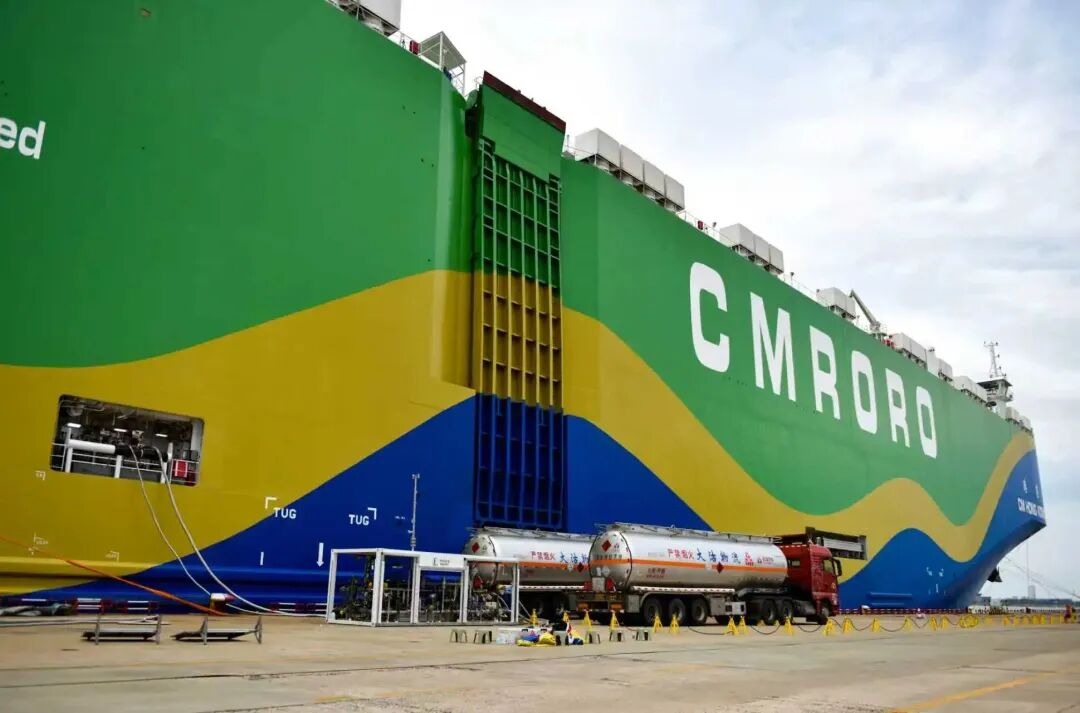
Moreover, China"s shipbuilding industry is now formidable, strong enough to support Chinese car companies in their bid for control over ocean shipping.
China"s three major shipbuilding indicators (shipbuilding output, new orders, and orders on hand) have ranked first in the global market for 15 consecutive years. Not only has it accumulated sufficient production capacity to support the large order demands from Chinese car companies, but it also possesses strong technical capabilities; for example, the core equipment of the "Anji Maosheng" is now domestically produced.
"Green Maritime Behemoth": Domestically Produced Car Carriers with Strong Capacity, Eco-Friendly and Low-Carbon
While Chinese car companies are building their fleets and increasing car export capacity, they are also reducing carbon emissions during car transport through green and low-carbon technologies.
From an energy and power perspective, car carriers are in a transitional period from traditional fuels to future new energy sources. To reduce carbon emissions during the ocean transport of cars, Chinese car companies are increasingly choosing to use carriers that run on environmentally friendly fuels. The main environmentally friendly fuels include methanol fuel, LNG (liquefied natural gas), and others.
For example, the "Yuan Hai Kou", a vessel under COSCO SHIPPING, uses photovoltaic power + LNG dual-fuel (the dual fuels include LNG and fuel oil). Its loading capacity reaches 7,000 standard car spaces, and although this is less than the 9,500-car space capacity of the "Anji Maosheng", it is already the world"s largest photovoltaic power + LNG dual-fuel carrier.
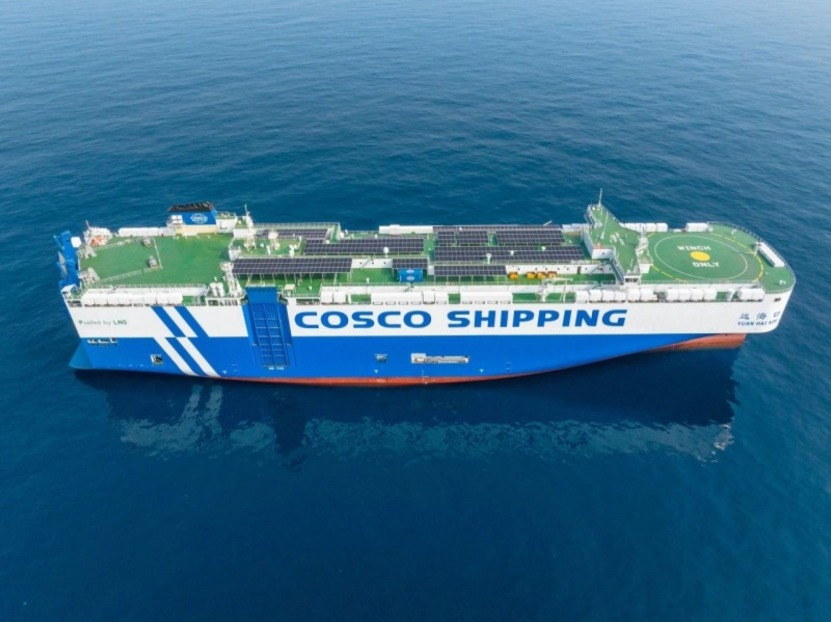
Compared to traditional fuel-powered vessels, it can save 20% in energy consumption, achieve a carbon reduction rate of over 24%, and reduce carbon emissions by 2,100 tonnes per voyage.
The core highlight of this green giant vessel is its shipboard photovoltaic system with a peak power of up to 302.8 kilowatts, which converts solar energy into electricity during its voyage, with an annual power generation capacity of up to 410,000 kWh.
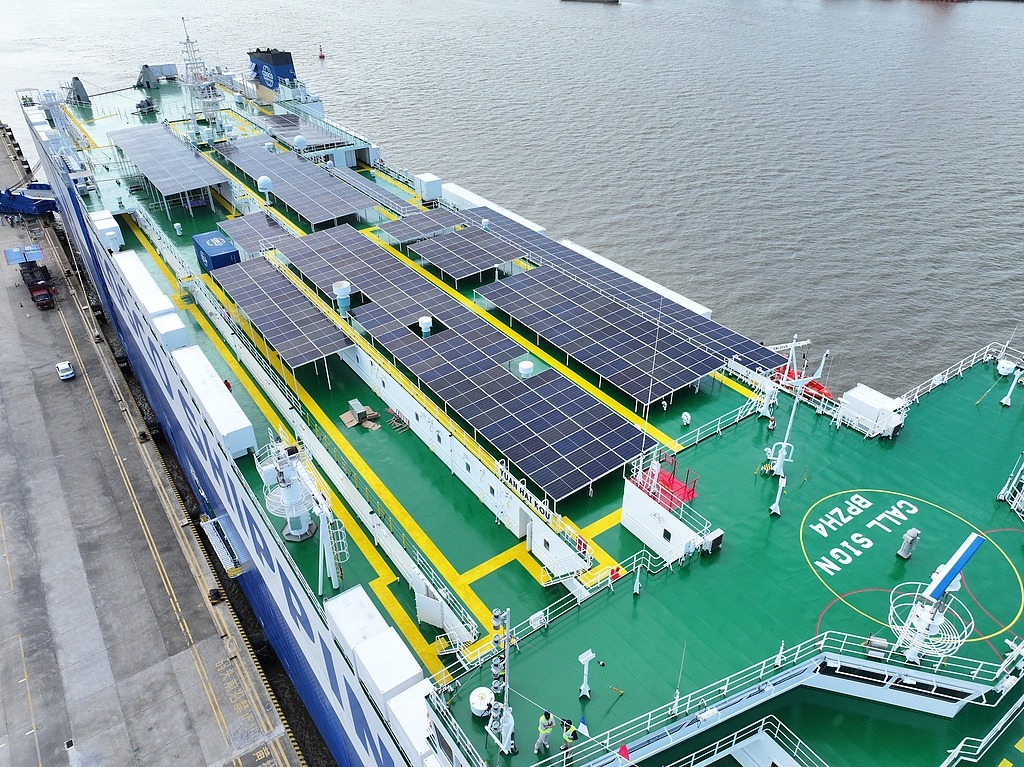
In addition, the "Gang Rong", a vessel under "China Merchants Energy Shipping", is the world"s first methanol dual-fuel powered roll-on/roll-off vessel. Its propulsion system can flexibly switch between methanol and fuel oil, and can reduce greenhouse gas emissions by more than seventy per cent. The maiden voyage ceremony of the "Gang Rong" was held in Hong Kong, which helps to enhance Hong Kong"s image as a green port and for green development, and injects new impetus into the development of Hong Kong as a green shipping hub.
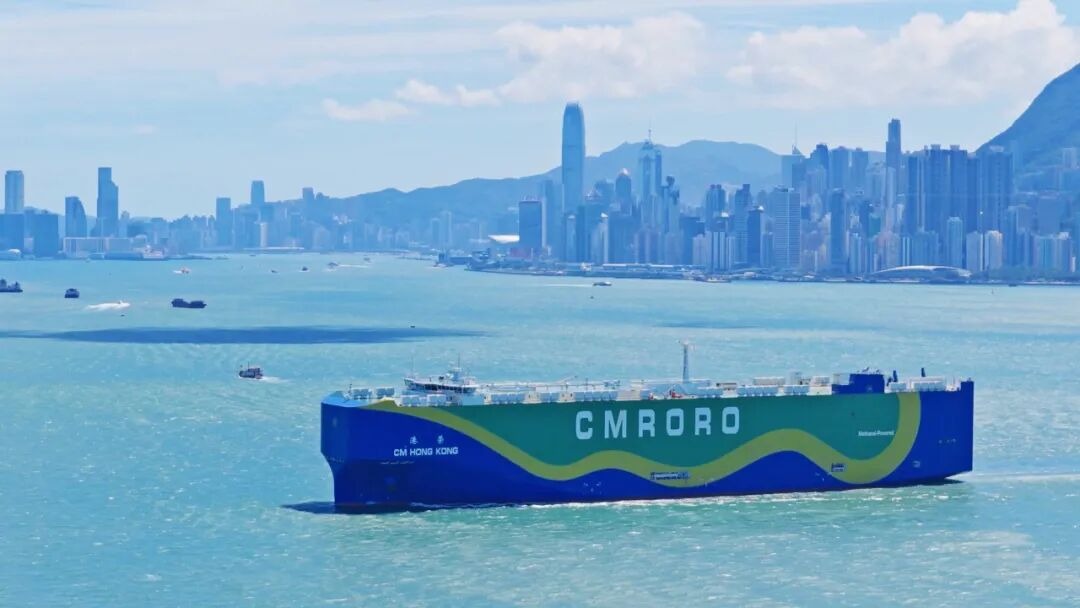
The "Gang Rong" vessel has an area of 78,000 square metres, equivalent to 11 standard football pitches, is 220 metres long, and had a construction cost of about HK$747 million. The "Gang Rong" makes six round trips to Europe annually, and can transport nearly 60,000 vehicles; if travelling on the Southeast Asia route, it can transport nearly 200,000 vehicles annually.
The rise of Chinese car manufacturers" ocean-going fleets not only helps to reduce transport costs and break the international shipping monopoly, but also enables green and sustainable development, enhancing the competitiveness of Chinese car manufacturers in the global market. In the future, Chinese car manufacturers" ocean-going fleets will need to continuously improve their technological and management standards to advance onto a broader international stage.
Read more: Winning the World"s Largest and Most Difficult Order, China to Build 18 Very Large LNG Carriers