Published : 2025-07-22
China has launched another super project in water conservancy, the Yarlung Zangbo hydropower project located in Nyingchi, Xizang (previously known as "Tibet"), which officially commenced on the 19 of July.
What is so special about this "project of the century," which is expected to take more than 10 years to complete?
Yarlung Zangbo River is Asia's most abundant undeveloped water resource
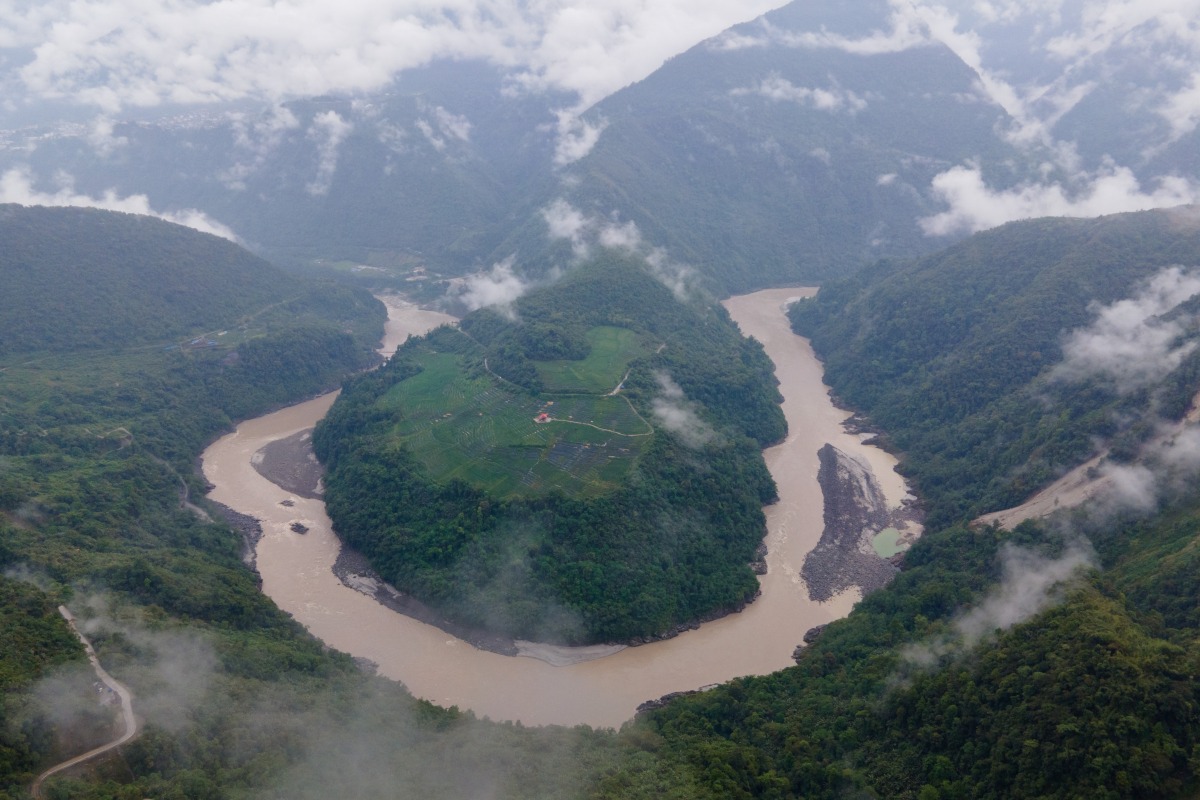
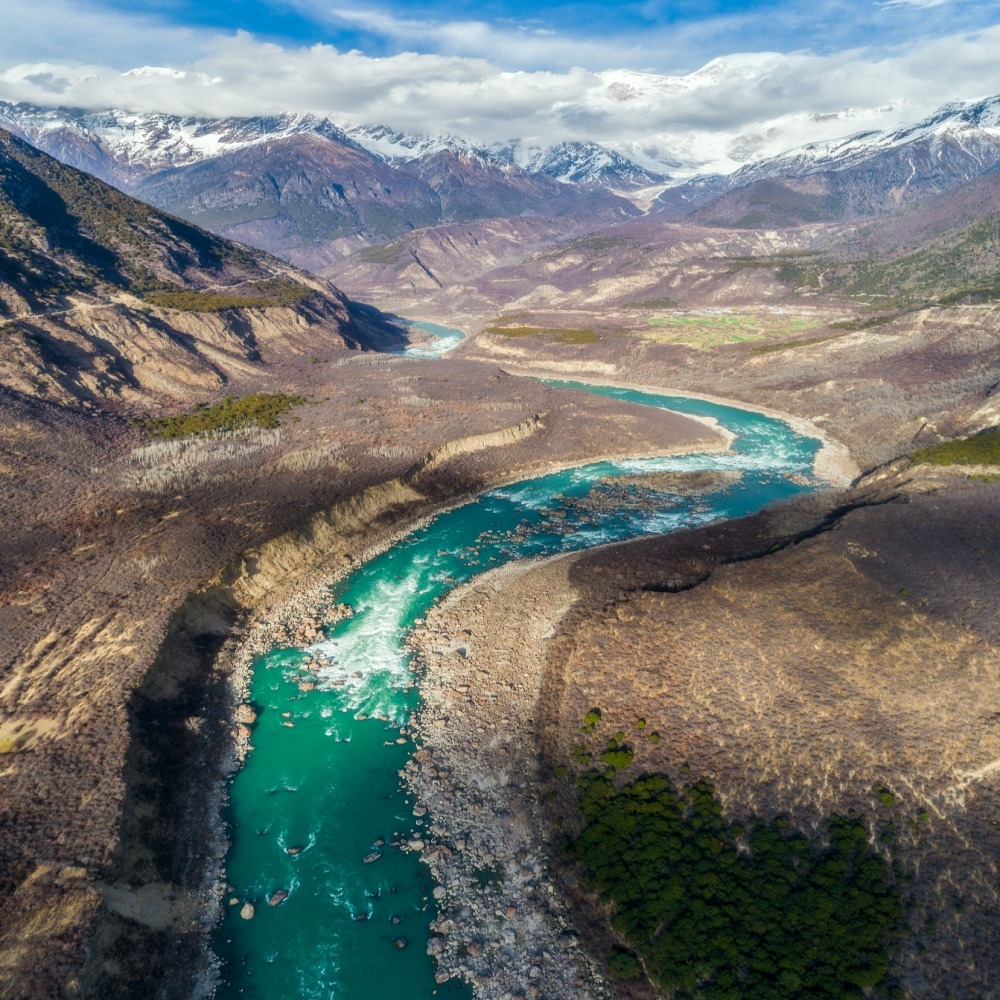
The Yarlung Zangbo River (雅魯藏布江) is the highest river in the world by altitude, flowing through the world's longest and steepest canyon, with Asia's most abundant undeveloped water resources.
Data shows that the theoretical hydropower potential of the main stream in the Yarlung Zangbo River basin is nearly 80 million kilowatts, with the downstream "Great Bend" area being "the world's most concentrated area of water energy," forming a 2,000-metre drop within a straight-line distance of 50 km and accumulating nearly 70 million kilowatts of technically exploitable resources.
Although Xizang is renowned as a "treasure trove of hydropower," its development as a sequential energy base for the "West-East Power Transmission" project remains extremely limited. To date, only around 1% of its technically feasible potential has been harnessed.
Yarlung Zangbo hydropower project: Excavating diversion tunnels on "Roof of the World"
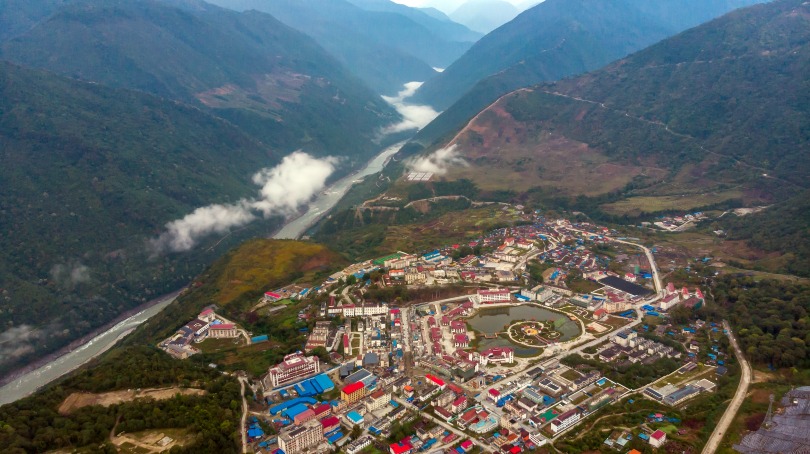
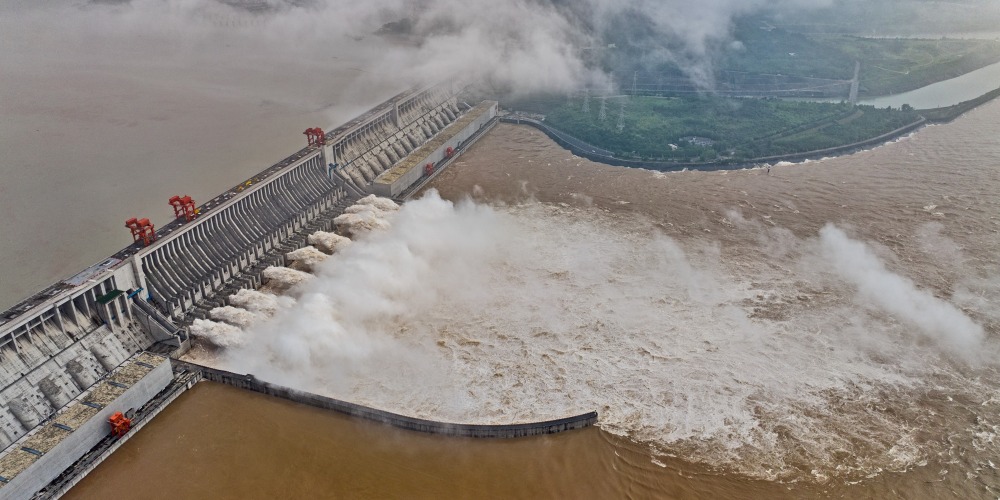
The hydropower project on the Yarlung Zangbo River is also known as the Medog Hydropower Station (墨脫水電站), with an estimated installed capacity of 60 million kilowatts, equivalent to three Three Gorges Dam projects.
The concept for the Medog Hydropower Station can be traced back to 2009, when relevant units conducted specialised geological studies to lay the foundation for the project's feasibility.
In March 2021, the 14th Five-Year Plan again explicitly proposed the implementation of major projects such as the downstream hydropower development on the Yarlung Zangbo River, geared towards serving major national strategies.
By December 2024, the Medog Hydropower Station received national approval; and in March 2025, the National Development and Reform Commission (NDRC) included the project in its annual plan.
The main body of the Medog Hydropower Station is located within Medog, Nyingchi. The project primarily adopts a development method of straightening the river bend and diverting water through tunnels, and will involve the construction of five cascade power stations with a total investment of approximately 1.2 trillion RMB.
The electricity generated by the Medog Hydropower Station will be mainly for "external transmission and consumption", while also catering to Xizang's local consumption needs.
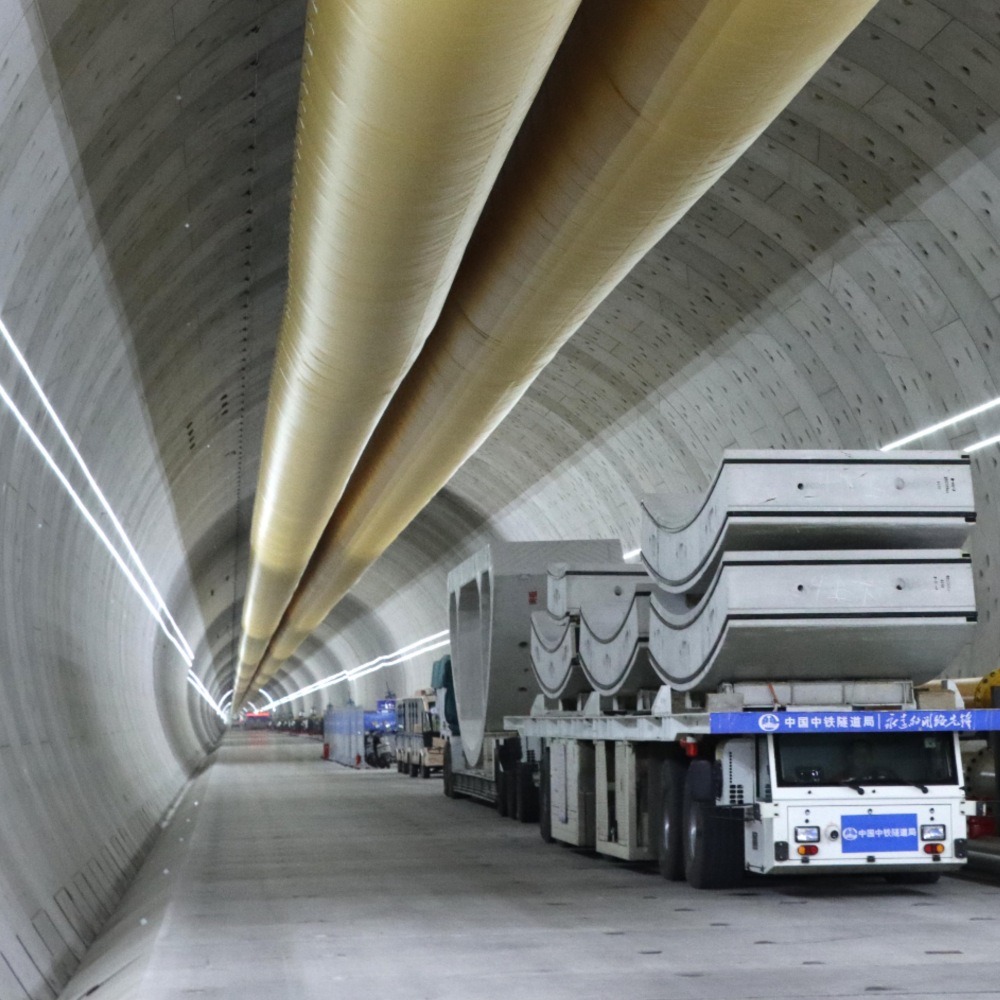
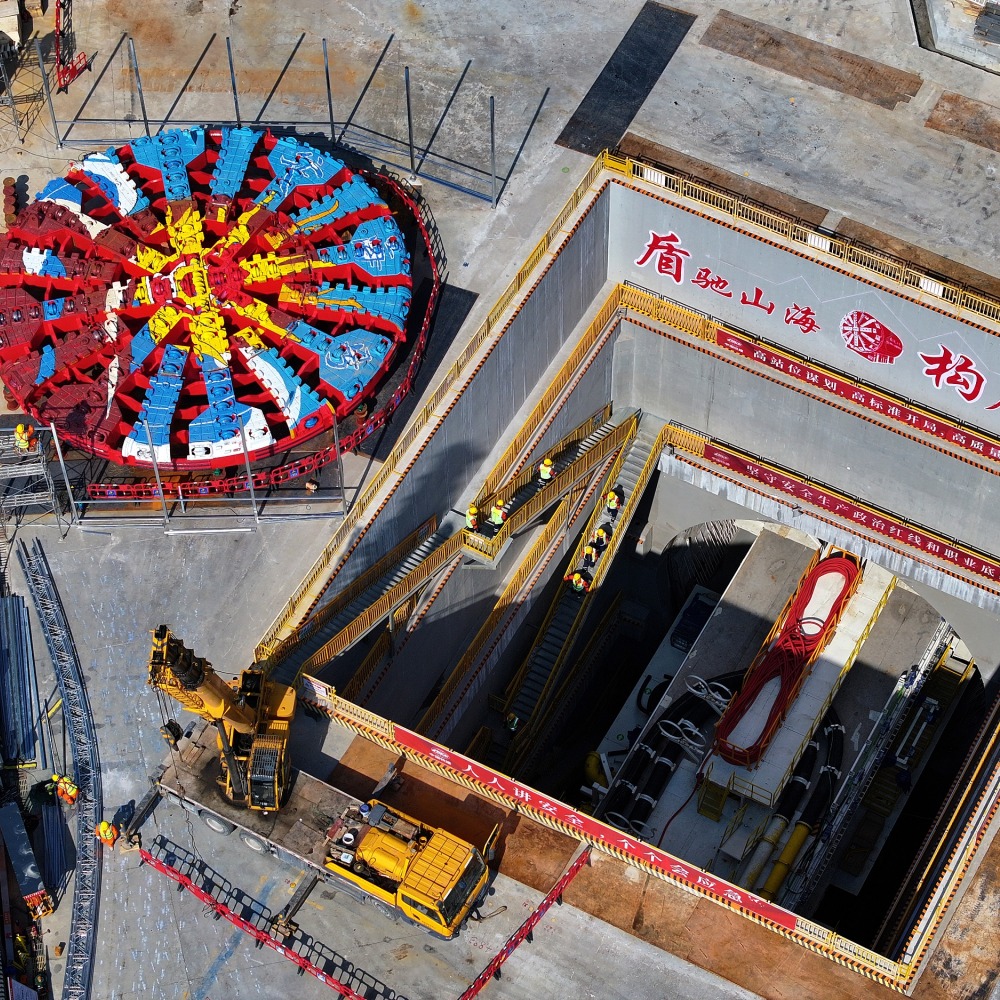
A major challenge for the Medog Hydropower Station is the required excavation of tunnels on the Qinghai-Xizang Plateau (青藏高原), the "Roof of the World", for which top-tier engineering technology and a profound understanding of geological structure, stress distribution, and rock mechanics are all indispensable.
The basic engineering plan for the Medog Hydropower Station is to bore several tunnels, each tens of kilometres long, straight through the "Great Bend" of the Yarlung Tsangpo River.
With a massive vertical drop of over 2,000 metres, these tunnels would set new world records for both length and depth, eclipsing those currently held by the Jinping-II Hydropower Station in Sichuan's Liangshan Prefecture.
However, the Medog Hydropower Station is located in the core part of the Himalayan "Eastern Syntaxis" on the Qinghai-Xizang Plateau, where geological structural movements are intense.
The tunnel needs to traverse numerous underground fault zones with fractured rock, and the stress field is complex and variable. As the excavation depth of the tunnel increases, engineering hazards such as rock bursts and significant deformation of soft rock, triggered by high in-situ stresses at greater depths, become exceptionally severe.
At the same time, due to the high-altitude and great-burial-depth environment, the project also faces the challenge of high geothermal temperatures. The working environment will pose a direct threat to the operational efficiency of construction machinery and the physical health of personnel, and could also cause instability in the tunnel structure and reduce the durability of construction materials.
The maintenance phase after excavation is equally fraught with difficulties, as environmental factors make the problems of the evolutionary mechanism of structural fracture and the disaster mechanism extremely complex.
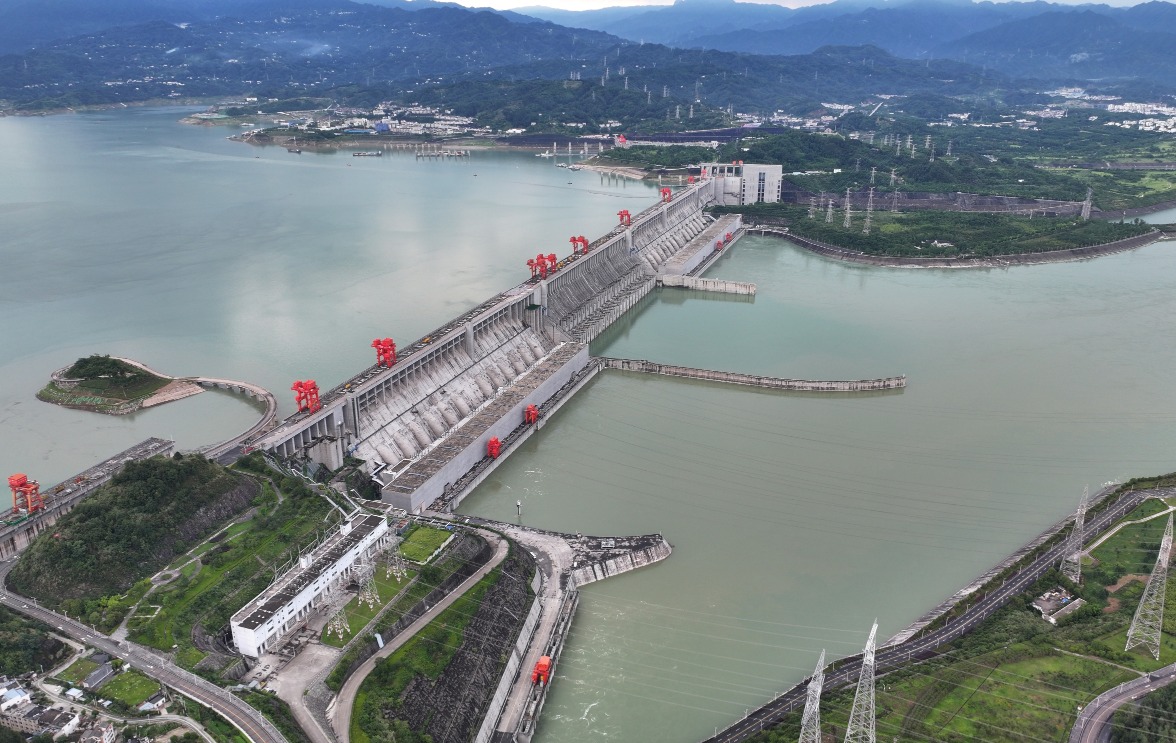
Yarlung Zangbo hydropower project officially begins construction
After the Yarlung Zangbo hydropower project is completed, China can not only effectively reduce its dependence on fossil fuels, but will also play an important role in advancing the "dual carbon" goals, tackling global climate change, and assisting global low-carbon development.
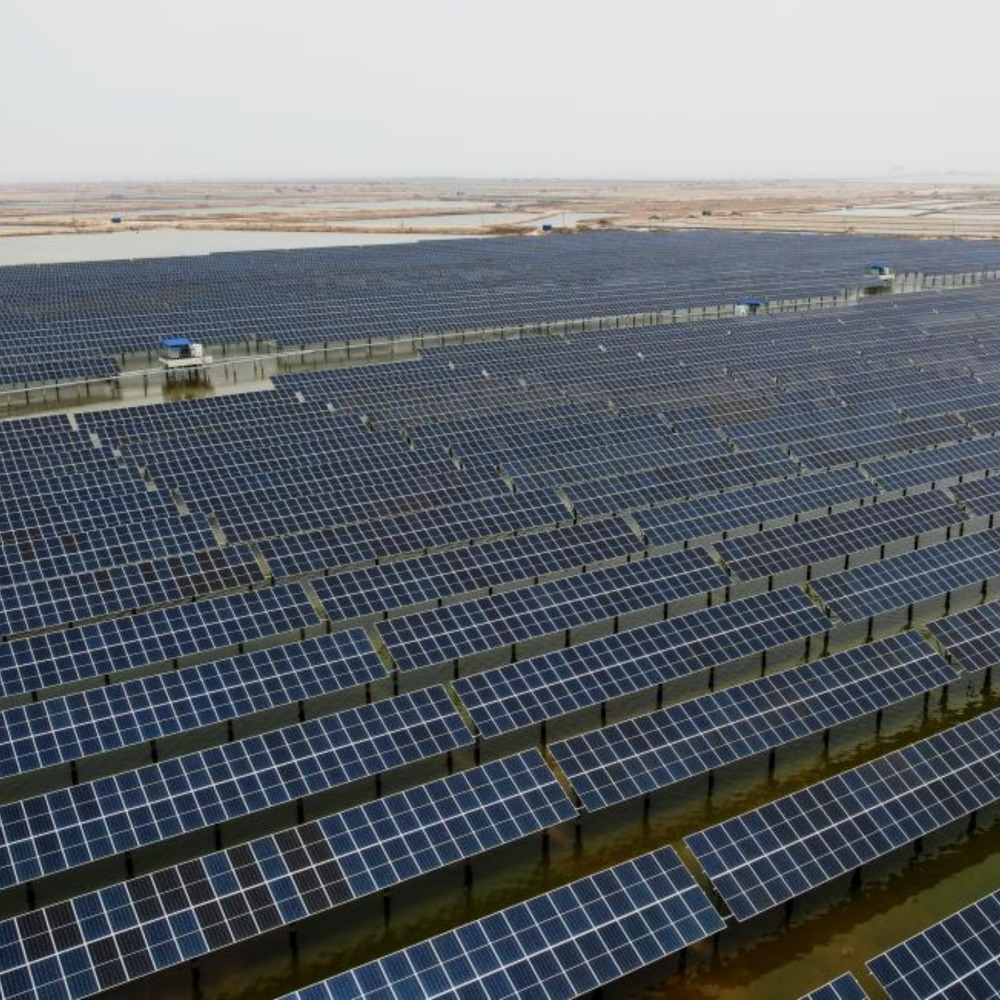
On the other hand, through this project, the development of solar and wind energy resources in the surrounding areas will be significantly promoted, thereby forming a multi-energy complementary clean energy structure.
This will further enhance energy utilisation efficiency, and it is one of China's major initiatives to promote a green and low-carbon energy transition.
On the same day the commencement of the Yarlung Zangbo hydropower project was announced, the State Council of China approved the establishment of China Yajiang Group Co., Ltd. (中國雅江集團有限公司).
The State-owned Assets Supervision and Administration Commission of (SASAC) the State Council will perform the duties of a contributor on behalf of the State Council. It has been added to the list of enterprises for which the SASAC performs the duties of a contributor, becoming the 99th central State-owned enterprises (SOEs).
Read more: Behind world's largest hydropower project: How abundant are Yarlung Zangpo River's water resources?
Read more: China's UHV project: The world-leading "Electricity Highway"