Published : 2025-10-27
What changes have over 40 years of Reform and Opening-up brought to China's economy and society?
This article will review the historical background and process of China's Reform and Opening-up, introduce the multiple milestones, and look ahead to the deepening of the Reform and Opening-up in the new era.
The necessity to reverse the chaotic situation after Cultural Revolution
The starting point of Reform and Opening-up is widely considered to be the Third Plenum of the 11th Central Committee of the Communist Party of China (CPC), held from 18 to 22 December 1978.
This national policy that profoundly changed China was established at that important meeting of the ruling party.
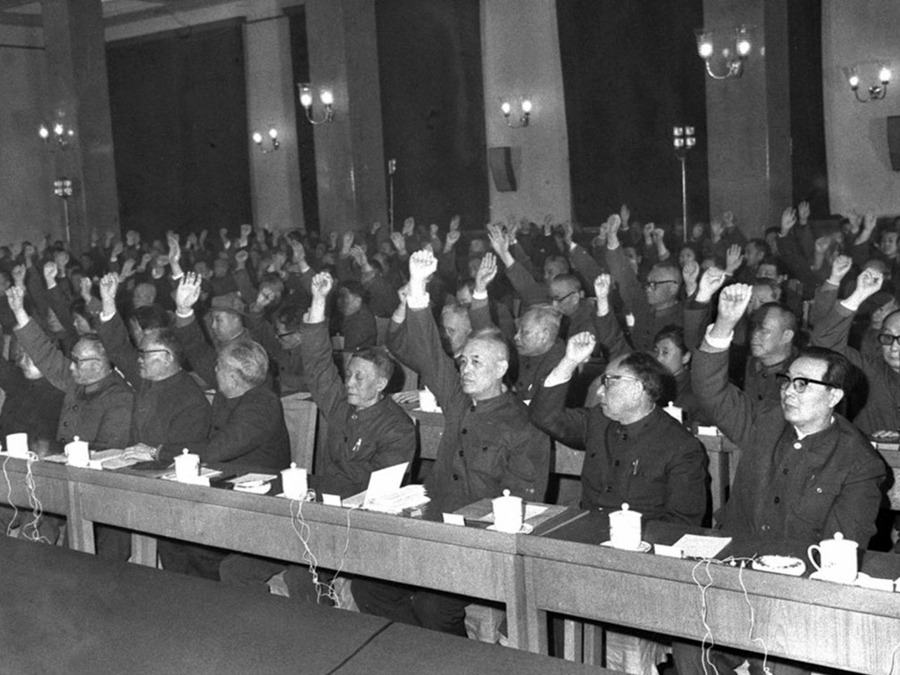
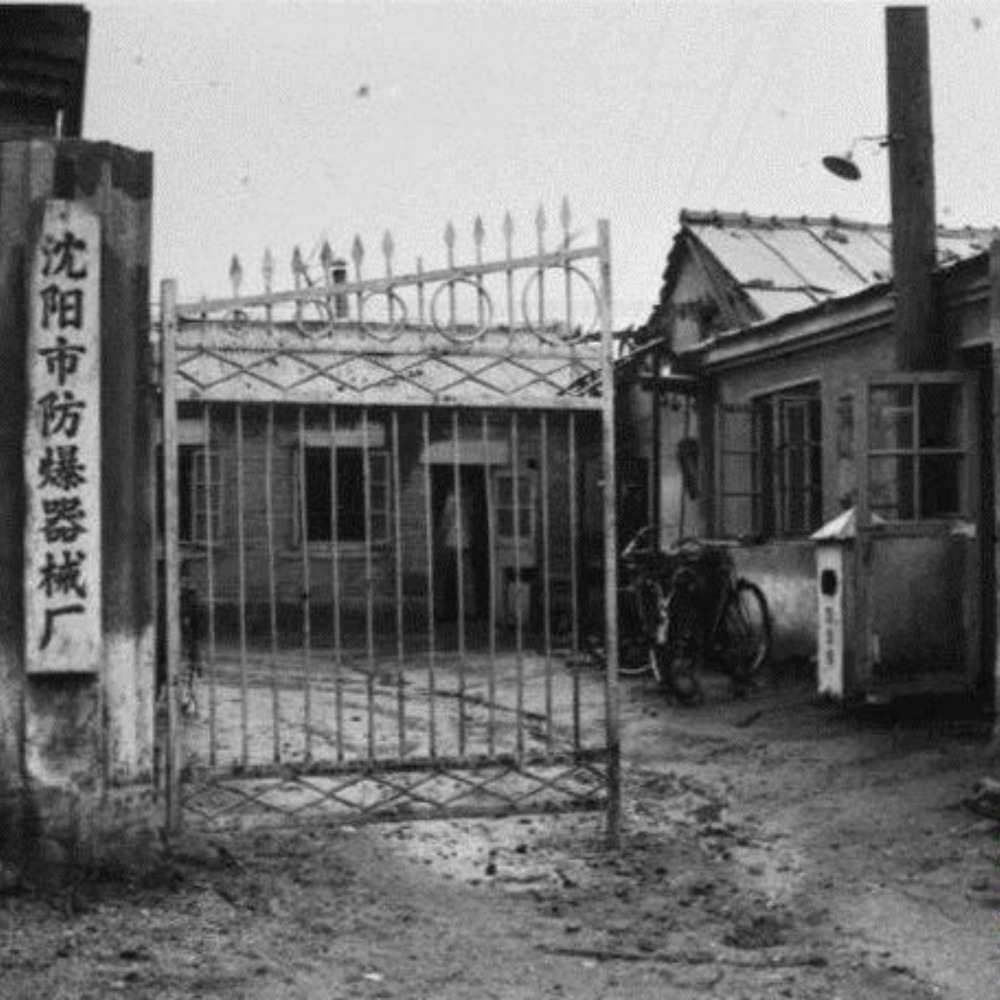
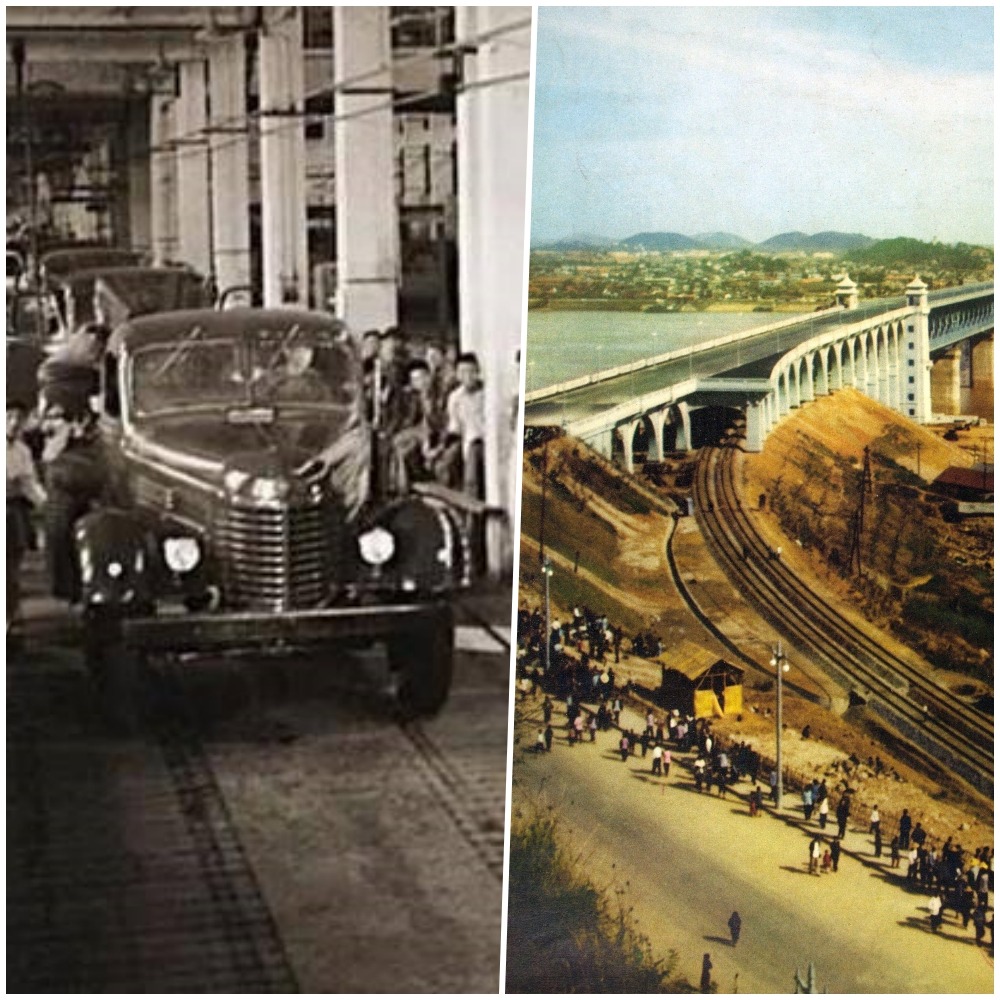
Before this, China had just experienced the 10-year internal turmoil of the Cultural Revolution. The country was closed off, social productivity was low, the economy was stagnant, and science, technology, and education lagged behind.
There was a shocking figure: in 1978, China's population was about 950 million, of whom 250 million did not have enough food and clothing. How could the chaotic situation be reversed?
The leader at that time, Deng Xiaoping, proposed that the focus of development should be shifted from "taking class struggle as the guiding principle" to the construction of socialist modernisation. The specific direction was "reform internally, open up externally", which is "Reform and Opening-up".
He later proposed the "three-step" strategy for socialist modernisation: step one, to solve the problem of food and clothing by 1990; step two, to achieve a moderately prosperous society by the end of the 20th century; step three, to reach the level of a medium-developed country by the middle of the 21st century.
To put it in the simplest and most direct terms, Reform and Opening-up was to make the country prosperous and strong and to ensure a better life for people.
Deng Xiaoping's return as the "chief architect"
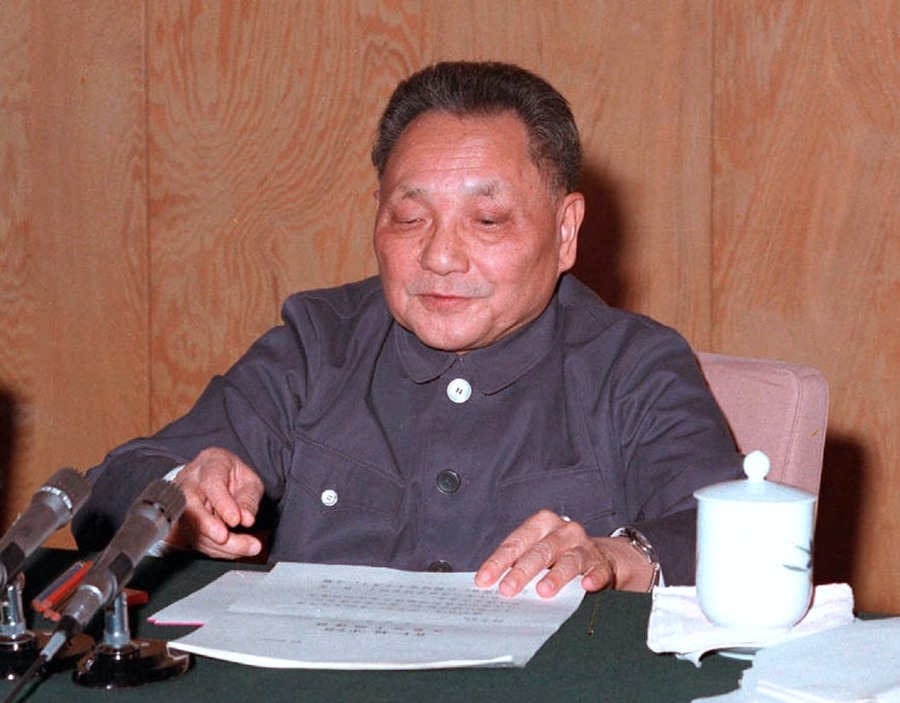
Deng Xiaoping (1904━1997) went to France during his youth, where he worked to support his study. Then he transferred to Moscow Sun Yat-sen University in the Soviet Union.
In the late 1920s, he returned to China to join the revolution, participated in the Long March, and served as multiple important positions in the CPC.
After the founding of the People's Republic of China (PRC) in 1949, Deng successively held central leadership positions such as Vice Premier of the State Council. He was brought down twice during the Cultural Revolution and returned to politics in mid-1977 after it ended. The highly prestigious Deng then became the core of the second-generation leadership of the PRC.
The broad knowledge and experience of Deng Xiaoping, known as the "chief architect" of the Reform and Opening-up, as well as his consideration of the overall situation, were the very foundation for him to implement the Reform and Opening-up boldly and decisively.
It should be added here that in the earliest stage, "reform" and "opening up" were not words used together. It was not until 1984, during Deng Xiaoping's inspection of Xiamen, that he mentioned, "after the reform and opening-up, overseas Chinese affairs are very important," that they were first connected. It has since become an official term.
Besides, in 1978, nearly 800 million of China's population of about 950 million were farmers, so Reform and Opening-up began in the rural areas. The starting point was the "household contract responsibility system".
"Dabaogan" helped Chinese people free from hunger
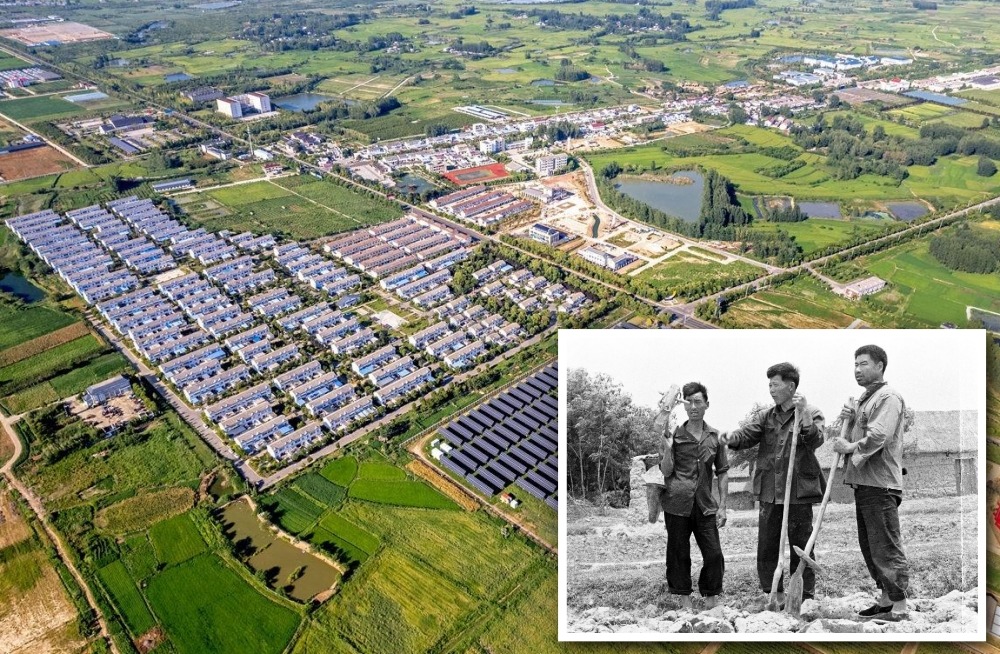
Xiaogang Village (小崗村) in Fengyang County, Anhui Province, was once a poor village known far and wide. After the autumn harvest each year, almost every family had to go out and beg.
On 24 November 1978, the eve of the 3rd Plenum of the 11th Central Committee of the CPC, 18 farming households in Xiaogang Village signed a life-and-death pledge in order to survive after a drought.
The pledge said, "The land originally owned by communes and production teams was contracted out to individual households. The harvest was distributed according to the principle: hand over enough to the country, set aside sufficient for the collective, and the rest is all one's own."
In the special environment at that time, this undoubtedly carried political risks, but compared with the previous "eating from the same big pot" and egalitarianism of the people's communes, "more work, more pay" was indeed more effective in stimulating production enthusiasm.
In the second year, Xiaogang Village surpassed the subsistence level and for the first time, sold rest grain to the state.
The practice of the Xiaogang villagers quickly spread, and received the affirmation and support of leaders such as Deng Xiaoping.
The household responsibility system that originated from this was also quickly promoted throughout the country. It is also commonly known as "Dabaogan" (大包干).
After the household contract responsibility system started, China's grain production increased year after year, and Chinese people have been free from hunger ever since.
China established 4 Special Economic Zones in 1980
With the breakthrough in rural reform, reforms based on this experience were gradually extended to various directions and levels, including cities, society, the economy, and education.
One of the reforms with the most far-reaching impact was the reform of the ownership structure promoted by the authorities, which supported the development of the urban collective economy and individual economy.
The "self-employed individuals" that began to emerge in 1979, were a symbol of China breaking away from decades of a planned economy to explore a market economy, and in particular, a symbol of the private economy and private enterprises.
Since then, the private economy has gradually become an important pillar driving China's development. In 2024, more than 40 years after the Reform and Opening-up, the private economy's accounts for over 60% of China's GDP.
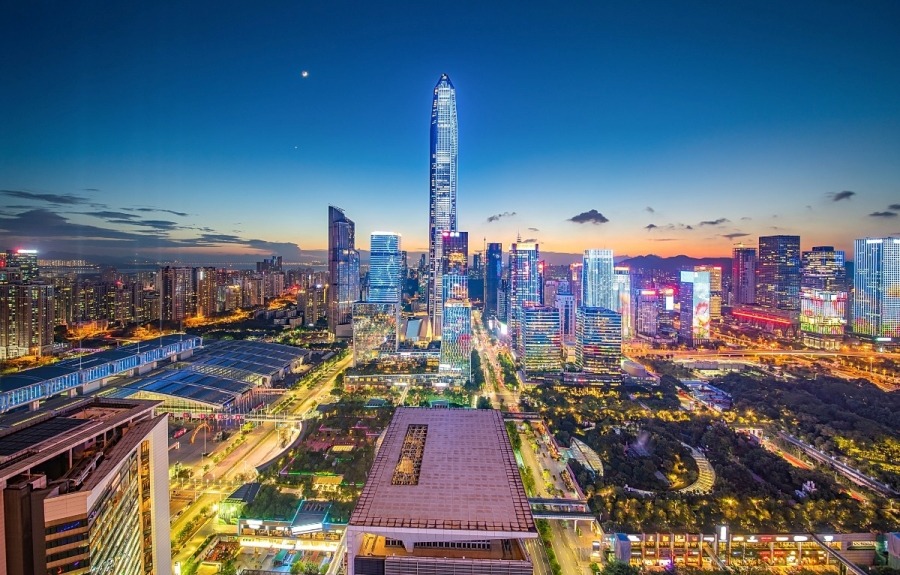
Another symbol of the Reform and Opening-up was the establishment of Special Economic Zones (SEZs) in Shenzhen, Zhuhai, and Shantou in Guangdong Province, and Xiamen in Fujian Province in 1980.
The SEZs are pilot areas for opening up to the outside world, implementing special policies and flexible measures to attract foreign investment, introduce technology and experience, and develop an export-oriented economy, such as the production of export products.
Milestone: China's accession to WTO in 2001
With the full support of the authorities, these four SEZs (with the Hainan Special Economic Zone established in 1988) developed rapidly.
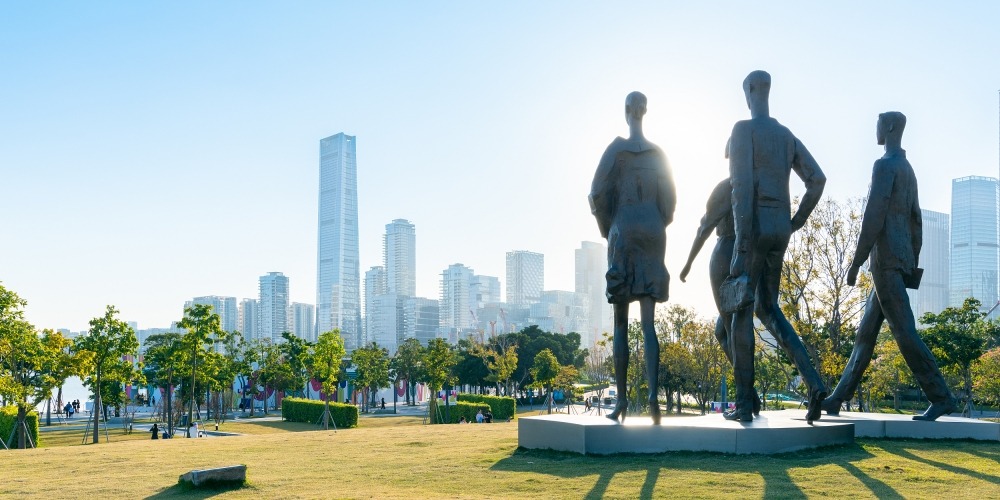
Shenzhen in particular, being adjacent to Hong Kong, created a world miracle of industrialisation and urbanisation. It has transformed from a small town into an international metropolis with a concentration of technology industries in over 40 years, with its 2024 GDP exceeding 3.6 trillion RMB, a scale that even surpasses that of more than 100 countries.
After the success of the pioneering and trial approach in the SEZs, the authorities gradually expanded the areas of opening up, and the talent cultivated and experience accumulated in the SEZs also helped to roll out the Reform and Opening-up nationwide.
Of course, "Dabaogan", the self-employed individuals, and the establishment of SEZs were all major events in the early stages of the Reform and Opening-up; as it continued to deepen, there were many other important policies, measures, and landmark events at different stages.
Subsequent reforms of state-owned enterprises, the state-owned asset management system, finance and prices, and the abolition of the agricultural tax, even reforms of the tax and housing systems, all had epoch-making significance.
Furthermore, China's accession to the World Trade Organisation (WTO) in 2001 and President Xi Jinping's proposal of the Belt and Road Initiative (BRI) in 2013 are further milestones in China's opening up to the world.
Belt and Road: China leads global economic cooperation
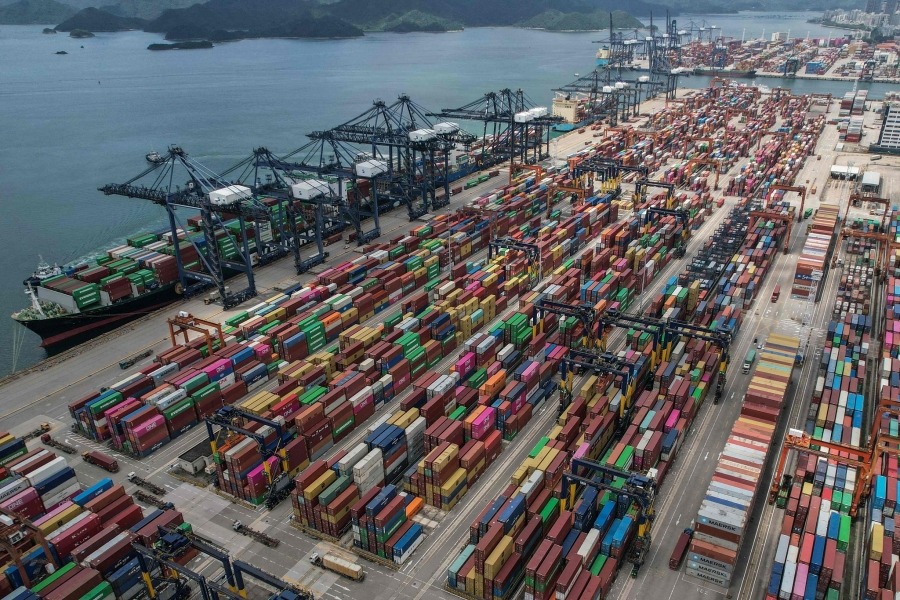
The trade volume among the contracting parties of the WTO accounts for more than 95% of total world trade, and joining the WTO also meant that China's economy was fully integrated with the world.
China's total trade volume was only 509.6 billion USD in 2001, but by 2023 it had increased to US$5.94 trillion, ranking first in the world.
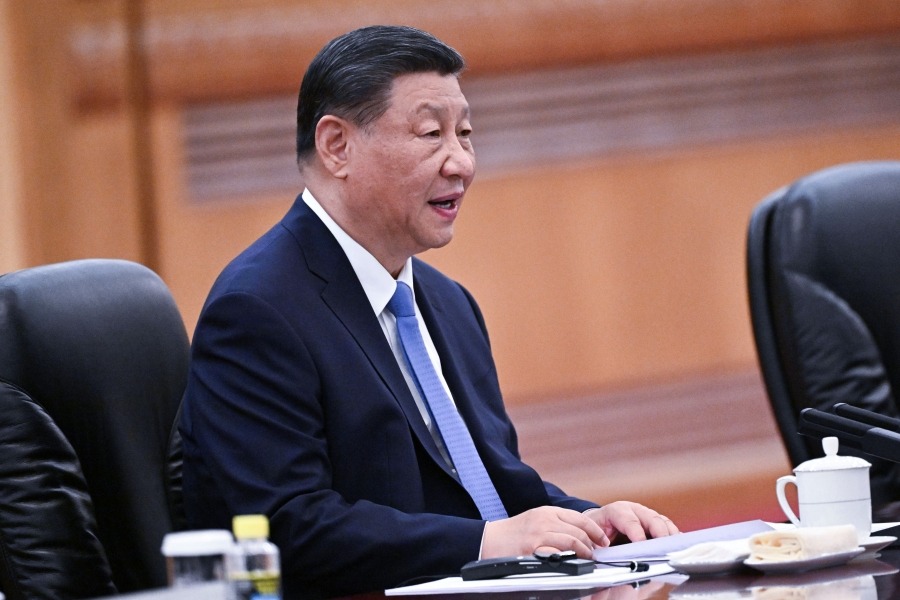
And the Belt and Road Initiative (BRI) has been supported by over 100 countries and international organisations, which marks China's entry into a comprehensive stage of opening-up and its gradual advance into a new phase of proactively leading global economic cooperation.
In addition, the development of the Guangdong-Hong Kong-Macao Greater Bay Area (GBA) is also a major development strategy under the Reform and Opening-up of the new era.
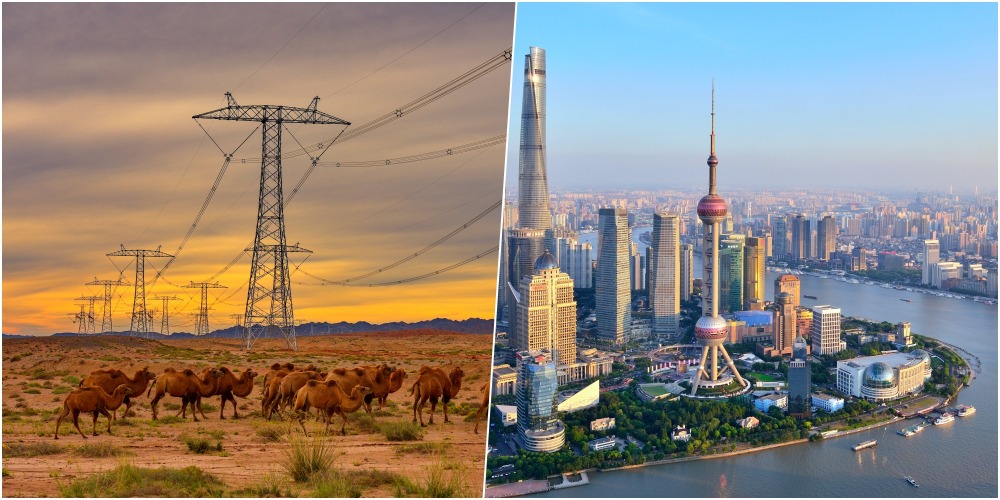
After more than 40 years of Reform and Opening-up, China's national strength has rapidly increased, making it the world's 2nd-largest economy with a GDP per capita exceeding 10,000 USD.
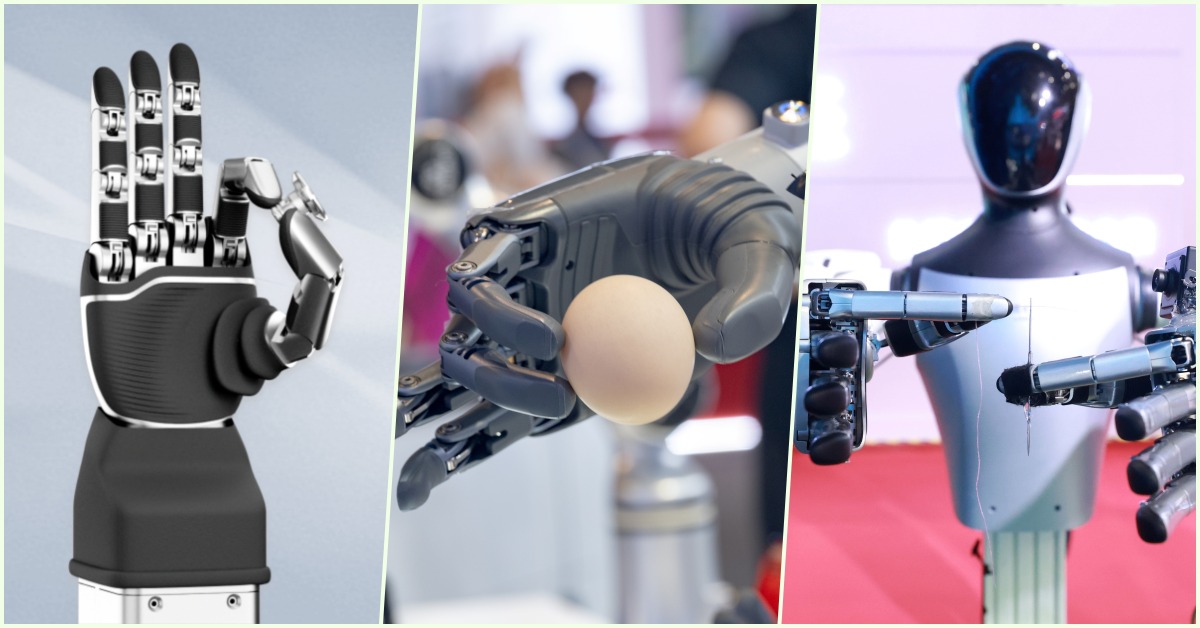
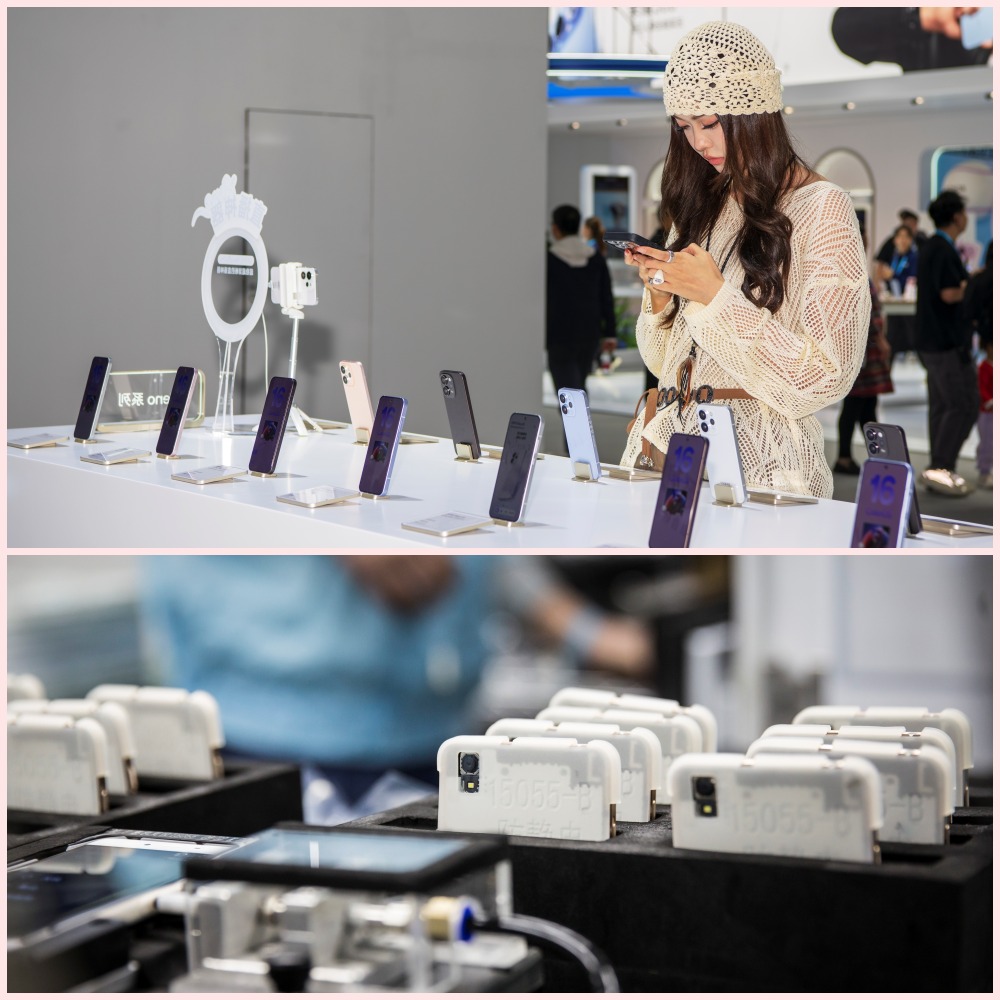
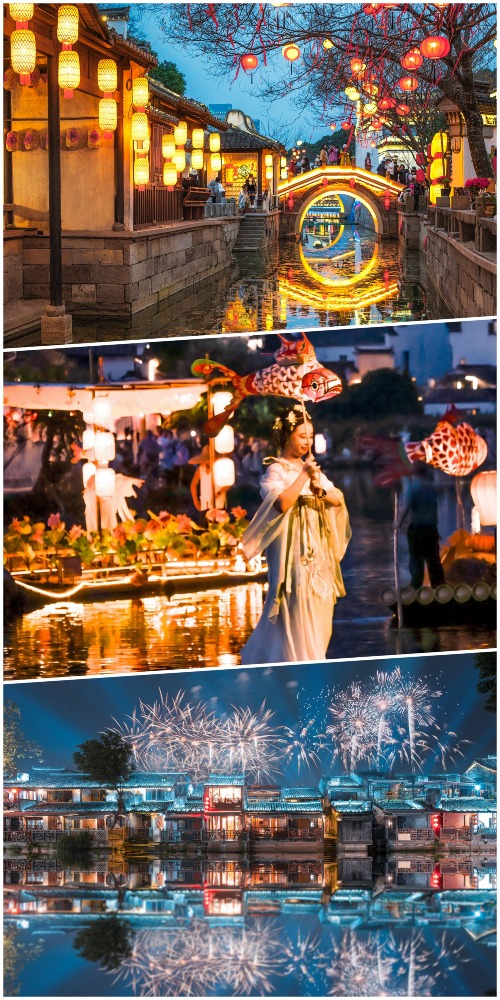
The Chinese society has become moderately prosperous in all respects, and its technological development is among the world's leaders.
However, for China to continue to develop, there are also many new and old problems that need to be solved. Therefore, the Reform and Opening-up will not stop, and will continue to deepen.
Xi Jinping has previously stated clearly that Reform and Opening-up is the crucial move that determines the fate of contemporary China, and that China's policy of Reform and Opening-up will remain unchanged for a long time.
Read more: What is "Common Prosperity"?|Understand China's Policies