Published : 2025-10-17
The Belt and Road Initiative (BRI) is a cooperation initiative proposed by China in 2013. What does this term actually represent? How is it promoted and implemented? What are the landmark infrastructure constructions of the "Belt and Road"?
This article explains the basic concepts and knowledge of the BRI in detail.
Xi Jinping first proposed the BRI in 2013
The BRI is a cooperative initiative proposed by China in 2013. What was the original intention behind proposing this initiative?
Looking back at the historical background of that time, the 2008 subprime mortgage crisis in the United States triggered a global financial crisis, which impacted the entire world and created an urgent need for new drivers to stimulate the momentum of global economic recovery.
At the same time, after 30 years of rapid growth following the Reform and Opening-up, China also required new avenues for development to sustain its economic progress.
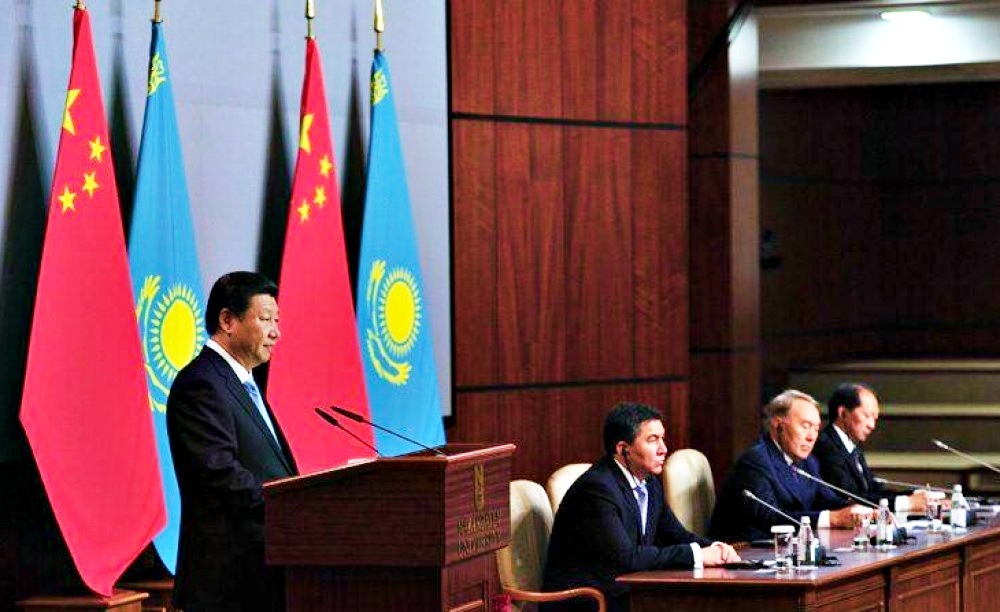
In September 2013, Chinese President Xi Jinping visited Kazakhstan and first proposed using an innovative cooperation model to jointly build the "Silk Road Economic Belt", aiming to strengthen the economic ties and deepen cooperation among Eurasian countries. This was the original intention of the Belt and Road Initiative.
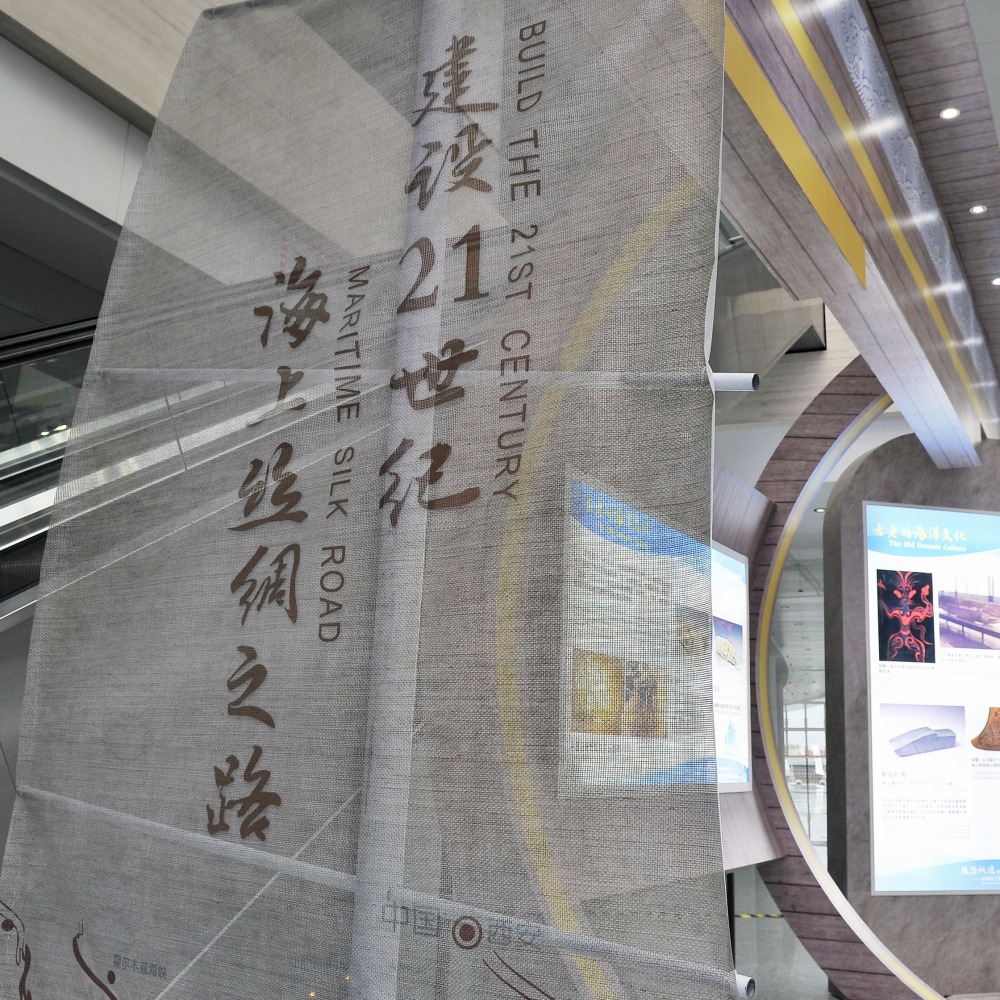
A month later, Xi Jinping visited Indonesia and again proposed that China was willing to strengthen maritime cooperation with ASEAN countries, develop cooperative partnership, and jointly build the "21st Century Maritime Silk Road".
The "Silk Road Economic Belt," abbreviated as the "Belt," combined with the "21st Century Maritime Silk Road," abbreviated as the "Road," together form the "Belt and Road initiative".
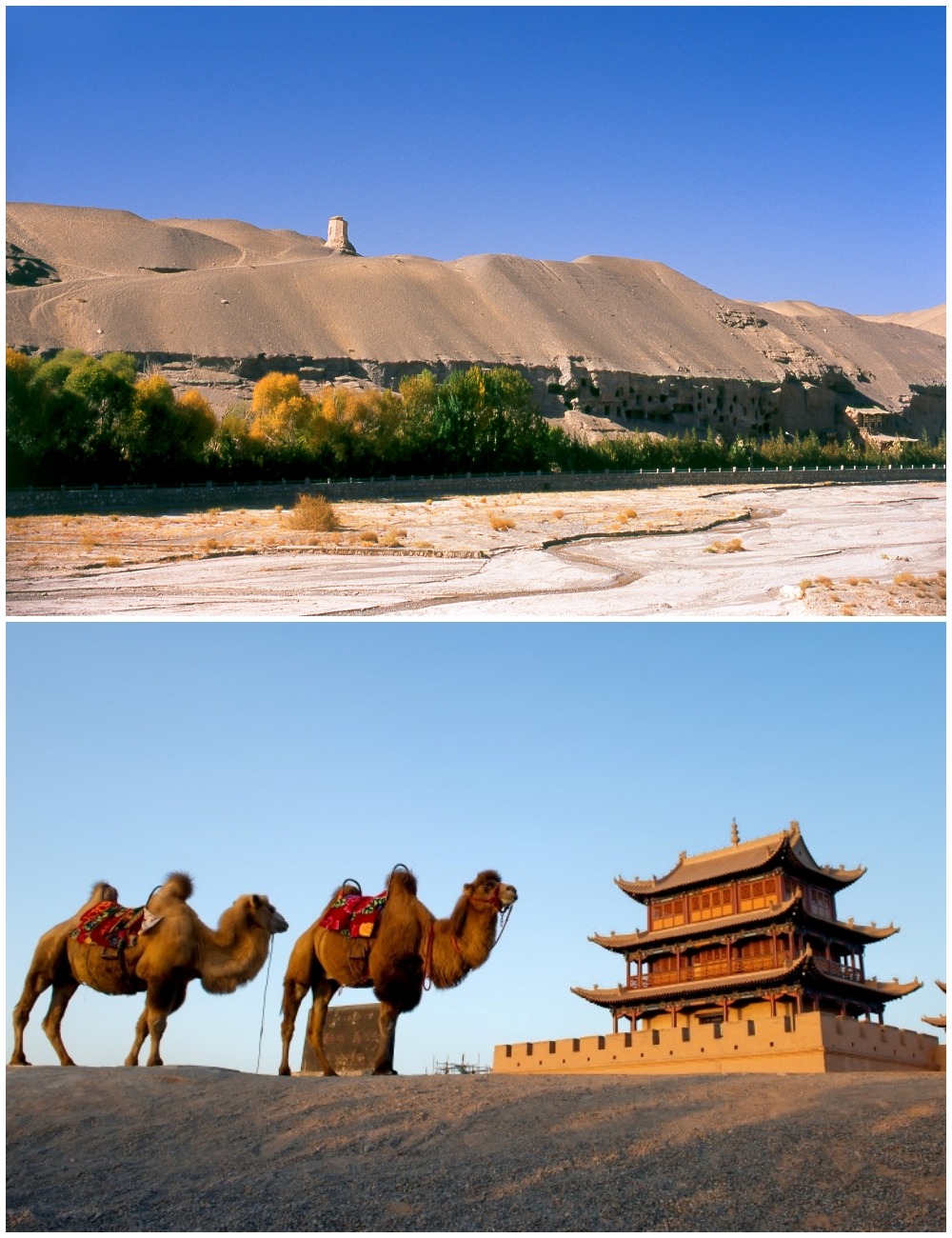
The "Belt" extends westward over land, passing through Central Asia, Russia, Central and Eastern Europe, and West Asia, reaching all the way to Europe.
It aims to create international transport corridors and economic cooperation corridors, enabling Chinese technology and equipment to go global through the construction of a series of landmark infrastructure projects.
The "Road" extends westward by sea, passing through Southeast Asia and South Asia to the Indian Ocean, and further on to Europe. Simply put, it aims to build transnational and even global transportation corridors with key ports as central nodes.
The five-pronged approach: Advancing cooperative practice
How can such a massive plan be advanced and implemented?
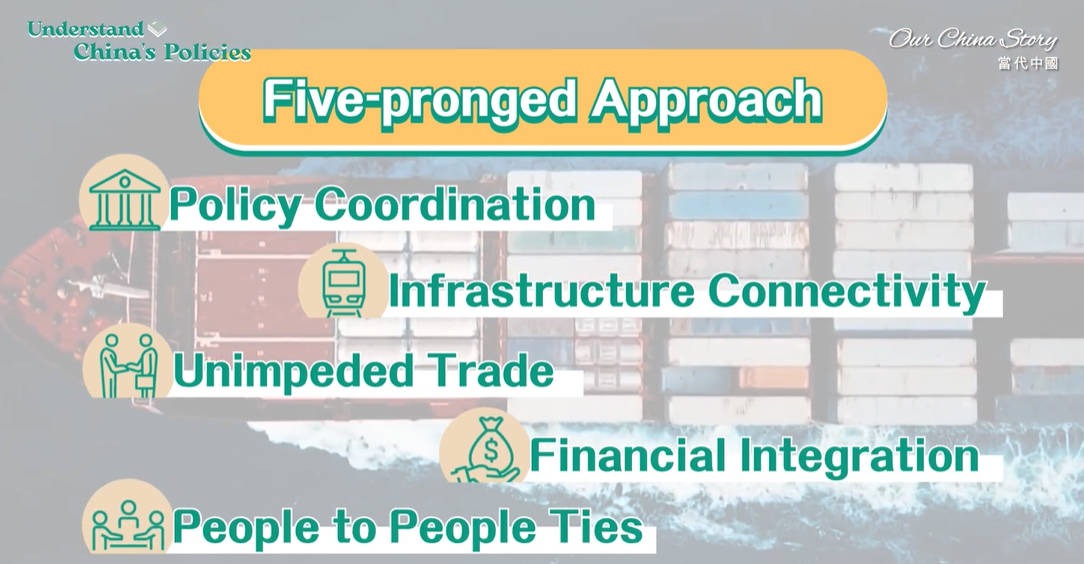
Specifically, it is necessary to realise the "five-pronged approach": policy coordination, infrastructure connectivity, unimpeded trade, financial integration, and people-to-people ties.
More than 10 years after the Belt and Road Initiative was proposed, as of October 2023, China has signed BRI cooperation documents with over 150 countries and more than 30 international organisations, establishing multilateral dialogue and cooperation platforms in over 20 areas such as finance, railways, ports, energy, green development, green investment, disaster reduction, and culture; over 3,000 cooperation projects have been launched and nearly 1 trillion USD of investment have been attracted.
China's high-speed rail going abroad: Jakarta-Bandung High-Speed Railway
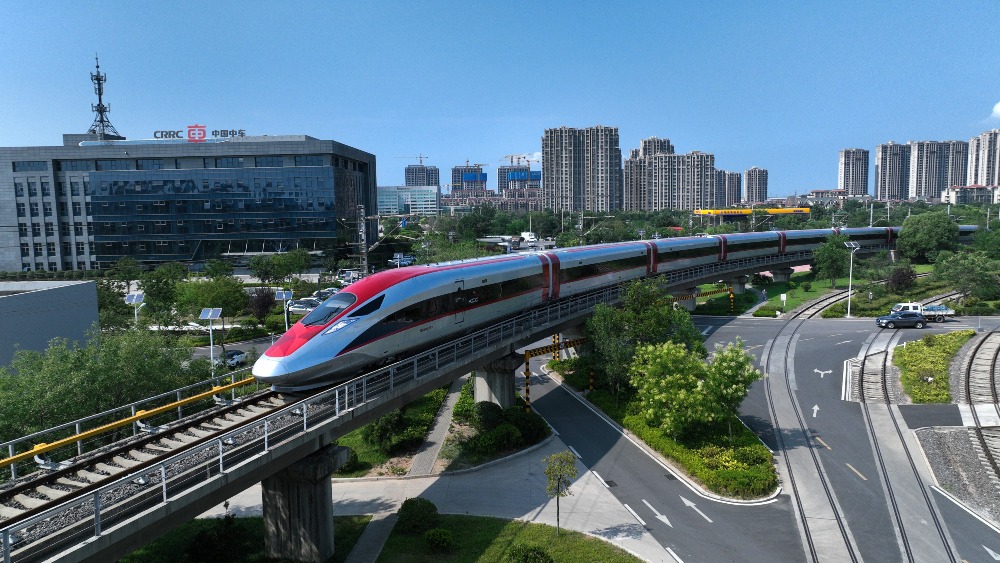
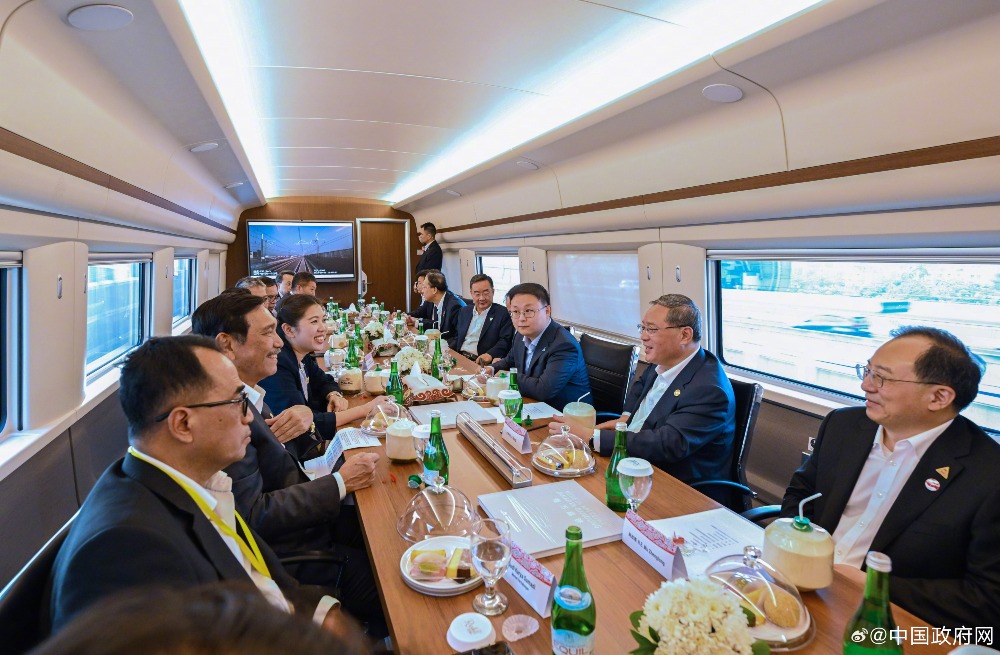
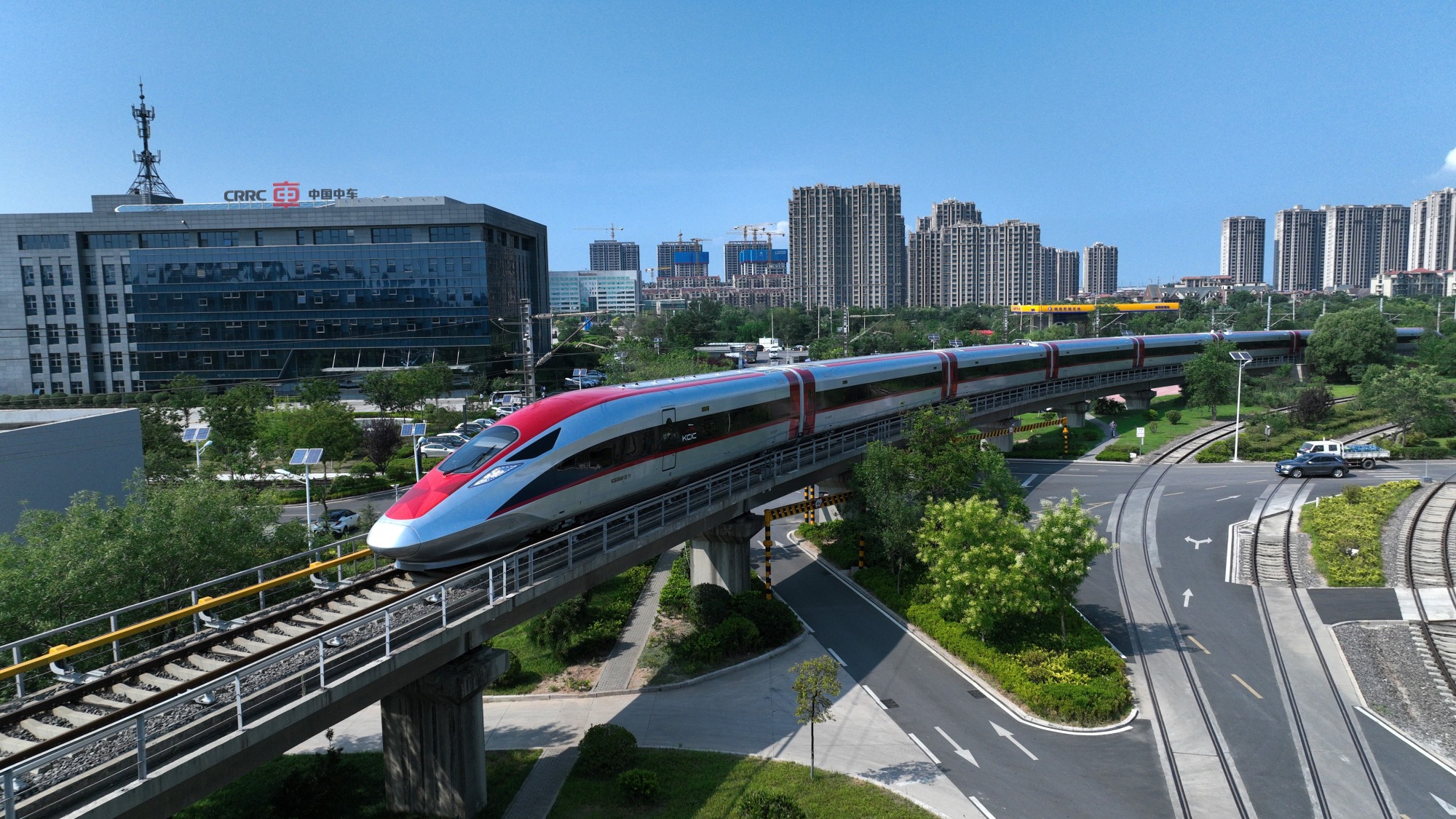
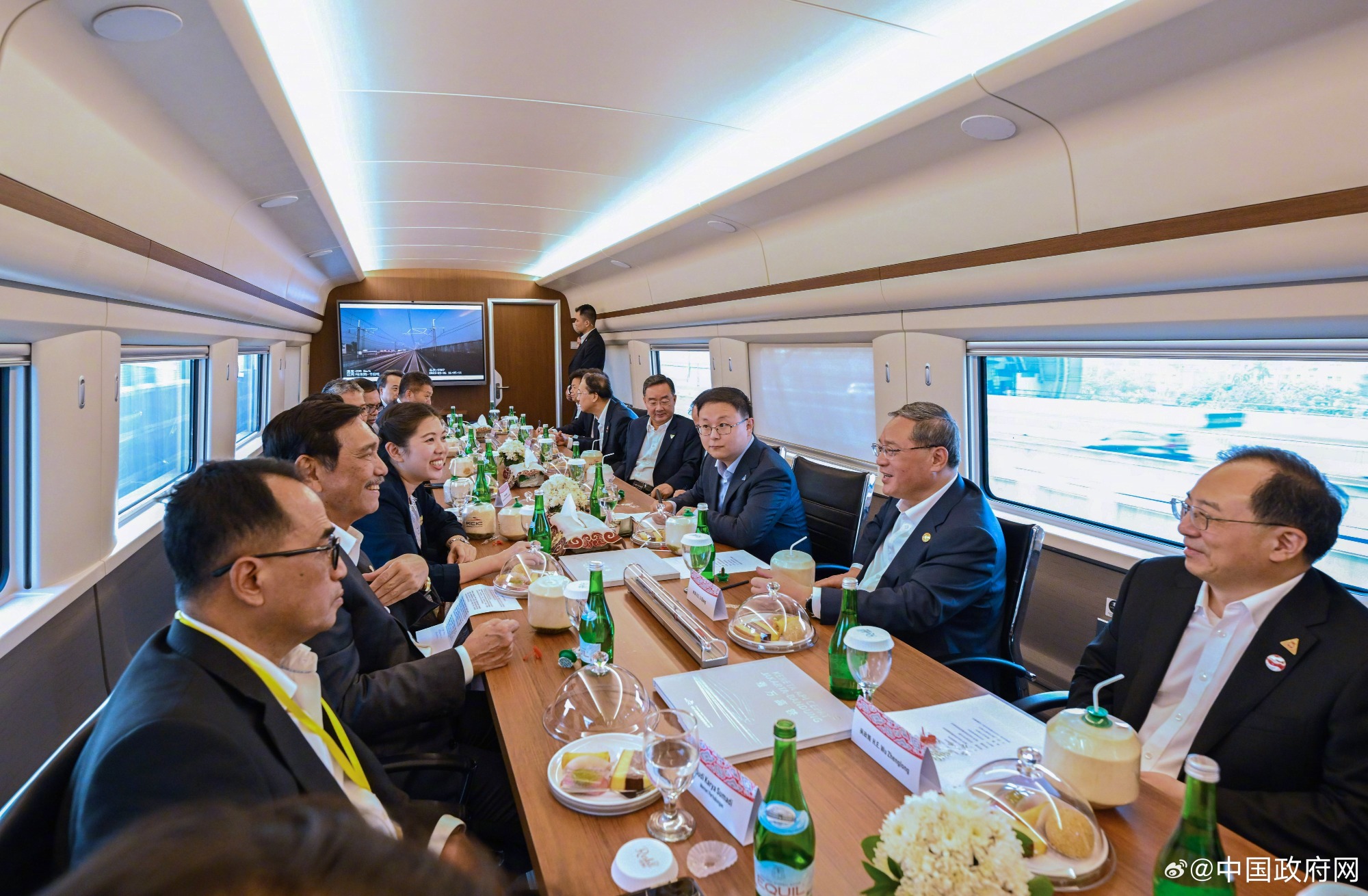
Among the many cooperative projects, infrastructure construction is an important component, and the railway projects are a notable form of infrastructure cooperation. And the most representative of these is undoubtedly the Jakarta-Bandung High-speed Railway, a cooperative construction between China and Indonesia that began operation in September 2023.
The Jakarta-Bandung High-speed Railway connects the Indonesian capital, Jakarta, and its fourth-largest city, Bandung. It has a total length of 142 kilometres and a designed maximum speed of 350 kilometres per hour, reducing the travel time between the two cities from 3 hours to 40 minutes. It is Indonesia's and indeed Southeast Asia's first high-speed railway, and is also the first overseas high-speed railway built using the "Chinese standard" for its entire system, which is of great significance.
Read more: Belt&Road|10th Anniversary of the Belt and Road: Which infrastructure projects are the most notable?
China Railway Express: Connecting the world
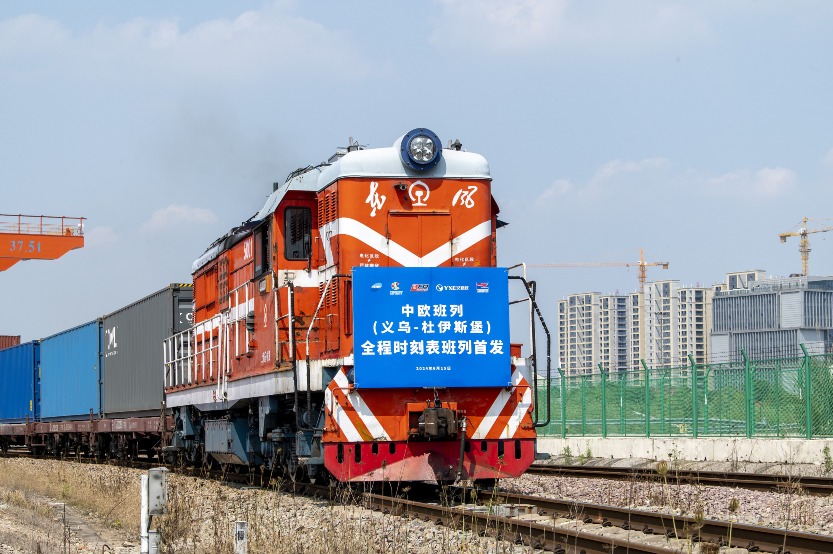
Besides the Jakarta-Bandung High-speed Railway, the "China Railway Express" shuttles between China and the Eurasian continent, shouldering the important responsibility of traversing East and West, ensuring the smooth flow of goods, and benefiting the world.
The China Railway Express, which began operations in March 2011, became in 2016 a unified brand that was officially launched, representing the international container rail freight services between China and countries along the Belt and Road.
The China Railway Express trains depart from cities such as Chongqing, Chengdu, Xi'an, Zhengzhou, and Urumqi, for major cities in countries including Germany and Spain.
Read more: Belt&Road|What is the "Steel Camel Caravan"? Unpacking the China Railway Express
As of the end of March 2024, the China-Europe Railway Express has made a cumulative total of over 87,000 trips. As of July 2024, the China-Europe Railway Express reaches 224 cities in 25 European countries, connecting to over 100 cities in 11 Asian countries.
As for the types of goods transported, these have gradually expanded from initial IT products like mobile phones and computers to over 50,000 varieties across 53 major categories, including clothing, footwear and hats, cars and accessories, grain, coffee beans, wine, and timber.
This allows more "Made in China" products to enter Central Asian and European markets, while also bringing a more diverse range of imported goods back to China.
The first decade of the Belt and Road are merely a prologue. Looking to the future and starting again from a new historical point, the Belt and Road will be more innovative and vibrant, more open and inclusive, opening a new window of opportunity for China and the world.
Read more: What is "Common Prosperity"?|Understand China's Policies
Read more: What is "Carbon Peaking and Carbon Neutrality"?|Understand China's Policies