Published : 2025-08-01
In December 2024, the Hong Kong Housing Authority (HA) announced the proposal for the redevelopment, demolition, and relocation of Choi Hung Estate in Ngau Chi Wan.
This marked the end of the over 60-year-old housing estate, affecting more than 7,400 units and approximately 17,000 residents. It also means that this popular spot for visitors under the Lion Rock will soon vanish from public view.
Choi Hung Estate formerly known as Sha Ti Un
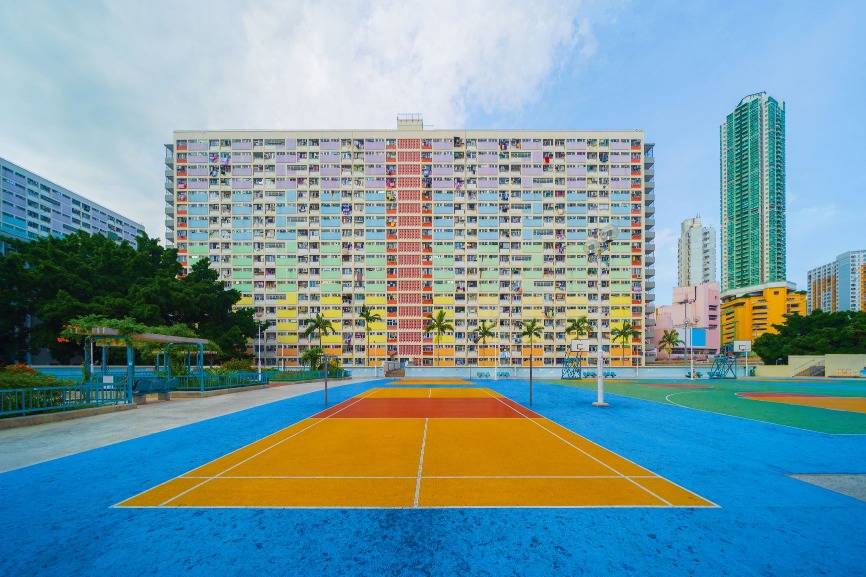
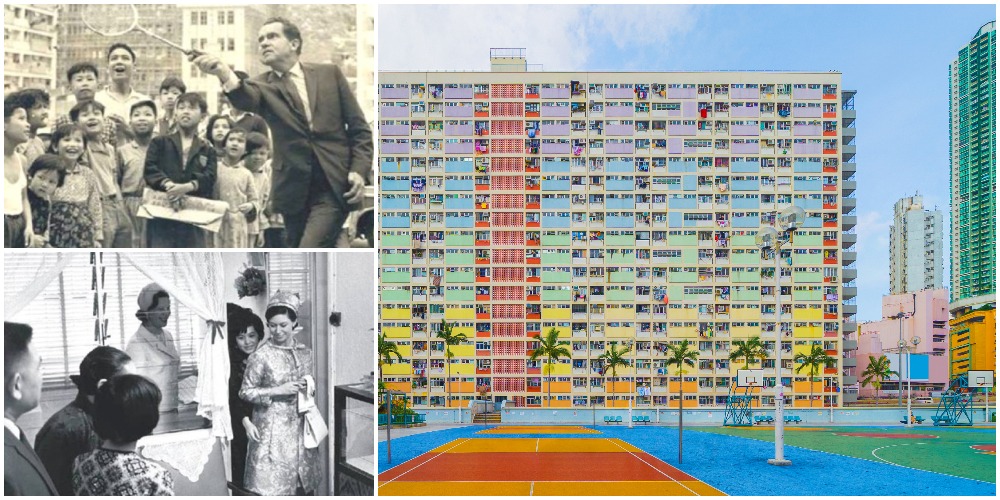
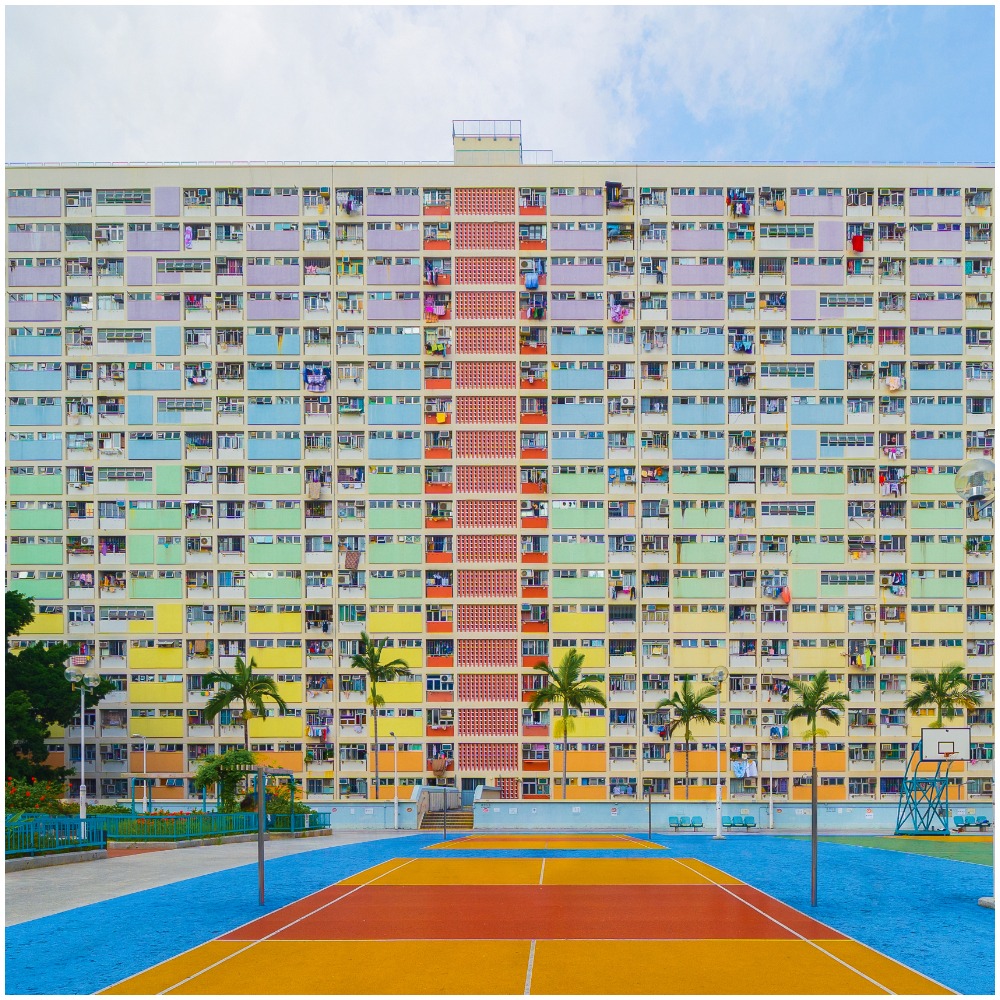
The name "Choi Hung" (彩虹), which means "rainbow" in Cantonese, is said to have been inspired by the rainbows that appeared after rain, caused by sunlight reflecting off Victoria Harbour. The designer of the estate painted the buildings in different colours and named it "Choi Hung Estate" (彩虹邨).
After World War II, the influx of immigrants created a high demand for housing. Additionally, the Shek Kip Mei fire on Christmas Eve of 1953 accelerated the British Hong Kong Government's steps towards the modernisation of public housing.
Read more: Shek Kip Mei fire in 1953 prompted the development of public housing in Hong Kong
Choi Hung Estate won architecture award for humanistic design
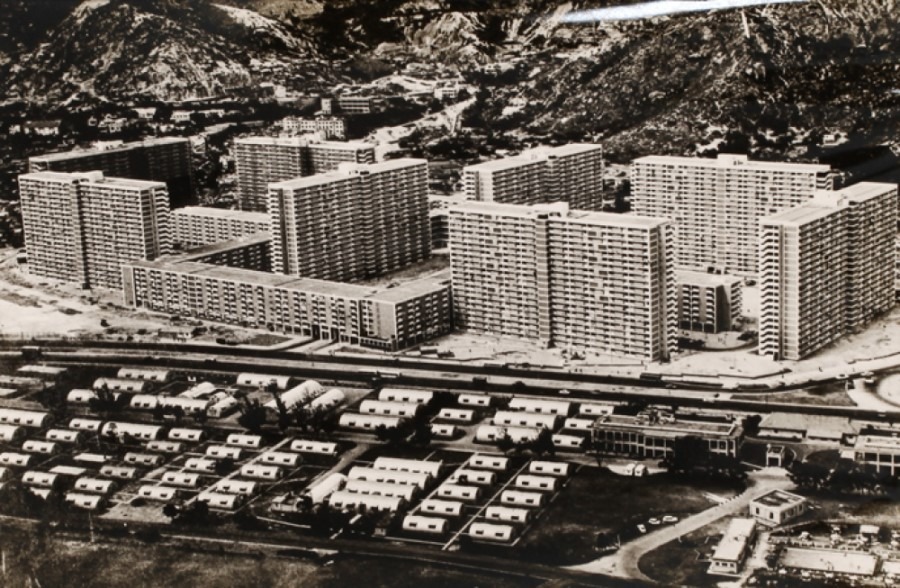
Built in 1958, Choi Hung Estate was one of Hong Kong's oldest public housing estates. Residents moved in stages between 1962 and 1964. At the time of its completion, it was the largest housing estate in Hong Kong, accommodating 43,000 people.
It was also an early estate developed with an integrated model, with community facilities such as schools, markets, post offices and shops, making it a fully-equipped small community.
This Housing Authority project was designed by P&T, a well-established architectural and engineering company that also designed Jardine House (formerly known as Connaught Building) and Exchange Square in Central.
The estate consists of eleven buildings of varying heights and is brightly coloured. Due to its unique and humanised design, it was awarded the "Silver Medal", the highest annual honour of the Hong Kong Institute of Architects in 1965.
Read more: Connaught Centre was once the tallest building in Asia
Choi Hung Estate once hosted several national leaders
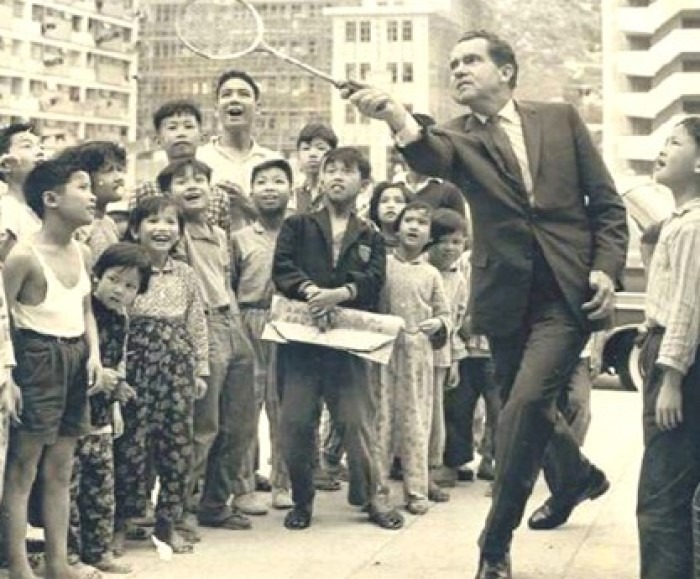
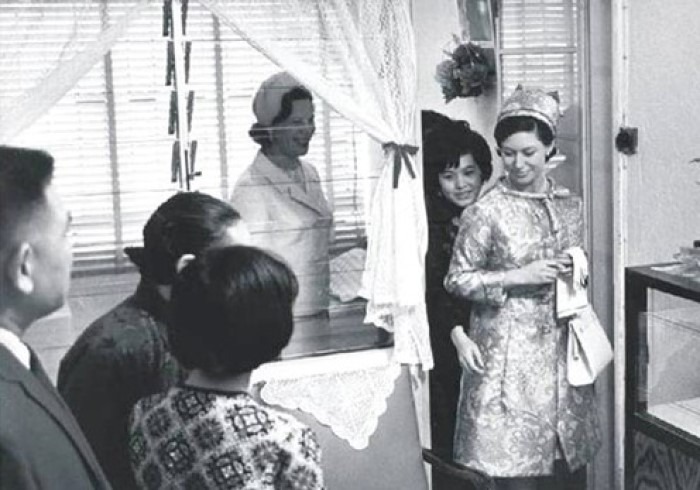
As an exemplary model of contemporary grassroots accommodation in Hong Kong, many heads of state who visited Hong Kong in the 1960s once toured Choi Hung Estate, including the then U.S. Vice President Richard Nixon, Princess Margaret and Princess Alexandra of the United Kingdom. Nixon even played badminton with the residents at Choi Hung Estate.
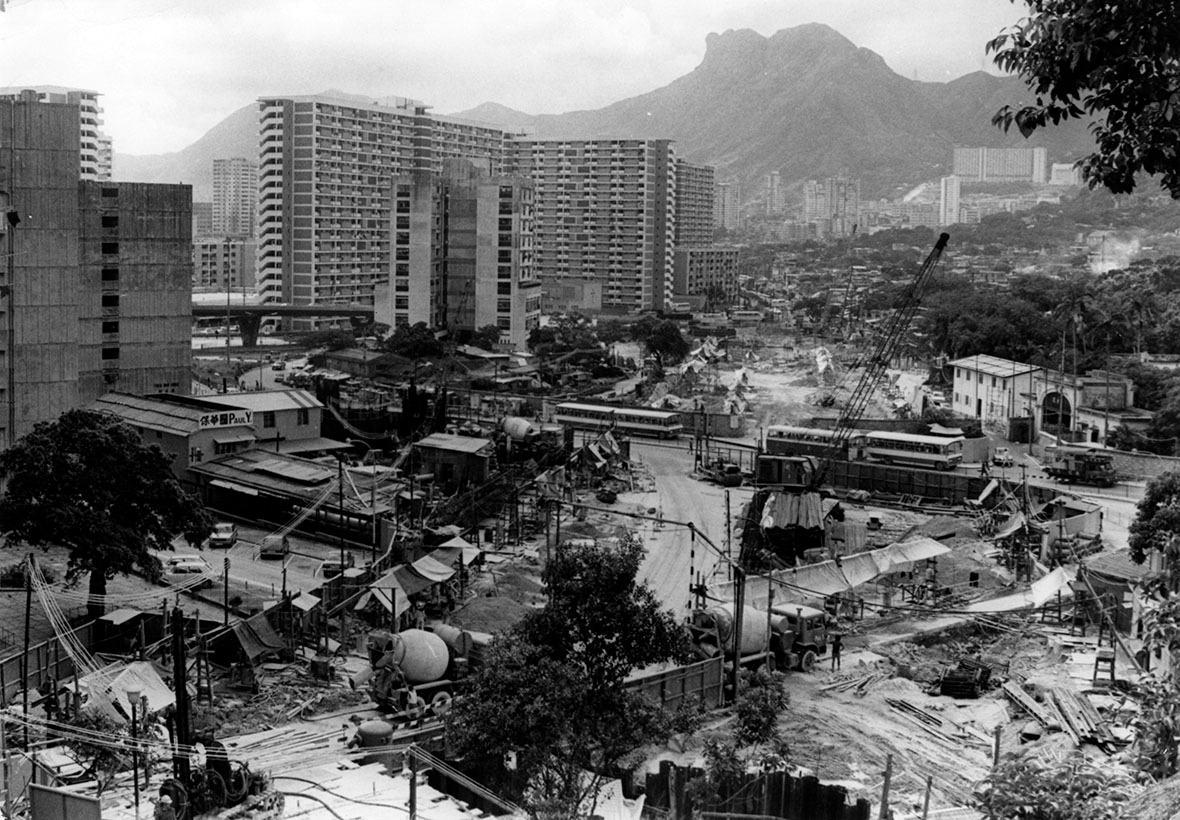
Backing onto Lion Rock and facing Kai Tak Airport and Victoria Harbour, Choi Hung Estate bears witness to the history of East Kowloon. In the 1960s and 1970s, as Hong Kong's industry took off, the neighbouring San Po Kong industrial area was bustling, and there was even a popular attraction comparable to Lai Yuen was Kai Tak Amusement Park.
In 1979, the Kwun Tong Line of the MTR was opened, and Choi Hung was one of the stations along the line.
Read more : Hong Kong MTR opened in 1979 and has been operating over 40 years
Choi Hung Estate has produced many prominent figures
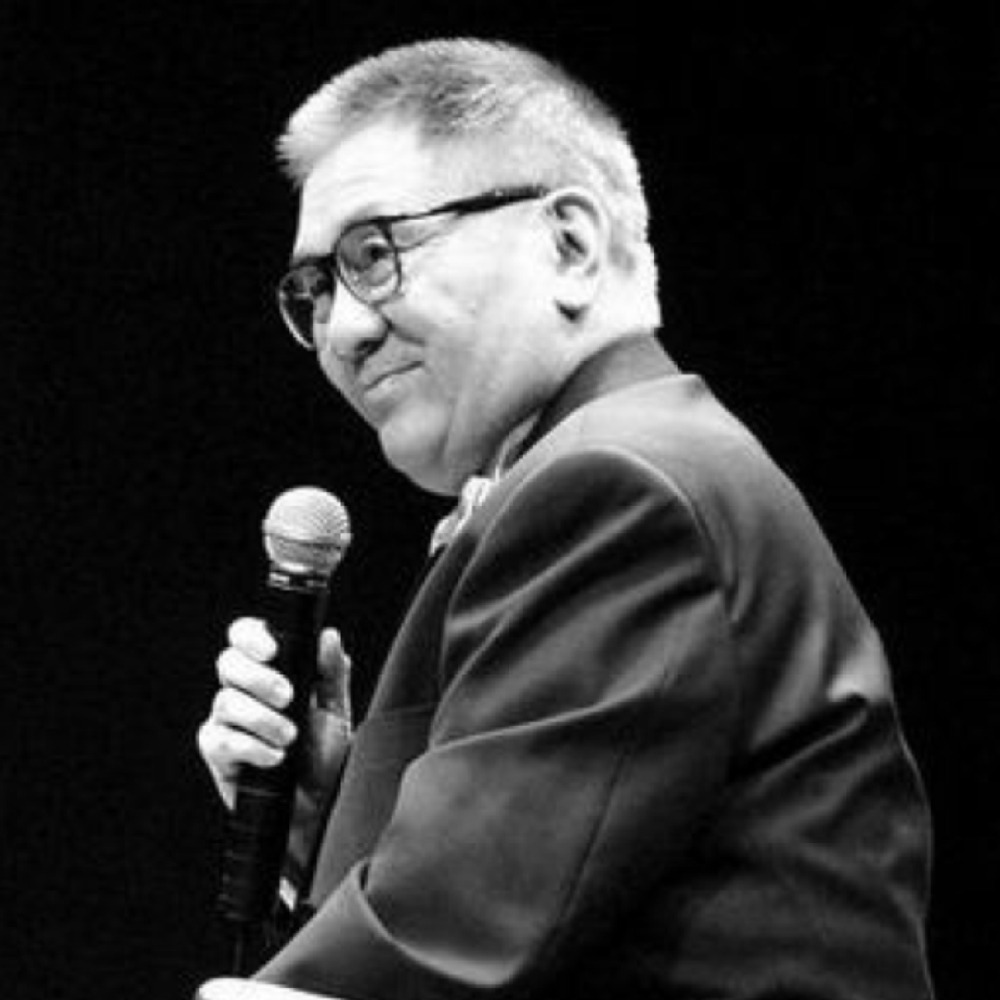
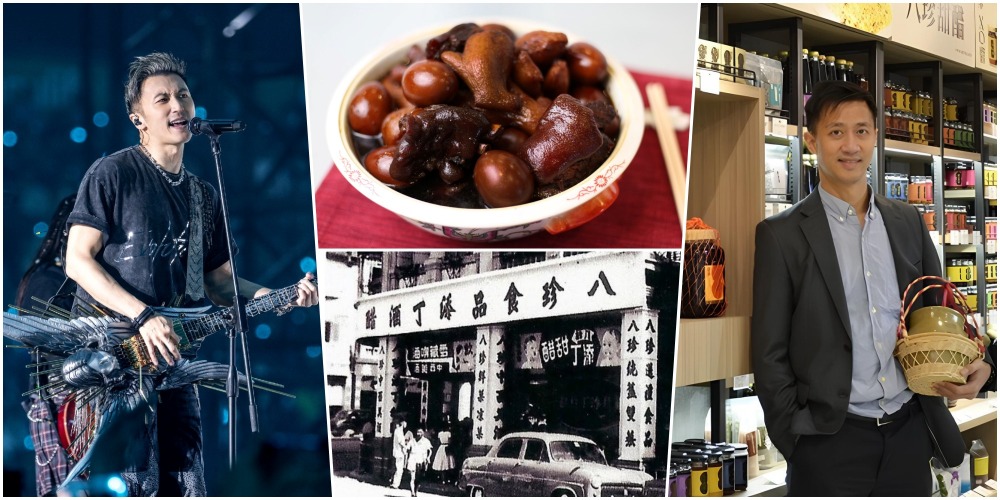
Choi Hung Estate has nurtured many celebrities, such as the famous chef Yeung Koon Yat (楊貫一), founder of "Ah Yat Abalone" (阿一鮑魚), who passed away in 2023; radio host Albert Cheng (鄭經翰); former Hong Kong Secretary for Financial Services and the Treasury, K.C. Chan (陳家強); and actor Tse Kwan Ho (謝君豪), all of whom grew up here.
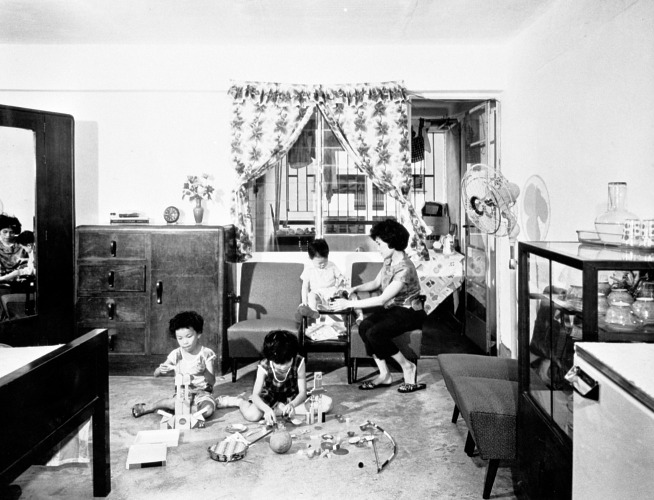
Tse Kwan Ho once introduced Choi Hung Estate on a TV programme, mentioning that most residents used to live in cramped conditions without private kitchens and toilets. When people moved into Choi Hung Estate, they felt the place was the "paradise".
However, since the Reform and Opening-up of Mainland China started in the 1978, factories began to move northwards from Hong Kong, and the area around San Po Kong started to lose its vibrance. The area around Choi Hung Estate had also undergone major changes due to urban development.
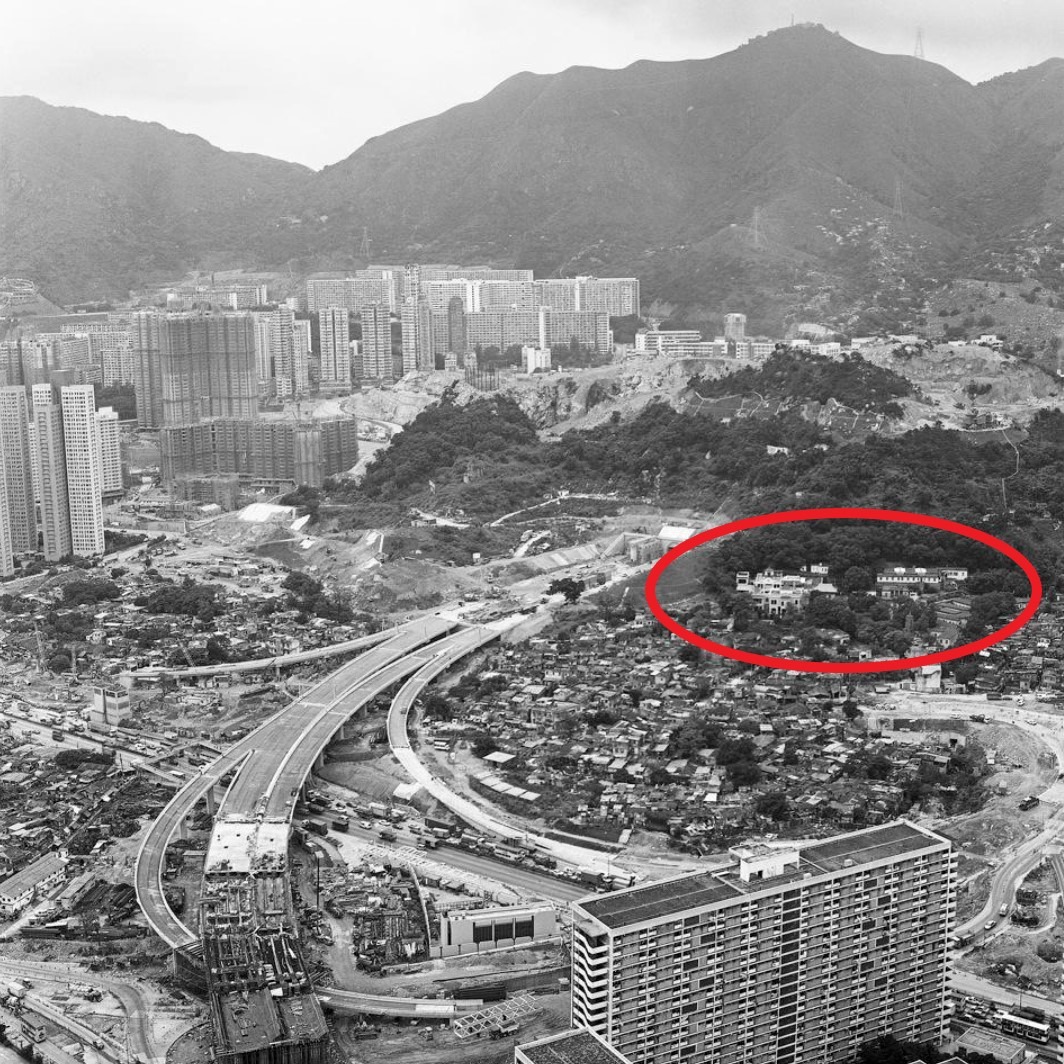
With the construction of the Tate's Cairn Tunnel in the 1980s and the completion of Plaza Hollywood and modern buildings in the Diamond Hill area in the 1990s, and the clearance of squatter settlements in Yuen Leng (元嶺) and Tai Hom Village (大磡村), the scenery under Lion Rock changed significantly. The once modern Choi Hung Estate also began to show signs of aging.
Read more: Interesting facts about HK's Tate's Cairn Tunnel
Read more: A quick overview of the origin of Chi Lin Nunnery
The redevelopment of the entire Choi Hung Estate will be carried out in three phases, with the first phase expected to begin in 2028. Resident relocation and building demolition are scheduled to be completed by 2043, with the entire redevelopment finalised between 2048 and 2049.