Published : 2025-06-08
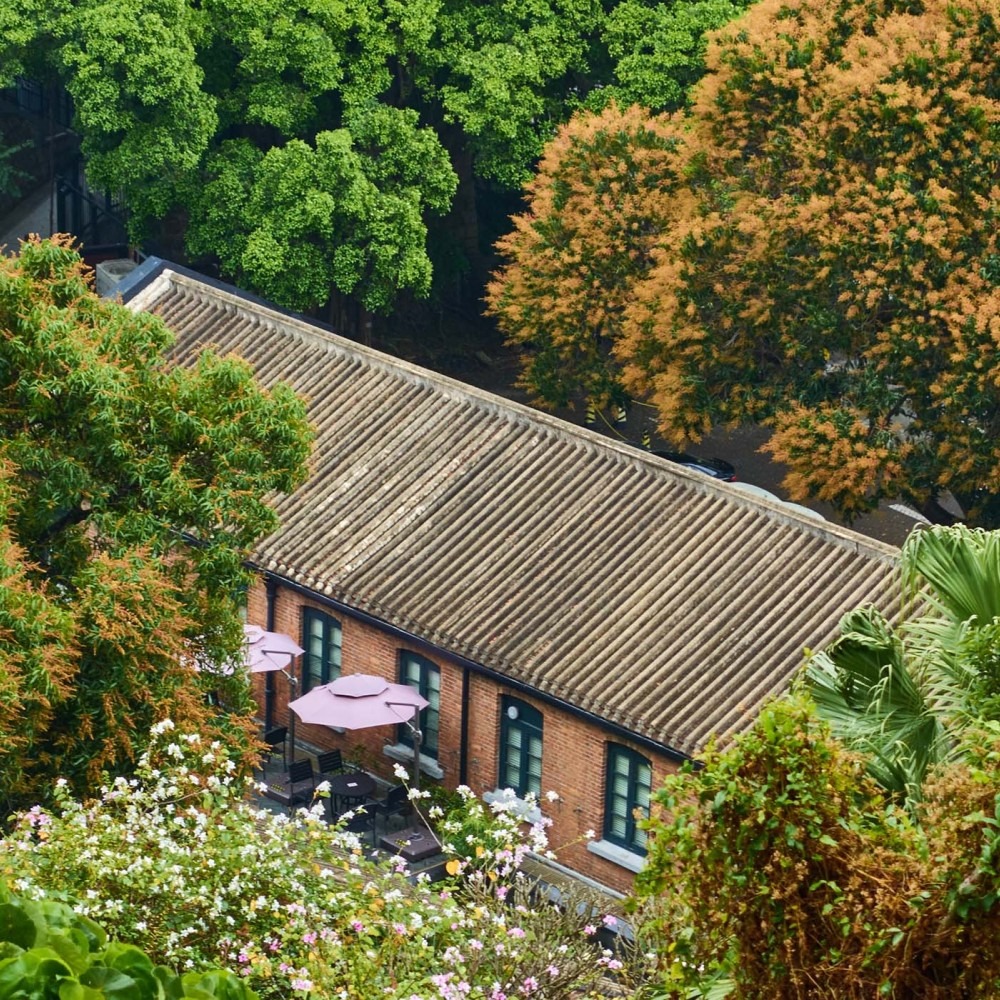
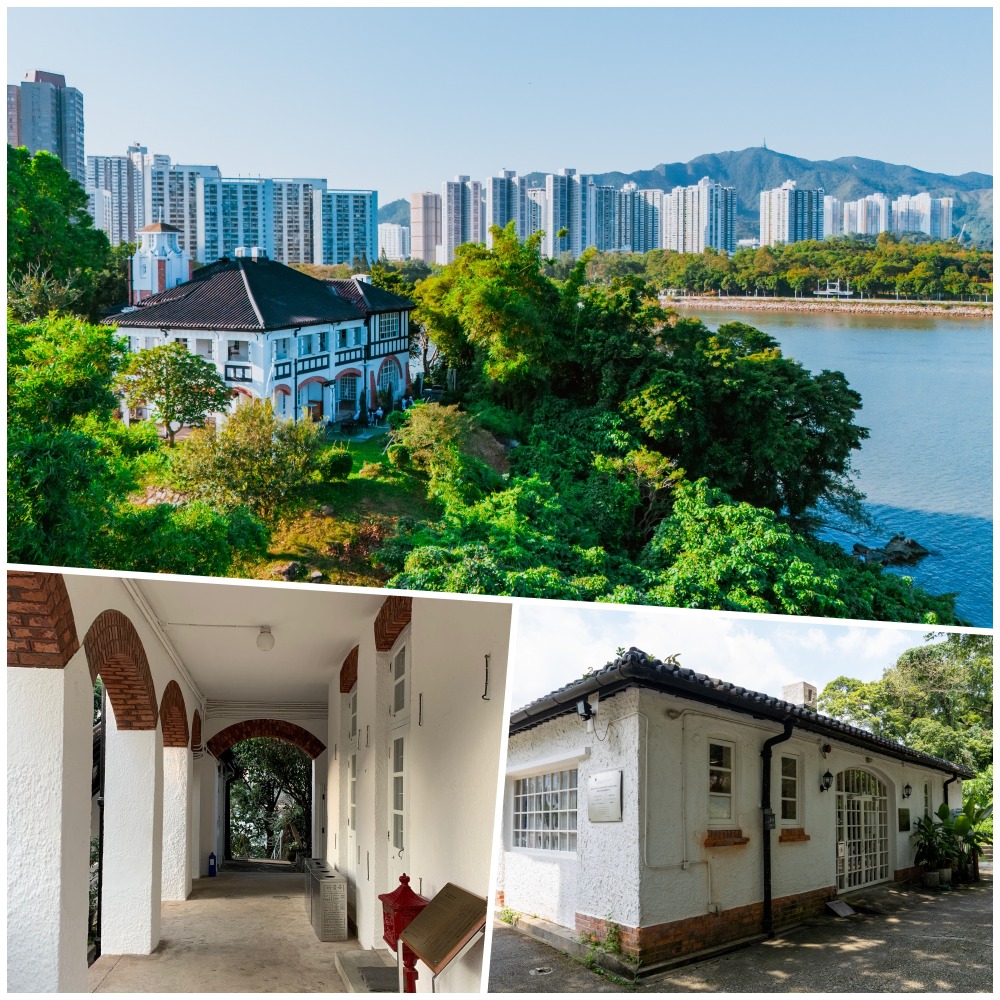
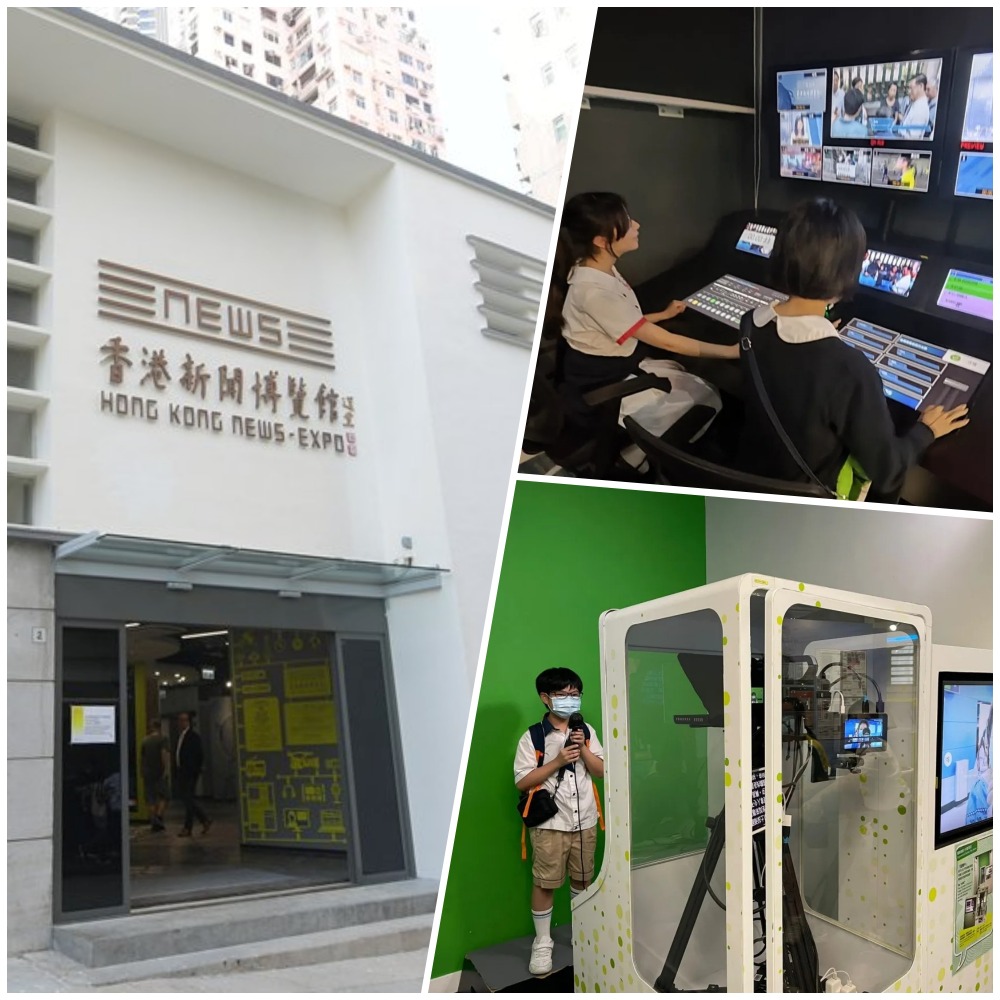
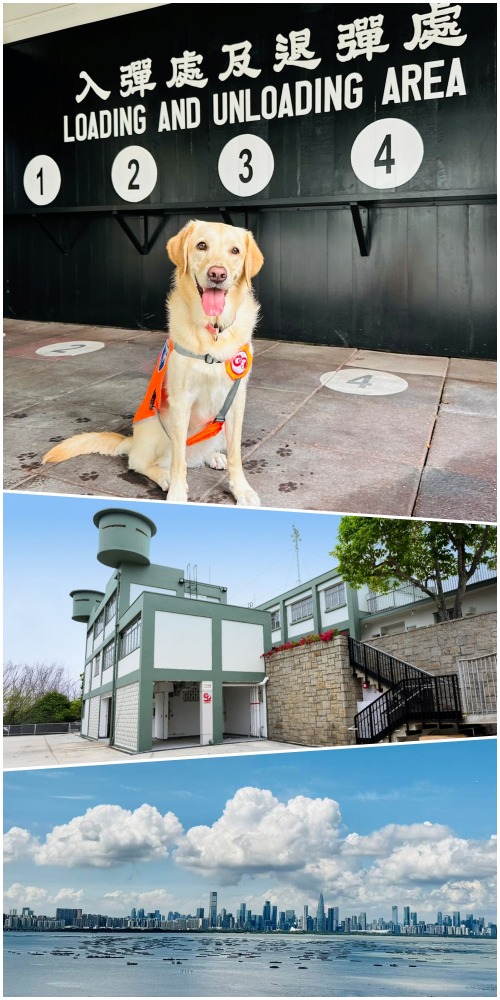
Recently, the Hong Kong government has been actively promoting nine major Hong Kong tourist attractions, including the development of industrial brand tourism.
Among them, Lee Kum Kee Group, Kee Wah Bakery Limited, Pat Chun, and Yakult HK have all implemented industrial tourism routes with elements of visits, experiences. This initiative aims to take visitors deep into the factories to appreciate the spirit of "Lion Rock" behind Hong Kong manufacturing.
"Have you had your Yakult today?" This classic line from the Yakult advertisement is a collective memory for many people. In Hong Kong, Yakult is extremely popular with many people always having a row in their fridge.
Yakult was founded in 1935 by Japanese medical doctor Minoru Shirota
Yakult is not originally from Hong Kong. It was born in 1935 in Fukuoka, Japan. The founder was Doctor Shirota Minoru (代田稔) from the Faculty of Medicine at Kyoto Imperial University.
In the early 20th century, the international political situation was turbulent, and societal resources were scarce. In areas with poor sanitation, infectious diseases ran rampant, and even the essentials of health and sustenance were considered a luxury.
Brands that emerged during those times had a characteristic of the era—they were beneficial and cheap. Examples include Garden Bread, Vitasoy, and Yakult.
The founder of Yakult, Shirota Minoru, was a Doctor of Medicine at Kyoto Imperial University in Japan. Observing the frail health of the Japanese people at that time, this microbiologist actively researched intestinal bacteria and in 1930 isolated the lactic acid bacteria from the human intestine.

Yakult was introduced to Hong Kong in 1969
Probiotics are bacteria that can regulate intestinal function, but they must be active to be effective.
The "lactic acid bacteria strain Shirota" specially cultivated by Dr. Minoru Shirota, is a type of probiotic with strong acid resistance, able to withstand stomach acid and bile, reach the intestines to promote intestinal peristalsis, and improve bowel movements.
Since its launch in 1935, Yakult gradually spread from Japan to the rest of the world, with 40% of its sales and profits now coming from overseas. However, Hong Kong residents began consuming Yakult only over 30 years later.
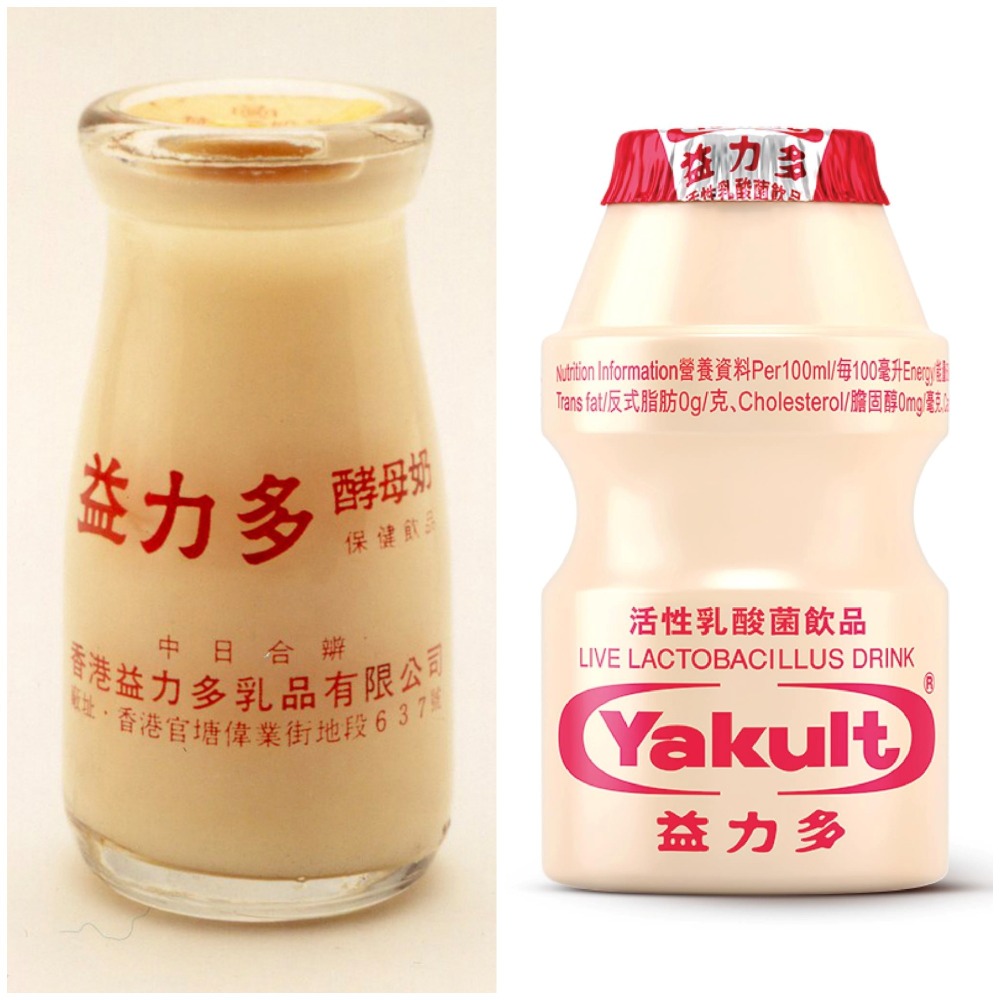
Yakult transitioned from glass bottles to plastic bottles
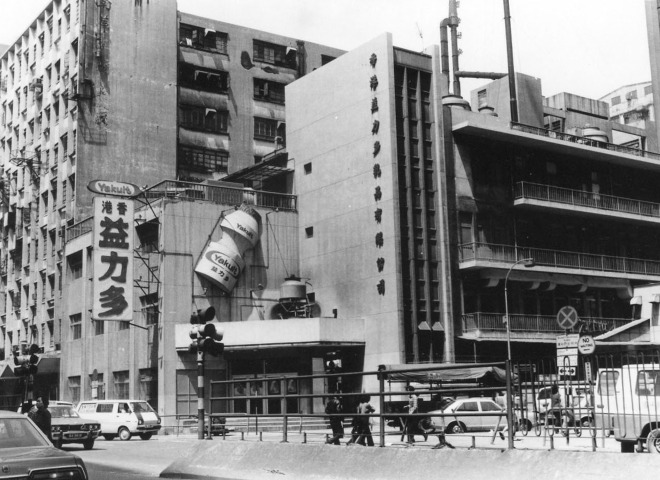
Yakult was introduced to Hong Kong in 1969, with a factory established in Kwun Tong for production. Initially, it was packaged in glass bottles, but in 1971, it switched to plastic bottles.
People who love Yakult are often attracted by its refreshing and unique sweet and sour taste. In fact, the main ingredients of Yakult are water, sugar, skimmed milk powder, glucose, flavouring agents, and live lactobacillus.
Its sweetness is derived from natural fruit sources, with citrus fruits reportedly comprising a significant portion of the blend.
As for why Yakult is "flesh-coloured"? Yakult company explains that it is due to colour changes caused by the blending process and heating of skimmed milk powder, without the addition of artificial colouring.
Read more: Garden Bakery's bread and biscuits evolved from wartime food to nutritious loaves


Yakult keeps innovating
When Shirota Minoru sold Yakult, his idea was for people to "buy health at the price of a postcard". Today, a postcard can be very expensive, but a bottle of Yakult costs only about 2 to 3 Hong Kong dollars, making it affordable, and even after 90 years, it has not forgotten its original intention.
The high-fibre, low-sugar version of Yakult launched in recent years as well as "Y1000" (containing over 100 billion probiotics), which helps relieve stress and improve sleep, are both highly popular among the public.
Read more: Vitasoy founder researched "milk for the poor" to strengthen the country

Yakult's Japanese parent company produces skincare products and anti-cancer drugs
Today, Yakult is not just a beverage company. Its Japanese parent company also produces skincare products and pharmaceuticals.
During the production of Yakult, researchers noticed that the labours' hands were white and smooth after washing the equipment, which led to the development of a moisturising skincare cream derived from lactobacillus.
Additionally, Yakult's Japanese parent company also has a pharmaceutical division that produces over-the-counter medications, as well as various anti-cancer drugs. Among which "Campto" is widely used internationally for the treatment of colorectal cancer and pancreatic cancer.
Read more: Things you may not know about HK's oldest local brewery

The Hong Kong government is committed to promoting nine major tourist attractions in Hong Kong, developing industrial brand tourism, with Yakult being one of the pioneers. Visitors to the Yakult factory in Hong Kong can observe the beverage production process up close.
A small bottle of Yakult showcases not only the rigor and commitment of "Made in Hong Kong", but also reflects the innovative thinking of scientific research and a century-long evolution in the pursuit of a better life.
Read more: Tracing the origin of Trappist Dairy
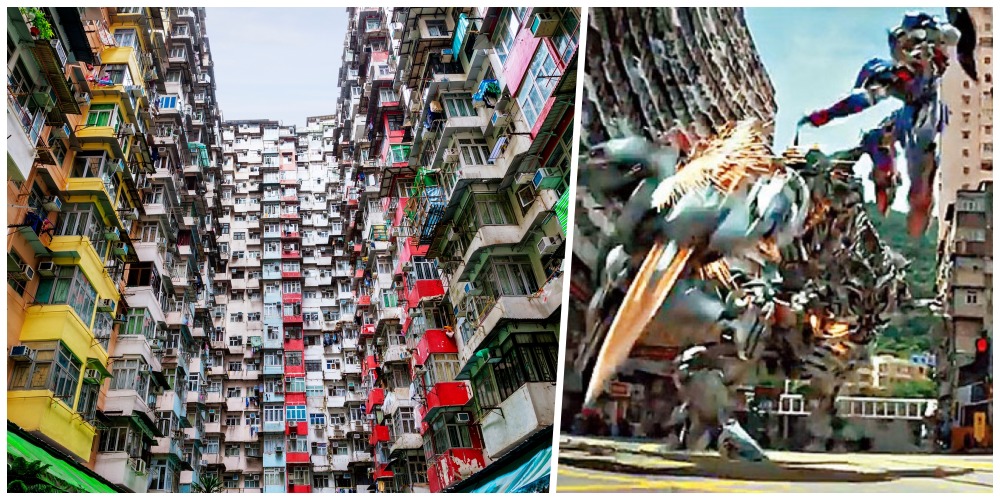
Read more: Exploring "Kowloon Walled City: A Cinematic Journey" Movie Set Exhibition