Published : 2025-01-12
Since the opening of the Hong Kong-Zhuhai-Macao Bridge (HZMB) in 2018, transportation between Hong Kong, Macao, and Zhuhai has become more convenient.
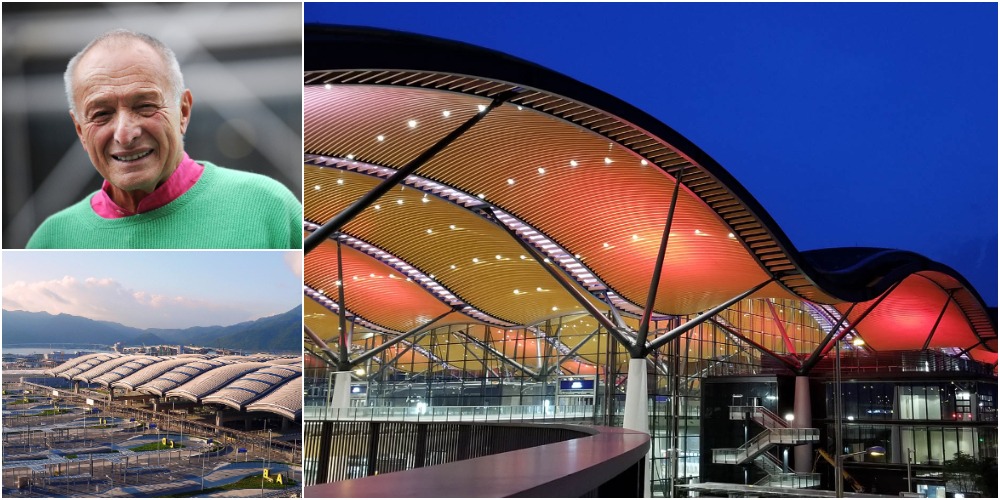
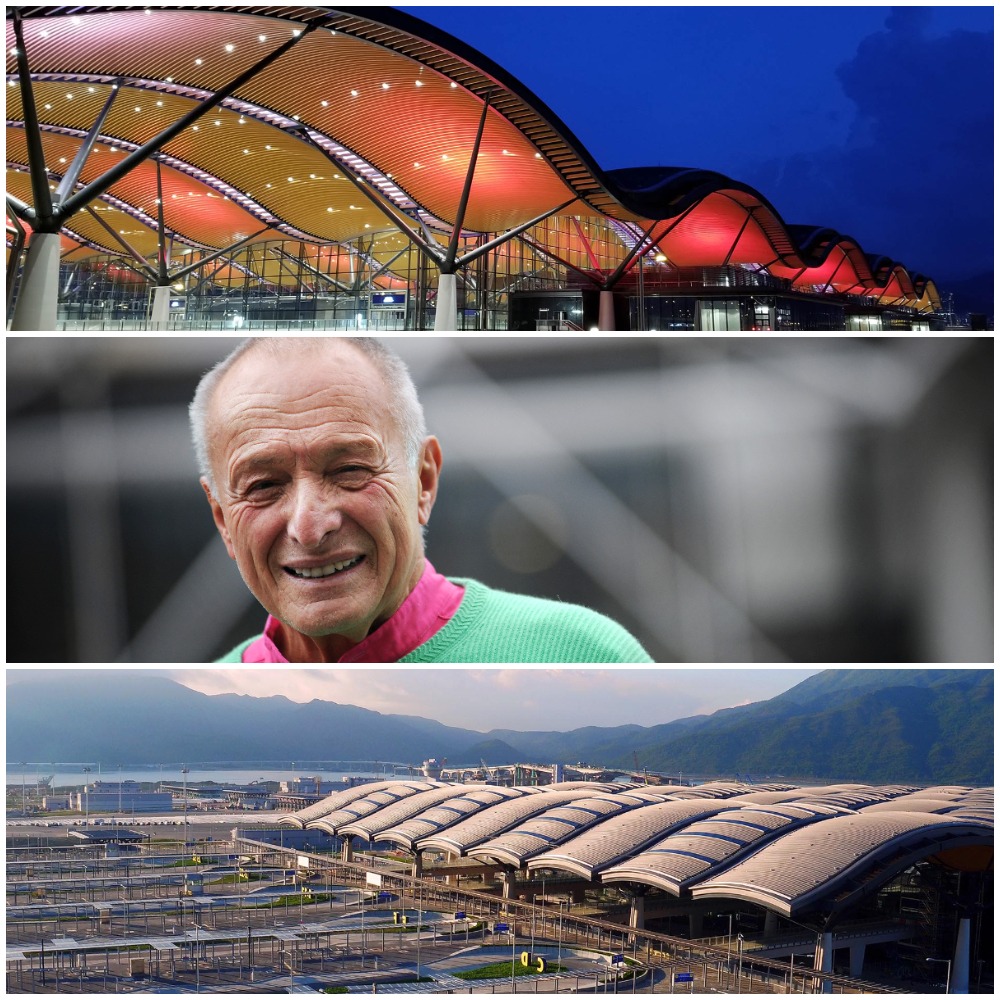
The distinctive Passenger Clearance Building (PCB) of HZMB Hong Kong port turns out to be the work of a renowned architect. The building was constructed with the involvement of the firm led by Richard Rogers, who won the "Nobel Prize of Architecture," the 2007 Pritzker Architecture Prize.
HZMB Hong Kong Port Passenger Clearance Building and Hong Kong International Airport reflects the friendship of master architects
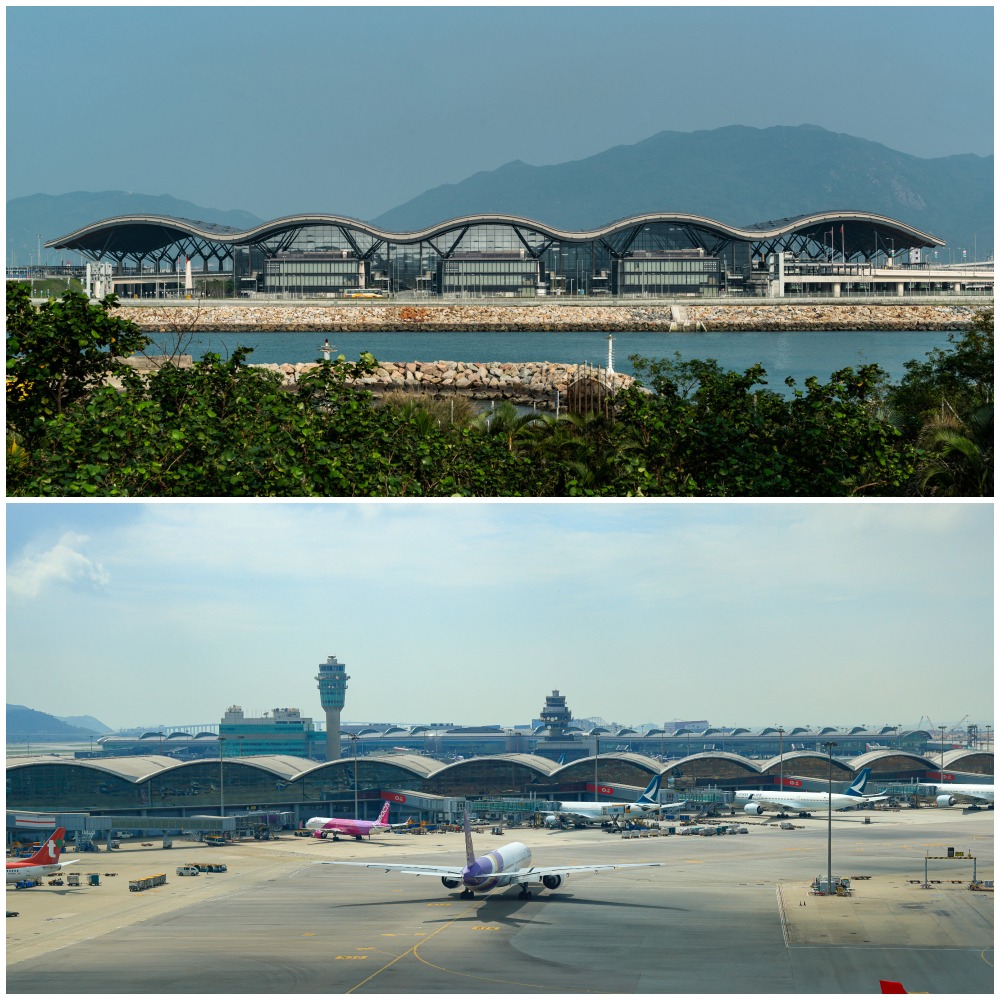
At first glance, HZMB Hong Kong port passenger clearance building and the Hong Kong International Airport share a similar architectural style, featuring wave-shaped roofs, high ceilings, natural light integration, and construction primarily using glass and steel.
Why? This is because Richard Rogers, who designed the Passenger Clearance Building, and Norman Foster, who constructed the Hong Kong International Airport, are both the representatives of the "high-tech" faction in architecture. They were even partners early in their careers, so their philosophies and styles have similarities.
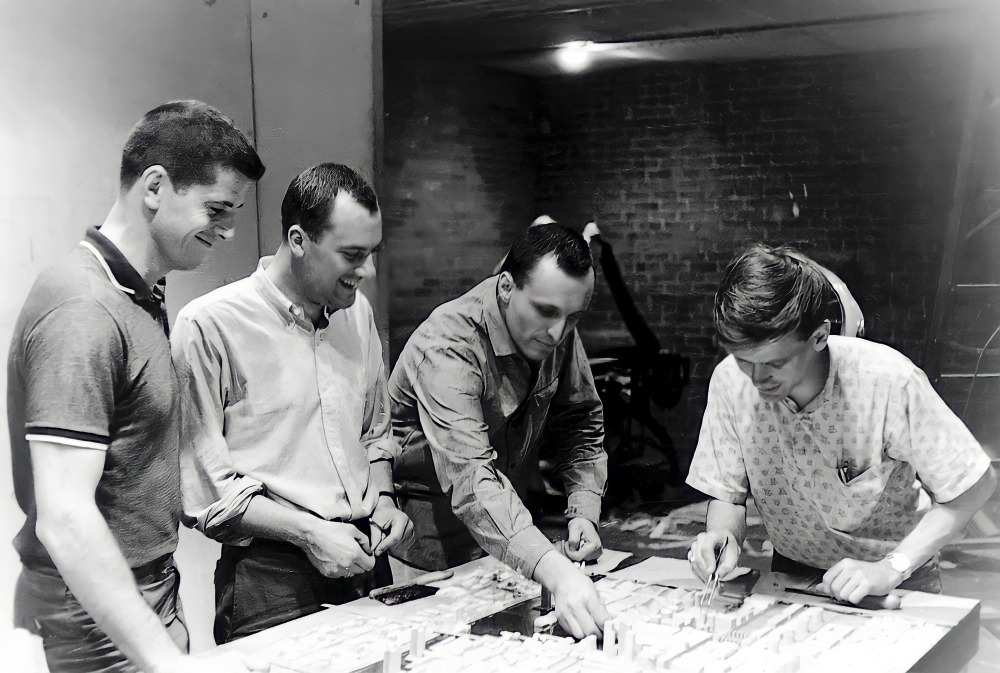
Winners of the "Nobel Prize of Architecture" Rogers and Foster were once partners
In 1963, Rogers and Foster were classmates who met at Yale University in the U.S. Along with their respective partners, they formed the architectural team "Team 4" and worked together for four years until 1967. At that year, Foster and his wife set up their own company, and the team was dissolved.
Foster and Rogers later won the Pritzker Prize, known as the "Nobel Prize of Architecture" in 1999 and 2007 respectively. They became the contemporary masters of architecture.
Centre Pompidou of Paris was the masterpieces by Richard Rogers
Speaking of Rogers' masterpieces, one must mention Centre Pompidou of Paris, completed in 1977.
The entire building's framework is exposed, and the exterior walls are covered with pipelines, with a strong use of colours. The bold design was seen as an ugly "alien creature" by Parisians at the time, with some artists even claiming they would rather burn their paintings than see them placed in the Centre Pompidou.
Read more: Admire Norman Foster's landmark work of HSBC Main Building
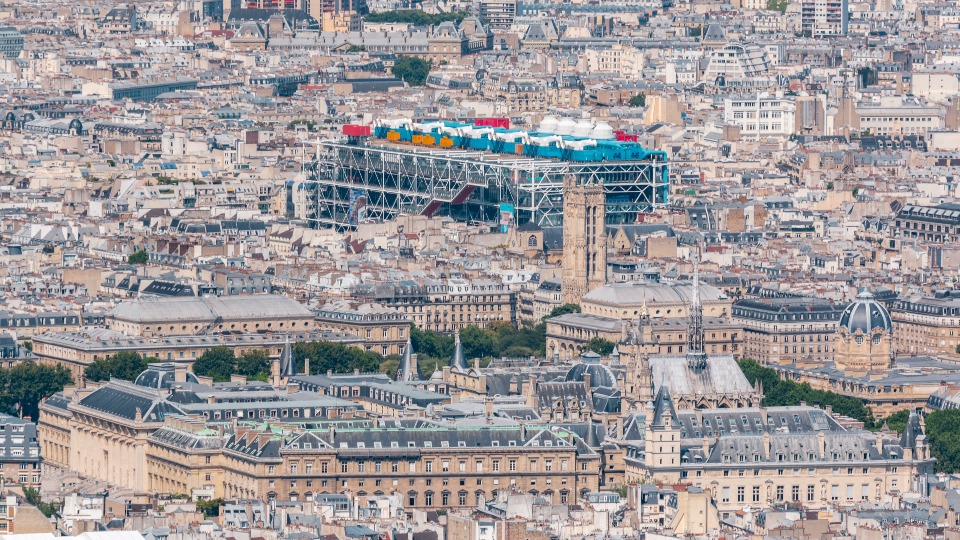
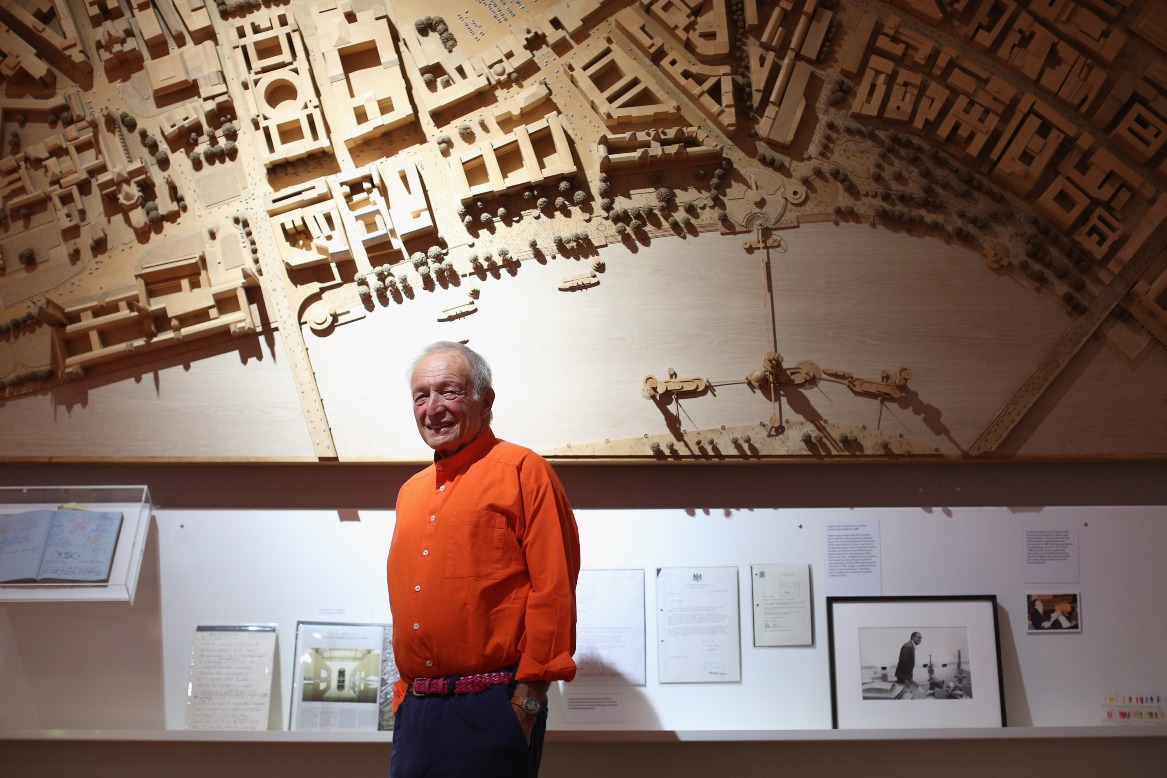
Although Richard Rogers faced criticism and controversy during the construction of the Pompidou Centre, this unconventional building in the old city received approximately seven million visitors within its first year of opening, making it more popular than the Eiffel Tower and the Louvre.
Today, nearly half a century after its construction, Pompidou Centre remains a must-visit landmark in Paris, solidifying Rogers' status in the architecture world.
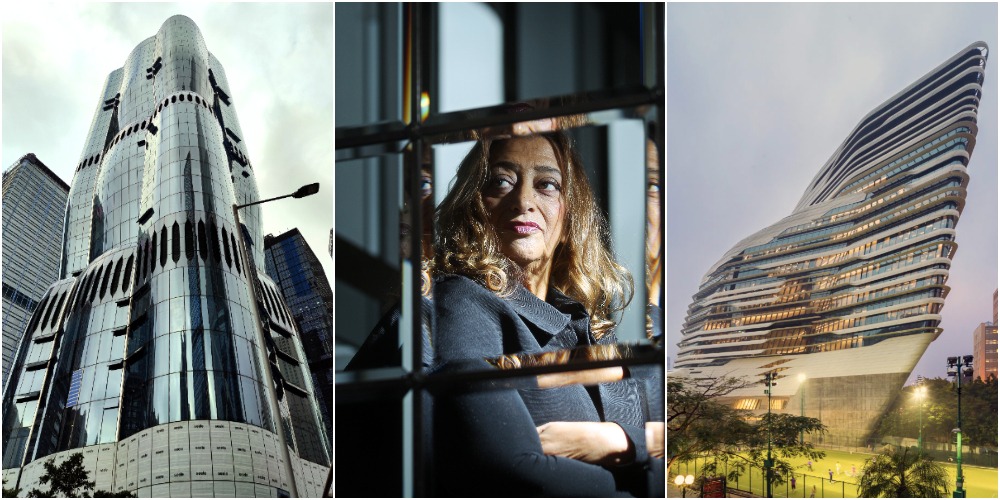
Read more: "Queen of the Curve" Zaha Hadid and her sci-fi buildings in HK
The innovative design of HZMB Hong Kong port passenger clearance building
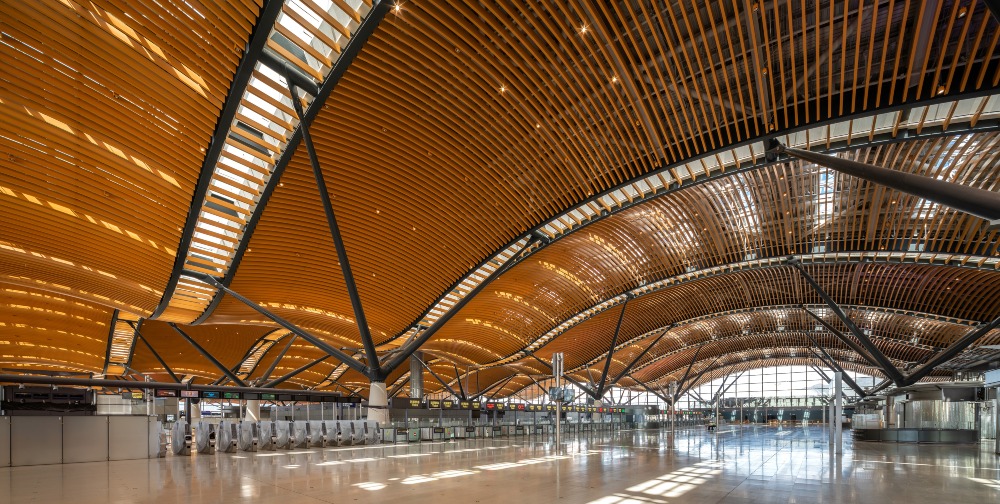
Richard Rogers, the architectural master crafted HZMB Hong Kong port passenger clearance building with equal ingenuity.
HZMB Hong Kong port passenger clearance building, co-built by Rogers Stirk Harbour+Partners (RSHP) and Aedas, features a distinctive wave-shaped canopy roof, harmoniously blending with the natural seascape of the surrounding artificial island.
The canopy utilises large prefabricated components, which not only speeds up construction but also reduces the risk of workers working at heights.
In addition, the passenger clearance building is supported by tree-like structural columns, reducing the use of indoor structural pillars and enhancing the sense of space.
The building is mainly divided into three sections: quarantine and immigration inspection area, the customs clearance area, and the waiting area after customs clearance. The three areas are sequentially connected by short bridges, with clear regional division, making it convenient and quick for people to go through immigration clearance.
Read more: I.M. Pei's design of the Bank of China Tower competing with HSBC?
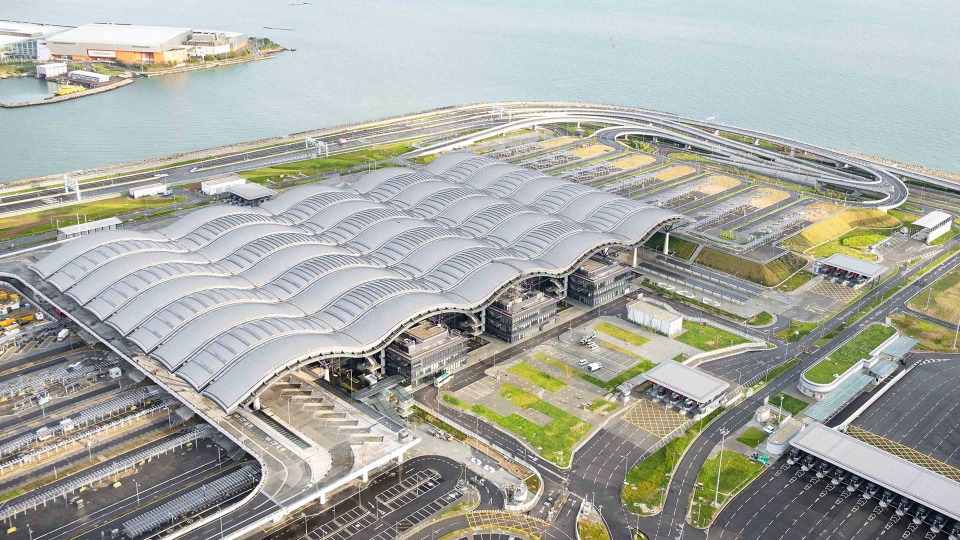
The architects of the high-tech faction not only focus on the aesthetic expression of building structures but also strive to integrate high-tech industries and technologies into their designs to enhance the efficiency of buildings. This focus is also reflected in Hong Kong-Zhuhai-Macao Bridge Hong Kong port passenger clearance building.
The skylight design is one example of this approach. Rogers' team incorporated natural light into the passenger clearance building's skylights, reducing the need for artificial lighting.
Additionally, the building utilises seawater for its cooling system, which lowers electricity consumption. The Highways Department has stated that this cooling system can save up to 3.5 million kilowatt-hours of electricity annually for the passenger clearance building, equivalent to reducing carbon dioxide emissions by 2,500 metric tons, making it both cost-effective and environmentally friendly.
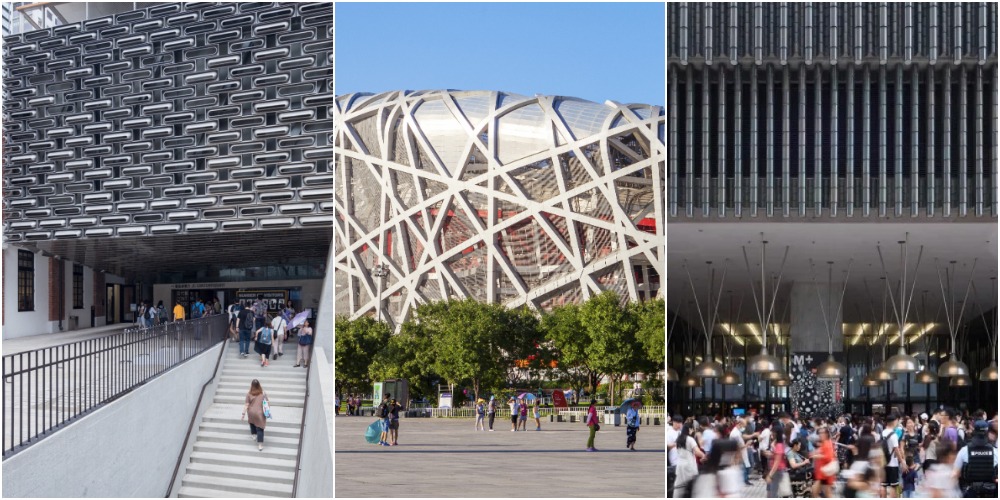
Read more: Architects of the Beijing National Stadium X Hong Kong M+ Museum X Tai Kwun
Renowned architect Richard Rogers died in 2021
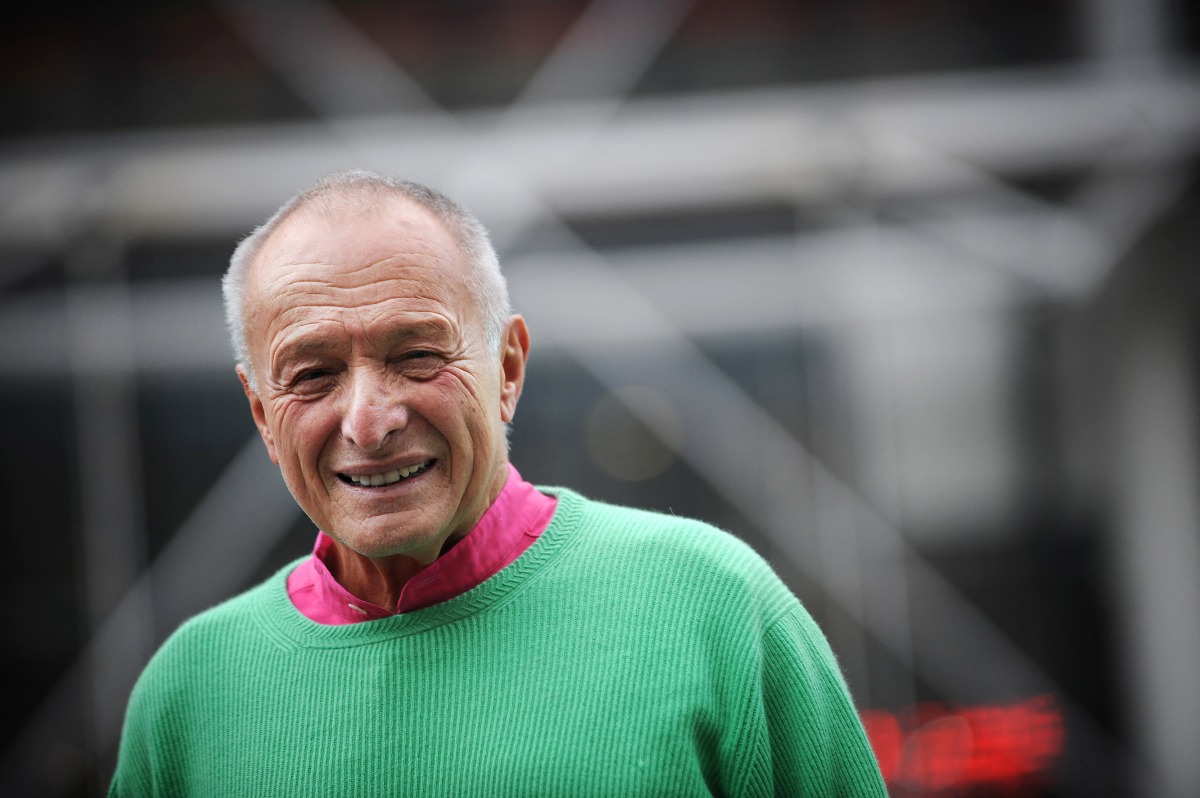
Rogers once said, "My passion and great enjoyment for architecture, and the reason the older I get the more I enjoy it, is because I believe we – architects – can effect the quality of life of the people."
Although this architectural master passed away in December 2021 at the age of 88, the buildings he left behind continue to inspire people's pursuit and longing for a better life.
Read more: Learn about the architect of The Peak Tower in Hong Kong