Published : 2024-08-27
Chinese video game "Black Myth: Wukong" has become one of the hottest issues recently, which is based on the story of "Journey to the West".
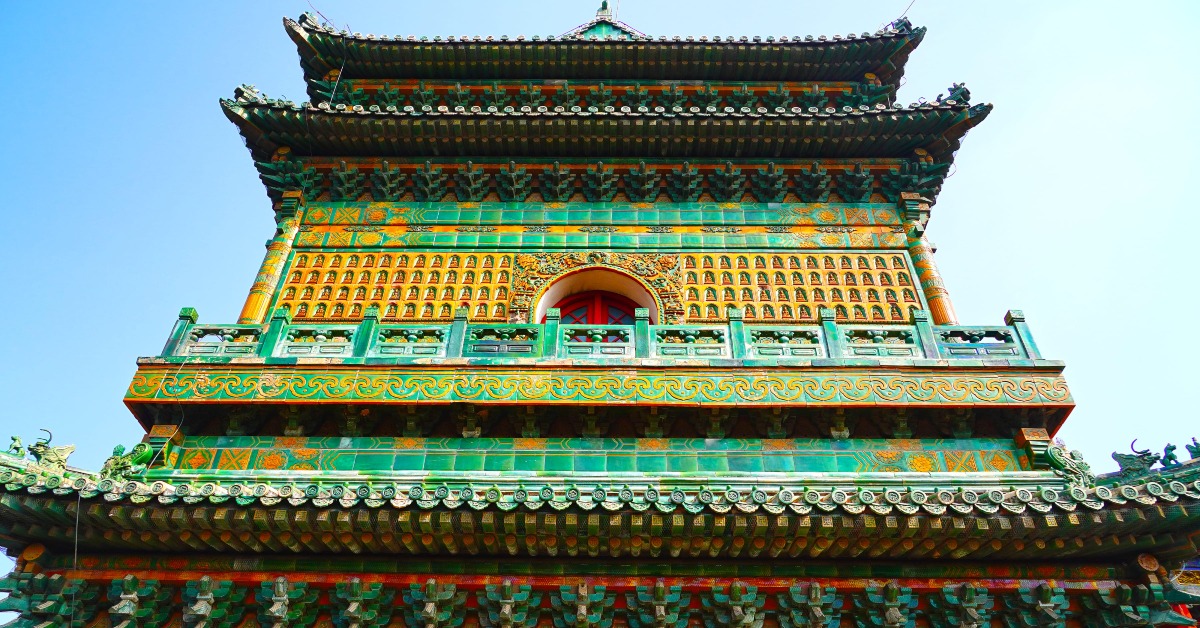
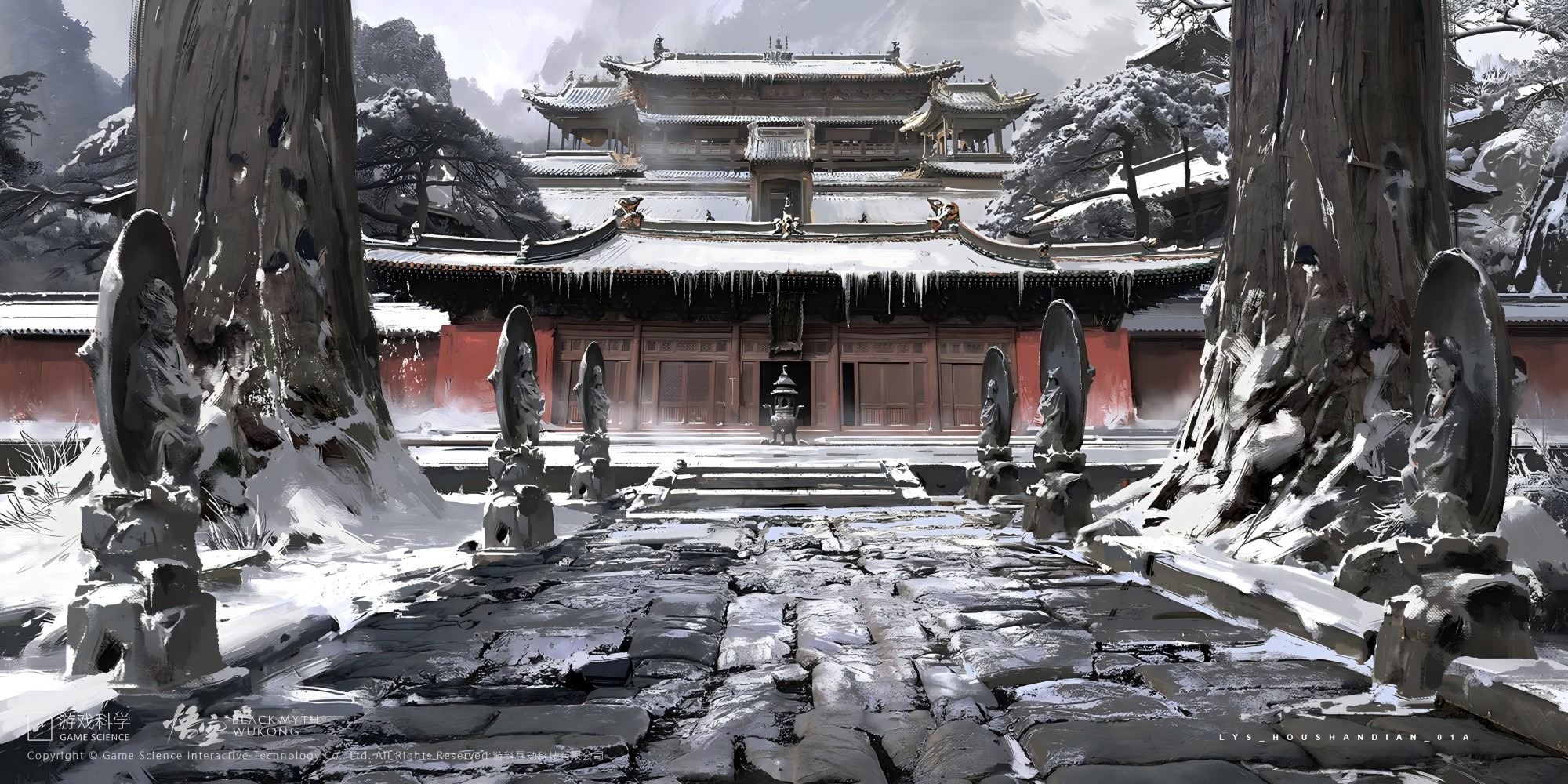
The game features a large number of highly restored ancient Chinese buildings, which has become a major attraction and a favourite among the public.
Among the 36 locations featured in "Black Myth: Wukong", 27 are from Shanxi Province. So which spots are included?
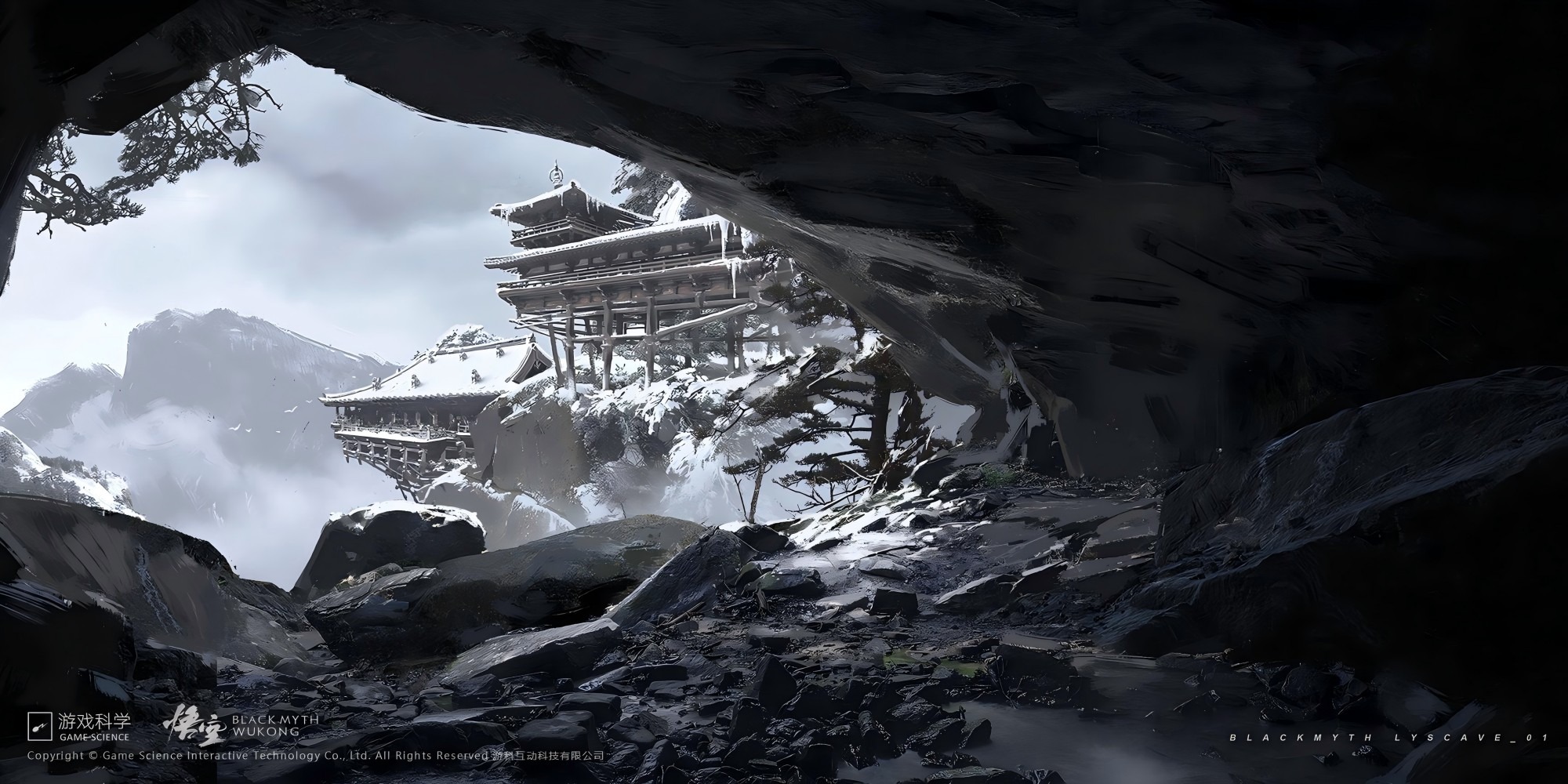
Black Myth: Wukong|The Hanging Temple and Yungang Grottoes


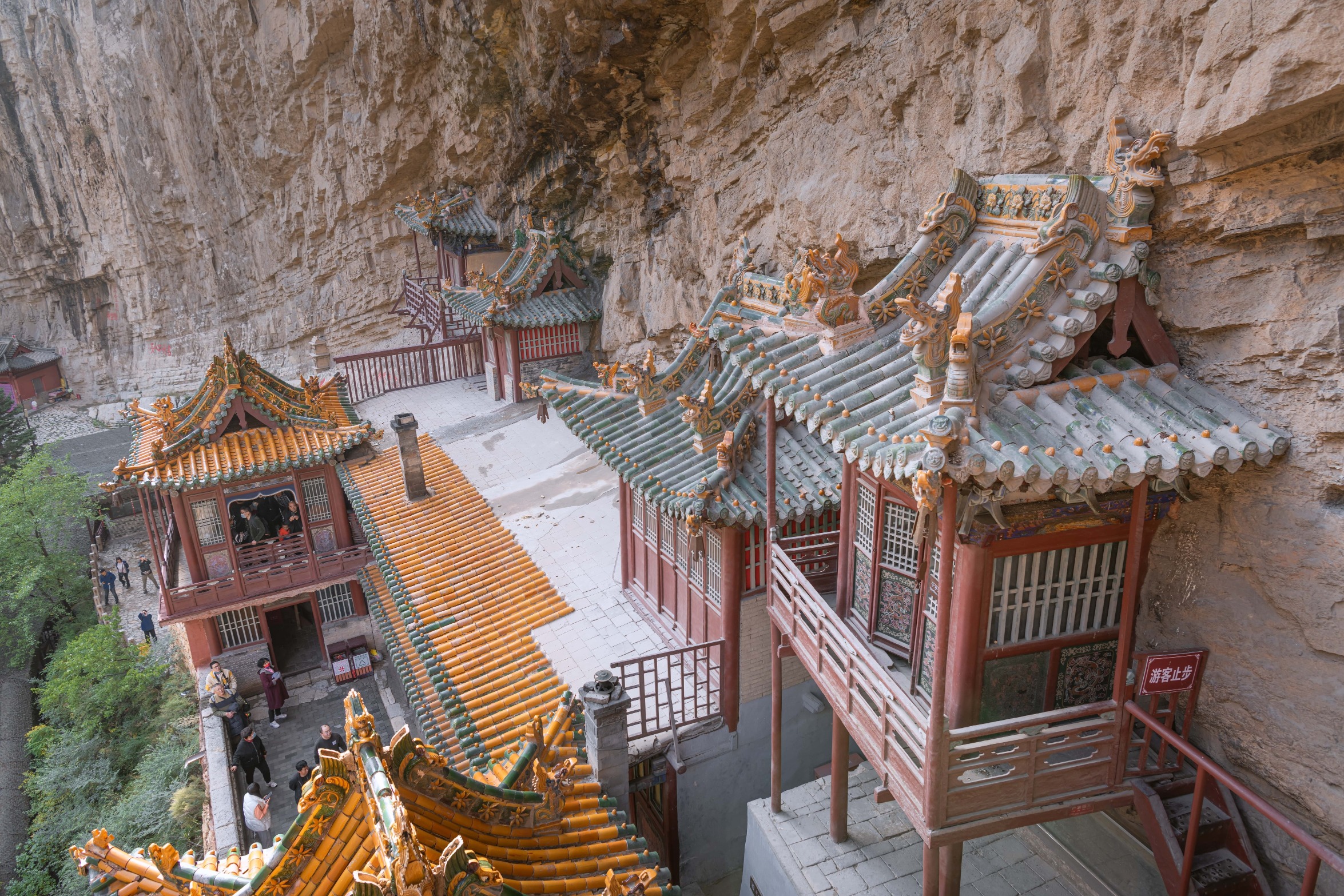
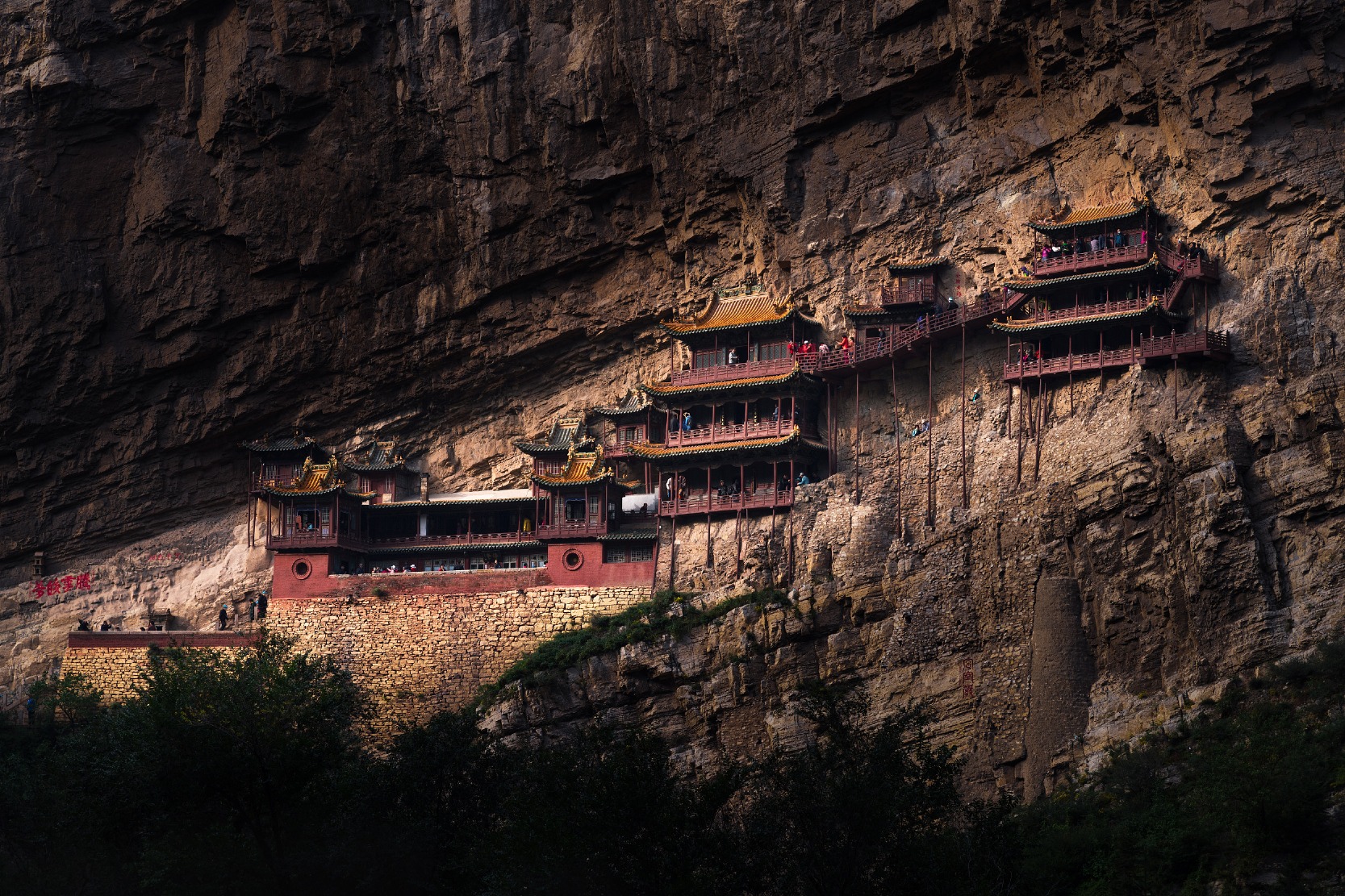
The Hanging Temple of Hengshan (恆山懸空寺) in Datong, built during the Northern Wei Dynasty (386-534 AD), has nearly 1,600 years of history and is considered the "first wonder" among the 18 famous spots of Hengshan.
The Hanging Temple, true to its name, hangs on a steep cliff, with a deep abyss beneath it. It is extremely dangerous. In 2010, it was named by Time Magazine as one of the 10 most precarious buildings in the world.


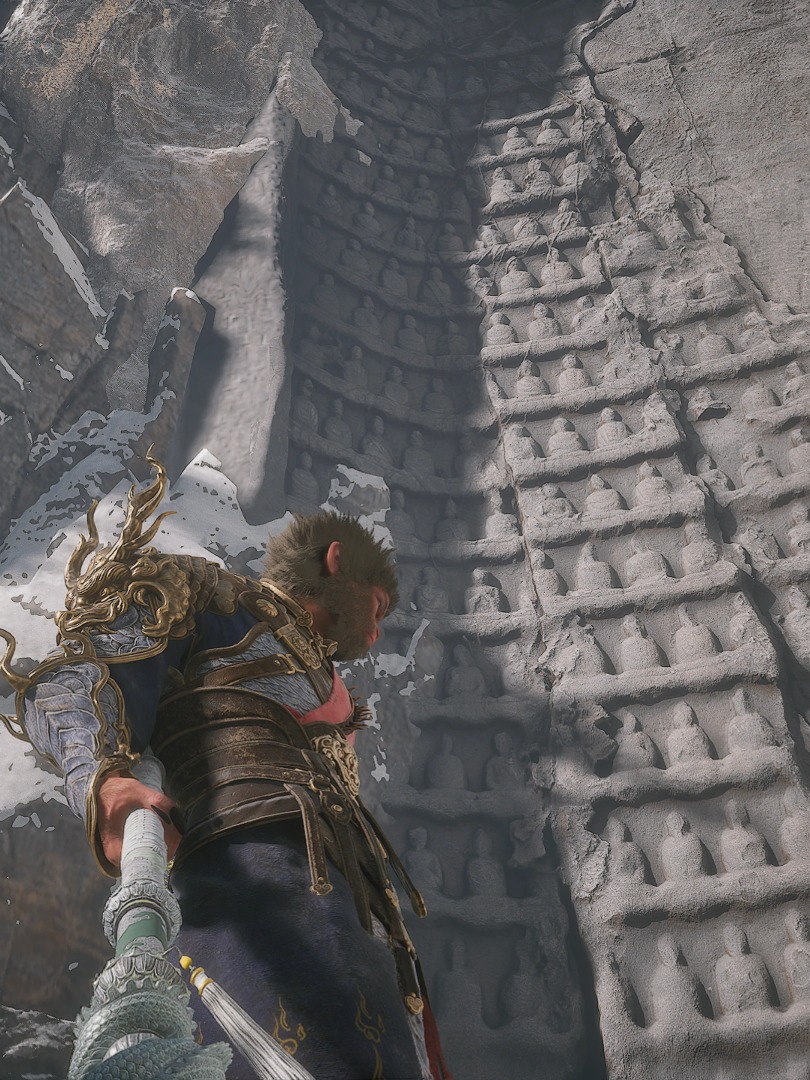
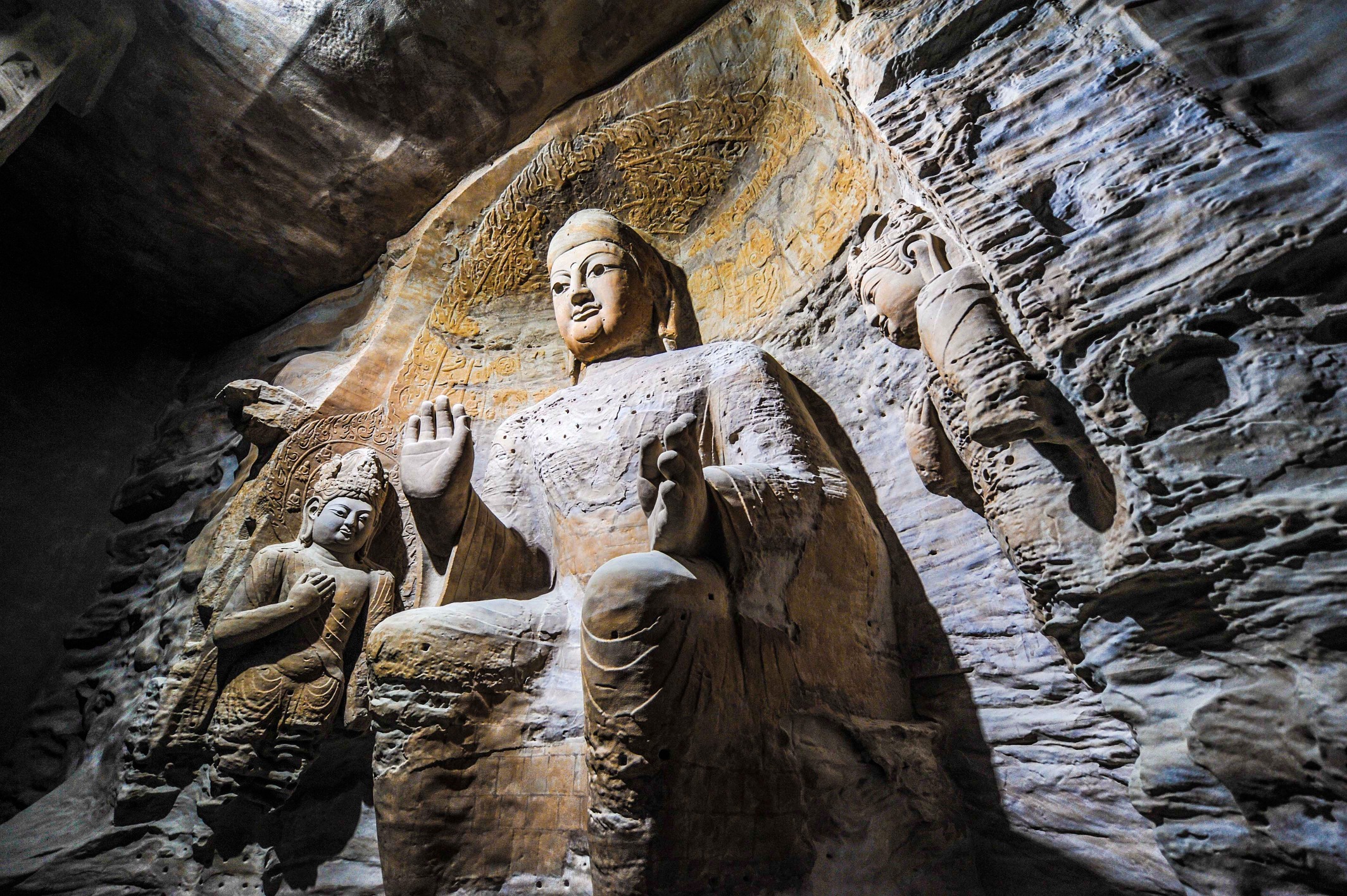
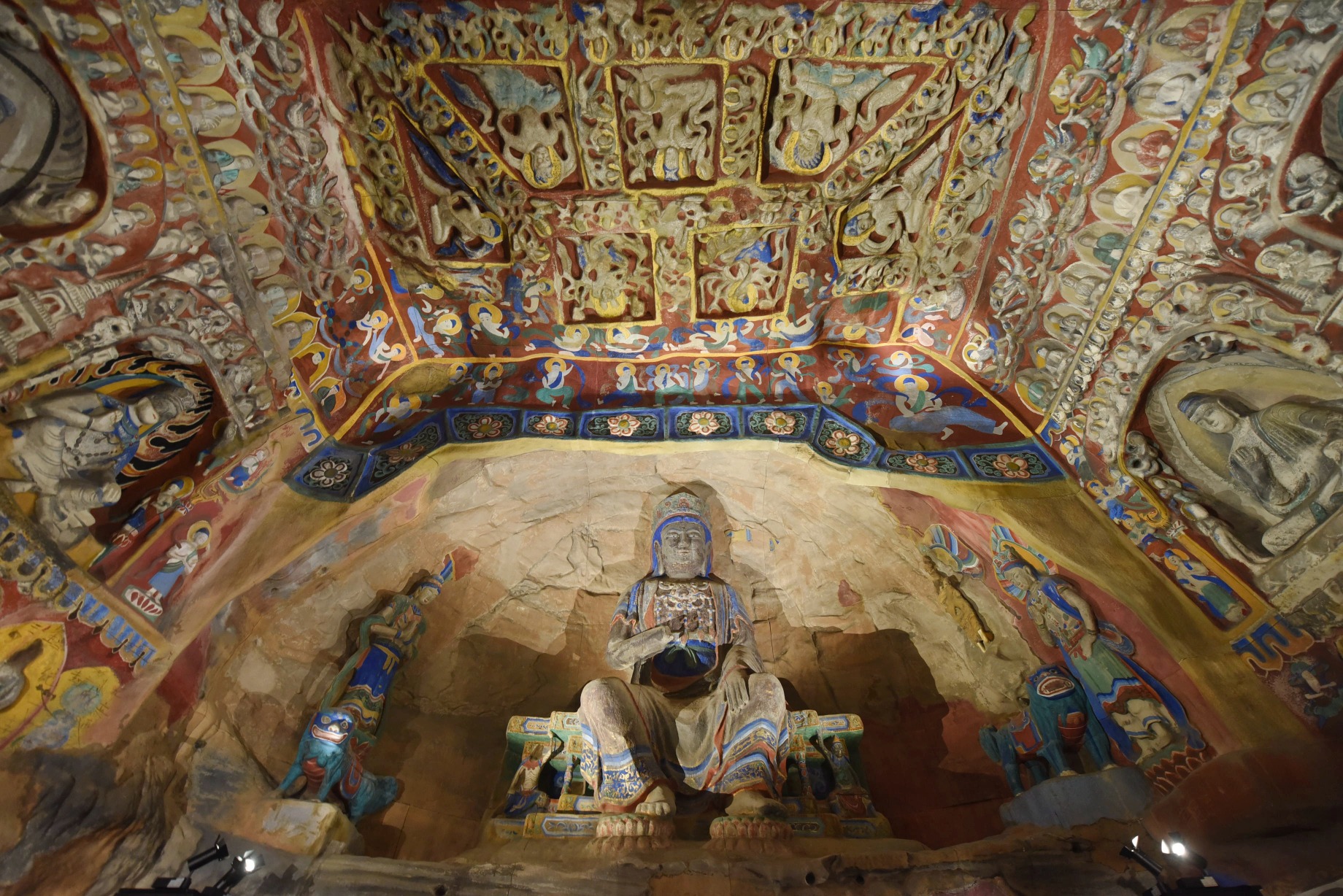
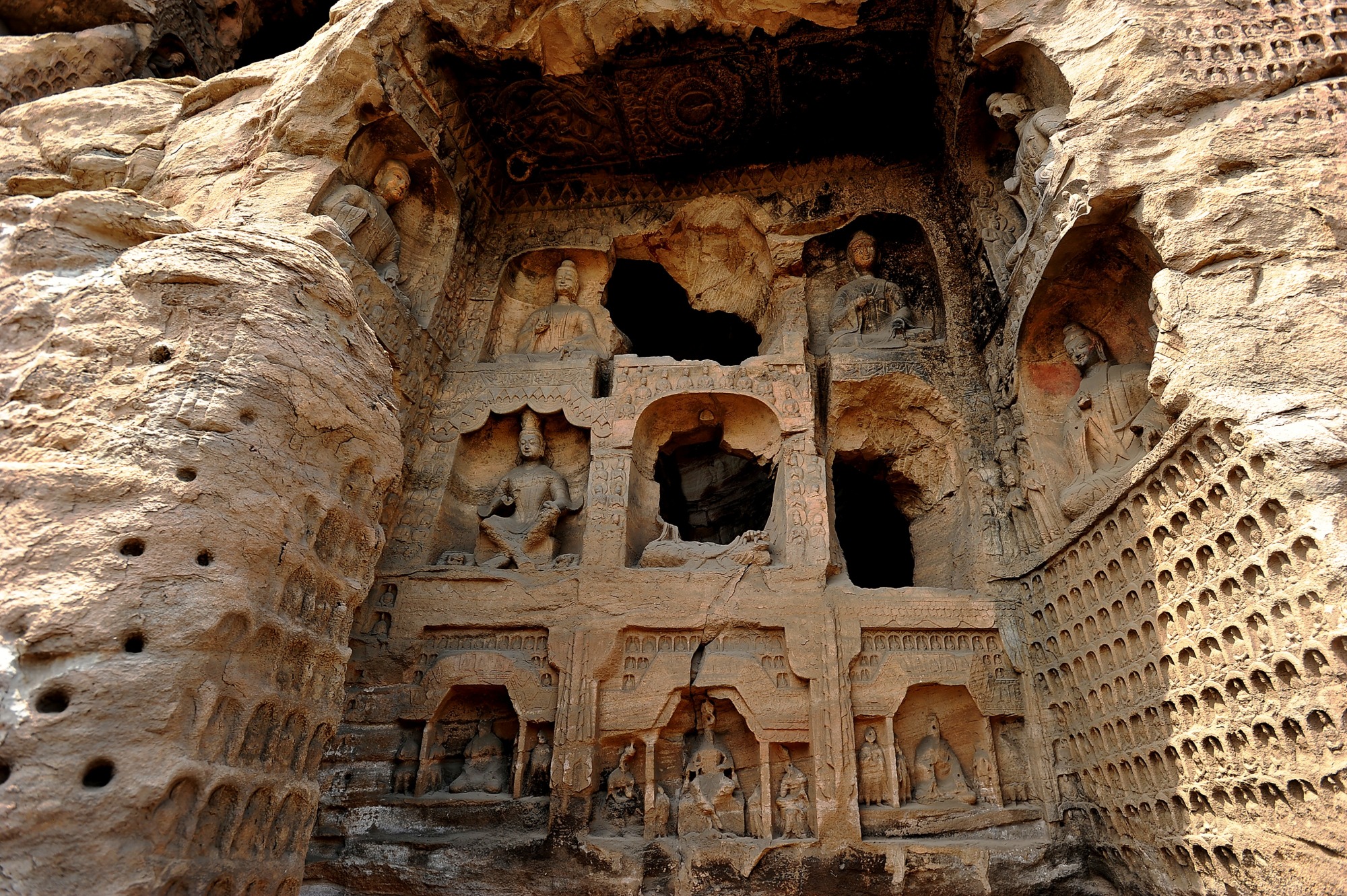
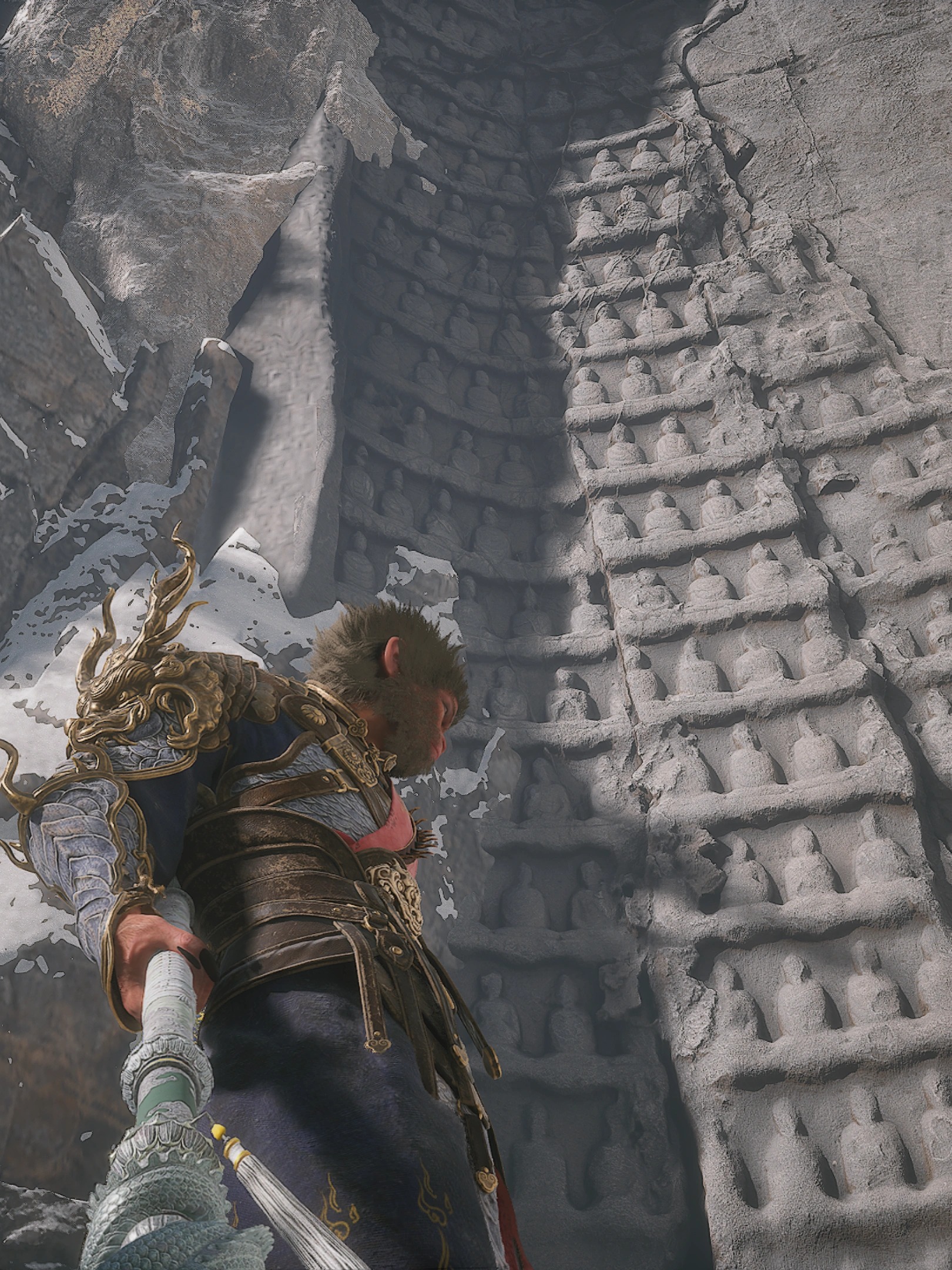
The Yungang Grottoes (雲岡石窟), located at the southern foot of Wuzhou Mountain (武州山), is another historical sight of Datong, Shanxi.
The excavation of the Yungang Grottoes began during the Northern Wei Dynasty as well and is the first royal authorised grotto in China.
Subsequently, the Yungang Grottoes went through the Northern Qi, Sui, Tang, and other dynasties, spanning over 150 years of excavation.
Today, there are 45 main caves, 252 small niches, and nearly 60,000 exquisite stone statues, embodying the integration of Eastern and Western culture. It is absolutely a gem in Chinese cave art.
Read more: 3D Printing recreates the thousand-year-old buddha statues of Yungang Grottoes
Black Myth: Wukong|The Chongfu Temple and Fogong Temple Wood Pagoda


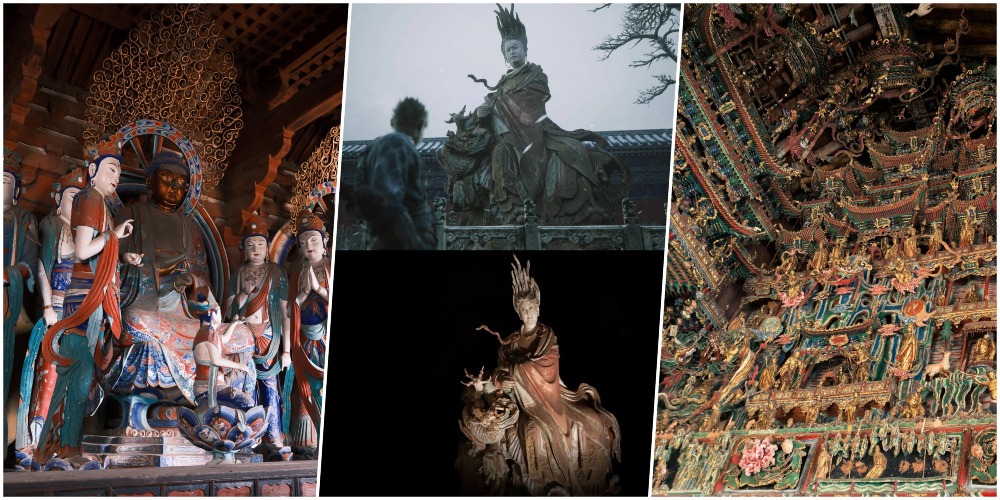
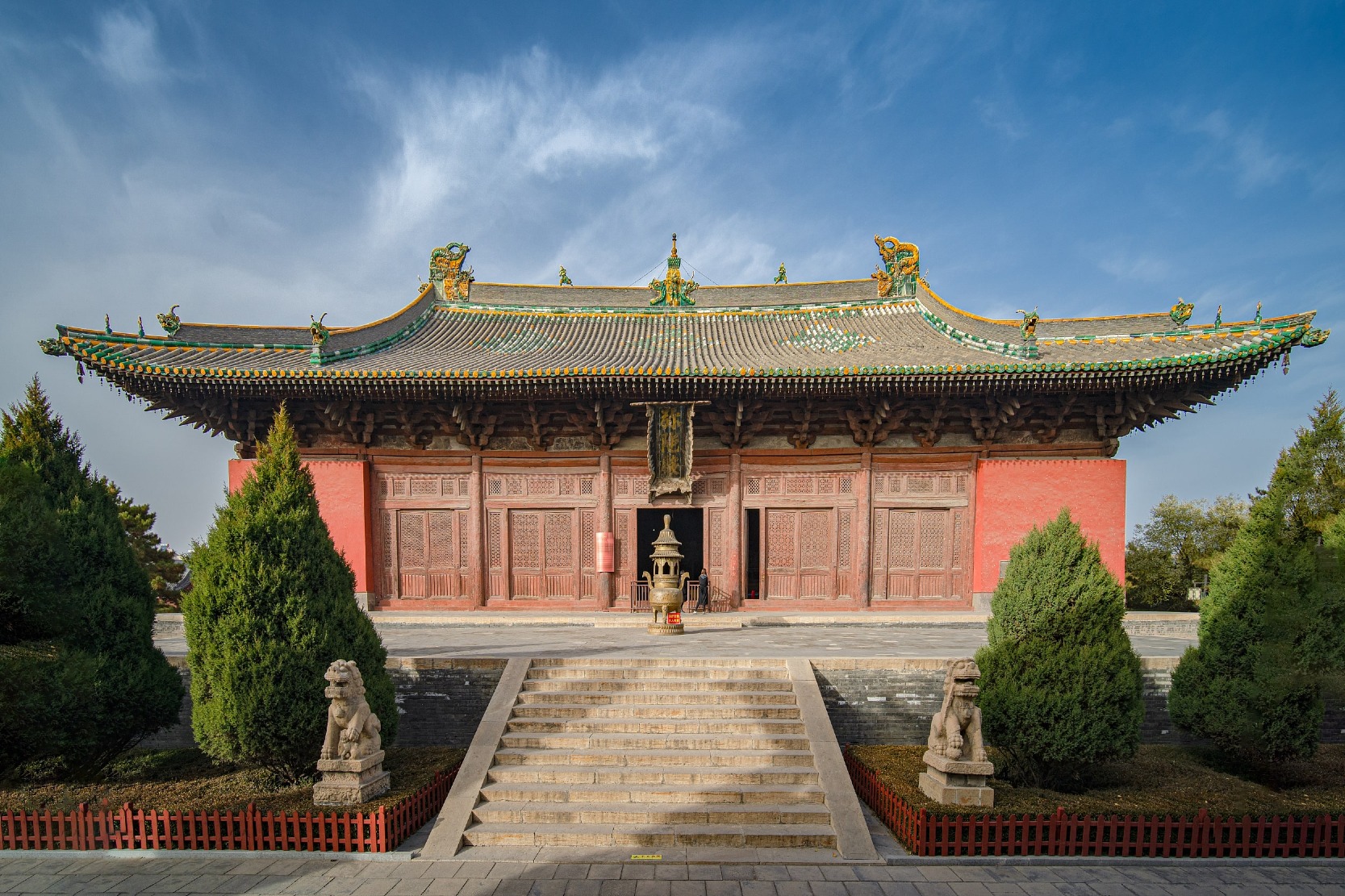
In Shuozhou (朔州) of Shanxi Province, there is a Buddhist temple named Chongfu Temple (崇福寺), which was built in the Tang Dynasty (618-907 AD), and served as an official residence called Lin Yamen (林衙署) during the Liao Dynasty.
The scene that appears in "Black Myth: Wukong" is the Maitreya Hall (彌陀殿) of the Chongfu Temple.
The Maitreya Hall is the main building of Chongfu Temple, standing on a 2.5-metre-high pedestal, and is a single eave hill-top structure with seven rooms wide.
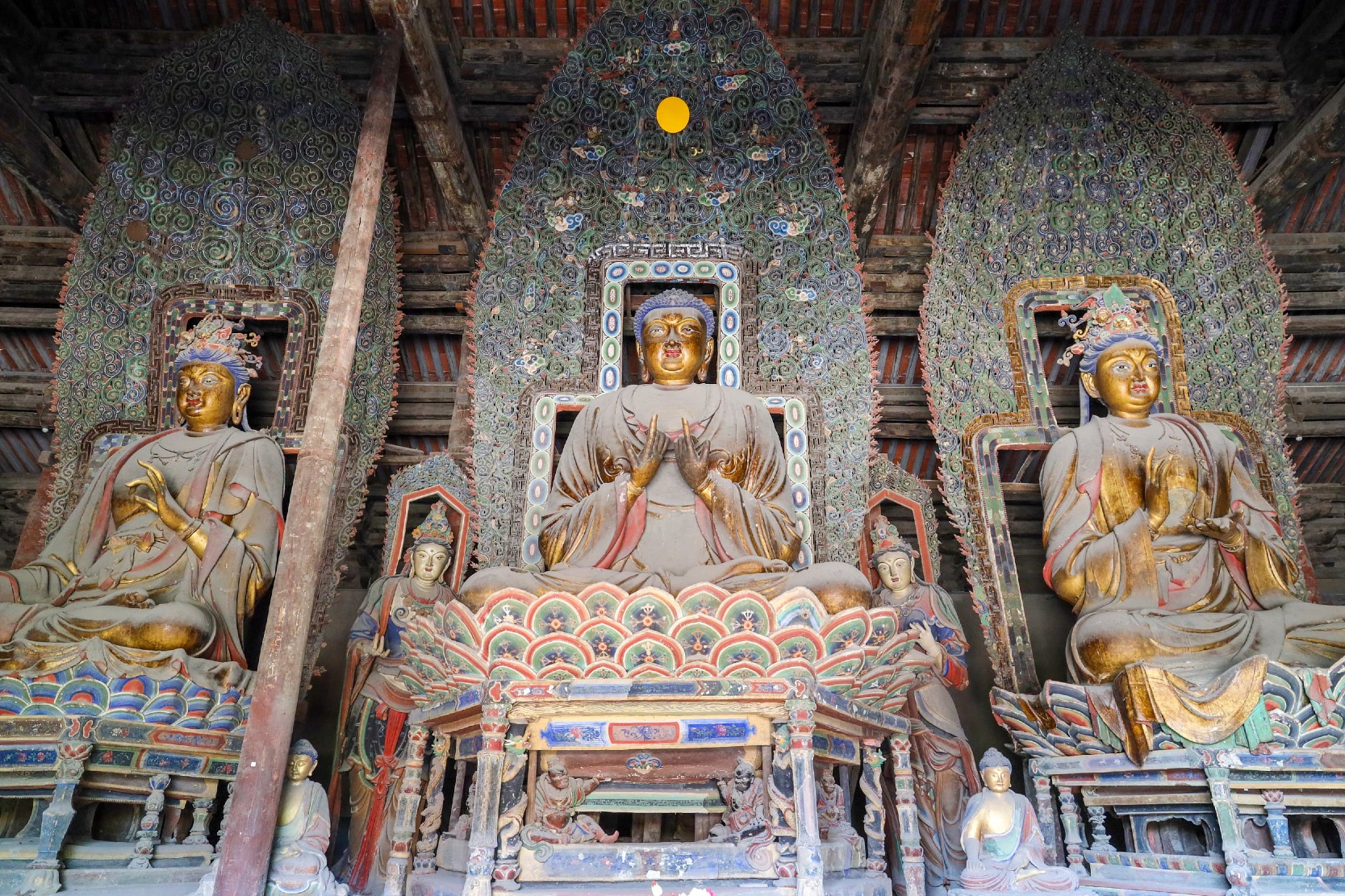
Be it the glazed elements on the roof, delicate patterns on the partition screens, or the grand Buddha statues, Chongfu Temple manifests the elegance of Tang and Liao dynasties.

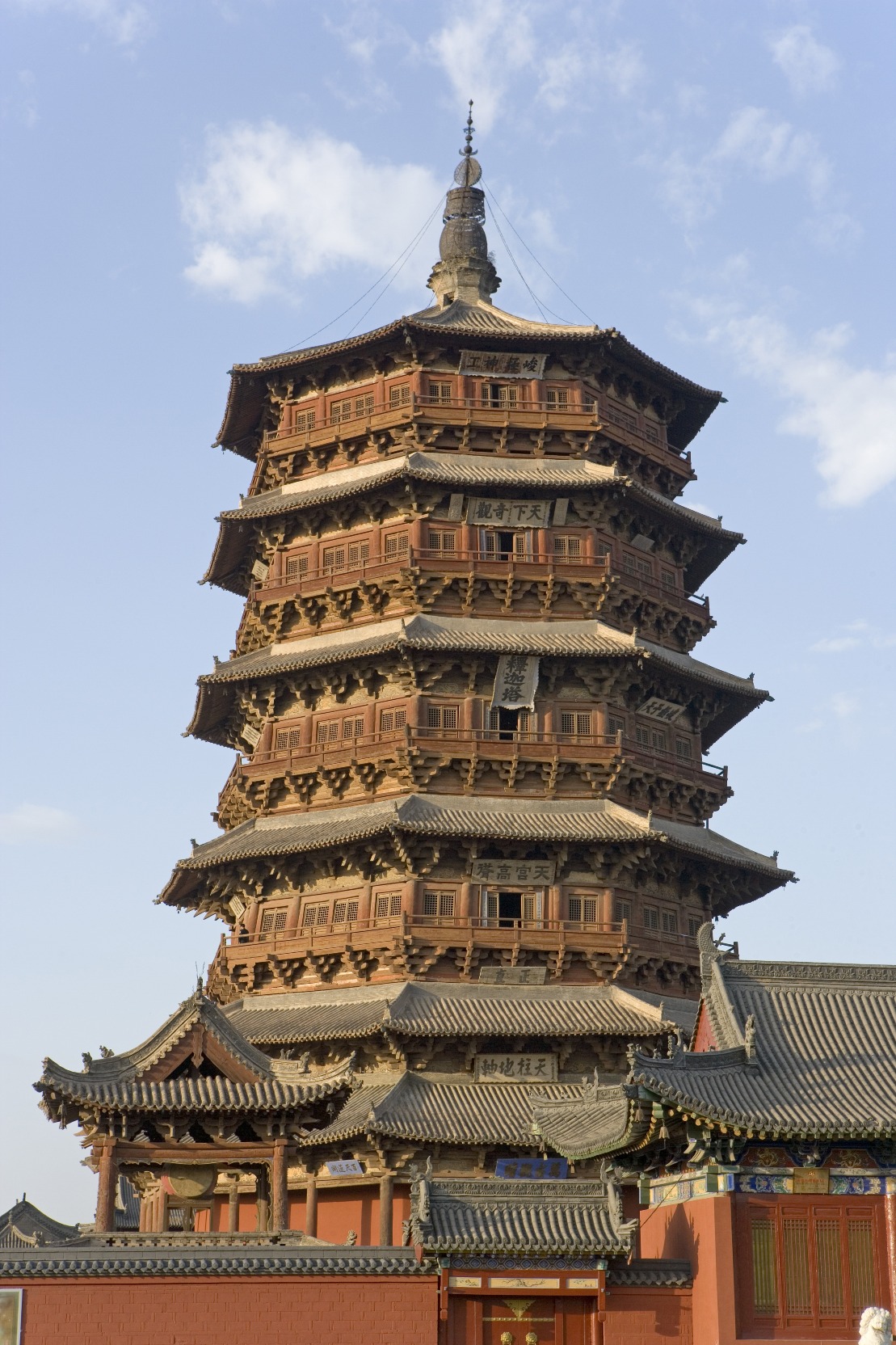
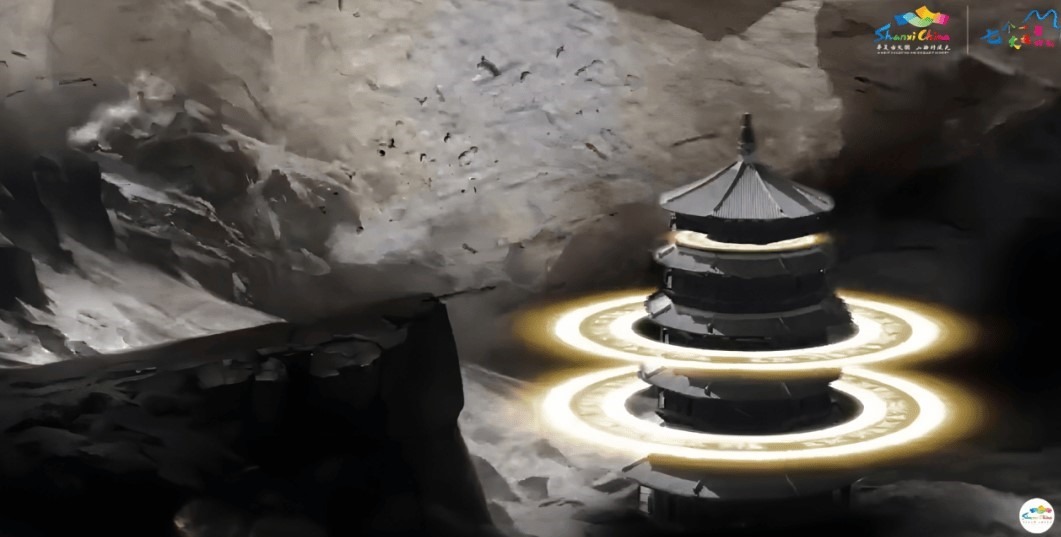
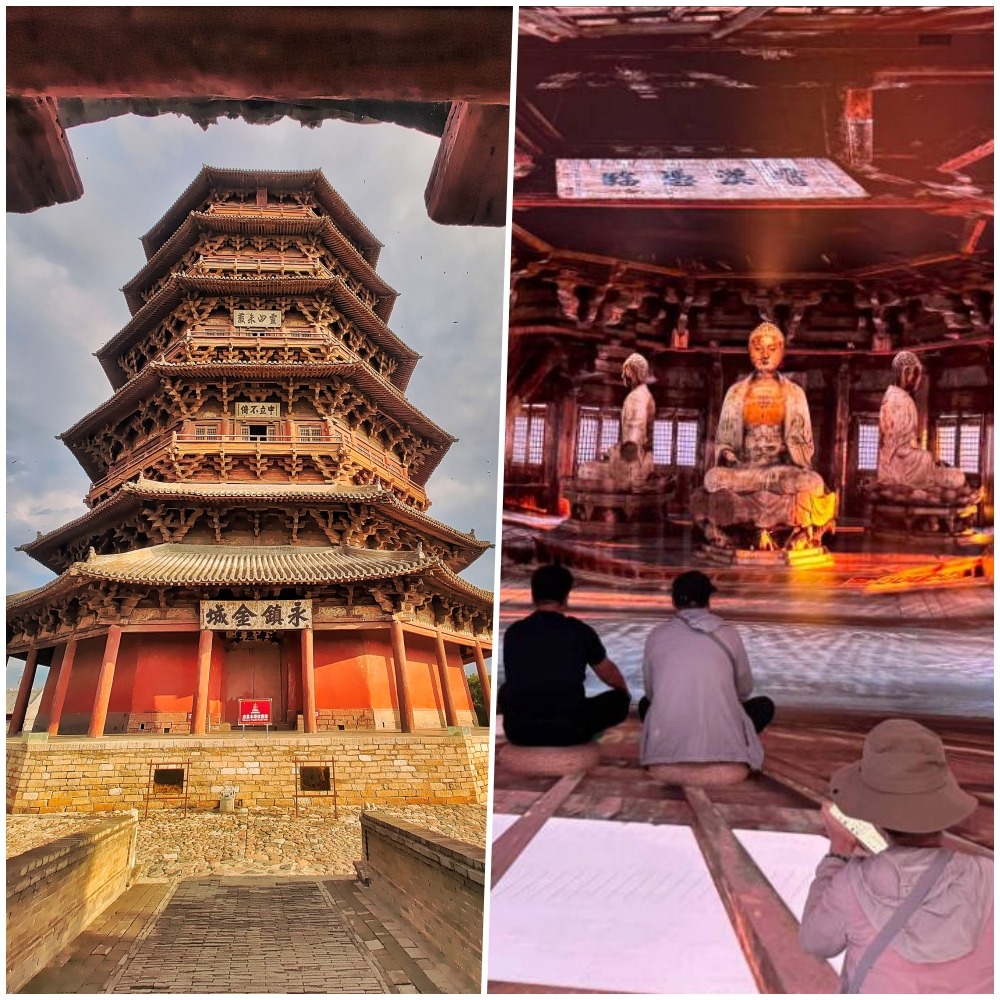
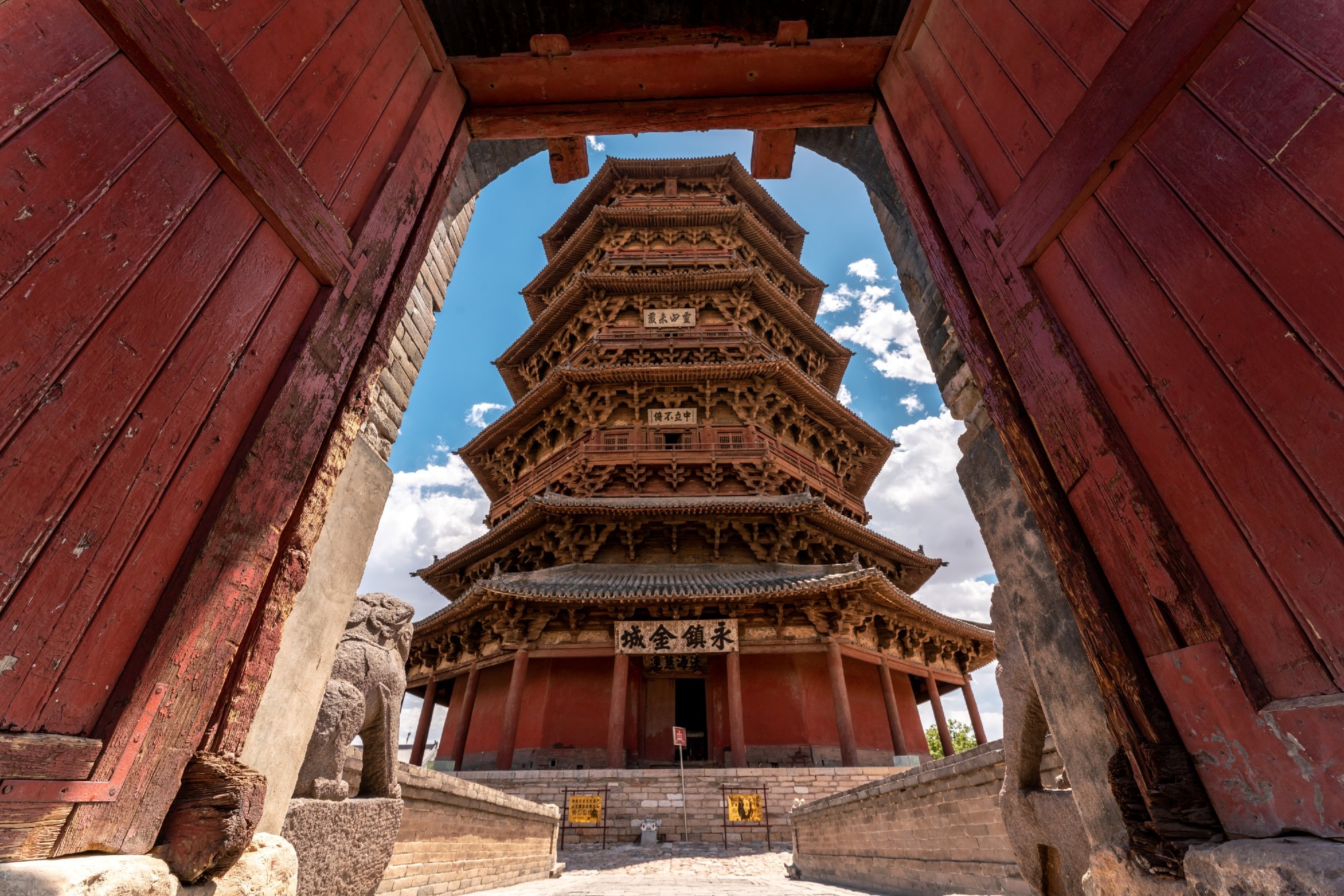
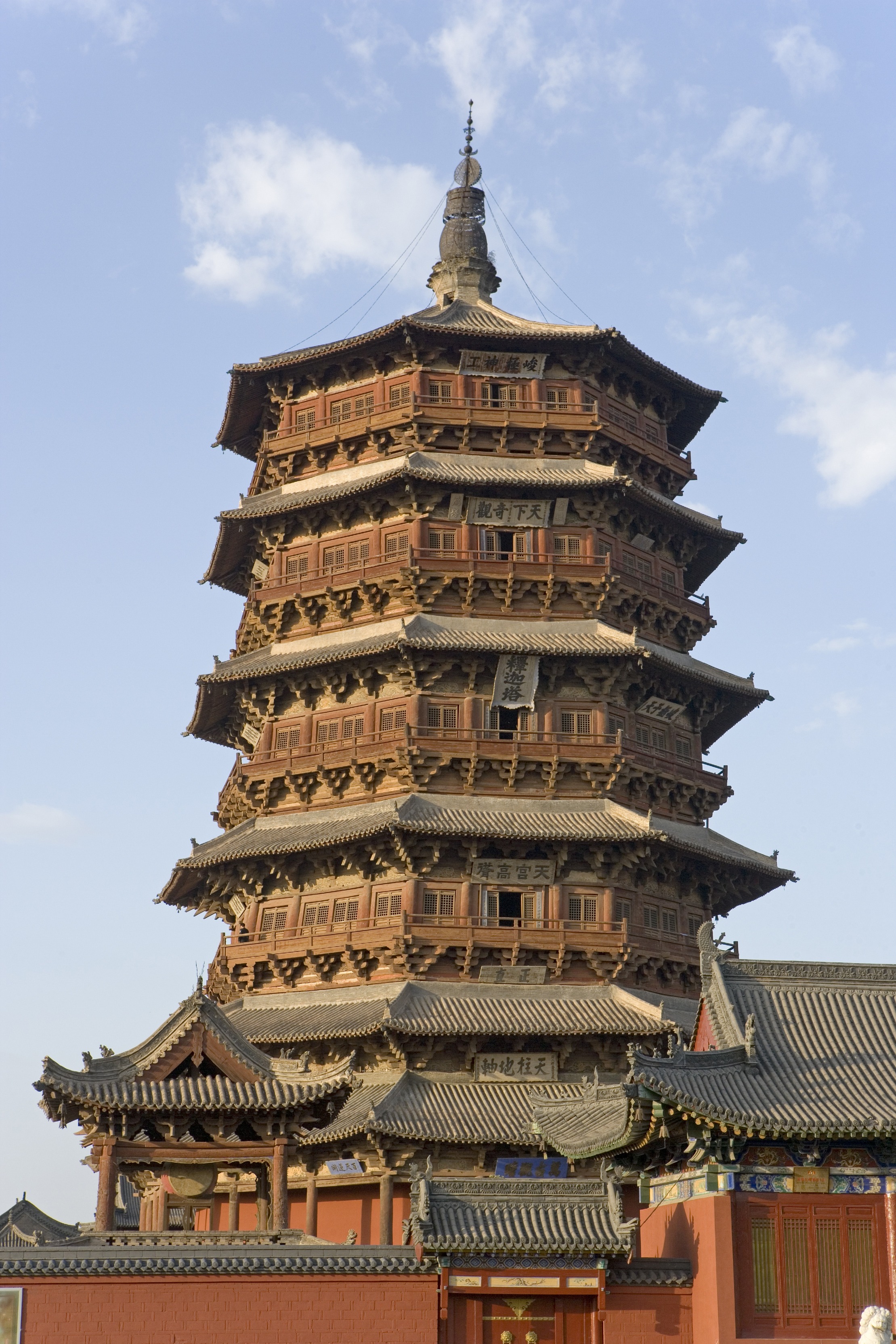
The Fogong Temple Wood Pagoda (佛宮寺釋迦塔 or 應縣木塔), which also located in Shuozhou, was established in the Liao Dynasty (907-1125 AD) and completed during the Jin Dynasty (1115-1234AD). It stands as China's oldest and tallest wooden pagoda-style architecture.
The structure of the Wood Pagoda is intricate, featuring advanced technical intricacies that modern man finds hard to replicate or imitate.
The method of restoration alone took architectural experts over 30 years of discussion. Even the renowned architect Liang Sicheng (梁思成) hailed it as a "unique masterpiece".
At the same time, the Fogong Temple Wood Pagoda is one of the "three wondrous towers in the world", standing alongside the Eiffel Tower in Paris and the Leaning Tower of Pisa in Italy.
Read more: What are the four famous ancient towers in China?