Published : 2025-10-10
China's Palace Museum in Beijing opened on October 10, 1925.
Located within the Forbidden City in Beijing, the Palace Museum is a comprehensive museum established on the basis of the palaces and collections of the Ming and Qing dynasties. It is also the largest museum of ancient Chinese culture and art to date.
In October 1924, warlord Feng Yuxiang (馮玉祥) carried out a coup and overthrew the then-President of the Republic of China, Cao Kun (曹錕).
In November of the same year, the Regency Cabinet, led by Huang Fu (黃郛), decided to revise the "Articles of Favourable Treatment of the Great Qing Emperor after His Abdication".
They forced the last Qing emperor Puyi (溥儀), who had abdicated but still retained the title of Emperor, to leave the Forbidden City.
Under the command of warlord Feng Yuxiang, Li Shizeng (李石曾) subsequently took over the Forbidden City. Li suggested establishing two committees, responsible for inventory and registration of items.
By September 1925, the Post-Qing Dynasty Committee had established the "Provisional Organisation Outline of the Palace Museum" and the "Interim Board of Directors Organisational Charter of the Palace Museum".
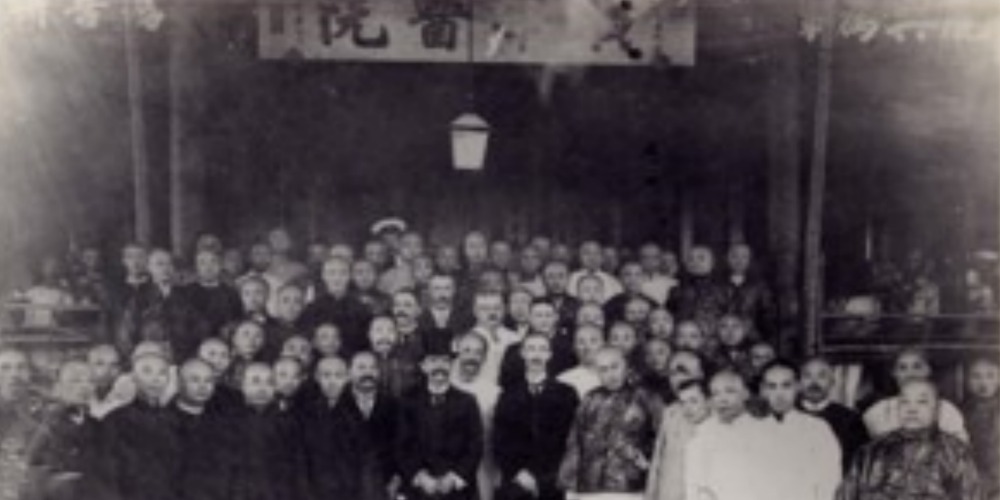
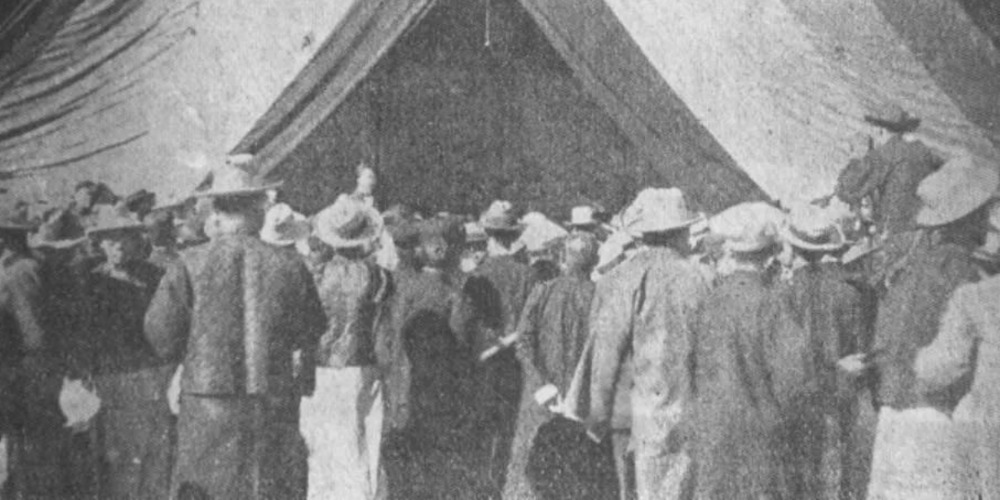
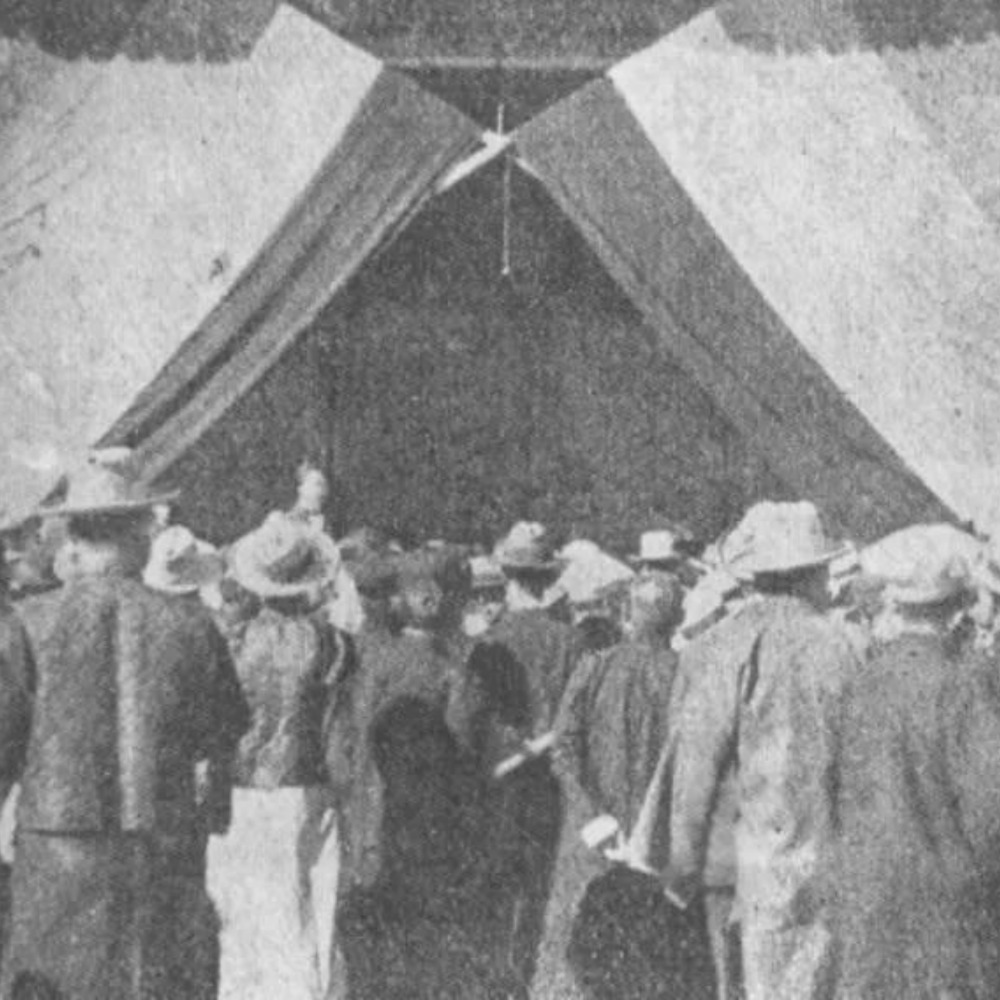
On October 10 of the same year, the Palace Museum officially opened. The Chinese characters on the plaque of the "Palace Museum" were written by Li Shizeng.