Published : 2025-10-11
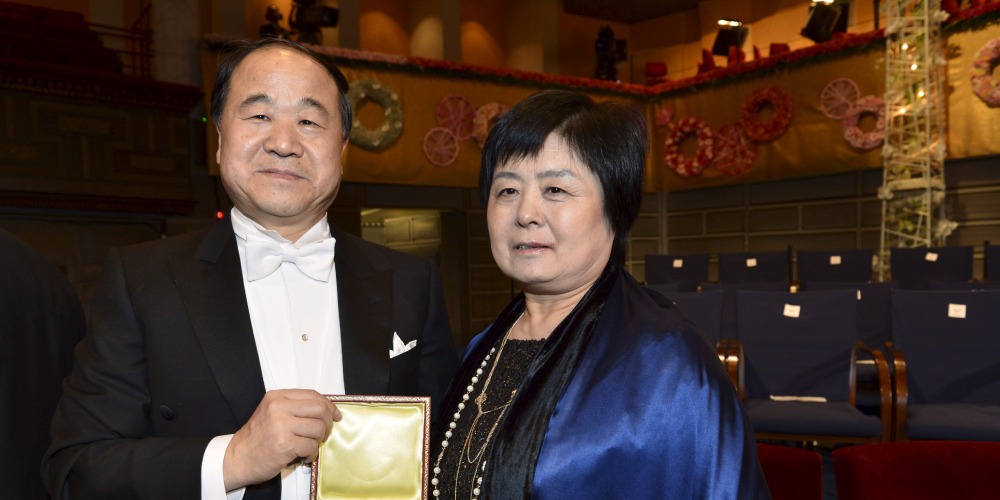
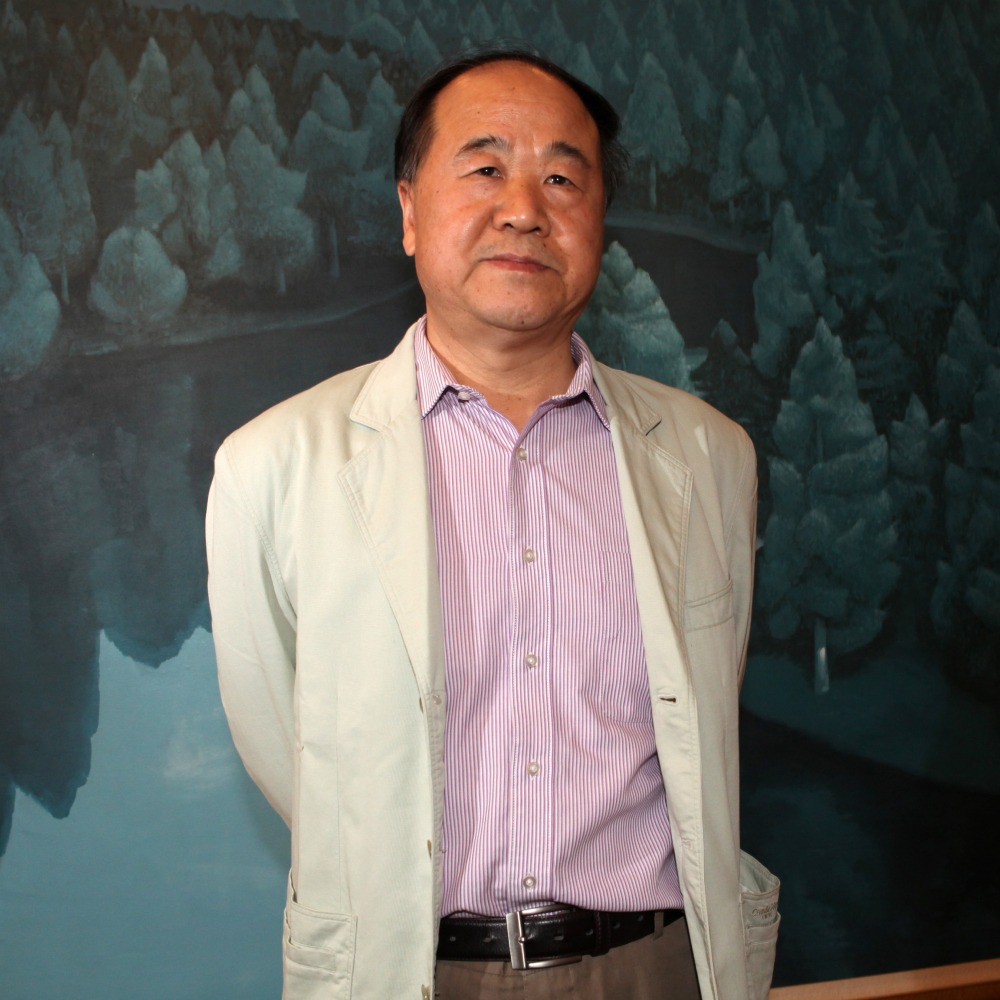
On 11 October 2012, the Swedish Academy announced that the 2012 Nobel Prize in Literature was awarded to the Chinese writer Mo Yan (莫言).
The laureate of that year would receive a prize of 8 million Swedish kronor (approximately 1.14 million USD) in recognition.
Peter Englund, Permanent Secretary of the Swedish Academy, announced the laureate's name at noon that day in the Swedish Academy's conference hall, first in Swedish and then in English. At the time, he pointed out that the Chinese writer Mo Yan's "hallucinatory realism merges folk tales, history, and the contemporary".
In addition, in an exclusive interview with Xinhua News Agency, one of the Nobel Prize in Literature committee members, the Swedish Sinologist Göran Malmqvist, also praised Mo Yan as a very good writer, stating that his works are very imaginative and have a great sense of humour, and that he is very good at storytelling. Mo Yan winning the Nobel Prize in Literature on this occasion can further introduce Chinese literature to the world.
Mo Yan was born on 17 February 1955. His original name is Guan Moye (管謨業) and he is a native of Gaomi, Shandong Province.
In 1981, Mo began to publish his works. His series of works about rural life are filled with the complex emotions of "nostalgia for the homeland" and "resentment for the homeland", and he is known as a "Root-seeking literature" writer.
Major works written by Mo Yan include Big Breasts & Wide Hips (《豐乳肥臀》), Frog (《蛙》), Red Sorghum (《紅高粱家族》), Sandalwood Death (《檀香刑》), Life and Death Are Wearing Me Out (《生死疲勞》), and Pow! (《四十一炮》), etc.
Among them, Red Sorghum Clan was translated into more than 20 languages and distributed worldwide, was adapted into a film by director Zhang Yimou, and subsequently won international awards. In addition, the long-form novel Frog won the 8th Mao Dun Literature Prize in 2011.