Published : 2026-04-24
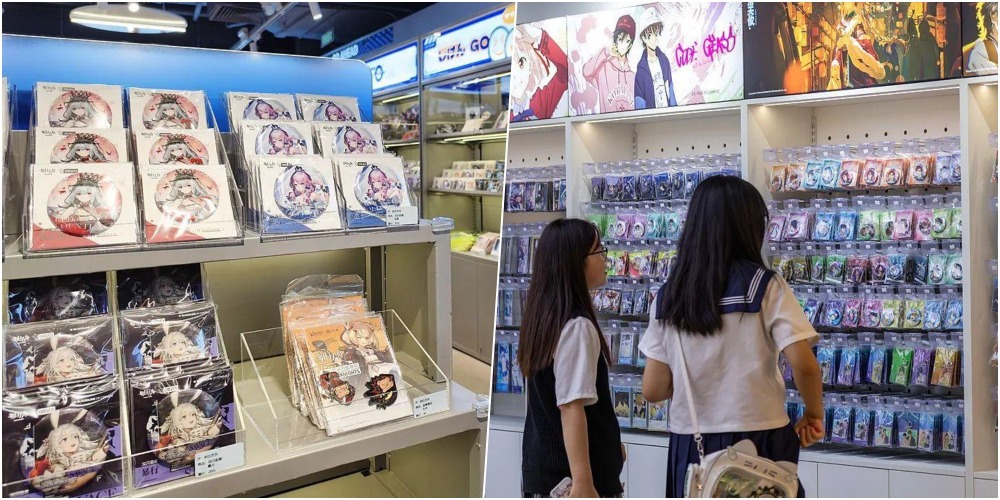
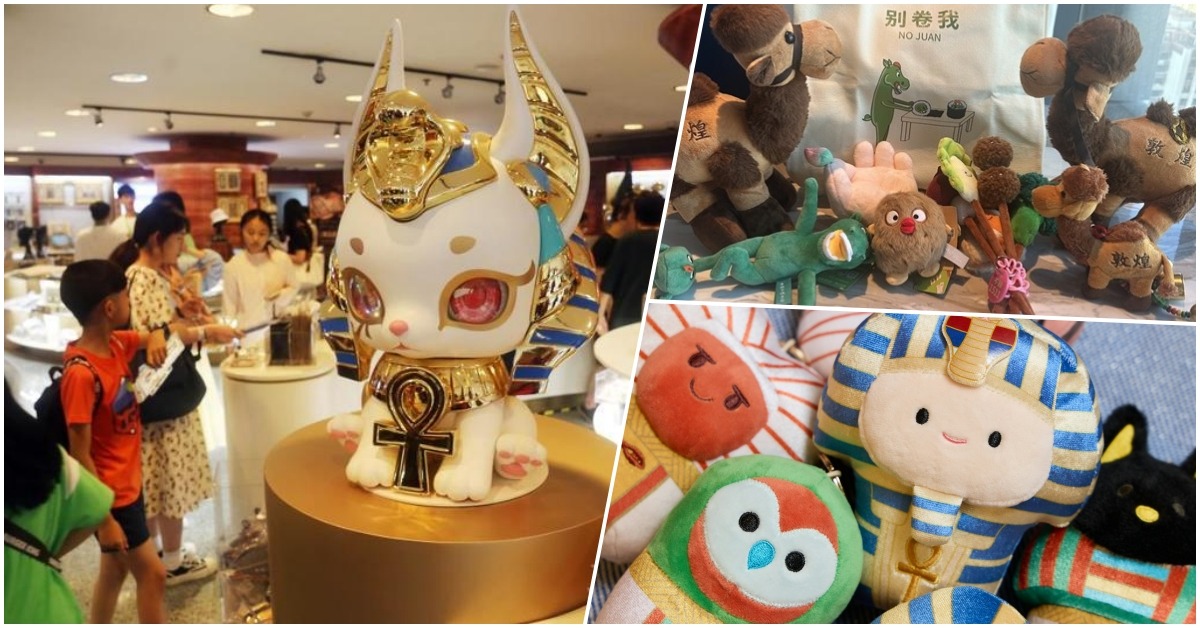
Two months after its opening, the exhibition "Ancient Egypt Unveiled: Treasures from Egyptian Museums" held in Hong Kong Palace Museum (HKPM) has attracted nearly 190,000 visitors, and its cultural and creative blind boxes have sparked a buying frenzy.
This exhibition was previously stationed in Shanghai for 13 months, with revenue from cultural and creative activities and peripheral products reaching 440 million RMB, making it arguably the "sales champion" among its peers.
Besides blind boxes, what are the new trends of Chinese Mainland museums? Why has the "museum economy" emerged in China?
New museum experiences: Carnivals, canteens, and escape rooms
In recent years, the "museum fever" in China has continued to heat up, boosting the "museum economy".
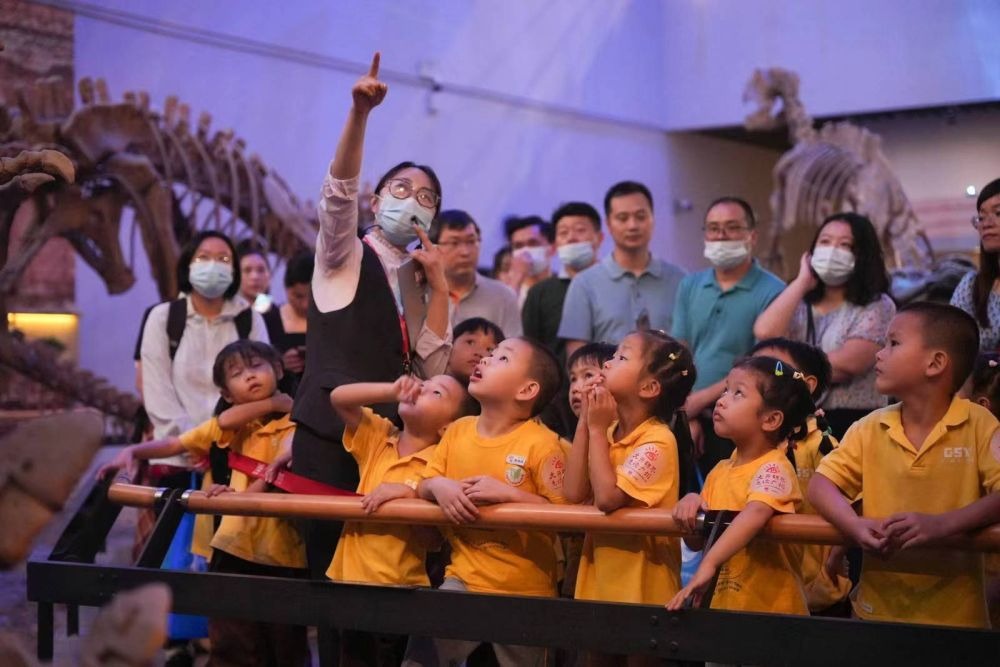
According to data from the National Cultural Heritage Administration, museums nationwide received 304 million visitors during the summer of 2025, an increase of 7.96 million from the 296 million visitors during the summer of 2024, a year-on-year increase of 2.6%, setting a new historical high.
As part of the "museum economy", in 2025, the revenue from cultural and creative products of museums nationwide surpassed the total of the previous year in just six months, reaching 9.7 billion RMB.
Viewing artefacts and buying creative merchandise are just the basics; what else is trending in Chinese Mainland museums?
The aforementioned exhibition "The Civilization of Ancient Egypt" in Shanghai operated round-the-clock with a series of carnival events in the run-up to its closing, which sparked a frenzy that saw nearly 500 lines of cultural and creative merchandise almost entirely snapped up.
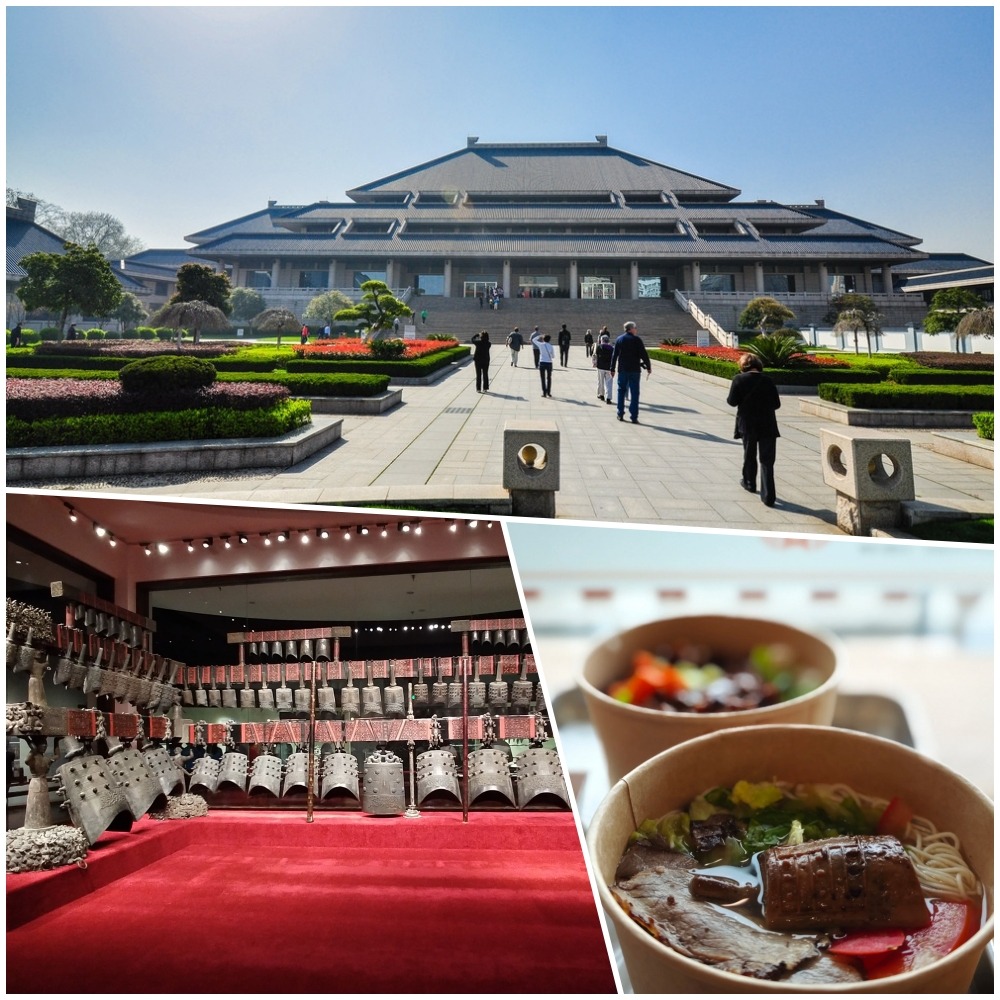
Have you ever tried eating a meal in a museum's canteen?
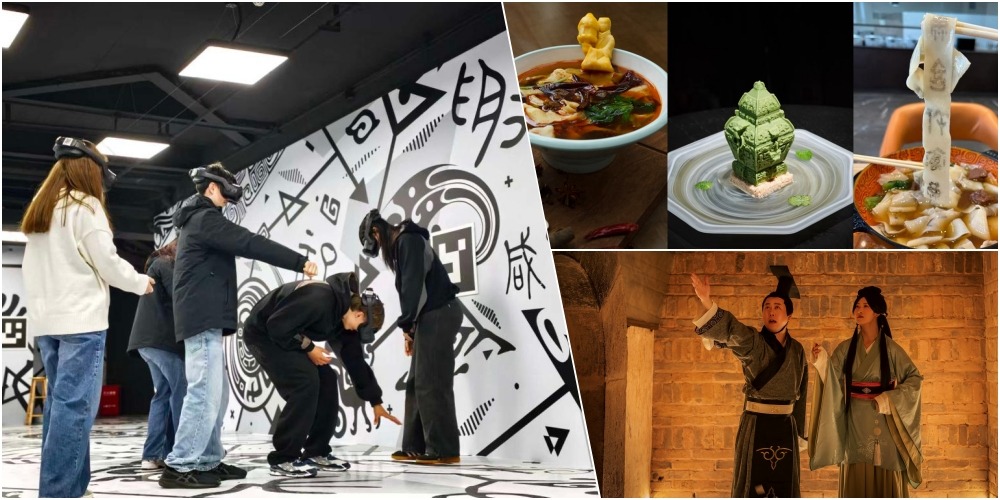
Recently, museums across China have been opening their own canteens, serving dishes inspired by their star attractions. Highlights include Chime Bell Beef Noodles and Min Fanglei Mousse Cake at the Hubei Provincial Museum, Oracle Bone Script Noodles at Yinxu Museum in Anyang, and Changxin Palace Lantern Noodles at the Hebei Museum.
These quirky, wallet-friendly creations have proven to be a huge hit with the public
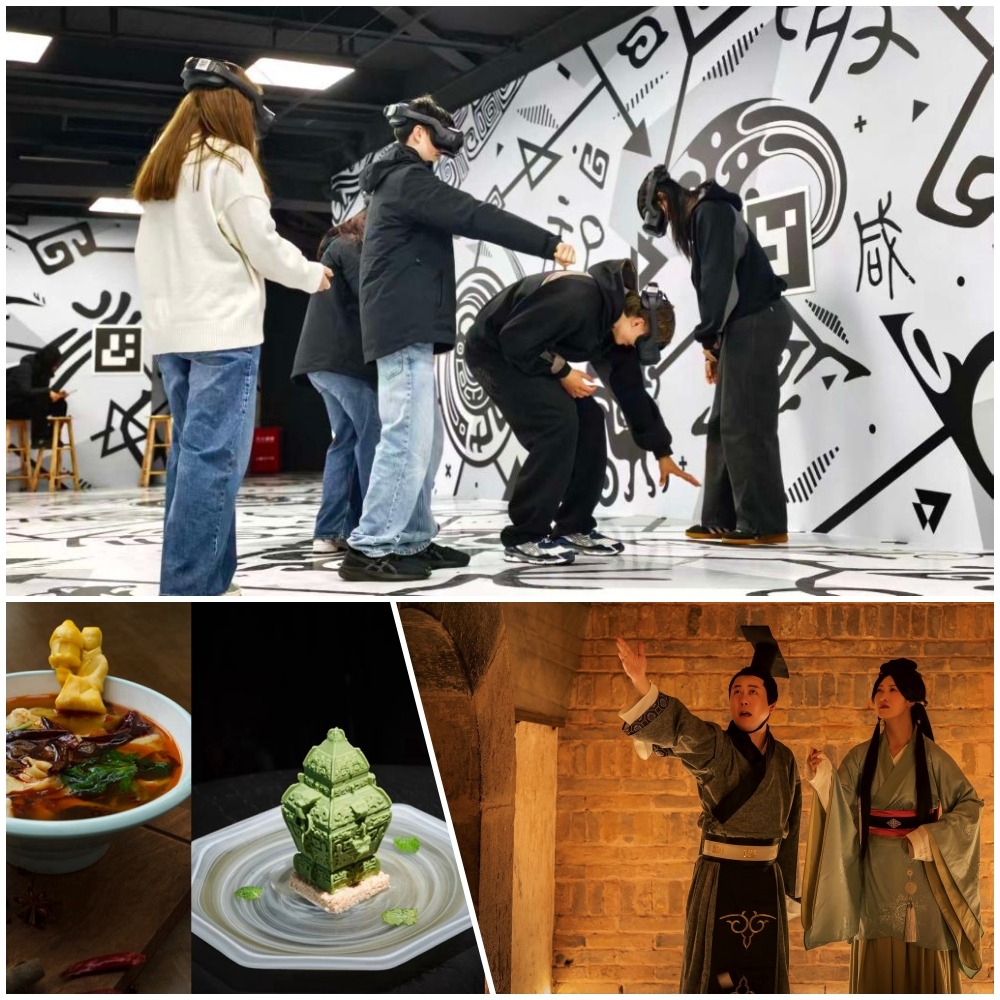
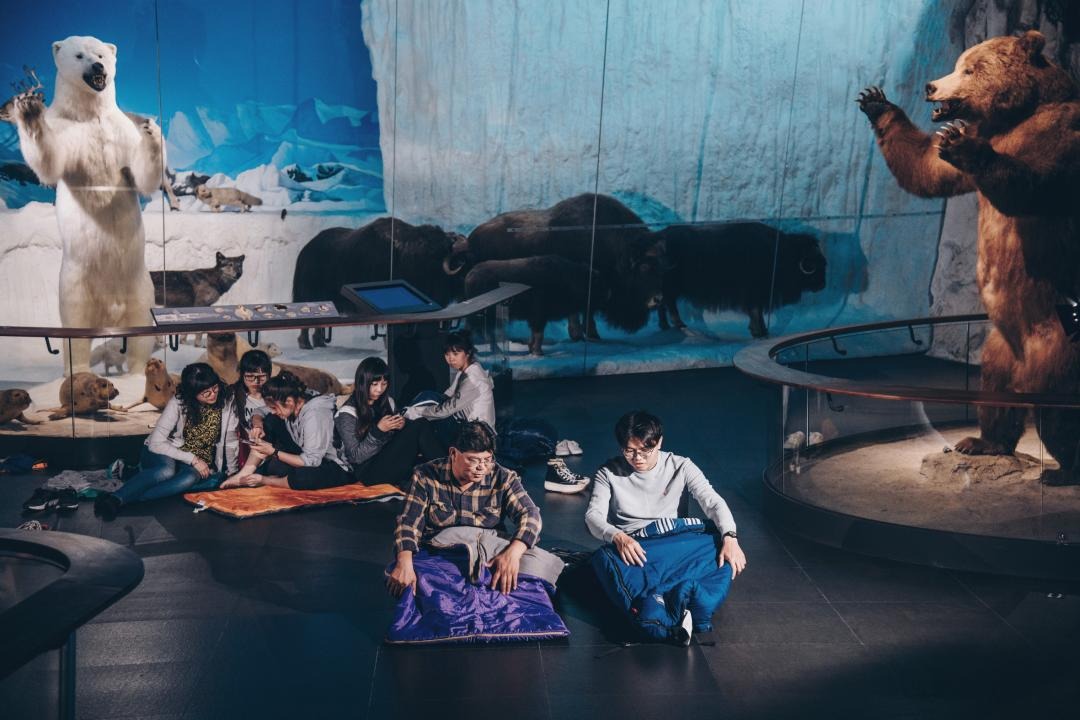
Young people nowadays love to play escape rooms, so the Luoyang Museum of Ancient Tombs in Henan Province adapted to its local conditions and launched a night tour of exploration, allowing visitors to play a live action role-playing game in an ancient tomb.
Museum assets reimagined: The art of cross-boundary innovation
At the same time, with the development of smart technology, many museums in China are using their collection resources for cross-disciplinary innovation, and their exhibitions and services are also becoming more and more diverse.
For example, the Dunhuang Academy has launched the "Exploring Dunhuang—Digital Dunhuang Immersive Exhibition", which, focusing on Cave 285 of the Mogao Caves, provides interactive online explanations of the Dunhuang murals, as well as an in-depth offline VR experience.
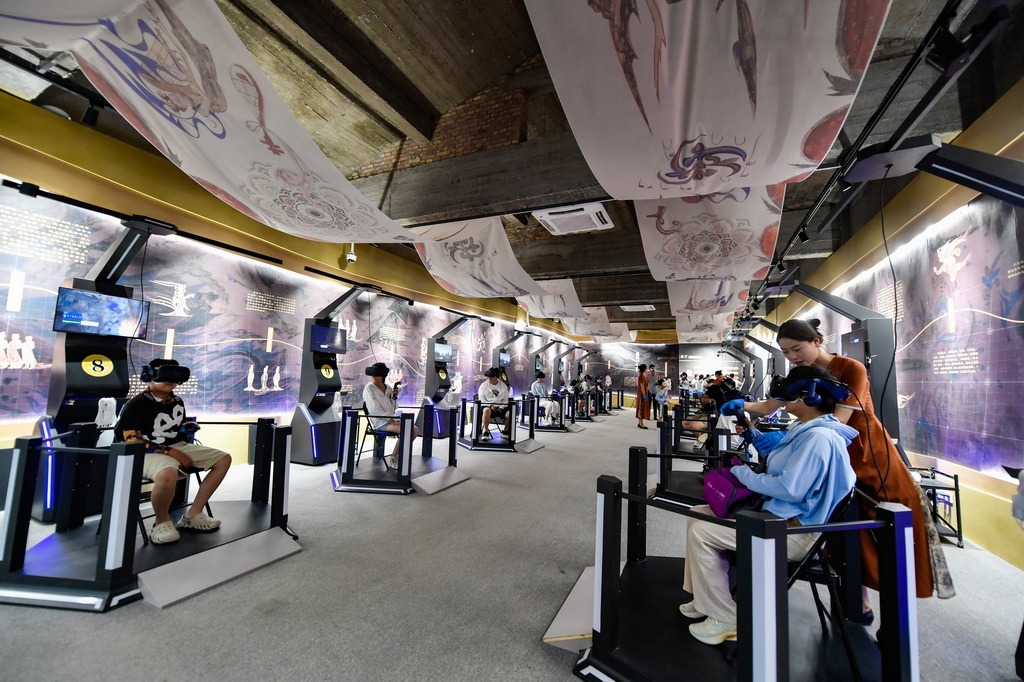
In Xi'an, the "Empire Code: The Mausoleum of Qin Shi Huang" immersive XR experience brings the legendary tomb of the First Emperor, Qin Shi Huang, to life. By merging state-sponsored geophysical data with full-immersive XR, the ancient descriptions of "countless palaces and rare wonders" are no longer confined to history books—they have become a stunning visual spectacle for every visitor to experience.
This exhibition has successfully gone overseas, and the first authorised overseas experience store has opened in Vancouver, Canada.
Forms such as "cloud museums", digital immersive exhibitions, H5 interactive games, and digital cultural and creative products bring the museum experience to computers and mobile phones, enriching the development and licensing of digital assets.
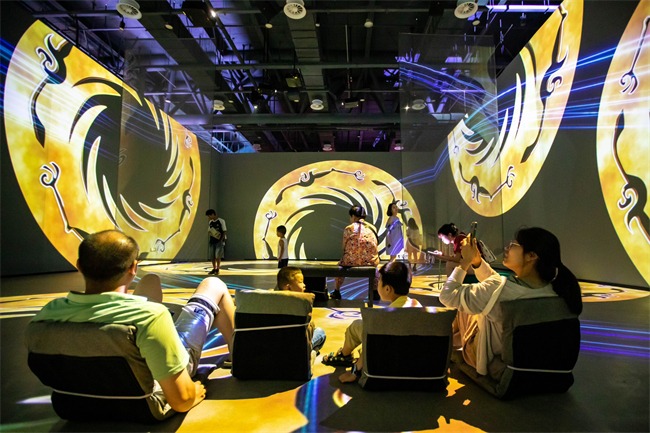
Today, the number of users of China's digital museums has reached hundreds of millions. These aforementioned forms have also upgraded the museum economy in terms of both content and effectiveness.
Where does the "museum fever" in China come from?
With museums using various novel strategies to attract fans, where exactly does this "museum fever" come from? The fundamental reason is strong support at the national level.
In May 2021, nine national departments including the Ministry of Culture and Tourism and the National Cultural Heritage Administration issued guiding opinions on promoting the reform and development of museums, which clearly stated the goal of building China into a global museum powerhouse by 2035.
One of the key points of these guiding opinions is to integrate the development of museums at different levels and advance it in three main directions.
First, to create 10 to 15 world-class museums.
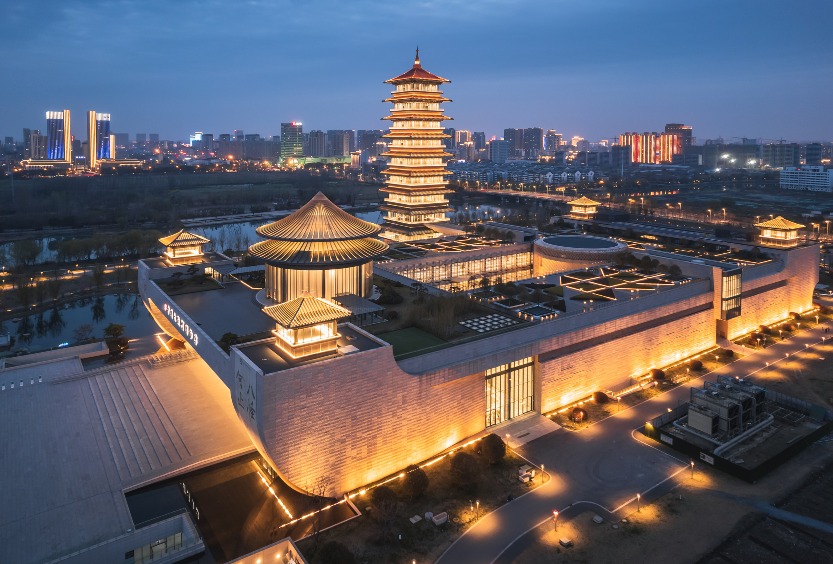
As of 2024, the number of national first-grade museums has risen to 327. The fifth batch saw 123 new additions, the most in history.
In addition, according to a recent museum report by the Themed Entertainment Association (TEA), Chinese museums occupied 14 of the top 20 spots for the most visited museums worldwide.
Among them, the Palace Museum in Beijing, the Wuhou Shrine Museum in Chengdu, and the Mausoleum of the First Qin Emperor in Shaanxi took the top three spots respectively, all with visitor numbers exceeding 10 million in 2024.
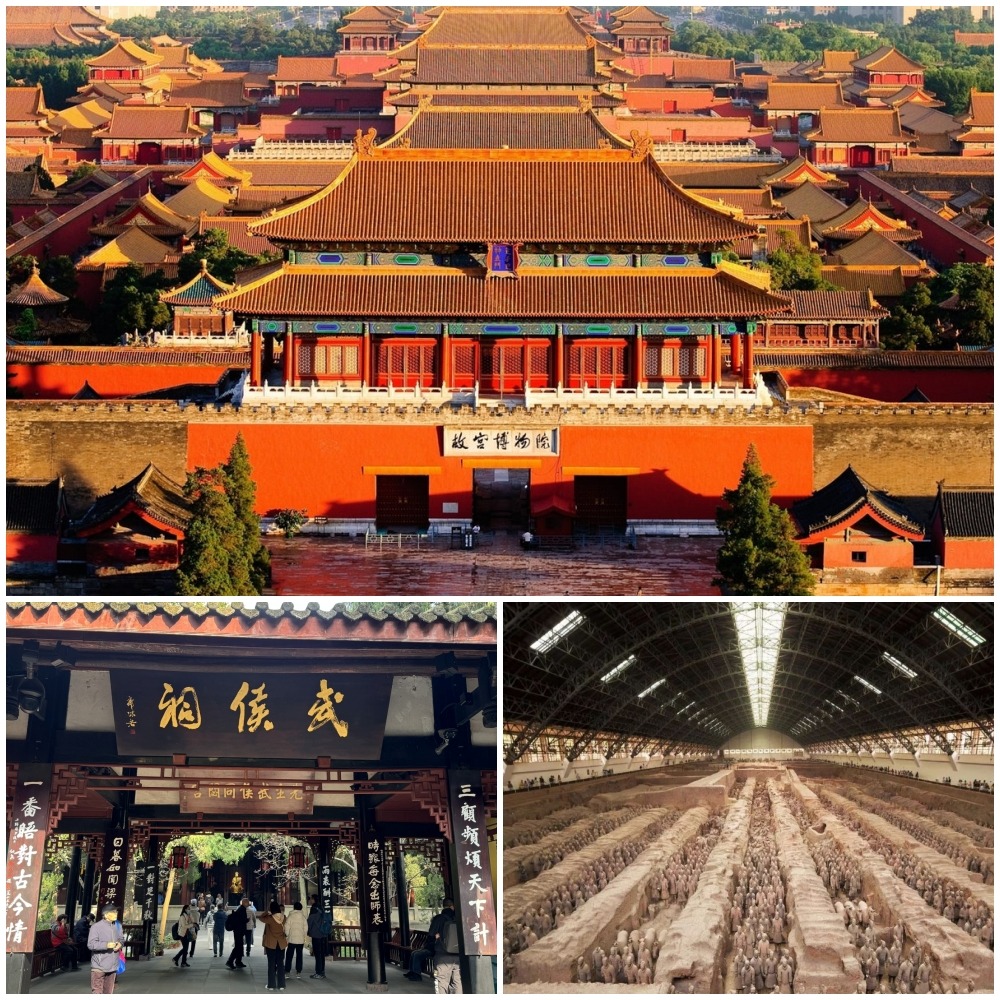
It is not difficult to see that Chinese museums are undergoing a transformation from quantity to quality, with their international influence greatly increasing as they move step by step towards becoming world-class.
Secondly, supporting the specialised development of provincial and municipal museums.
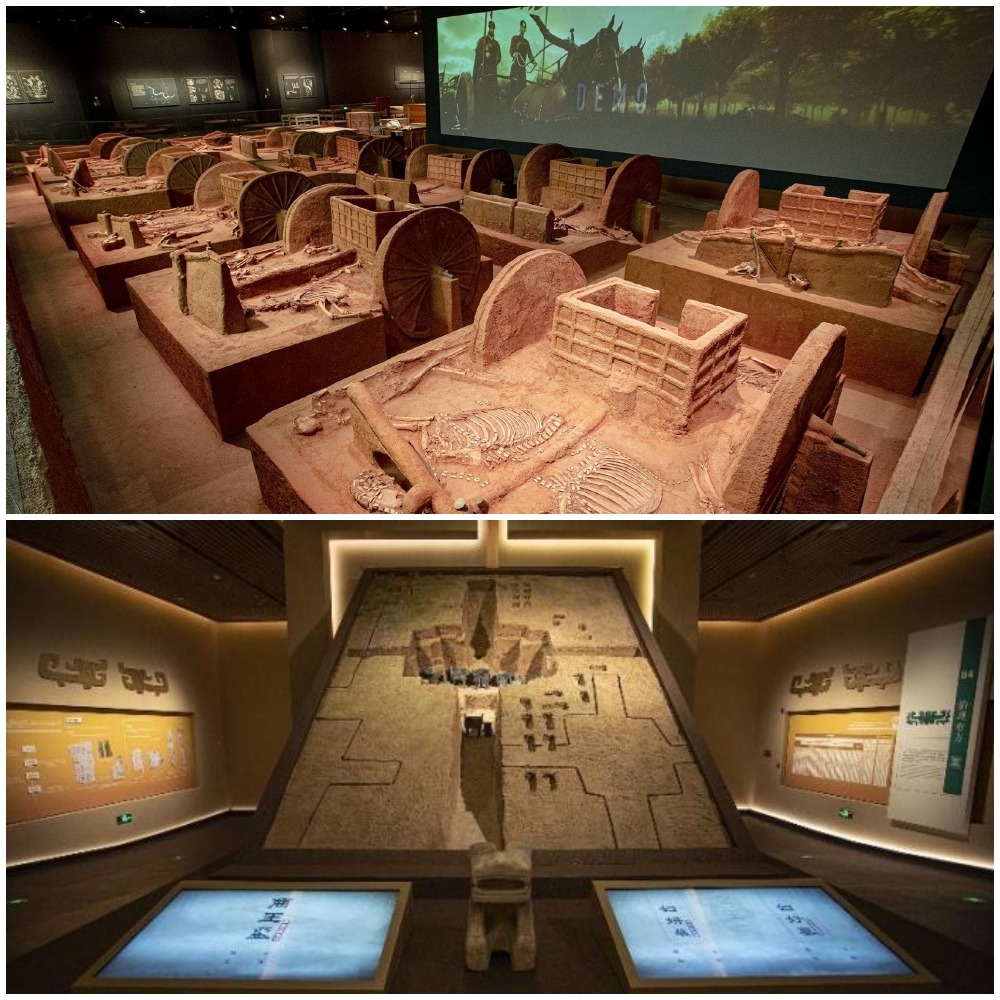
Take the new hall of the Yinxu Museum in Anyang, Henan Province as an example. Opened in 2024, it has been a breath of fresh air. Through the clever use of AI and naked-eye 3D, its immersive digital displays and interactive screens have reimagined ancient Shang Dynasty artefacts for the modern age, making the museum-going experience more vivid and exciting than ever before.
Thirdly, small and medium-sized museums are advancing enhancement plans to revitalise grassroots resources.
Many small and medium-sized museums are actively innovating. For instance, the Wuwei City Museum, in addition to developing cultural and creative products, has also launched a series of brand activities such as seasonal mobile exhibitions and boutique courses for schools.
How can the museum economy sustain its success with uneven popularity?
Although there is policy support, in the long run, the development of the museum economy still faces many challenges. What is more significant is that there is a structural imbalance among museums of different sizes.
Currently, there are 7,046 museums nationwide, with small and medium-sized museums accounting for 70%, but due to limitations in resources and talent, not many have truly become popular sensations.
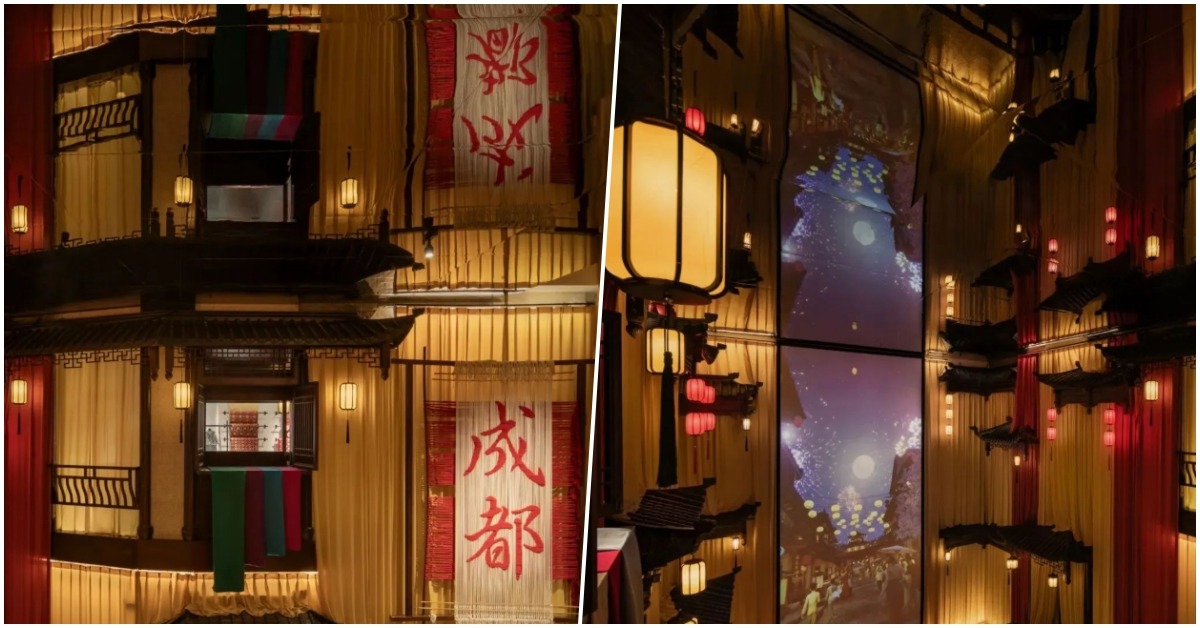
For the big-name museums, success has brought its own set of problems: a scramble for tickets, packed exhibition halls, and an experience that falls far short of expectations. There are also concerns over the 'flash-in-the-pan' nature of creative products and the repetitive development of museum-based IPs.
Some museums have cancelled closing days, extended opening hours, or launched night tours to alleviate this. How to manage visitor flow and improve the exhibition experience still requires more solutions.
Nowadays, the museum economy is becoming increasingly popular. A research report predicts that in the future, the market size of China's museum industry may grow to over 2 trillion RMB.
However, operating museums is different from running a typical business. Its purpose is not to make the most money. Spreading culture is the top priority, and cultural heritage is the secret to attracting visitors.
Under the state's robust support for museum reform, the museum economy now serves as a bridge between modern consumption and cultural heritage. Only by truly bringing relics to life and allowing culture to ignite public passion can this sector achieve enduring success.
Read more: 812 Museums|The city with the highest number of museums in China