Published : 2025-07-09
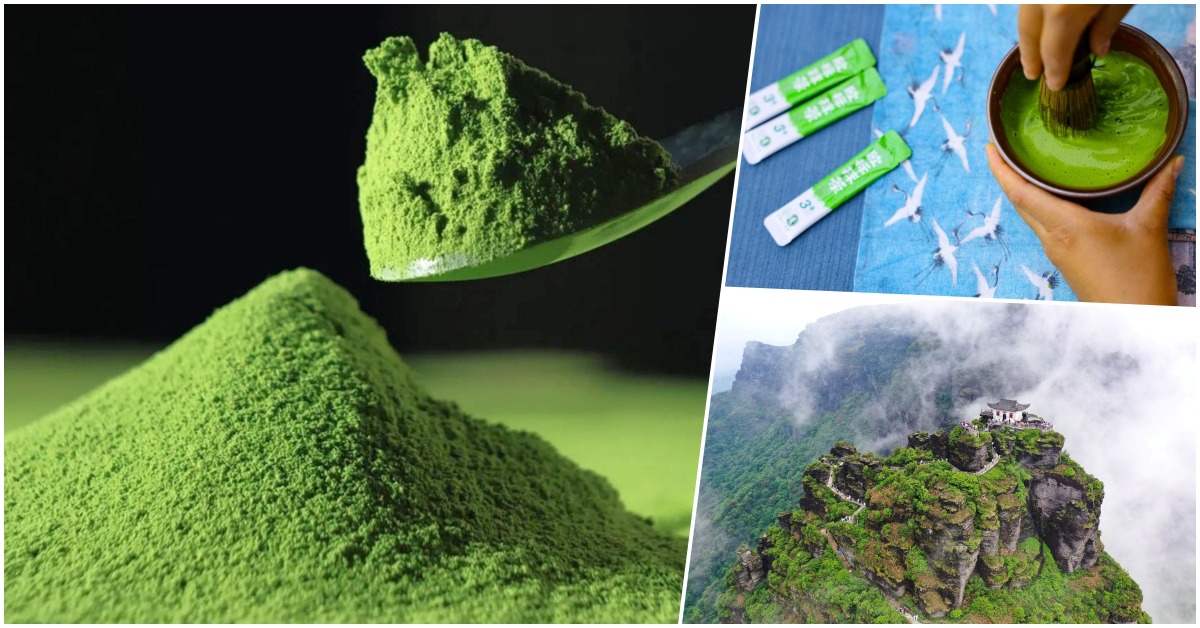
When it comes to matcha, people might think of Japan first, but in recent years, the raw material for many matcha products might actually come from China.
Tongren City in southwest China's Guizhou Province is home to the world's largest single-site matcha factory. Its products are exported to over 40 countries and regions. This year, it has begun large-scale exports to Japan.
What has enabled Guizhou-made matcha to rise so prominently in recent years, becoming a new local specialty and even a national standout? Let's take a closer look at this small city nestled in the mountains.
Guizhou matcha exported to over 40 countries
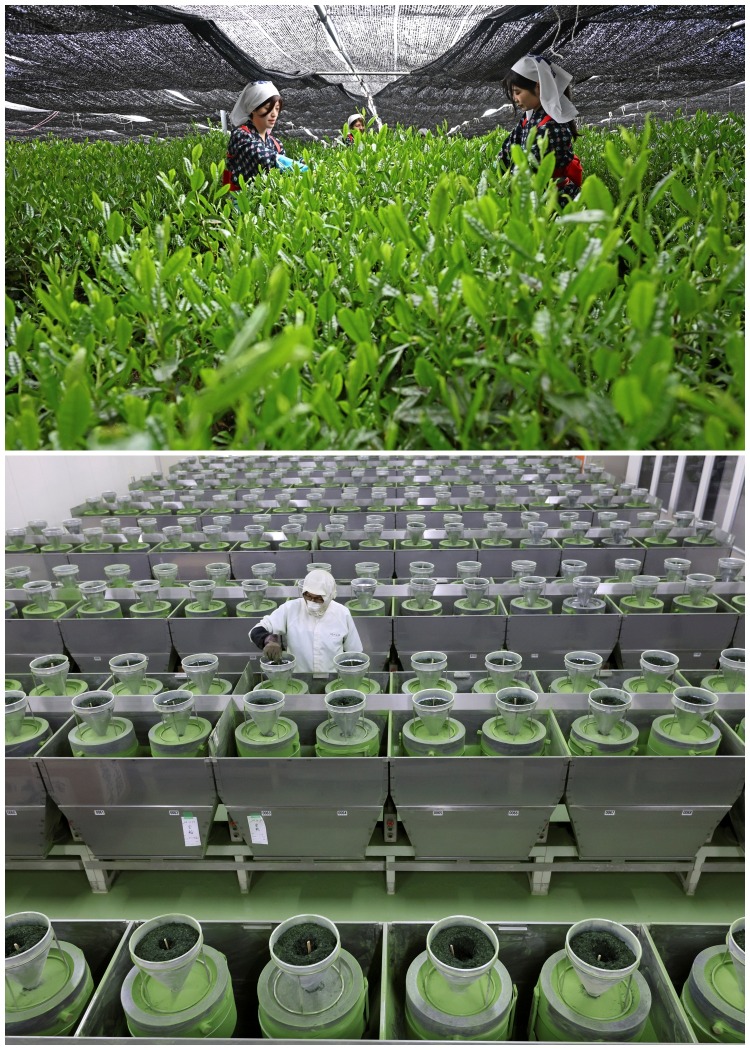
Data from Japan's Ministry of Agriculture, Forestry and Fisheries shows that by 2024, green tea exports including matcha will reach 240 million USD, a 25% increase year-on-year. However, despite the explosive demand, there is a shortage in production capacity.
Aging of tea plant varieties, labour shortages, abnormal weather, and supply chain fluctuations are causing Japan's matcha production capacity to approach its ceiling.
On the other hand, Chinese matcha is rapidly rising. It is expected that by 2025, China's total matcha production will exceed 5,000 tonnes, firmly holding the No.1 position globally.
In China, Guizhou matcha already accounts for one-quarter of the country's total matcha production; in terms of export volume, Guizhou matcha is exported to more than 40 countries and regions worldwide, making it No.1 in China and 3rd in the world.
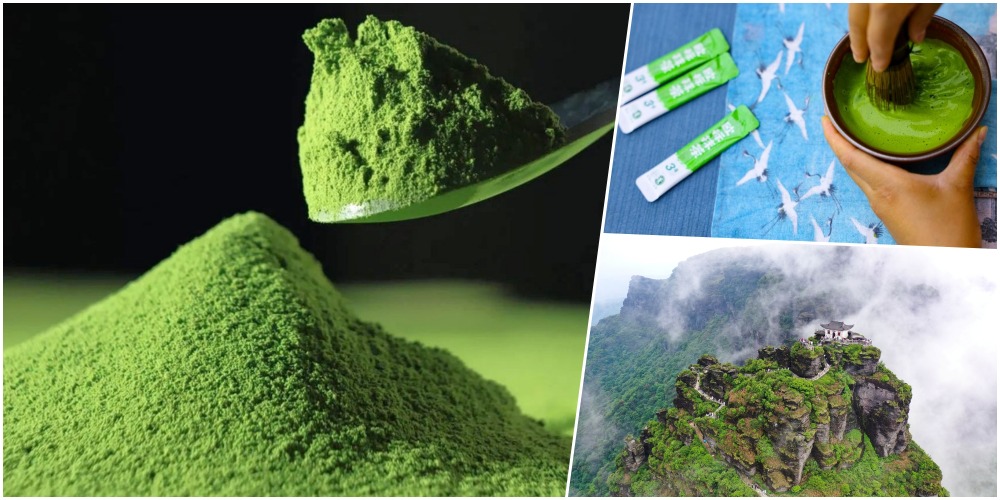
And the major area of matcha production in Guizhou, known as the "Matcha Capital of China", is located in Jiangkou County, Tongren City (銅仁市江口縣), at the foot of the World Natural Heritage Fanjingshan (梵淨山), or Mount Fanjing.
In addition, Hangzhou and Shaoxing in Zhejiang Province are also major production areas for domestic matcha.
Read more: Fanjing Mountain, the "Fairyland on Earth"
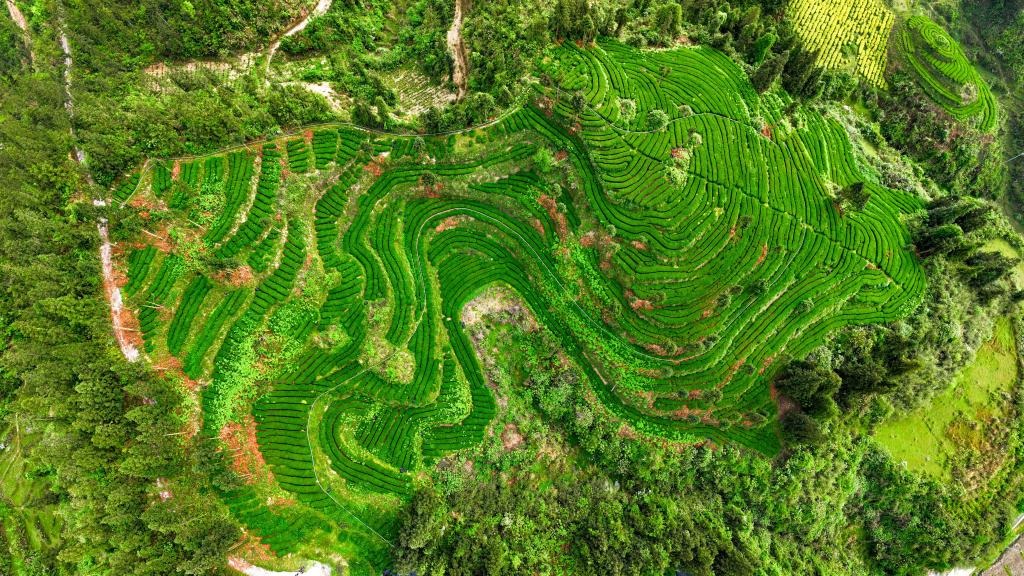
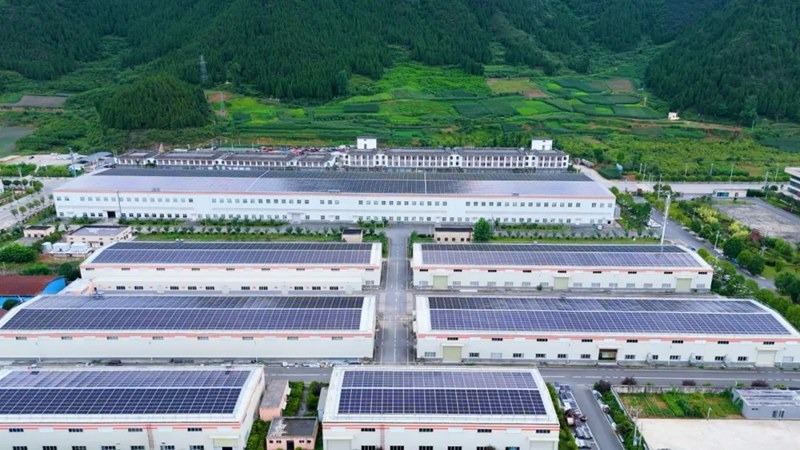
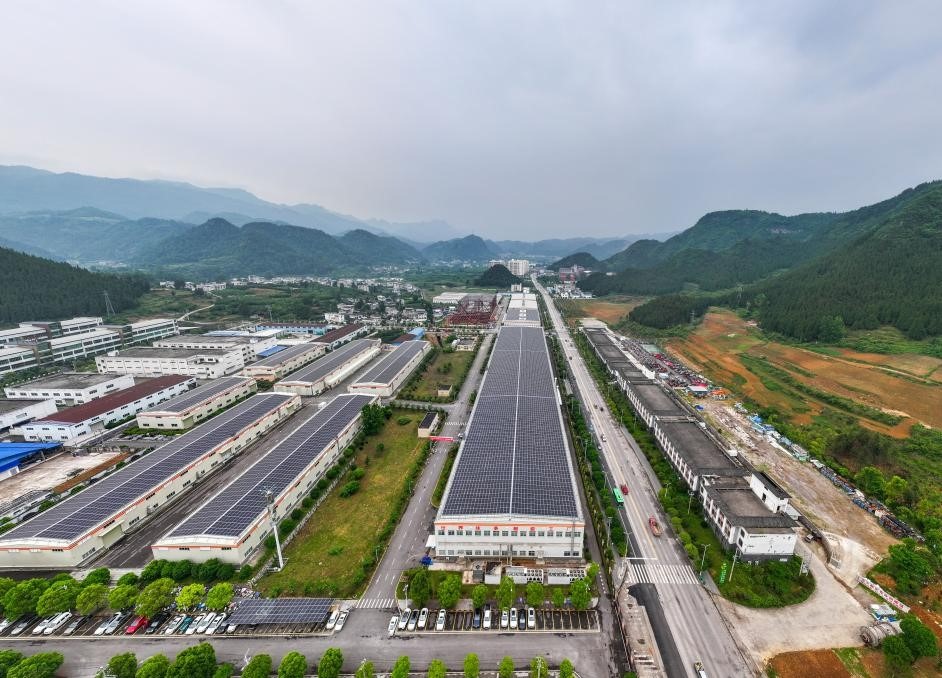
Tongren in Guizhou boasts the world's largest single-site matcha factory, hailed as the "world's super matcha factory". It can produce 10 tonnes of matcha daily, with an annual production capacity exceeding 4,000 tonnes, and its products sell well domestically and internationally.
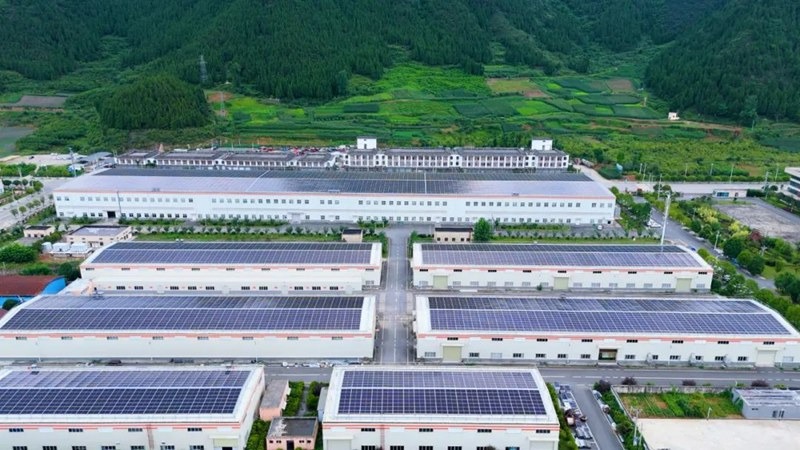
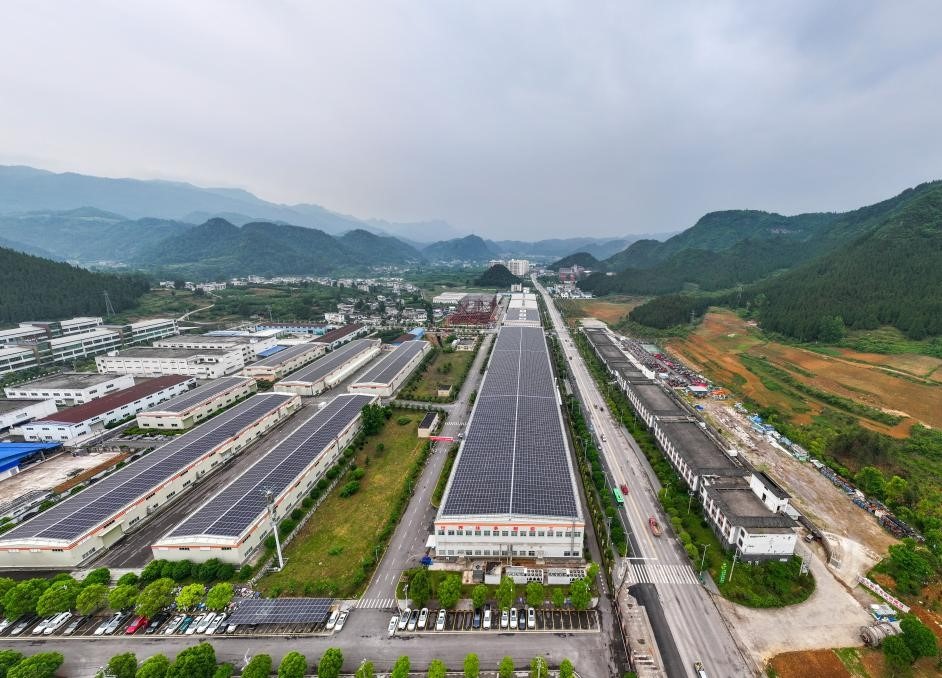
Not only does it have a large production capacity, but Guizhou matcha also has excellent quality.
According to the testing by the Ministry of Agriculture of China, the polyphenol content of Tongren tea ranges from 16.7% to 31.5%, and the amino acid content ranges from 3.1% to 10.6%, forming a perfectly balanced golden ratio between these compounds. These figures significantly exceed national standards.
Why does Guizhou produce high-quality matcha?
Why has Guizhou's matcha emerged so prominently in recent years? This owes much to the region's uniquely favourable natural conditions.
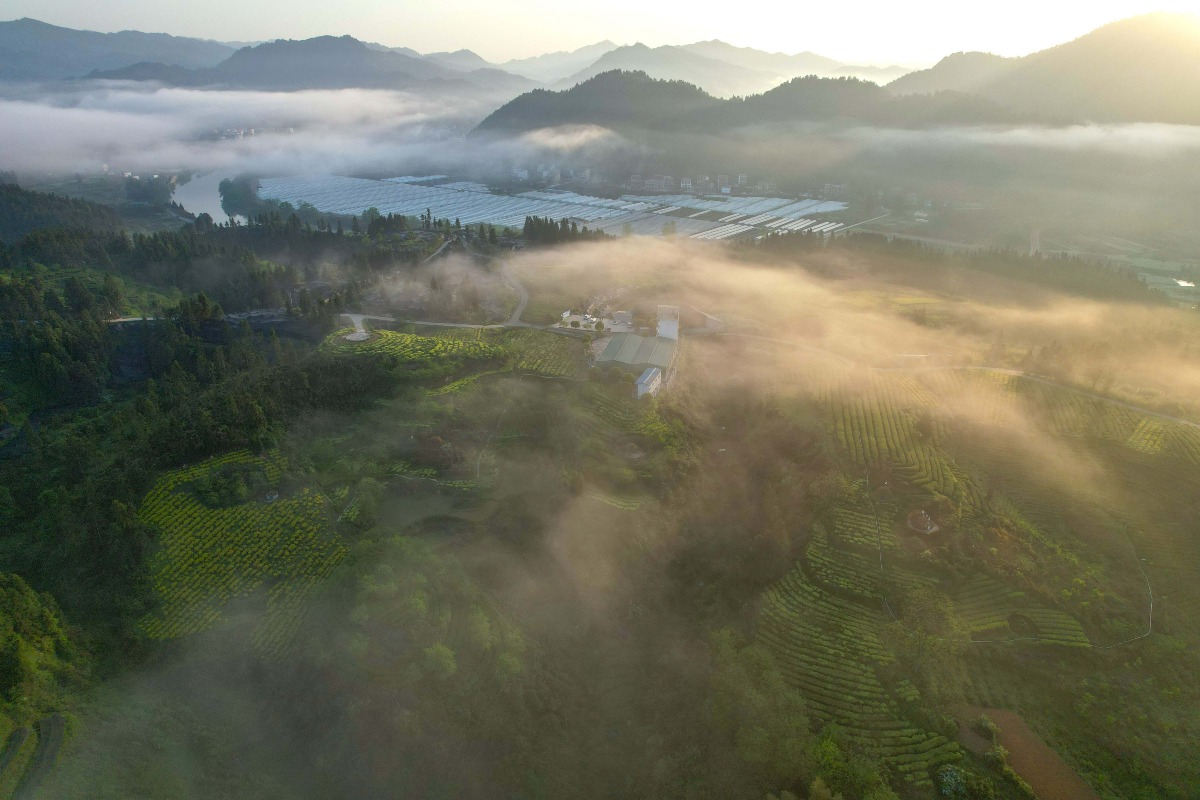
Tea plants thrive in warm, humid environments and are ideally suited to monsoon-influenced subtropical climate zones, particularly areas with frequent cloud cover and limited sunlight.
Guizhou is the only region in China that has "low latitude, high altitude, and low sunlight." And Tongren, at the foot of Mount Fanjing in eastern Guizhou, is "the golden ecological zone" here.
Guizhou matcha also has the advantages of being clean and safe.
Guizhou is the first province in the country to ban the use of water-soluble pesticides and herbicides in tea gardens; the varieties of pesticides banned in tea gardens have been increased from more than 60 prescribed nationally to 128; and for export tea gardens, 28 kinds of pesticides have been proposed to be used cautiously.
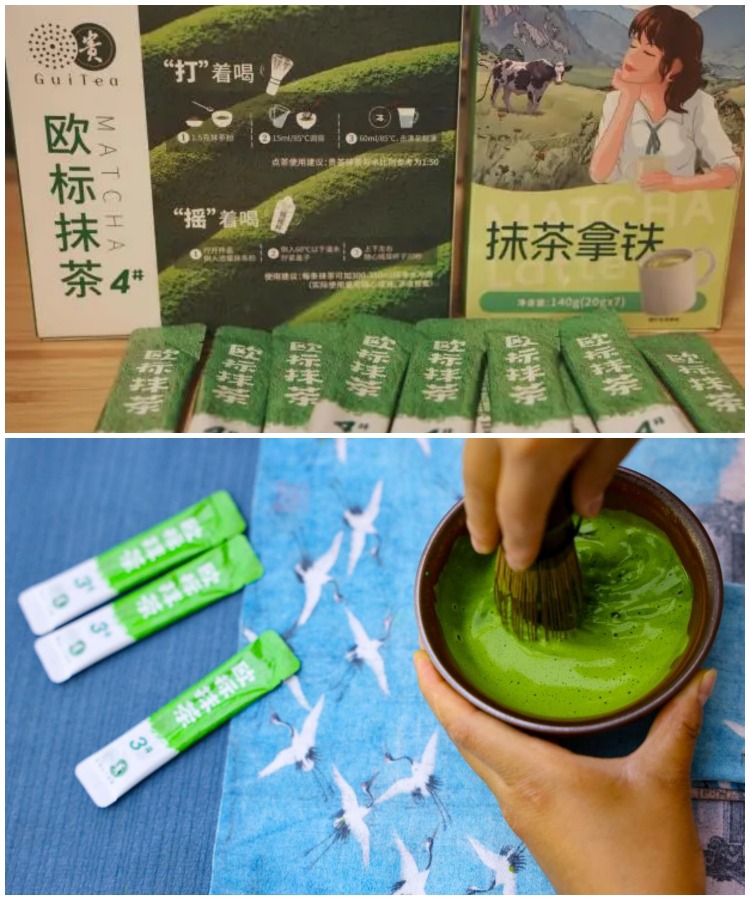
How was "Guizhou Tea" transformed to "Guizhou Matcha"?
Blessed with unique natural conditions and unpolluted ecological advantages, Guizhou has long been a premium tea-growing region, nurturing such celebrated varieties as Duyun Maojian Tea (都勻毛尖, one of China's 10 Great Teas), as well as other renowned teas like Emerald Tea (綠寶石) and Zunyi Red Tea (遵義紅).
However, in the past, tea planting in Guizhou and even the whole of China have long faced a persistent issue—a low proportion of deep processing and consequently low value-added production, which severely constrained profit margins in the tea industry.
While Matcha, as a value-added processed tea product, commands significantly higher margins and finds extensive application across food, beverage and baking industries. Moreover, with global matcha demand growing at approximately 10% annually, the market prospects are exceptionally promising.
In pursuit of development, Guizhou began exploring the viability of a matcha industry as early as 2015.
In 2017, Jiangkou County in Tongren - previously designated as a national-level poverty-stricken county under China's poverty alleviation programme - attracted leading tea enterprise Guizhou Tea Group to invest 600 million RMB in establishing the Guizhou Tea Industrial Park.
Spanning 340 mu (approximately 22.6 hectares), the facility expanded the following year to include the world's largest single-site matcha factory with an annual production capacity of 4,000 tonnes.
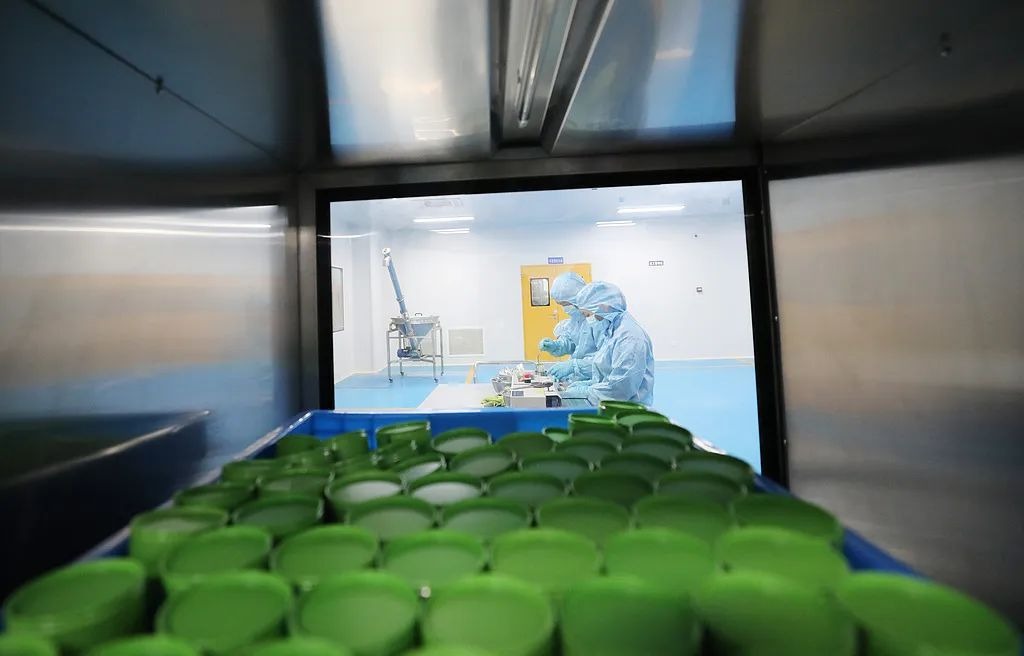
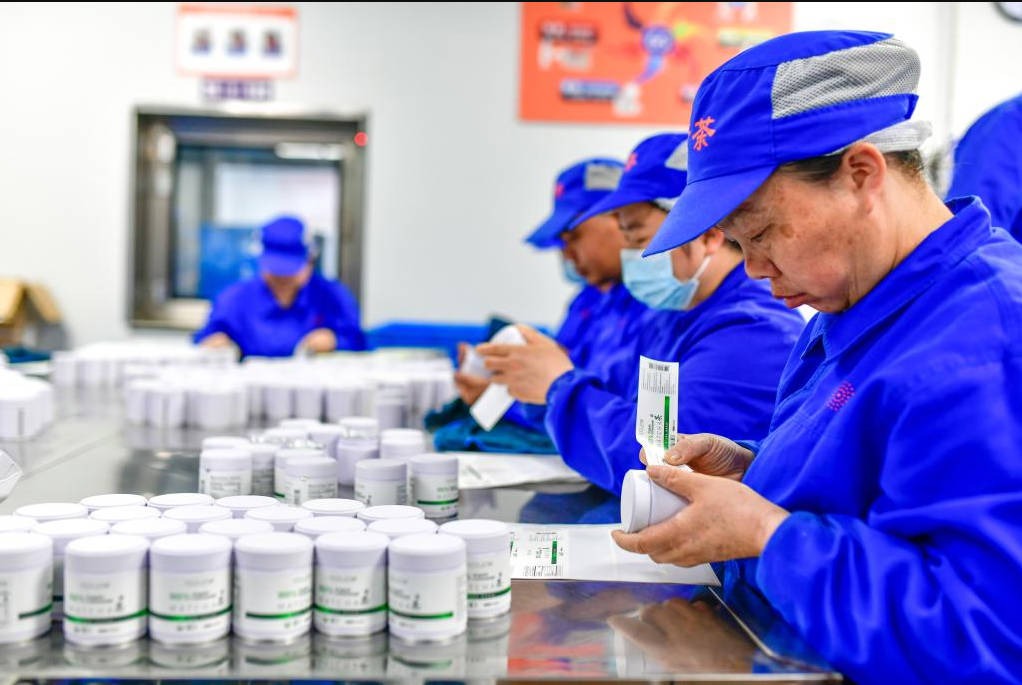
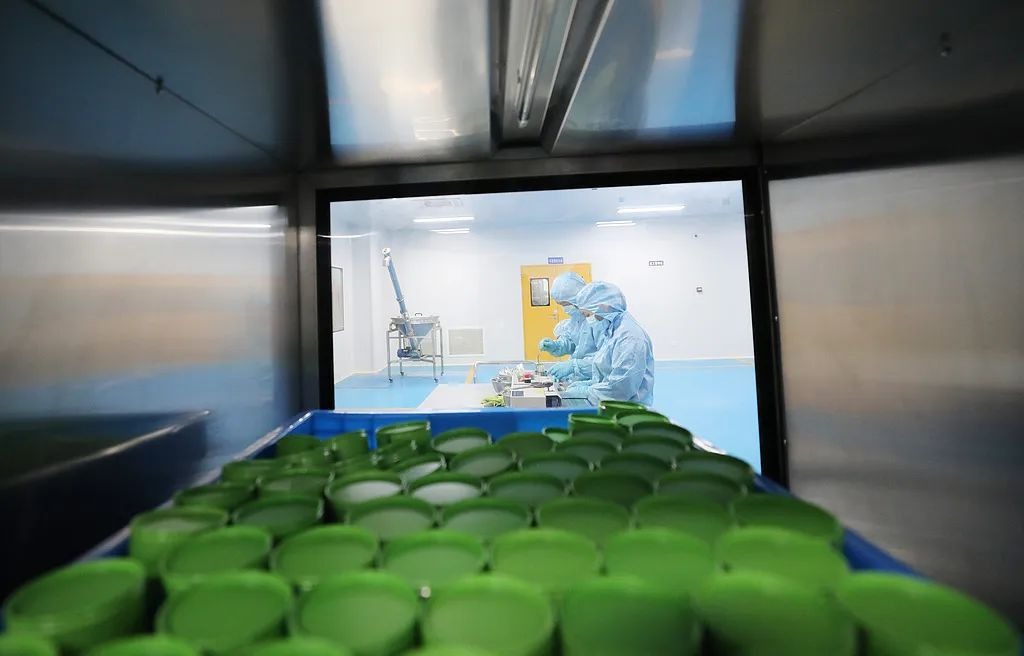
Additionally, senior matcha experts from Japan were hired for full technical guidance, and cooperation has been established with multiple domestic and international scientific research institutions to build a world-class automated matcha production line, adjusting production techniques based on local conditions.
Simultaneously, significant investment was made in brand promotion to cultivate distinctive brand recognition.
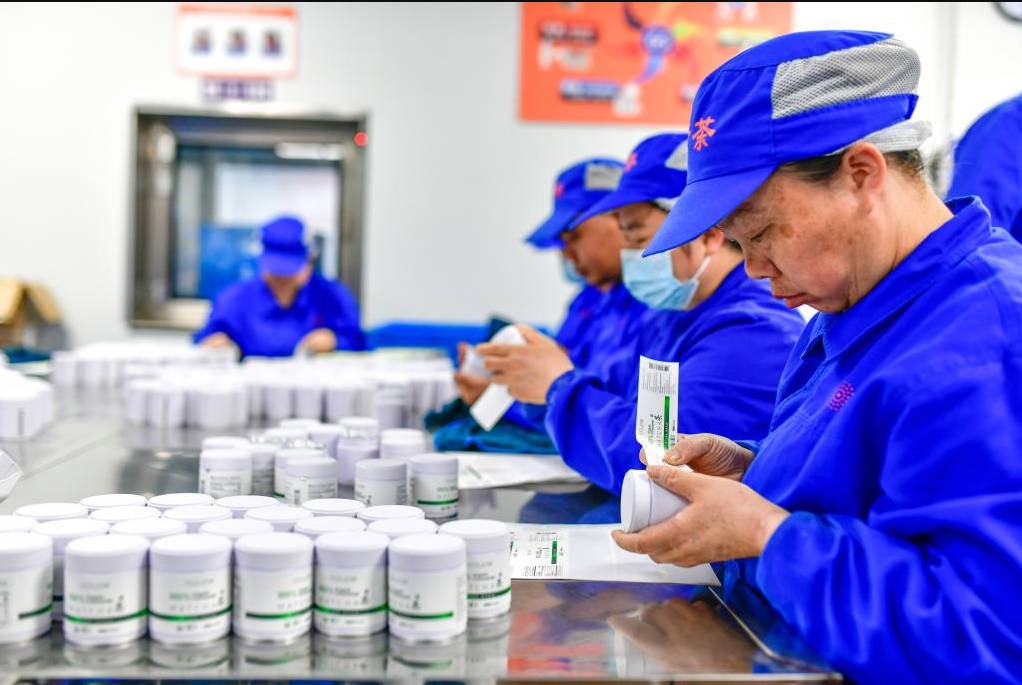
Locally, through the development model of "flagship enterprise + alliance enterprises + smallholder farmers", a 30,000-mu (2,000-hectare) matcha base centred around Jiangkou County and 53 matcha production lines have been built.
A radiating network of 140,000 mu (9,333 hectares) of EU-standard tea plantations have been built, which has led nearly 100,000 tea farmers to increase their income and wealth, with an average increase in income of about 2,500 RMB per person.
Matcha originates from China
The development of China's matcha industry can be said to be a "renaissance" of China's specialties to some extent. Although matcha has become one of Japan's cultural symbols, it actually originated in China.
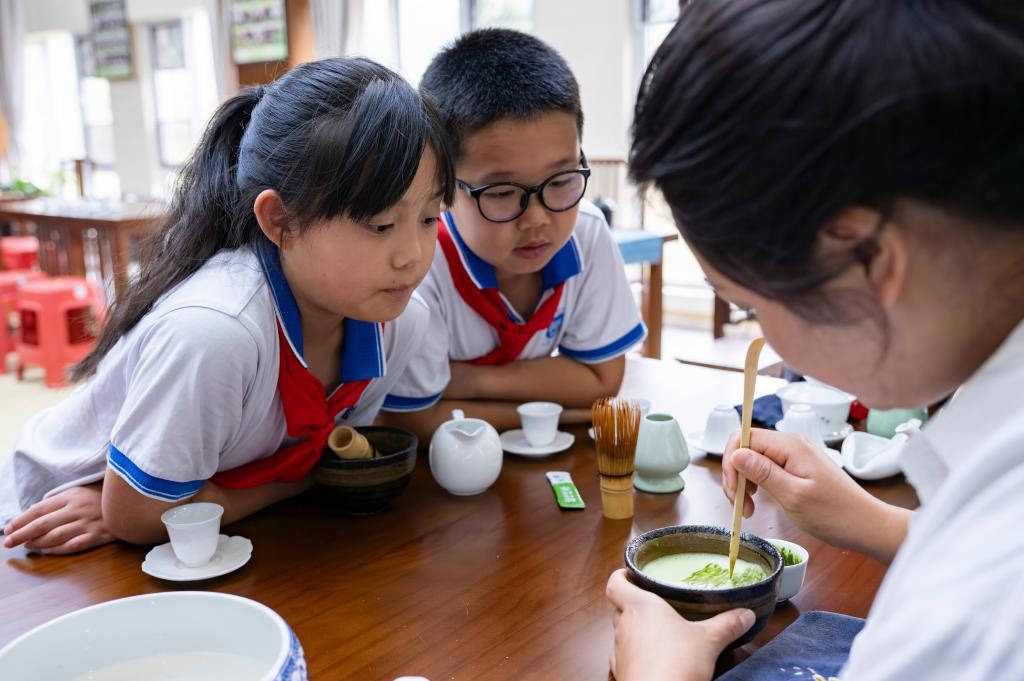
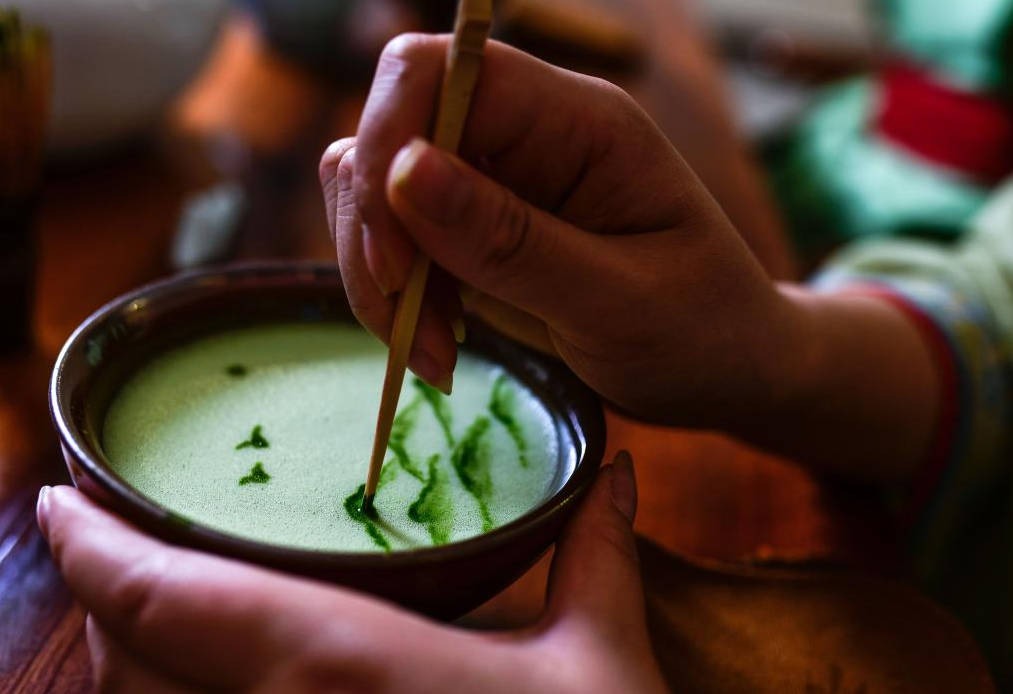
Matcha was originally called "末茶" (mocha) in Chinese and peaked during the Song Dynasty (960-1279 AD).
Later, as the method of steeping leaves and discarding the residue became popular, matcha gradually disappeared from the lives of the Chinese people but was instead brought to Japan through cultural exchange, where it was inherited and developed.
Read more: Chinese cultural heritage in TV dramas: Did people in the Song Dynasty also play "latte art"?
The development of China's modern matcha industry started relatively late, and the popularity and market share of Japanese matcha products still hold a significant position in the international market.
Nevertheless, with the global matcha supply gap widening, China's matcha industry stands poised to gain international recognition—a prospect that holds considerable promise for the future.
Read more: 60% of world's caviar comes from China? |China's new specialties