
Published : 2025-07-07
In recent years, "common prosperity" often appeared in news of China. When did this concept first emerge? What is the roadmap for China's promotion of common prosperity?
This article provides an explanation to better understand China's vision of common prosperity.
Deng Xiaoping: The characteristic of socialism is prosperity
As China enter the third decade of the 21st century, it has bid farewell to absolute poverty and achieved the millennium dream of a moderately prosperous society. However, this is only a phased goal, and the next step for China is to advance toward common prosperity.
The term "common prosperity," which has appeared frequently in recent news reports, is not a new concept.
As early as December 1953, the Resolution of the Central Committee of Communist Party of China on the Development of Agricultural Production Cooperatives, personally drafted by Chinese leader Mao Zedong, mentioned the concept of "common prosperity".
It stated "to enable peasants to gradually and completely get rid of poverty and achieve a life of common prosperity."
This marked the first time "common prosperity" appeared in an important party and government document.
Unfortunately, under the historical conditions of that era, there existed significant limitations and one-sided understandings of common prosperity among various parties.
Coupled with subsequent policy missteps and other factors, the implementation of common prosperity gradually deviated from its original intent, becoming "egalitarianism," and even descending into "common poverty."
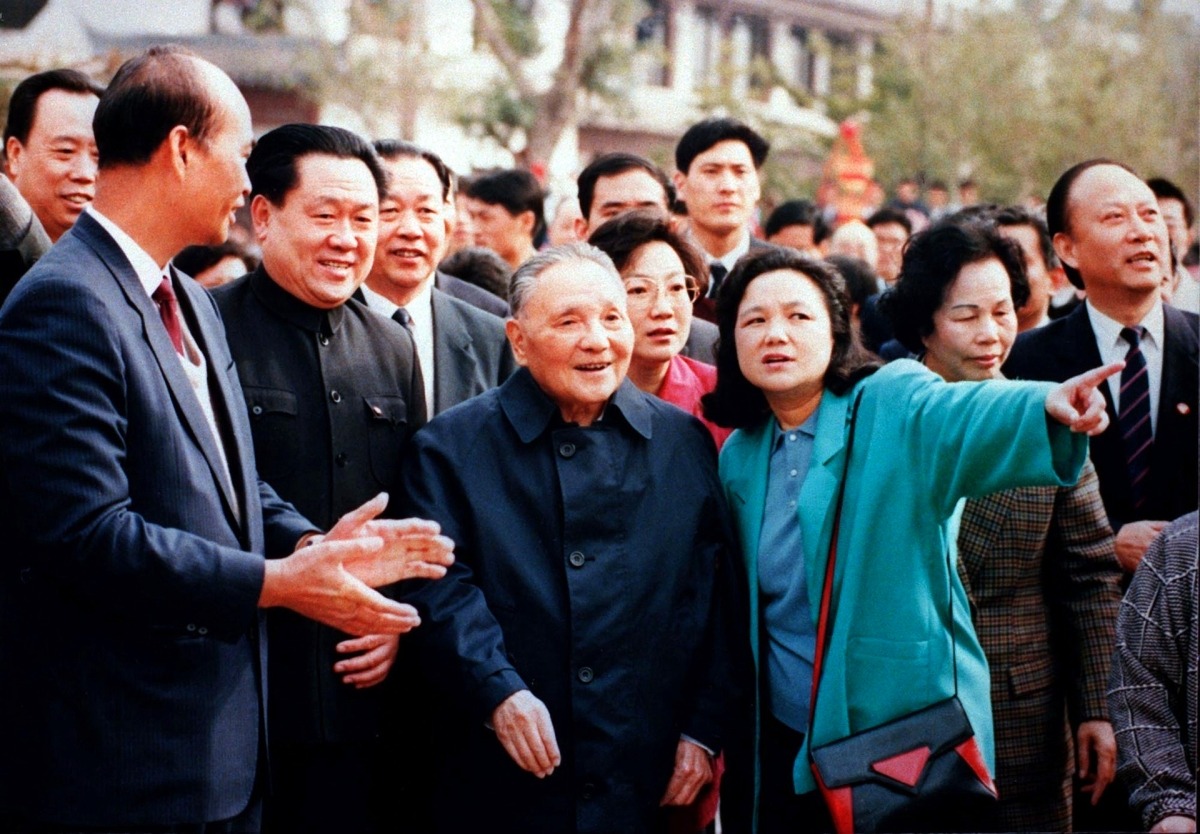
Since the late 1970s, China has entered a new era of Reform and Opening-up. "Chief architect" Deng Xiaoping re-explored common prosperity in socialist China.
He summarised historical experiences, and pointed out that "the characteristic of socialism is not poverty, but wealth, and this wealth is common prosperity of the people."
The essential requirement of socialism with Chinese characteristics
Deng Xiaoping knew well that China was still relatively poor and backward at that time but was convinced that one day common prosperity would become the central issue.
He proposed that, during the development process, "some regions and some people can get rich first, then lead and help other regions and other people to gradually achieve common prosperity."
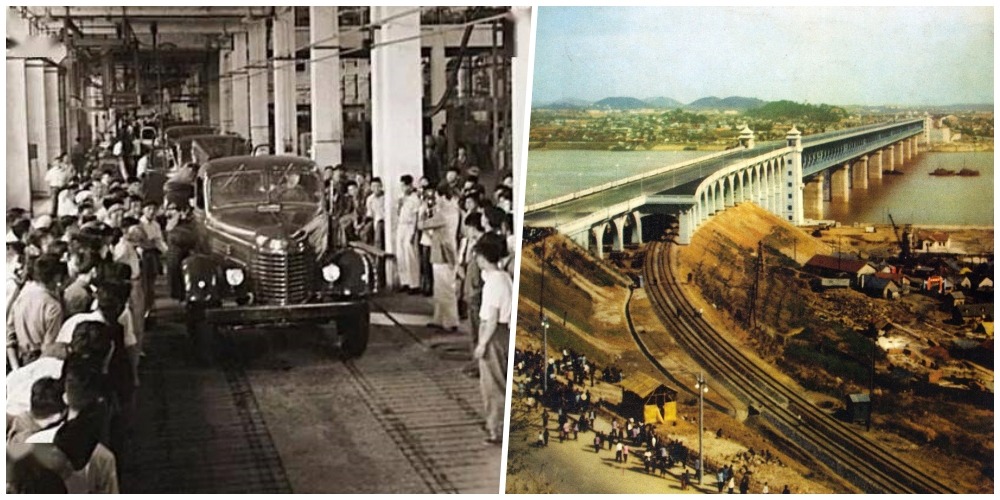
The Reform and Opening-up, started in 1987, brought remarkable development to China. In more than 40 years, China's GDP grew from 360 billion RMB in 1978 to over 100 trillion RMB for the first time in 2020.
By 2024, it had exceeded 134 trillion RMB, firmly maintaining its position as the second in the world. China has finally built up some "financial reserves".

While achieving rapid development, China has also carried out an unprecedented and vigorous campaign against poverty.
By 2021, the remaining 98.99 million rural poor had all been lifted out of poverty, with all 832 impoverished counties and 128,000 impoverished villages removed from the poverty list.
At this point, China has ended absolute poverty and built a moderately affluent society in all aspects. This milestone has laid a solid foundation for advancing toward common prosperity.
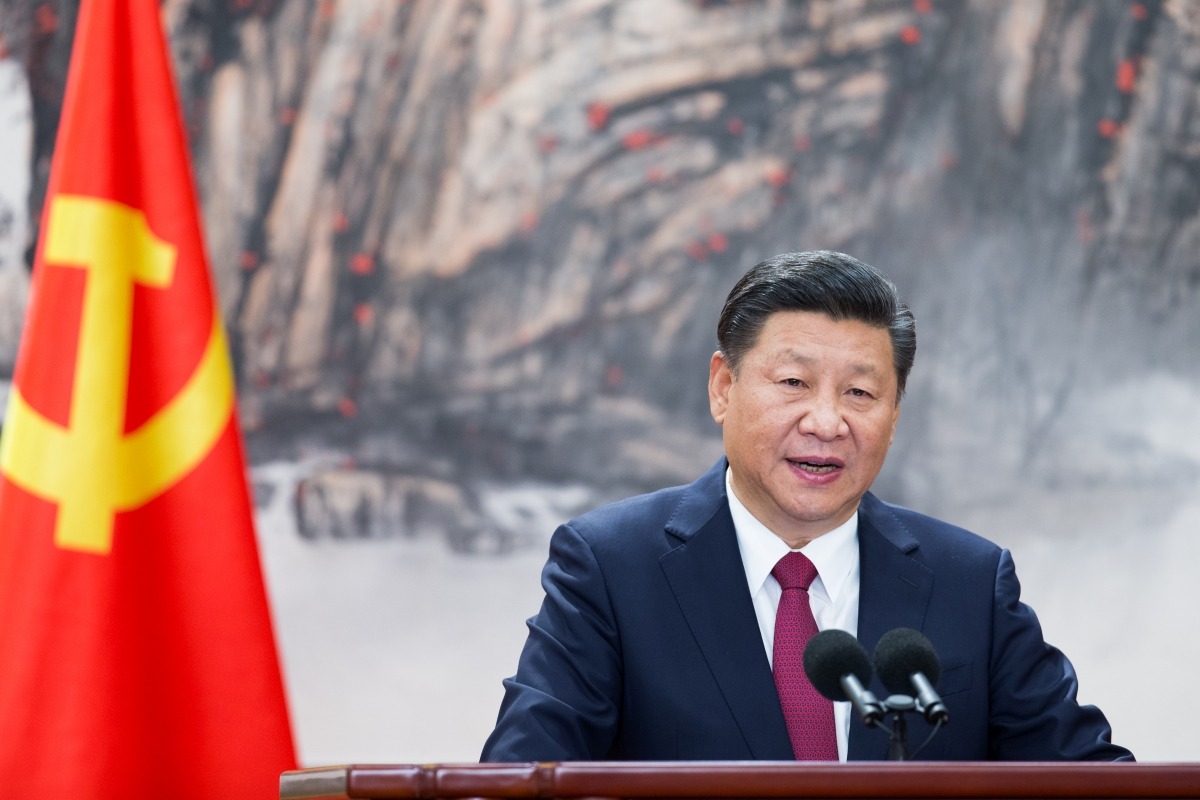
At this time, Chinese leader Xi Jinping also clearly stated, "Common prosperity is the essential requirement of socialism with Chinese characteristics and the common expectation of the people. Promoting economic and social development is ultimately to achieve common prosperity for all people."
He pointed out that "China has now entered the historic phase of substantively advancing common prosperity."
Substantial progress by 2035, basically achieved by mid-century
Xi Jinping also proposed a phased timetable and roadmap for promoting common prosperity.
According to the timetable, by the end of the 14th Five-Year Plan, the gap between residents income and actual consumption levels will gradually narrow;
by 2035, more notable and substantive progress will be made in achieving common prosperity for all, with basic public services becoming more equitable;
by the middle of this century, common prosperity for all will be largely achieved, with income gaps and disparities in actual consumption levels reduced to a reasonable range.
Thus, common prosperity becomes the most important direction for China's development. It will remain the main theme for a long time to come.
Knowing the background of common prosperity, it is also necessary to understand what exactly is common prosperity. Although the words "common prosperity" are very simple, yet it carries profound implications.
First and foremost, common prosperity in the new era is by no means a simple economic concept—it is also one of social progress. "Prosperity" here entails not only material and wealth accumulation but also spiritual fulfilment, with neither aspect being dispensable.
Differential prosperity on the basis of widespread affluence
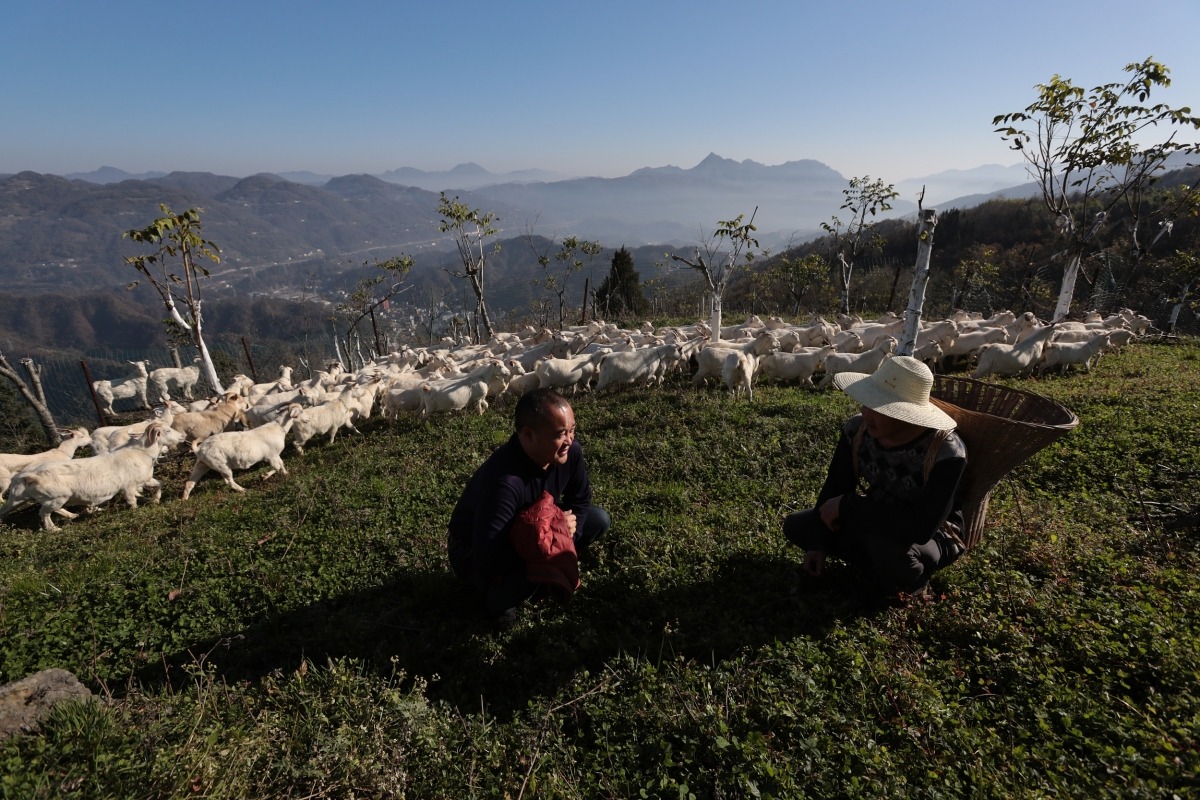
Some scholars offer an apt analogy: When the mind (spirit) remains impoverished, one's world shrinks to daily necessities like firewood, rice, oil, and salt; but with an enriched mind, the heart embraces poetry and distant horizons.
Thus, true happiness emerges only when one's wallet (material wealth) and minds (spiritual fulfilment) are both full.
Moreover, common wealth cannot be a repetition of egalitarianism. It does not mean one-sided absolute fairness, nor does it mean "uniform". Common prosperity should be differential prosperity on the basis of widespread affluence.
The majority could get rich first, but only in different degrees. It is a continuation of the concepts of "some get rich first" and "the first getting rich leading the latter to get rich".
To achieve widespread affluence, high-quality development is indispensable. It simply means making the cake bigger and making it better at the same time.
Read more: What is "high-quality development"? Understand China's policy
Of course, how to divide the large and good cake next is a problem that must be faced to move towards common prosperity.
To this end, the authorities need to establish an efficient and equitable coordinated distribution system. Its role is to increase the income of low-income groups, expand the proportion of middle-income groups, and reasonably regulate high-income groups.
These forms an olive-shaped distribution structure: large in the middle and small at both ends—to eliminate polarisation, narrow regional, urban-rural, and income disparities. The roadmap for narrowing gaps and achieving common prosperity has been clearly outlined.
Moral forces driving voluntary donations
This system will encompass primary distribution, redistribution, and tertiary distribution. Primary distribution refers to market-based distribution according to the principle of efficiency, with the simplest example being wage distribution.
Redistribution is government-led, based on the principle of fairness, such as various taxes, education, and social security including healthcare.
As for the third distribution, it refers to voluntary donations made by individuals or enterprises driven by moral forces.
It is undeniable that the tertiary distribution was once imagined by some as robbing the rich to help the poor. However, it must be understood that the protection of citizens' lawful private property is enshrined in the Constitution.
Therefore, both in theory and in practice, taking from the wealthy to give to the poor is simply not feasible. Instead, it can only be a voluntary and morally imperative form of donation—an act of "the affluent helping those who are less fortunate" to achieve shared prosperity.
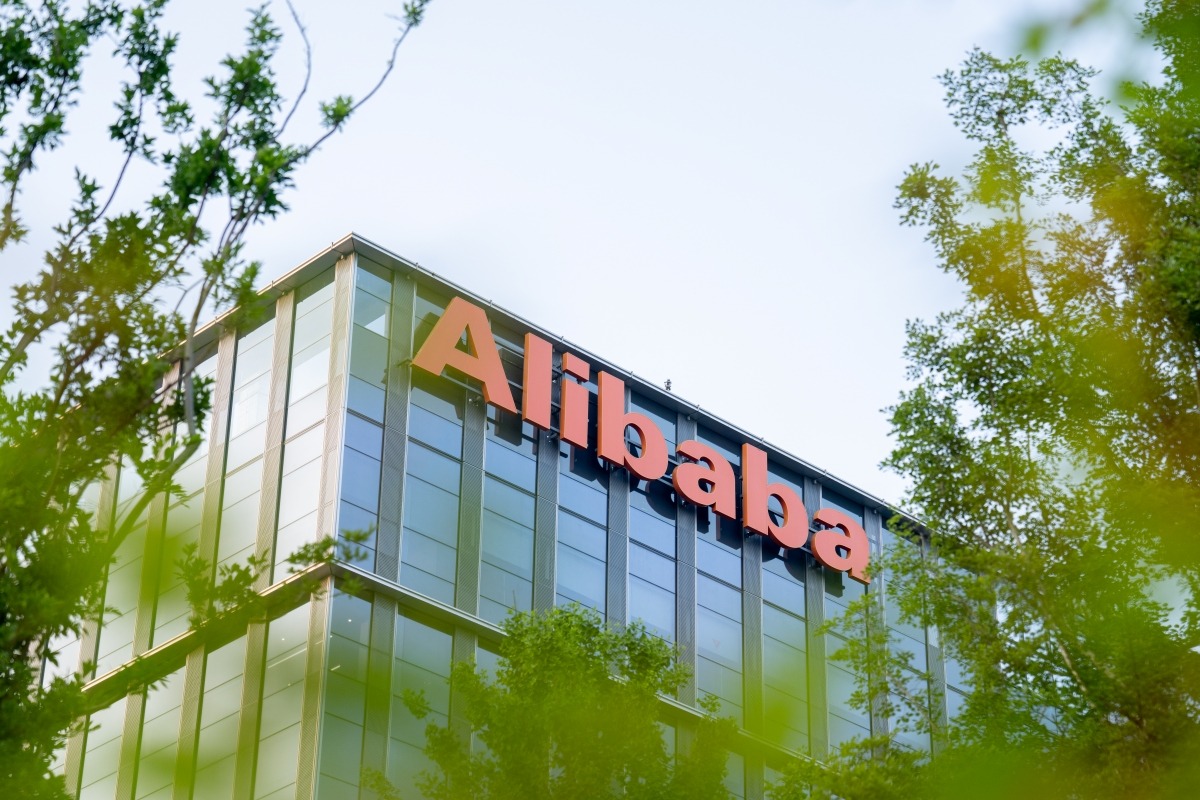
Alibaba and Tencent, Chinese Internet company giants, have each announced investments of 100 billion RMB to support common prosperity, with other large enterprises following.
In fact, beyond moral forces, the process of common prosperity will expand the middle class, and consumer businesses will benefit as a result.
China is currently advancing towards the goal of common prosperity, and the relatively affluent and developmentally balanced Zhejiang Province has been selected as the demonstration zone.
The province has introduced relevant policies and measures to increase residents income, narrow the urban-rural development gap, and gradually achieve high-quality sharing of public services.
Read more: What is "Chinese path to modernisation?"|Understand China's Policies