Published : 2021-06-07
"I may be visually impaired, but I have always believed that I can face any challenges in life."
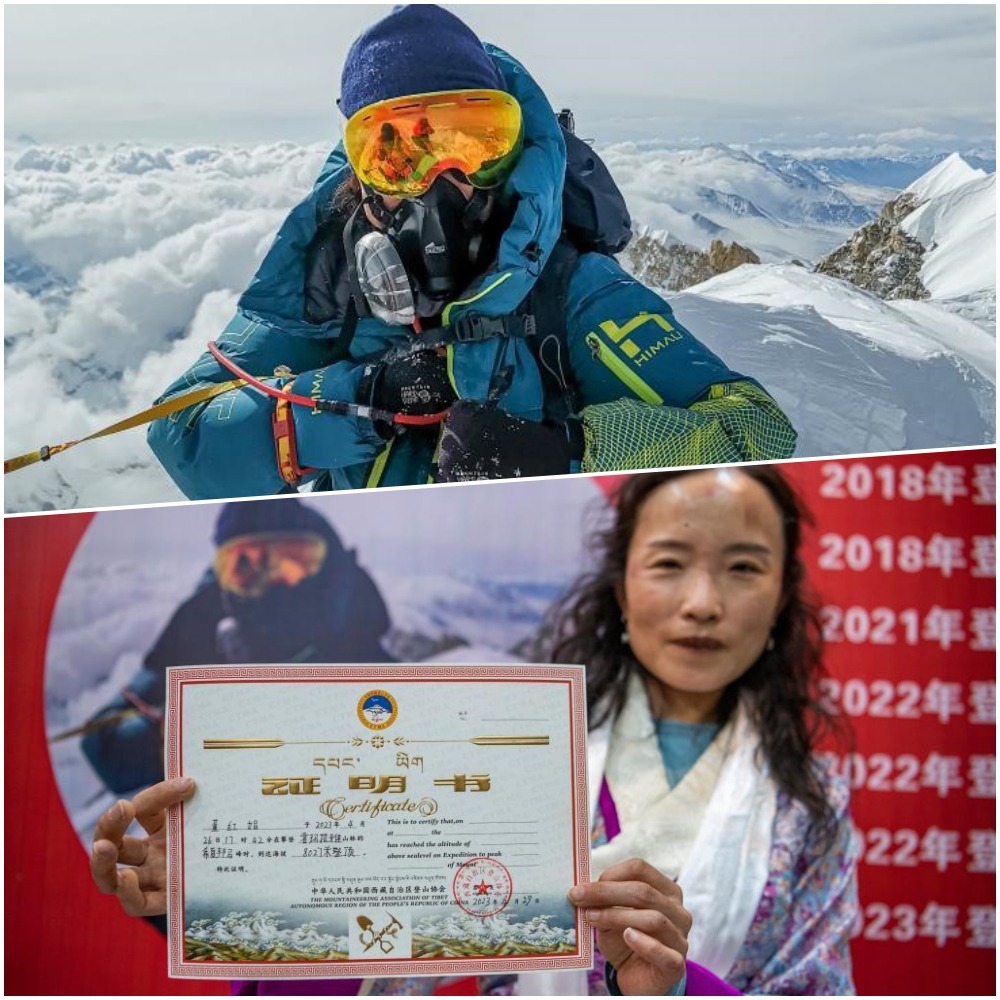
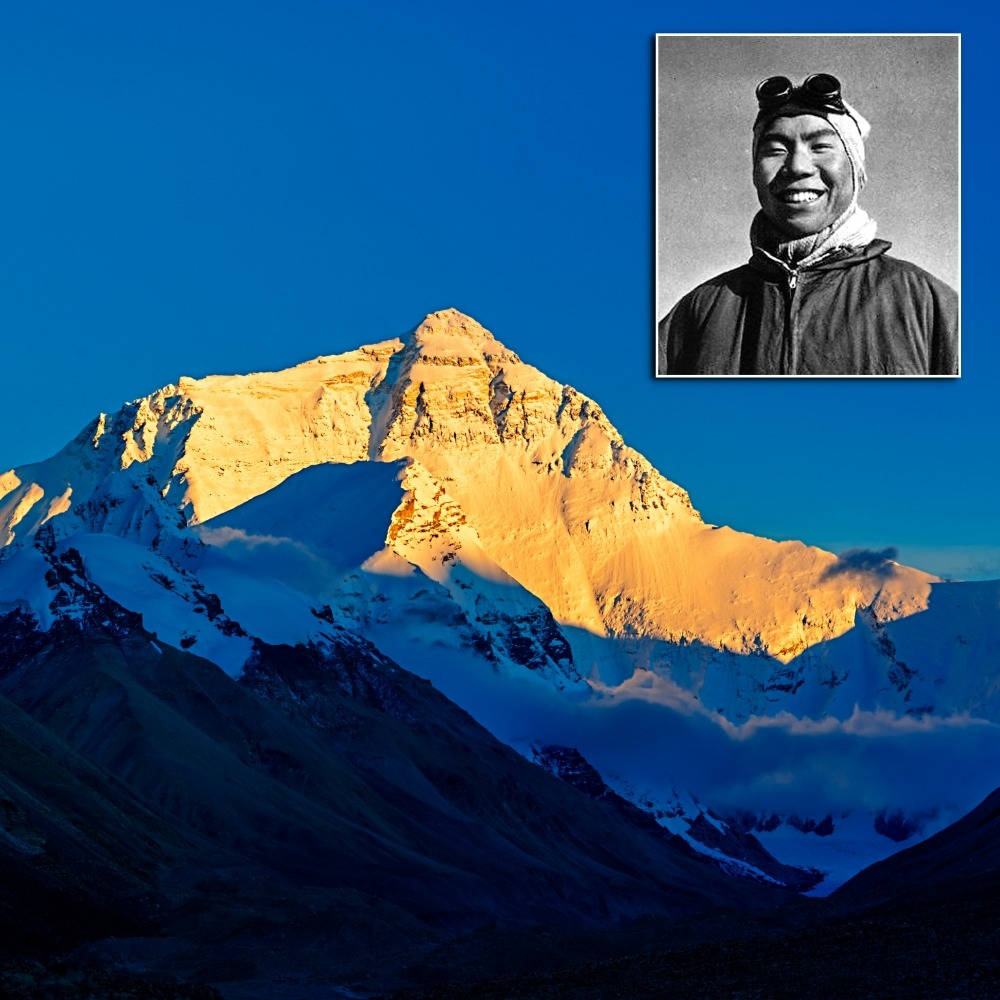
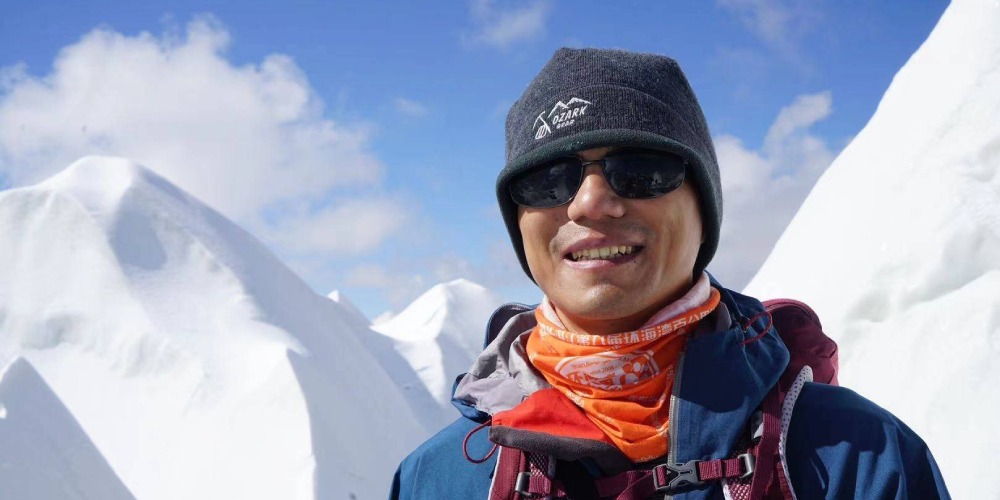
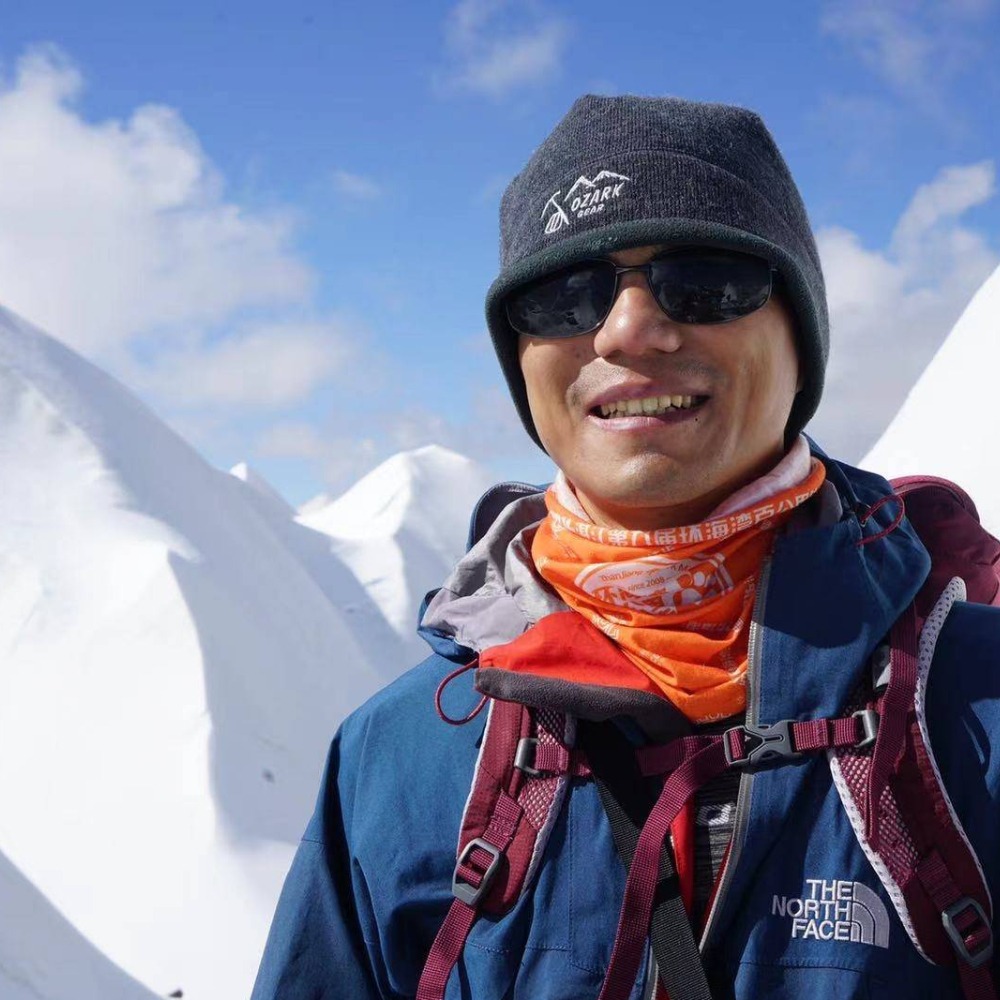
Zhang Hong, a 46-year-old Chinese visually impaired mountaineer, recently made history by becoming the first blind person in Asia and the third in the world to reach the summit of Mount Everest, also known as Mount Chomolungma.
However, he doesn't intend to stop there. Conquering the highest peaks of all seven continents and trekking to both the North and South Poles have become his new goals. He said that "I may not see the world, but I want the world to see me."
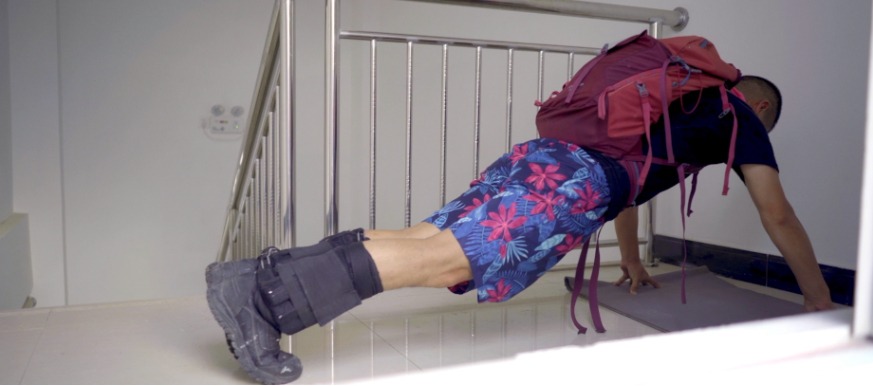
Zhang Hong climbed a 120-story building for training
At age 21, Zhang Hong went blind in both eyes due to glaucoma; so far, he has been blind for 25 years and works at Fokang Hospital, attached to Xizang University.
Balancing work with his passion for mountaineering, Zhang Hong amassed years of climbing experience and became the first and only blind enthusiast in China to summit mountains of 6,000 and 7,000 meters.

It wasn't until an accidental opportunity five years ago that Zhang Hong conceived of the idea to climb Everest.
Before Zhang Hong, American blind person Erik Weihenmayer and Austrian blind person Andy Holzer climbed Mount Everest in 2001 and 2017.
In Lasa, Zhang Hong accidentally met Luo Ze, a climber who had summited 14 peaks over 8,000 meters, who happened to mention Erik's feats. This sparked the desire in Zhang to challenge Everest.
Zhang Hong has a lot of climbing experience, but when it comes to Mount Everest, no one around him believed he could succeed. However, he hopes to show visually impaired people that only a willingness to open one’s heart and embrace society can create infinite possibilities.
Starting in 2019, Zhang Hong began preparations, climbing 120 stories daily with a load of up to 35 kg.
"In the early morning before dawn, I would climb flights of stairs, from the 2nd floor to the 11th, then take the elevator down to the 2nd floor and repeat this action," he says. Day in and day out, it was monotonous and lonely.
Read more: Close encounters with death multiple times, a 69-year-old legless climber conquers Everest
Plans to climb the highest peak on each of the 7 continents
Two years later, in May of this year, long-awaited Zhang Hong finally embarked on his dream climbing journey.
He had initially planned to make a push for the summit on May 5th and 15th but had to abandon the attempts due to a coronavirus invasion at the South Base Camp, and unforeseen strong currents.
On May 24th, Zhang Hong, led by three Sherpas (the native people of the region, often working as climbing porters and guides), reached the peak at 8,848.68 meters.
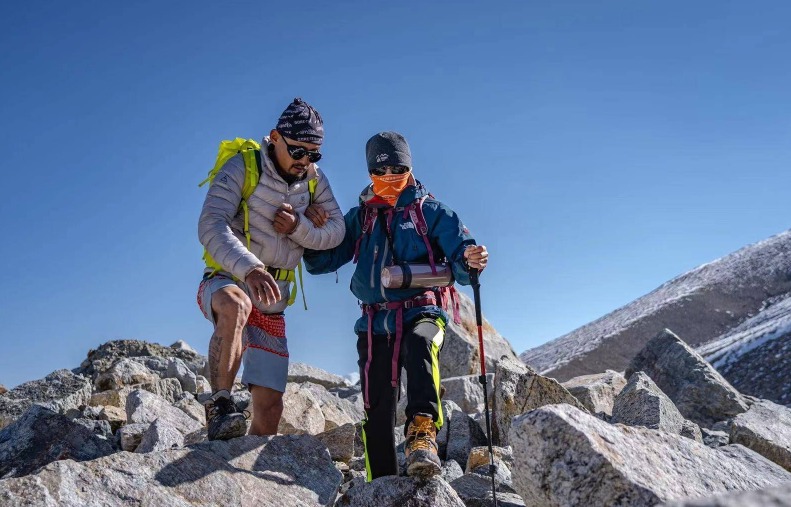
He recollects that during the climb; a rocky cliff made him stumble several times.
"I was very scared at the time because I couldn't see where I was going, couldn't find my center of gravity, and the ice claws on the soles of my boots couldn't grab the rocks. A few times when I fell, I thought I was done for (end of life)."
Luckily, he managed to push through these dangers and successfully stood at the peak.
Mountaineering not only requires physical labor and training, but also financial support. Zhang Hong had to rely mostly on his own savings and corporate sponsorships.
"These years have cost more than 100,000 yuan; fortunately, my family is supportive," says Zhang, who was born in Chongqing.
In order to make a living, he has moved around Shanghai and Lasa over the years, providing massage and acupuncture services at medical centers.
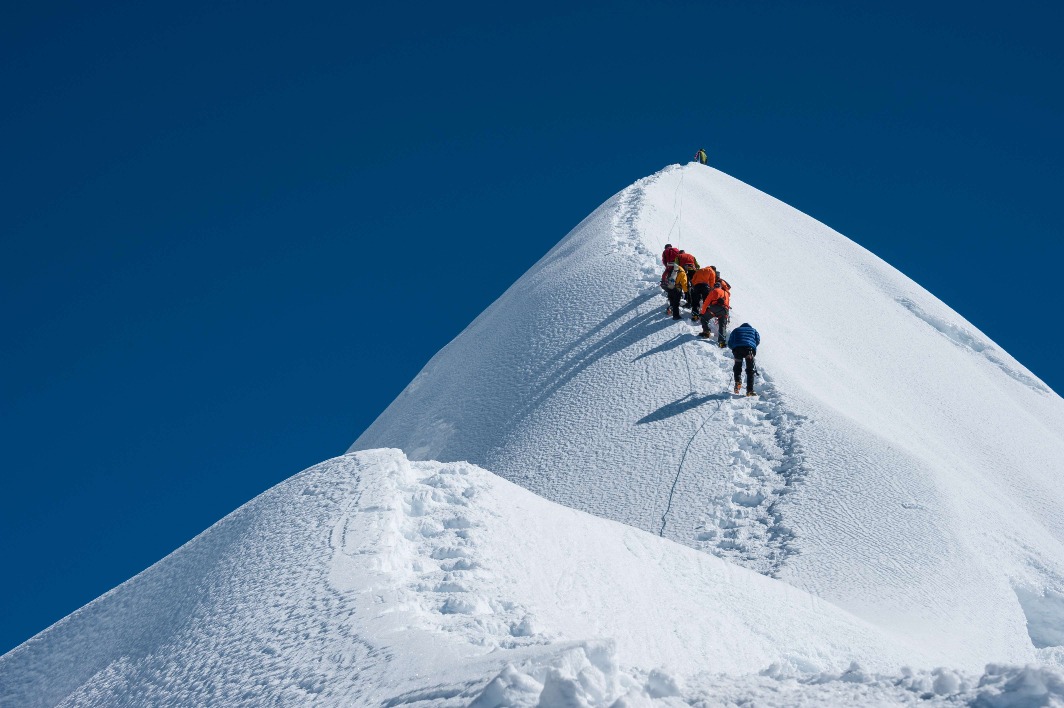
Now, Zhang Hong has a new goal—"7+2". This plan is the most famous and daring adventure activity in the climbing community, requiring climbing the highest peaks on the seven continents and walking to both the North and South Poles.
Fan Lixin, the first Chinese director to win an Emmy award in the United States, noticed Zhang Hong's climb to Everest, and led a team to document Zhang Hong's entire journey.
The documentary film, tentatively titled "Let the World See Me", is set to premiere in the second half of next year.
As Zhang Hong said, "I can't see the world, but I want the world to see me."
Read more: The real danger behind searching for Mount Everest's new height?