Published : 2026-08-16
On the eve of the new school term, many parents take their children to worship Man Cheong, the God of Literature, praying for academic success.
In Hong Kong's Ping Shan, there is a 600-year-old pagoda that is said to bless the Tang clan, one of the Five Great Clans of the New Territories of Hong Kong.
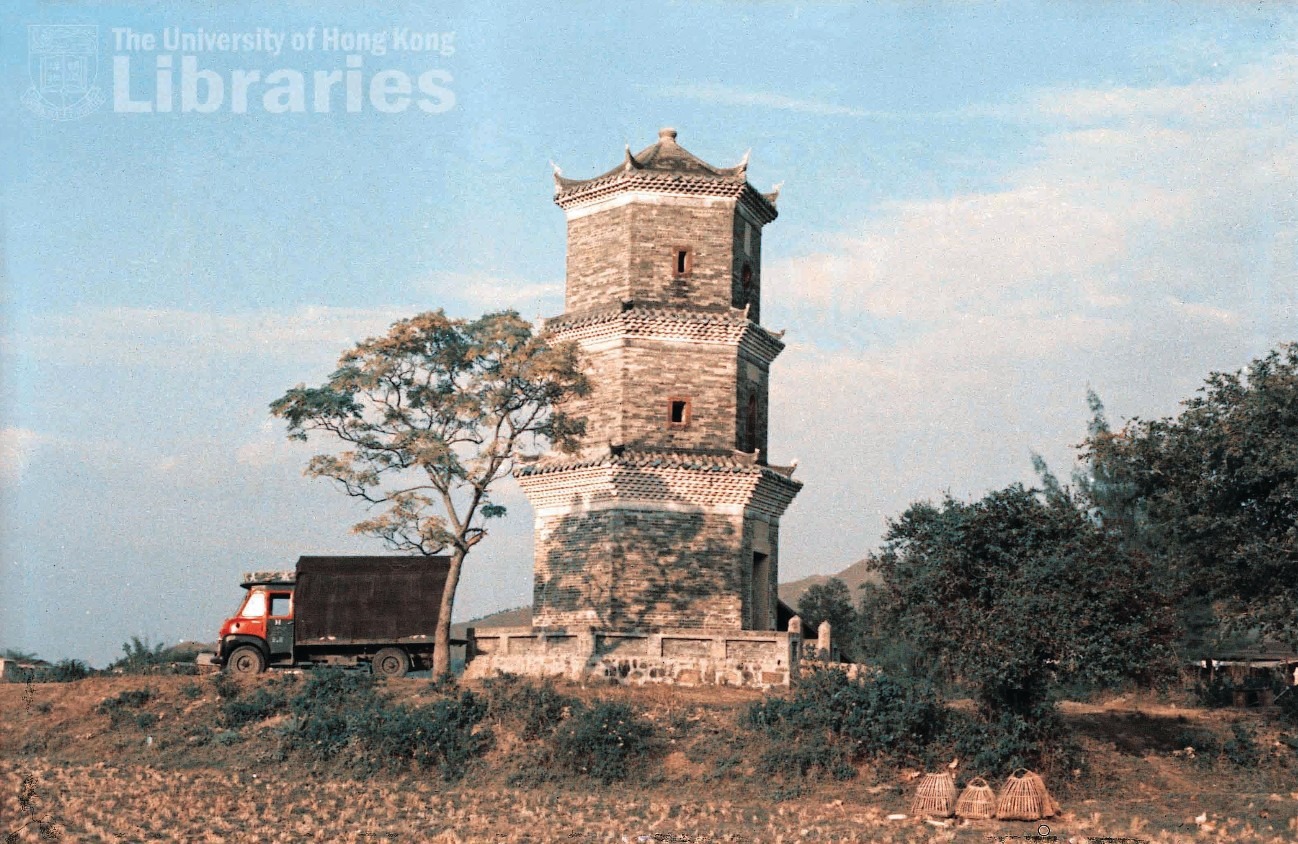
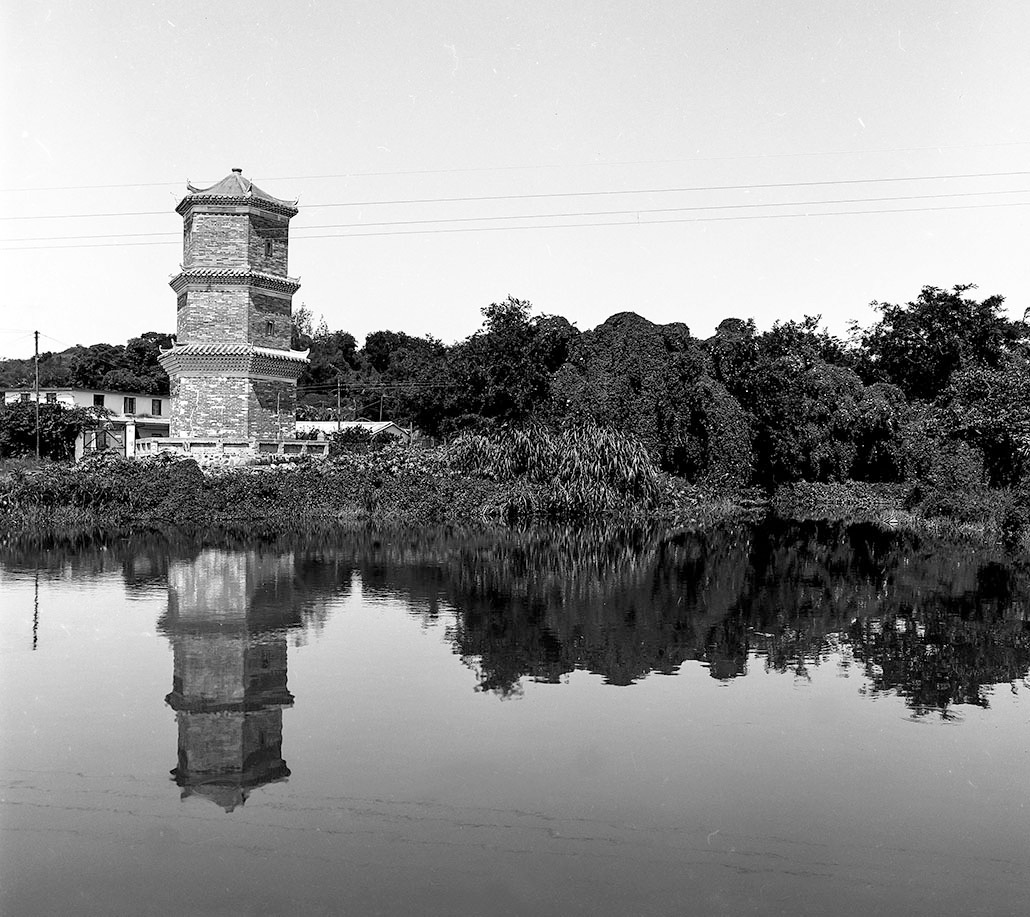
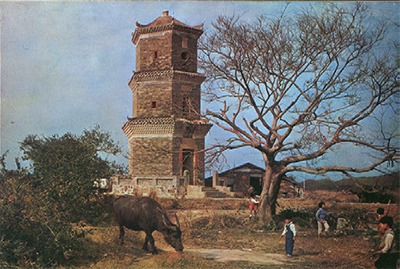
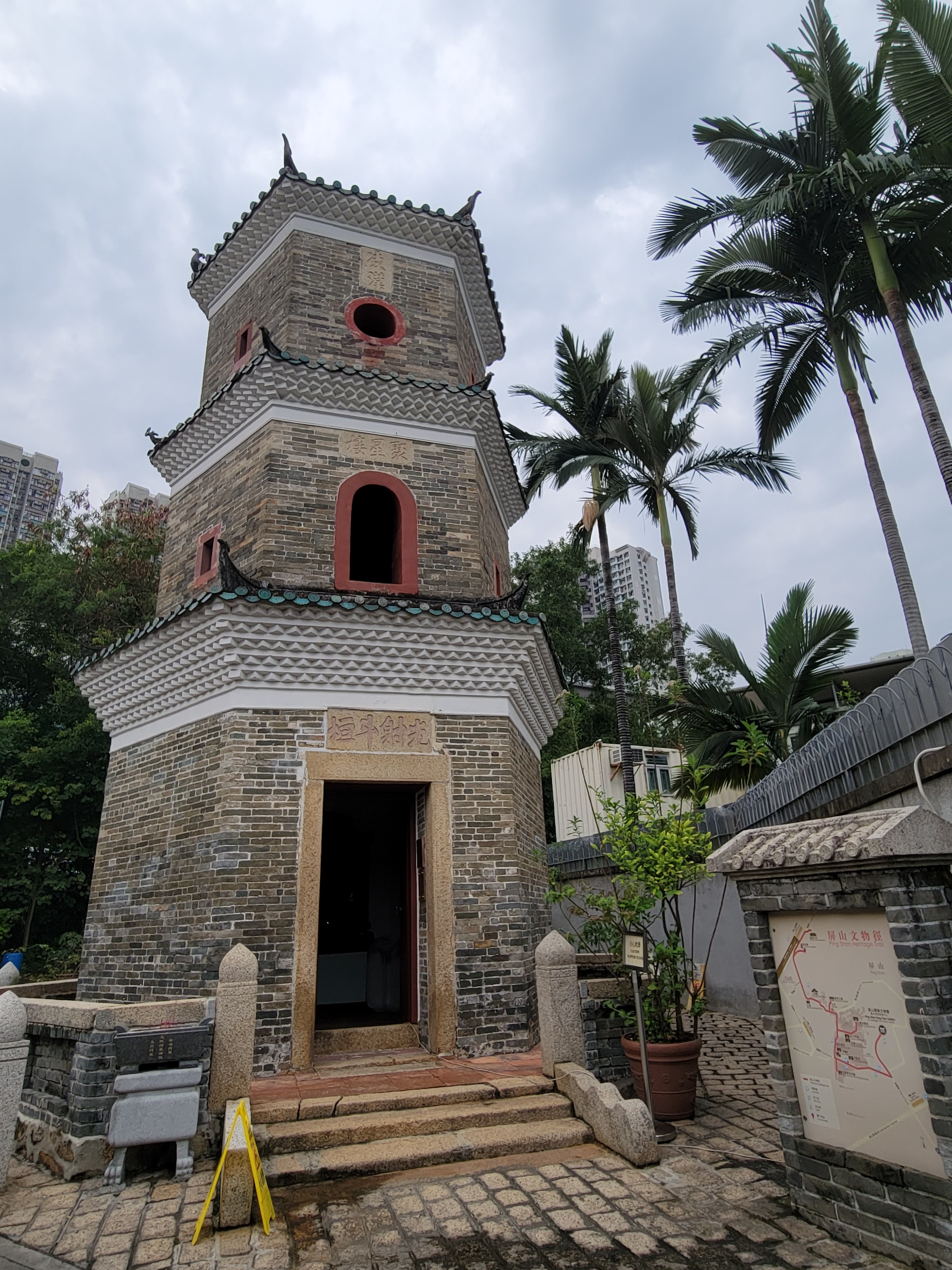
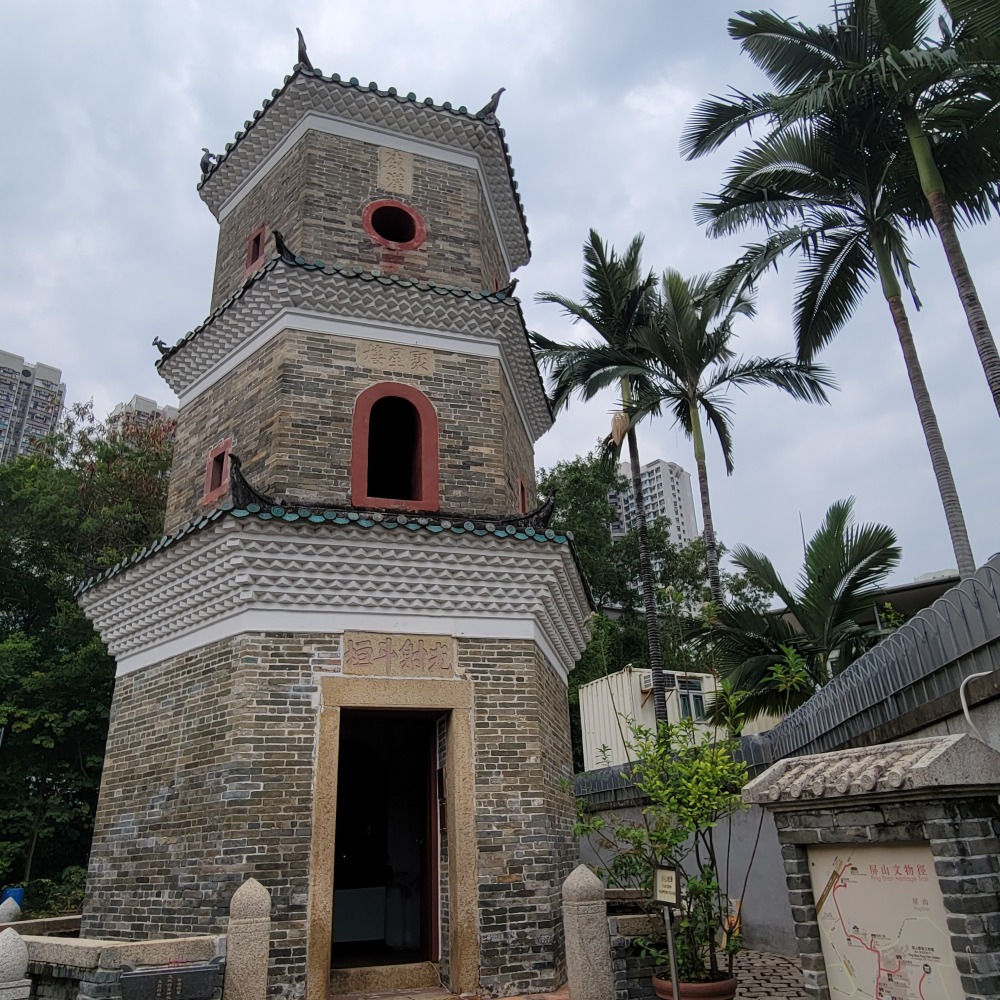
Known as Tsui Sing Lau Pagoda (聚星樓), it is a monument along the Ping Shan Heritage Trail and the only surviving ancient pagoda in Hong Kong.
Tsui Sing Lau Pagoda protects the literary fortunes of Tang clan
Getting to Tsui Sing Lau Pagoda is very convenient. From Exit E3 of Tin Shui Wai MTR station, walk along Tsui Sing Road and turn into the Ping Shan Heritage Trail (屏山文物徑). In less than two minutes, you will find Tsui Sing Lau Pagoda, its view obscured by large trees.
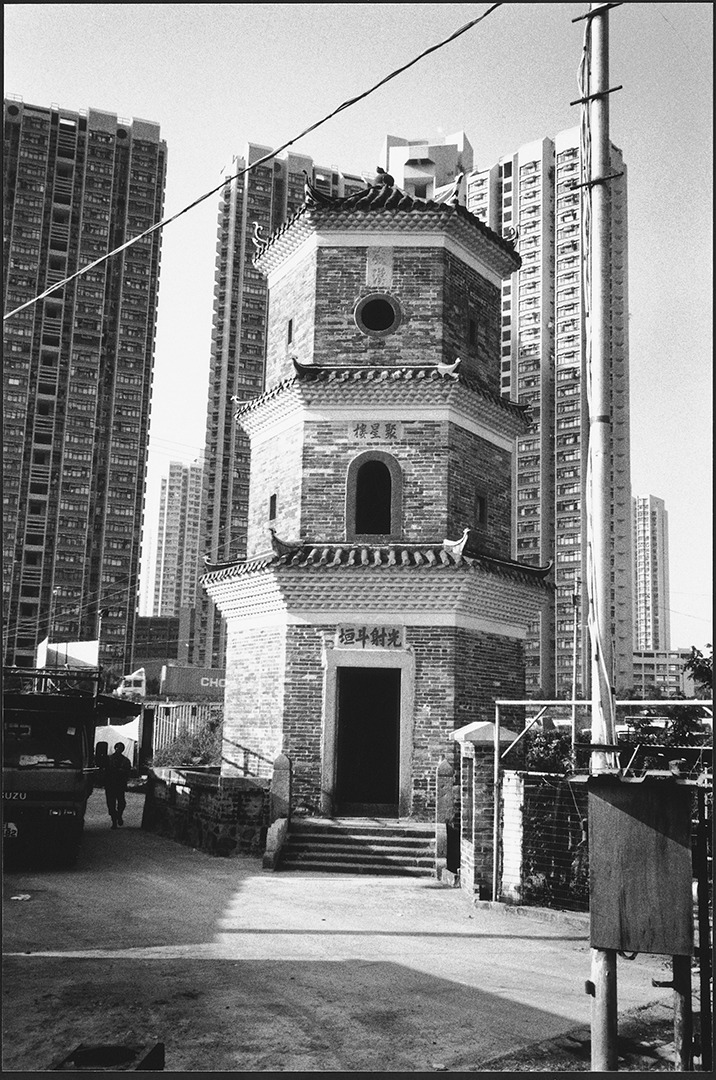
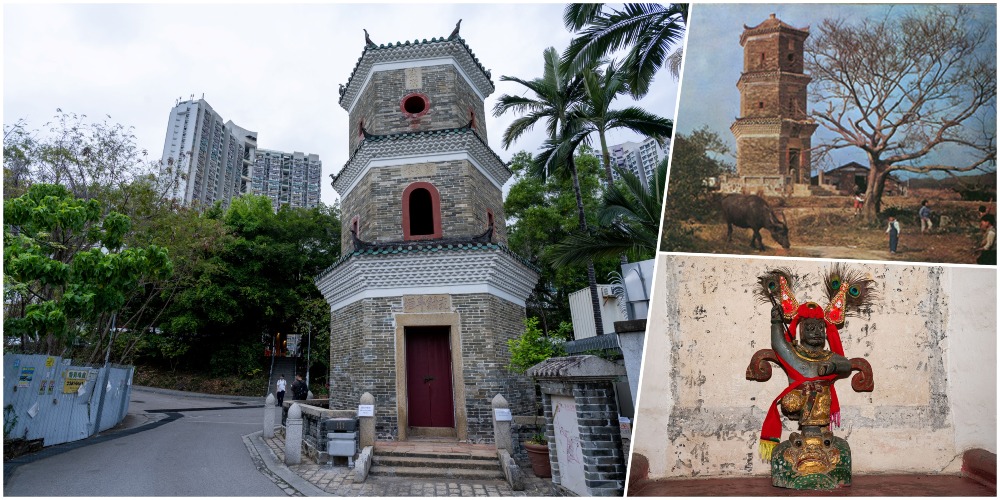
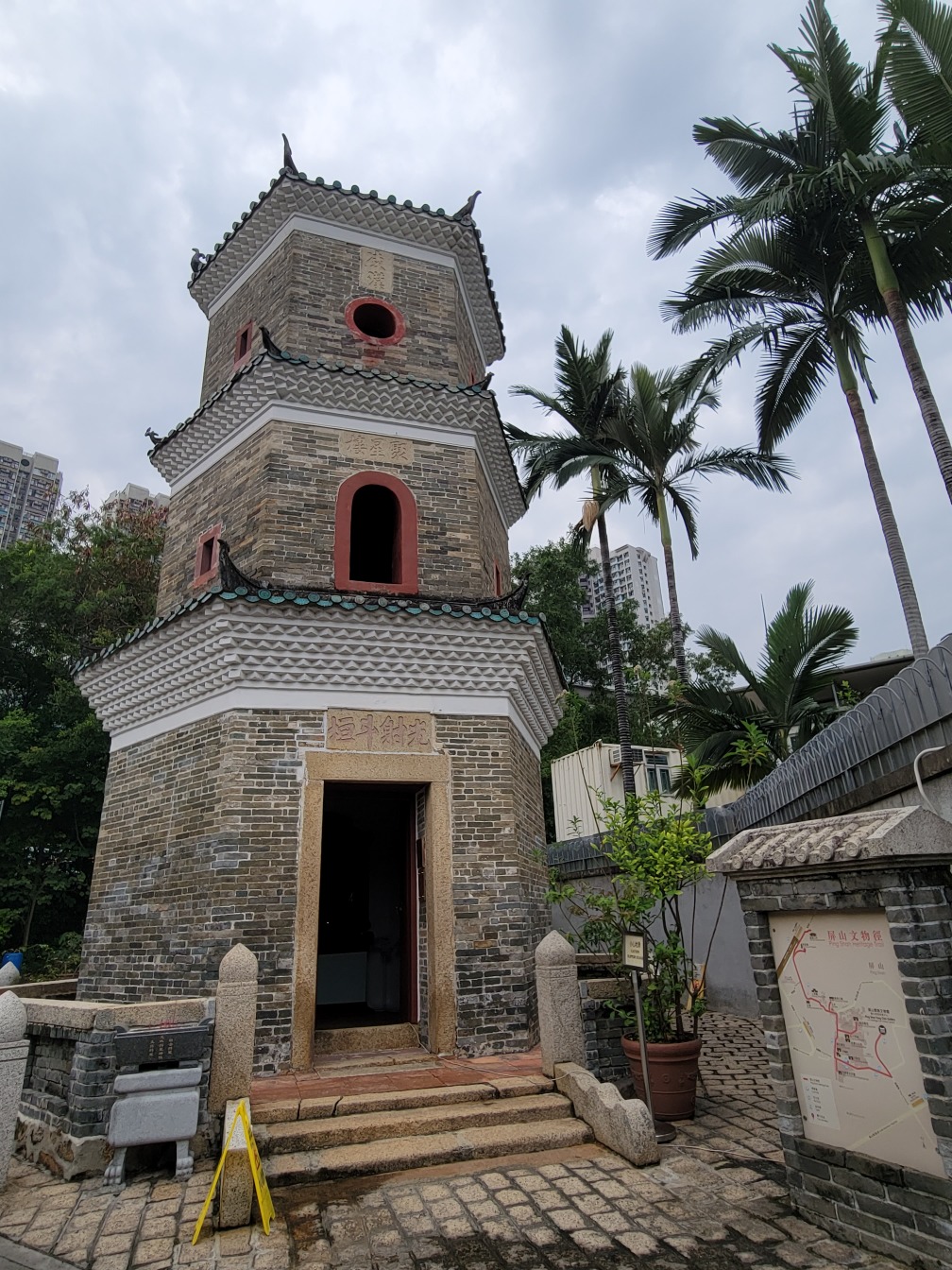
Tsui Sing Lau Pagoda has a simple, elegant antique look. This hexagonal tower is approximately 13 metres high, built with green bricks and has three storeys.
Upon closer inspection, you can see that each storey has brick-built, rhombus-shaped eaves decorations and upturned roof ridges, giving it an antique charm.
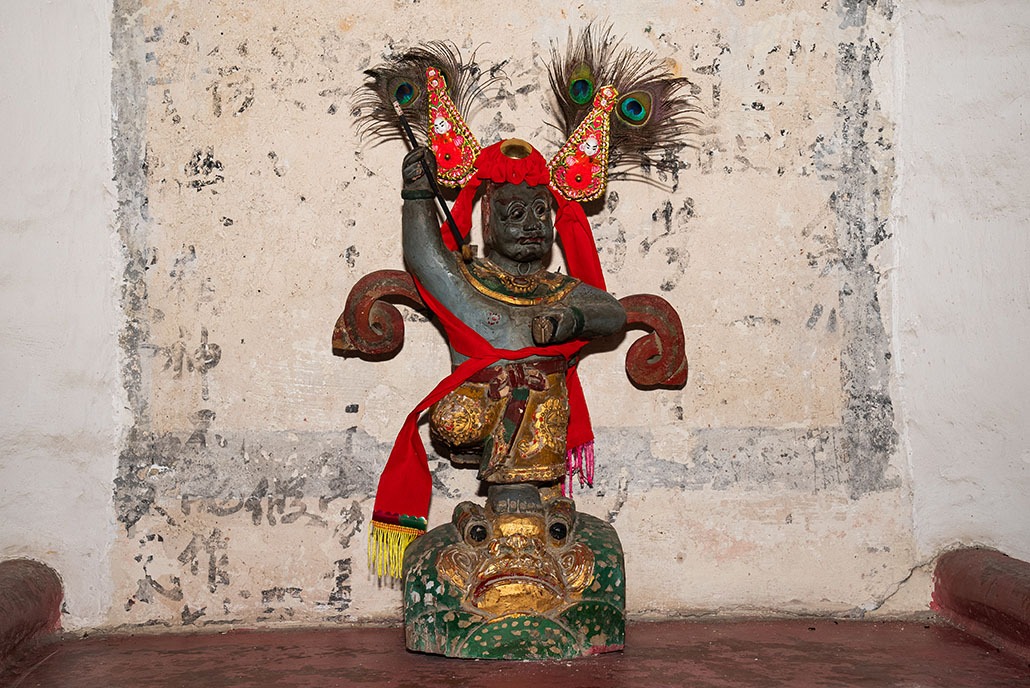
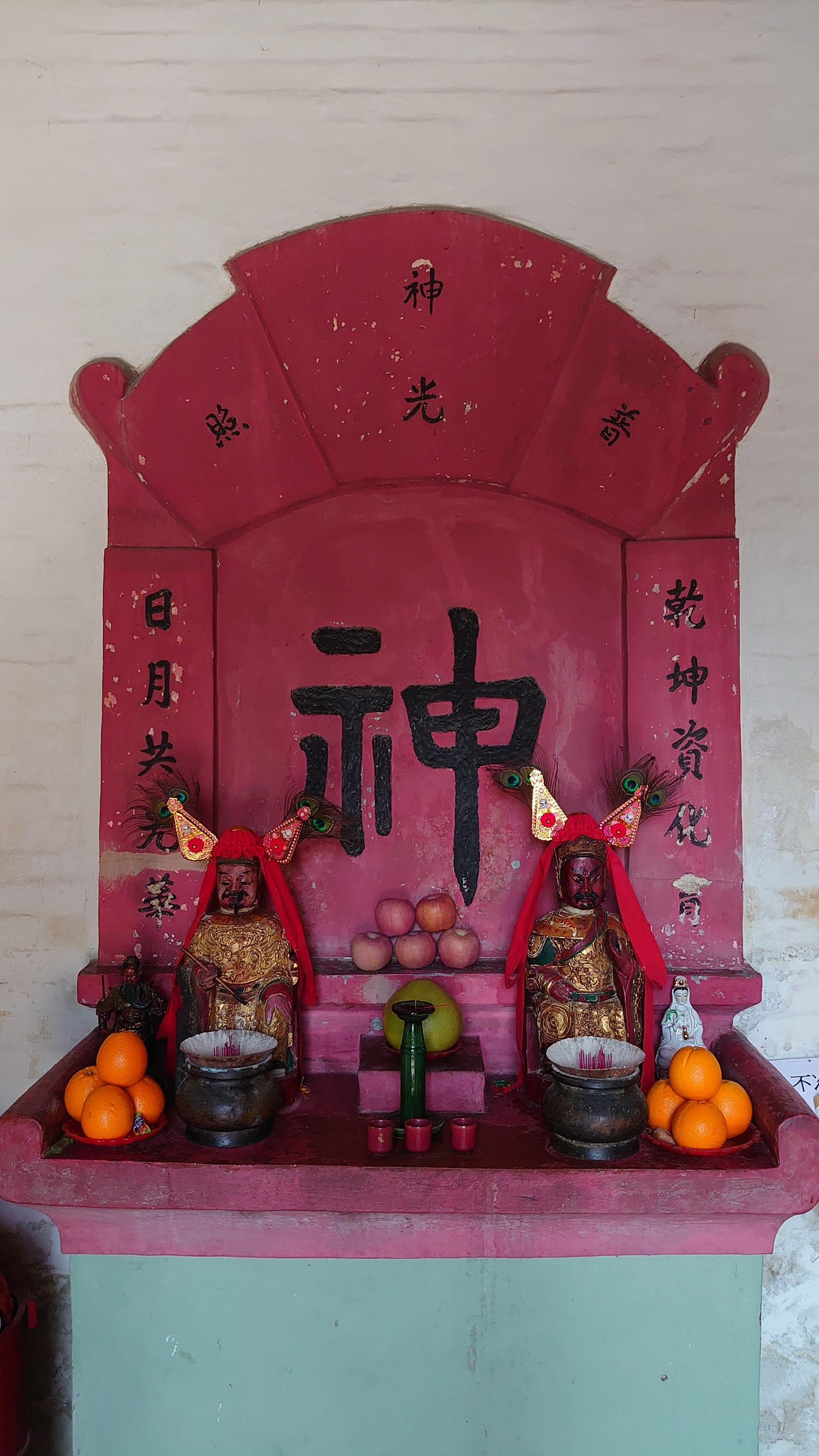
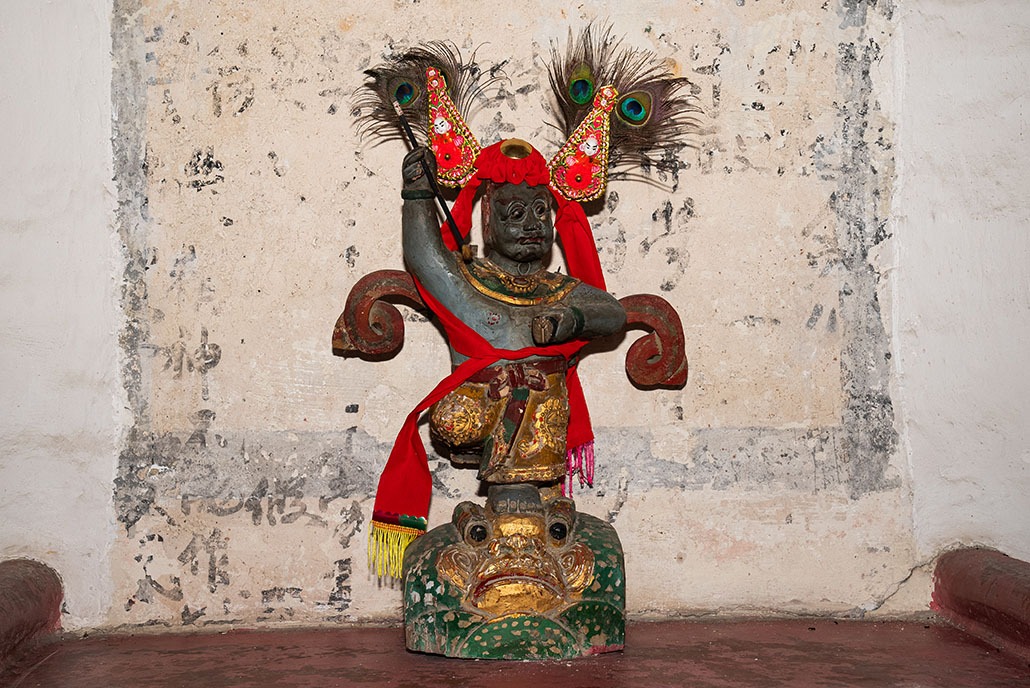
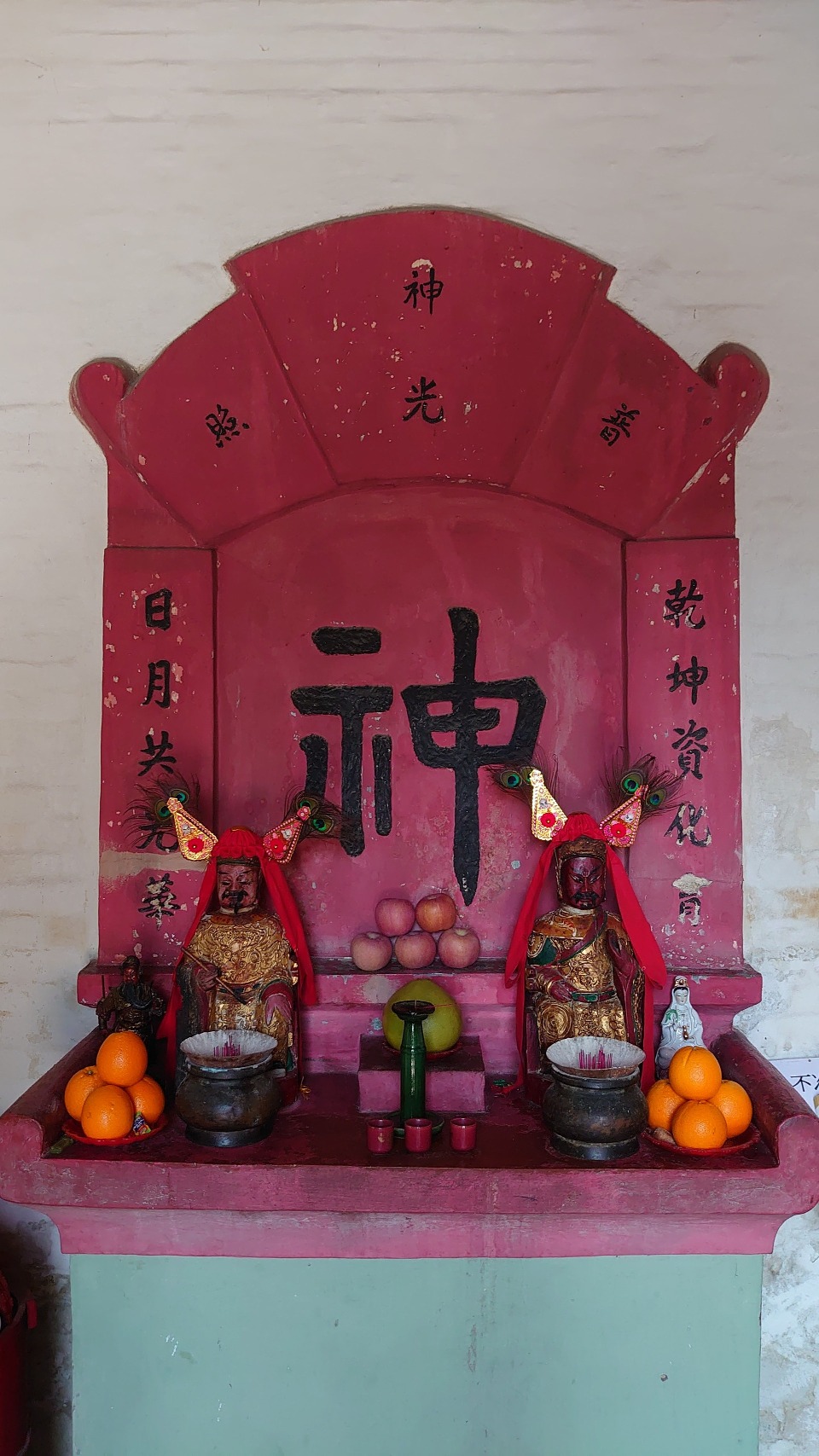
Tsui Sing Lau Pagoda is a pagoda built to bless the scholarly fortunes of the Tang clan (鄧氏) in the New Territories. Inside, it enshrines Man Cheong (文昌) and Kui Xing (魁星) – two deities who govern literary success and academic honours.
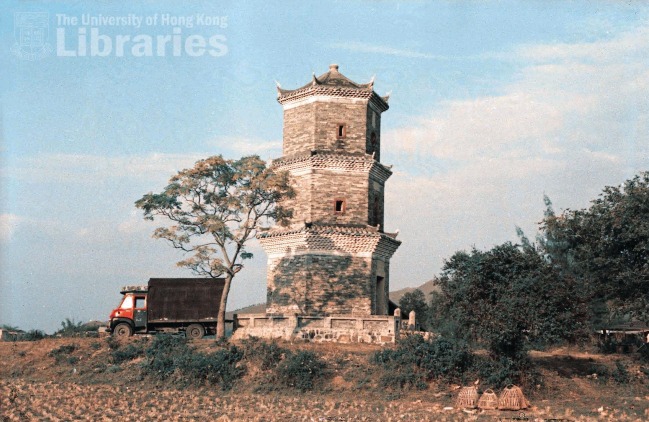
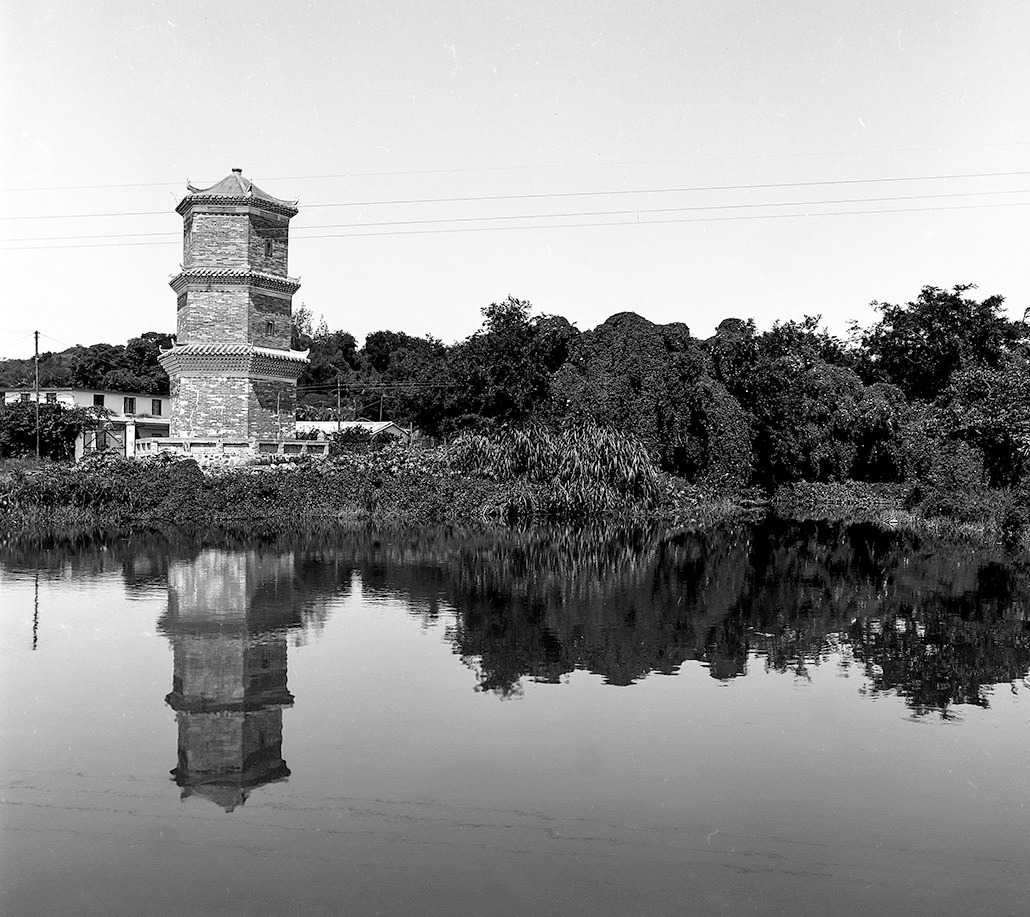
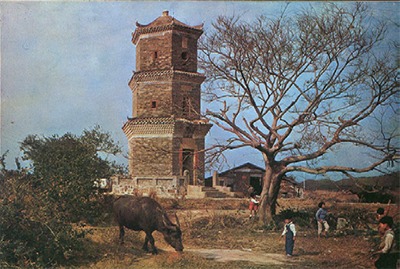
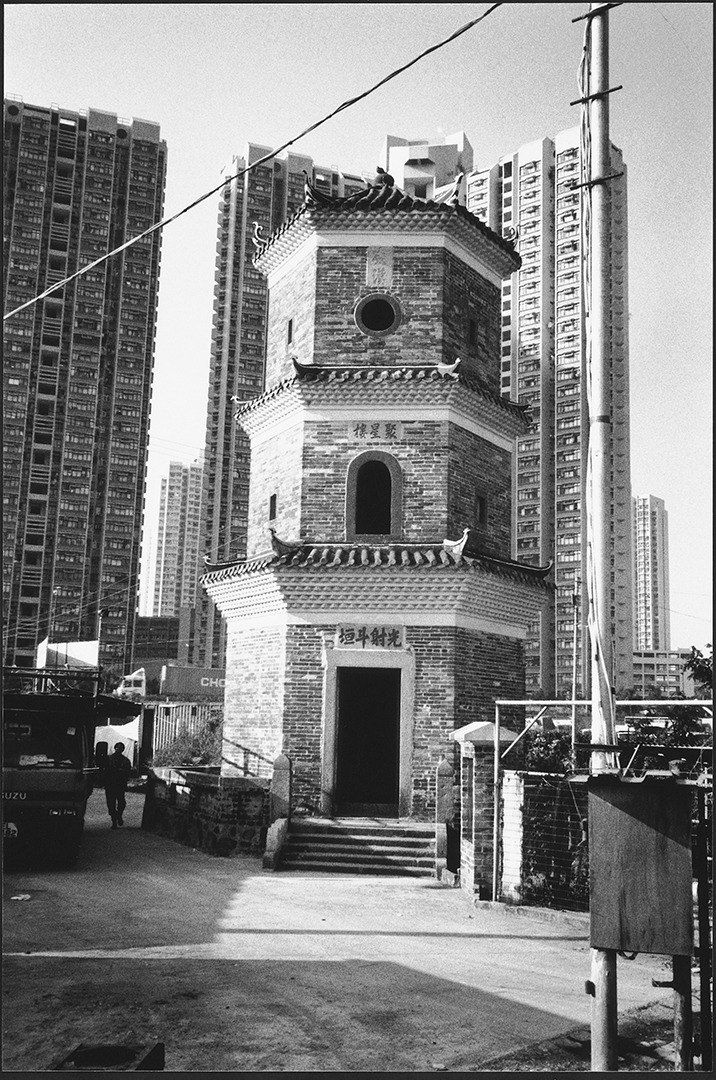
Only 3 storeys of Tsui Sing Lau Pagoda left after typhoon
According to the Genealogy of the Tang Clan, Tsui Sing Lau Pagoda was built around the Hongwu (洪武) reign of the Ming Dynasty (1368 to 1398 AD) by Tang Yin-tung (鄧彥通), the seventh-generation ancestor of the Tang Clan. It is therefore over 600 years old.
Legend has it that Tsui Sing Lau Pagoda was originally seven storeys high, but unfortunately, the upper four storeys collapsed due to a severe typhoon, leaving only the three storeys that we see today.
Today, the pagoda is surrounded by urban development. However, according to the elders of the Tang Clan, the pagoda was originally erected at the mouth of a river, facing Deep Bay (后海灣), and was geographically located to the north of Ping Shan Heung (屏山鄉).
From a feng shui perspective, the pagoda was initially built with the intention to "ward off evil spirits from the north" (擋北煞) and "suppress floods" (鎮水災), while also preventing the receding tide from carrying away the wealth of Ping Shan, thereby "gathering water to accumulate wealth" (收水聚財).
In addition, Tsui Sing Lau served as a "literary pagoda" (文塔) that aligned with Castle Peak (青山), nicknamed the "Writing Brush" (文筆) because of its steep, brush‑like peak. This alignment was believed to help the clan's young scholars excel in their studies and achieve success in the imperial examinations, bringing honour to the family.
The Tang Clan from Ping Shan produced 5 juren in Qing Dynasty
The high hopes of the Tang clan's ancestors for their descendants are also reflected in the inscriptions on the Tsui Sing Lau Pagoda.
Looking up, one can see auspicious inscriptions on each of the three storeys at the front of the pagoda. From top to bottom, they are "凌漢" (meaning soaring high above the Milky Way), "聚星樓" (meaning Pagoda of Gathering Stars), and "光射斗垣" (meaning its light shines upon the Dipper and the enclosures of heaven).
These profound blessings have become a spiritual solace that transcends time and space, guiding future generations to pursue excellence, achieve scholarly honours, and embark on an official career.
In fact, the Tang clan has produced many talented individuals throughout its history, with countless scholars and officials.
According to Jiang Shunyuan (姜舜源), a scholar of Chinese history and culture, "the Ping Shan Tang clan alone produced five "juren" (舉人, successful candidate in the imperial examination at the provincial level) and eight "gongsheng" (貢生, tribute students recommended through examinations to study at the Imperial Academy, the country's highest educational institution in Beijing, ) during the Qing Dynasty (1644-1911 AD).
Furthermore, a check of the information on the Ping Shan Heritage Trail reveals that those who passed the examinations include Tang Shui Tai (鄧瑞泰), a military juren in the 9th year of the Jiaqing (嘉慶) reign of the Qing Dynasty (1804), and Tang Wai Yuk (鄧惠育), a civil juren in the 3rd year of the Tongzhi (同治) reign of the Qing Dynasty (1864) (the grandson of Tang Shui Tai).
Tsui Sing Lau is included in thematic trail of GBA heritage trail
The Tsui Sing Lau Pagoda has now been included by the Development Bureau in the Hong Kong section of the "Greater Bay Area Thematic Heritage Trail" as one of the attractions under the theme " Imperial Examination Success".
The Guangdong-Hong Kong-Macao Greater Bay Area (GBA) has belonged to south China's Lingnan region (嶺南) since ancient times, sharing a continuous line of history and culture, and the three places are closely related, especially in education.
On the Ping Shan Heritage Trail, where the Tsui Sing Lau Pagoda is located, there are actually many other attractions related to success in the imperial examinations, including private study halls built with clan support such as the Front Hall of the Shut Hing Study Hall (述卿書室前廳), Kun Ting Study Hall (覲廷書室), and Yan Tun Kong Study Hall (仁敦岡書室).
These existing traditional Chinese study halls in Hong Kong, of which there are also many in Guangdong Province, were primarily aimed at nurturing clan descendants to achieve scholarly honours, expanding the clan's voice and influence in the region, and demonstrating the common cultural origins of the imperial examination system in the Lingnan region.
In addition, the murals, wood carvings, plaster mouldings, and inscriptions within the study halls also have an educational purpose. These architectural details also reflect the artistic heritage of traditional Lingnan architecture.
On holidays, you can stroll along the Ping Shan Heritage Trail to experience the traditional character and clan life of the New Territories. If you have time, you can also go to the nearby Ping Shan Tin Shui Wai Public Library, known as "Hong Kong's most beautiful library", to make a pilgrimage and read good books, infusing wisdom into your mind and soul, and hope for a good start to the new academic year.
Tsui Sing Lau Pagoda
Address: Ping Shan, Yuen Long, New Territories
Opening hours: Monday, Wednesday to Sunday 9a.m.-1p.m. and 2-5p.m.; closed on Tuesdays (except public holidays), Christmas Day and Boxing Day, New Year's Day and the first to the third day of the Lunar New Year
Read more:
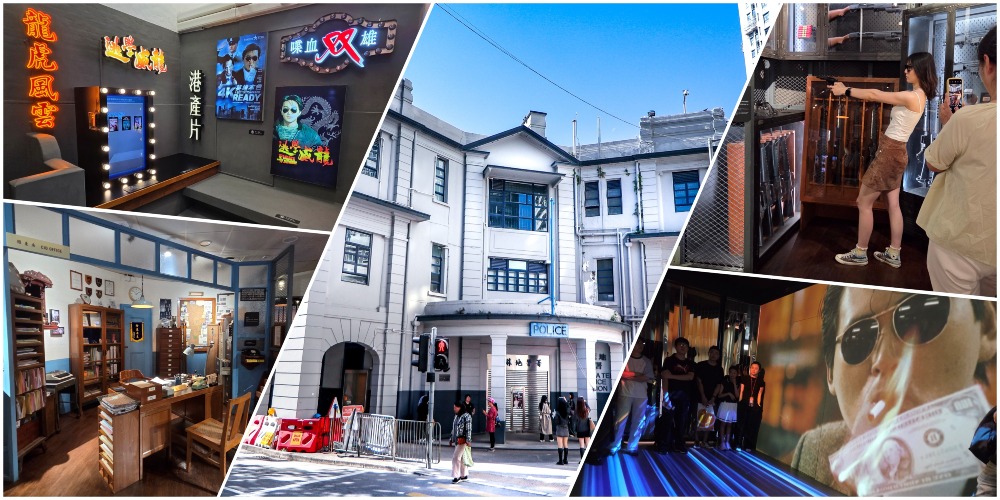
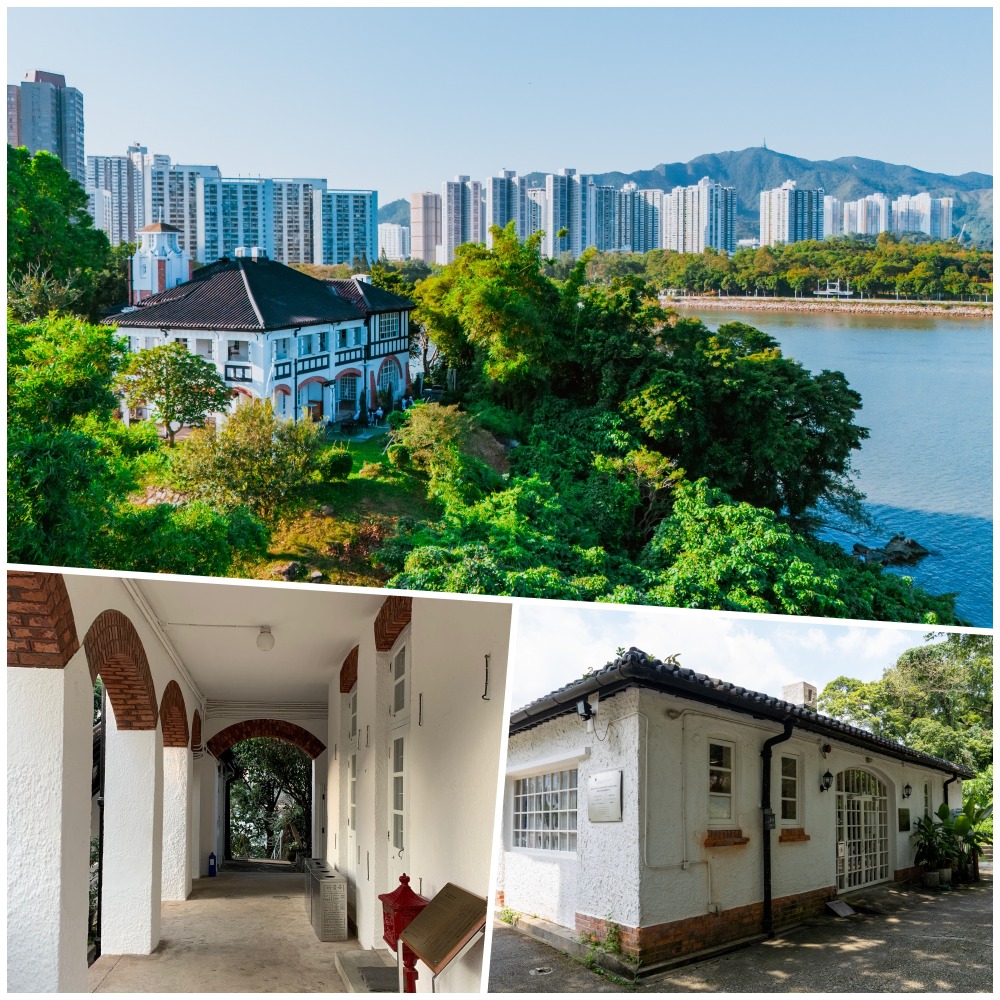
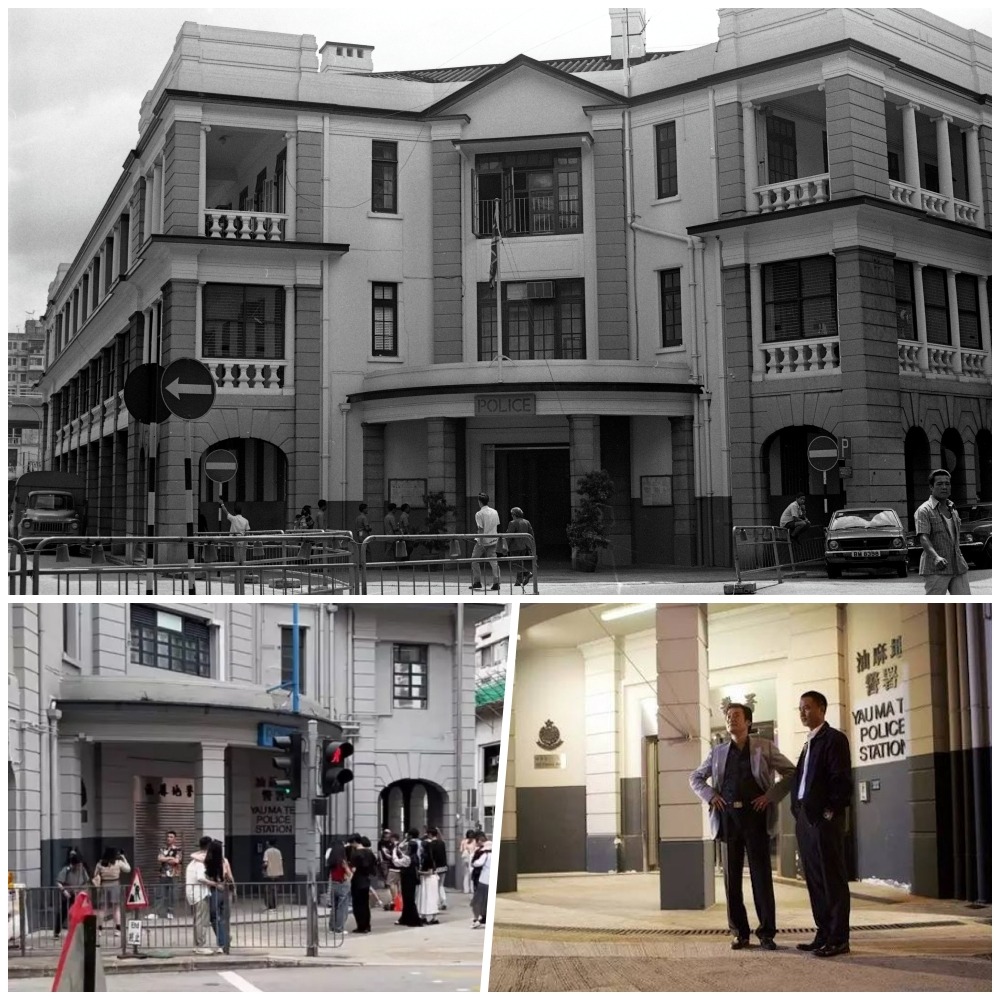
A glance at the "Yau Ma Tei Police Station: A Cinematic Journey" exhibition
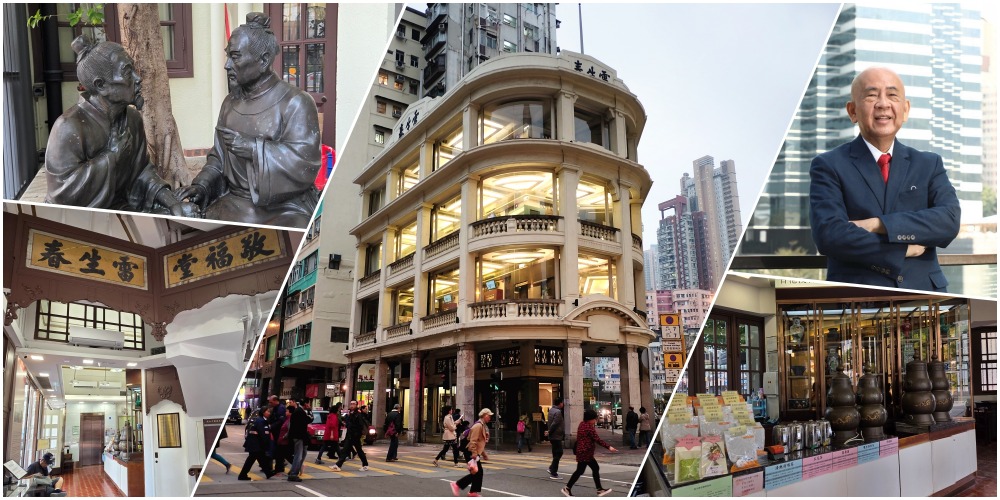
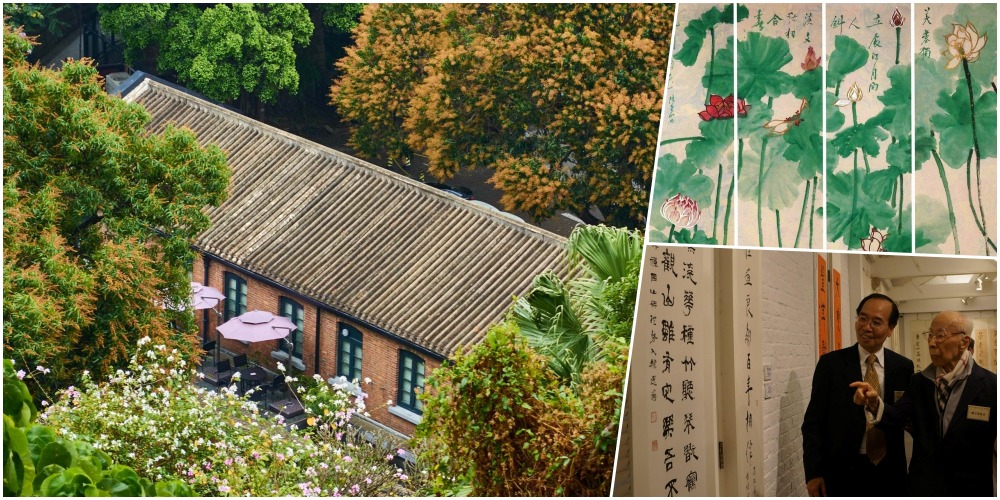
Jao Tsung-I Academy: Tracing the footsteps of a Chinese studies master in HK
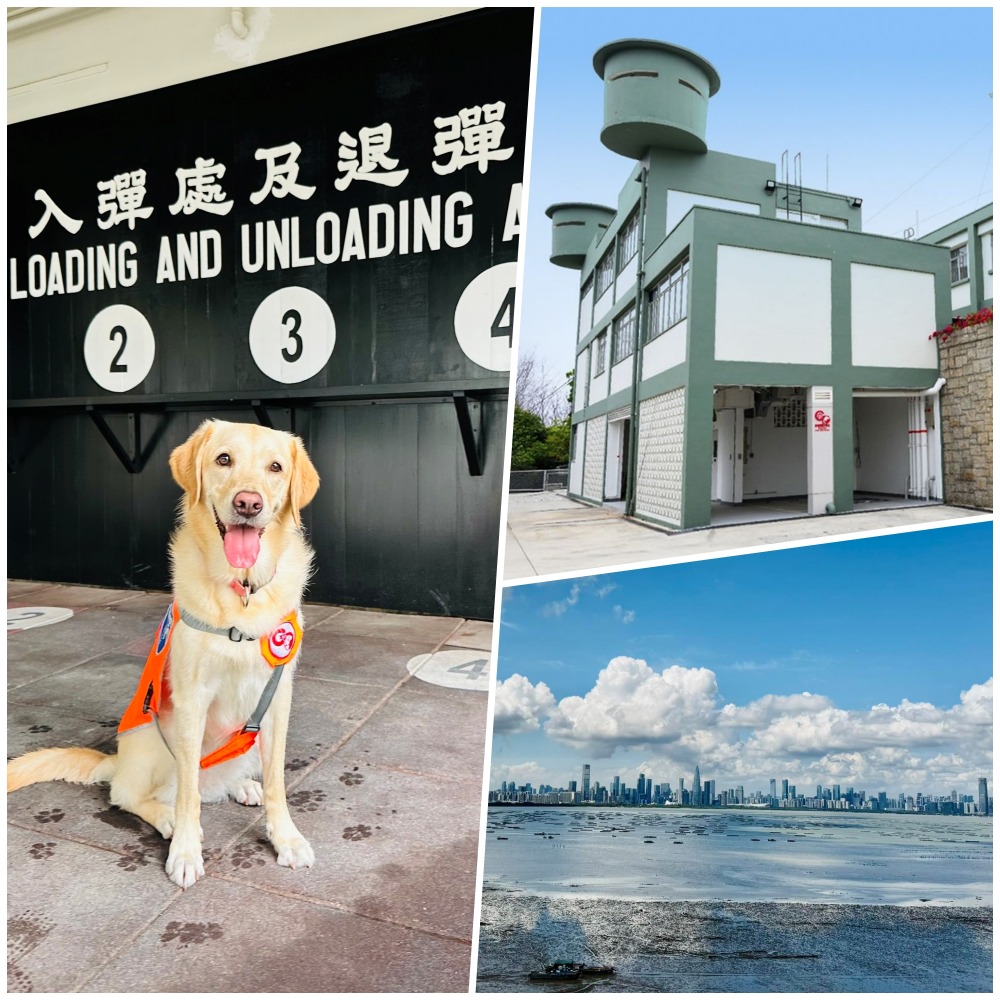
How did the Lau Fau Shan Police Station become the Hong Kong Guide Dogs Academy?