Published : 2025-10-05
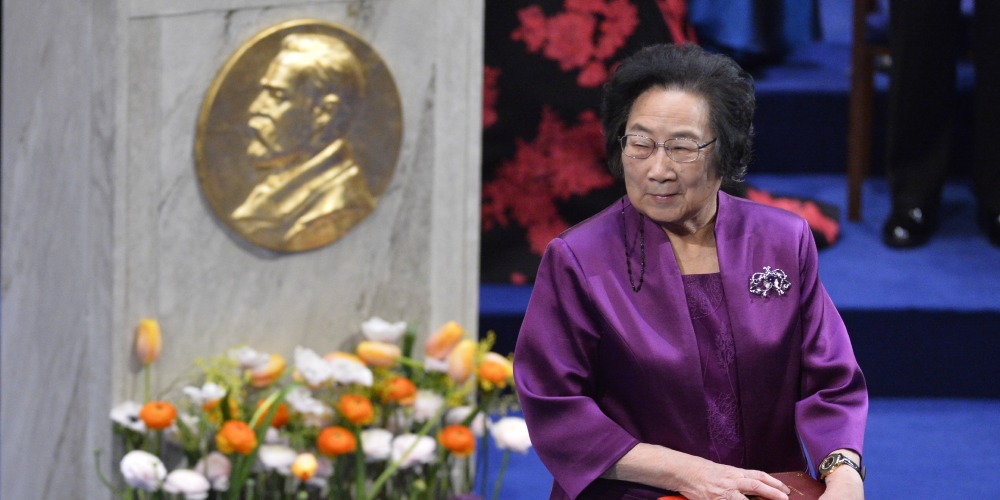
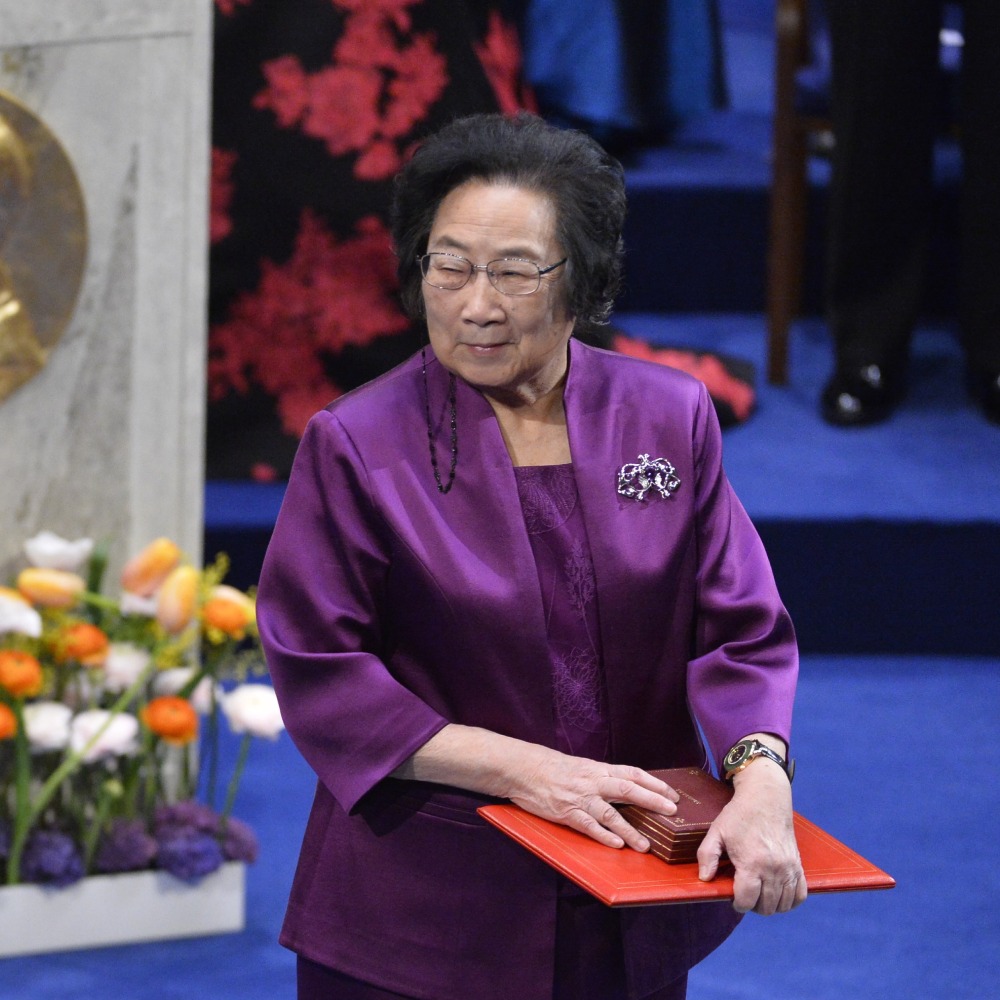
On 5 October 2015, the Karolinska Institute in Sweden announced that the 2015 Nobel Prize in Physiology or Medicine would be awarded to Chinese pharmacist Tu Youyou (屠呦呦), as well as Irish scientist William C. Campbell and Japanese scientist Satoshi Ōmura, in recognition of their achievements in research on the treatment of parasitic diseases.
Tu Youyou was awarded "for her discoveries concerning a novel therapy against Malaria".
This was the first time a Chinese scientist had won a Nobel science prize for scientific research conducted in Chinese Mainland, the highest honour received by the Chinese medical community to date, and also the highest award received for achievements in traditional Chinese medicine.
The prize money for the Nobel Prize in Physiology or Medicine that year totalled eight million Swedish kronor (equivalent to 920,000 USD), with Tu receiving half of the prize money, while the other two scientists shared the other half.
Tu Youyou is the 12th female winner of the Nobel Prize in Medicine.
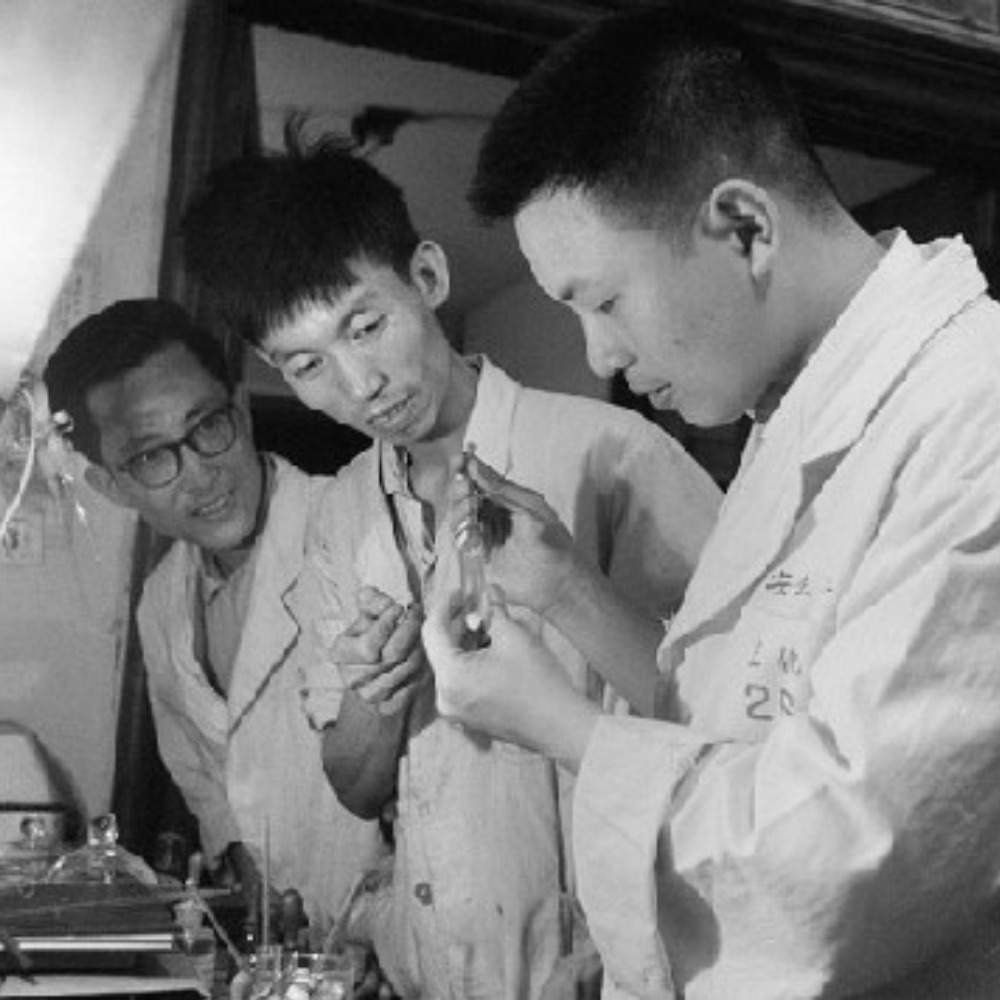
In the 1960s and 1970s, under extremely difficult research conditions, Tu Youyou's team, in collaboration with other Chinese institutions, pioneered the discovery of artemisinin after arduous efforts and by drawing inspiration from classical texts of traditional Chinese medicine such as A Handbook of Prescriptions for Emergencies (《肘後備急方》), creating a new method for treating malaria and allowing hundreds of millions of people worldwide to benefit from this "Chinese magic drug".
Currently, artemisinin-based combination therapies have become the standard treatment for malaria, and the World Health Organisation (WHO) has also included artemisinin and related agents in its list of essential medicines.
At the time, Jan Andersson, a member of the Nobel Committee for Physiology or Medicine, stated in a media interview that thanks to the contributions of the three scientists, millions of people had received appropriate medication, and that this event was a milestone.
He said: "Tu Youyou was the first scientist to prove that artemisinin was effective against malaria in animals and humans. Her research and development made an outstanding contribution to human life and health, opening a new window for researchers. Tu Youyou has knowledge of traditional Chinese medicine and also understands pharmacology and chemistry; she combined Eastern and Western medicine to achieve an effect where one plus one is greater than two, and her invention is a perfect embodiment of this combination."