Published : 2026-08-04
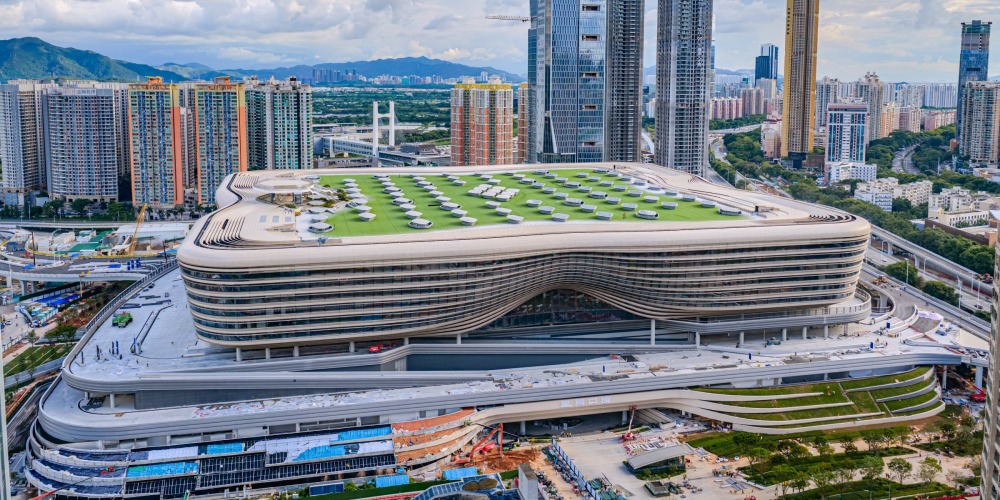
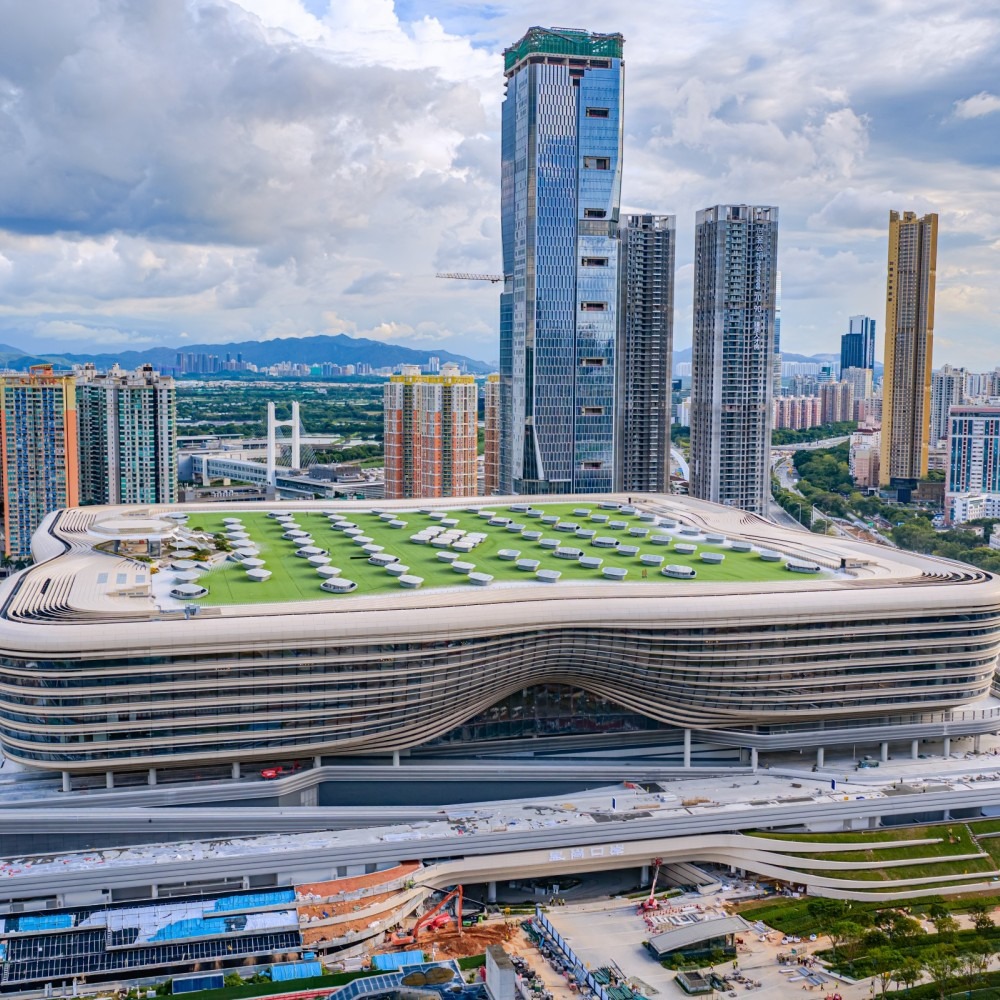
The new Huanggang Port is about to open. This key border hub in the heart of Shenzhen and Hong Kong will soon handle daily cross-boundary traffic in a brand-new setting.
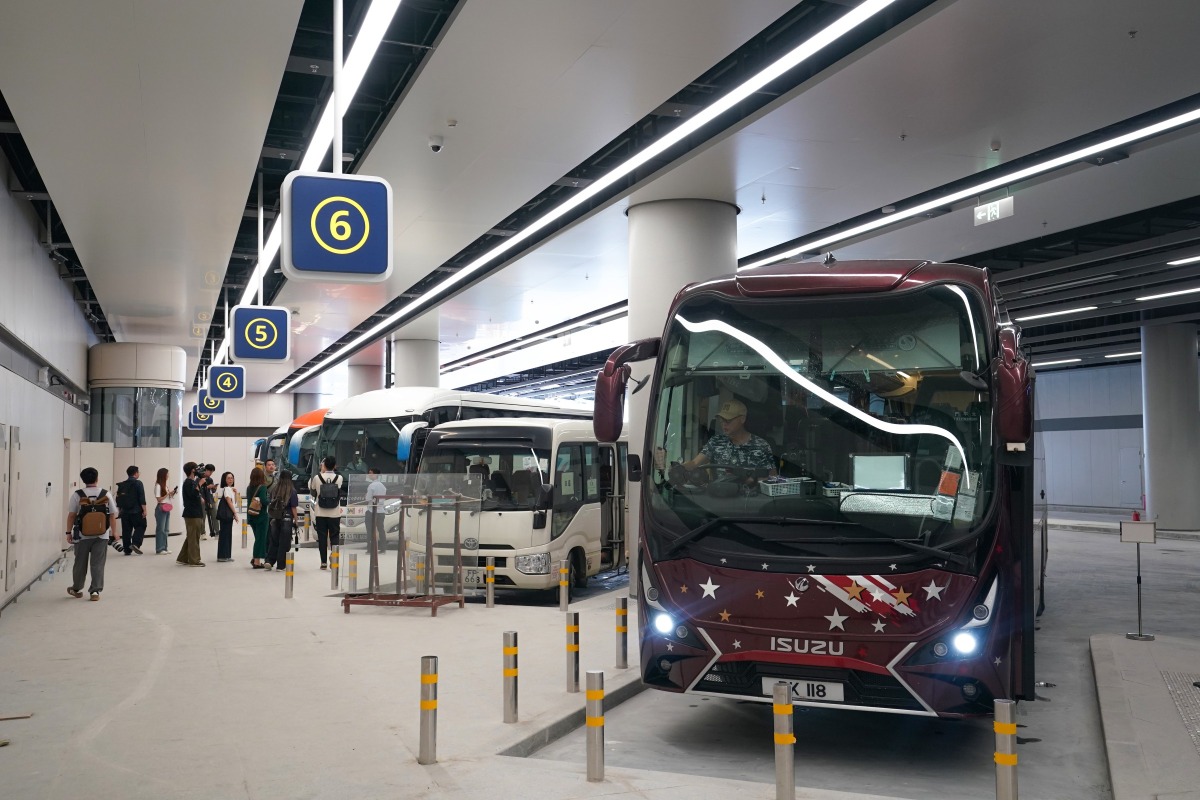
The new port has several standout features. It is the first to use the "joint inspection and one-time release" model. Its striking design and excellent transport links are equally impressive. Let's take a closer look.
On 31 July 2026, the Huanggang Port Hong Kong Port Area Ordinance took effect. From that day, the HKSAR has legal jurisdiction over the area. This also means the new Huanggang Port has entered its final preparation phase – the countdown to full opening has begun.
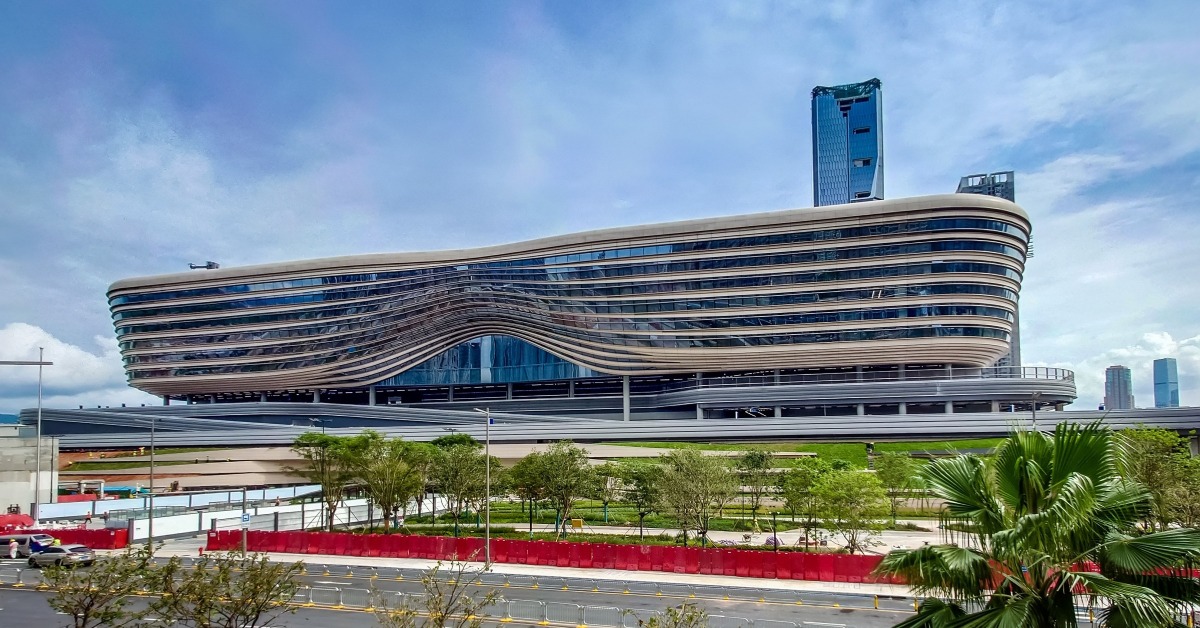
Right after the Hong Kong Port Area was ready, teams from Shenzhen and Hong Kong started installing equipment and running joint tests – all to make sure the port works safely and without a hitch.
The official opening date is still to be confirmed by the two governments, but we could see services begin as early as September.
9 Floors: What's on each level?
The new Huanggang Port is a joint inspection facility. It has a total floor area of 689,700 square metres, with 9 storeys above and below ground. Here's how the floors are arranged:
-
L1 and L3 – for vehicles entering and leaving the port.
-
L2 – the interchange level for local Hong Kong traffic and cross-boundary buses.
-
L4 – for outbound passengers (departures).
-
L5 – for inbound passengers (arrivals).
The four underground floors are used for traffic interchanges and parking.
New "three-gate" system: Clear customs in just 5 minutes
The new port features the "joint inspection and one-time release" system. With 134 e-channels and 68 manual channels for joint inspection, it greatly reduces clearance time for passengers and vehicles.
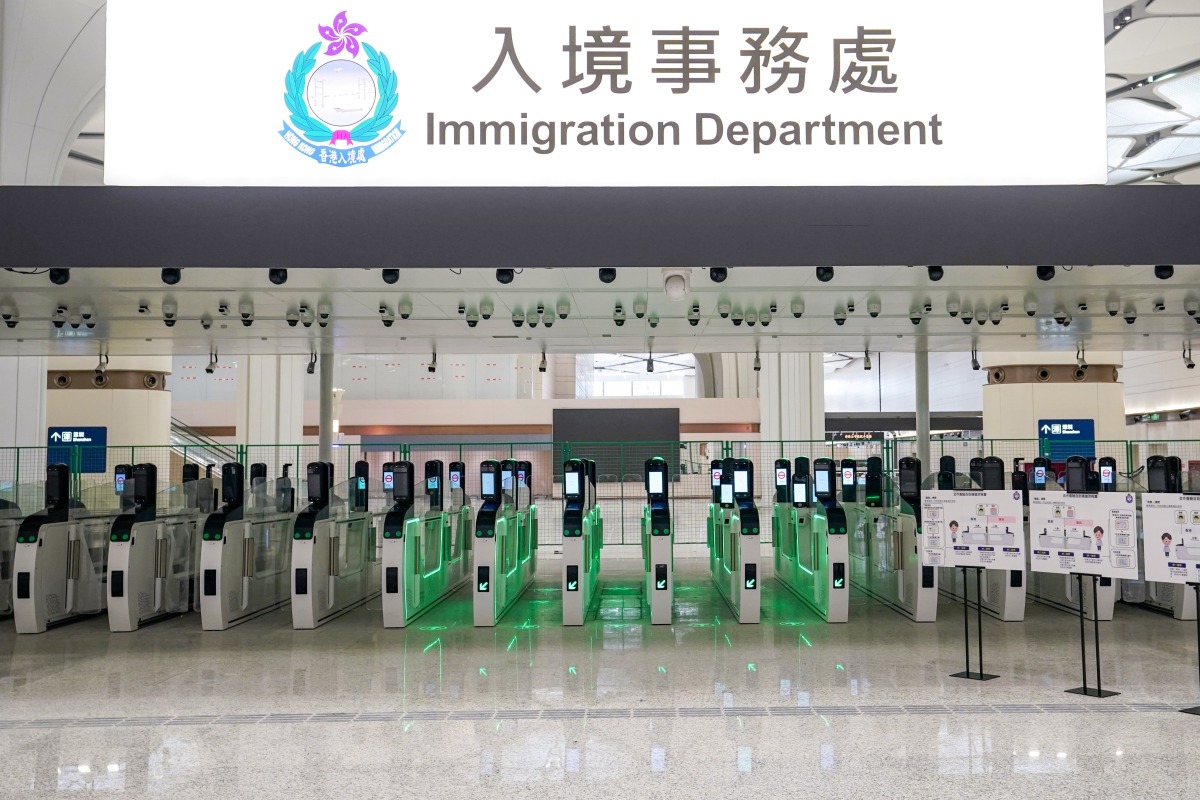
On L4 and L5, where passengers go through inspection, the e-channels use a "three-gate" integrated design.
Each gate is supported by six components, including back-end systems, servers, and network switches, enabling Shenzhen and Hong Kong to carry out joint inspection together.
Here's how it works for passengers:
-
Gate 1 reads your travel document.
-
Gate 2 collects biometric data, like fingerprints, for identity verification.
-
Gate 3 is controlled by the arrival side.
Once your information is verified, Gate 2 and Gate 3 open almost at the same time – and you're through. This means "one queue, one data collection, one release".
The whole process cuts clearance time from around 30 minutes to just 5 minutes.
Pioneering "Five-in-One" lanes: Faster clearance for vehicles
On L1 and L3, where vehicles go through inspection, the port has 28 "Five-in-One" joint inspection lanes. In a single stop, they collect all the vehicle and driver details needed by five different agencies.
All agencies run their checks at the same time. This means no more queuing multiple times or getting out of your car again and again.
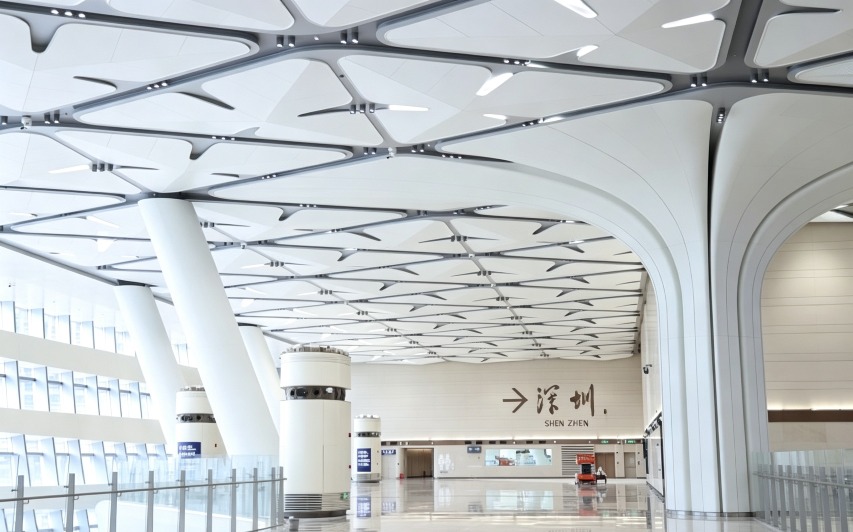
Extensive use of natural light and stunning "Bougainvillea" ceiling
Beyond faster clearance, the new joint inspection building is just as impressive in design. It takes inspiration from the idea of "flowing water over stacked stones".
Inside, warm colours dominate, and the space feels spacious, airy, and full of natural light.
On the 5th floor of the passenger hall, a giant bougainvillea-shaped design unfolds across the ceiling in layers.
Thirty double-curved columns are staggered beneath it, and natural light streams in through the gaps between the "petals" – cutting electricity use significantly. This is the building's most striking and technically demanding feature.
5-rail interchange for seamless underground transfers
The new Huanggang Port building also brings together shops, transport hubs, and public services. On top of the five floors above ground, the four basement levels are set to connect to five rail lines in the future.
This will link up the Guangzhou-Shenzhen-Hong Kong-Macao Science and Technology Innovation Corridor and reach across the Greater Bay Area – effectively creating a "half-hour research circle" and a "one-hour industrial circle".
That means people and businesses can move around much more freely.
Right now, the B2 level is already connected to Shenzhen Metro Line 7. Travelers can transfer without going upstairs – it's quick and hassle-free.
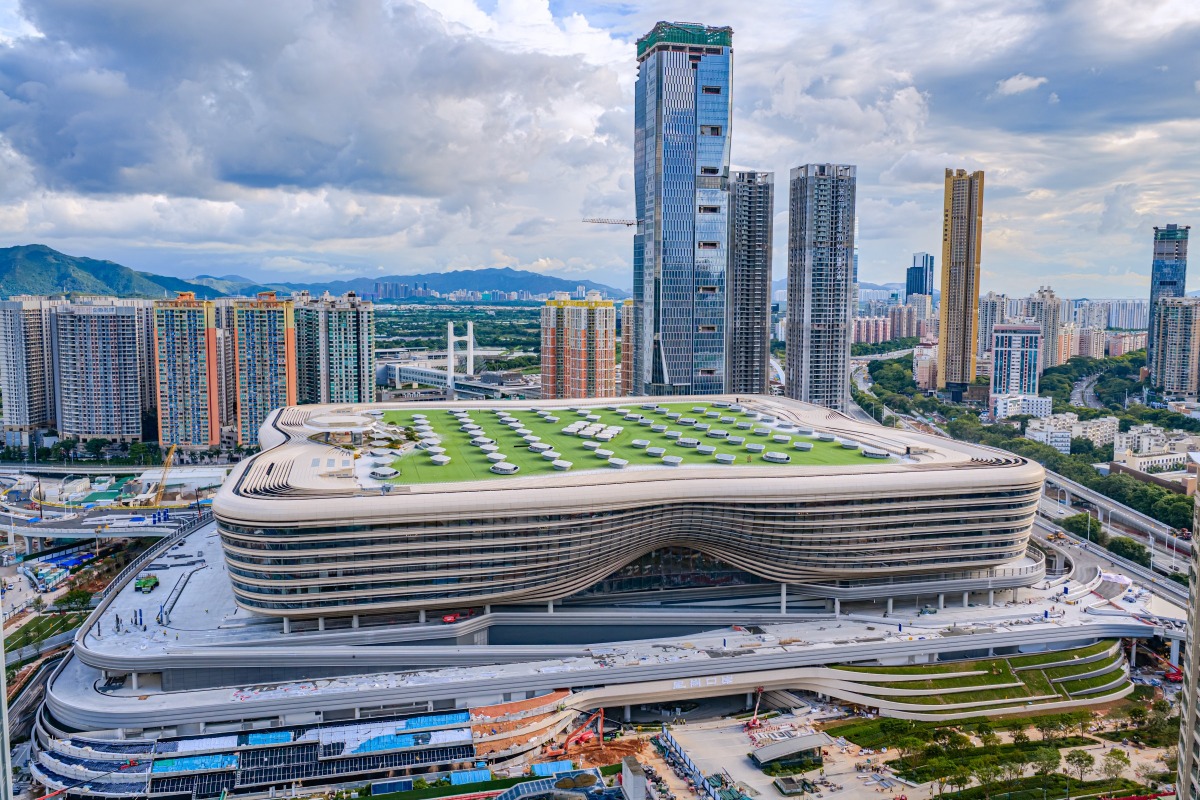
The new Huanggang Port transforms the clearance experience with its "joint inspection and one-time release" model.
With its striking design and five-rail interchange hub, it is set to become a new landmark of Shenzhen-Hong Kong integration. Once fully open, this super port will give a strong boost to links across the Greater Bay Area.
Read more:
Shenzhen Museum of International Art: Where East meets West
South China's largest! Discover the newest Shenzhen Natural History Museum
4 highlights to know about Shenzhen-Zhongshan Link's Western Artificial Island