
Published : 2025-12-19
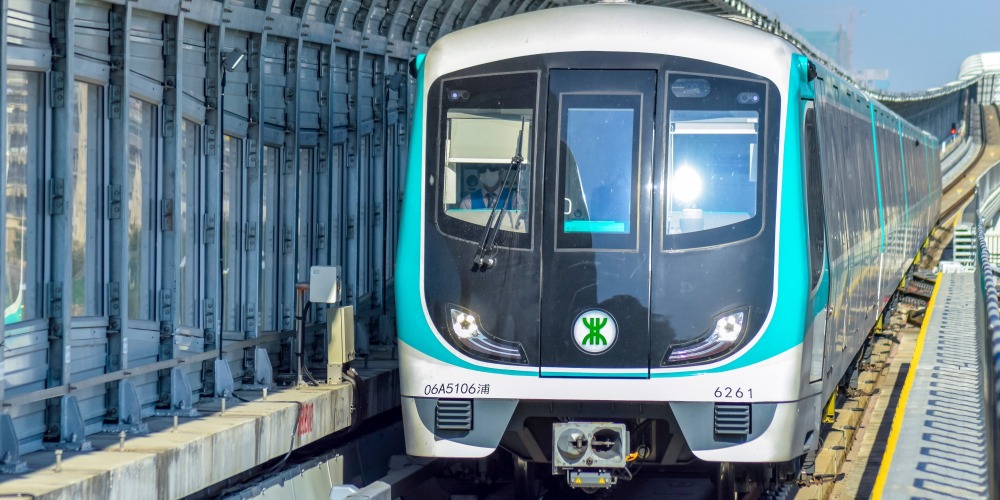
As we enter 2026, the Shenzhen Metro now features six new lines/sections that opened in late 2025. This expansion brings the system to over 635 km and 441 stations, solidifying its status as China's densest and busiest metro network.
What are the key features of these new lines, and how will they reshape travel across the Greater Bay Area?
As of September 2025, Shenzhen's metro network density reached 0.30 km per square kilometre, while its daily passenger intensity hit 15,000 trips per kilometre. Both indicators have long led the country.
The newly added lines extend farther east, west, north, and south, making travel even more convenient for citizens.
The west extension of Line 5: Connecting 3 major Luohu hubs
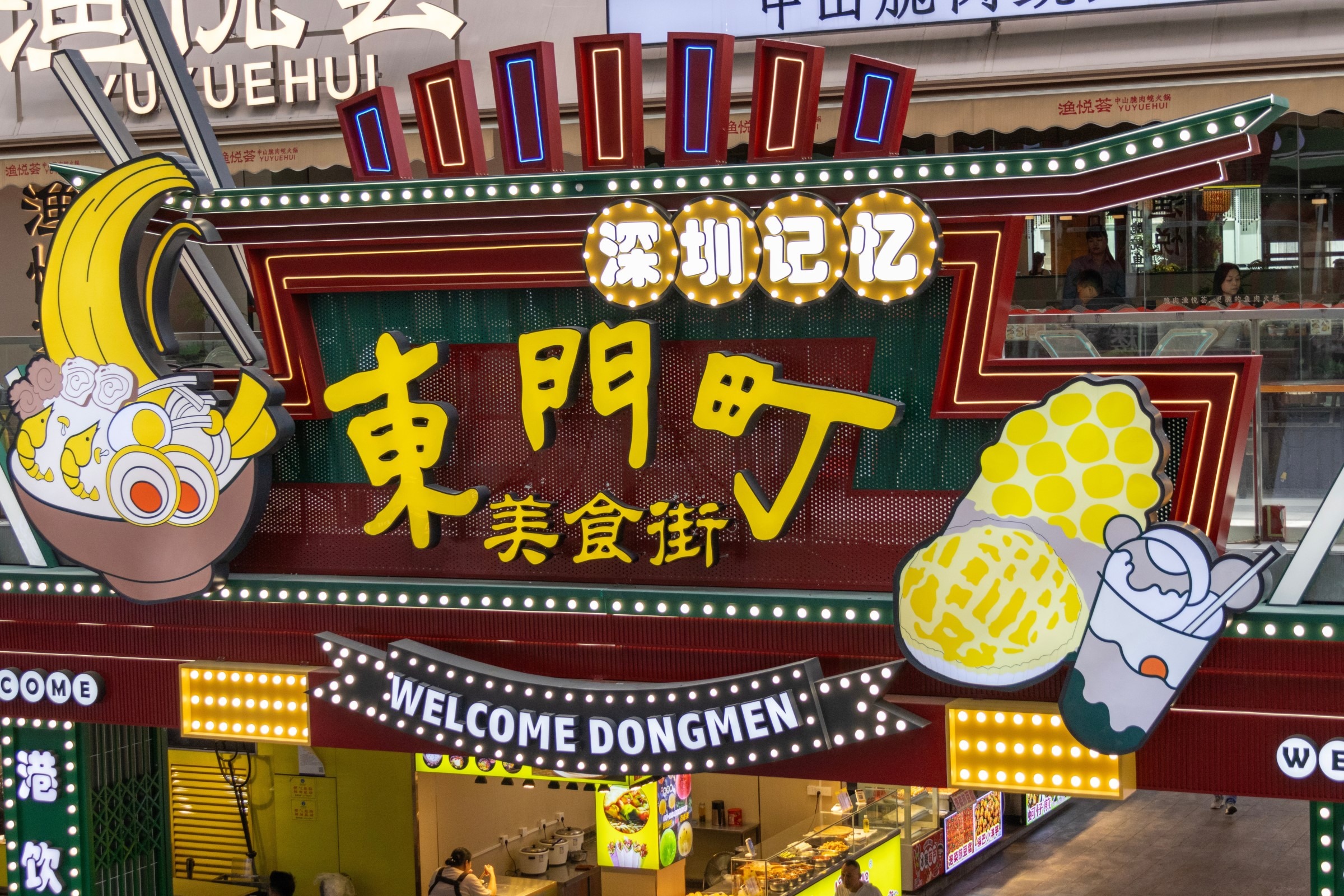
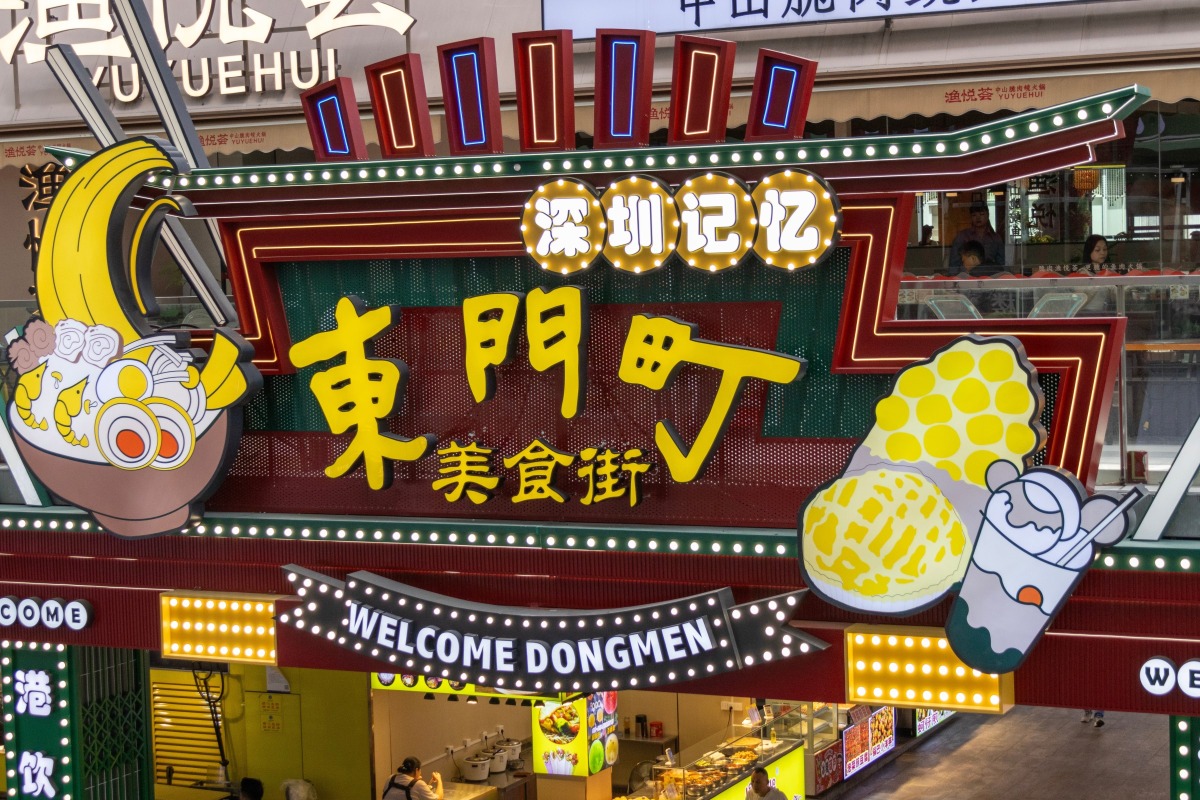
The 2.88-kilometre west extension of Line 5 starts from Huangbeiling Station (黃貝嶺站) and adds three new stations: Hubei (湖貝站), Dongmen (東門站), and Grand Theatre (大劇院站).
Despite its short length, it marks a key breakthrough by directing Line 5 passenger flow directly into Luohu's core for the first time.
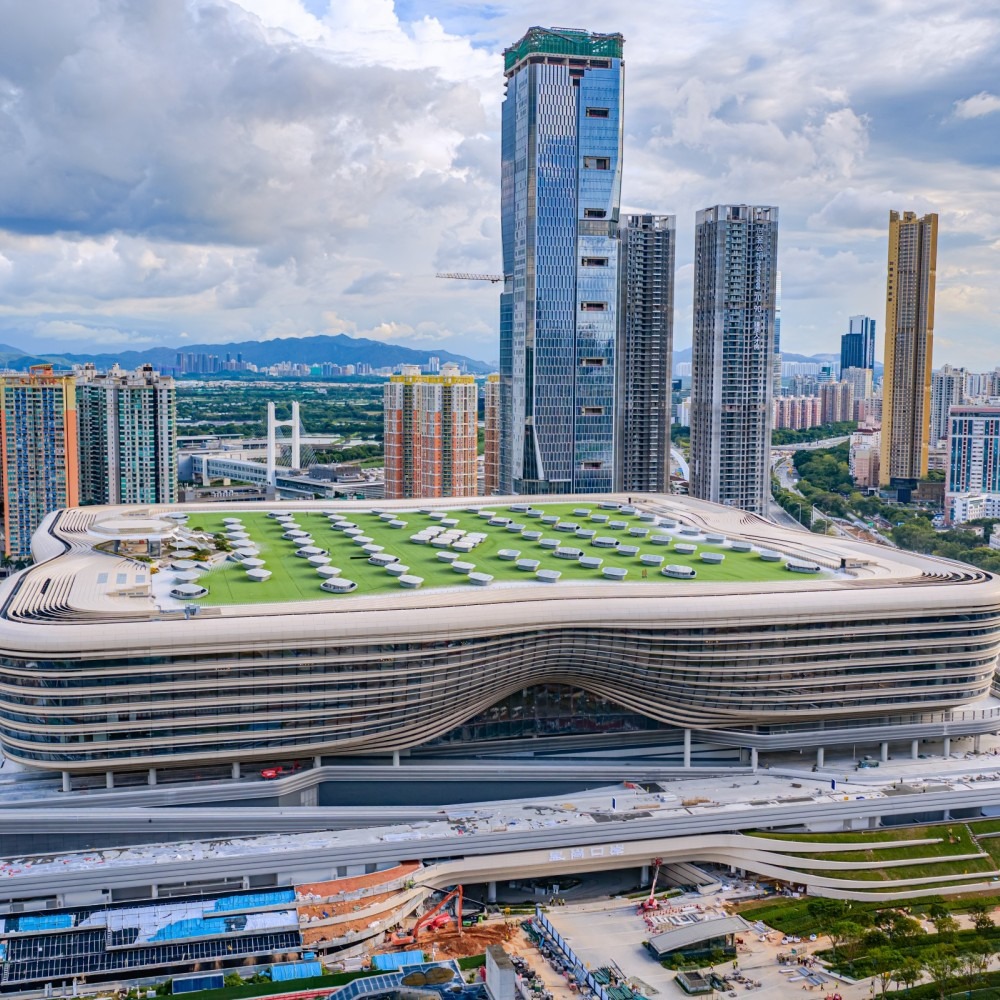
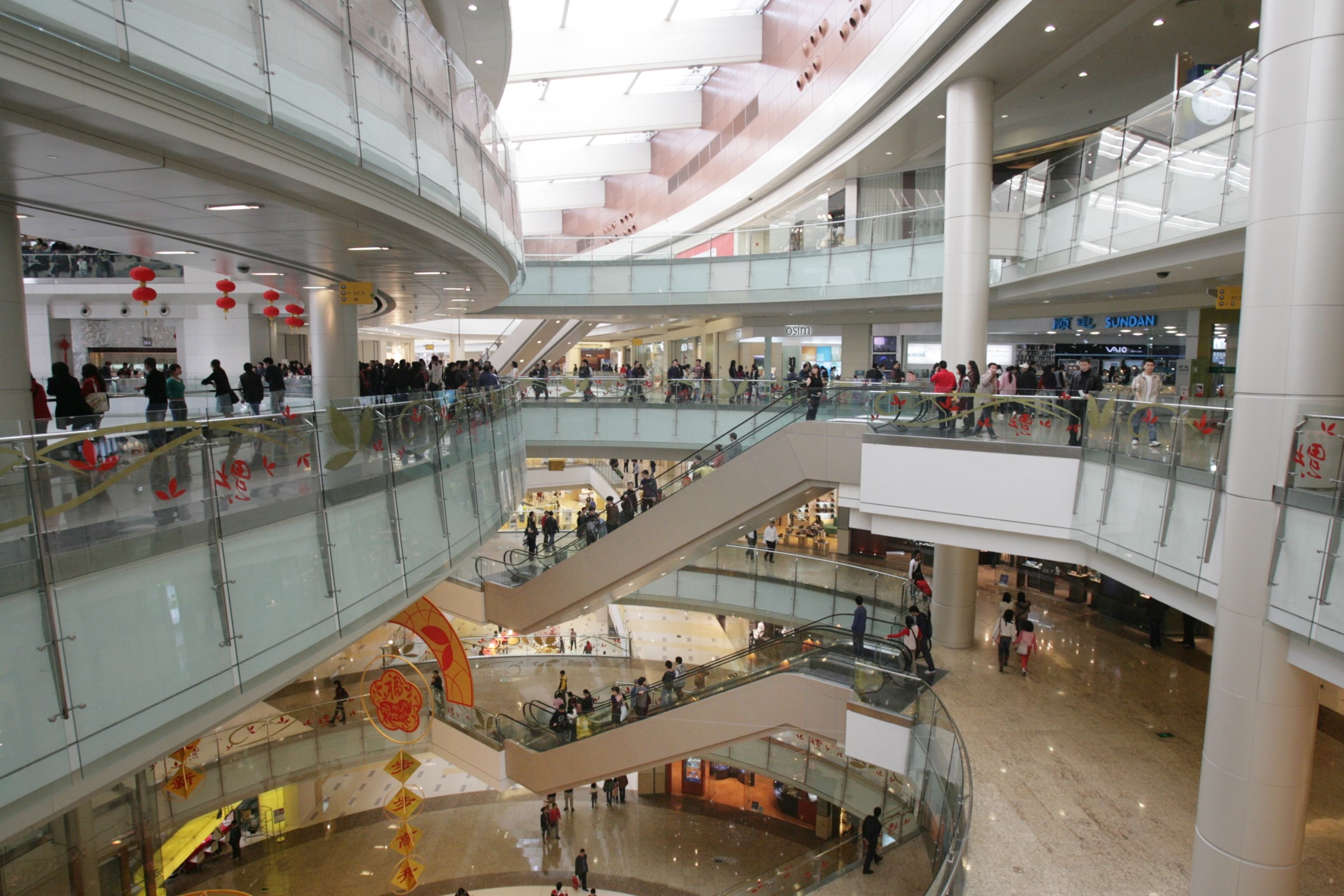
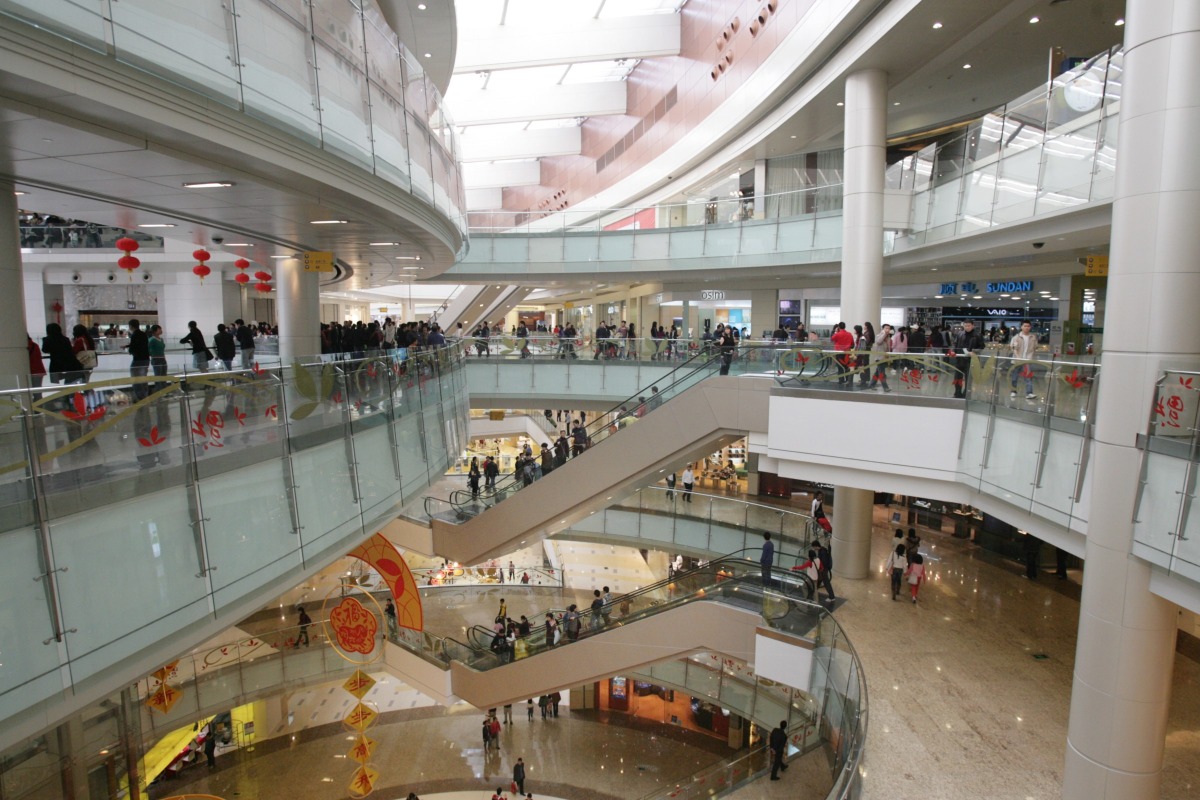
This extension eases transfer pressure at Huangbeiling Station and links three major commercial hubs in Luohu—Dongmen, Hubei, and Grand Theatre—providing direct access to upscale areas like The Mixc and injecting fresh vitality into the older parts of the district. This will make key shopping areas in Luohu much more accessible.
Phase 3 of Line 8: First line direct to Dapeng New District
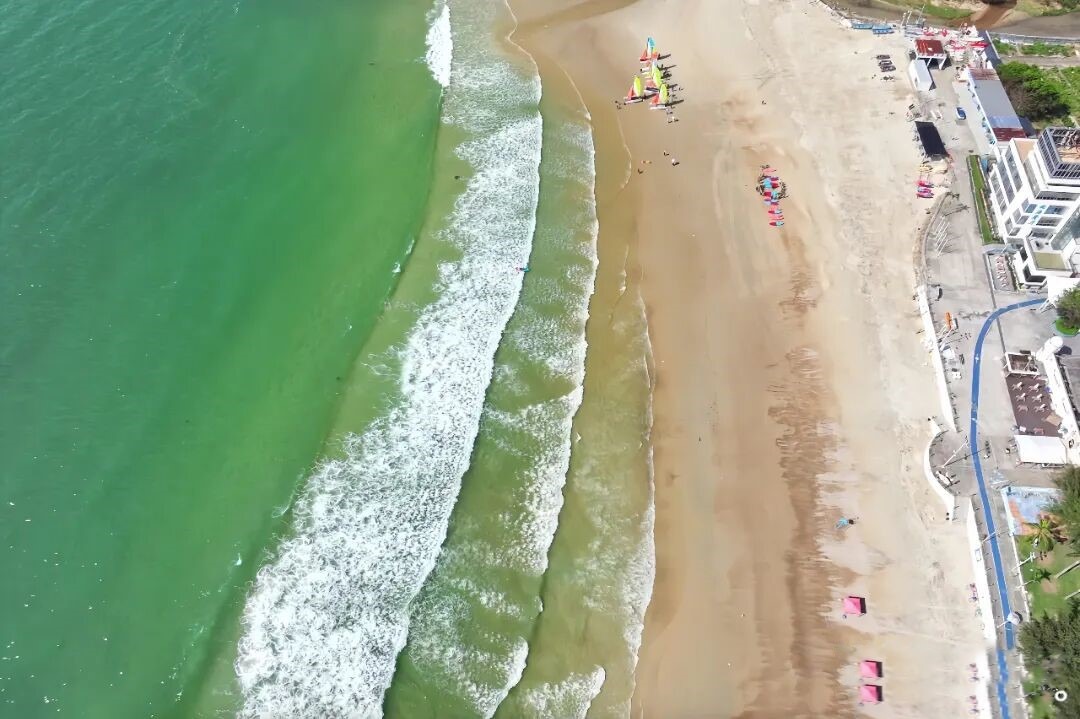
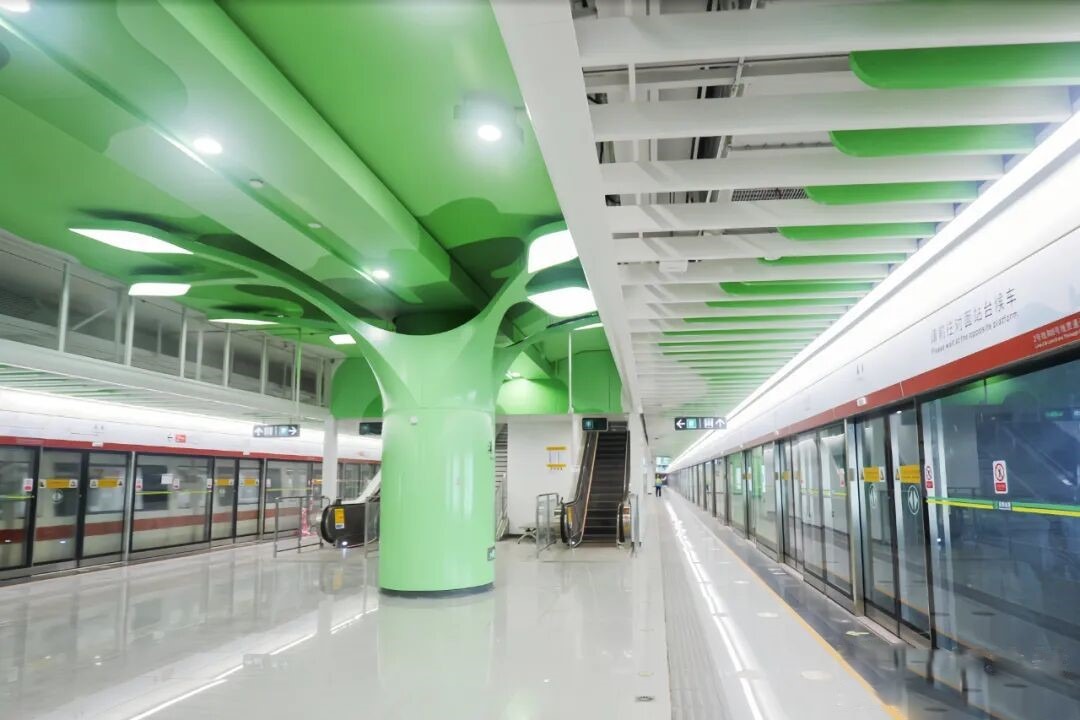
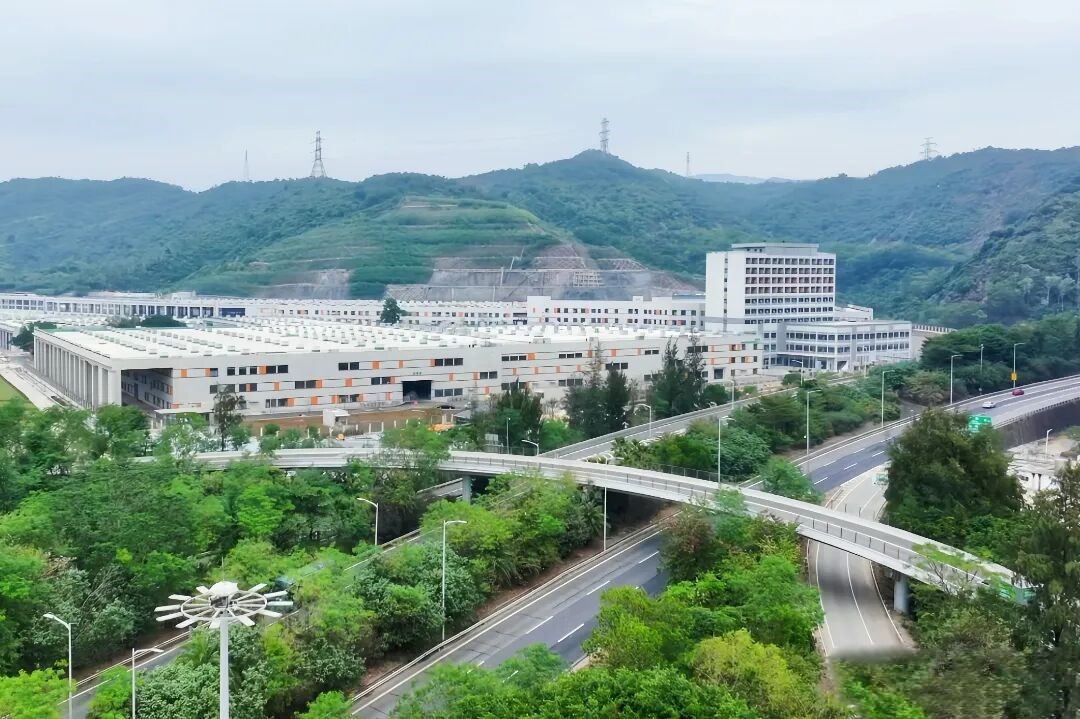
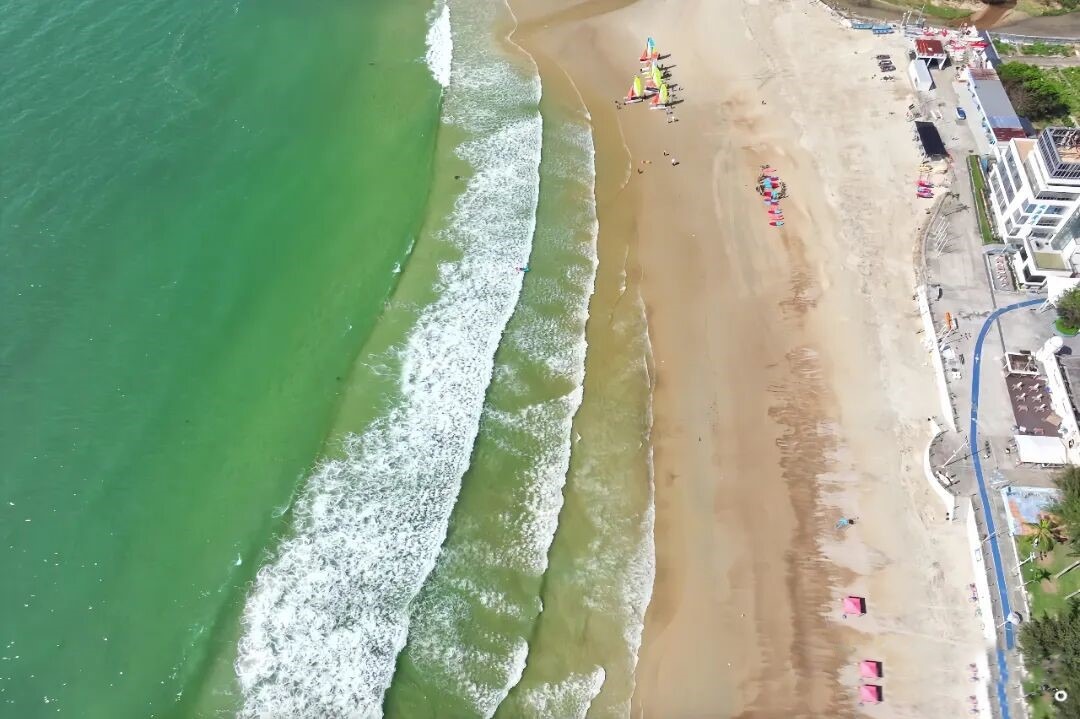
At 3.7 kilometres long, Phase 3 of Line 8 will extend the existing so-called "Mountains-and-Seas Line" from Xiaomeisha Station (小梅沙站) to Xichong Station (溪涌站) in Dapeng, making it the first metro line to reach Dapeng New District.
The extension will operate through-services with Lines 2 and 8, forming an east–west corridor spanning five districts: Nanshan, Futian, Luohu, Yantian, and Dapeng New District, with a total length of about 70 kilometres.
It allows passengers to travel directly by metro to Shenzhen's eastern coastline, turning the vision of "taking the metro to the sea" into reality and supporting Dapeng's development into a world-class coastal eco-tourism destination.
Phase 2 of Line 11: Express airport link from Luohu
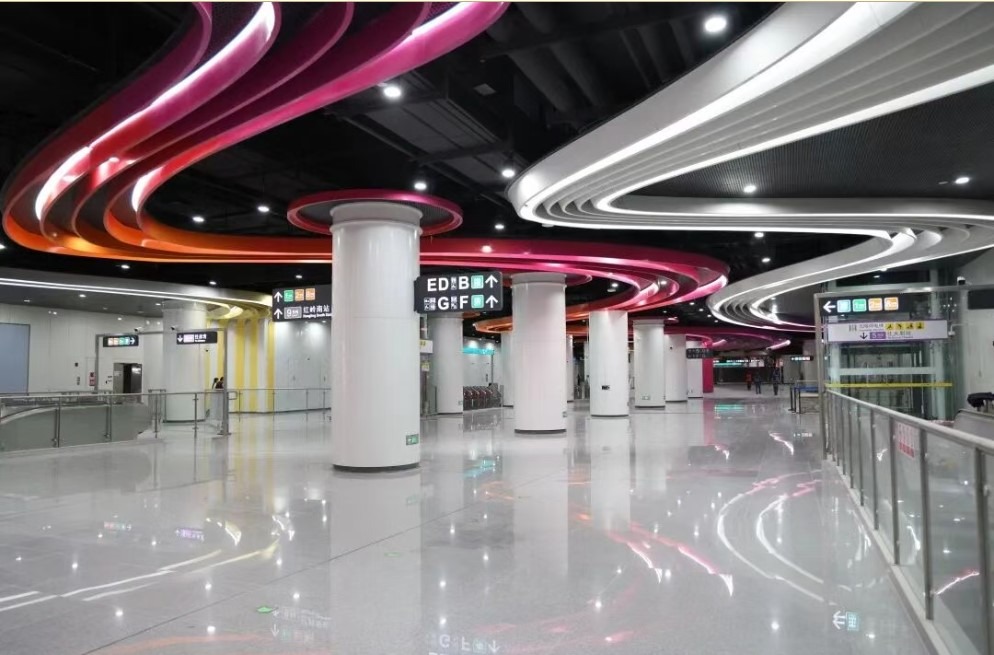
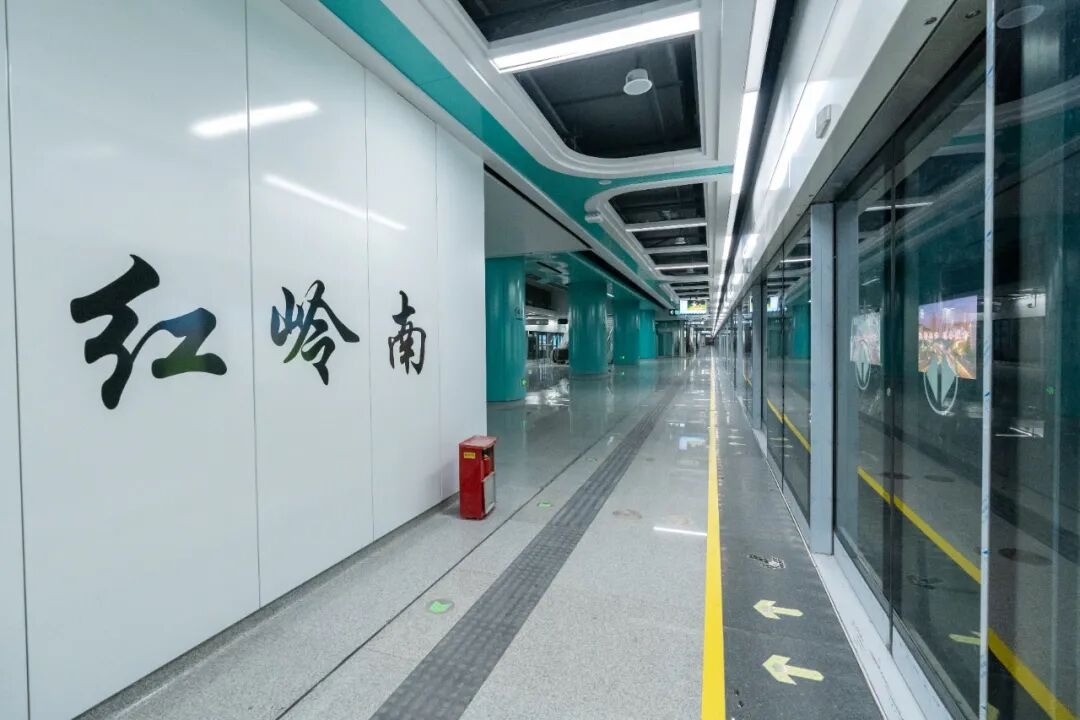
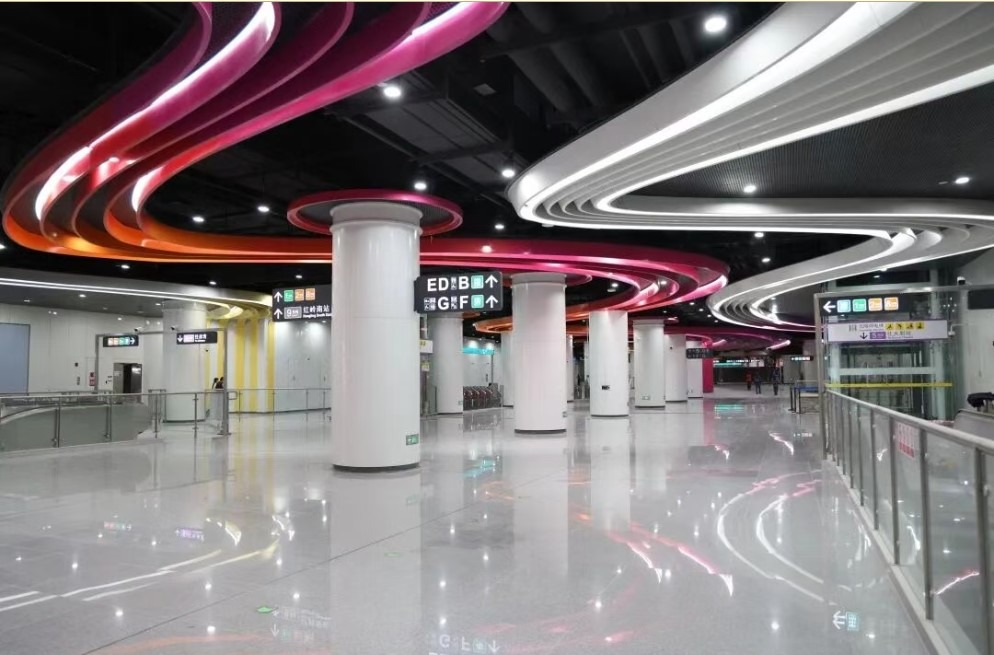
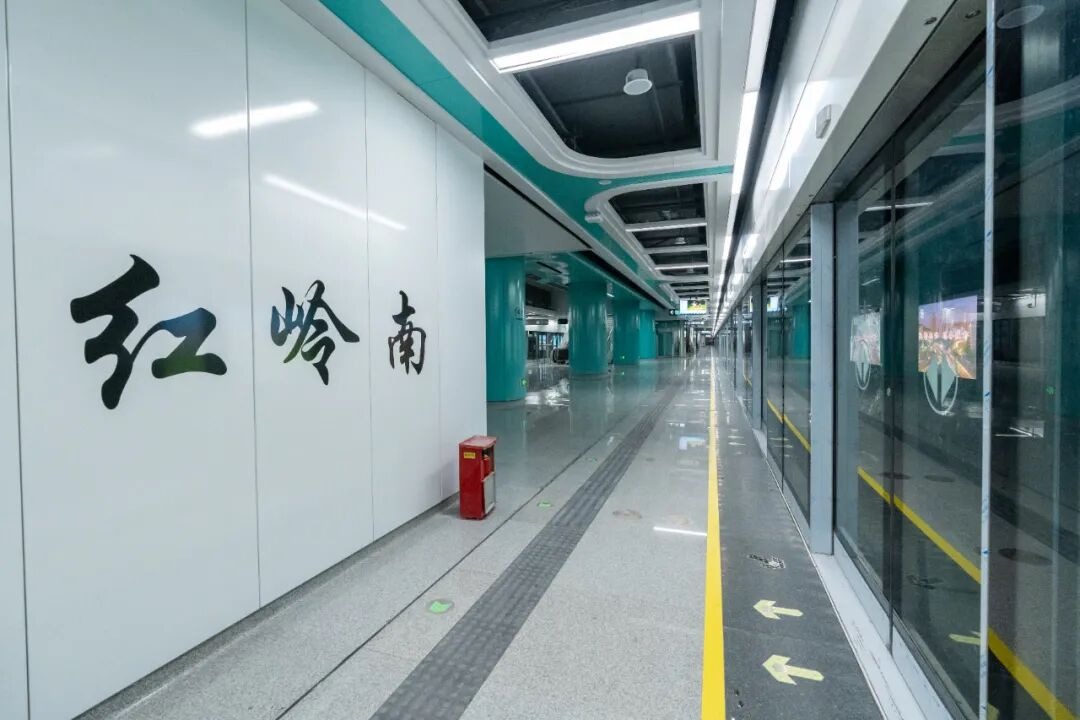
This 4.39‑kilometre extension of Line 11 (Airport Express) will reach Hongling South in Luohu, adding two stations: Huaqiang South (華強站站) and Hongling South (紅嶺南站). Its key role is to fill the gap in high‑speed rail transit in central Luohu.
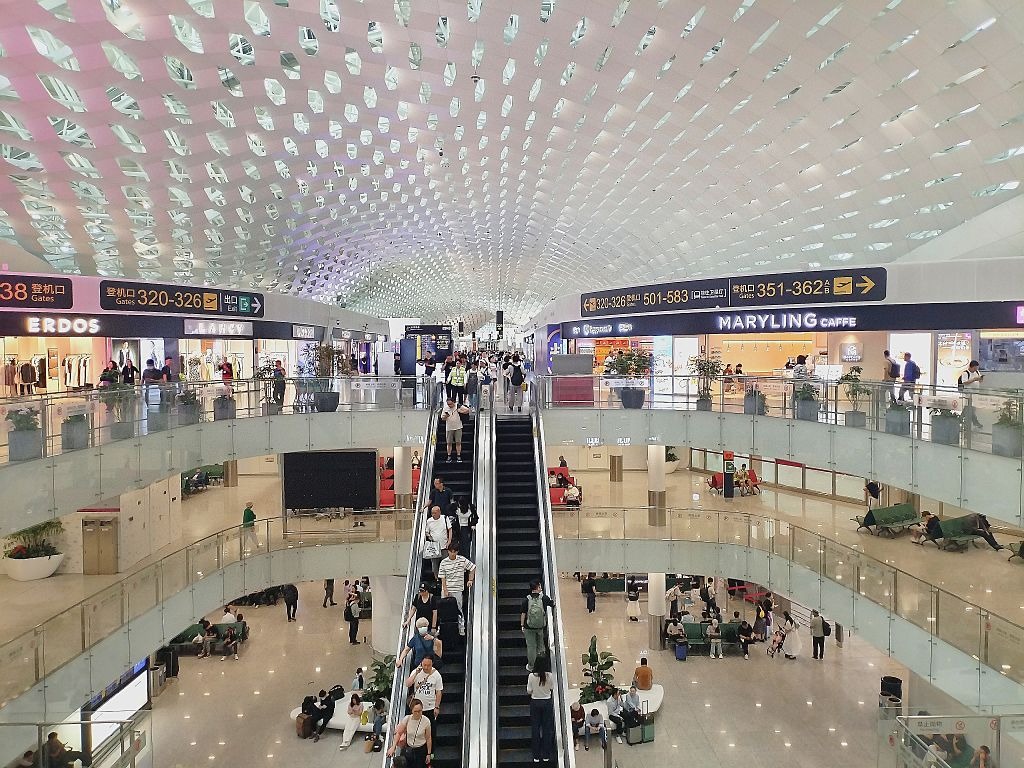
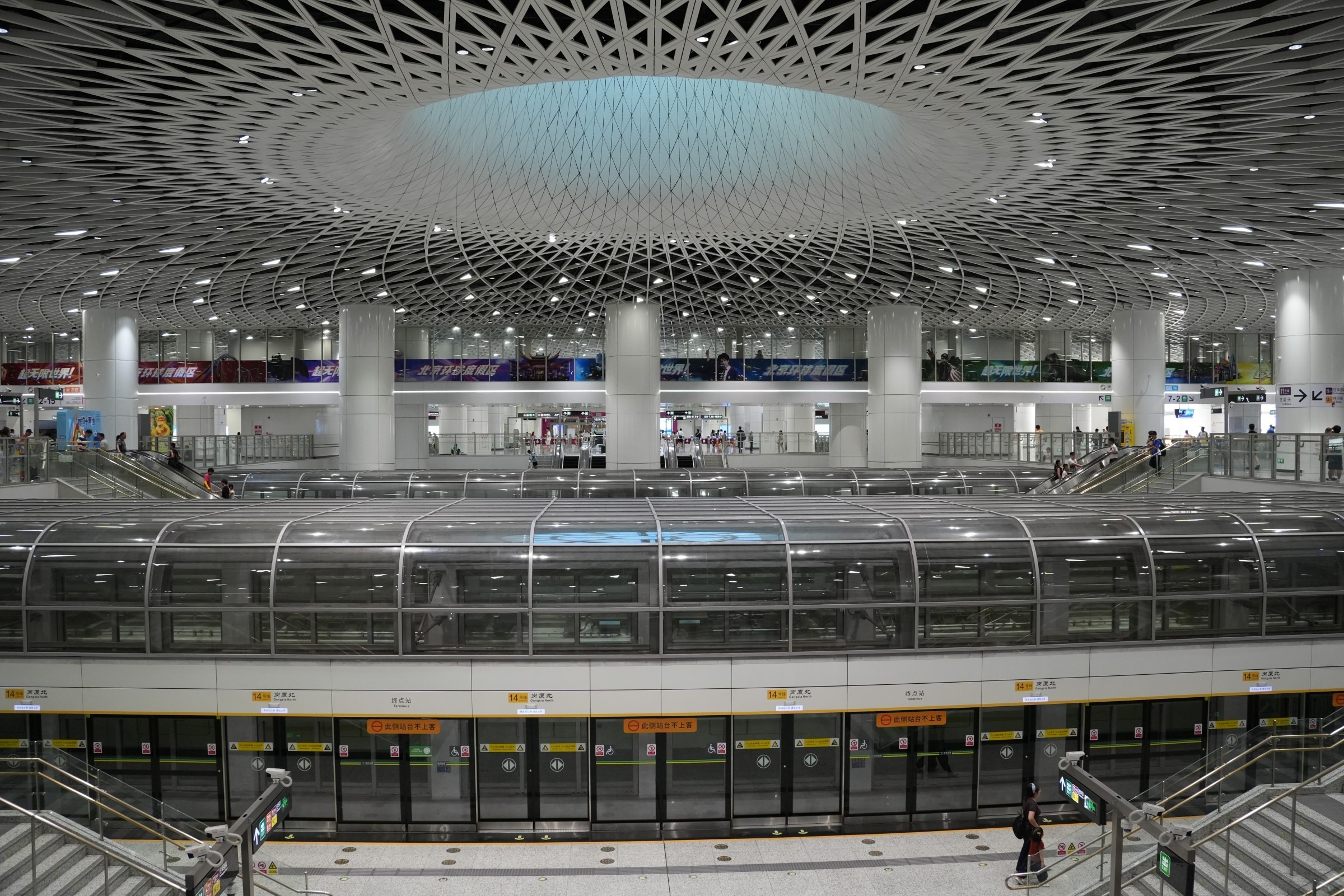
The extension is not only offering fast, direct access from Luohu's core to Bao'an Airport, but also enables efficient transfers to Line 14 at Gangxia North Station (崗廈北站) for connections to Longgang and Pingshan.
This greatly enhances mobility between Luohu and other major districts, moving Shenzhen closer to its goal of "60‑minute connectivity between primary and secondary city centres."
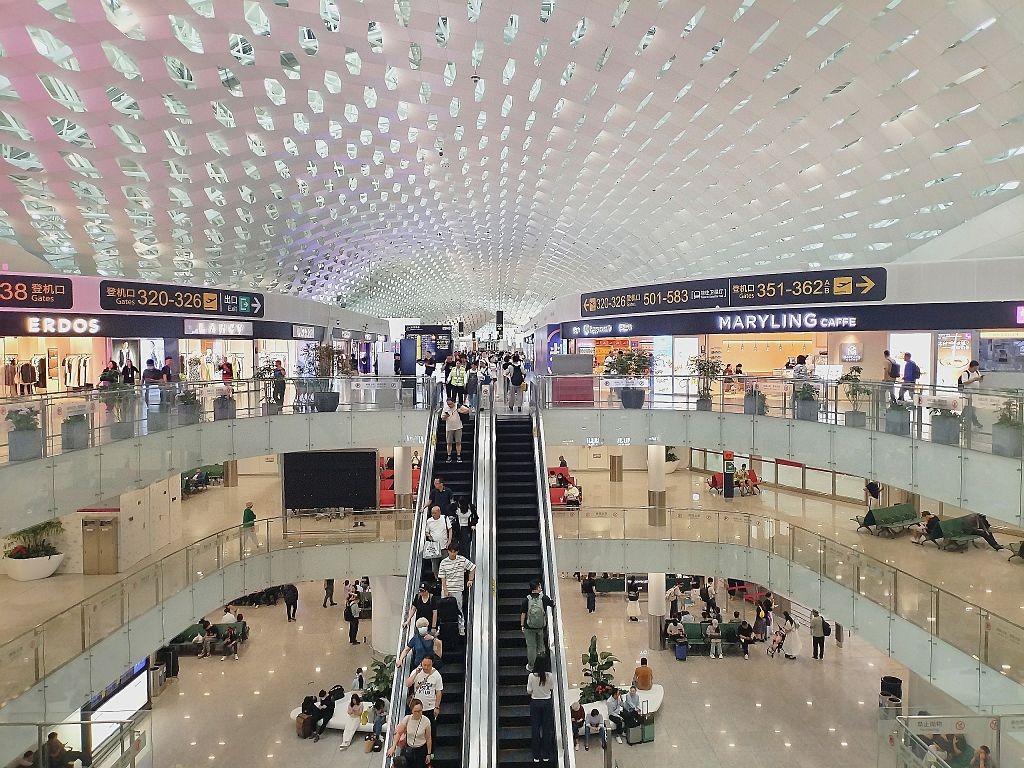
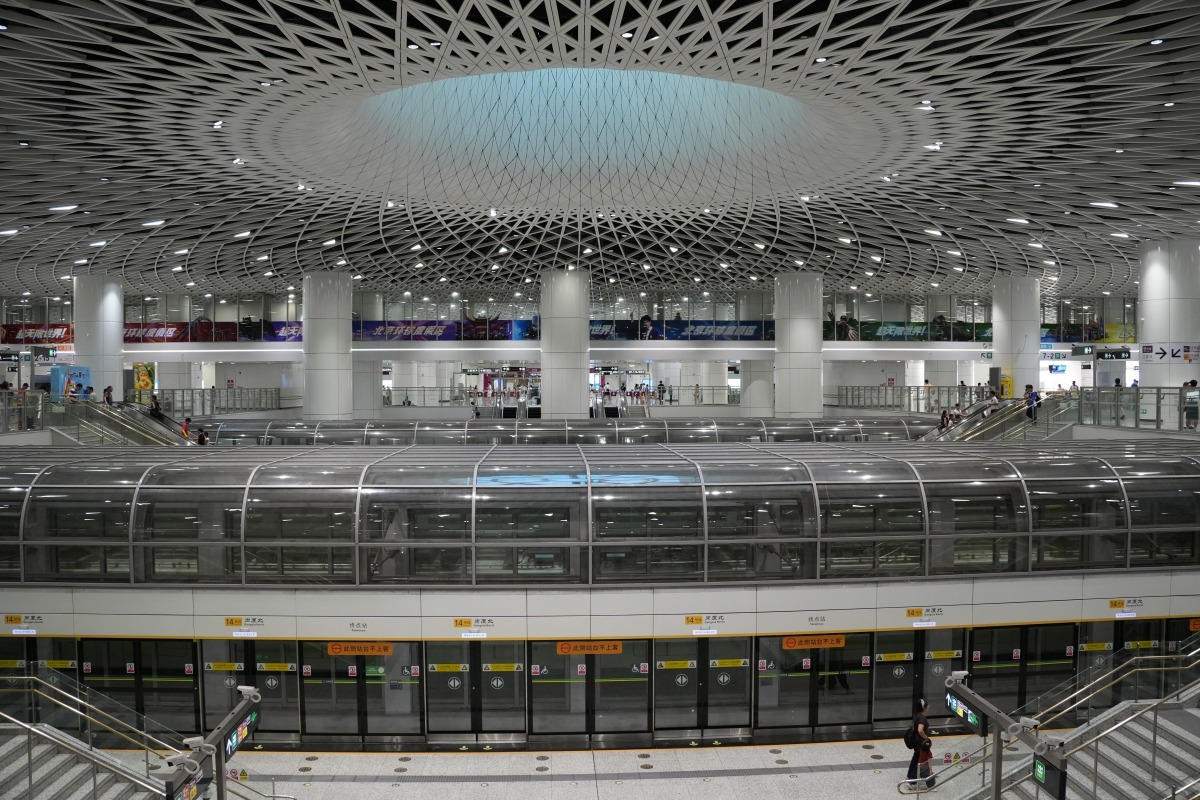
Phase 1 (North) of Line 13: 10 New stations connecting 3 districts
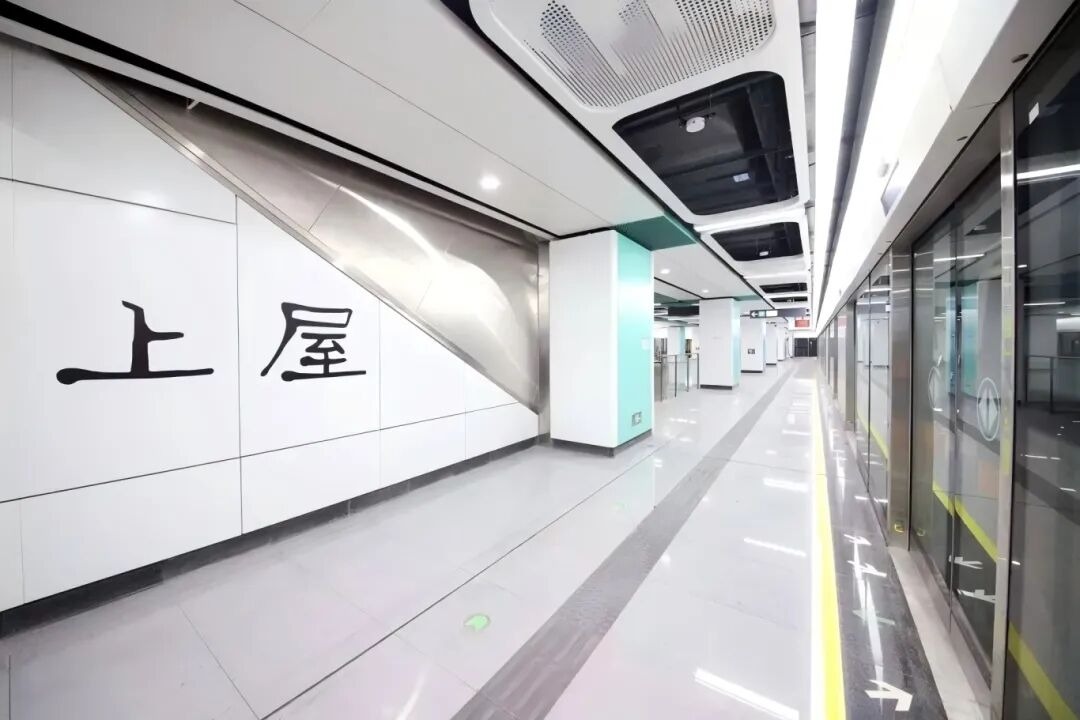
Following the opening of Line 13 Phase 1 South Section in late 2024—which boosted activity around Shenzhen Bay Port and Talent Park—the upcoming North Section will extend the line from Gaoxinzhong Station (高新中站) to Shangwu Station (上屋站).
Spanning approximately 10.5 kilometres, the northern segment includes 10 stations, connecting key hubs such as Xili Comprehensive Transport Hub, Liuxiandong Headquarters Base, and Shiyan.
By linking Nanshan, Bao'an, and Guangming districts, the extension will make travel to the High-tech Park and across northwestern Shenzhen more convenient.
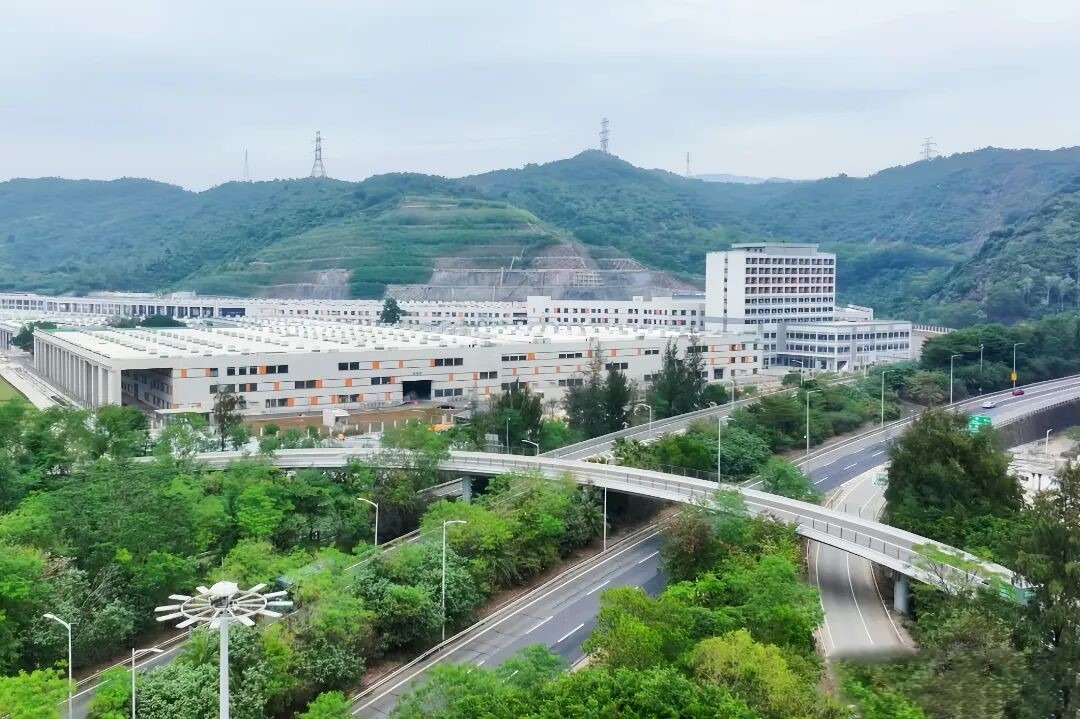
The new line serves as a vital link between the Nanshan Science and Technology Innovation Centre and the northern industrial hinterland, connecting key areas such as the Xili High‑Speed Rail New City (currently under planning), Nanshan Science Park, Liuxiandong Headquarters Base, and the Bao'an Shiyan High‑Tech Zone.
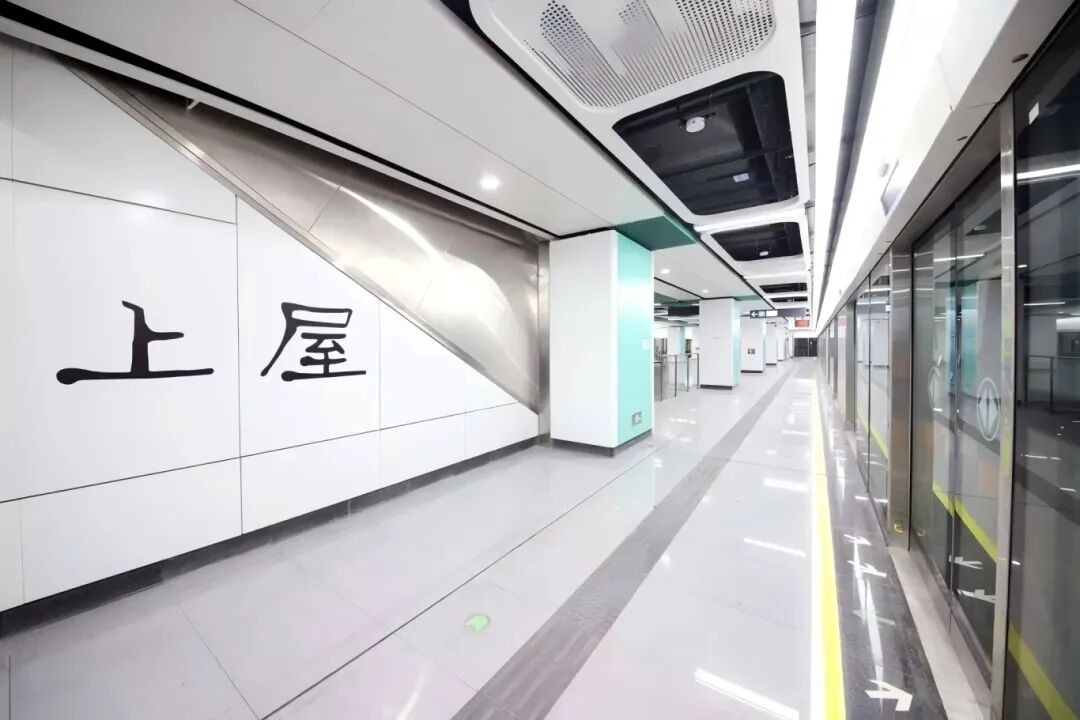
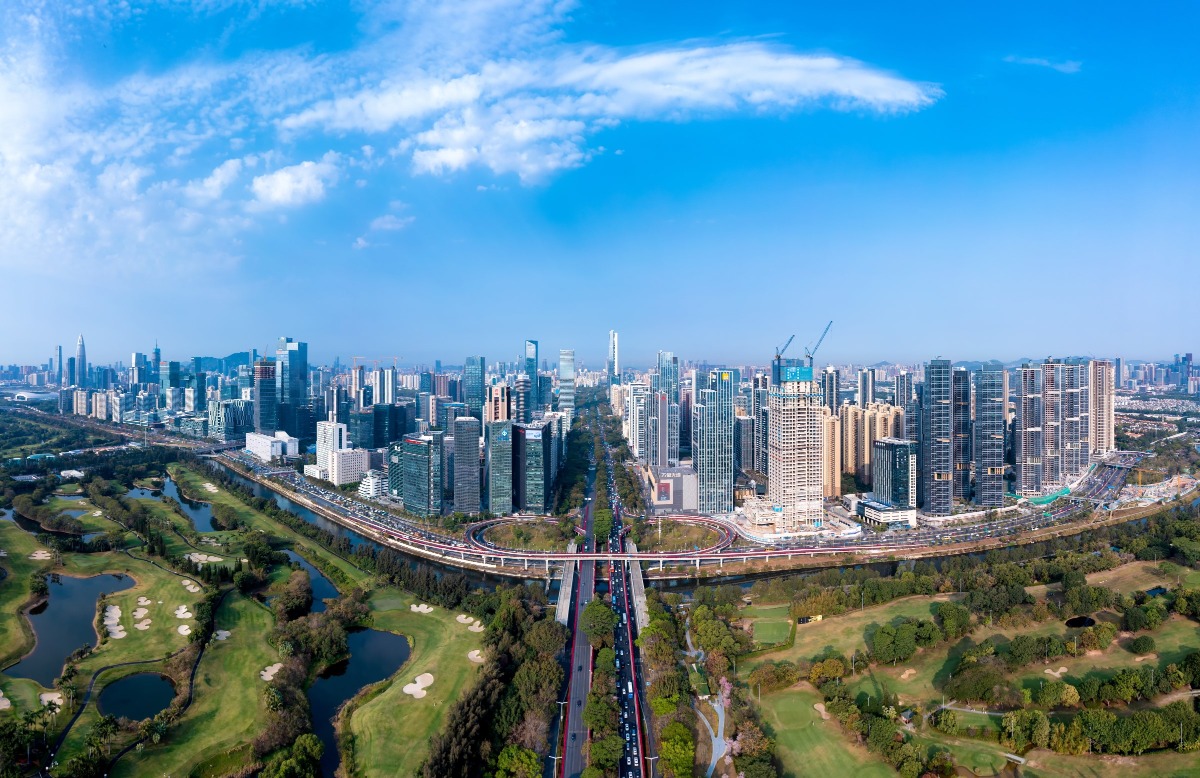
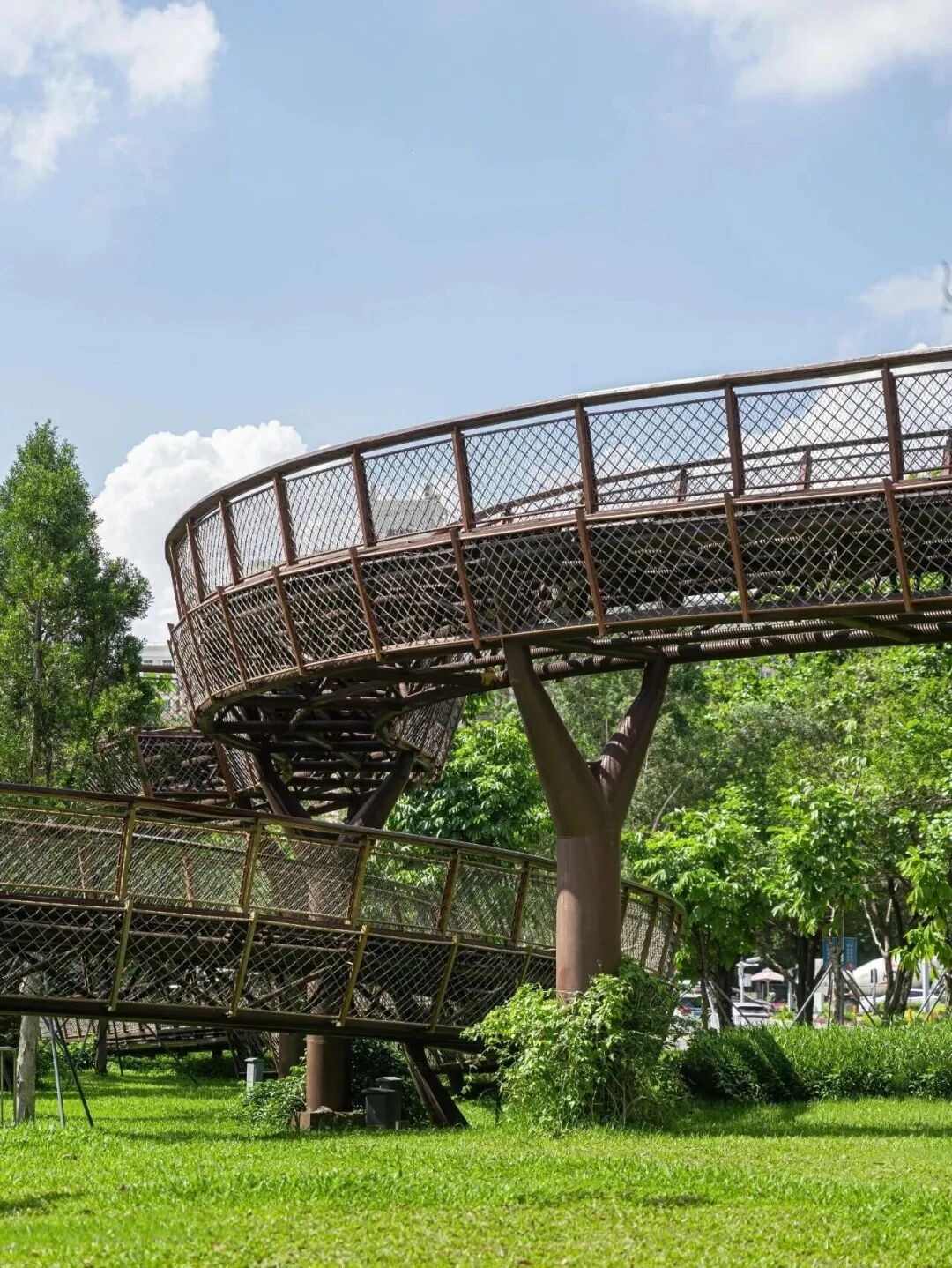
Positioned as a "Municipal Express Line" and operated by MTR (Shenzhen), the North Section will establish an efficient north–south corridor across the city.
Once fully connected with the South Section, Line 13 will interchange with Lines 1, 2, 5, 6, 9, and 11, significantly easing north–south traffic pressure in central-western Shenzhen.
For example, the journey from Guangming Science City to Shenzhen Bay Port will take just 45 minutes.
Phase 2 of Line 6 Branch Line: A Line Direct to Hongqiao Park
The 4.96‑kilometre Phase 2 of Line 6 Branch Line opened at the end of September, connecting Guangmingcheng Station (光明城站) on Line 13 in the south with Guangming Station on Phase 1 of the branch line to the north.
It includes three stations: Guangmingcheng, Biyan (碧眼站), and Hongqiao Park (虹橋站).
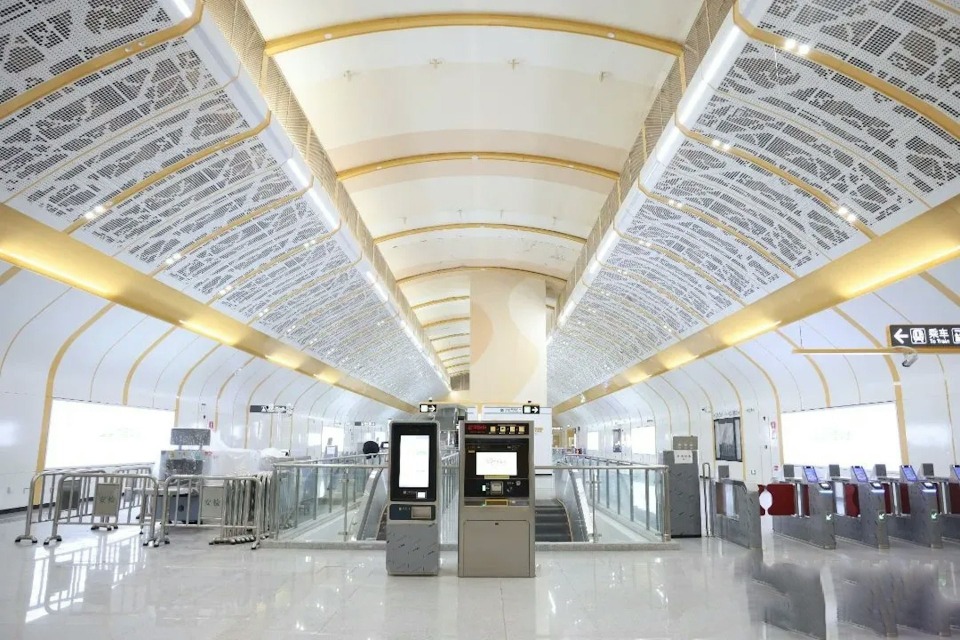
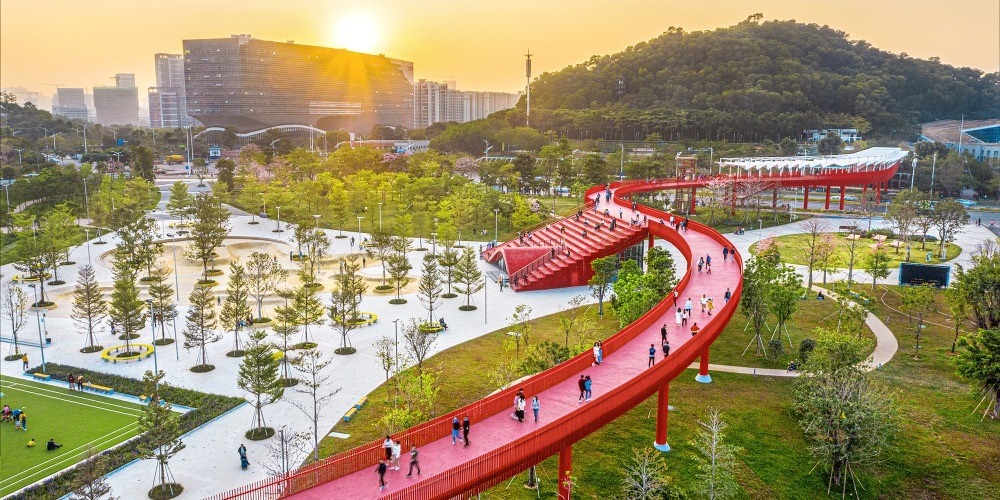
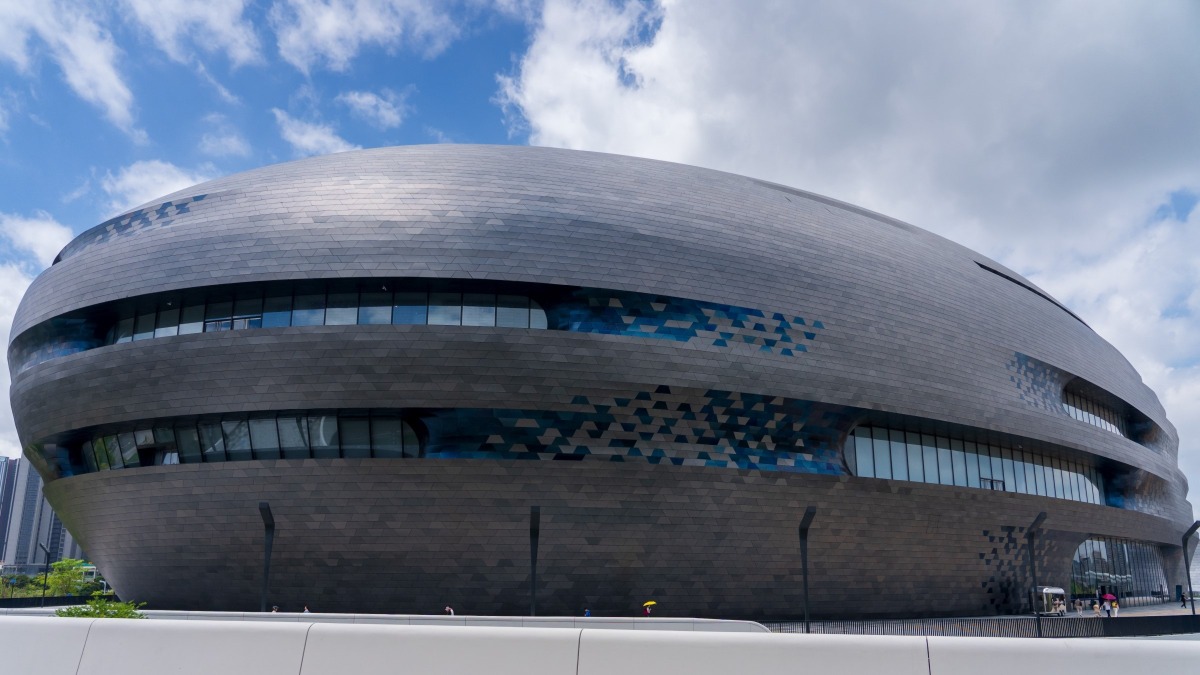
This line has two major features. Firstly, Guangmingcheng Station provides an efficient interchange with the high-speed rail and Line 13, strengthening the transport infrastructure for the "industry-university-research" linkage.
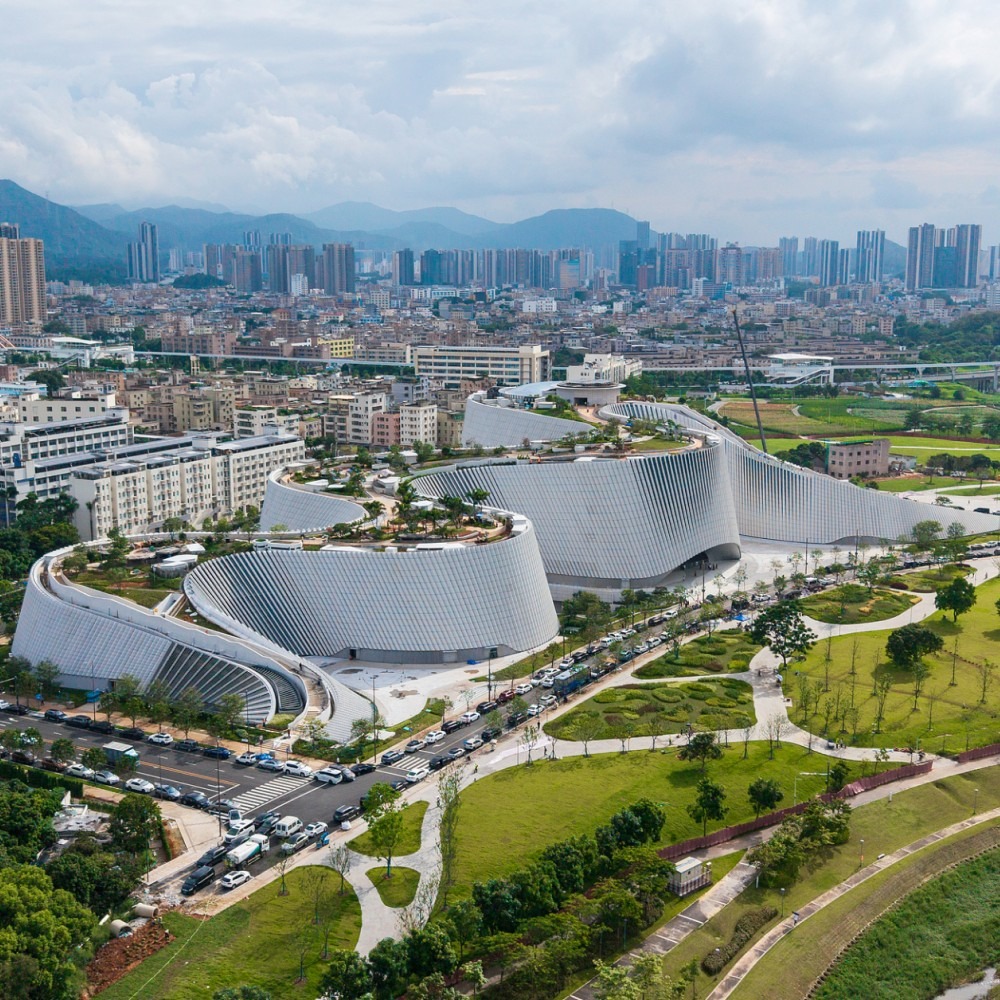
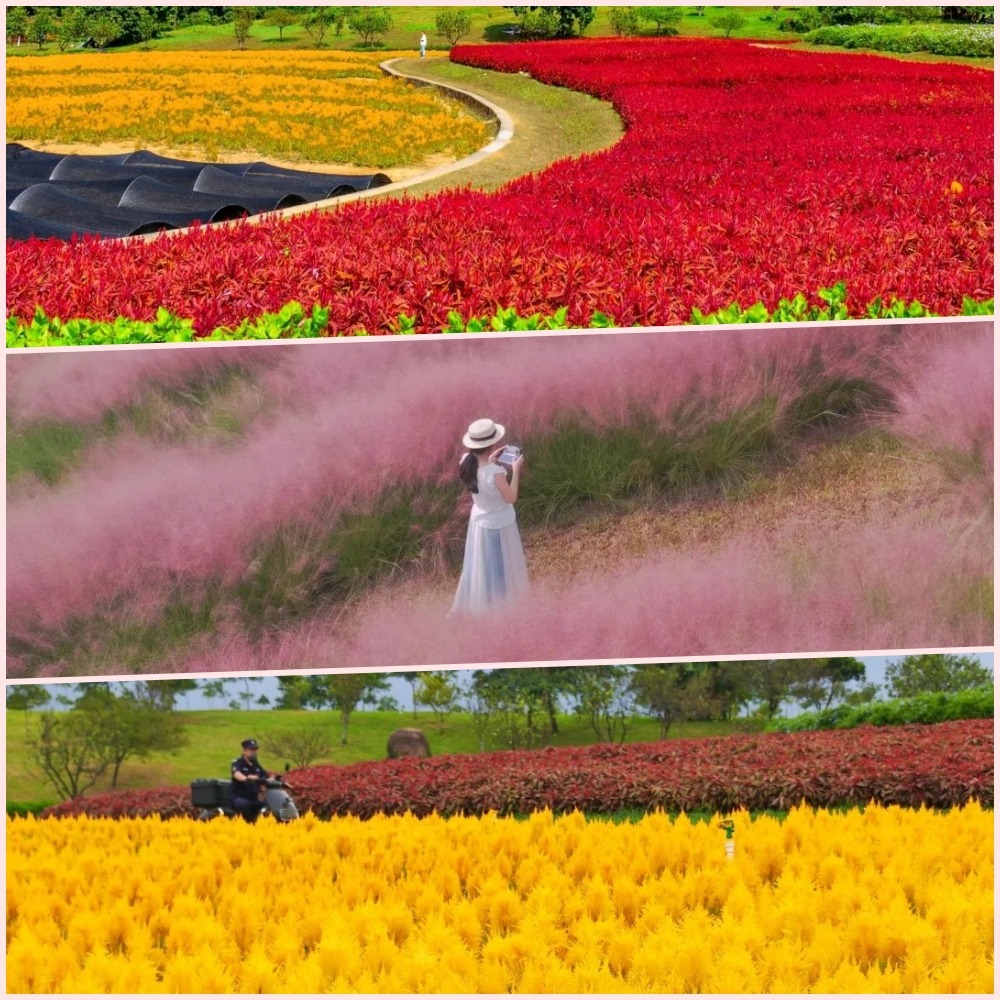
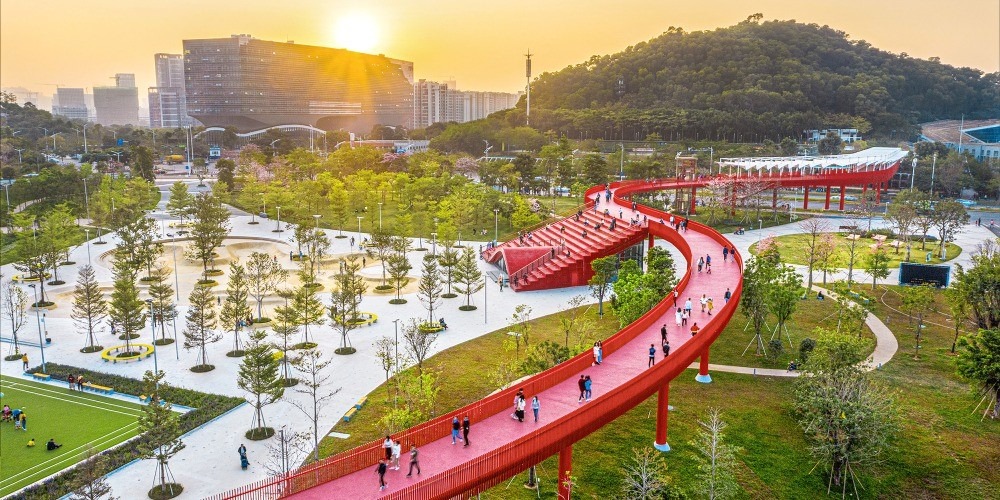
Secondly, Hongqiao Park Station is Shenzhen's first station where you can access to the popular photo spot, Hongqiao Park directly.
The line is also planned to extend toward Dongguan in the future, which could serve as a corridor facilitating the flow of scientific research resources and promoting integrated development between Shenzhen and Dongguan.
Phase 2 of Line 16: First line connects Yuanshan Subdistrict
The 9.54-kilometre Phase 2 of Line 16 starts from Dayun Station (大運站) and adds eight new stations: Jinyuan (金源站), Da'an (大安站), Jixi (吉溪站), Yuanshan (園山站), Dakang (大康站), Fukeng (福坑站), Anliang (安良站), and Yuanshan Xikeng (園山西坑站).
Historically bringing metro service to Yuanshan Subdistrict in Longgang for the first time, it connects communities like Xikeng, Dakang, and Anliang, achieving metro access for every community in the area.
The line also strengthens the transport link between Longgang Town Centre and Yuanshan, improving travel convenience for residents in Henggang.
Notably, Yuanshan Station is planned as an interchange with the future Line 19, which will create an efficient express corridor from eastern Shenzhen to the city centre.
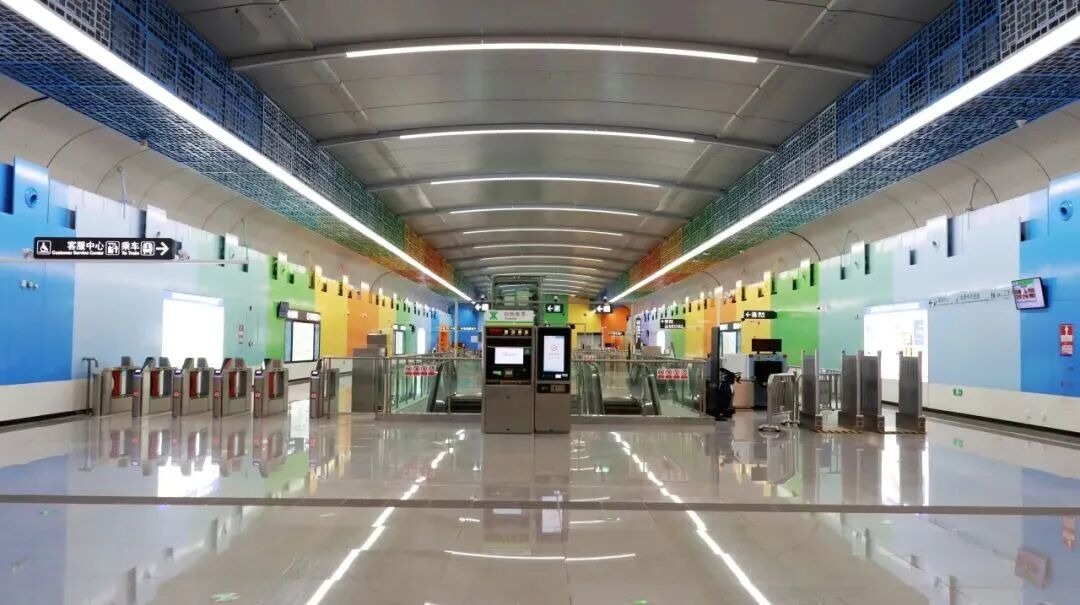
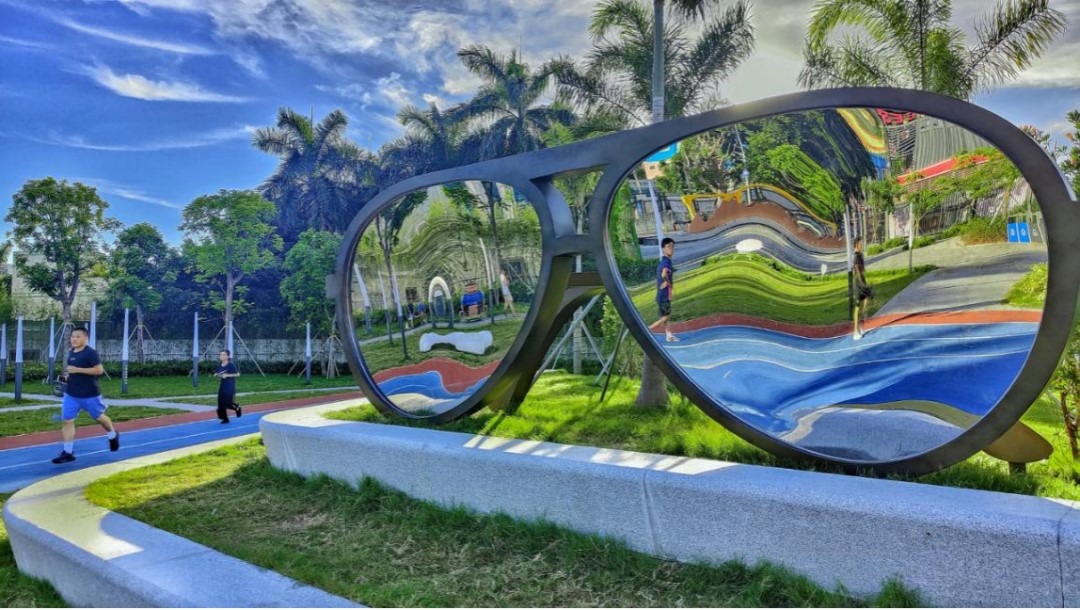
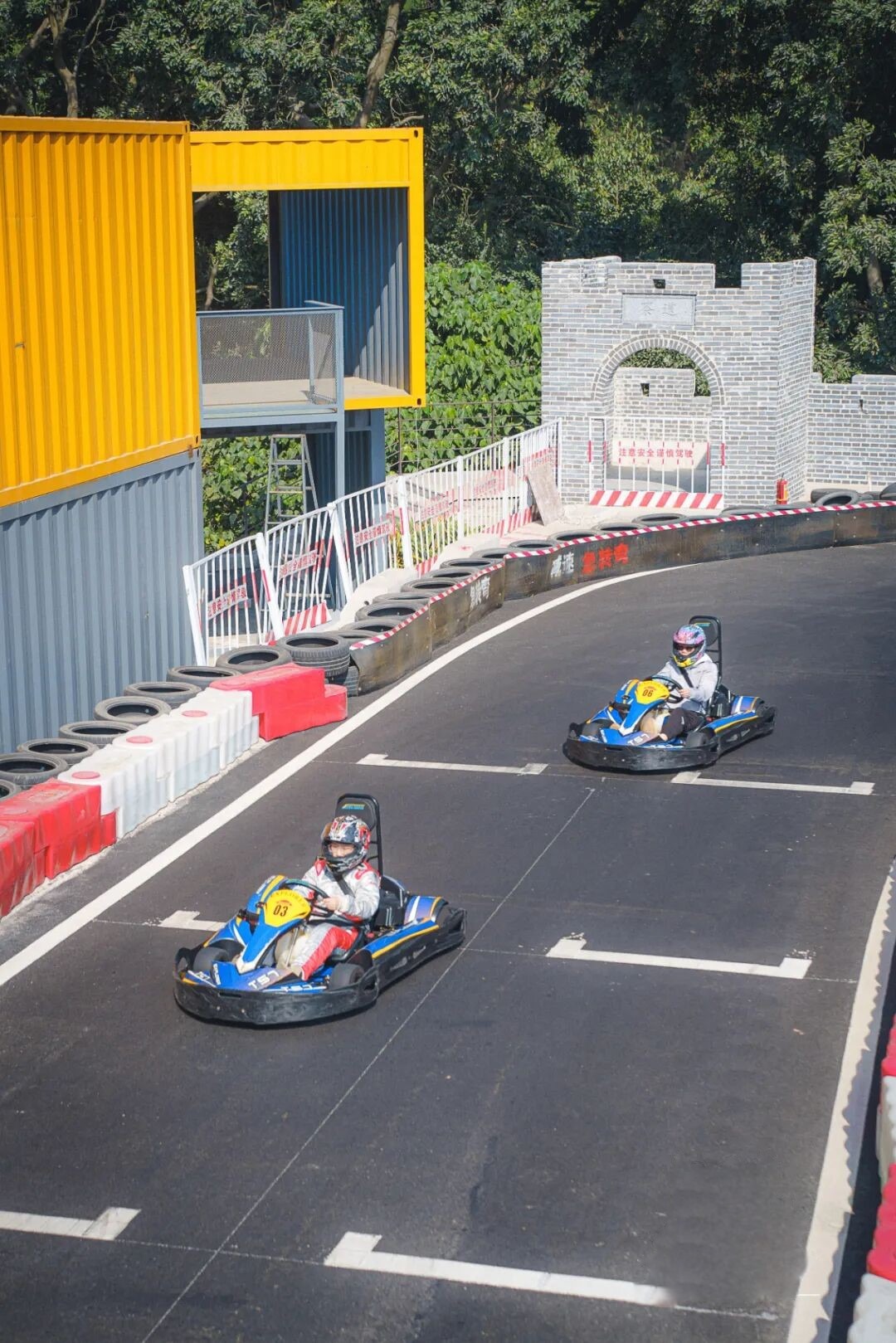
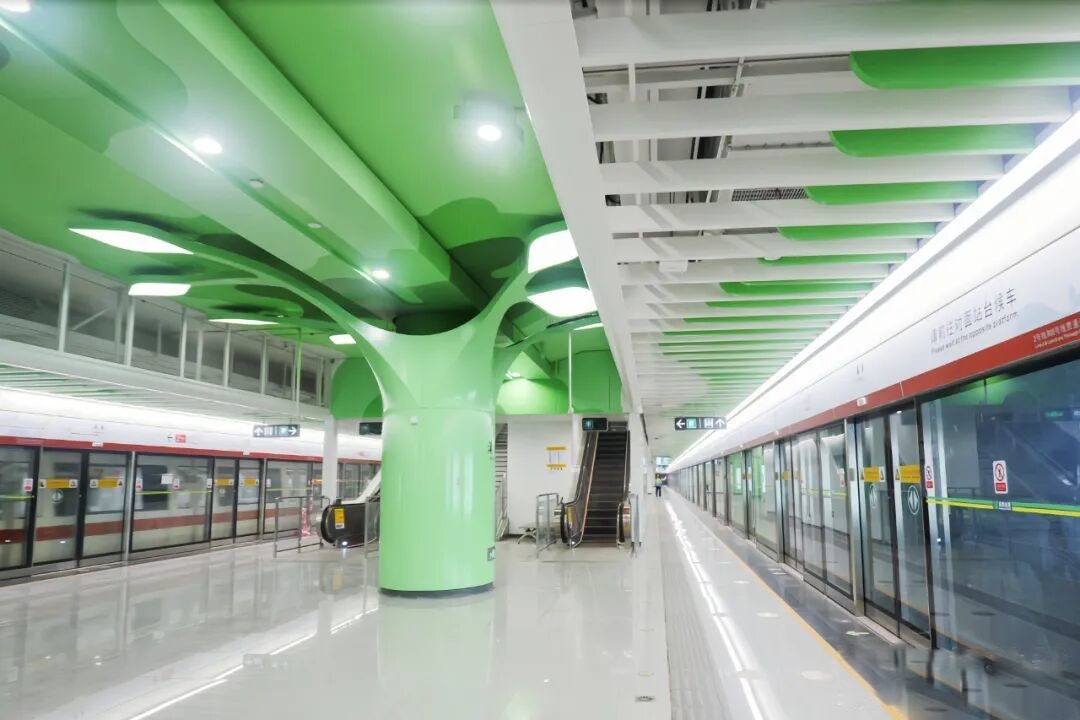
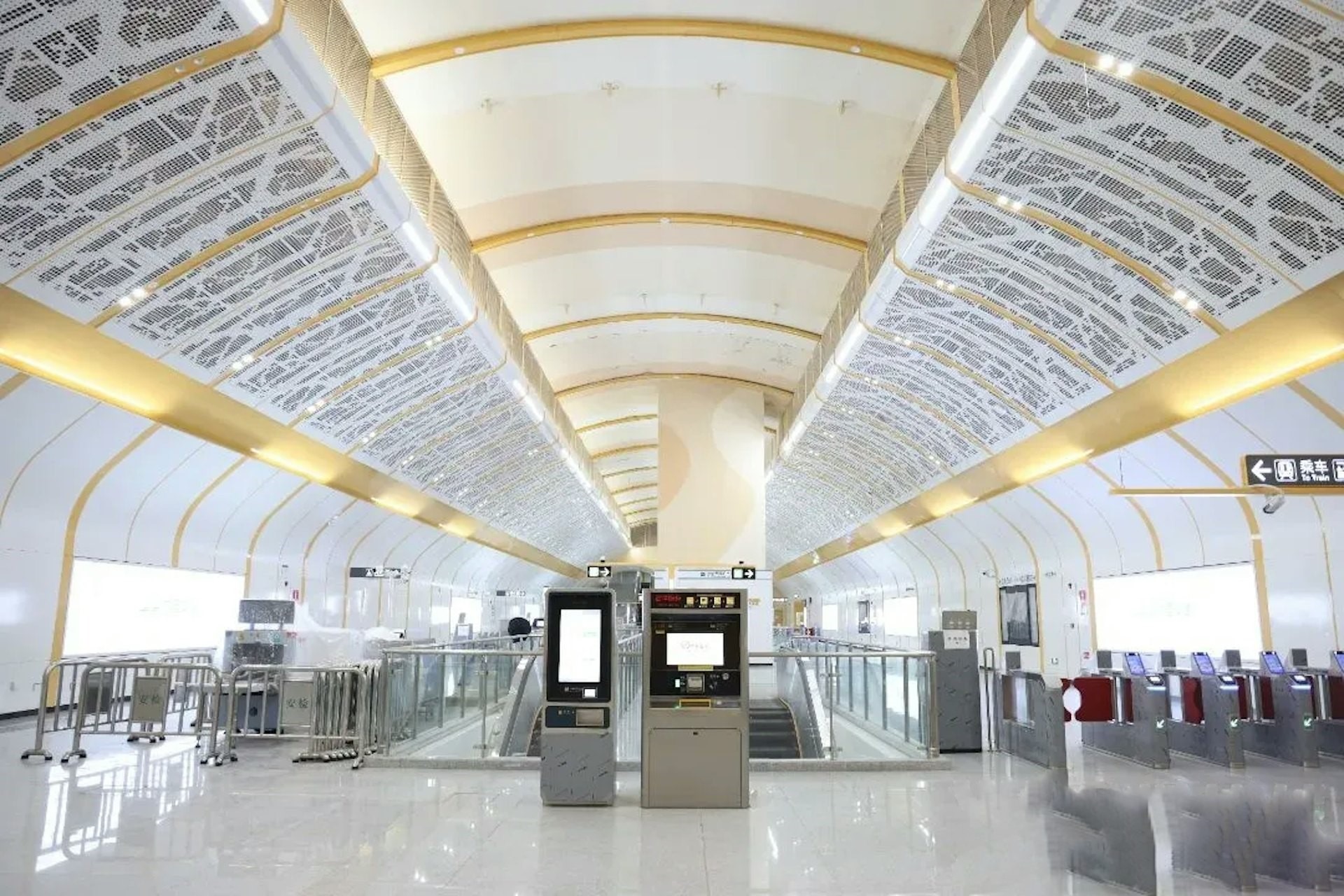
In terms of technology and design, Dakang Station stands out with notable innovations.
During construction, it adopted China's largest fully prefabricated station technology—an advanced assembly-based approach similar to "building with blocks."
This method shifts away from traditional on-site concrete pouring to factory-produced standard components that are transported and assembled on location.
The station's design also integrates local cultural elements, such as Hakka walled-house structures and crescent-shaped ponds, showcasing Shenzhen's local character.
The operation of the six new Shenzhen metro lines starting from 2026 will elevate the network's scale and efficiency to a new level. We believe that this expanding rail system is actively shaping a "1-hour living circle" across the Greater Bay Area in the year of 2026 and after.
Read more: The "Longest Metro" in China! 4 GBA intercity railways connect 5 cities in one hour