Published : 2025-11-03
China's traditional Xiangyunsha silk is perhaps one of the most unique textiles in terms of its craftsmanship. Through an extraordinary process, silk undergoes a transformation involving plants, soil, and sunlight. With limited production and high cost, it is honoured as "soft gold."
The craft of Xiangyunsha silk is unique to south China's Guangdong Province and was previously listed as a national-level Intangible Cultural Heritage (ICH).
In recent years, many designers have integrated Xiangyunsha silk into fashion elements. How can new vitality be injected into this ancient craft?
What is so special about Xiangyunsha silk?
Xiangyunsha silk (香雲紗) is an expensive silk fabric, known in the textile industry as "soft gold".
It possesses the lightness, softness, and breathability of silk, along with the advantages of being waterproof, quick-drying, and crease-resistant. It was already highly popular in markets at home and abroad during the late Qing Dynasty (1644-1911) and the early Republican period (1921-1949).
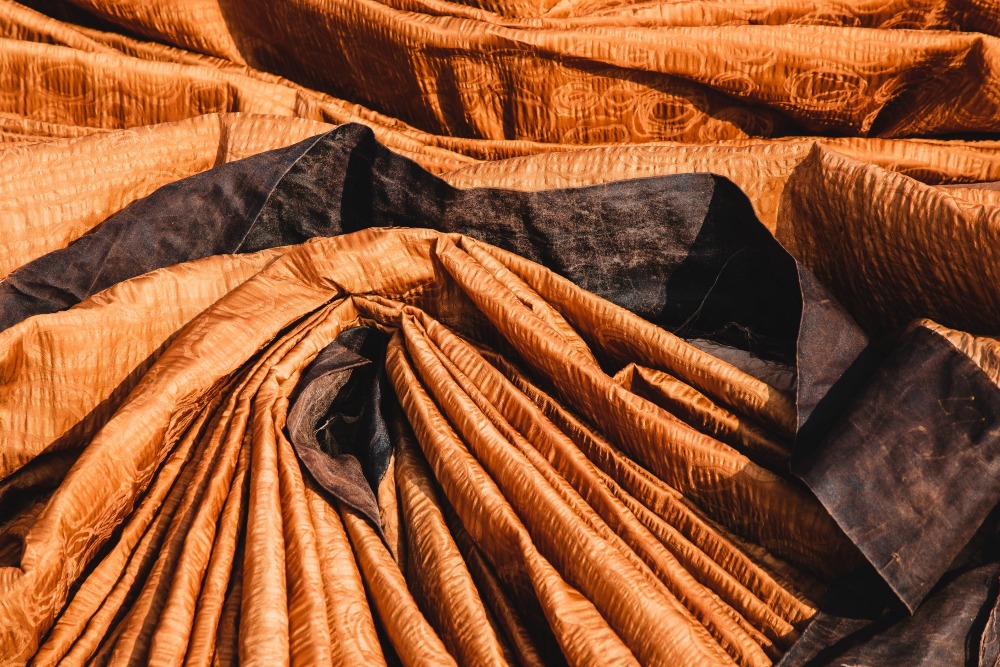
The most original form of Xiangyunsha silk is typically brown on one side and black on the other. This distinctive colouring comes from the Guangdong-exclusive plant "Shuliang" (薯莨, Dioscorea cirrhosa).
The tannins contained in the plant react with sunlight, water, and soil, giving the fabric its unique hue and texture. Hence, Xiangyunsha is also known as "Liangsha."
During the Ming Dynasty, the "Liangsha" produced in Guangdong was already being exported overseas, later earning the reputation of the "black and shining pearl" (莨紗).
How complex is the making of Xiangyunsha silk?
Traditional Xiangyunsha silk is entirely handmade through an exceptionally complex process involving more than 10 steps and a production cycle lasting up to a year.
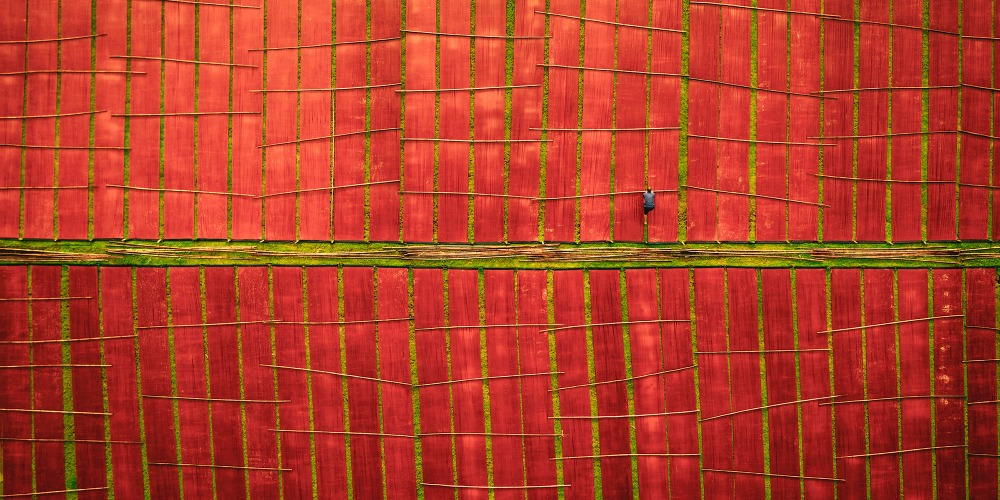
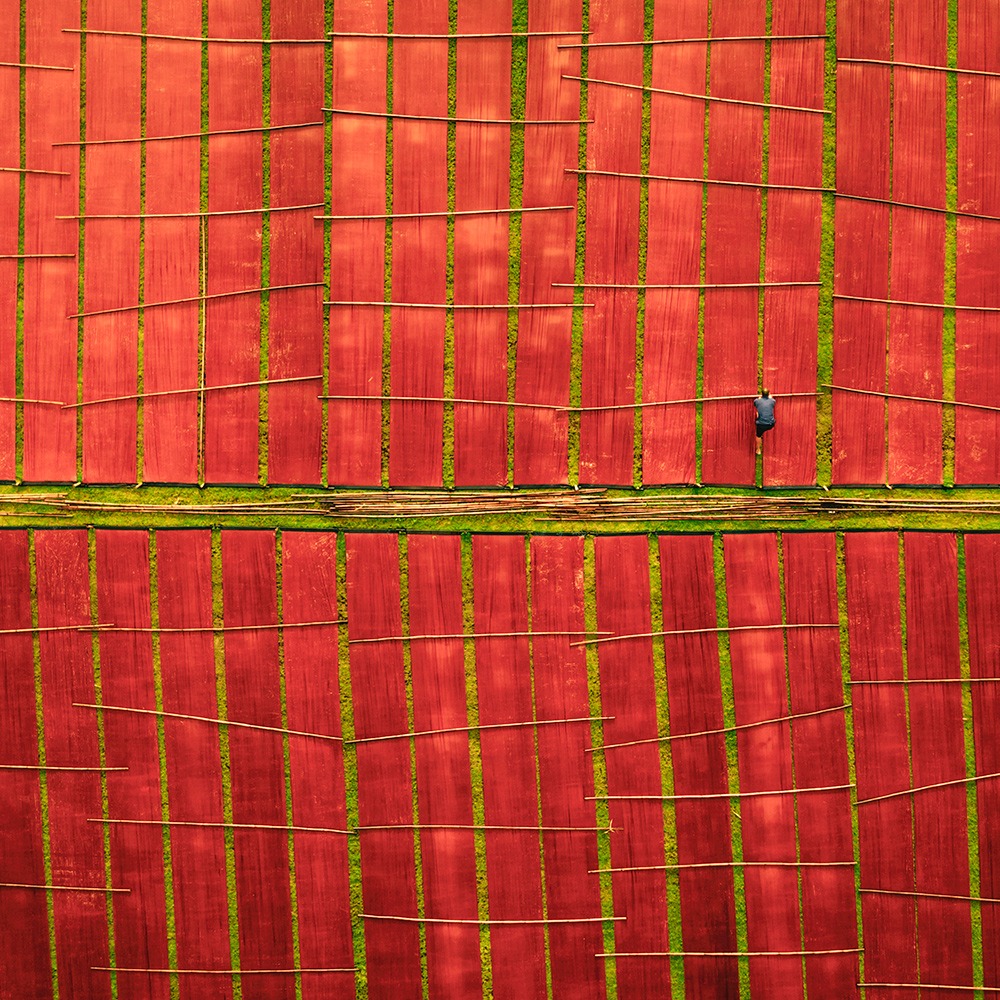
Key procedures include sun-drying, sealing with Shuliang water (soaking the silk in Shuliang juice), boiling the silk, and mud treatment (applying river mud). Among these, the steps of sun-drying, sealing with Shuliang water, and boiling the silk may be repeated over 20 times.
This intensive process is summarised by the saying "steamed three times, boiled nine times, sun-dried 18 times," and the entire procedure is collectively referred to as "shailiang" (曬莨, sun-drying Shuliang).
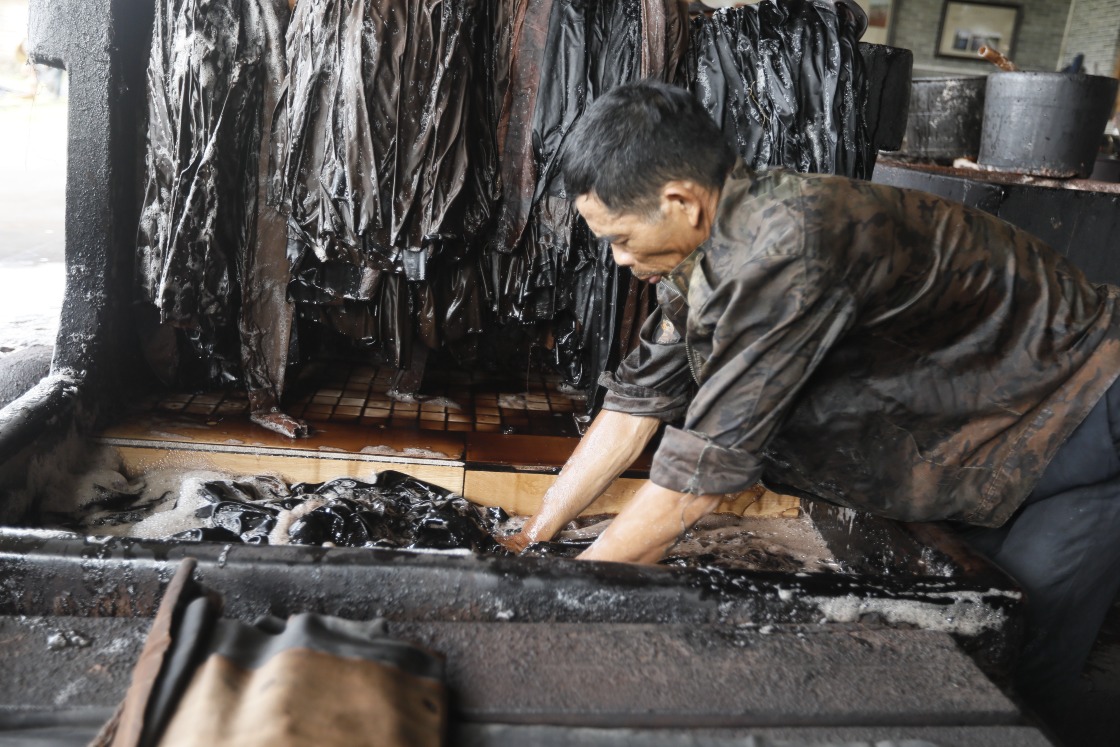
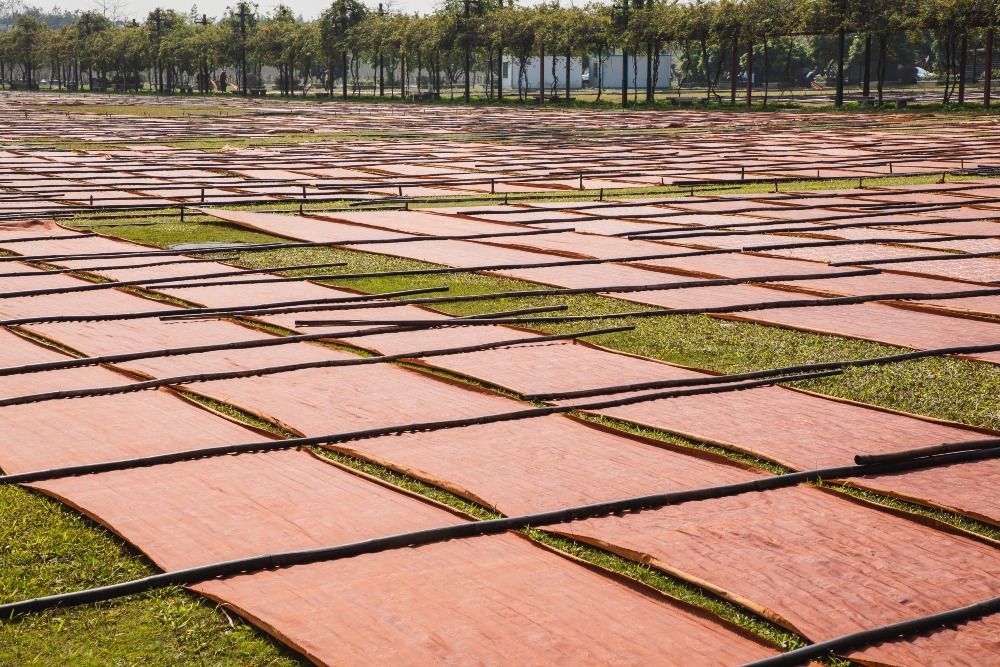
The process of "shailiang" (sun-drying Shuliang) is highly dependent on specific weather and environmental conditions.
It cannot be carried out in insufficient or excessively strong sunlight, excessively high temperatures, during cold northern winds, or in overly dry conditions. As a result, there are only about five months in a year suitable for conducting "shailiang".
Artisans usually start work around the spring equinox in March when there is ample sunshine, stop work in July when the temperature is too high, and resume from August to October.
Due to the complex craftsmanship, long production cycle, and climatic constraints, the output of Xiangyunsha silk is scarce and its price is high, and the number of practitioners is also gradually decreasing.
At present, only Lunjiao in Shunde District of Foshan City of Guangdong Province, has preserved the complete "shailiang" technique, namely the Xiangyunsha silk dyeing and finishing technique, and this craft was added to the list of national Intangible Cultural Heritage in 2008.
Xiangyunsha silk appears at Milan Design Week
Lunjiao in Shunde District has for many years been committed to passing on the Xiangyunsha silk craft and creating a cultural brand.

In 2009, the "Xiangyunsha Silk Cultural Heritage Protection Base" and the "Guangdong Xiangyunsha Silk Cultural Industry Park" were officially established in Lunjiao.
Furthermore, a prime farmland protection zone was designated near the workshops of "shailiang" to protect water quality and ensure the quality of river mud essential for Xiangyunsha silk production.
The Lunjiao Xiangyunsha Silk Academy was officially established in 2020, aiming to cultivate a new generation of craftsman-style inheritors.
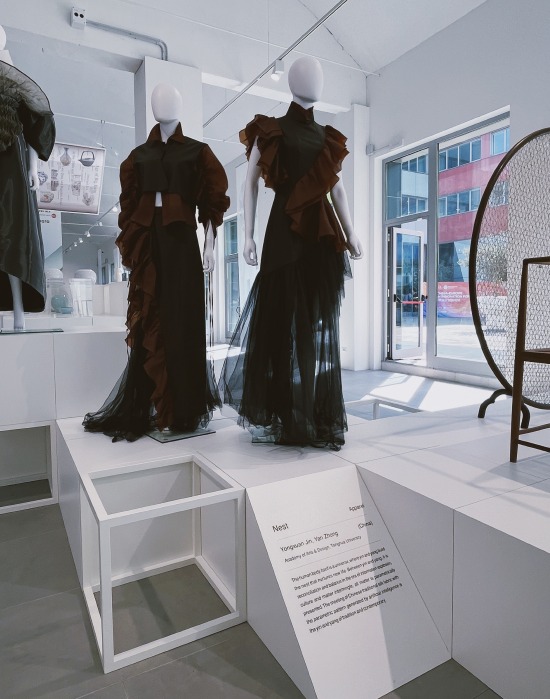
In recent years, Xiangyunsha silk's unique charm has won the favour of numerous designers and has been incorporated into fashion design. In May 2023, during the Canton Fair Fashion Week, a themed show titled "Traveling in Xiangyunsha" was held.
That same month, at the Milan Design Week in Italy, Xiangyunsha silk was featured as one of the representatives of Chinese intangible cultural heritage in the exhibition "Artistic Style and Design Innovation from the Perspective of Civilisational Exchange."
The integration of intangible cultural heritage with fashion and industry has injected new vitality into the ancient craft of Xiangyunsha silk, driving the industry's transformation towards marketisation and high-end development, and aiding in the inheritance of this intangible cultural heritage.
Read more: Which Chinese province has Asia's largest silver mine?