Published : 2026-08-04
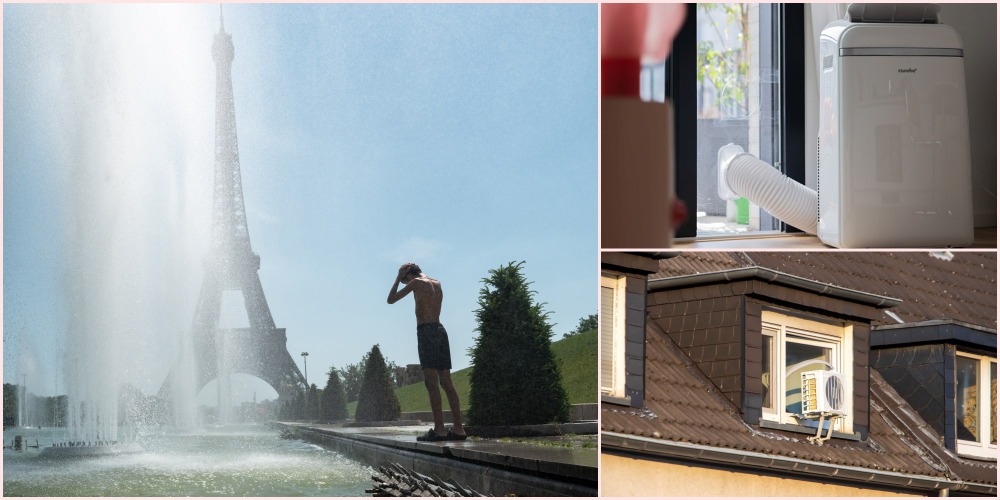
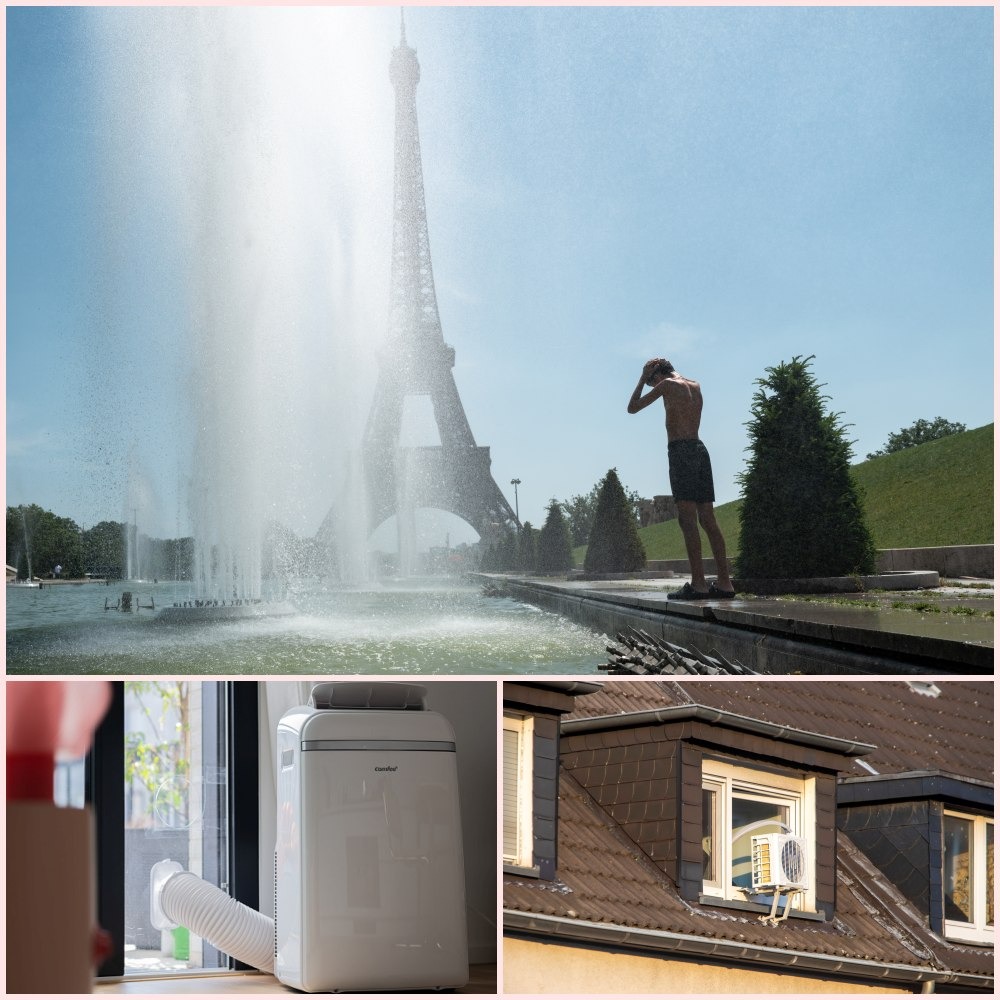
In the summer of 2026, a super heatwave swept across Europe. Temperatures in many parts of France, Spain, and Germany exceeded 40℃. European households, where the penetration rate of air conditioners has long been only 20-30%, were gripped by panic as air conditioner became hard to find.
In this buying frenzy, many Chinese-made home appliances are very popular, and many of these products came from Guangdong. How exactly can "made in Guangdong" become a lifesaver for Europeans?
Hard to buy an air conditioner in Europe
A while ago, temperatures in eastern Germany soared to 41.7℃ and western France reached 43℃, both reached new all-time highs. As the heatwave swept in, Europe was thrown into disarray. At the same time, Chinese refrigeration equipment became hot commodities.

Data from Joybuy, JD.com's European platform, shows that in just one week in June, the platform's air conditioner sales surged by nearly 40 times compared to the previous month, and sales of a Midea split-type air conditioner soared by nearly 42 times.
The second-hand market was also frantic. Midea air conditioners, originally priced at around 900 euros, were marked up by 2 to 3 times on platforms like eBay, yet were still sold out in a second.
Some even took advantage of China's 240-hour transit visa-free policy, make a special trip to China to purchase air conditioners to bring back to their country, all in an effort to acquire an air conditioner to get through the hardship.
China produces 80% of global air conditioners, with industry giants concentrated in Guangdong
China's air conditioner production accounts for about 80% of the global total, and its compressor production accounts for 90%. When European demand exploded, China was almost the only country with the capacity to meet it quickly, and enterprises in Guangdong Province played an important role.
In terms of enterprises, Guangdong is home to a group of leading companies such as Midea, Gree, Hisense, and TCL, each with an annual production and sales volume of over one million units.
In terms of individual cities, Shunde, as Midea's base, saw a 15.7% year-on-year increase in home appliance exports in May. Meanwhile, in the first 5 months of 2026, home appliance exports from Zhongshan and Jiangmen reached 29.5 billion yuan and 8.52 billion yuan respectively, with cooling appliances accounting for over 50% and 45% respectively.
Guangdong enterprises tailor-made air conditioners for Europe
According to data from the International Energy Agency, the average penetration rate of air conditioners in European households is only about 20%, with the UK at just 5% and Germany at only 3%.
In the past, summer weather was relatively mild, and air conditioners were considered non-essential. Now, with the frequent occurrence of extreme weather, heatwaves have arrived, and those who want to install them are encountering many difficulties.
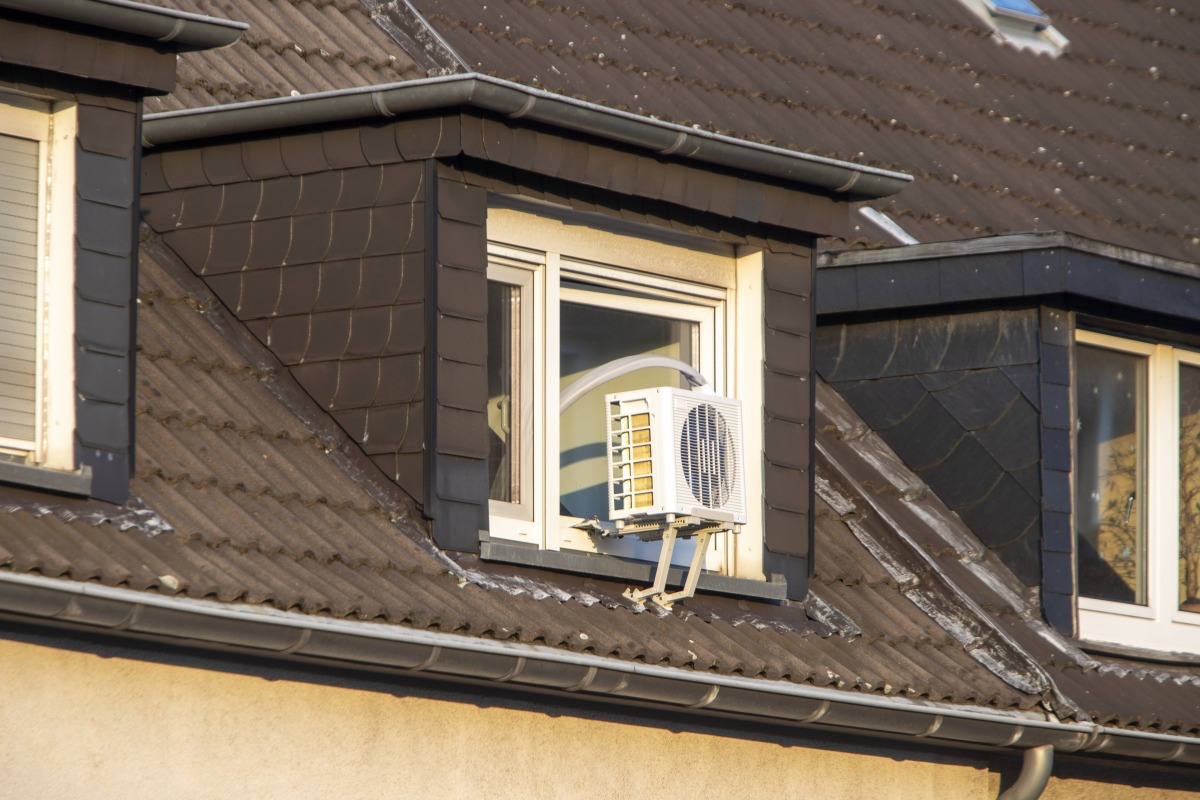
Many historical buildings in Europe are protected by strict regulations, and drilling holes in external walls can easily be illegal. The installation of split-system air conditioners in ordinary flats also requires approval from the homeowners' association. After buying an air conditioner, the installation fee is not cheap.
The installation fee for a split-system air conditioner is typically between 1,000 and 2,000 euros (approximately 8,000 to 16,000 Hong Kong dollars), and appointments with installers during the peak season often require a wait of two weeks to a month. The inability to buy and install has plunged Europeans into an unprecedented "air-conditioner anxiety".
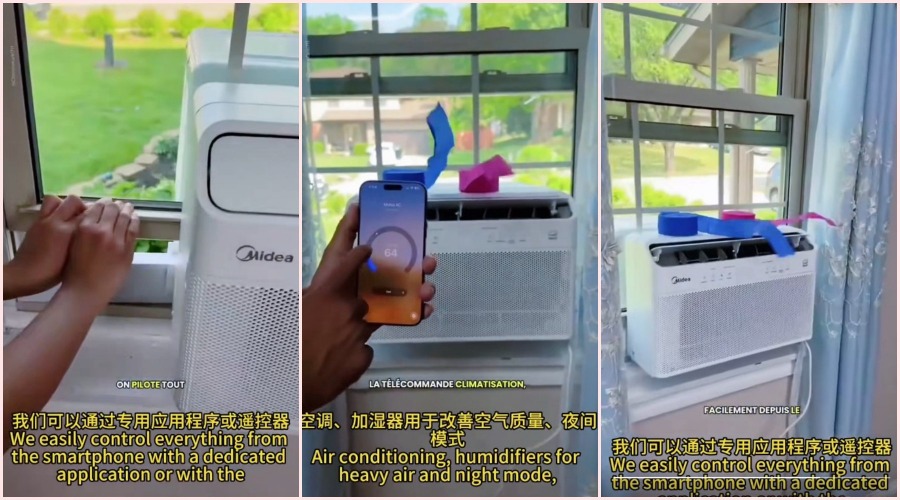
To address the problems of drilling bans on historical buildings and high installation costs, Midea developed a portable split-system air conditioner for the European market three years ago. This air conditioner weighs only 10 kilogrammes, requires no drilling into walls, needs no professional installation, can be easily installed by one person, and is priced at only about 1,000 euros.
Over the past three years, this air conditioner has accumulated 300 to 400 patented achievements. In the first half of this year, its shipments in Europe have exceeded 200,000 units, doubling compared to the same period last year.
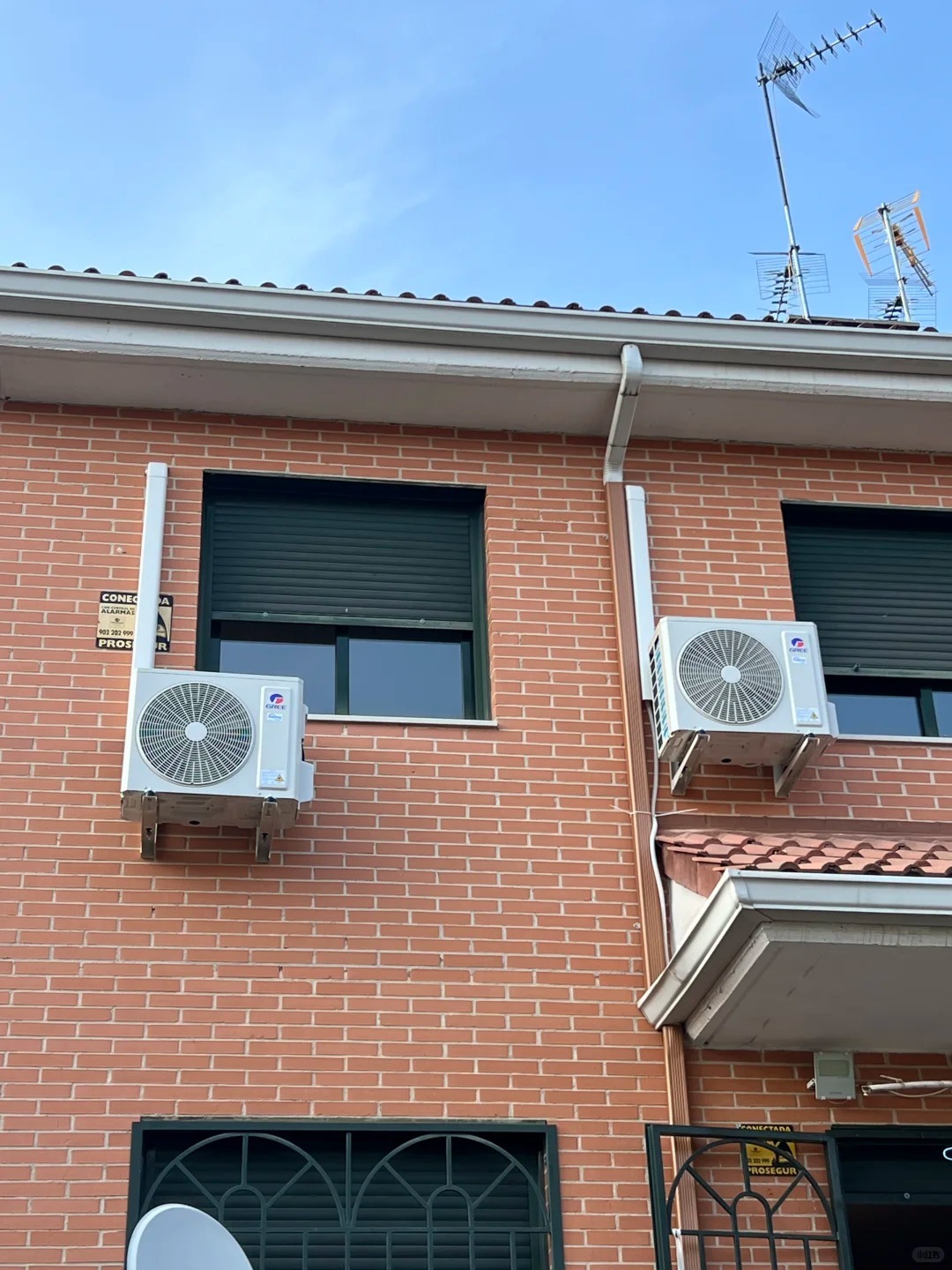
Hisense, on the other hand, tackled the issue from the quick installation angle. It has a dedicated research and development centre in Europe, creating designs such as removable decorative panels and multi-functional wall-mounting plates, which improve installation efficiency by one-third. In the first half of this year, sales of this series in Europe reached 113,000 units, a year-on-year increase of 117%.
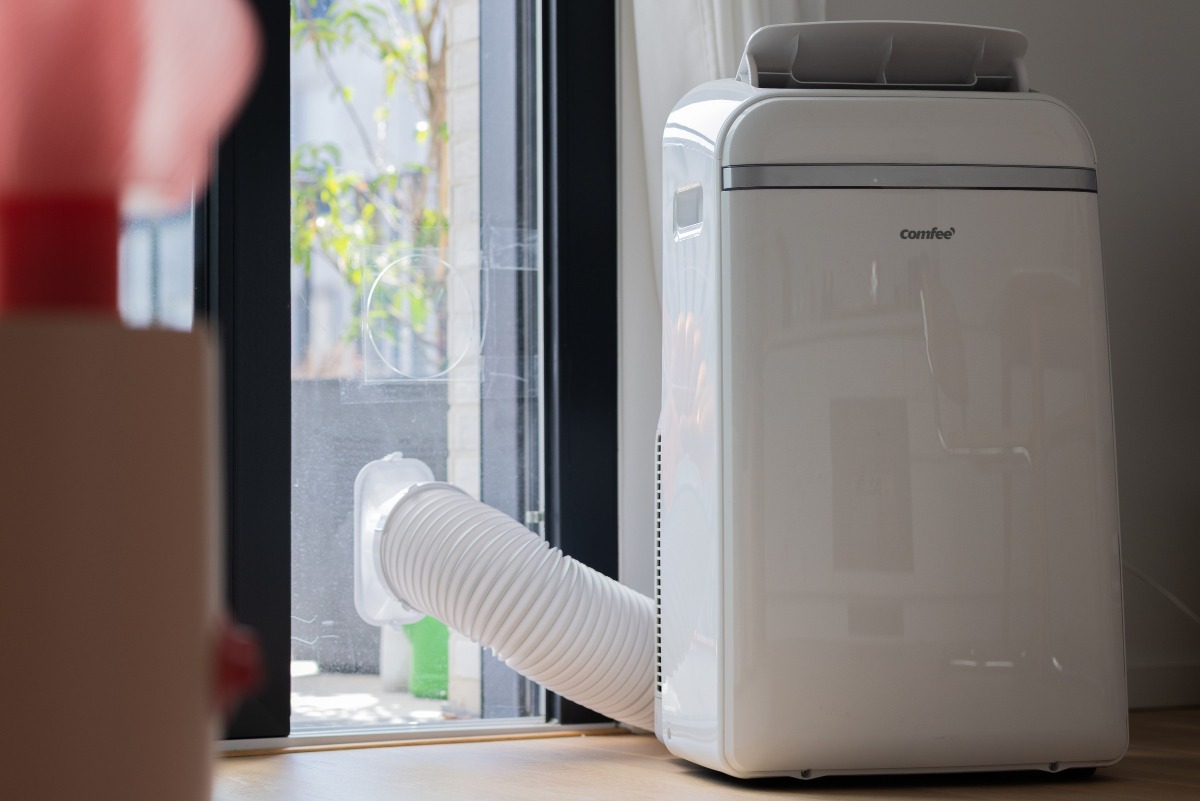
Gree, for older European residences, launched a plug-and-play portable air conditioner, which sold out immediately upon going on shelves.
Tailoring products for global customers is, in fact, already a fundamental skill for home appliance enterprises in the Pearl River Delta; it is just that this heatwave in Europe has pushed them into the spotlight.
80% Local Sourcing Rate: Guangdong's Ultra-Comprehensive Air Conditioner Industry Chain
Good products must be matched with high production capacity. Guangdong enterprises demonstrate the flexibility of a complete supporting industry chain.
In Beijiao Town, Shunde, the local sourcing rate for home appliance components is as high as 80%, and parts can be delivered to the production line within half an hour. This allows additional European orders placed at short notice to be quickly put into production.
At Midea's Lighthouse Factory in Nansha, Guangzhou, robotic arms operate 24 hours a day, with a maximum daily production capacity of 45,000 air conditioners. The factory brain, composed of nine major intelligent systems, autonomously allocates resources, switches over within seconds in case of equipment failure, and has greatly shortened the material arrival time by 40%.
In the smart workshop of TCL's air conditioner base in Nantou, Zhongshan, 31 industrial robots work in coordination, with one air conditioner rolling off the assembly line every 8 seconds on average. Faced with the 10-day delivery requirement from European customers, TCL has drastically reduced the cycle from the usual 30 to 40 days to 10 to 14 days.
In Pengjiang District, Jiangmen City, there is a smart home appliance ecosystem with a radius of just 5 kilometres centred around Hisense Electronics.
Surrounding Hisense Electronics, more than 200 supporting enterprises have gathered, sourcing most of the structural and injection-moulded parts within a 5-kilometre radius. The supplier response times measured in hours, low inventory pressure, and fast new product sampling cycles.
The nearby layout of core supporting enterprises significantly shortens the logistics radius, allowing for rapid order fulfilment.
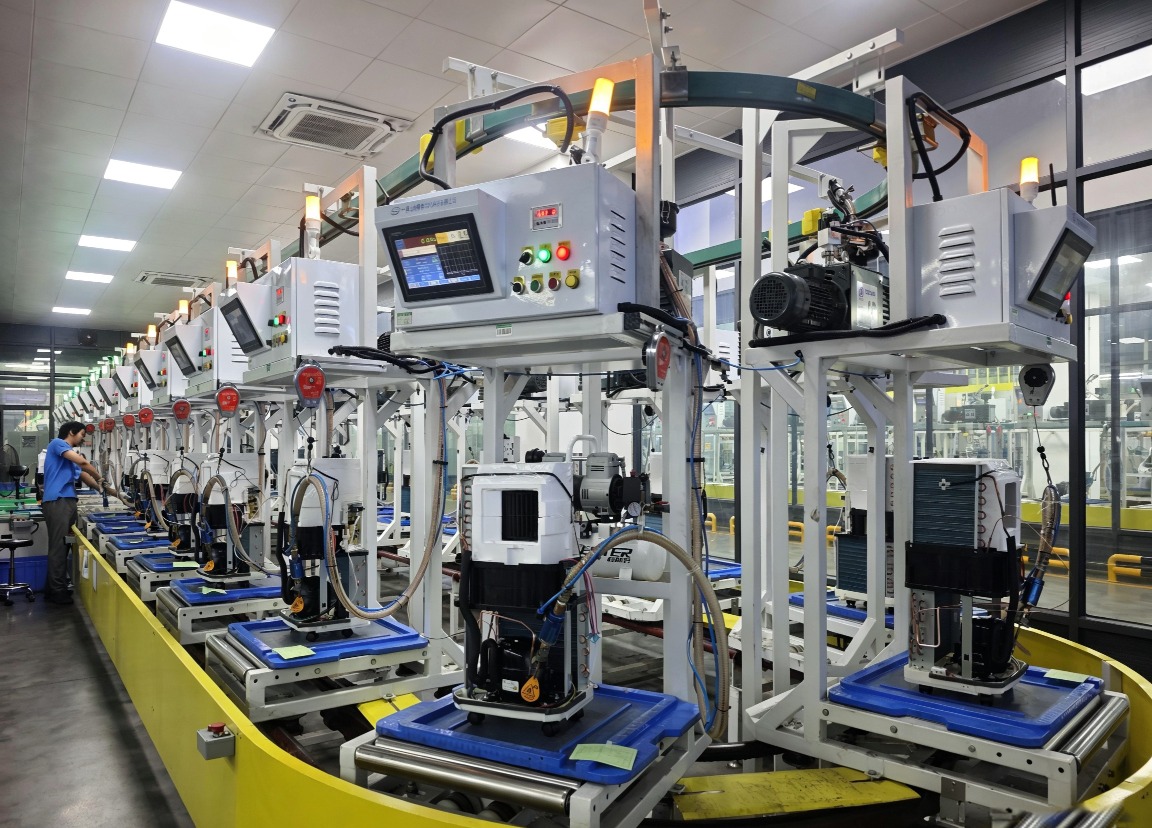
Data shows that Guangdong's air conditioner production will exceed 90 million units by 2025, ranking first in the country for many consecutive years, and 1 in every 3 air conditioners in the world is made in Guangdong.
15-Day direct delivery: China-Europe Railway Express connects the last mile
Good products and high production capacity also require fast logistics, which is inseparable from the support of national policies.
In response to the surge in export demand, the China Railway Guangzhou Group has fully leveraged the geographical advantages of having the source of goods concentrated in major manufacturing towns in the Pearl River Delta, such as Guangzhou, Foshan, and Shunde, achieving a fast-paced turnover of assembly upon coming off the production line, and dispatch upon assembly, and clearing the last mile of export.
The China-Europe Railway Express can reach Germany directly in about 15 days, saving nearly 20 days compared to sea freight, making it more than twice as fast.
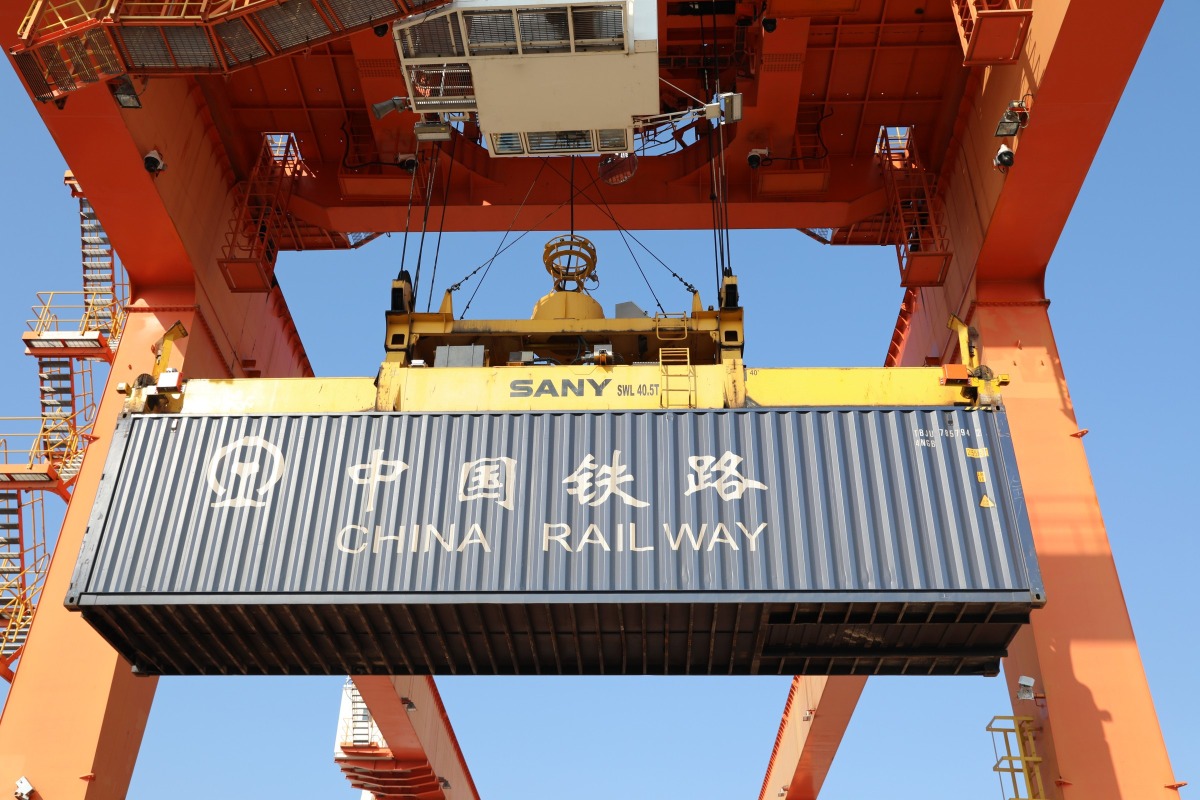
Data shows that in the second quarter of 2026, the group has cumulatively shipped portable air conditioners and core accessories worth approximately 52 million US dollars via the China-Europe Railway Express, with the shipment volume exceeding 100,000 units.
The European heatwave has placed the strength of 'Made in Guangdong' under the global spotlight. From tailor-made products for the European market, to an industry chain with an 80% local component sourcing rate, and the 15-day direct China-Europe Railway Express, it demonstrates exceptional market sensitivity and supply chain strength.
Read more:
Foreigners coming to China for medical treatment? Why is it so attractive?
Why are global travellers being drawn to China's tech tourism?