Published : 2025-12-29
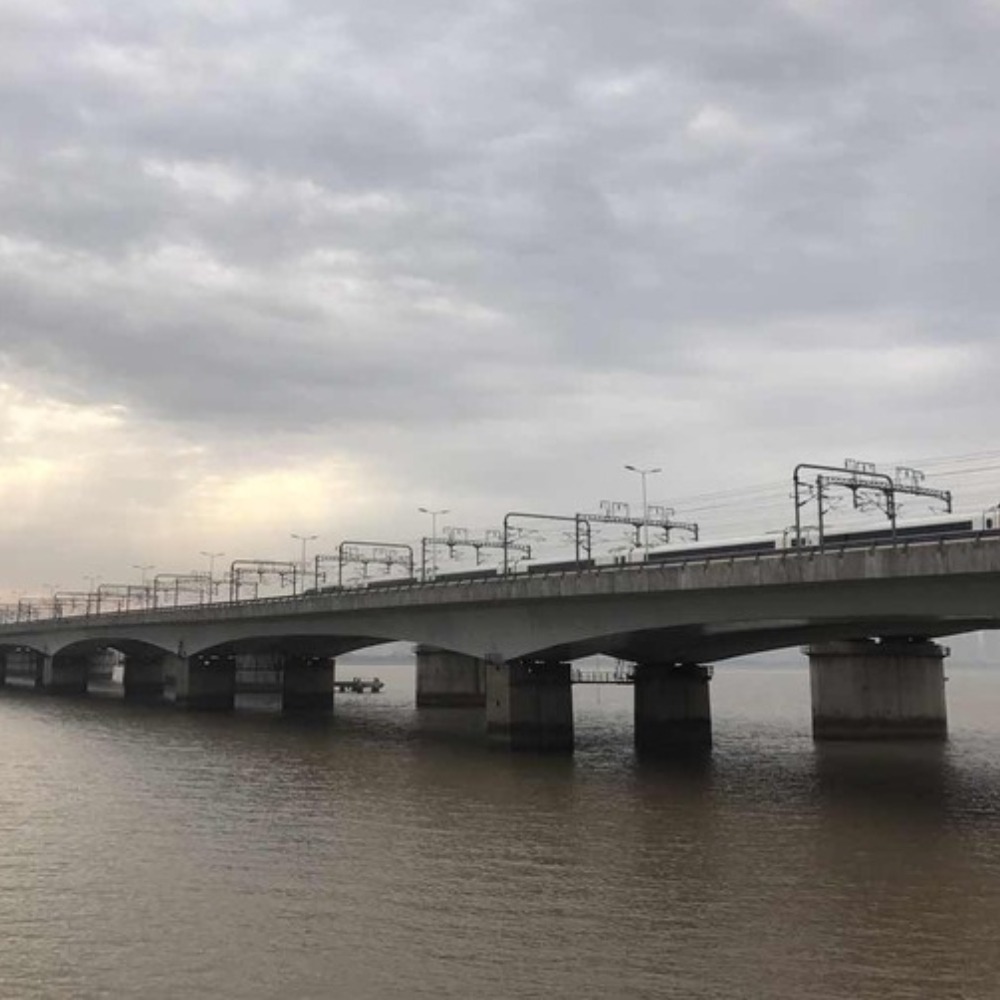
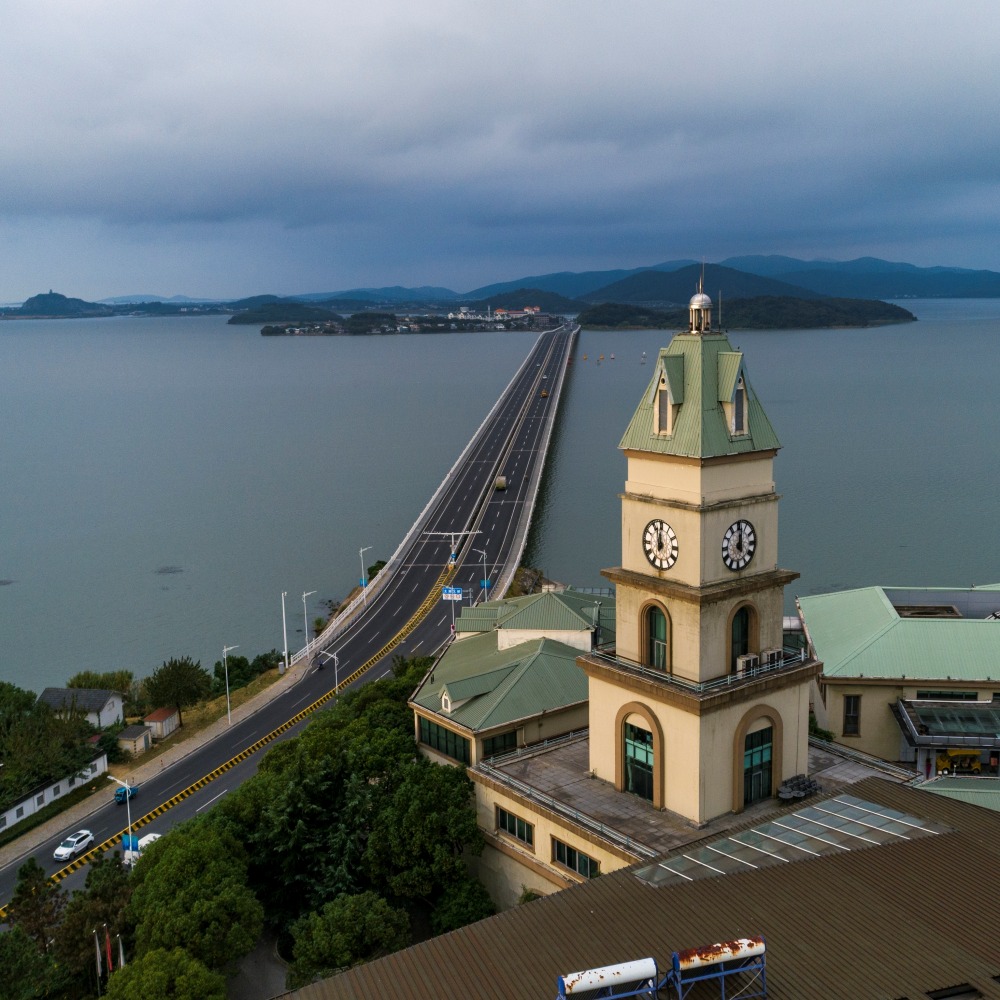
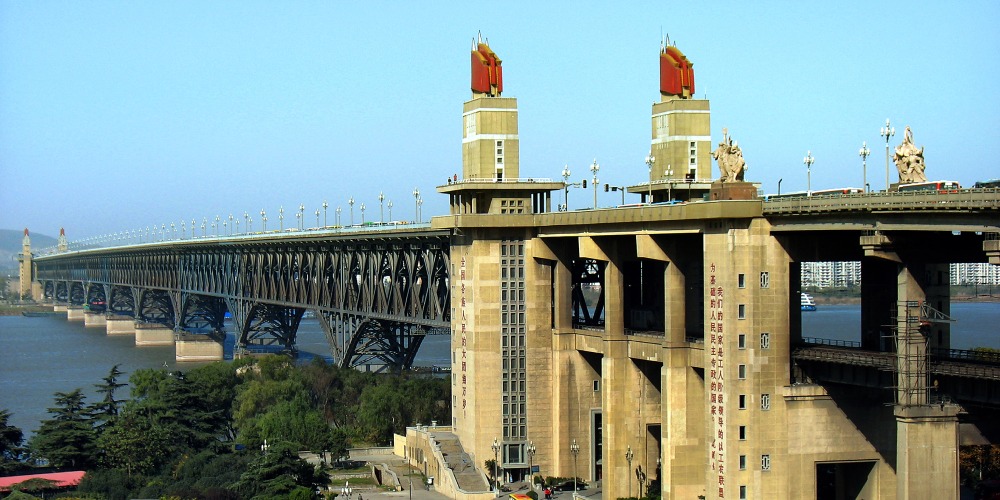
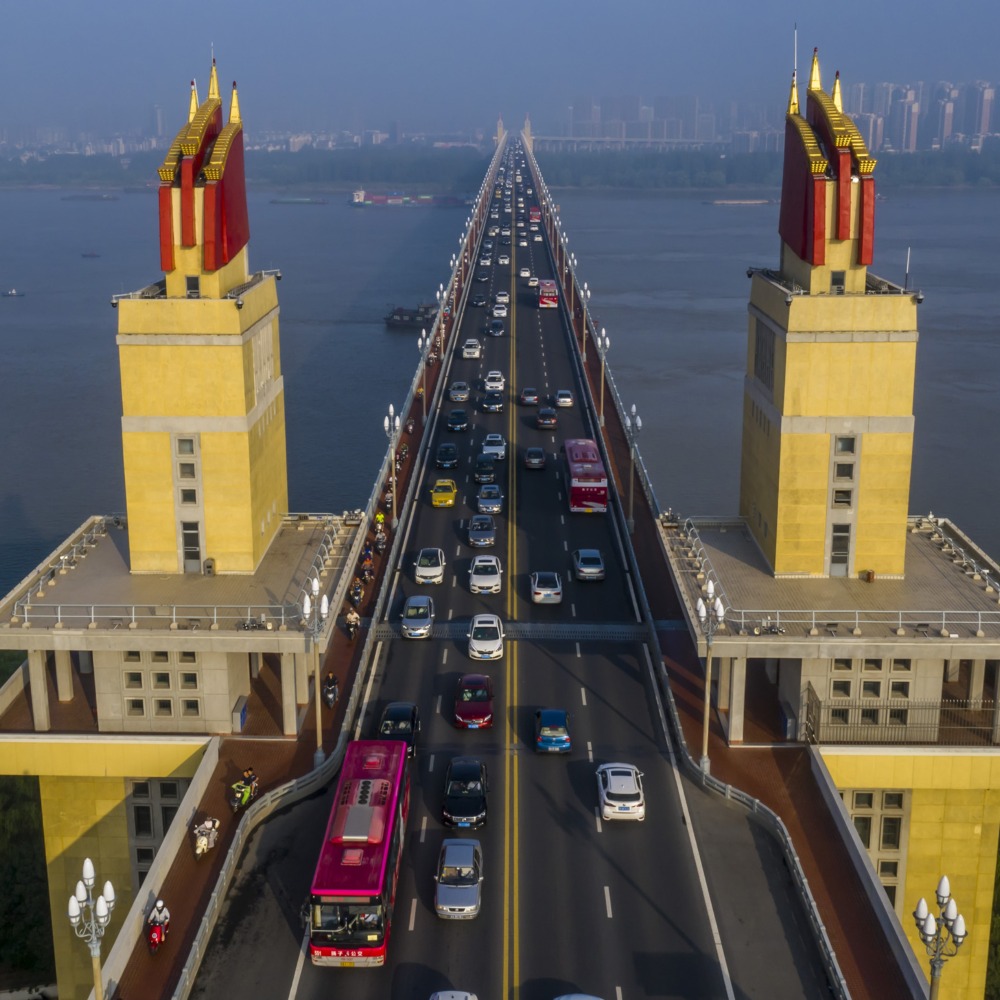
On 29 December 1968, the road bridge of the Nanjing Yangtze River Bridge opened to traffic, and the bridge was fully completed.
The Nanjing Yangtze River Bridge is an extra-large, double-decker, dual-use bridge for railway and road, designed and constructed by China itself.
The upper deck is a four-lane road bridge approximately 4,500 metres long and 15 metres wide; the lower deck is a double-track railway bridge approximately 6,700 metres long and 14 metres wide.
Construction of the Nanjing Yangtze River Bridge began in the early 1960s, ushering in a new era for the Chinese people to build large-scale bridges by relying on their own strength.
Nanjing is located on the lower reaches of the Yangtze River. As a major city in the southeast and a vital hub for water and land transport in East China, it had been a long-held wish of the people to build a bridge over the river at Nanjing to connect north-south transport.
Although the Shanghai-Nanjing Railway was completed in 1908 and the Tianjin-Pukou Railway was also completed and opened to traffic in 1911, due to the obstruction of the Yangtze River, passengers and goods travelling from north to south and vice versa all had to transfer to ferries to cross the river in Nanjing.
The problem of "crossing the river" had been studied as early as the Beiyang Warlord Government and Nanjing Nationalist Government periods, but all came to nothing.
After the founding of People's Republic of China (PRC) in 1949, the government was determined to build bridges in key areas of the middle and lower reaches of the Yangtze River to connect the north and south, with the Wuhan Yangtze River Bridge being the first.
As the Wuhan Yangtze River Bridge project entered its later stages, the site selection, geological exploration, surveying and preliminary design for the Nanjing Yangtze River Bridge were carried out simultaneously.
The construction of the Nanjing Yangtze River Bridge could be said to have been fraught with difficulties and setbacks. Shortly after the construction of the bridge began, it immediately encountered two major difficulties: first were the Three Years of Natural Disasters, followed by the deterioration of Sino-Soviet relations, with the Soviet government tearing up the steel supply contract.
And besides overcoming external difficulties and interference, it was also necessary to overcome dangerous situations that could arise at any time, the most thrilling of which was the flood in the autumn of 1964.
In the later stages of the bridge's construction, it coincided with the Cultural Revolution. A chaotic situation arose in Nanjing, and the bridge construction site was not spared.
Fortunately, the vast majority of workers and technicians remained at their posts, and with the State Council's timely implementation of military control over the bridge, this ensured that construction proceeded normally.
With the support of the people of the whole country and through the efforts of all the constructors, the Nanjing Yangtze River Bridge was finally completed in its entirety.
The Nanjing Yangtze River Bridge was the third bridge to cross the main stream of the Yangtze River, after the Wuhan Yangtze River Bridge and the Chongqing Baishatuo Yangtze River Bridge.
Moreover, it was the first extra-large bridge entirely designed and built by China using predominantly domestic materials, holding significant importance in the history of Chinese bridge building.
The Nanjing Yangtze River Bridge is a landmark of Nanjing, and also one of the "Forty-eight Scenes of Jinling". It was also listed in the Guinness Book of World Records as the "longest bridge with combined roadway and railway".