
Published : 2025-12-31
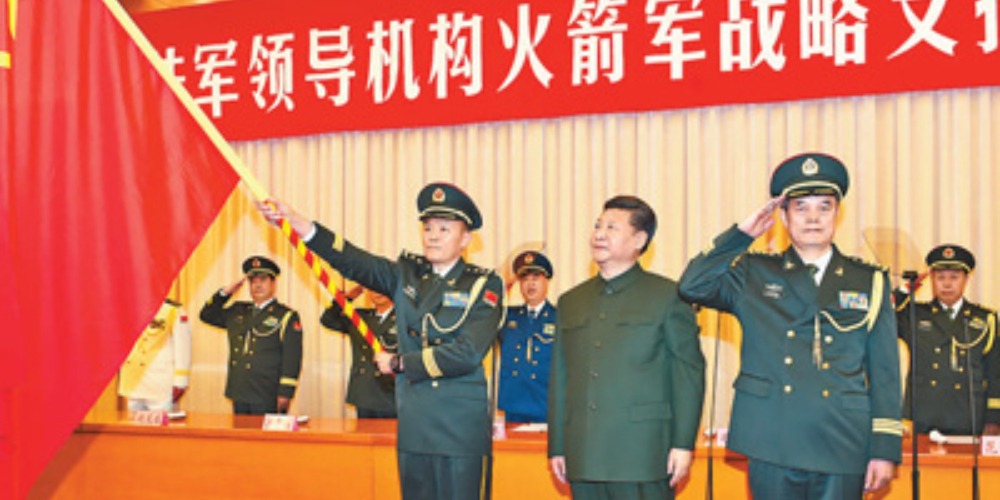
On 31 December, 2015, the establishment ceremony for the People's Liberation Army (PLA) Army Command, the People's Liberation Army Rocket Force (PLARF), and the PLA Strategic Support Force was solemnly held at the August 1st Building in Beijing.
Xi Jinping, General Secretary of the Communist Party of China (CPC) Central Committee, President of the People's Republic of China (PRC), and Chairman of the Central Military Commission, presented military flags to the Army, PLARF, and Strategic Support Force and delivered an address.
The predecessor of the PLARF was the PLA Strategic Missile Force, which was established in Beijing on 1 July, 1966. For reasons of secrecy, Premier Zhou Enlai designated it as the "Second Artillery Force".
According to the National Defense White Paper, the Second Artillery Force comprised nuclear missile units, conventional missile units, support units, academies, research institutions, and administrative bodies.
The Second Artillery exercised highly centralised operational command authority under a "Central Military Commission-Second Artillery-Missile Base-Missile Brigade" command structure.
It adhered to the national policy of no first use of nuclear weapons, implemented a defensive nuclear strategy for self-defence, and strictly executed orders from the Central Military Commission, with its fundamental mission being to safeguard the nation against external nuclear attack.
Later, considering that the Second Artillery Force effectively performed the functions of a military service branch, reforms renamed it the "Rocket Force." The PLARF serves as the core of China's strategic deterrence, a strategic pillar supporting China's status as a major power, and a crucial cornerstone for safeguarding national security.
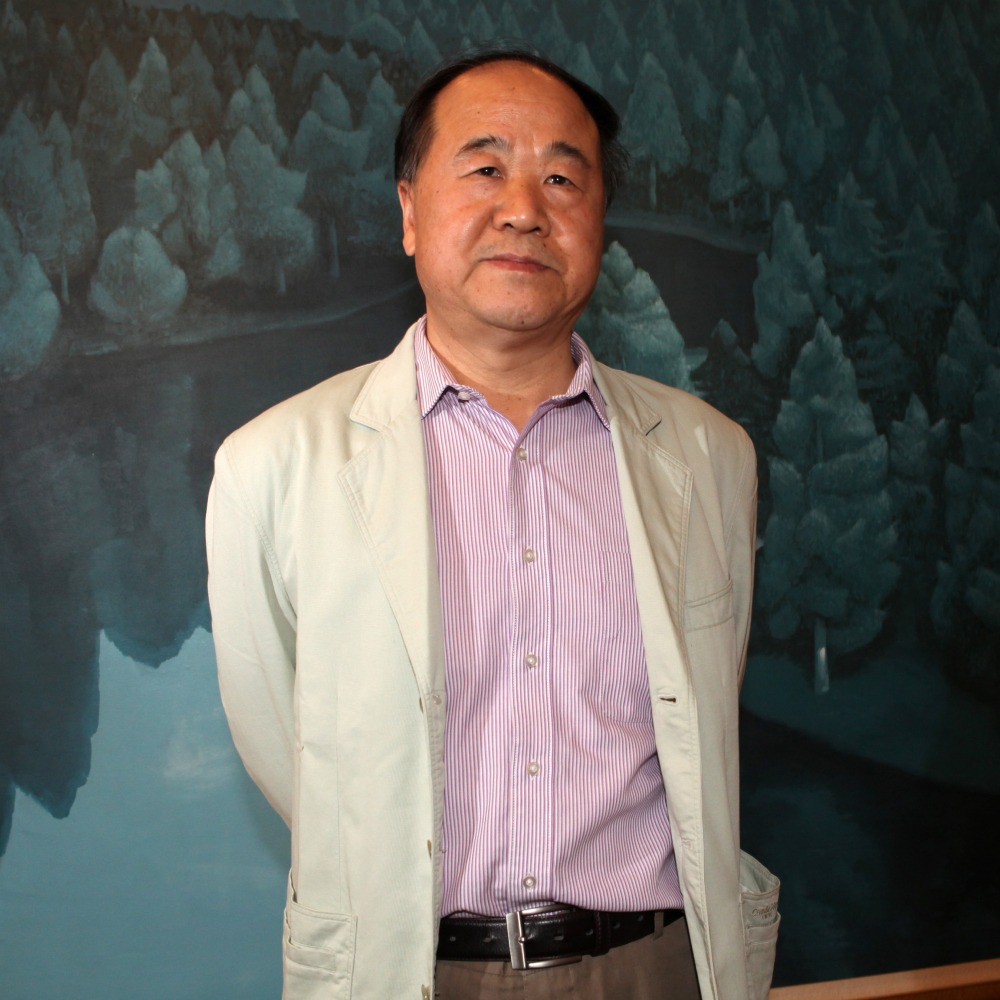
The establishment of the Rocket Force does not imply a change in China's nuclear policy or strategy. As stated by then-military spokesperson Yang Yujun (楊宇軍), "China has consistently adhered to a no-first-use policy on nuclear weapons, upheld a defensive nuclear strategy for self-protection, and maintained nuclear forces at the minimum level necessary to safeguard national security. China's nuclear policy and strategy remain unchanged."
On the same day the PLARF was established, the leadership body of the PLA Army was also formally announced. Prior to this, the Army had no independent leadership organ, with its functions exercised by the four general departments, while the seven military regions directly commanded their subordinate ground forces.
The establishment of the Army leadership body represents a strategic decision made by the CPC Central Committee, the Central Military Commission, and Chairman Xi Jinping.
This represents a major measure in deepening the reform of national defence and the armed forces. It is conducive to accelerating the modernisation of the Army and creating conditions for a sound joint operation command system. Furthermore, it facilitates the adjustment of functions within the organs of the Central Military Commission, as well as the streamlining of their structures and personnel.