Published : 2025-12-26
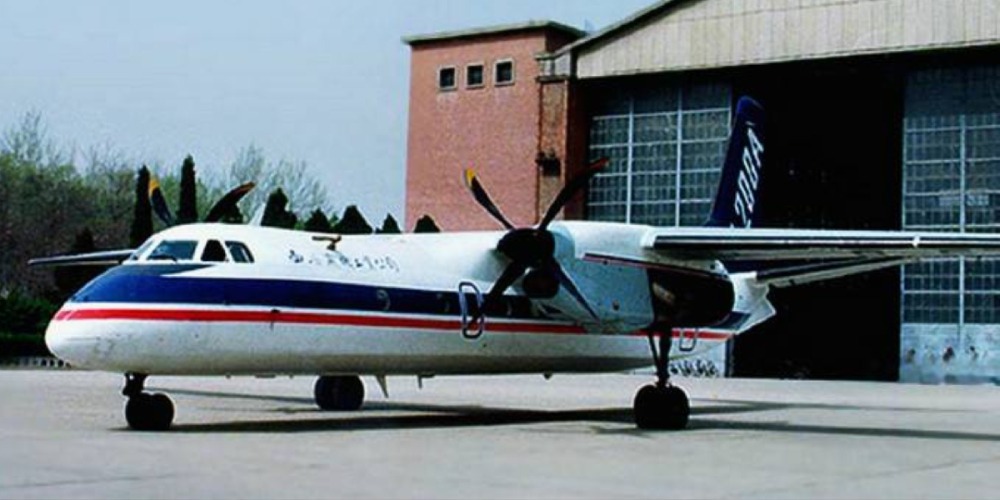
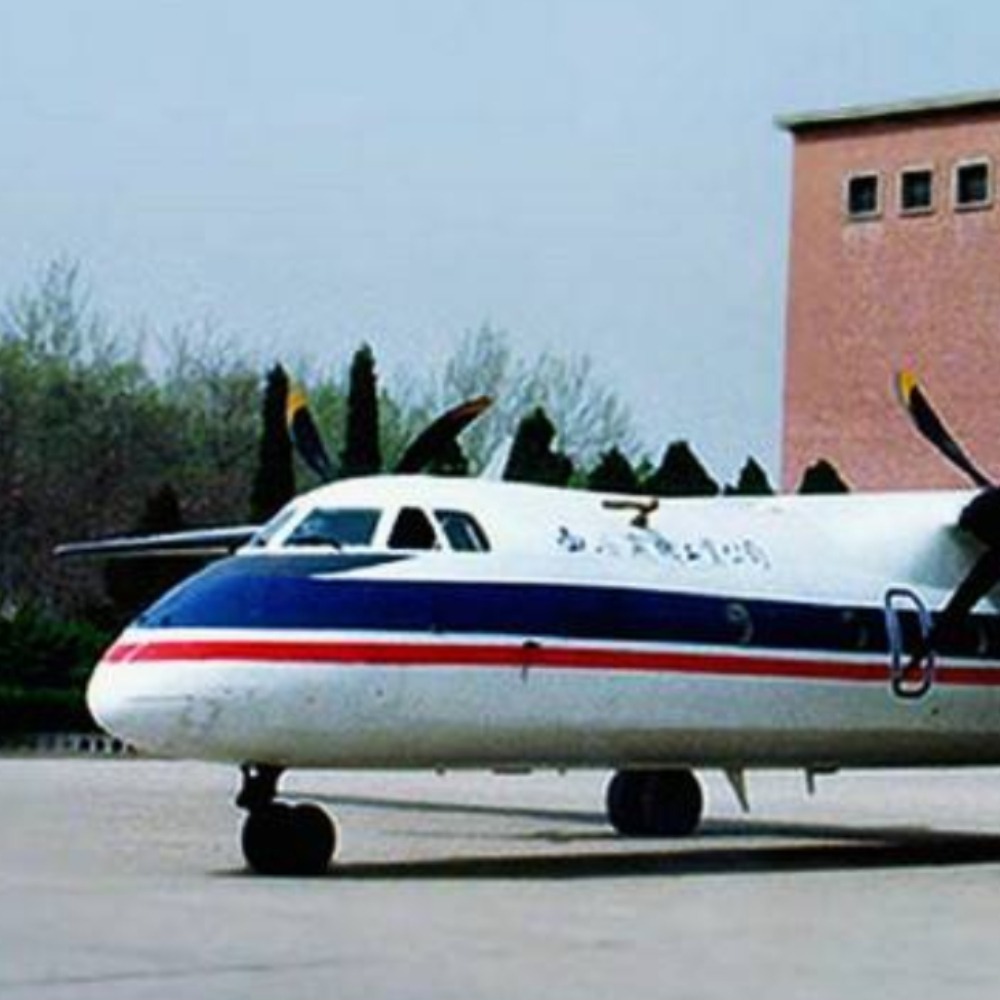
At midday on 26 December 1993, China's domestically produced Y-7 200A passenger aircraft, developed by Xi'an Aircraft Industrial Corporation, took to the blue skies at Yanliang Airport, successfully completing its maiden flight.
The birth of this new passenger aircraft marked a significant step forward for Chinese-made passenger aircraft towards advanced international standards.
In April 1966, Xi'an Aircraft Industrial Corporation officially began the reverse-engineering of the former Soviet Union's An-24 transport aircraft. The new aircraft was named the Y-7 (codename: Y-7) and was a twin-engine turboprop, short-to-medium-range transport aircraft.
The first Y-7 prototype took its maiden flight on 25 December 1970. After the maiden flight of the first Y-7 prototype, two aircraft design finalisation evaluations were organised in 1977 and 1979.
However, due to reasons such as some airborne products not being finalised and several test flight subjects not yet having been flown, the state did not approve the design for finalisation at that time.
In 1980, the Y-7 completed the demonstration, design, production, and appraisal test flights for refitting with the high-power WJ-5A-1 turboprop engine.
On 24 July 1982, the Y-7 aircraft's design was approved for finalisation by the Commission for Finalisation of Military Products, and it entered small-batch production.
After conducting single-engine take-off and landing tests, the state officially approved the design finalisation of the Y-7 aircraft on 30 July 1982.
On 23 January 1984, the Civil Aviation Administration of China formally issued the airworthiness certificate for the Y-7 aircraft. The aircraft entered passenger service in 1986. The civilian model of the Y-7 is a 50-seat class regional passenger aircraft.
The domestically produced Y-7 200A passenger aircraft is a new short-to-medium-range regional aircraft, improved upon the Y-7 100 and Y-7 200B models in accordance with the dual airworthiness review standards of China and the United States.
It adopted a two-person cockpit system, and was equipped with the then newly developed foreign PW127C turboprop engines and the high-efficiency, low-noise, all-composite 247F propellers.
Its passenger capacity was increased from 48-52 to 56-60 people, and its range was also increased from 500-700 km to 1,100 to over 1,200 km.
The appearance of the Y-7 ended the history of China's civil aviation exclusively using foreign aircraft.
Through the development and use of the Y-7 aircraft, Chinese aircraft manufacturers summarised a complete set of aircraft design and manufacturing processes and theories, gaining valuable experience and lessons from it, and this experience has had a profound impact on China's design and manufacture of large aircraft.