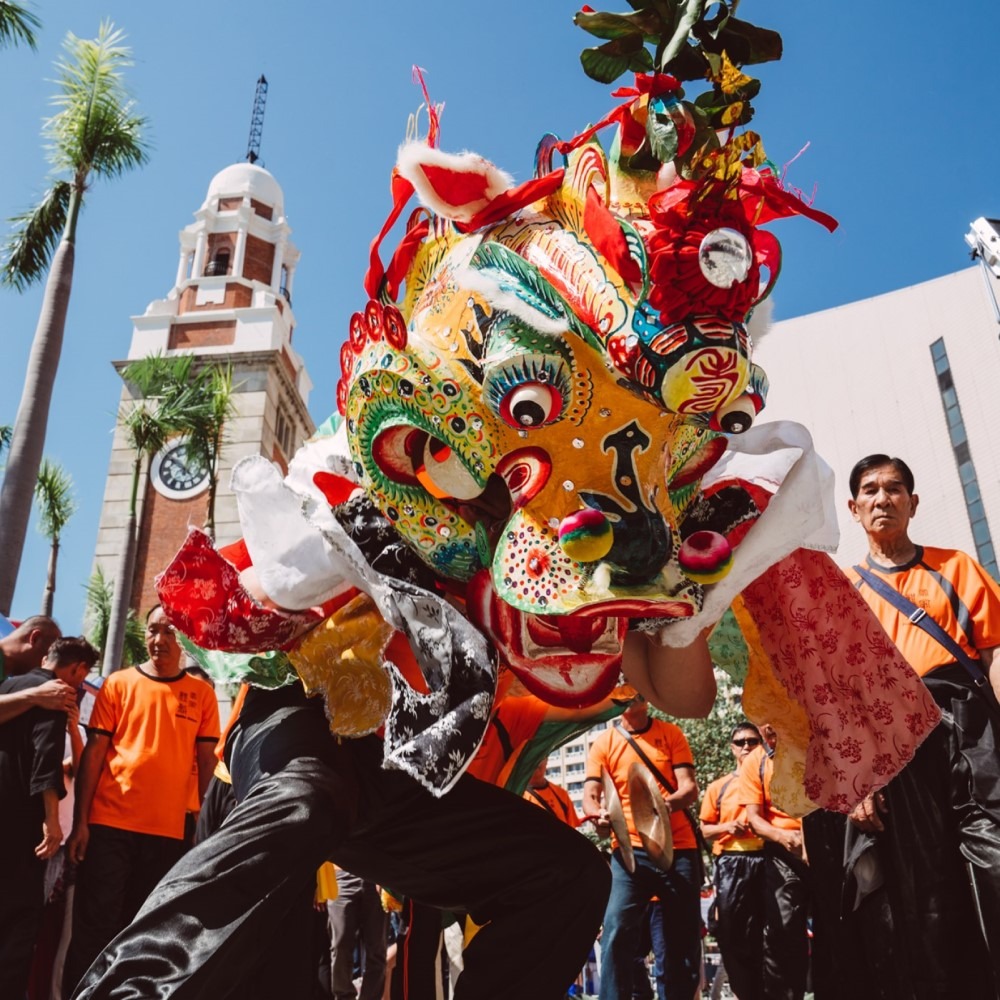
Published : 2025-09-29
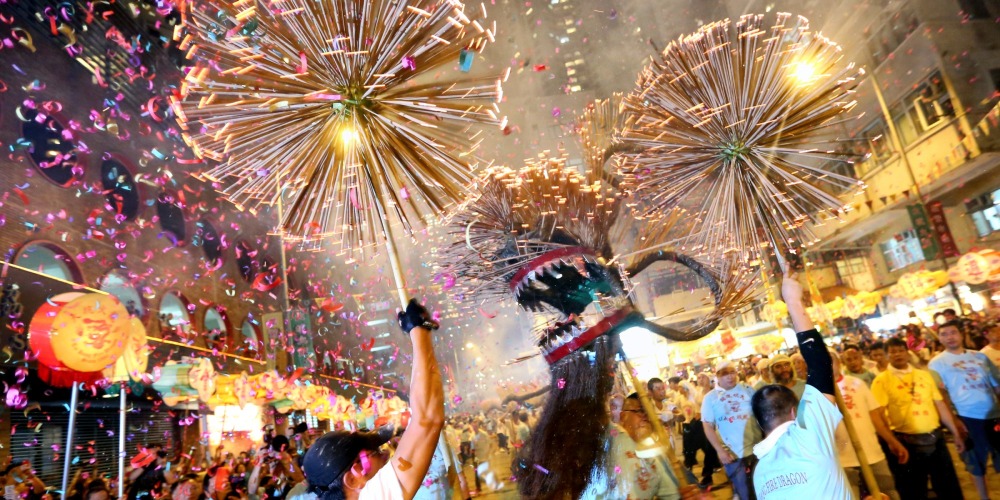
In Chinese folk tradition, there are the Dragon Dance, Lion Dance, Qilin Dance (舞麒麟), and Pixiu Dance (舞貔貅), all performed to pray for peace and blessings. Each of these performing arts has its unique characteristics and is the Hong Kong's precious Intangible Cultural Heritage (ICH).
However, only one of them has so far been included in the national-level ICH list—the Hakka Unicorn Dance in Hang Hau in Sai Kung (西貢坑口客家舞麒麟).
What exactly is so unique about the Hakka Unicorn Dance? And from what perspective can the public appreciate this national-level intangible cultural heritage? This article will use 9 numbers to give you a clear overview.
1 type of martial arts training
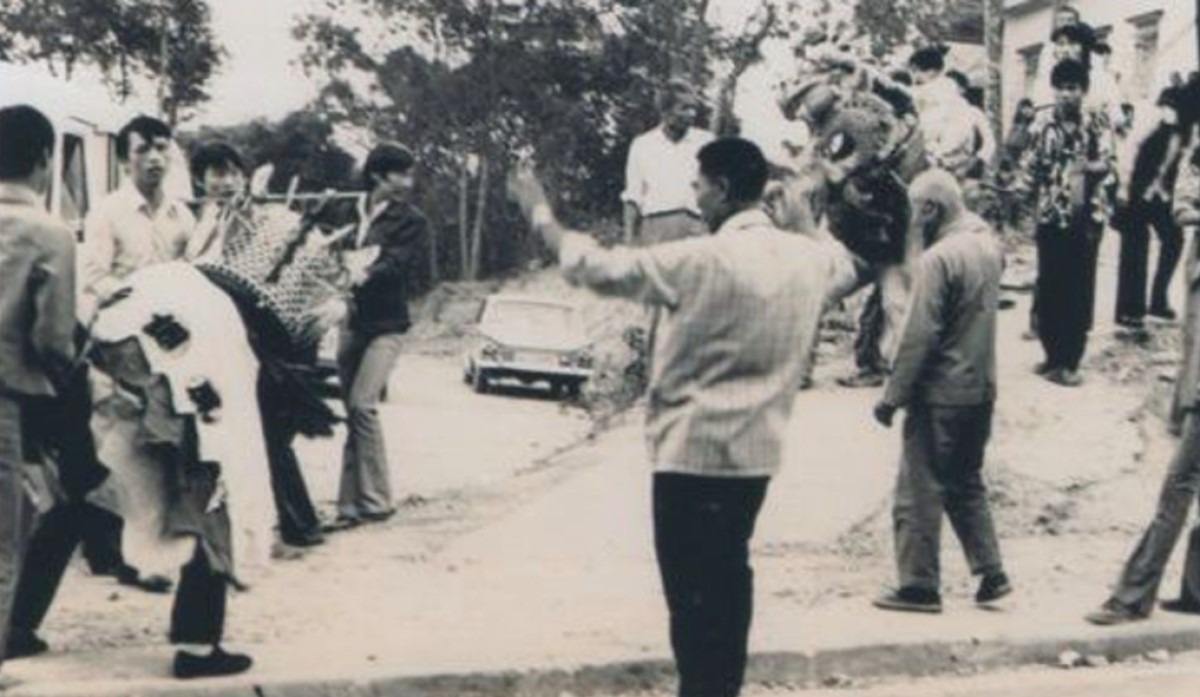
The Qilin Dance, or Chinese Unicorn Dance, is actually a part of martial arts training. The Hakka Unicorn Dance in Hang Hau in Sai Kung, recognised as a national-level Intangible Cultural Heritage, has its roots in the village's coastal location.
In the past, the village often faced threats from pirates, prompting young men to take up martial arts to protect their homeland. The Unicorn Dance then became one of the key elements of their martial arts training.
Over 200 years of history
According to local genealogical records, the central coastal areas of Sai Kung were already inhabited as early as before the mid-Ming Dynasty (1368-1644 AD).
In the mid-18th century, a large number of Hakka immigrants moved from Guangdong, with some settling in the river valleys of Hang Hau and Clear Water Bay Peninsula in Sai Kung. They farmed and fished, while some engaged in industries such as charcoal and lime burning.
The Hakka Unicorn Dance culture passed down by them now has a history of over 200 years.
3 traditions
Besides the Hakka Unicorn Dance, two other types of Unicorn Dances in Hong Kong include the Local (Dongguan) Unicorn Dance and the Hoi Luk Fung (海陸豐) / Hoklo (鶴佬) Unicorn Dance, making a total of three traditions.
Their cultural customs differ, and even the appearance of the Chinese unicorn, or qilin (麒麟), the dance steps, and the accompanying music vary significantly among the three.
One of the 4 divine creatures
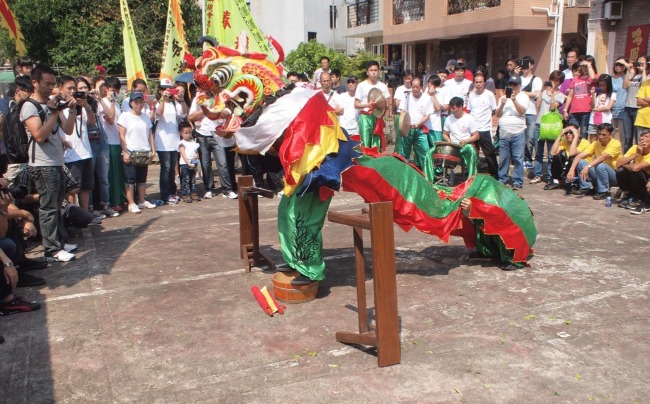
Along with the dragon, phoenix, and tortoise, the qilin is the four great mythical beasts of ancient China. The qilin is known as the "benevolent beast" in Chinese folklore. Its character is shy, but it is also full of curiosity. Therefore, it walks cautiously, constantly looking around and staying vigilant.
This personality trait is particularly evident during it is "plucking the greens". When the qilin finds food, it will not eat it straight away, but will retreat and investigate it cautiously, kicking or playing with it before feeling reassured enough to eat it.
The 5-coloured qilin body
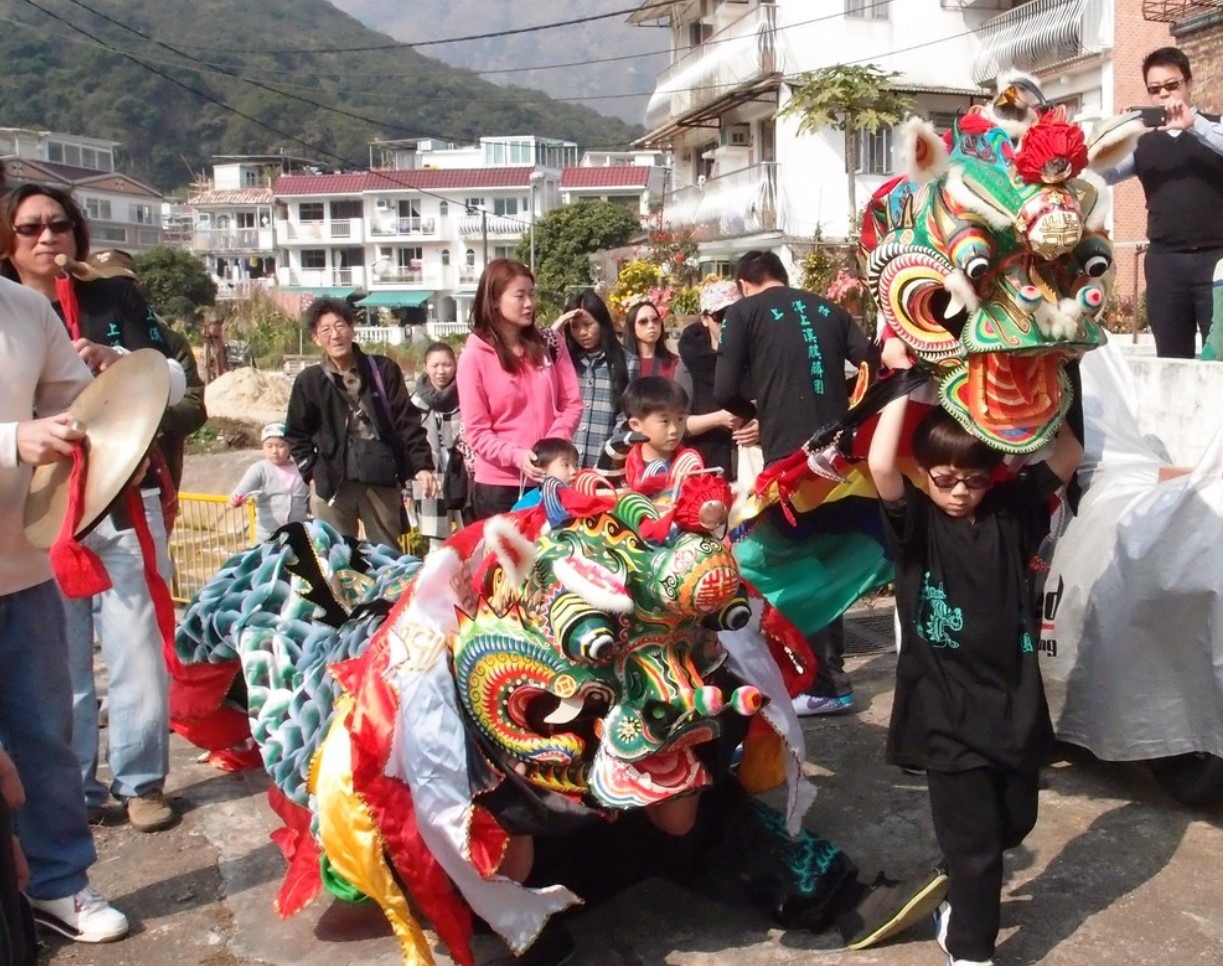
The qilin danced by the Hakka villagers of Hang Hau, Sai Kung is mainly composed of two parts: the qilin's head and the qilin's body.
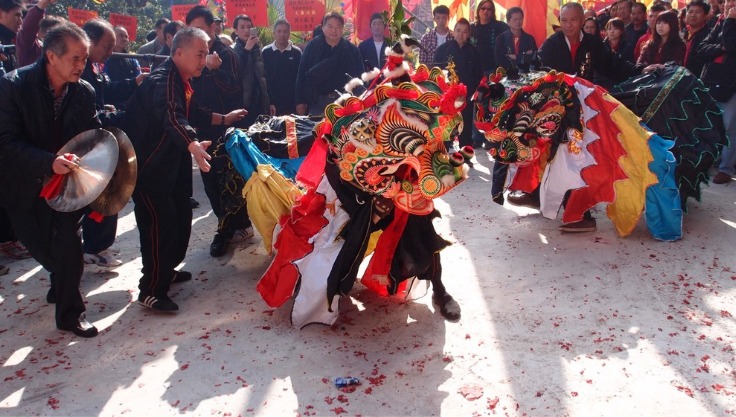
The body of qilin is sewn from fabric in five colours: black, white, red, yellow, and blue, representing the "five elements" of metal, wood, water, fire, and earth, or symbolising a bountiful harvest of the five grains.
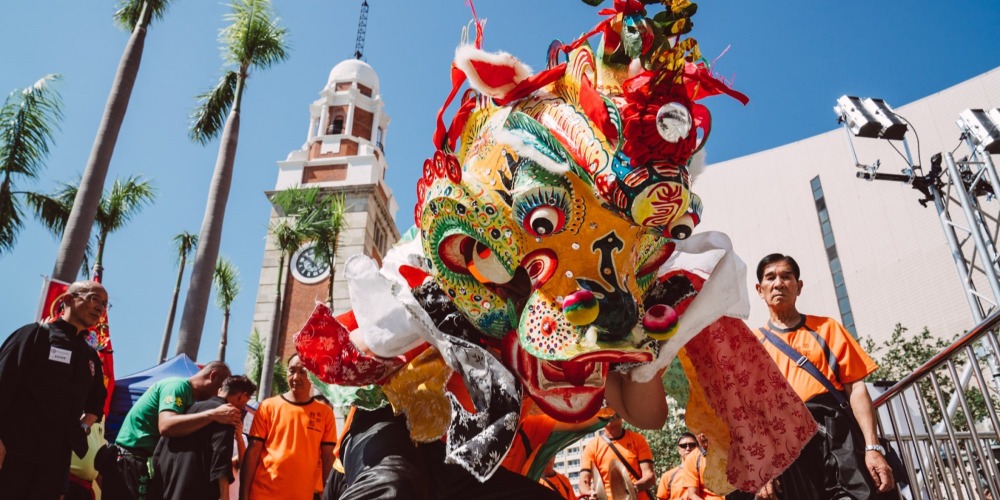
The qilin's head, on the other hand, is crafted from bamboo strips and paper. Different patterns and colour combinations reflect the qilin's various characteristics.
For example, black represents ferocity; colours such as green, red, or white with floral patterns represent simplicity; a green face and fangs represent martial arts. In celebratory occasions, the qilin's forehead often bears the Chinese character "喜" (meaning "joy").
6-person team
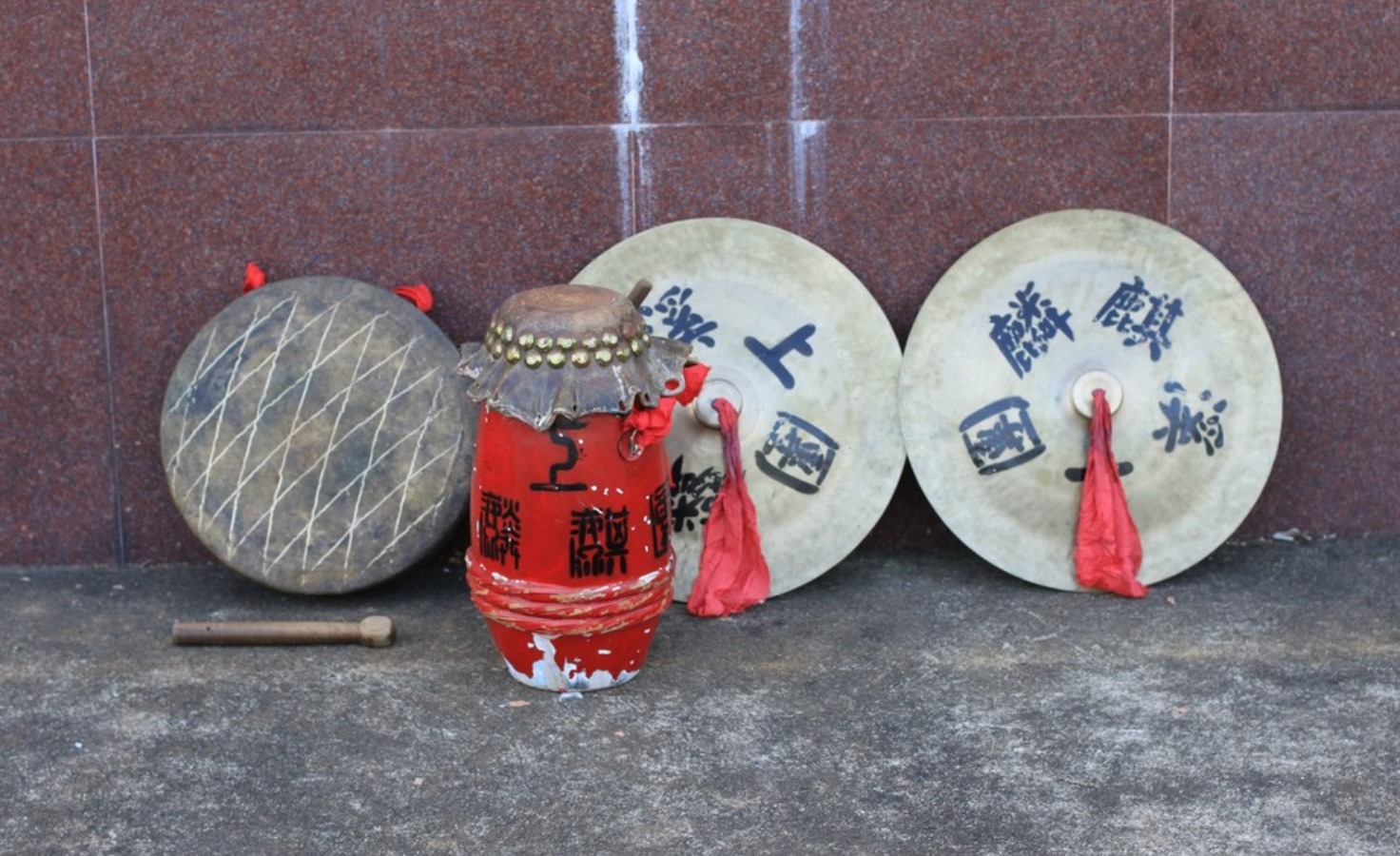
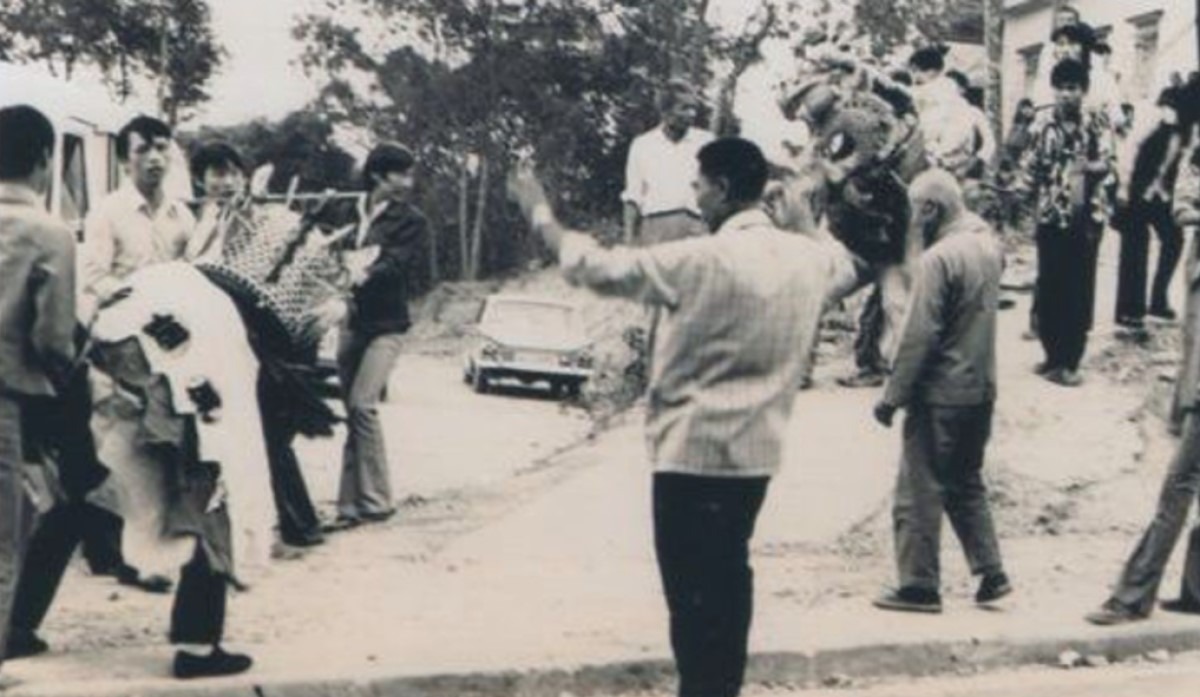
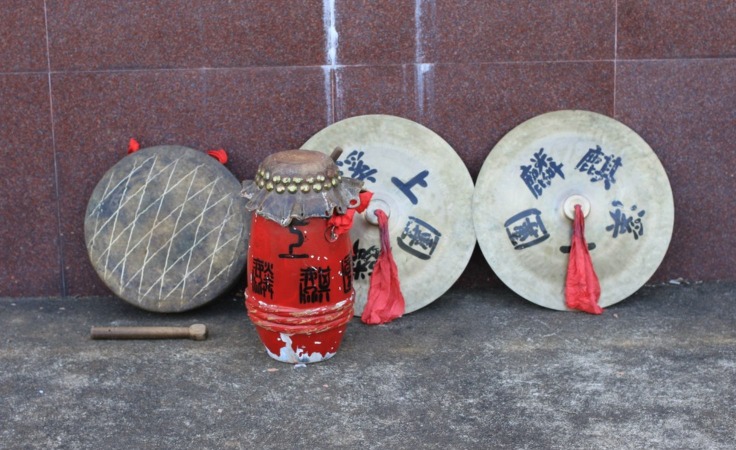
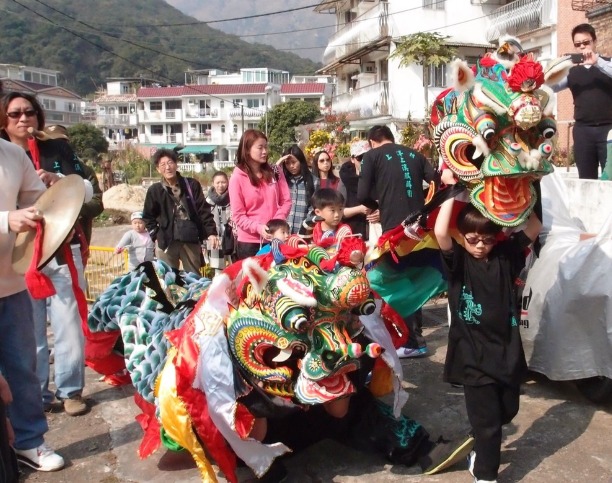
A Qilin Dance team is usually composed of at least six people, including one master leading, two people responsible for moving the qilin's head and tail, and three people playing percussion instruments such as the gong, drum, and cymbals respectively.
As the qilin's head is quite heavy, sometimes three people may need to be arranged to take turns moving the qilin's head.
7 major features
The qilin, as a mythical creature in Chinese legend, possesses up to seven distinct features: a dragon's head, a deer's body, a horse's hooves, an ox's tail, a wolf's forehead, fish scales, and a single horn on its head.
Read more: Discover the traditional culture of Lion Dance
8 occasions
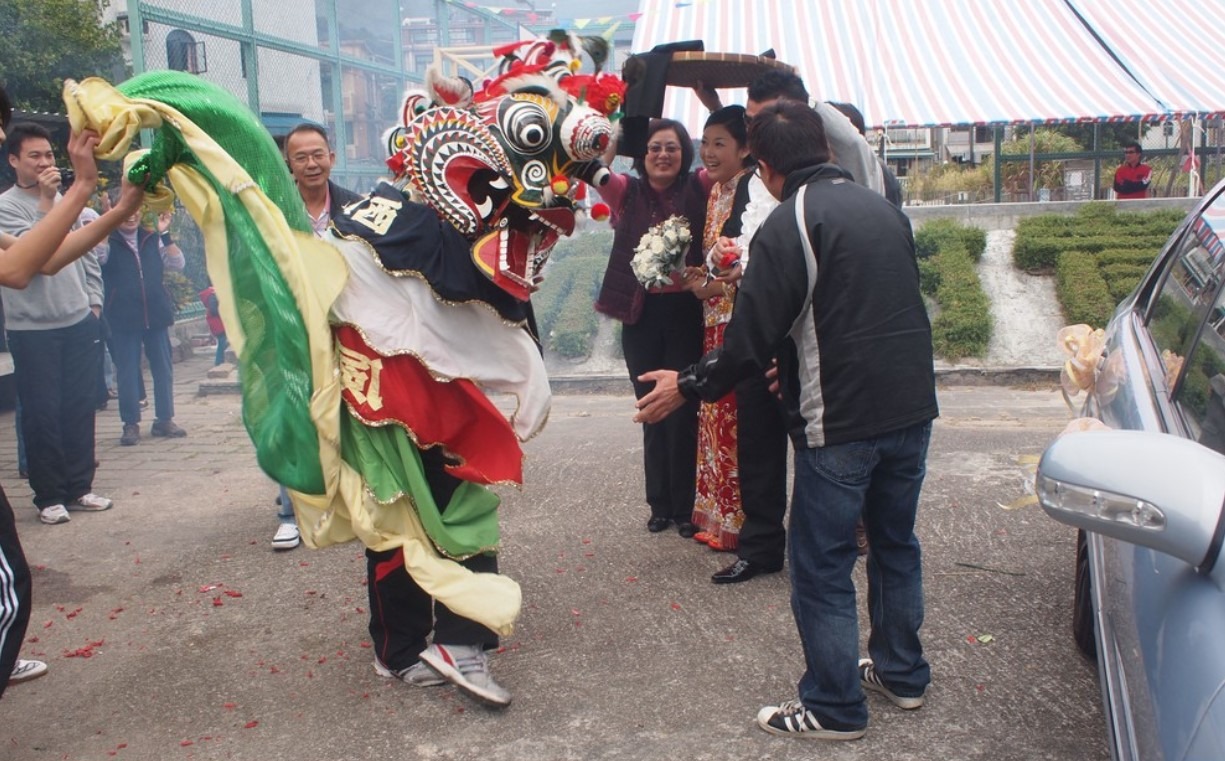
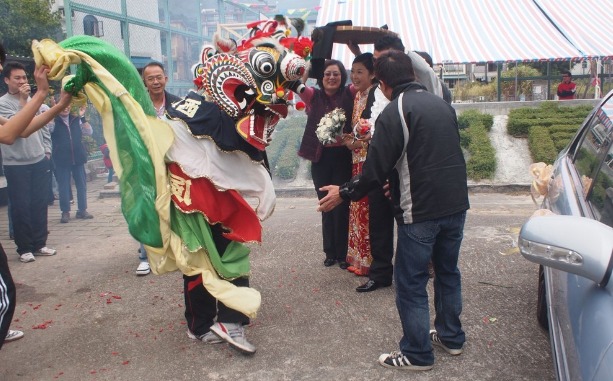
The Qilin Dance is meant to drive away evil spirits and bring good luck. It appears at eight festive occasions, including Chinese New Year, weddings, birthday celebrations, the consecration of ancestral halls, housewarmings, welcoming guests, Cheung Chau Jiao Festival, and the birthdays of deities.
Over 9 forms of etiquettes
The Qilin Dance not only requires a certain foundation in kung fu, but more importantly, it requires "etiquette". A Qilin Dance performance actually contains the etiquettes of the three main pillars of Chinese culture: Confucianism, Buddhism, and Taoism.
As an audience member, how can one appreciate the etiquette expressed by the Qilin Dance?
The following nine points may help you gain a better understanding. Of course, the rituals and etiquette embodied in the Qilin Dance is actually not limited to these.
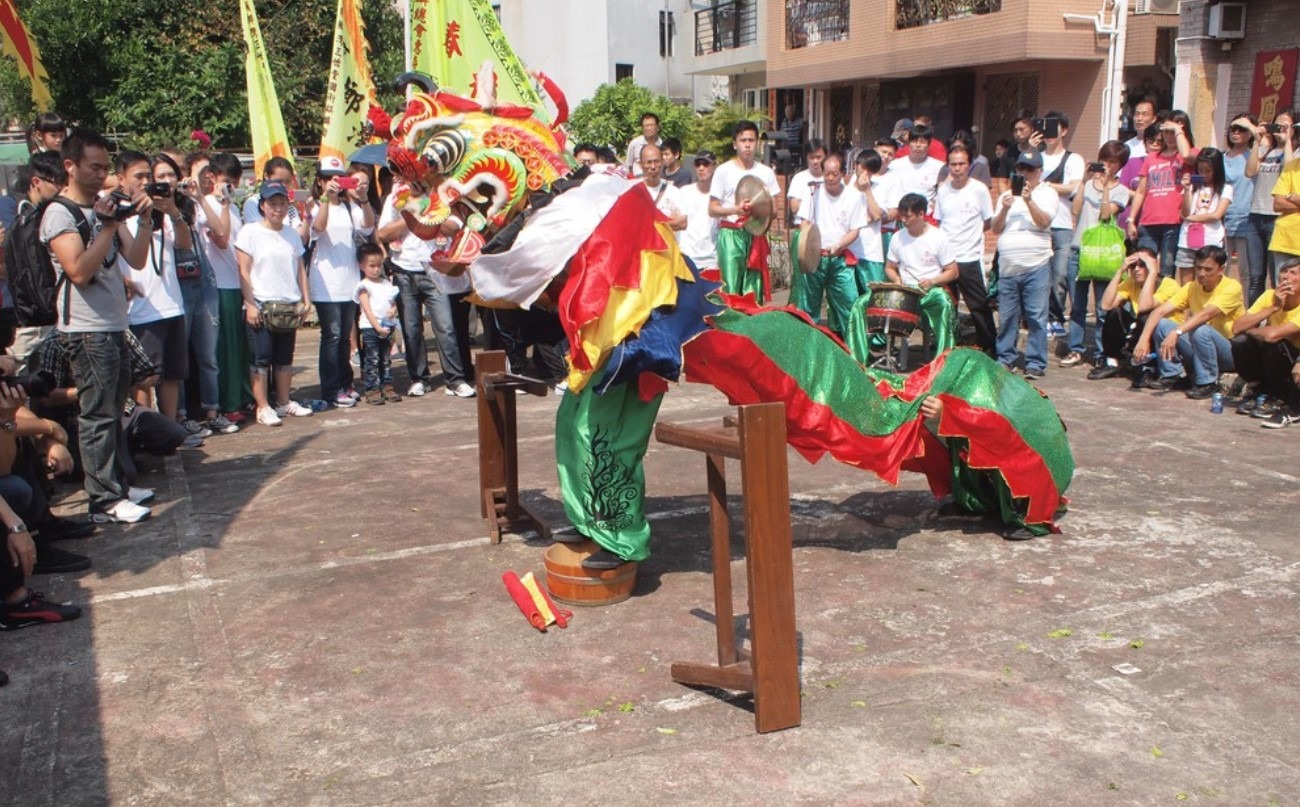
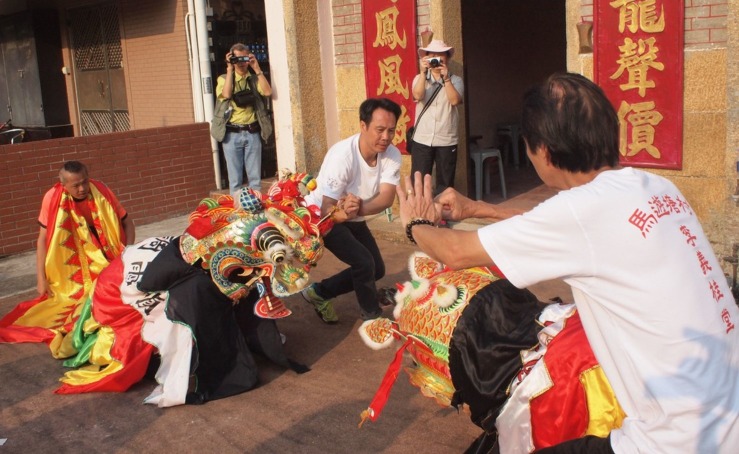
Firstly, as the qilin places great importance on politeness, the Qilin Dance often features bowing movements.
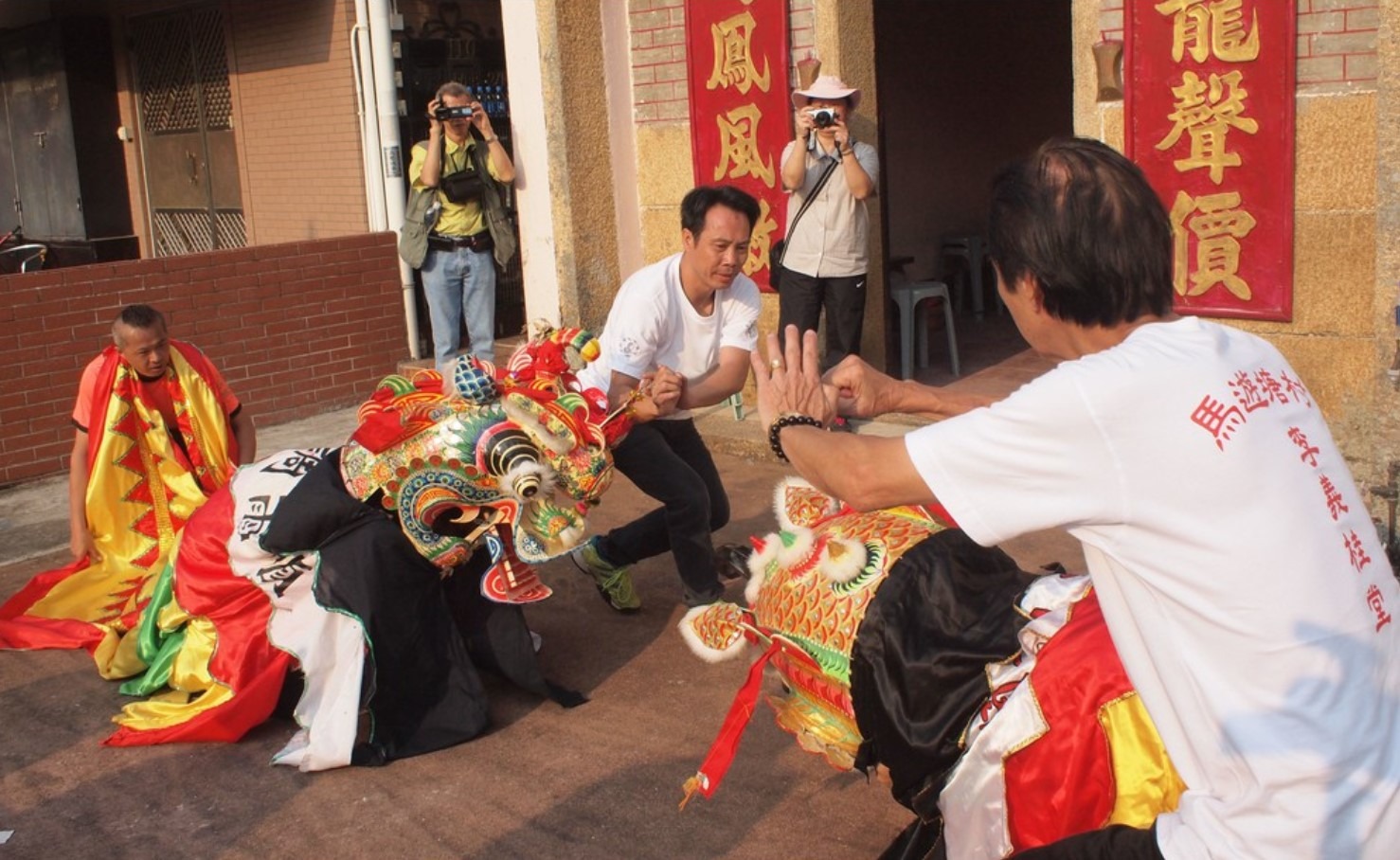
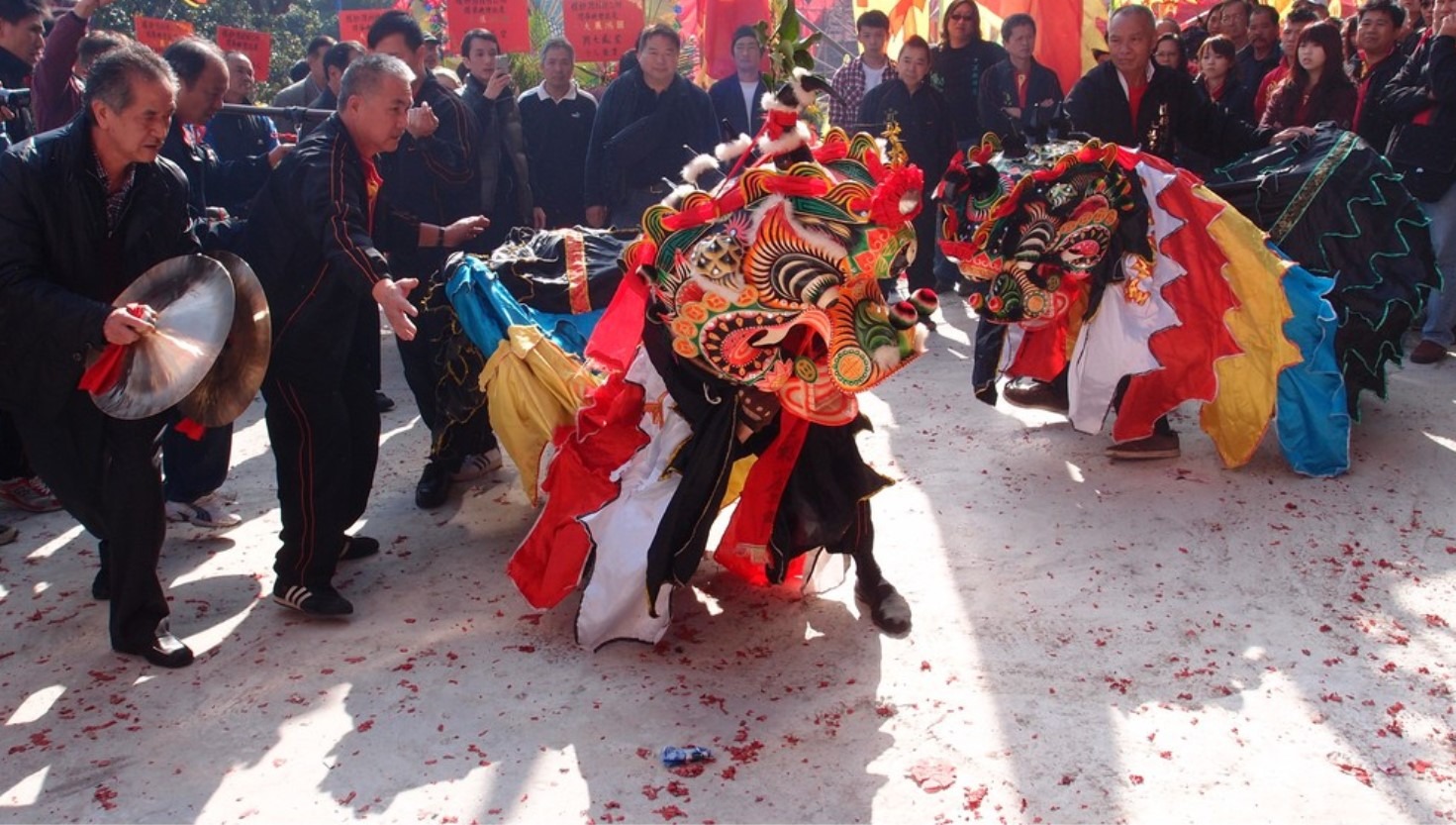
In addition to bowing to onlookers, upon meeting another qilin, they will also bow to each other, performing a segment called "jiao jian" (交柬, meaning "exchanging invitations"), which means welcoming the other party by exchanging invitation cards.
Upon arriving at a new place, it will "bai si fang" (拜四方, meaning "bow to the four directions"), paying respects to all in the east, south, west, and north.
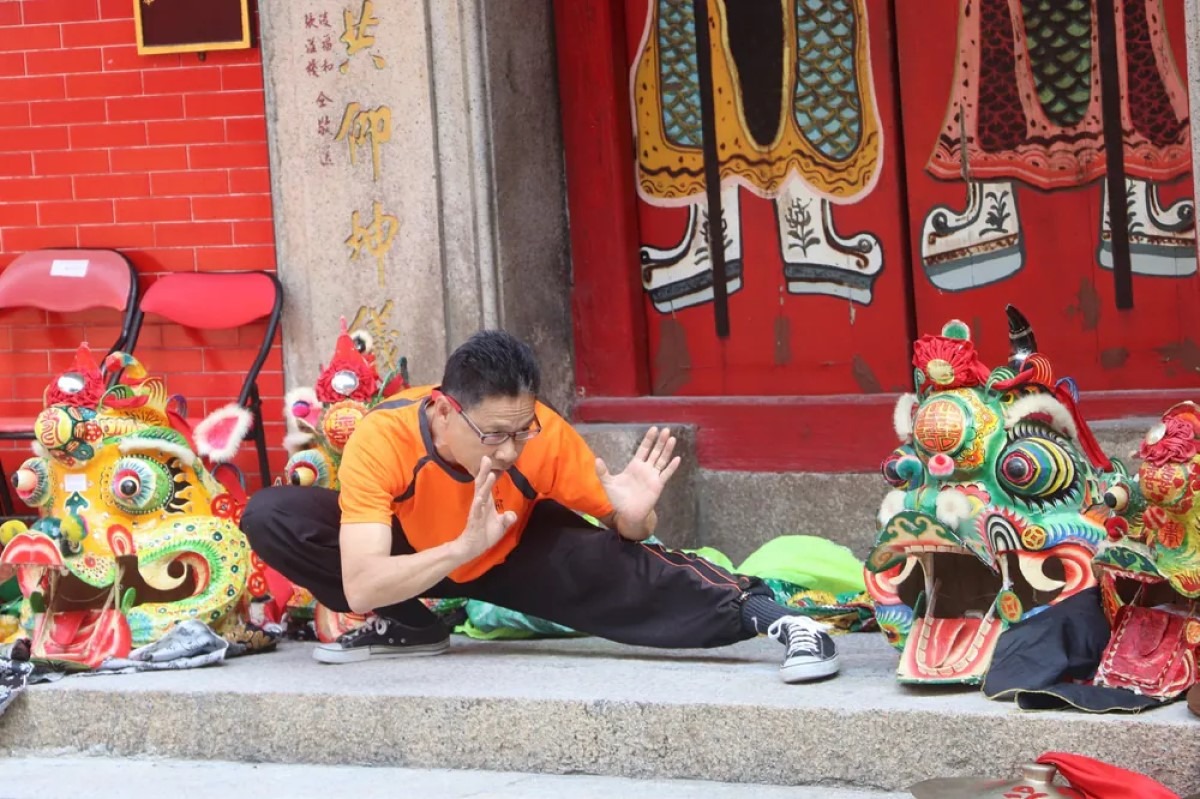
Secondly, the Qilin Dance is performed in a very low stance, with movements as close to the ground as possible to show humility. The aim is to elevate the other party, allowing them to be higher. When two qilin meet, they even have to "compete to be lower", which is a great test of the dancer's skill.
Thirdly, an important rule of the Qilin Dance is that "the left side is superior".
It is understood that the left side is more important due to its association with the emperor's residence, the Forbidden City. Since the Forbidden City faces south, its left side is the east where the sun rises; thus, the left is regarded as the side of honour.
During the Qilin Dance, to show respect for the other party's left side, which is the qilin's right side, the basic direction of movement is often to the right. However, different villages have different understandings of how to define left and right, which may affect the qilin's movements.
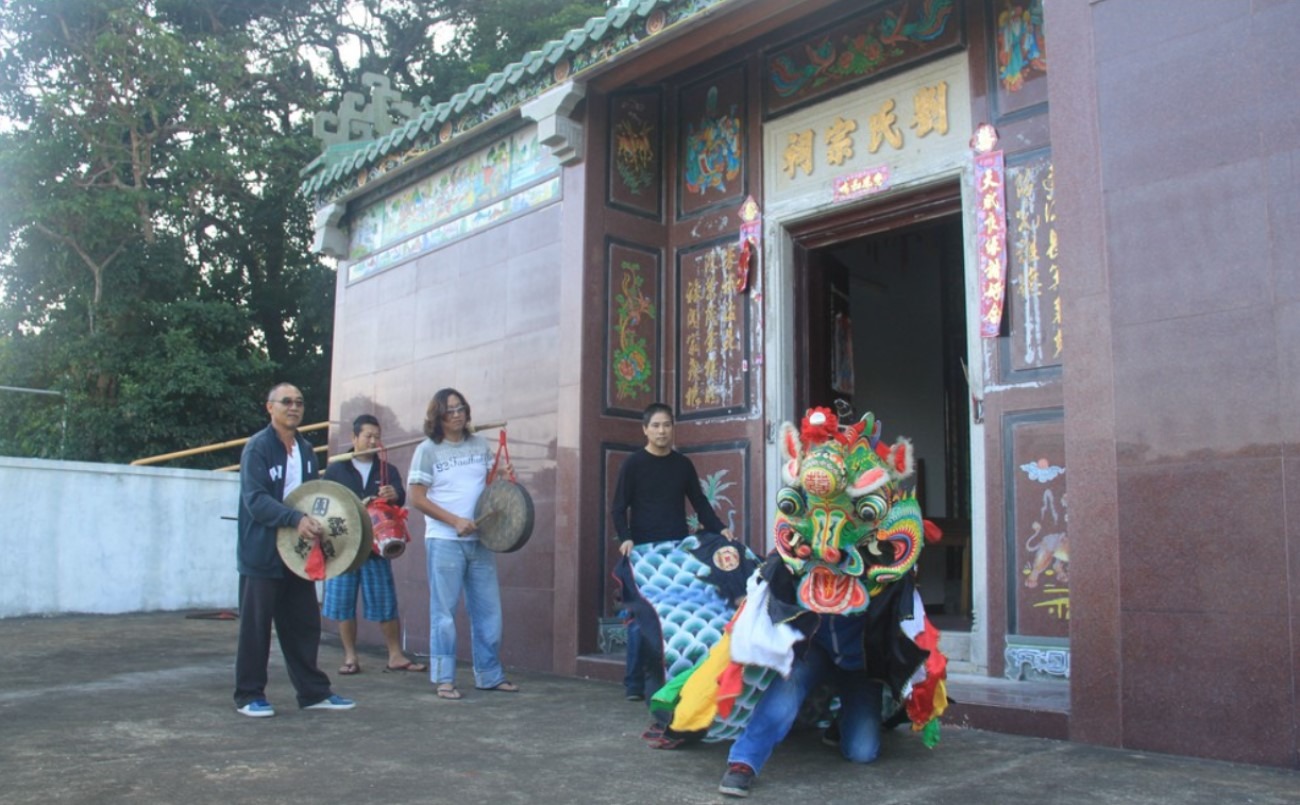
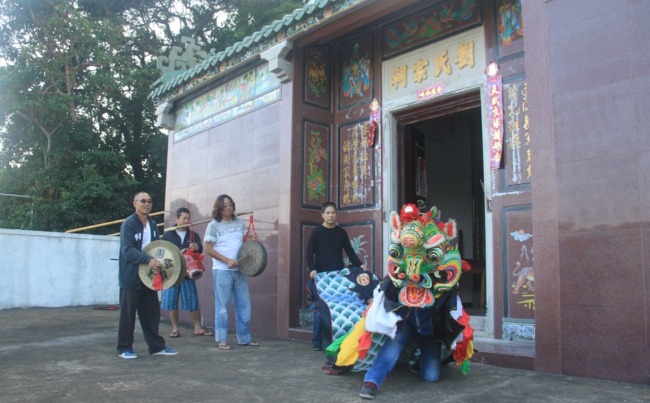
Fourthly, the qilin is considered literate and polite, so upon arriving at ancestral halls and temples, it needs to "du dui" (讀對), meaning it reads the couplets on both sides of the door before entering.
Fifthly, as the qilin can drive away evil and malevolent spirits, and it is generally believed that sharp objects are dangerous and can create baleful energy, the qilin will touch the door frame and posts with its head and body after entering. This is called "caai gok" (㨘角, meaning "rubbing the corners") and has a cleansing effect.
Sixthly, after entering an ancestral hall, the qilin will "chuan ping feng" (穿屏風, meaning "passing through the screen"), dancing in a "figure of eight" (打8字) pattern around the screen door for cleansing.
Seventhly, after "chuan ping feng", the qilin immediately proceeds to the altar to pay its respects. In fact, during the Qilin Dance, one can also see the qilin frequently paying homage to sacred places, such as earth god shrines, temples, and ancestral halls.
Eighthly, the route the qilin takes to kowtow in the ancestral hall forms an invisible "knot". After paying respects, the qilin will exit the ancestral hall by walking backwards along the original path, which is known as "untying the knot". In this way, it avoids pointing its tail at the ancestral altar, which is a sign of respect.
Ninthly, the qilin is vegetarian and does not take life. As it moves, it walks lightly, carefully avoiding stepping on even a single ant. "Plucking the greens" is the segment where the qilin picks and eats lettuce.
At the end, the qilin leaves behind the lettuce stem (a homophone for "good fortune" in Chinese) as a gift to the host, symbolising the delivery of luck and blessings.
Read more: 8 numbers that unveil HK's Tai Hang Fire Dragon Dance
Read more: Discover the "Intangible Cultural Heritage" celebration of Hung Shing Festival?