Published : 2025-08-21
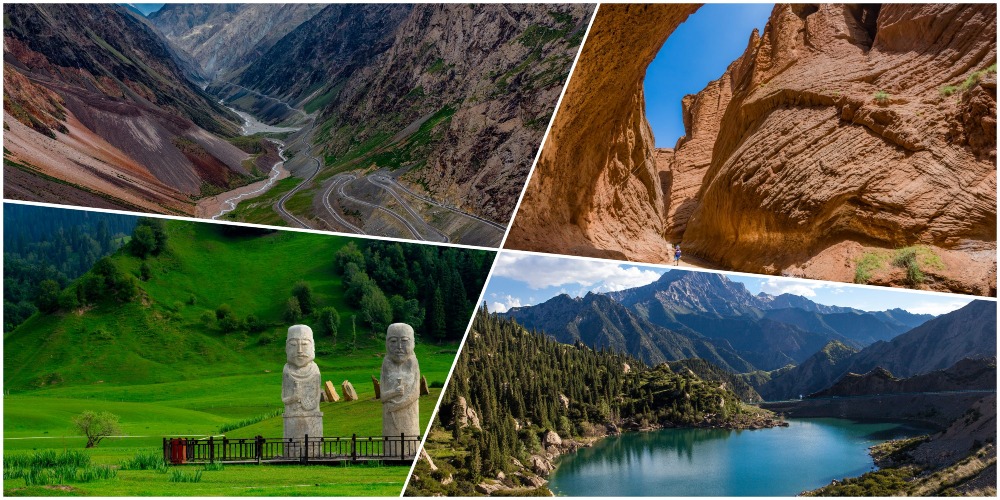
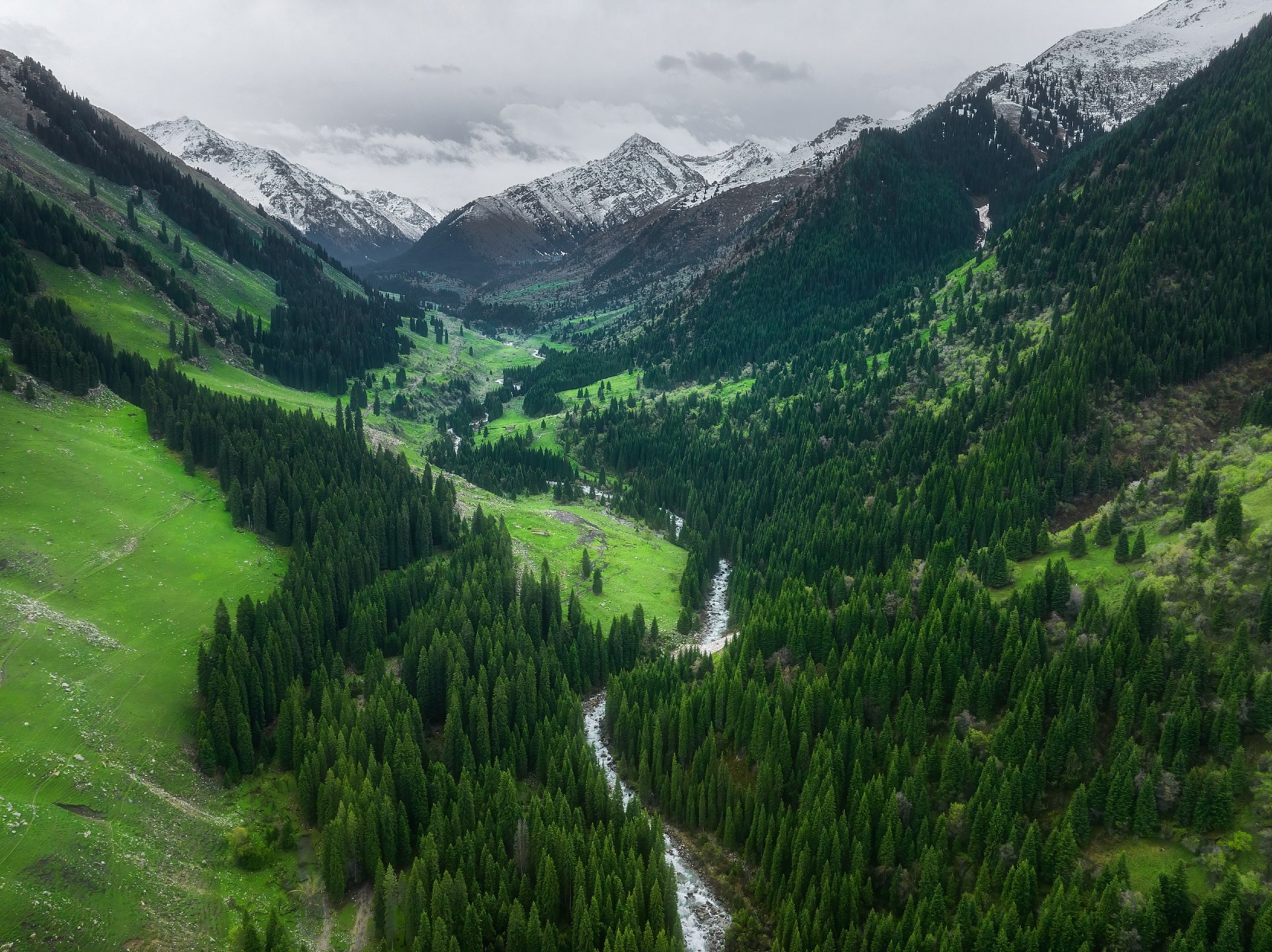
The natural wonders of the Duku Highway (獨庫公路) in China's Xinjiang are breathtaking, while its cultural landscapes along the route are equally worth savouring.
This road, which cuts through the Tianshan Mountains, holds traces of nomadic tribes and the mysteries of ancient civYili Perfecturesations.
This article highlights three representative cultural landmarks, inviting you to journey along the Duku Highway and explore these landscapes steeped in stories.
Qiongkushitai Village
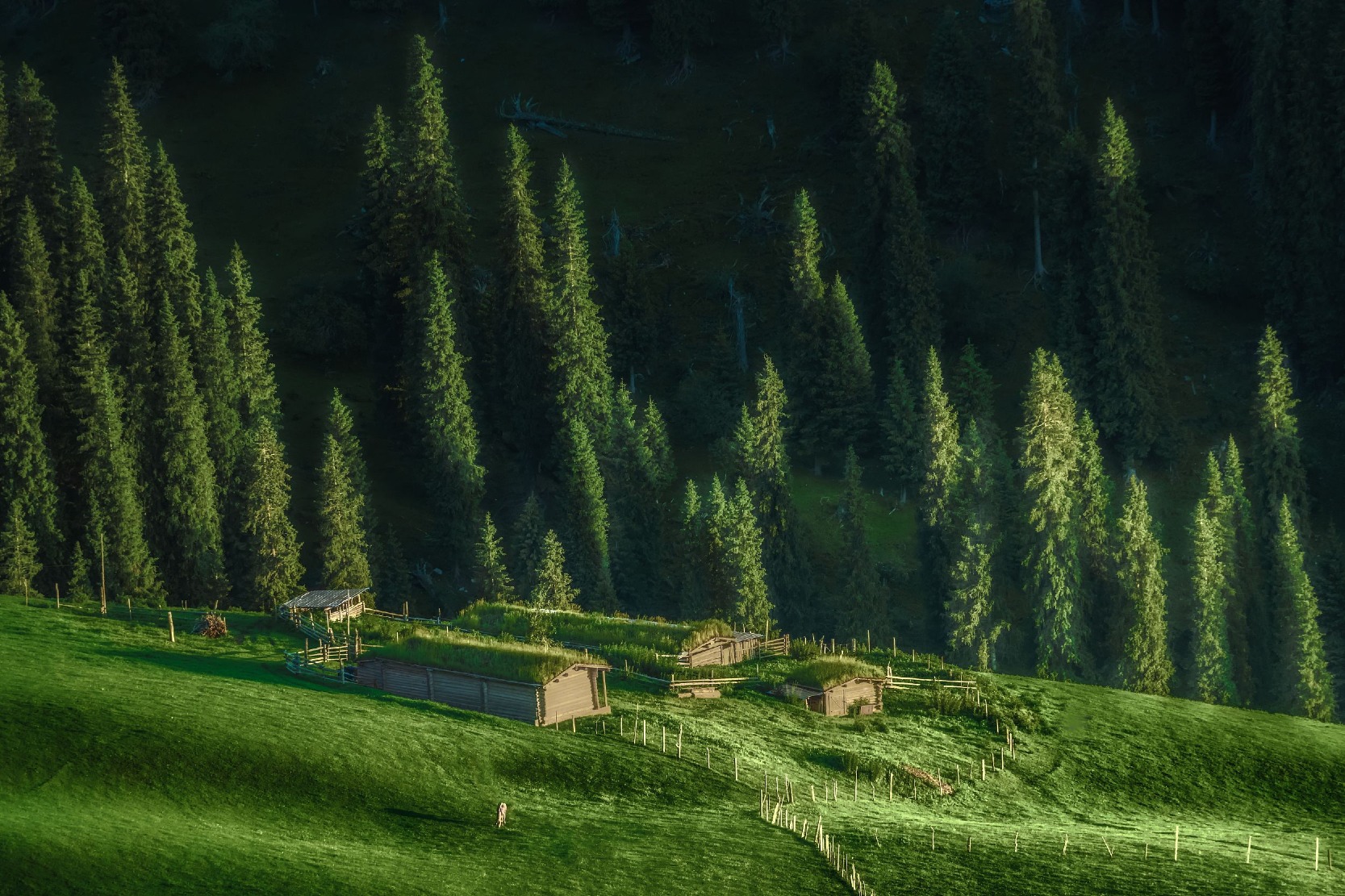
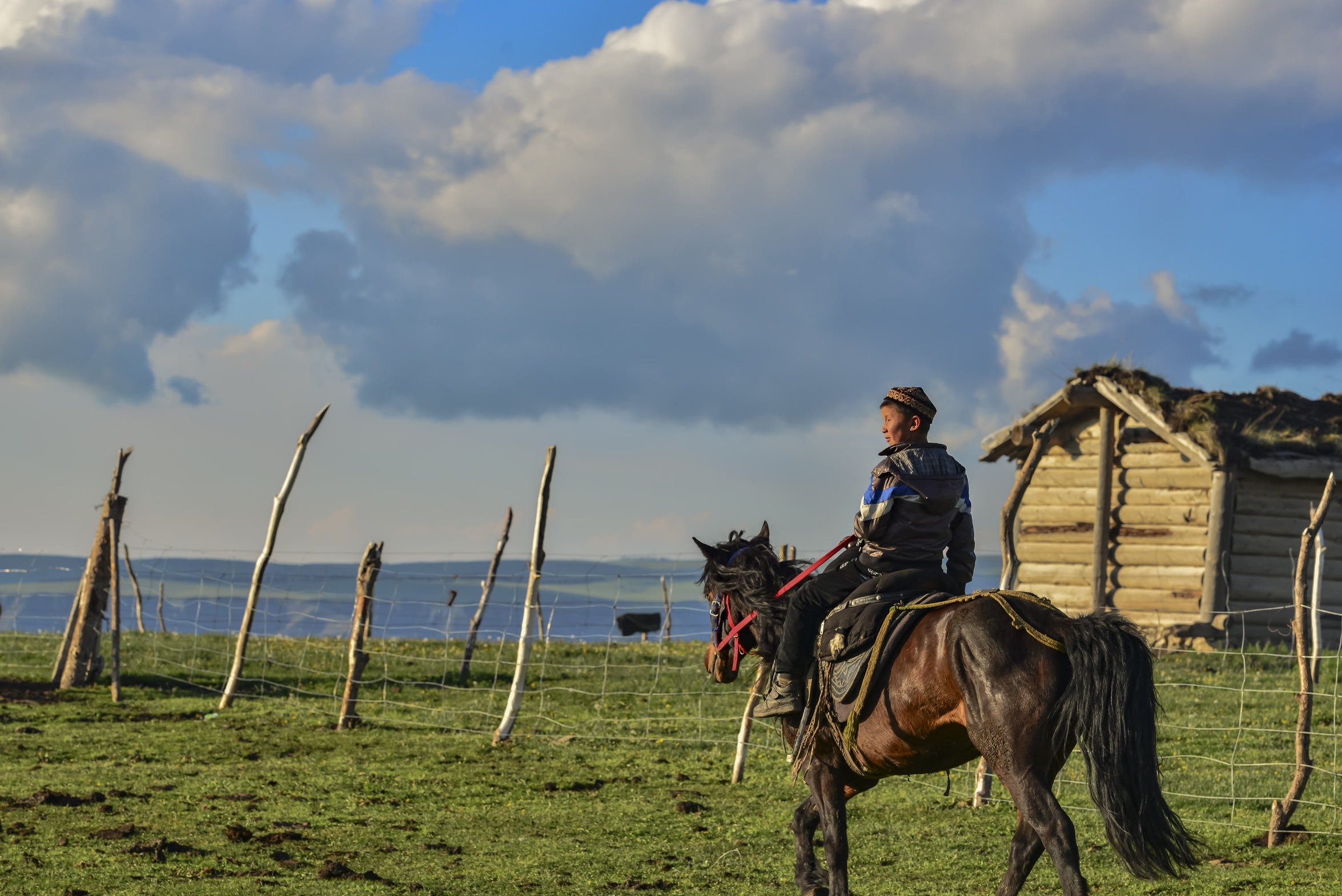
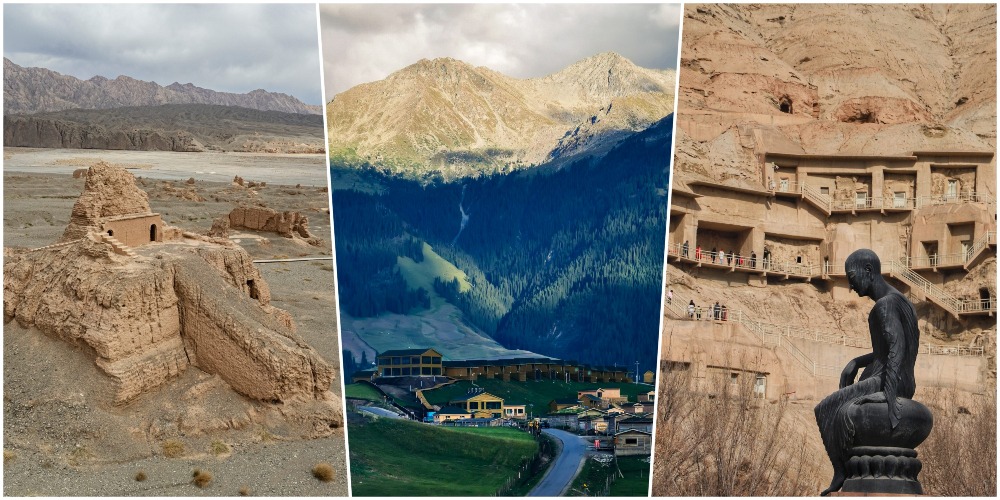
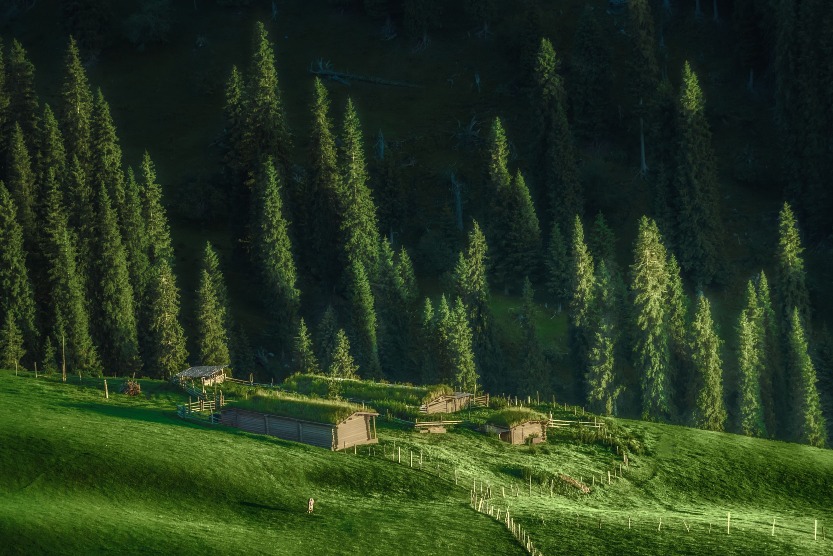
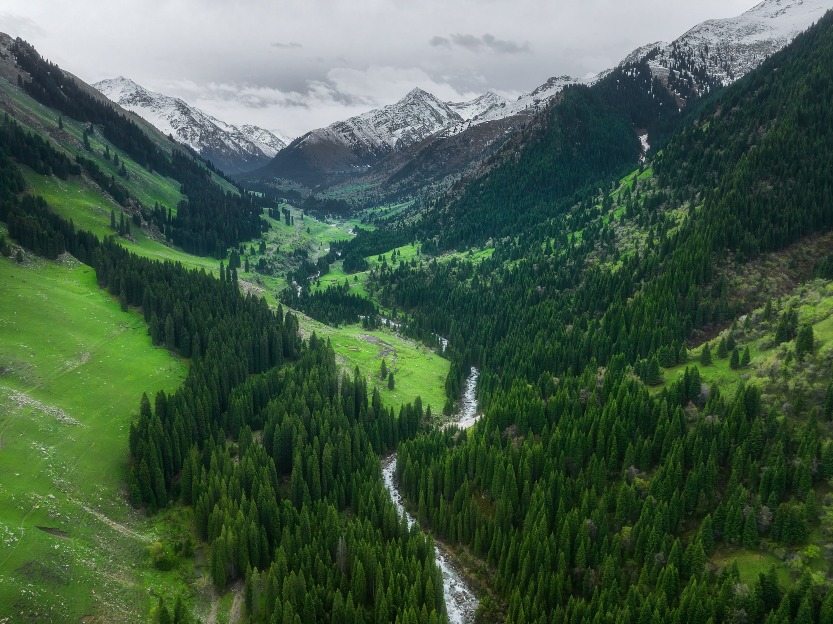
About 100 kilometres southeast from the Nalati Grassland (那拉提草原) section of Duku Highway, Qiongkushitai Village (瓊庫什台村落) is nestled in the valleys of the Tianshan Mountains.
This Kazakh village, with scenery comparable to Altay (阿勒泰), still preserves its nomadic traditions.
The Kurday River (庫爾代河) runs through the village, dividing it into east and west. The iconic log cabins are constructed by interlocking spruce wood strips with mortise and tenon joints, while the roof is covered with a mixture of thatch and soil blended with cow and sheep dung.
This design serves a dual purpose: providing insulation against the harsh cold in winter and effective heat resistance in summer.
The peak visiting season for Qiongkushitai Village is from June to August.
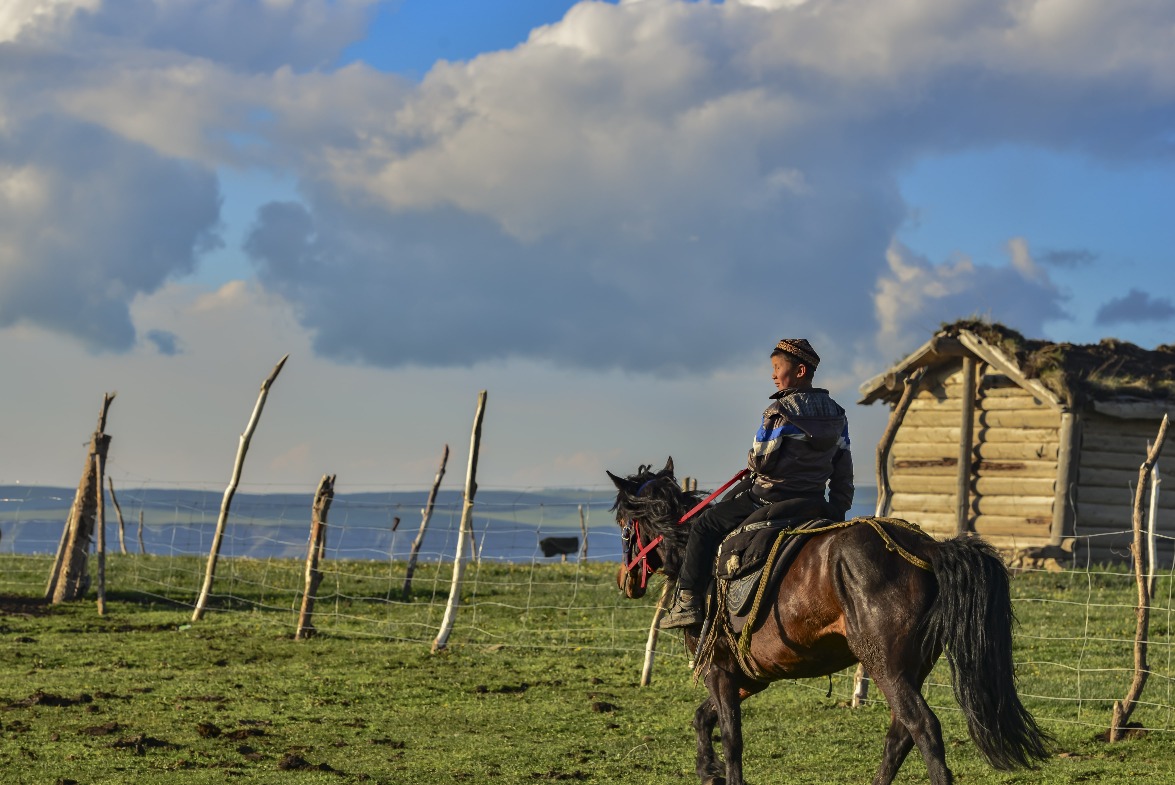
Here you can witness herders driving cattle and sheep to summer pastures, while the remaining villagers busy themselves with harvesting wheat and brewing mares' milk wine.
In the early morning, you might see women milking cows and children chasing shepherd dogs. In the evening, you can catch sight of horse caravans returning to the village under the sunset, with the sound of bells echoing through the valleys.
In addition to experiencing traditional Kazakh customs in the village, you can also follow the Kurday River southward to embark on the ancient Wusun Trail, which Princess Jieyou (解憂公主) took to marry the King of Kucha (龜茲) during the Han Dynasty (202 BC-220 AD).
You can also hike eastwards to the secret realm of Karajun (喀拉峻) and witness the winding river wonder at the human-shaped grasslands of the Kekesu Grand Canyon, or Kuokesu Grand Canyon (闊克蘇大峽谷).
Travel Tips:
Staying in local homestays allows you to experience Baursak (包爾薩克, fried dough, a type of Kazakh dessert or appetizer) with mare's milk wine.
You can also hike two km to the "Qiongkushitai Stone Forest"; but with an elevation of 1,900 metres, the temperatures vary significantly, so remember to bring a light jacket.
Read more: A journey on Duku Highway: China's most scenic highway
Kezil Thousand-Buddha Grottoes
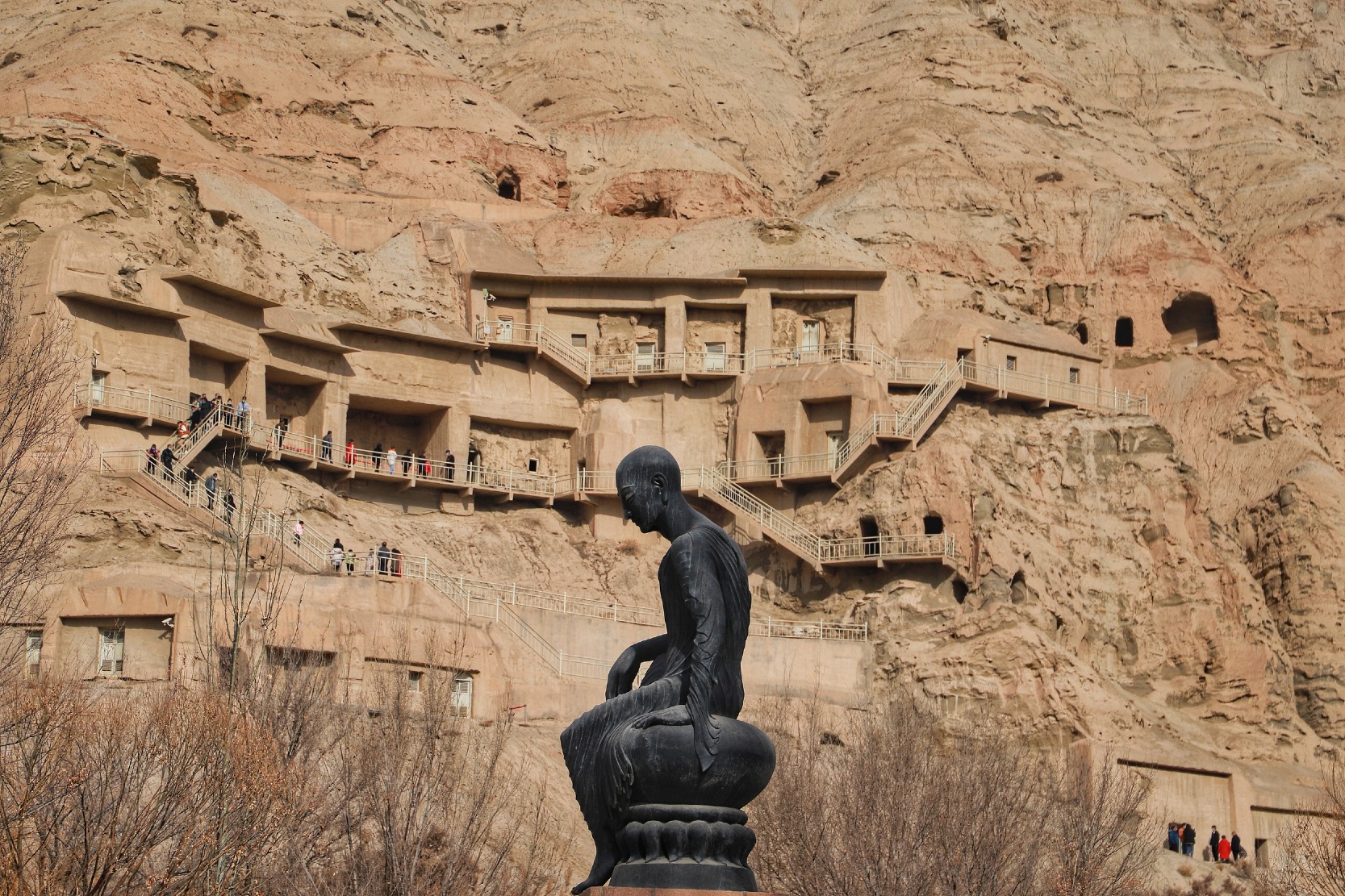
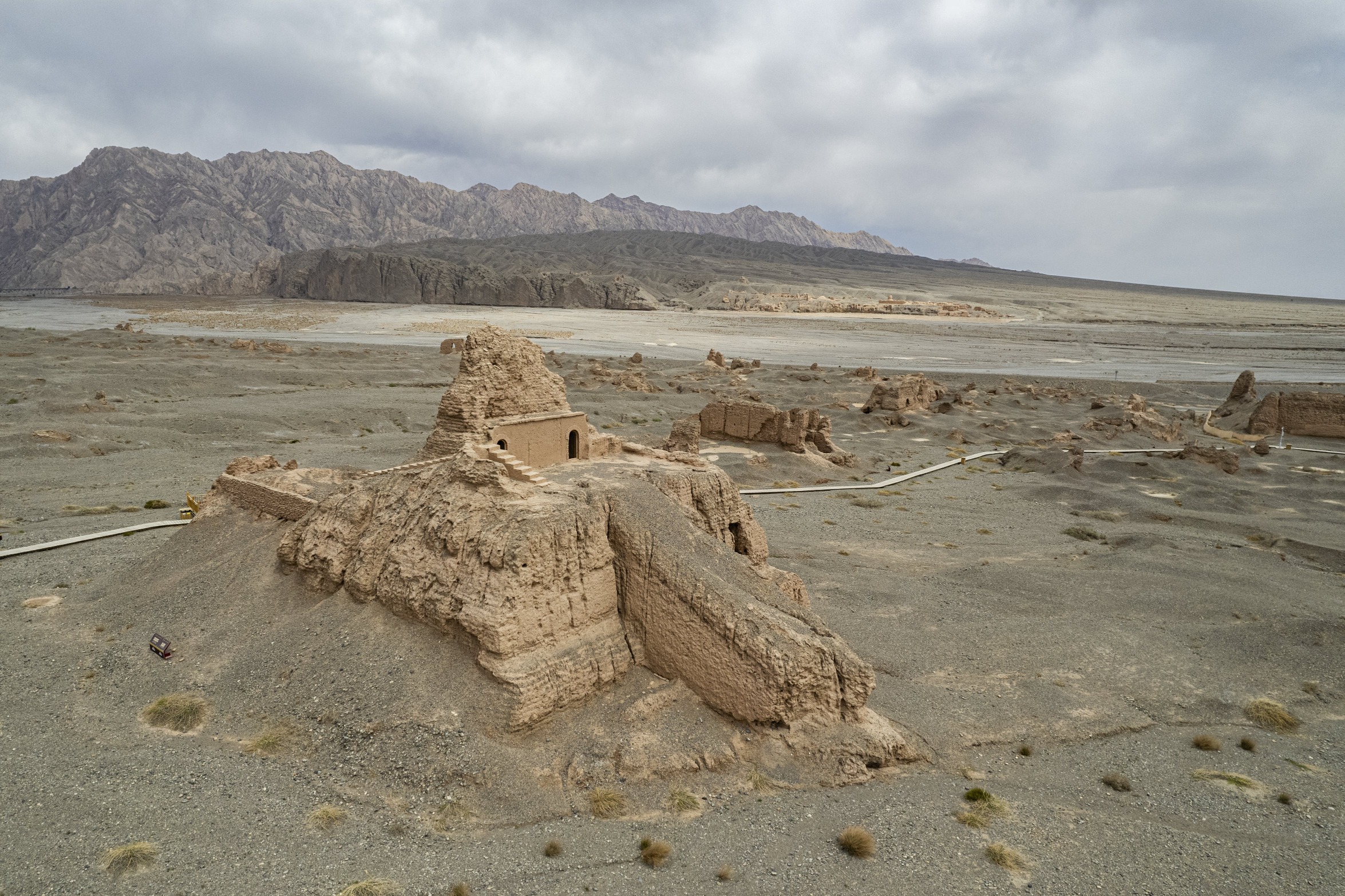
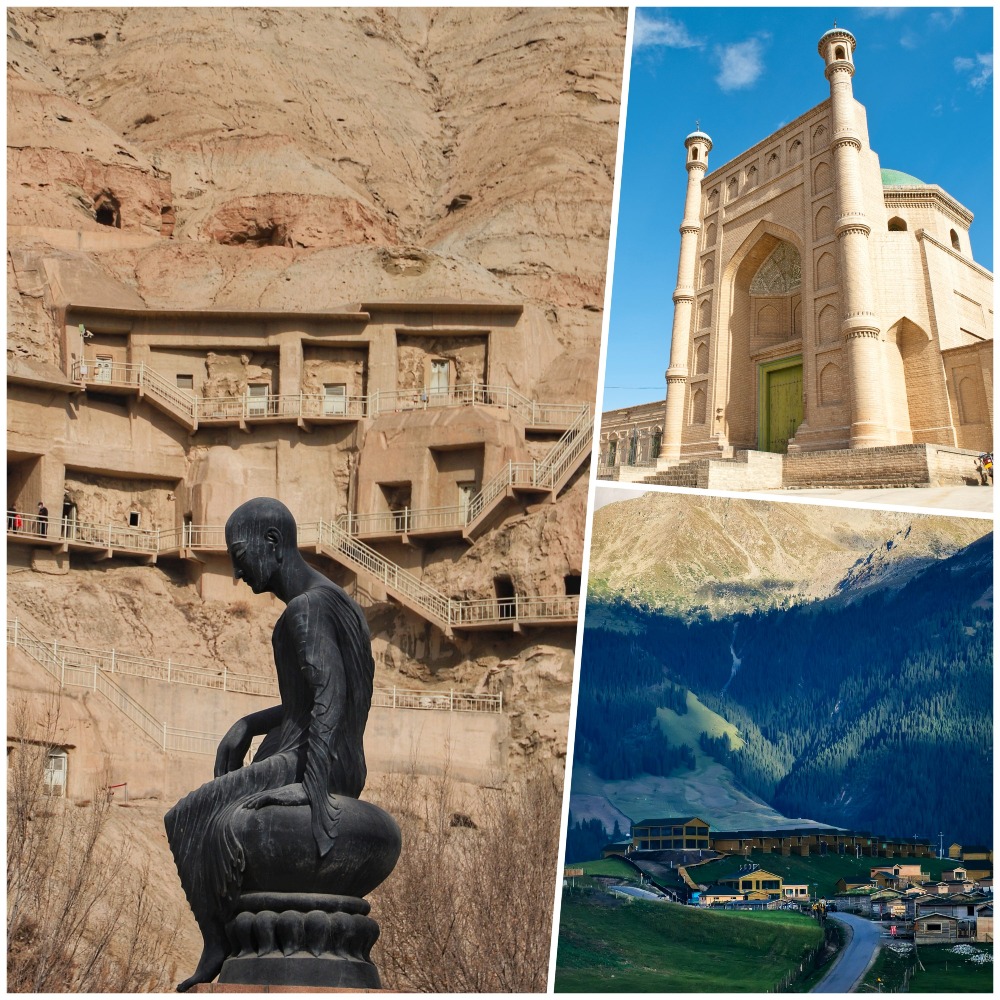
Travelling south along the Duku Highway to Baicheng County (拜城縣), hundreds of mysterious grottoes suddenly appear on the ochre-red cliffs before you—this is the Kezil Thousand-Buddha Grottoes (克孜爾千佛洞), an important Buddhist relic on the northern route of the Silk Road, which are 300 years older than the renowned Dunhuang's Mogao Caves.
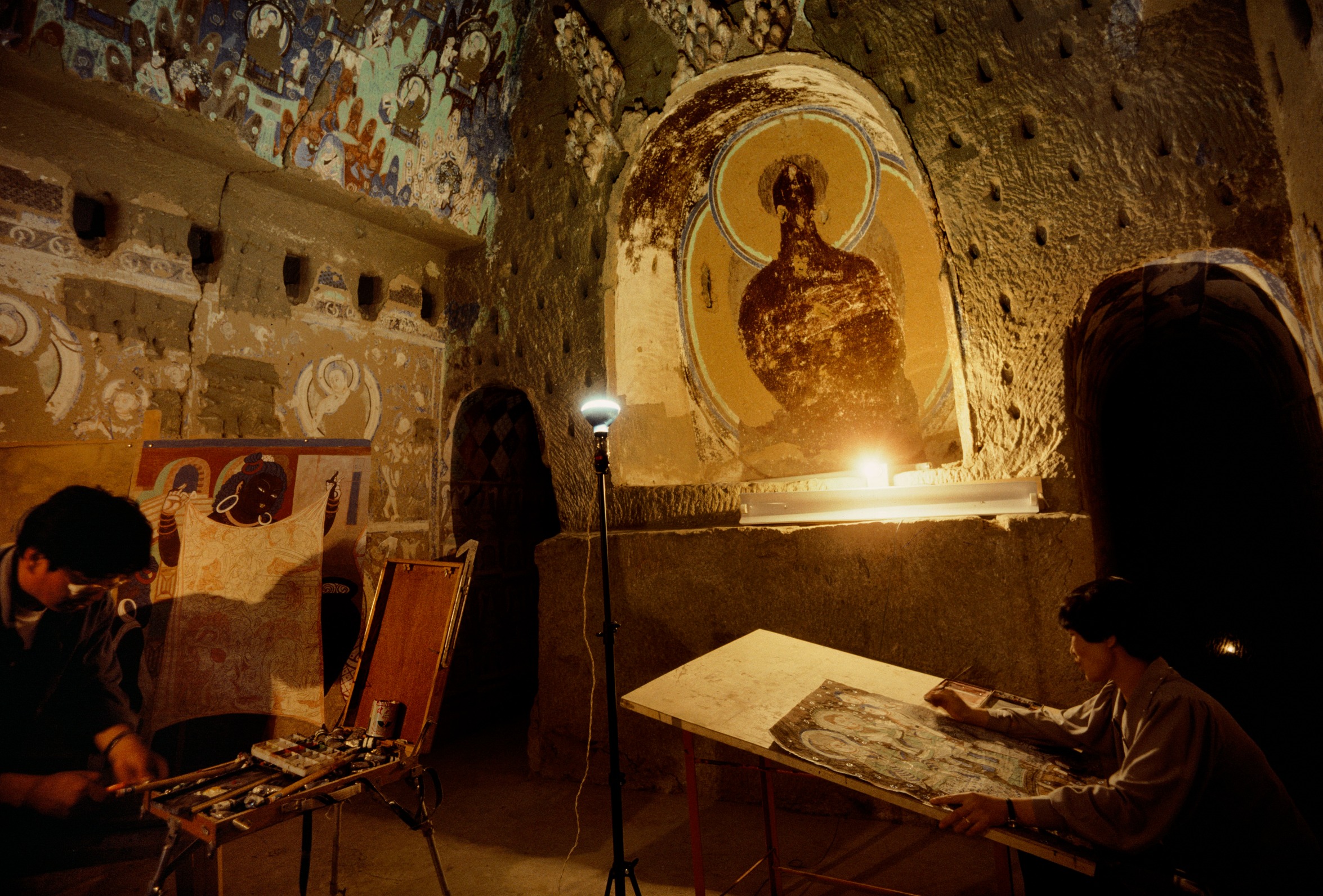
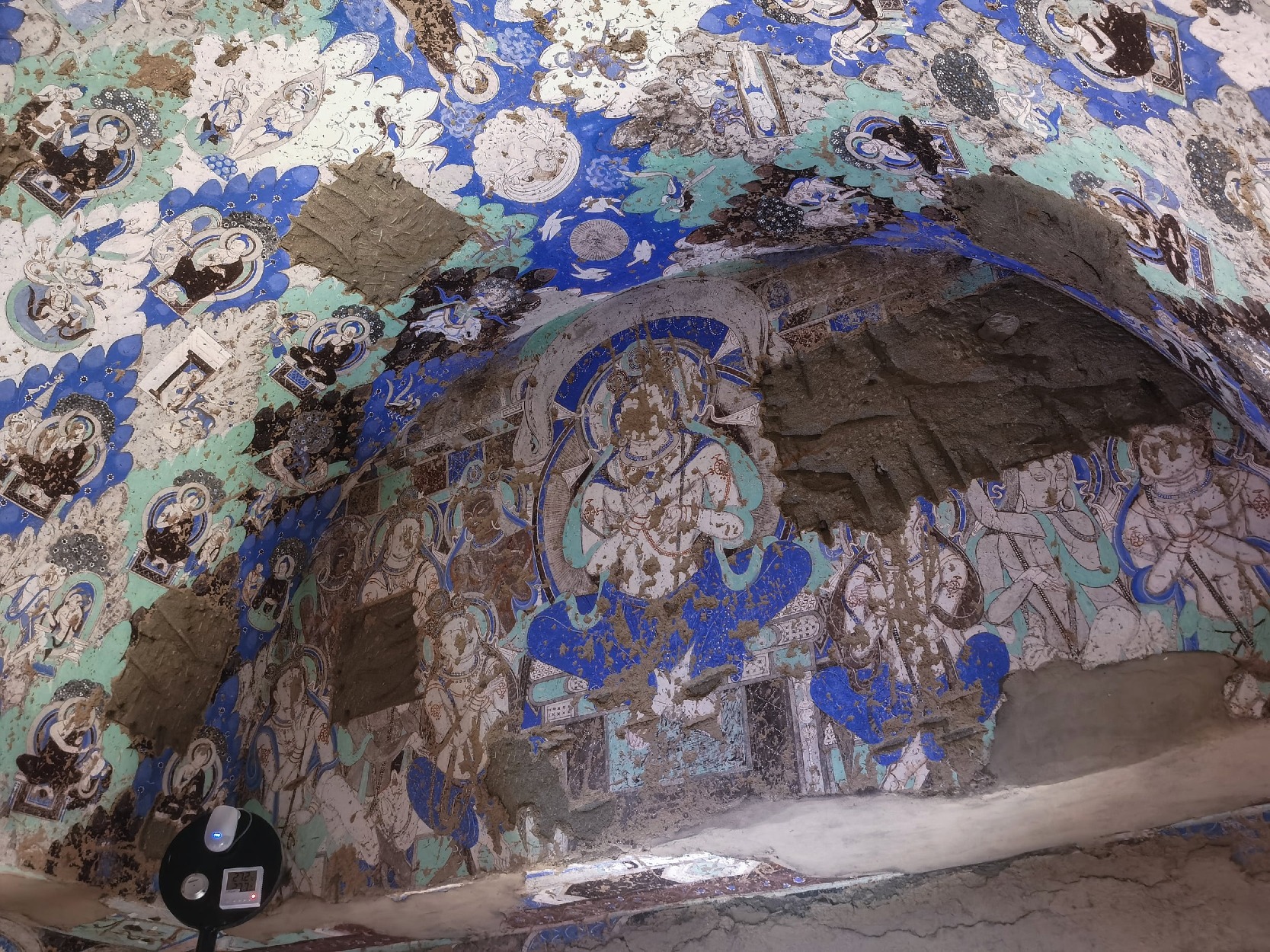
The Kezil Thousand-Buddha Grottoes stretch for 3,000 metres, with 236 numbered caves. The grottoes have murals covering approximately 10,000 square metres inside.
These murals primarily fall into two artistic styles, namely Gandhara (犍陀羅) style and Kucha (龜茲) style.
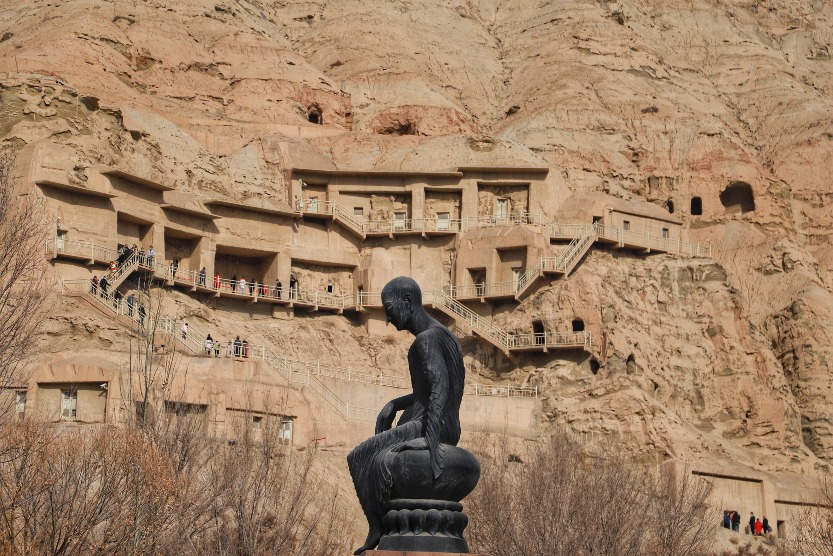
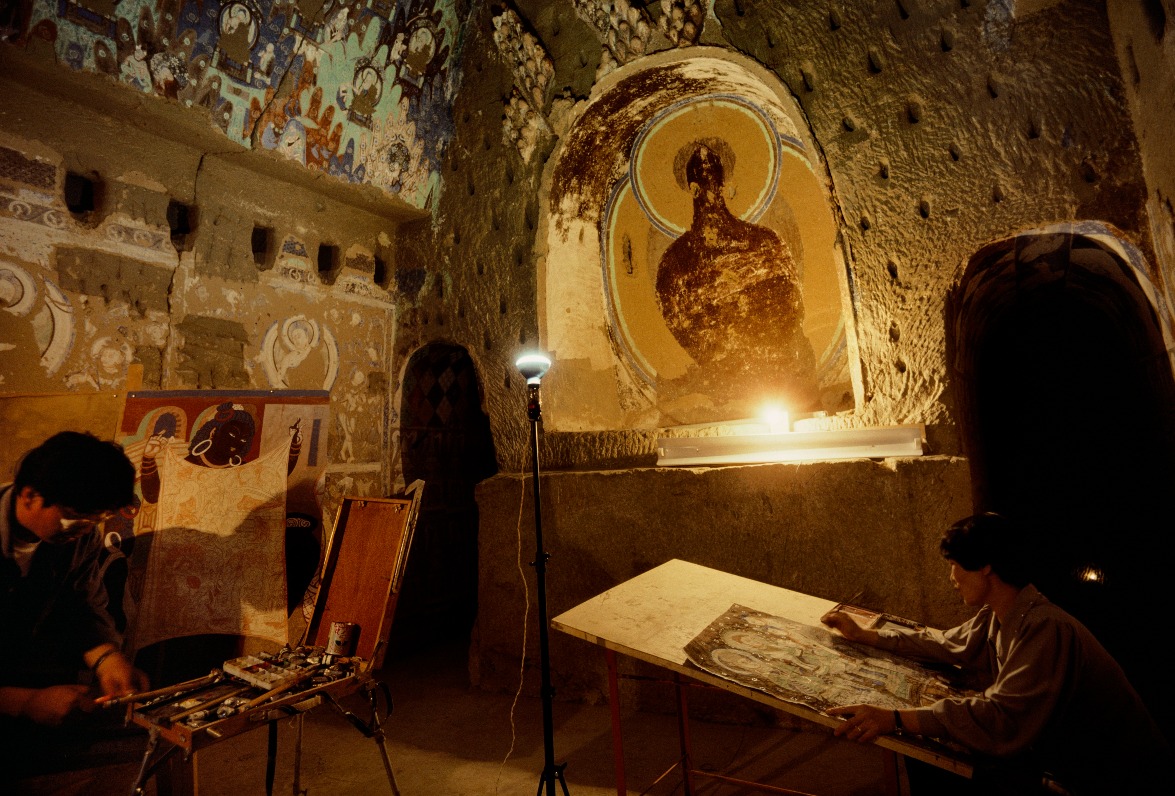
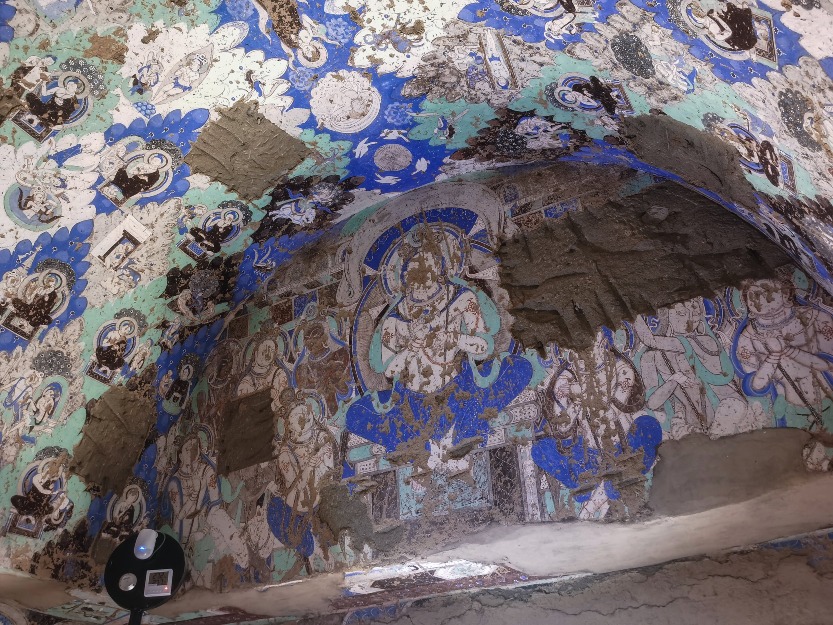
Among them, Cave No. 17 and Cave No. 38 are representative of the Kucha style, featuring numerous depictions of Jataka tales and other Buddhist stories in rhomboid frames, with vigorous lines that exhibit a unique aesthetic of light and shadow.
Cave No. 47 is the largest cave in Kezil Thousand-Buddha Grottoes, approximately 16.5 metres high and 7.6 metres wide. With five rows of chiselled holes on both side walls, it is believed to have originally housed five rows of painted clay Buddha statues.
There are also remnants of Bodhisattva statues outside the corridor. Its excavation can be traced back to the mid-4th century AD and it is currently the earliest large statue cave in the world, possessing significant historical value.
Travel Tips:
There is a reservation system for visiting the Kezil Thousand-Buddha Grottoes, with a daily visitor limit of 1,340 people. Reservations and ticket purchases need to be made through the WeChat Official Account "Kuche Research" ("龜兹研究").
Ancient Town of Kuqa
During the journey to the southern terminus of the Duku Highway, beside the Kuqa Grand Canyon (庫車大峽谷), lies the eastern district of Kuqa City (庫車市) with a historical old town—the Old Town of Kuqa.
This is the core remnant of the capital of the ancient Kingdom of Kucha (古龜茲國), covering an area of approximately two square kilometres. It houses tens of thousands of Uyghur residents, with many buildings dating back to the Ming and Qing dynasties.
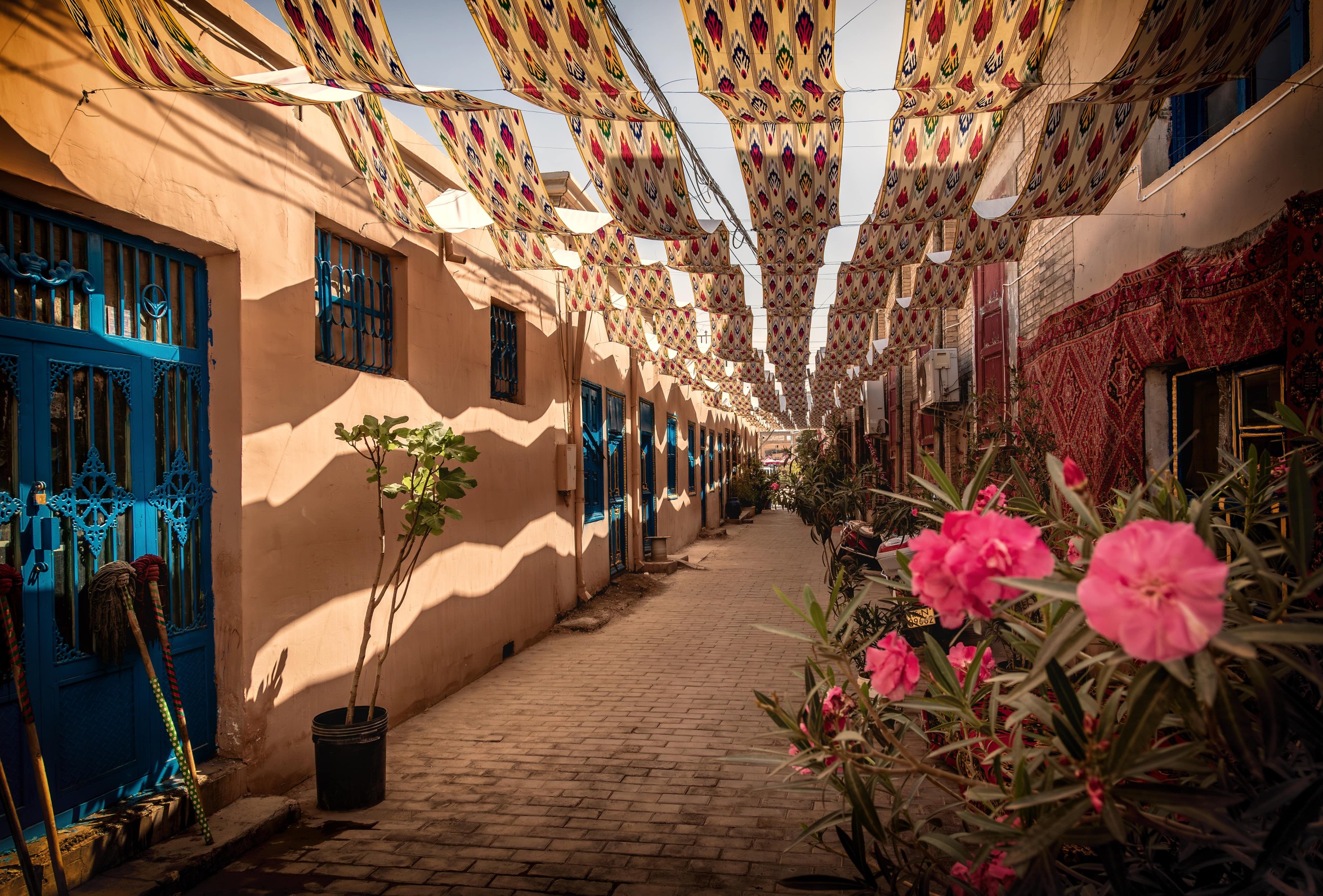
Along the streets of the Old Town of Kuqa, you can see many earth-built residences. The walls are 60 to 80 centimetres thick, and they are made from a mixture of loess and wheat straw. The flat tops can be used for drying grains and providing shade.
The wooden doors are carved with entwining lotus patterns and geometric designs, and the brass rings are often shaped like rams' horns or suns, symbolising abundance and brightness.
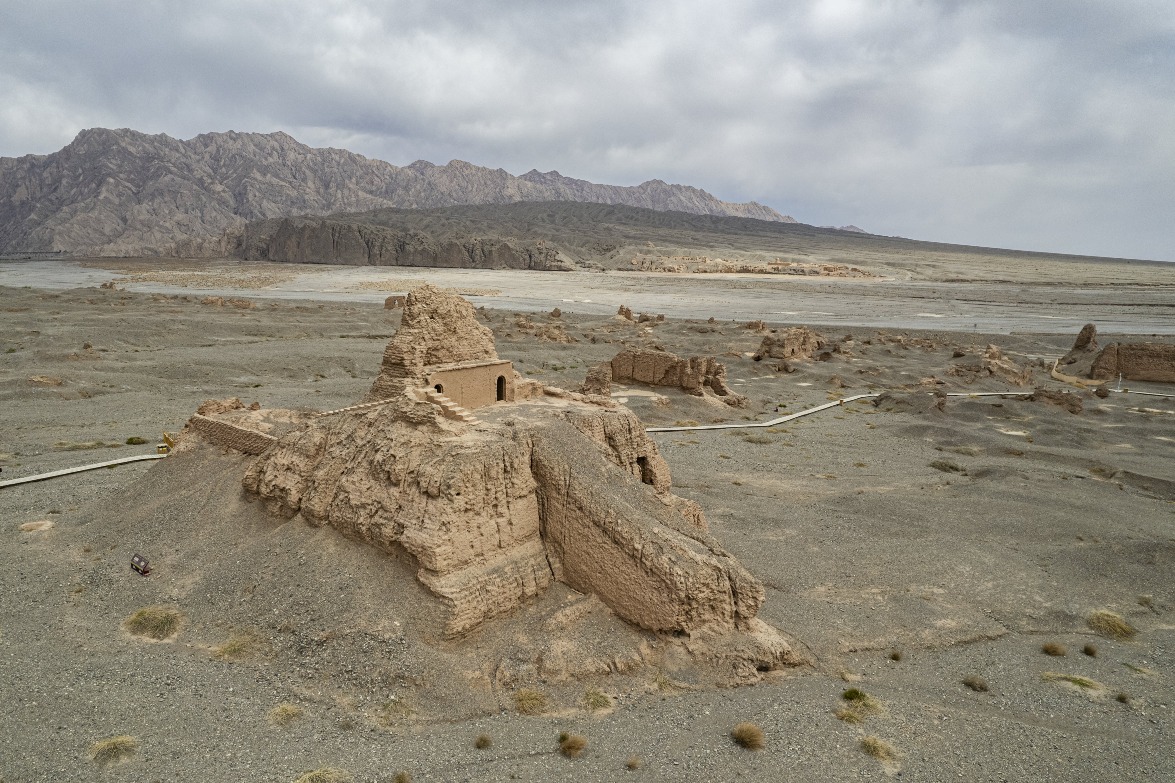
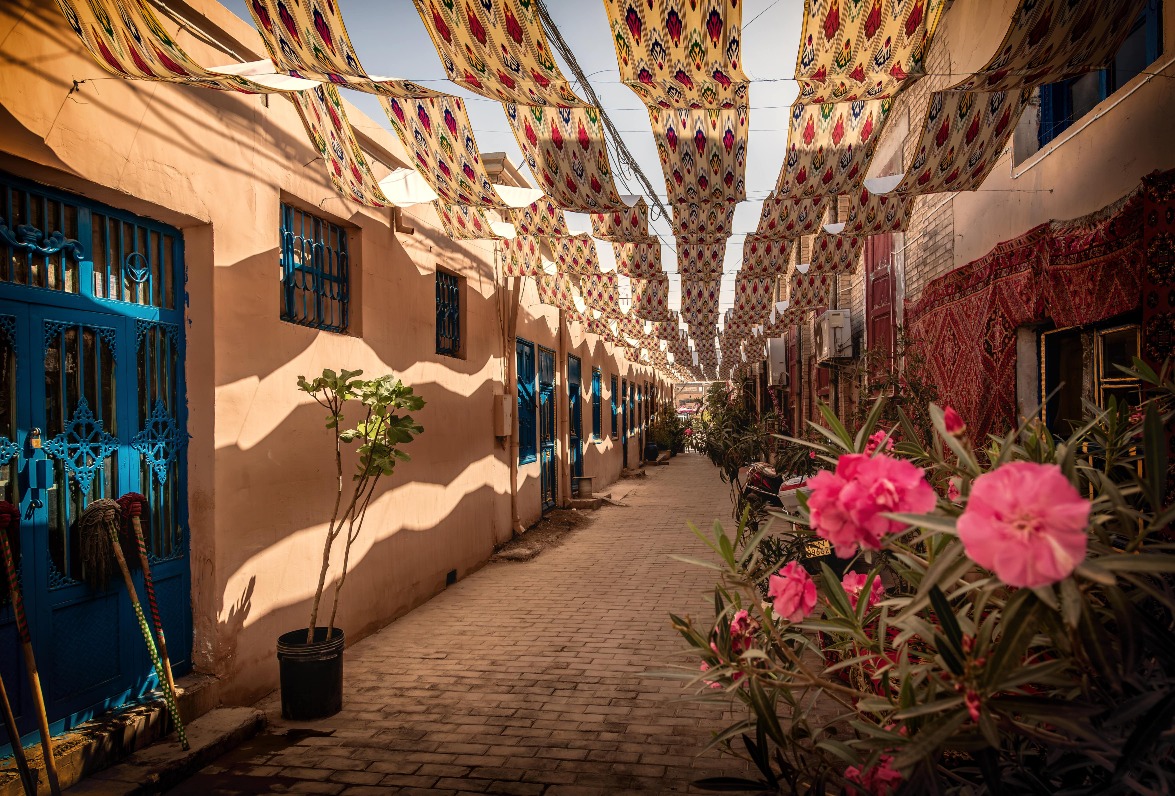
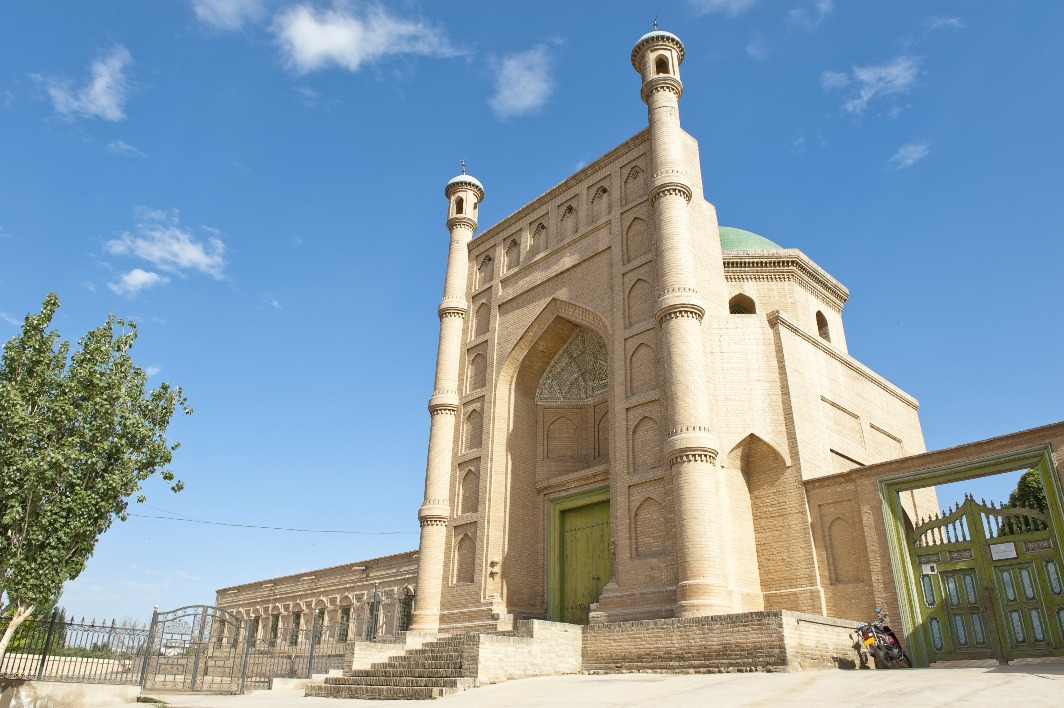
While strolling through the old town, don't miss the Resitan Historical and Cultural Street (熱斯坦歷史文化街區), where vibrant streets are bustling from morning till night.
You can find freshly baked Samsa and newly fried Baursak, as well as old shops selling mulberry paper and earthenware. Hat Lane, Door Bazaar, and Drum Alley are also very distinctive lanes, immersing you in the rich culture of Kucha.
Travel Tips:
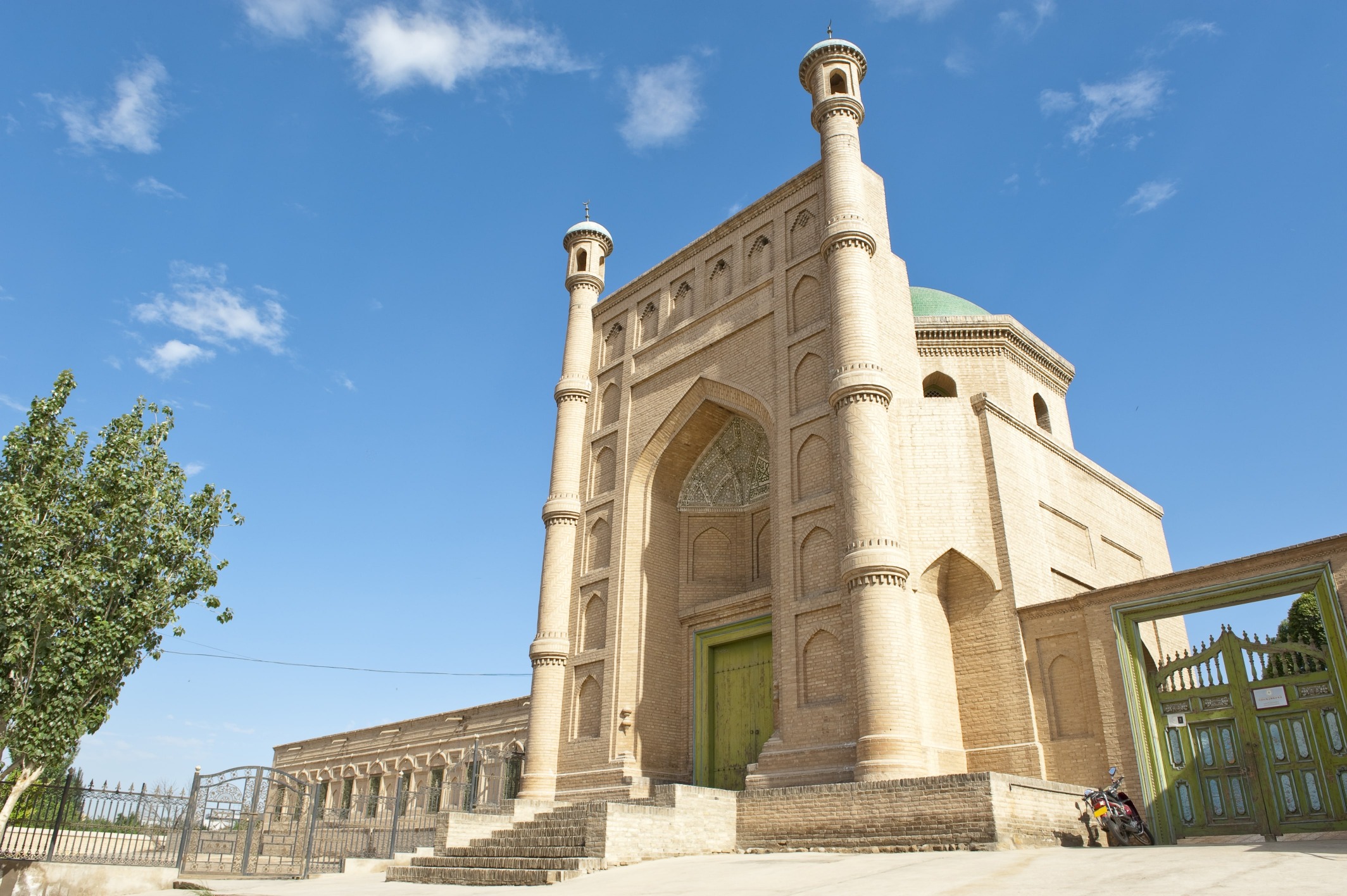
At the Great Mosque of Kuqa, you can visit the distinctive brick-carved archway; local speciality foods include large naan and Kucha barley noodles.
From the nomadic daily life in the Village of Qiongkushitai, to the Buddhist traces along the Silk Road in Kizil and the vibrant life of Kuqa in the old town, the cultural marks of the Duku Highway are the accumulation of different civilisations under the Tianshan Mountains.
While the Duku Highway is open, take a trip to this most beautiful Tianshan Mountain route!
Read more: "Rainbow on the ground" in China's Xinjiang