Published : 2026-05-21
The 'Decoding New Professions' series will show you the changes brought by new technologies such as AI, what new professions have been created and what new opportunities have emerged.
In recent years, an increasing number of humanoid robots have entered the real world in China. Working in factories, making coffee, and dancing are all within their capabilities, and their skills are rapidly expanding.
How exactly do they learn human movements? This is all thanks to an indispensable emerging professional group—robot trainers.
Robot Trainers: The teachers who "give lessons" to robots
What do "robot trainers" do? As the name suggests, their job is to train robots, teaching them to learn various human movements so that they can ultimately complete tasks smoothly in real-life environments.
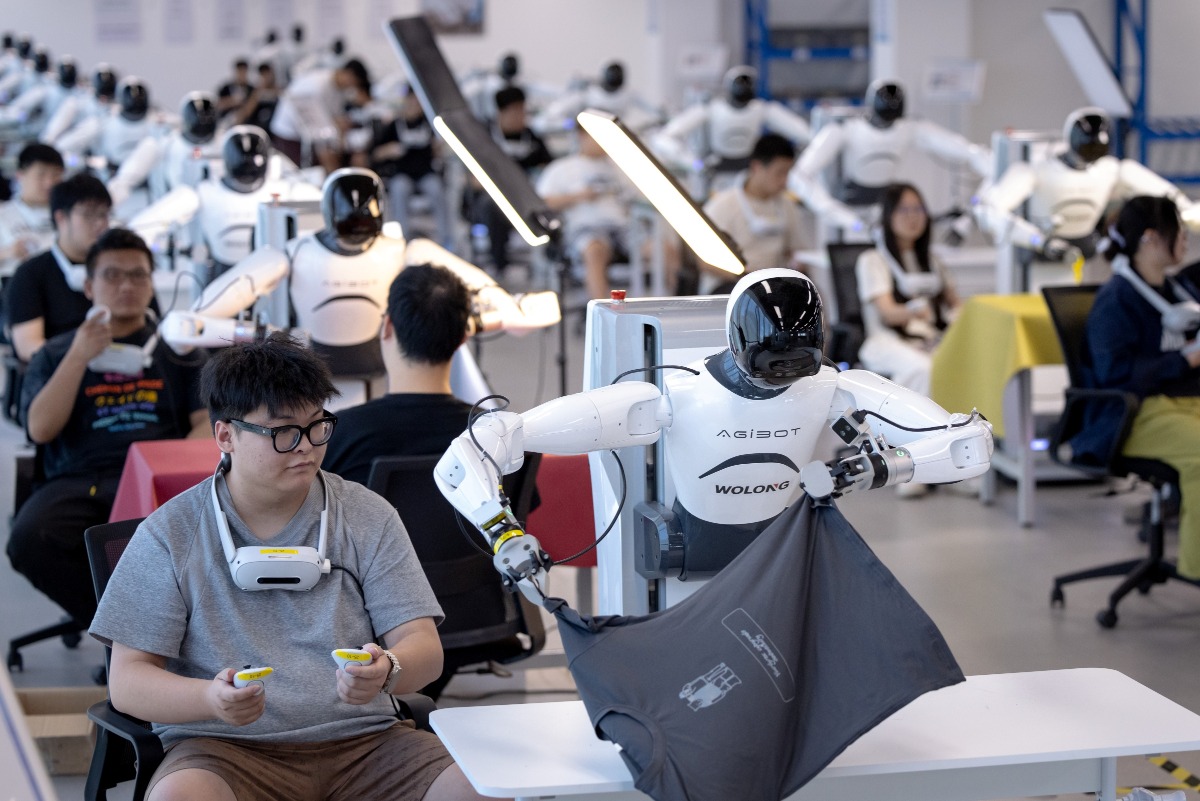
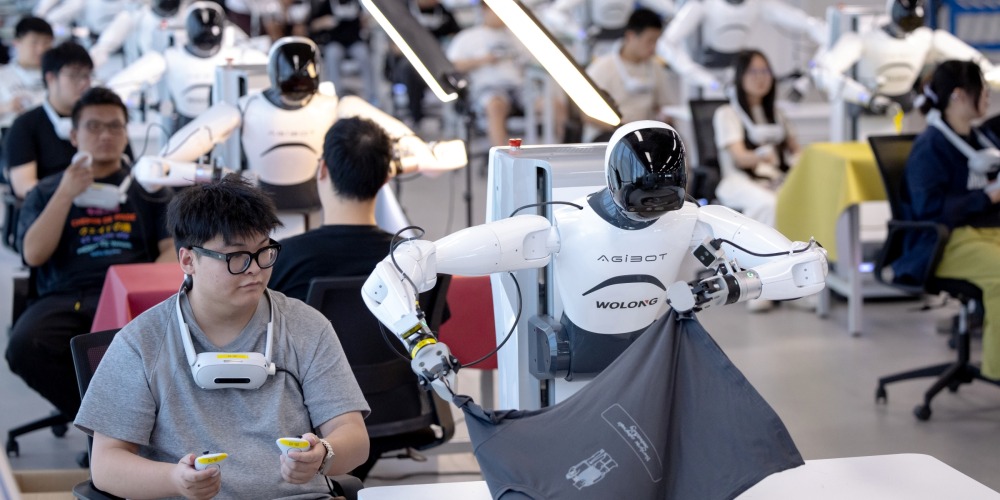
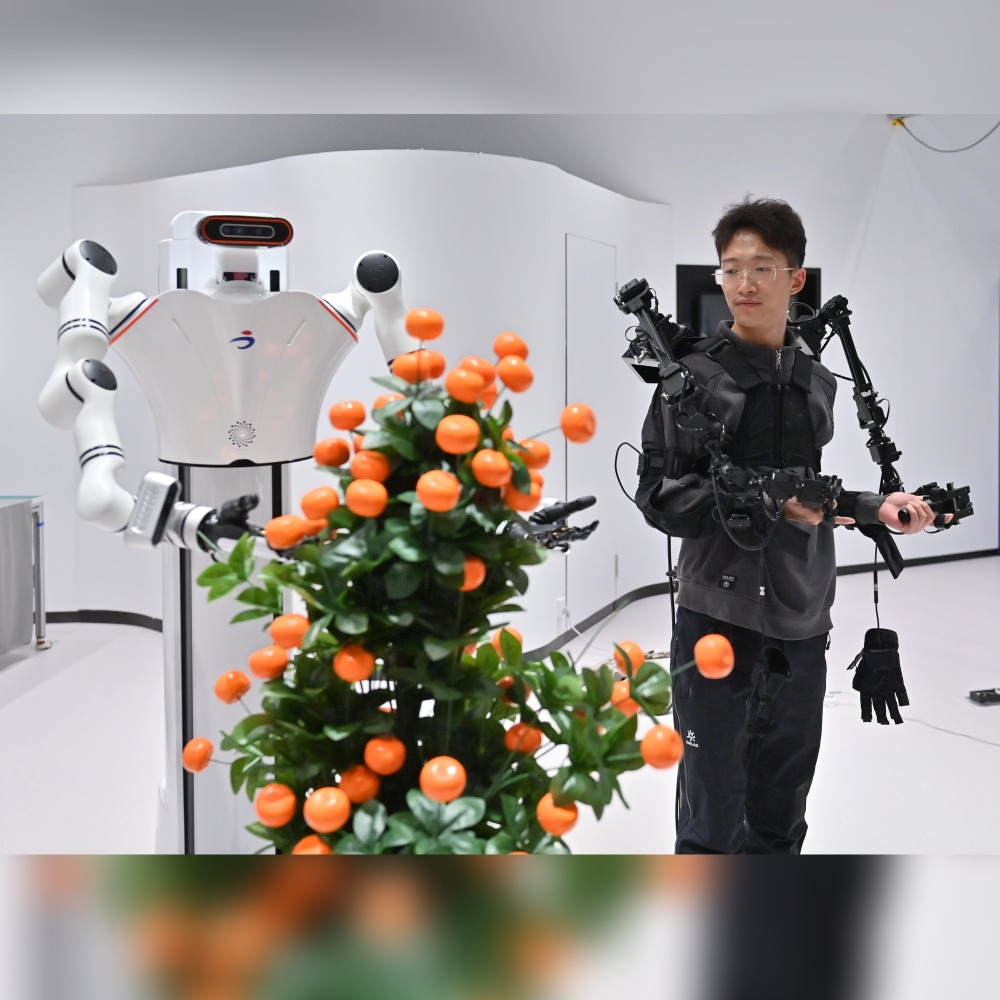
Robot trainers are also called "robot data collectors". Specifically, their daily work involves wearing equipment, such as remote control grips and VR glasses, to guide robots in completing different movements and tasks over and over again in various scenes.
Why is this done? This is because for robots to truly integrate into human production and life, they need a large amount of application scene training.
Just like human infants toddling as they learn to walk, robots also need to continuously accumulate experience interacting with the physical world.
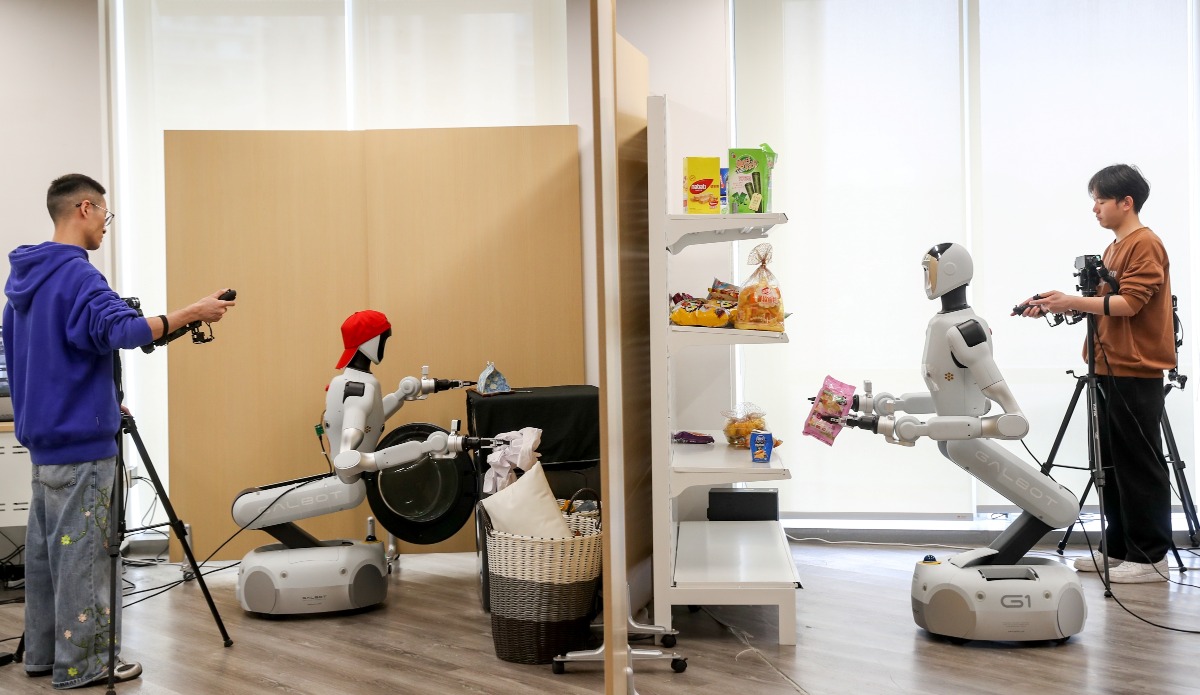
Compared to AI (Artificial Intelligence), which primarily processes text and images, humanoid robots must complete tasks in the physical world and therefore first need to understand complex physical rules, changes in light and shadow, and human movements.
Every time a robot enters a new scene, it needs to be taught hands-on. For example, to stably complete the action of pouring water may require hundreds of repeated training sessions.
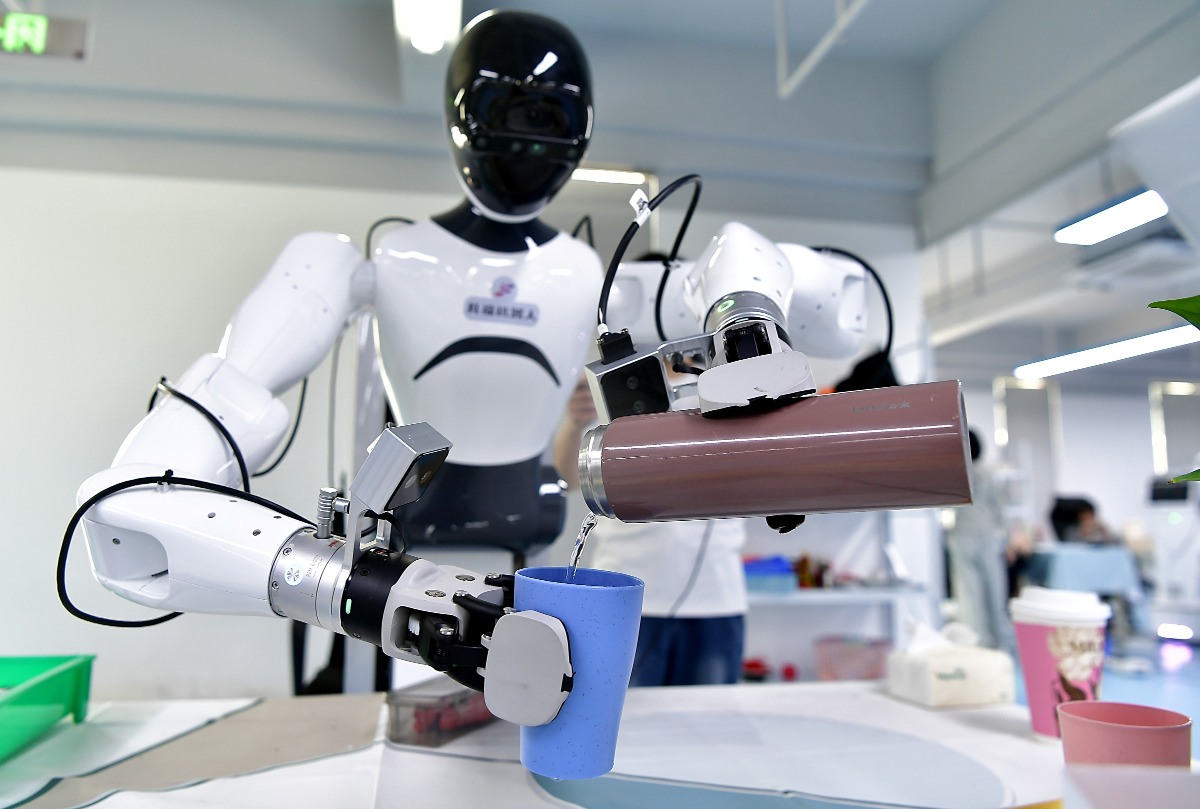
In the process of a robot trainer guiding a robot through actions time and again, various data, such as the path of these movements and the amount of tactile pressure, are all recorded, becoming the "nutrients" for the robot's training.
One million job positions will be created
So, who can work as a robot trainer?
Actually, the barrier to entry is not as high as one might imagine. Many trainers do not have high academic qualifications and can generally get started after a few days of training.
However, they are generally very young and have professional backgrounds in fields such as mechanics, electronics, and computing.
Take the Hubei Humanoid Robot Innovation Centre for example, it currently has 90 data collection personnel, 30 review personnel, and 15 operations management personnel. The average age of their staff is 21, and they mostly come from higher vocational education or applied undergraduate institutions.
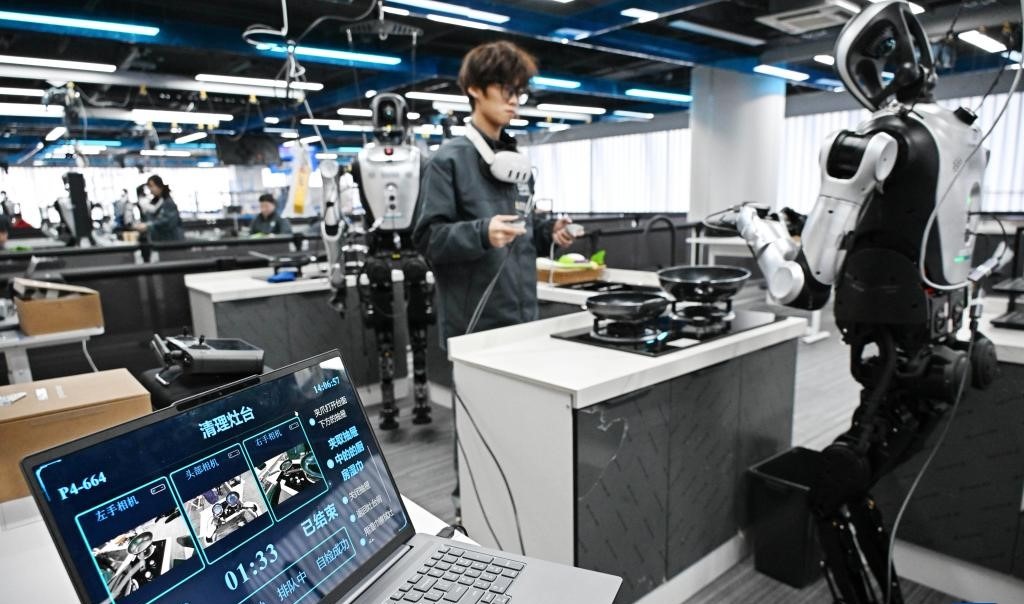
However, although this job looks interesting, it actually requires considerable patience and a collaborative spirit.
This is because after each piece of data is uploaded, there will also be data annotators and data reviewers to process this data, including annotating the intent, object and trajectory of each action; algorithm engineers will then provide feedback on the data quality.
If a trainer frequently fine-tunes the actions during a robot training task, it will increase the difficulty and workload of data annotation. Therefore, the trainer responsible for performing the actions should ideally complete them in one go, streamline the action path and reduce ineffective action adjustments.
Moreover, for the same basic action, it is necessary to change different angles and points to collect data repeatedly; each set of actions needs to be repeated thousands to tens of thousands of times to accumulate enough data for the robot.
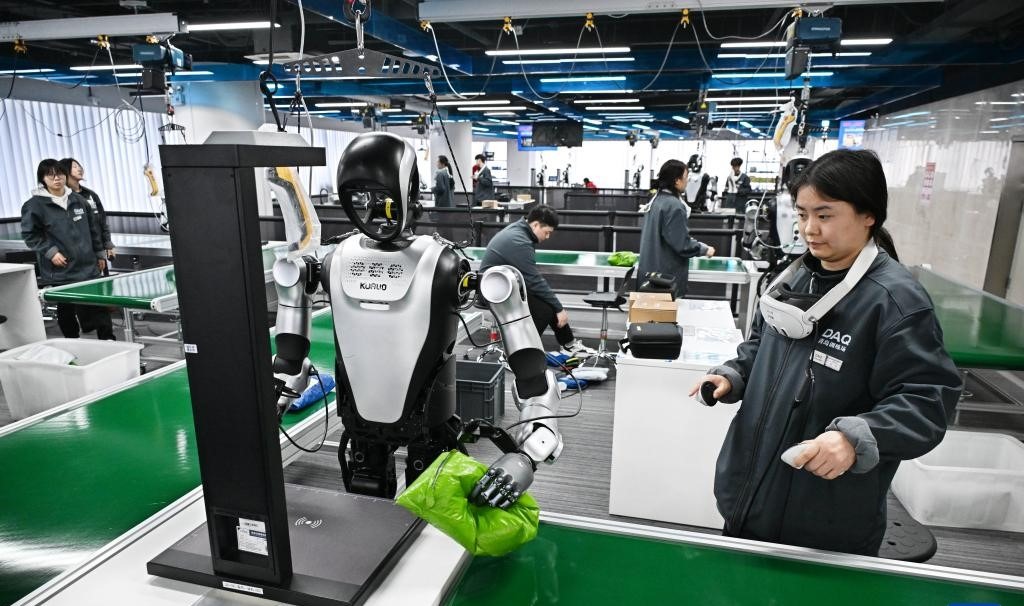
Embodied intelligence is a key future industry outlined in the China's 15th Five-Year Plan, and it is estimated that in the next five years, the market size of China's embodied intelligence industry will reach 400 billion RMB.
Multi-scenario, high-precision data is one of the core elements for the embodied intelligence industry to achieve breakthroughs. Currently, a large number of real-world robot data collection centres are being established across the country.
According to a China Central Television report, it is expected that over one million new job positions, such as data collectors and robot fleet collaborative operators, will be created in the future.
Read more: Chinese humanoid robots' new skills: Backflips, cycling and doing housework
Read more: Humanoid robots breaks human marathon record! How much progress has been made?