
Published : 2026-01-01
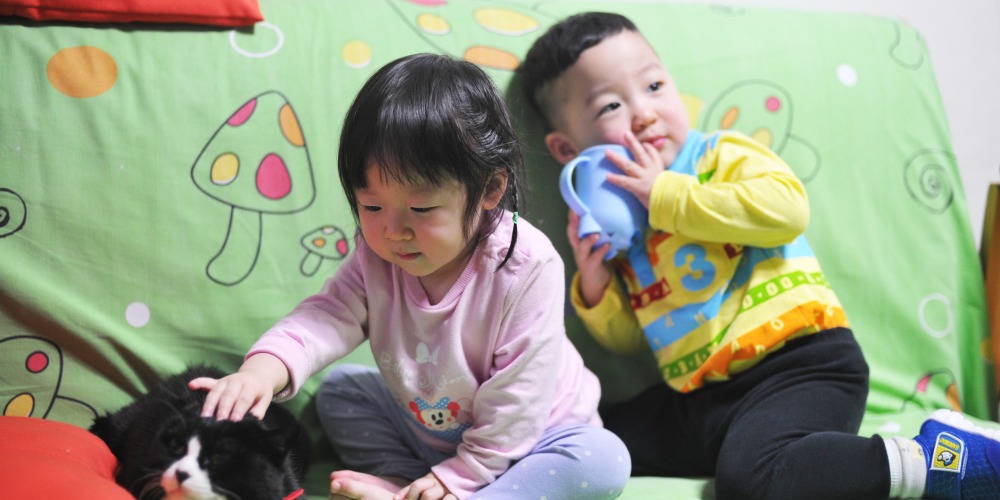
Effective 1 January, 2016, China's newly revised Population and Family Planning Law took effect, marking the official nationwide implementation of the "Two-Child Policy". This brings an end to the "One-Child Policy", which had been in place for over 30 years.
The new law explicitly encourages couples to have two children, allowing those meeting statutory conditions to apply for permission to have additional children.
The law stipulates that couples complying with legal regulations on childbirth—whether having one or two children—are eligible for extended maternity/paternity leave or other benefits. It also amends provisions on compulsory contraceptive measures, granting childbearing-age couples autonomy in selecting family planning and contraceptive methods.
The new law also removes the provision stating that "citizens who marry and have children later in life may receive extended marriage leave, maternity leave, or other benefits."
Following the abolition of late-marriage leave, 11 regions—Shandong, Anhui, Ningxia, Sichuan, Jiangxi, Hunan, Guangxi, Guangdong, Hubei, Tianjin, and Zhejiang—have set marriage leave at the nationally mandated 3 days.
The remaining 15 provinces offer marriage leave ranging from 10 to 30 days. Gansu and Shanxi offer the longest marriage leave, with couples legally registering their marriage in these regions entitled to 30 days of leave.
Just five years later, to further optimise the birth policy, the "Two-Child Policy" was replaced by the "Three-Child Policy" in 2021. That same July, measures restricting the willingness to have children, including the notorious "social maintenance fee," were formally abolished.