Published : 2025-10-20
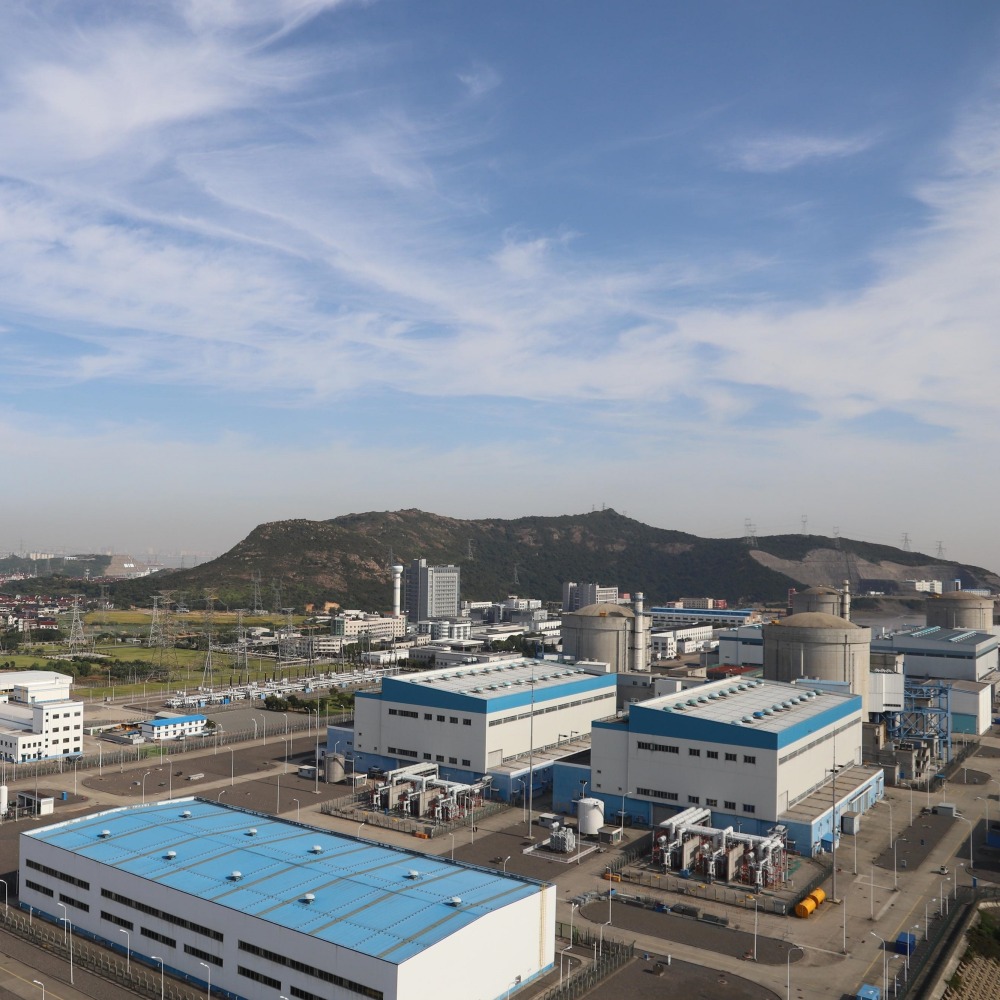
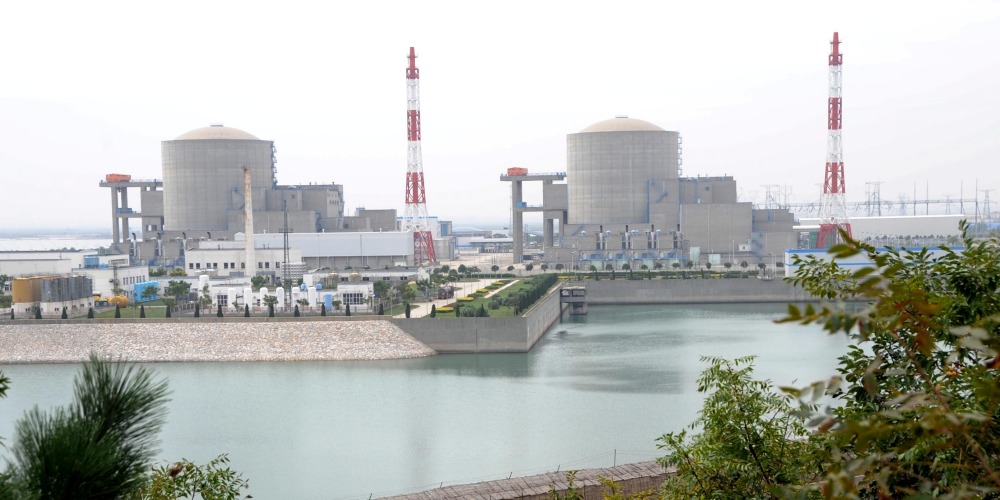
On 20 October 1999, construction of China's Tianwan Nuclear Power Station (田灣核電站), located in Lianyungang City, Jiangsu Province, officially commenced.
The Tianwan Nuclear Power Station is the nuclear power base with the largest installed capacity in the world at that time, with a planned construction of a total of eight megawatt-class pressurised water reactor nuclear power units, of which six have been put into commercial operation to date.
The initial construction scale of the Tianwan Nuclear Power Station comprised four nuclear power units, all using Russian models, constructed in two phases. They were completed and commissioned in 2004 and 2005 respectively, with an annual electricity generation of 14 billion kilowatt-hours.
These nuclear power units were designed with improvements, and can meet the requirements of current international nuclear safety and radiation safety standards, while also complying with China's nuclear safety regulations and standards; in some aspects, their safety design level reaches advanced international standards.
Nuclear power units 1 to 6 have cumulatively generated over 370 billion kilowatt-hours of electricity safely, enough to supply over 100 million Chinese households for 1.5 years, with the emission reduction benefits equivalent to newly planting over 102,000 hectares of green forest.
As for nuclear power units 7 and 8, which are still under construction, they adopt third-generation nuclear power technology, enhancing their capability to cope with severe accidents and beyond-design-basis accidents. They are expected to be commissioned in 2026 and 2027, respectively.
After all eight units of the Tianwan Nuclear Power Station are fully completed, the total installed capacity will exceed nine million kilowatts, providing more than 70 billion kilowatt-hours of clean electricity annually, which is equivalent to reducing annual carbon dioxide emissions by 57.4 million tonnes.