Published : 2026-09-16
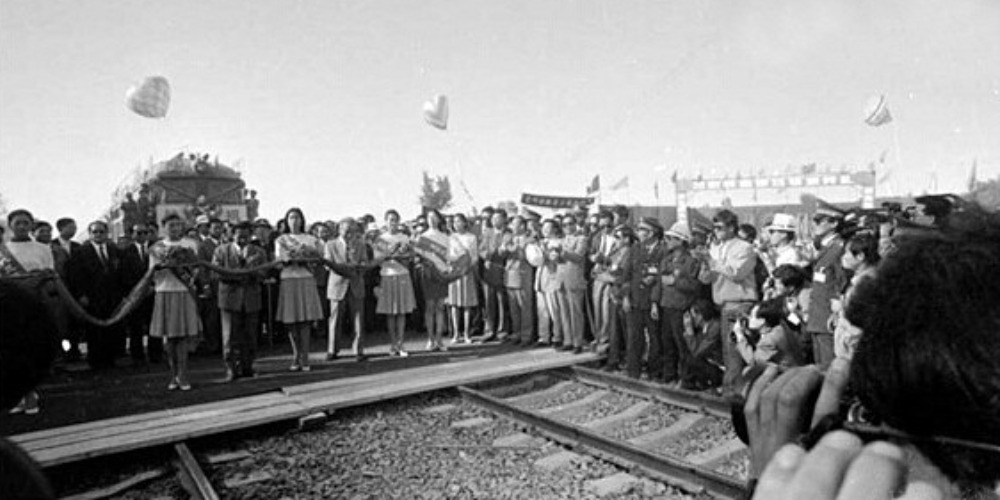
On 16 September 1994, the double-tracking of China's Lanzhou-Xinjiang Railway (蘭新鐵路) was completed ahead of schedule.
The completion of double-tracking of the Lanzhou-Xinjiang Railway was another major achievement in China's railway construction, greatly improving transport conditions in the Northwest region.
It was of immense significance for promoting economic development and social progress and strengthening national unity in the Northwest region and even the entire country.
China began construction of the Lanzhou-Xinjiang Railway as early as the 1950s. By December 1962, the track was laid from Lanzhou City to Ürümqi, and passenger services officially began in January 1963.
Since the opening of the Lanzhou-Xinjiang Railway, it has played an extremely important role in the prosperity and development of various undertakings in the Northwest region, such as its economy and culture.
However, with the development of the times, the transport capacity of the Lanzhou-Xinjiang Railway gradually reached saturation point. Although it subsequently underwent multiple technical upgrades, its transport capacity was still unable to meet the growing demand for transport.
Therefore, in March 1991, China officially approved the double-tracking project of Lanzhou-Xinjiang Railway, and the construction officially began in September 1992.
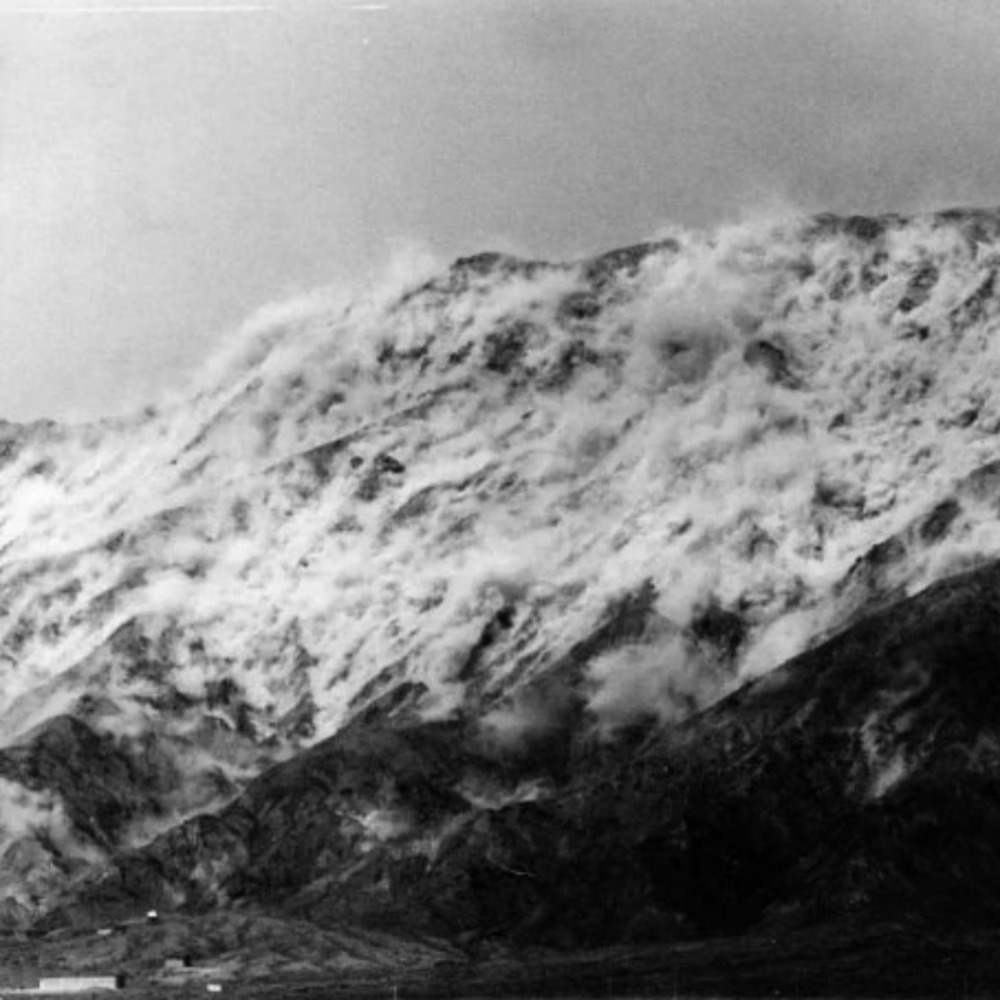
As the route of the double-tracking project passed through four nationally renowned windy regions, the strong winds posed a serious threat to the safety of train operations, creating immense difficulties for the construction of the double track at the time.
At the same time, the project also had to pass through multiple sections with sand-drift hazards and saline soil, as well as the famous "Land of Fire" of the Turpan Basin (吐魯番盆地). The natural conditions were extremely harsh. This, coupled with the sparse population along the route and problems such as water and electricity shortages, greatly increased the difficulty of construction.
Faced with the challenge of numerous difficulties, the construction team, after conducting multiple field surveys, completed this 1,622-kilometre-long double-track railway to a high standard in just two years, creating another miracle in the history of China's railway construction.
After its completion, the double track of Lanzhou-Xinjiang Railway starts from Wuwei South Station in the east and ends at Ürümqi in the west, passing through major western towns such as Jinchang, Zhangye, Jiayuguan, Hami, and Turpan.
Along the entire line, 151 large and medium-sized bridges were constructed, 12 tunnels were bored, 1,622 kilometres of mainline track were laid, and 131 kilometres of station track were laid.
The completion of the double track increased the Lanzhou-Xinjiang Railway's transport capacity from 12 million tonnes in 1992 to 30 million tonnes, with the potential to reach over 50 million tonnes in the long term.