Published : 2026-08-08
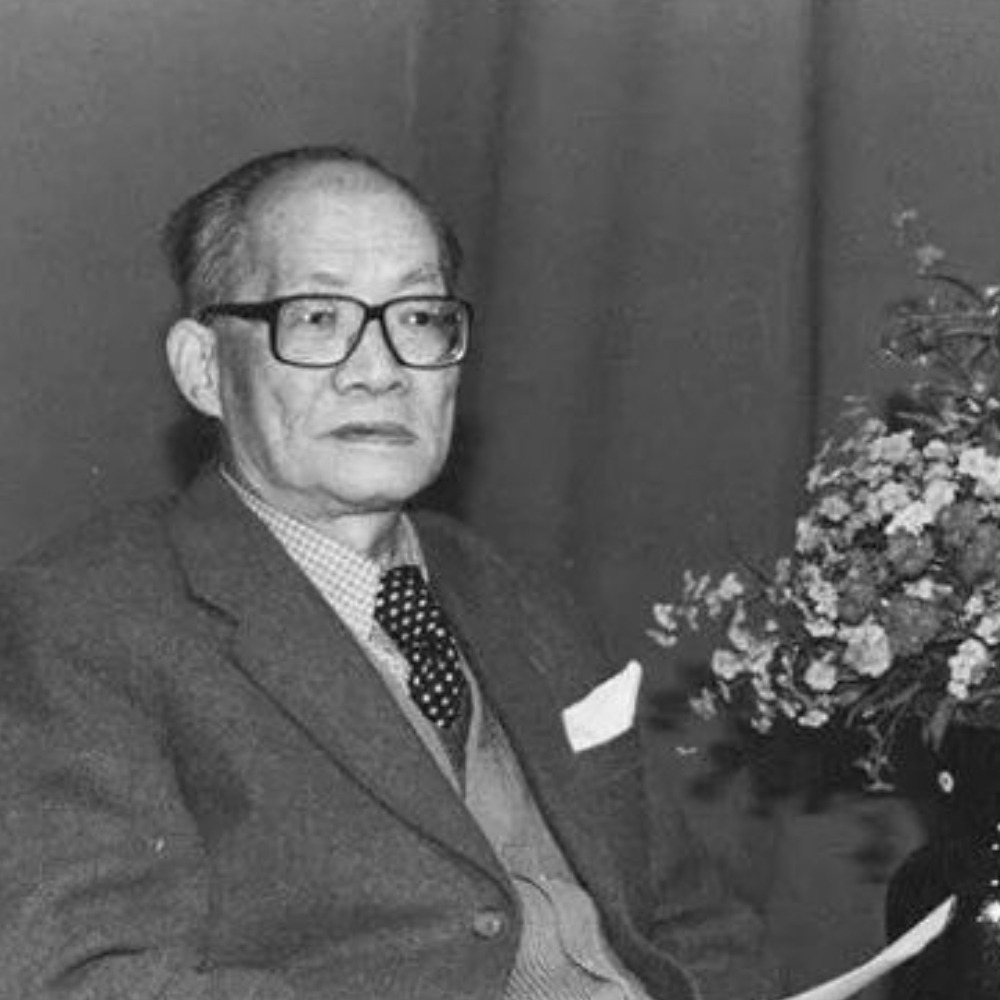
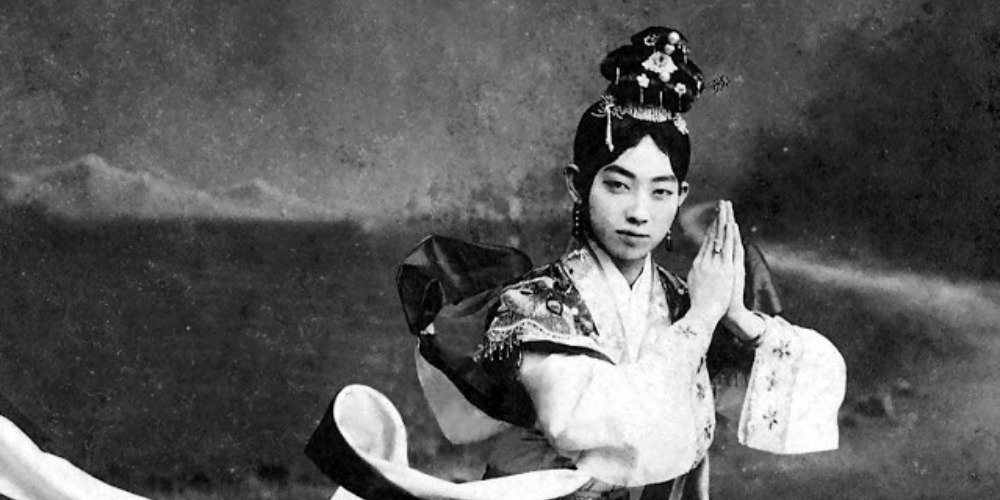
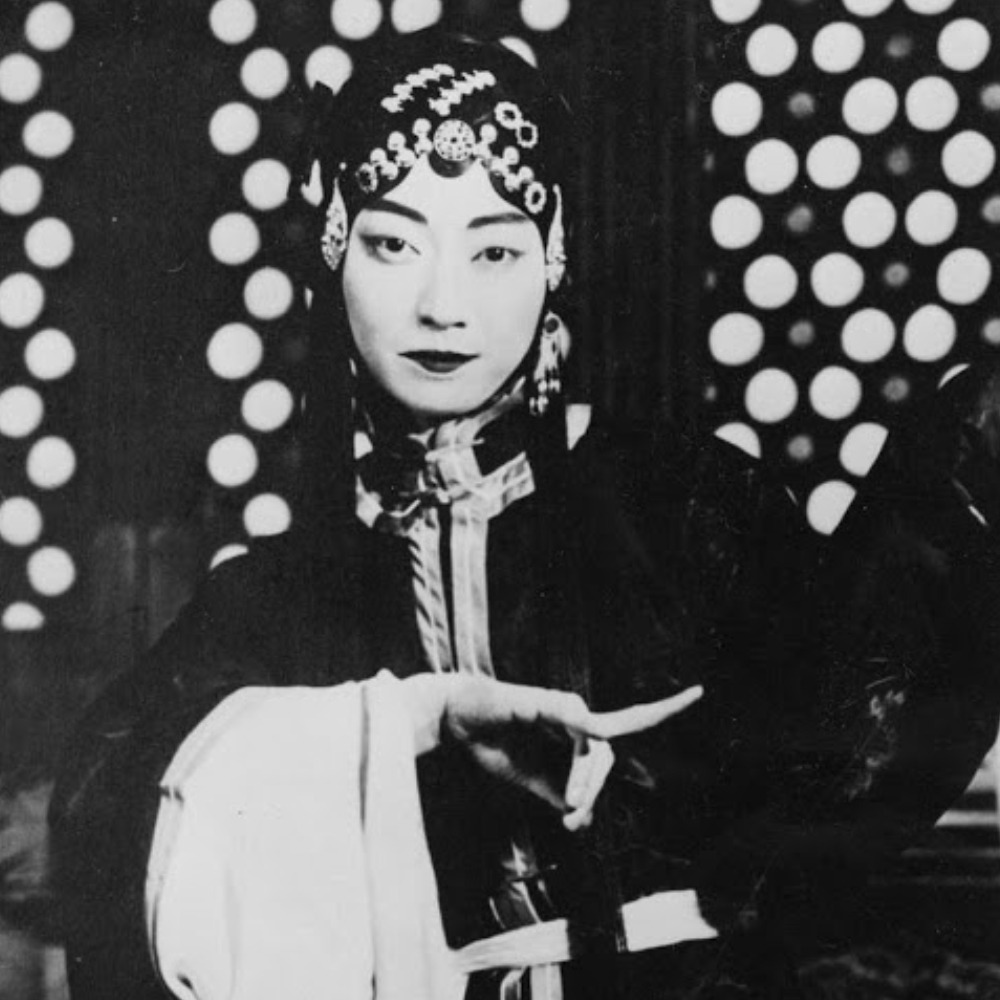
On 8 August, 1961, China's famous Peking Opera performing arts master Mei Lanfang (梅蘭芳) passed away at the age of 67.
Mei Lanfang, along with Shang Xiaoyun (尚小雲), Cheng Yanqiu (程硯秋), and Xun Huisheng (荀慧生), is honoured as one of the "Four Great Dan" of Peking Opera. Each of the four formed their own unique styles in singing, reciting, dancing, and makeup, with Mei Lanfang's style being called the "Mei School."
Representative works performed by Mei Lanfang include The Universe's Front (《宇宙鋒》), Drunken Concubine (《貴妃醉酒》), Farewell My Concubine (《霸王別姬》), Broken Bridge (《斷橋》), The Peony Pavilion: A Surprising Dream (《遊園驚夢》), and Mu Guiying Takes Command (《穆桂英掛帥》).
After the founding of the People's Republic of China (PRC) in 1949, Mei Lanfang served as the director of the China National Peking Opera Company, the director of the China National Peking Opera House, and the vice chairman of the China Theatre Association.
Mei started learning opera at the age of eight, became an apprentice to Wu Lingxian (吴菱仙) at nine to study Qingyi roles, and made his stage debut at ten.
He later sought instruction from Qin Zhifen (秦稚芬) and Hu Ergen (胡二庚) to learn Hua Dan roles.
From April 1915 to September 1916, Mei Lanfang newly rehearsed 11 operas, including The Tide in the Official Sea (《宦海潮》), Prisoner Lovers (《牢獄鴛鴦》), and Yearning for Monastic Life (《思凡》).
Before 1949, Mei Lanfang performed in Japan, the United States, and the Soviet Union and received honorary doctorates in literature from Pomona College and the University of Southern California.
In 1950, Mei became the president of the China National Peking Opera House, in 1951, the director of the China National Peking Opera Company, and in 1953, the vice chairman of the China Theatre Association.
During his over 50 years of stage life, Mei Lanfang developed and improved the singing and performing arts for Dan roles in Peking Opera, forming a unique artistic style known as the "Mei School," and trained and taught more than 100 students.
Mei Lanfang was an outstanding opera performing artist of the 20th century, conquering a wide audience worldwide with his superb performing arts.
The greatest characteristic of Mei Lanfang was "beauty," which encompassed the beauty of art, humanity, singing, and also Mei Lanfang's character beauty, a significant factor in his becoming a master performer. How to achieve this "beauty" realm is through artistic cultivation.
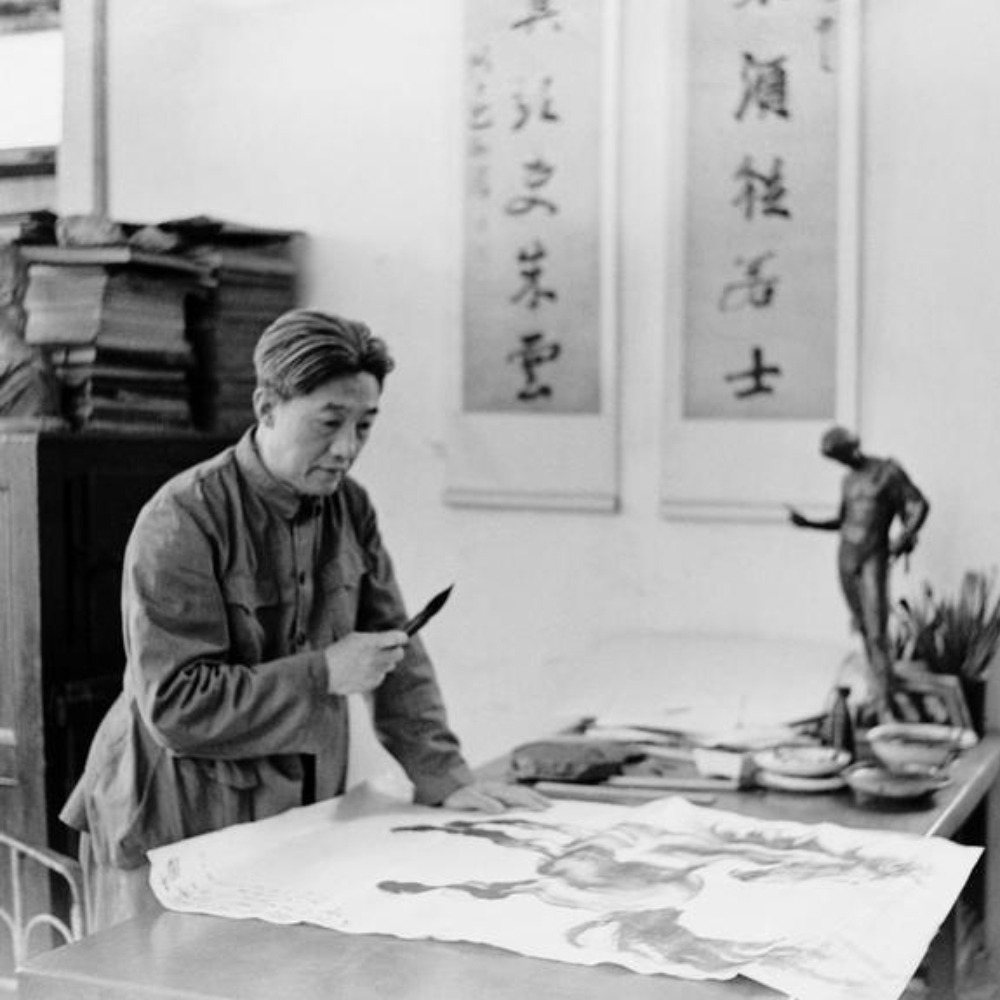
Practicing calligraphy and painting was a way for Mei Lanfang to achieve this "ultimate beauty." Mei Lanfang once said that opera is not only about performance and singing; it is also a concentration of beauty in costumes, facial makeup, painting, art, and modelling.