Published : 2026-08-14
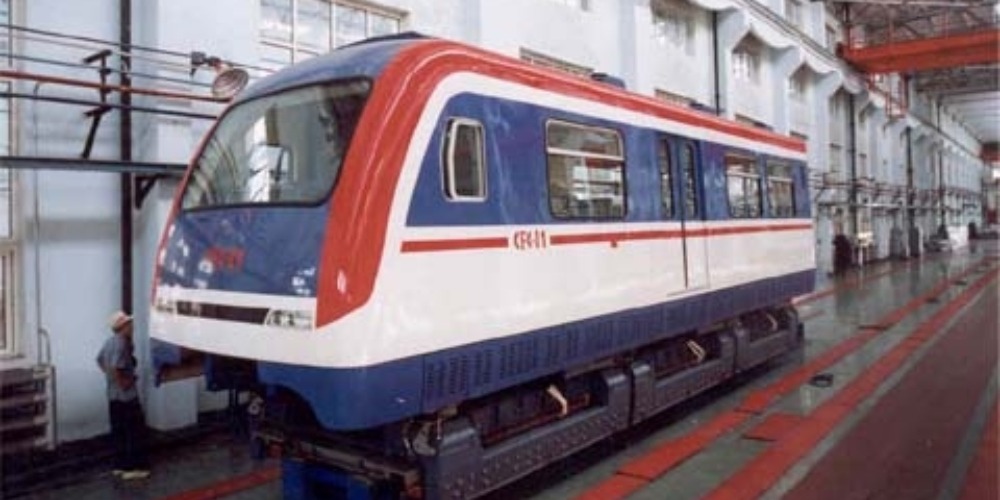
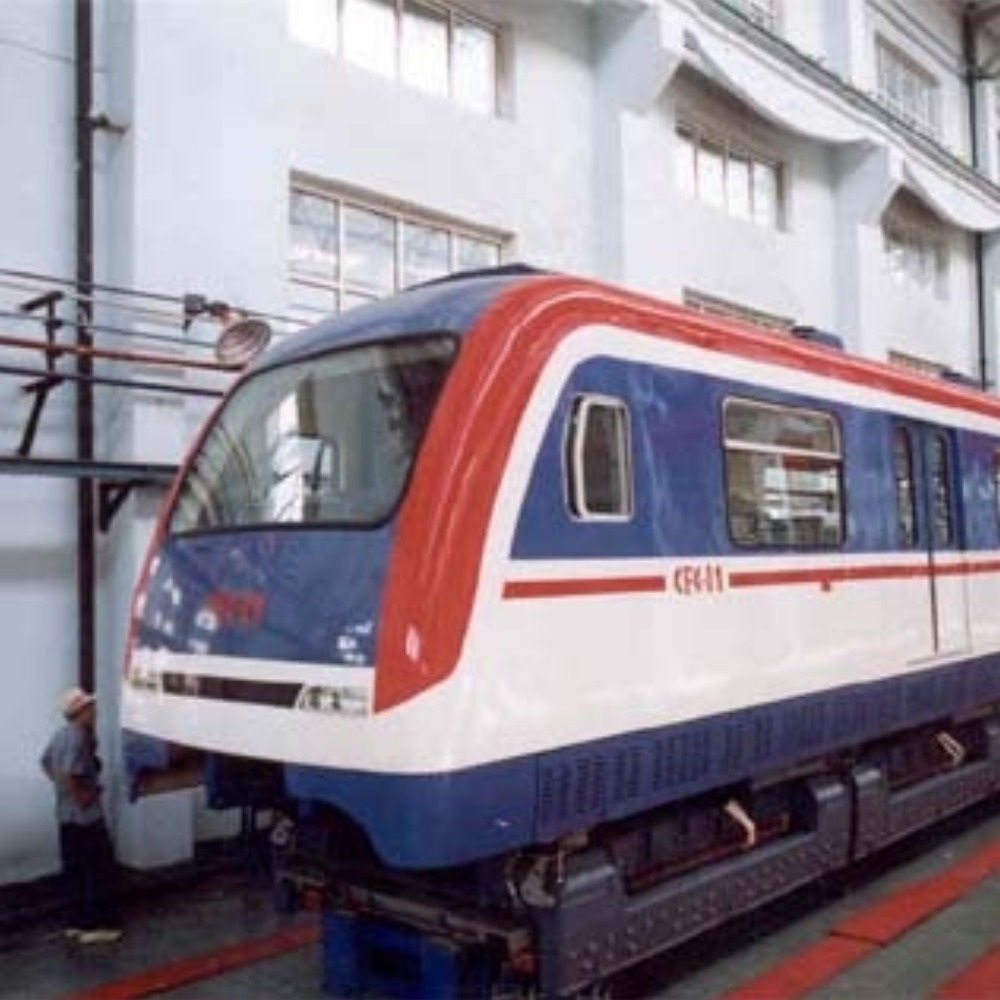
On 14 August, 2001, China's first domestically produced magnetic levitation (maglev) passenger carriage was completed and rolled off the production line at the Changchun Railway Vehicle Factory, marking China as the third country to master maglev passenger carriage technology, following Germany and Japan.
China's first domestically produced maglev passenger carriage was jointly developed by Changchun Railway Vehicle Factory, Southwest Jiaotong University, and Zhuzhou Electric Locomotive Research Institute.
The passenger carriage is 11.2 metres long, 2.6 metres wide, equipped with 28 seats, and has a load capacity of 2 tonnes. The body is constructed using a welded aluminium alloy frame, weighing only 16 tonnes, and the absence of mechanical friction resistance between the wheel rail and the vehicle provides smooth and comfortable operation, as well as advantages such as low noise and no pollution.
The first domestically produced maglev passenger carriage is a normal-conduction, attractive-type vehicle, which uses electromagnetic attraction to levitate the vehicle, maintaining a gap of 8 to 10 millimetres between it and the track.
This vehicle is also driven by a linear motor, with the propulsion speed depending on the traction of the linear motor, capable of running at an operational speed of 60 km/h and a maximum test speed of up to 100 km/h.
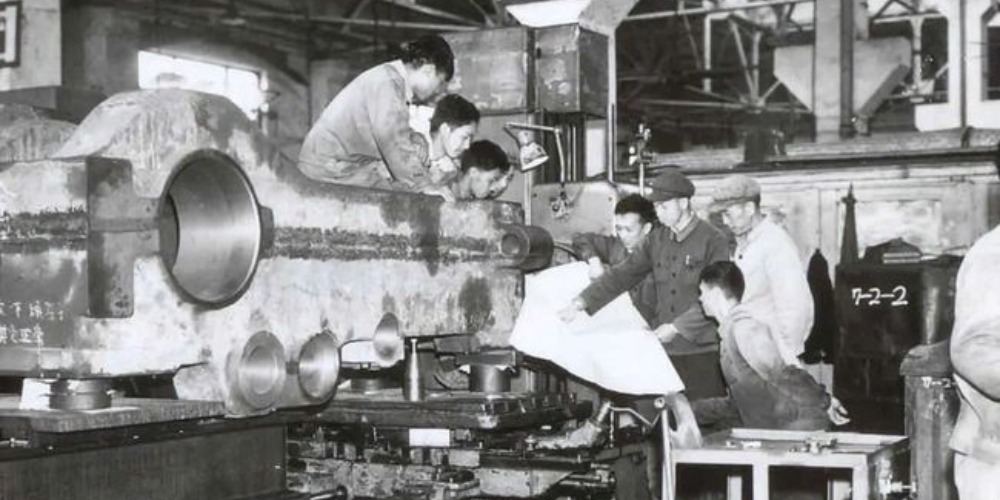
The Changchun Railway Vehicle Factory was at that time China's largest base for producing railway passenger carriages and a cradle for producing subway passenger carriages.
As early as 1993, it collaborated with the Railway Science Research Institute to jointly develop maglev passenger carriages.
By December 1998, Changchun Railway Vehicle Factory signed a technical cooperation agreement with Southwest Jiaotong University, Zhuzhou Electric Locomotive Research Institute, and Qingcheng Maglev Train Engineering Co., Ltd. to jointly develop China's first maglev train demonstration line project.
It completed the design task and archiving the blueprints by 30 December, 1999.
The successful development of this maglev passenger carriage demonstrated that the Changchun Railway Vehicle Factory had acquired the capability to design and manufacture not only conventional overground and underground railway vehicles but also "aerial passenger cars" designed to operate on elevated maglev tracks.