Published : 2025-11-13
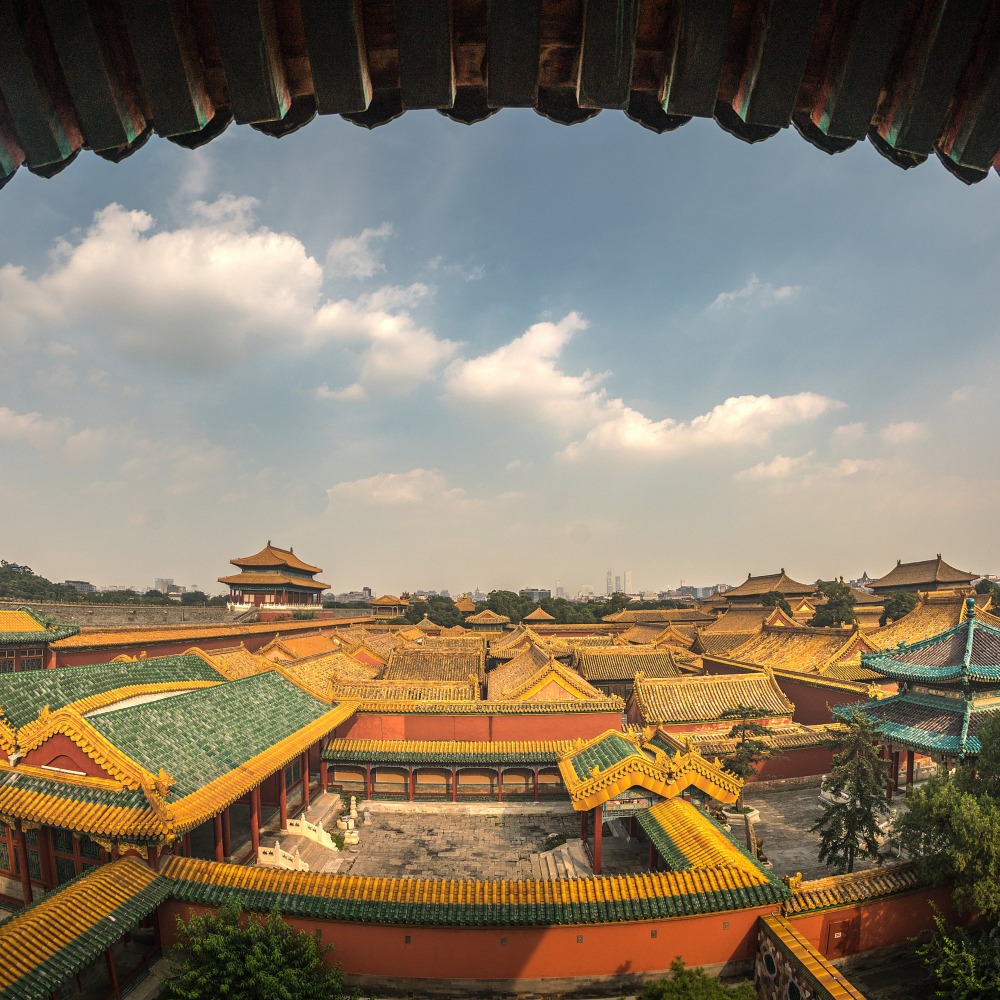
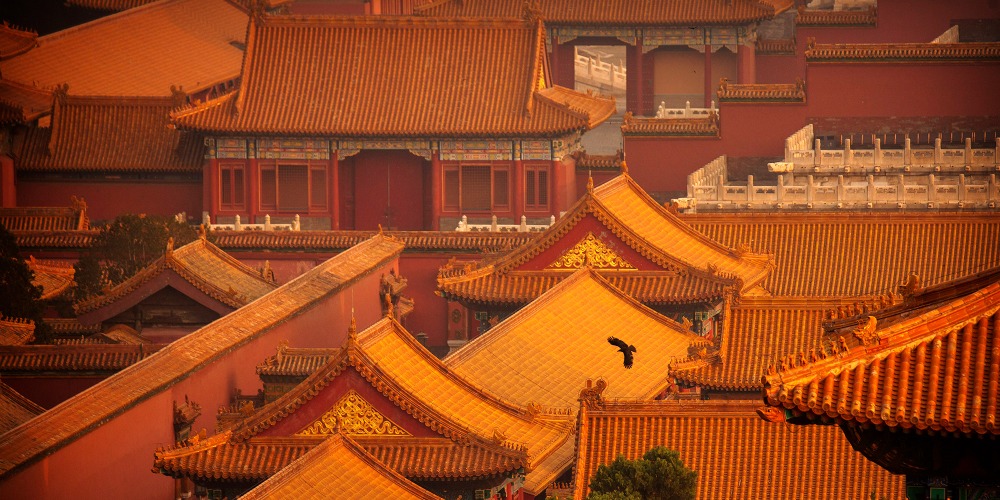
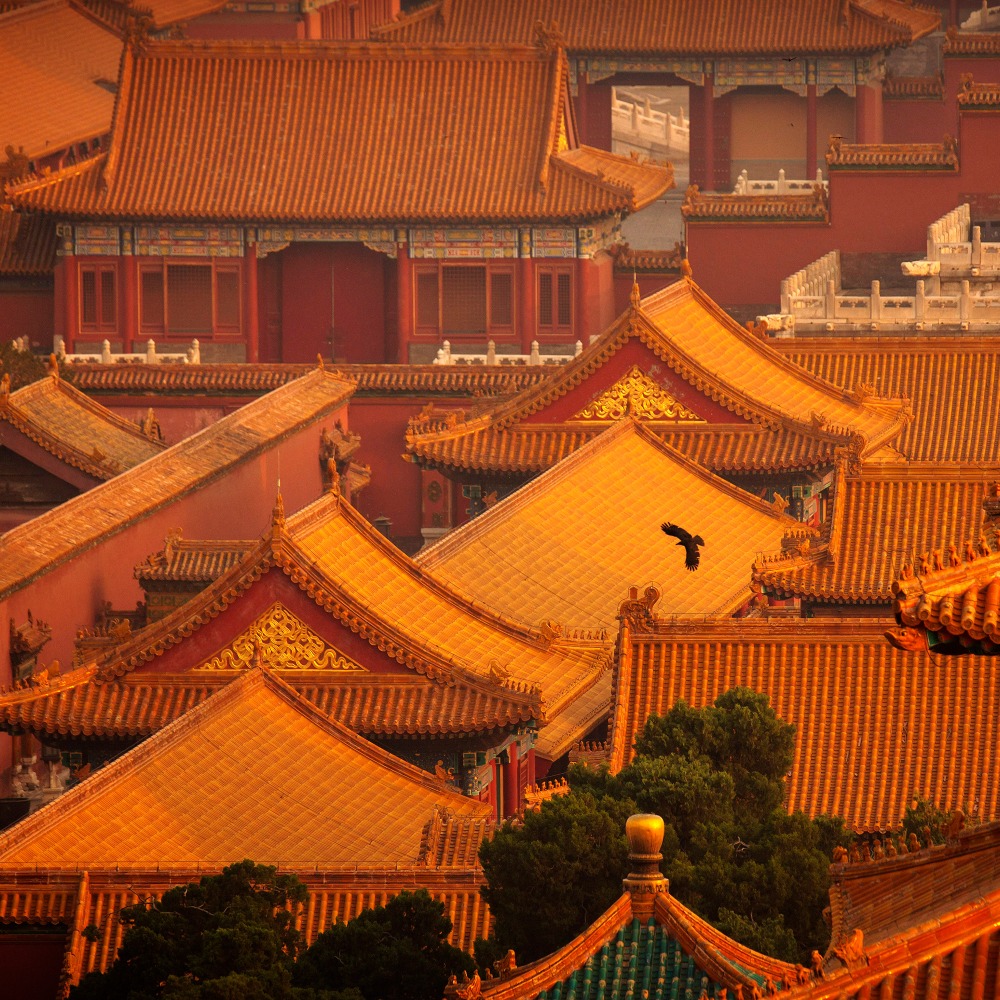
The Forbidden City in Beijing is the largest and best-preserved extant ancient timber-framed architectural complex, with an innumerable number of buildings.
According to folklore, the Forbidden City has "9,999 and a half" rooms, but is this true or false?
Which palace in the Forbidden City has the most rooms?
As the imperial palace of the Ming and Qing dynasties, the area of the Forbidden City in Beijing is equivalent to the size of five Victoria Parks in Hong Kong, so exactly how many rooms does it have?
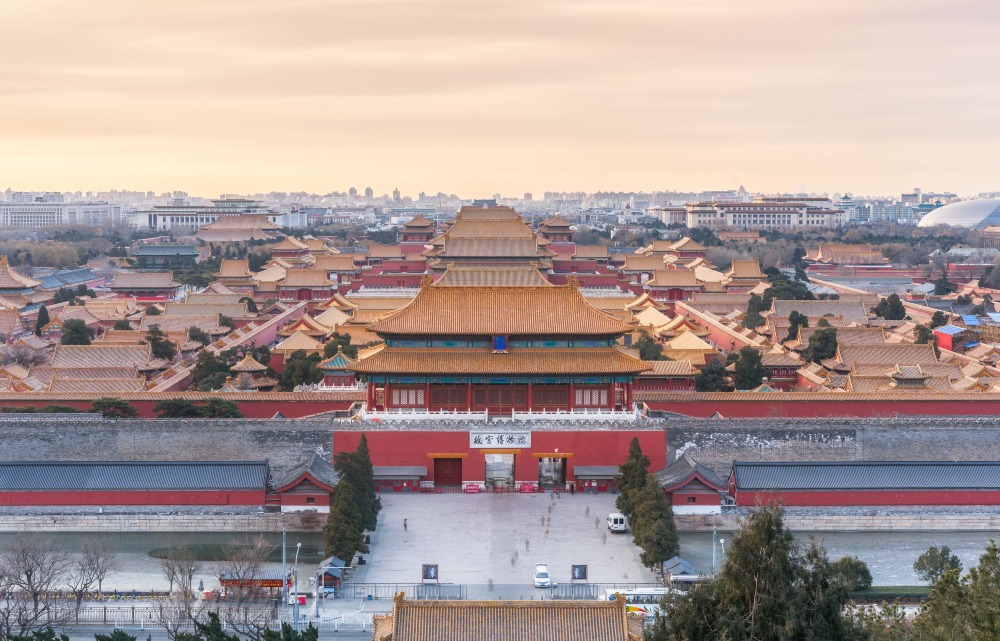
According to folklore, the Forbidden City has 9,999 and a half rooms because the ancients believed that the residence of the Heavenly Emperor had a total of 10,000 rooms, and the scale of the palace of an earthly emperor could not exceed that of the Heavenly Emperor, so half a room less was built when constructing the Forbidden City. However, this is just a legend.
In 2012, Shan Jixiang (單霽翔), who was then the director of the Palace Museum (故宮博物院), led a team and spent five months counting the buildings and rooms of the Forbidden City. The statistics showed a total of 1,200 buildings and 9,371 rooms.
It is worth noting that the definition of a room in ancient architecture differs from that in modern architecture. A space enclosed by four pillars is known as one room. The room count also includes various other forms of structures such as "xuan" (軒) and "ge" (閣).
According to historical records, the Forbidden City had approximately 8,000 rooms during the Ming Dynasty (1368-1644), reaching a peak of 20,000 rooms during the Qing Dynasty (1644-1911).
The change in the number of rooms is mainly because emperors of successive dynasties would alter the palace layout according to their own preferences, and modern restoration projects also lead to changes in the number of rooms.
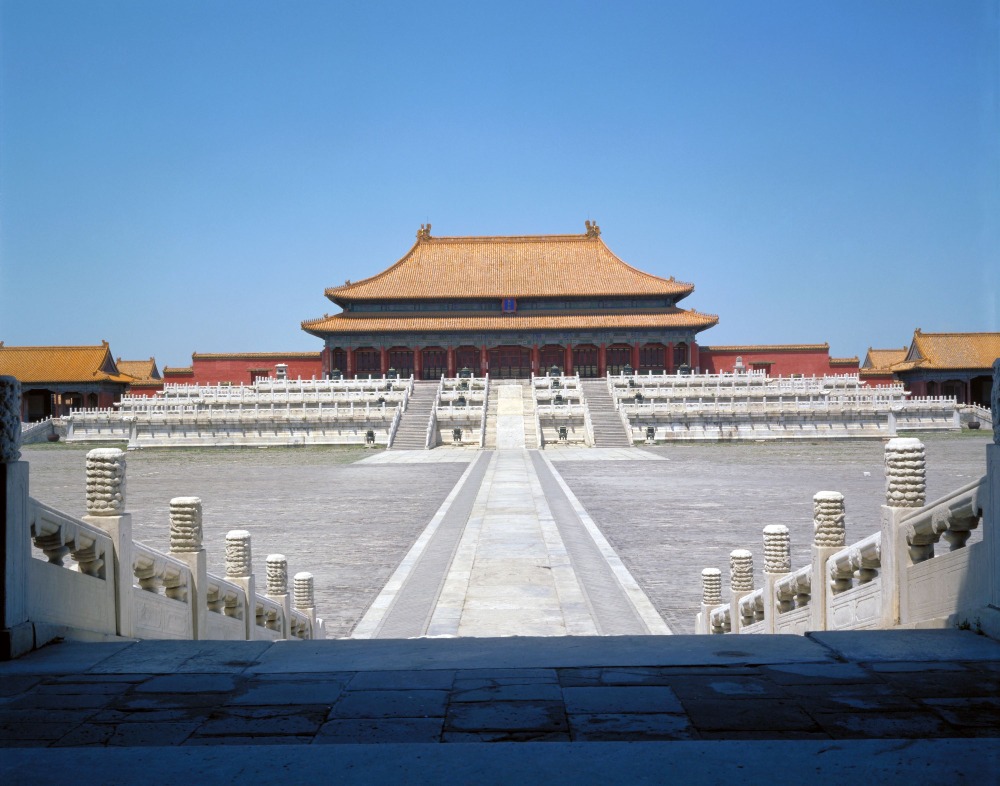
Which palace in the Forbidden City has the most rooms? It is the Hall of Supreme Harmony (太和殿), which is the largest and highest-ranking palace in the Forbidden City, with a total of 55 rooms.
The smallest room in the Forbidden City was the Emperor's study?
So then, where is the smallest room in the Forbidden City? It is the Hall of Three Rarities (三希堂), which is part of the Hall of Mental Cultivation (養心殿).
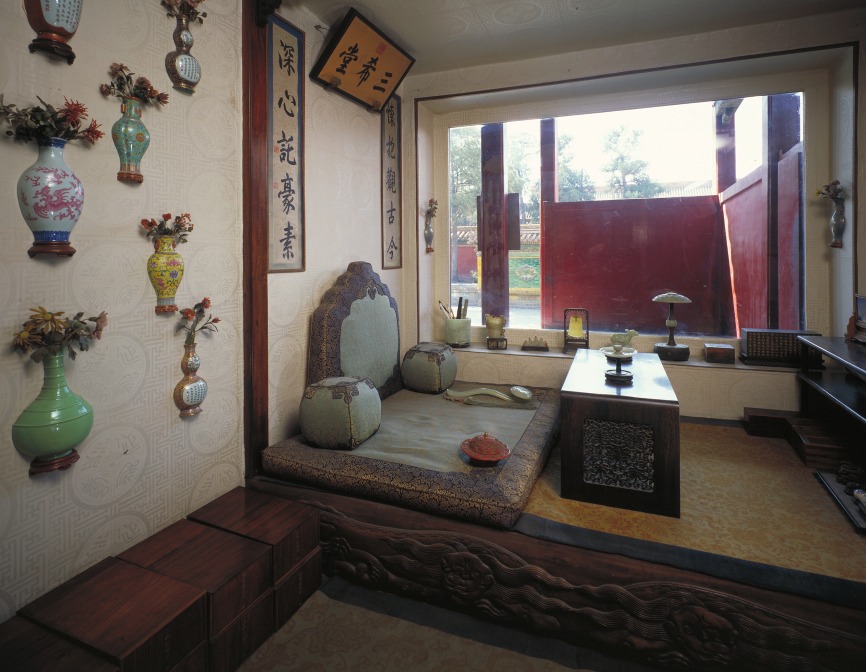
This was the Qianlong Emperor's study, composed of two small compartments, each only four square metres, for a total area of less than eight square metres.
Although the Hall of Three Rarities is small, it holds many "treasures", housing calligraphic works and paintings from over 130 famous masters of various dynasties. The famous piece of ancient Chinese calligraphy Timely Snowfall After Clearing (《快雪時晴帖》), which was exhibited at the Hong Kong Palace Museum in September 2022, was housed in the Hall of Three Rarities.
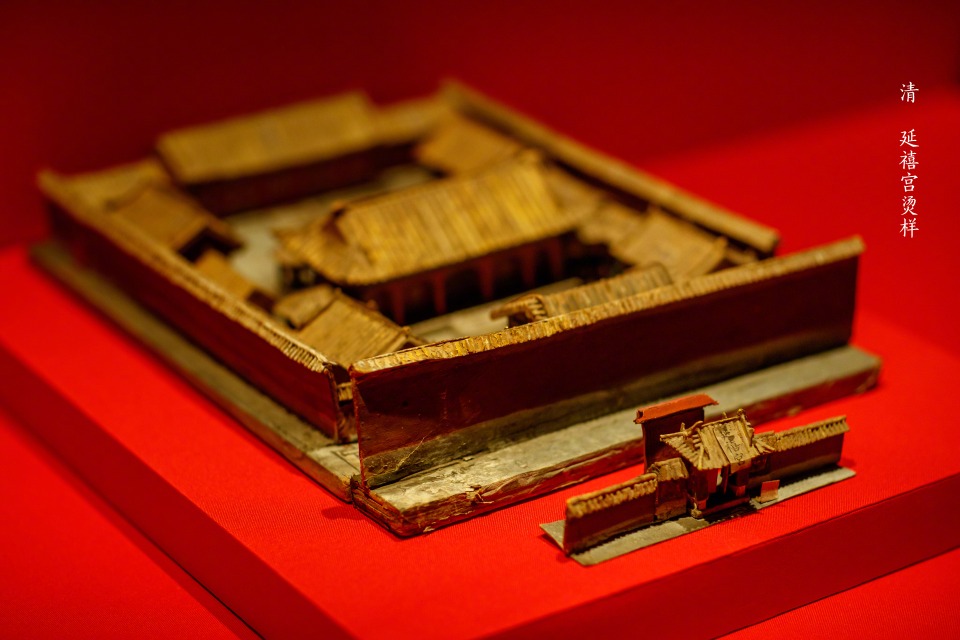
The emperor ruled over a vast empire, so why would his study be so "miniature"?
This is because the ancients valued the "gathering of qi" (聚氣), which meant that frequently occupied rooms should not be too large; otherwise, they would lack vitality and feel too deserted.
Therefore, the Hall of Three Rarities is not the only "miniature" room in the Forbidden City. In fact, the rooms for the imperial family's daily life were not very large.
Whereas palaces like the Hall of Supreme Harmony, where ceremonies and court assemblies were held, were comparatively more spacious.
Read more: 85%|The Palace Museum's path from the "forbidden land' to a trendy cultural icon