Published : 2025-11-07
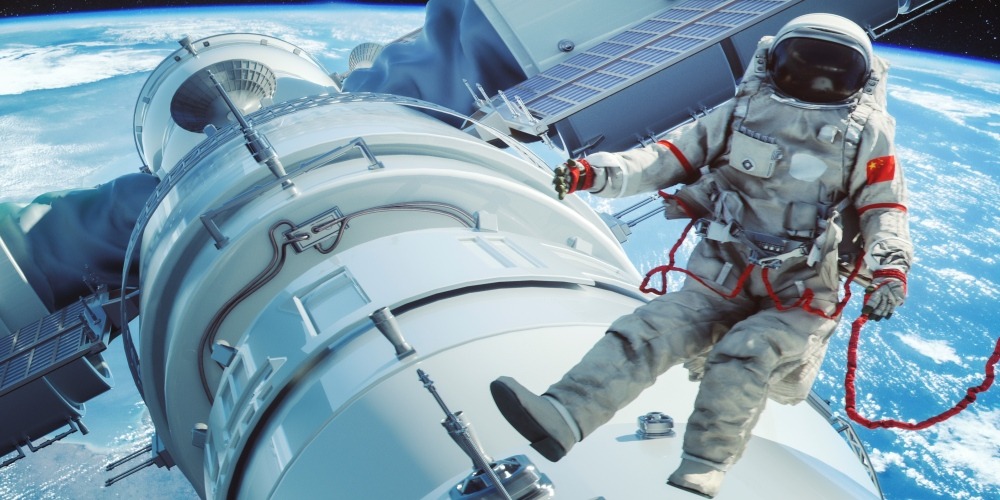
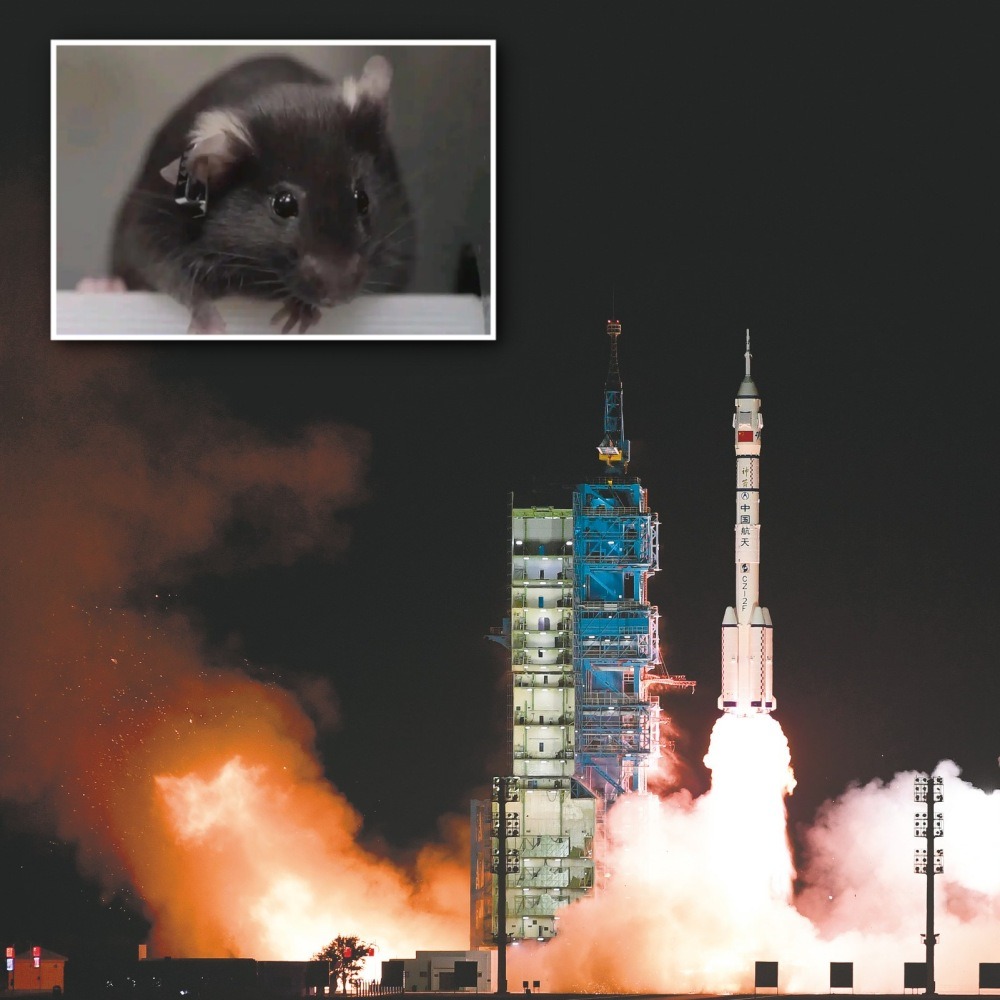
China's Shenzhou-21 carried three astronauts to its space station "Tiangong", or "Heavenly Palace", and they also brought along four small black mice for related research.
People may be interested to know, before "raising mice in space", what other animals had China sent to space?
Animals paving the way for humanity in space
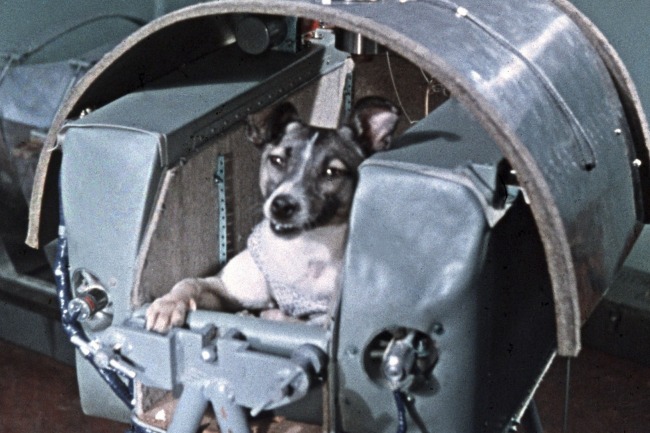
Early scientists sent animals to space in the hope of understanding the effects of the space environment on living organisms and testing the reliability of life support systems in order to pave the way for humans to enter space.
In 1947, the United States used V-2 rockets acquired from Germany to send fruit flies to an altitude of 109 kilometres. These fruit flies became the first terrestrial life to enter space.
Two years later, the United States sent a rhesus monkey into space. It was the first mammal and primate to enter space.
Subsequently, countries such as the U.S. and the Soviet Union successively carried out similar experiments, sending mice, dogs, rabbits, etc., into space, among which the Soviet dog Laika is often mentioned.
Laika was launched in November 1957, becoming the first animal to enter Earth's orbit.
Although the animals before this had reached space, they all returned to Earth on a parabolic trajectory without entering an orbit around the Earth, and their time in space was very short.
Unfortunately, according to information released after the dissolution of the Soviet Union, Laika had actually died from exhaustion due to overheating a few hours after the journey began.
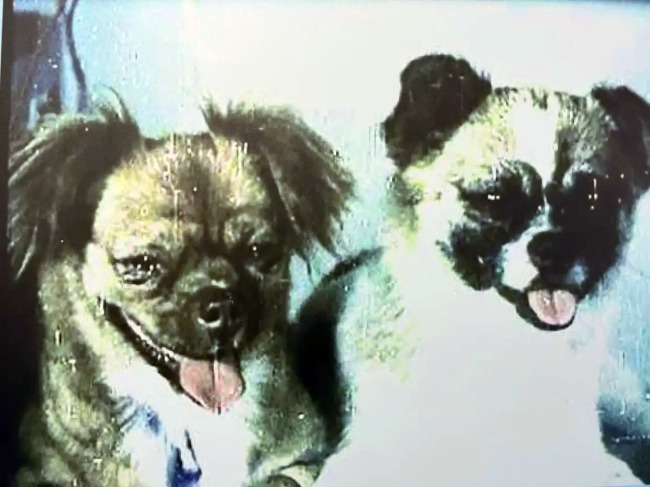
Xiao Bao and Shan Shan launched in 1965
As everyone knows now, after a series of animal experiments, humanity first set foot in space in 1961, when the Soviet Union's Yuri Gagarin orbited the Earth for 108 minutes aboard the Vostok-1 spacecraft.
China's space exploration started relatively late, with its first animal experiment only taking place in July 1964. The "passengers" were four large and four small white mice and a batch of fruit flies.
The rocket's launch site at the time was the lesser-known 603 Base in Guangde (廣德), Anhui Province, which was China's first rocket launch base.
Compared to white mice and fruit flies, "Xiao Bao" and "Shan Shan", who were described as "heroic puppies", should be better remembered by people.
In July and August of 1965, after a rigorous selection process, Xiao Bao and Shan Shan were launched into the sky by rocket one after the other and returned safely, along with a group of white mice.
It must be noted that the white mice, fruit flies and the two puppies were only sent to an extremely high altitude of 60 to 70 km, which is not considered as truly entering space.
Currently, the widely accepted definition of space is the "Kármán line" (卡門線), which is at an altitude of over 100 km.
Starting from scratch, China completed it experiment independently
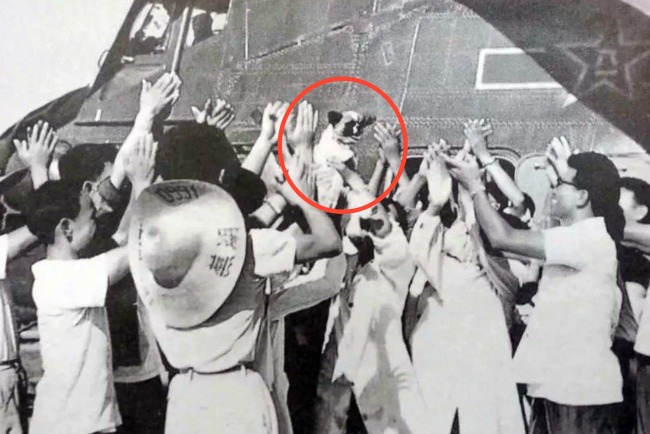
Of course, more than 60 years ago, China was poor and blank and had no foreign aid, so being able to complete this experiment independently was already extremely difficult.
As mentioned earlier, scientists initially sent animals into space to pave the way for human missions. After the goal of sending humans into space was achieved, however, this type of research did not stop.
Subsequently, the United States, the Soviet Union (Russia), and other countries successively sent many different types of animals, such as guinea pigs, cats, bullfrogs, fish and spiders, into space.
What is different is that scientists have pushed the exploration to a deeper level, addressing questions such as the effect of long-term space flight on living organisms, whether the microgravity environment would fundamentally change life processes, and whether life can be sustainably propagated in space.
As for China, the research work had slowed down for certain reasons, but it did not come to a halt.
HK students designed "rearing silkworms in space" experiment
In 1990, a group of guinea pigs was launched into space aboard a recoverable satellite, which was successfully recovered eight days later. The two key terms, "eight days" and "satellite", reflect that China's animal experiments had entered the Earth-orbiting stage, marking a great leap forward from the era of Xiao Bao and Shan Shan.
Entering the 21st century, as the pace of China's space exploration accelerated, not only has the dream of manned space flight been realised, but space laboratories and space stations are no longer a dream.
Meanwhile, the variety of animal species sent into space by China has also been constantly increasing.
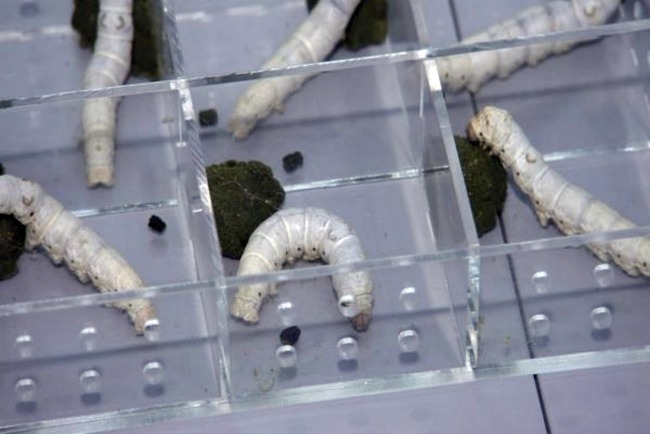
In 2016, during the Shenzhou-11 mission, an experiment on "rearing silkworms in space" was conducted to compare how silkworms spin silk in space versus on Earth. Many people may remember that this interesting and easy-to-understand experiment was designed by secondary school students from Hong Kong.
By the Shenzhou-15 mission, scientific researchers were using the Wentian laboratory module to carry out nematode experiments, monitoring the growth, development, and organisation and organ damage of nematodes in a radiation environment. The nematode experiment was also conducted during the Shenzhou-16 mission.
Two female and two male black mice selected to undergo 60 days of training
Why choose nematodes? Scientists point out that this insect has a short life cycle, is easy to culture, and its body is small, transparent, and simple in structure, making it easy to observe. Furthermore, about 40% of its genes are homologous with those of humans.
During the Shenzhou-18 mission, four zebrafish were sent to Tiangong, where they successfully laid eggs in space. Zebrafish are vertebrates, with a gene similarity to humans of up to 87%, making them ideal for exploring the effects of the space environment on the growth and behaviour of vertebrates. Zebrafish were sent into space again for the Shenzhou-20 mission.
Also entering space in the Shenzhou-20 mission were planarian flatworms, which are about the size of a fingernail. The similarity between the genes of planarian flatworms and humans is over 70%, and they possess an incredibly strong regenerative ability. Even if one is cut into several pieces, each segment can regenerate into a new planarian flatworm.
Therefore, the results of research on them will help to solve human health problems such as injuries sustained in space.
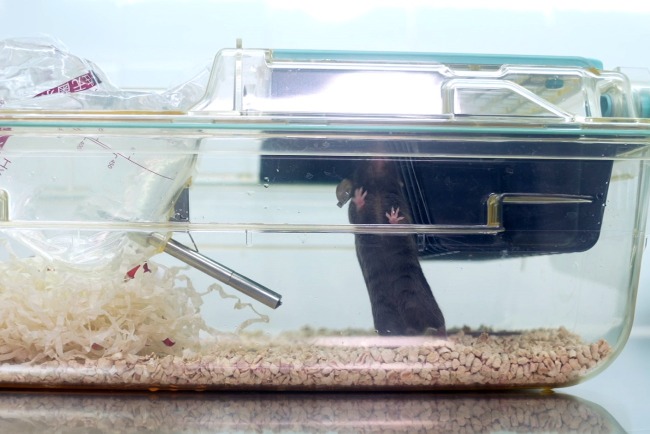
Returning to the Shenzhou-21 "raising mice in space" mentioned just now, the two female and two male small black mice launched this time were selected from 300 candidate mice and also underwent more than 60 days of preliminary training.
Shenzhou-20 spacecraft suspected of being hit by debris
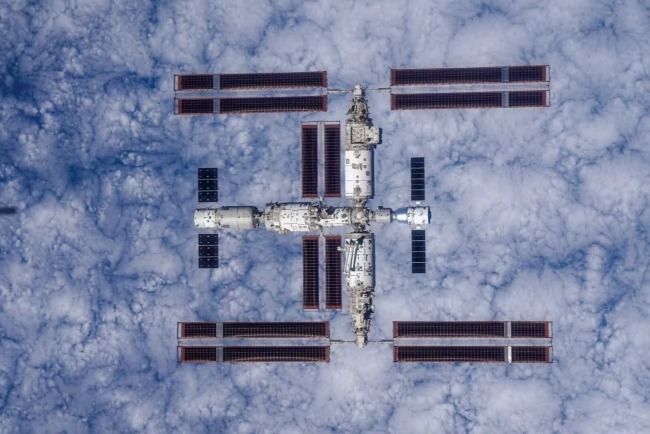
According to the original plan, they would only be on the China Space Station for about five days, focusing on research into the effects of space conditions such as weightlessness and confinement on behavioural patterns, and then return to Earth with the astronauts of the Shenzhou-20 mission at the end of their "business trip".
However, as the Shenzhou-20 spacecraft is suspected to have been struck by minute space debris and requires inspection and a risk assessment, the return journey has been postponed, and the four small black mice will be working a little overtime.
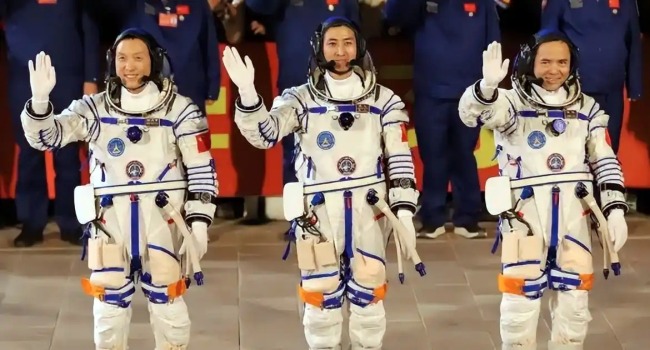
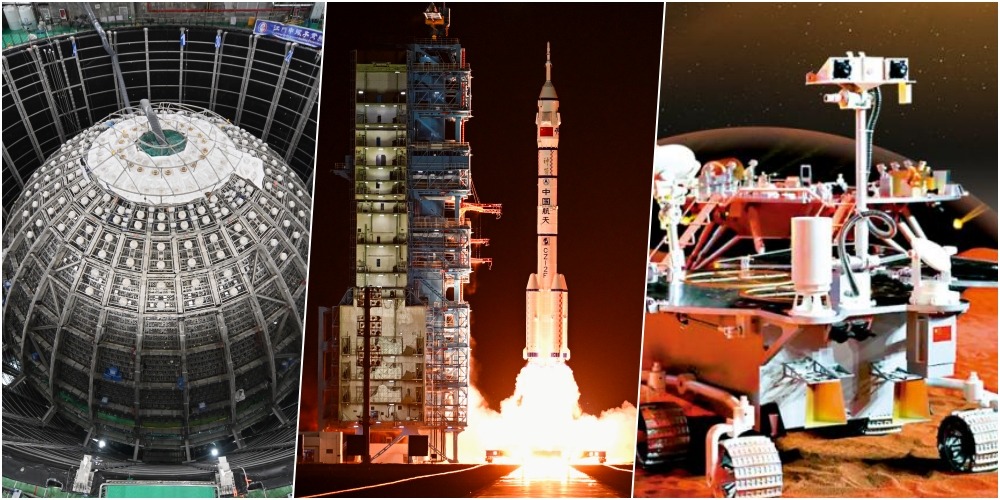
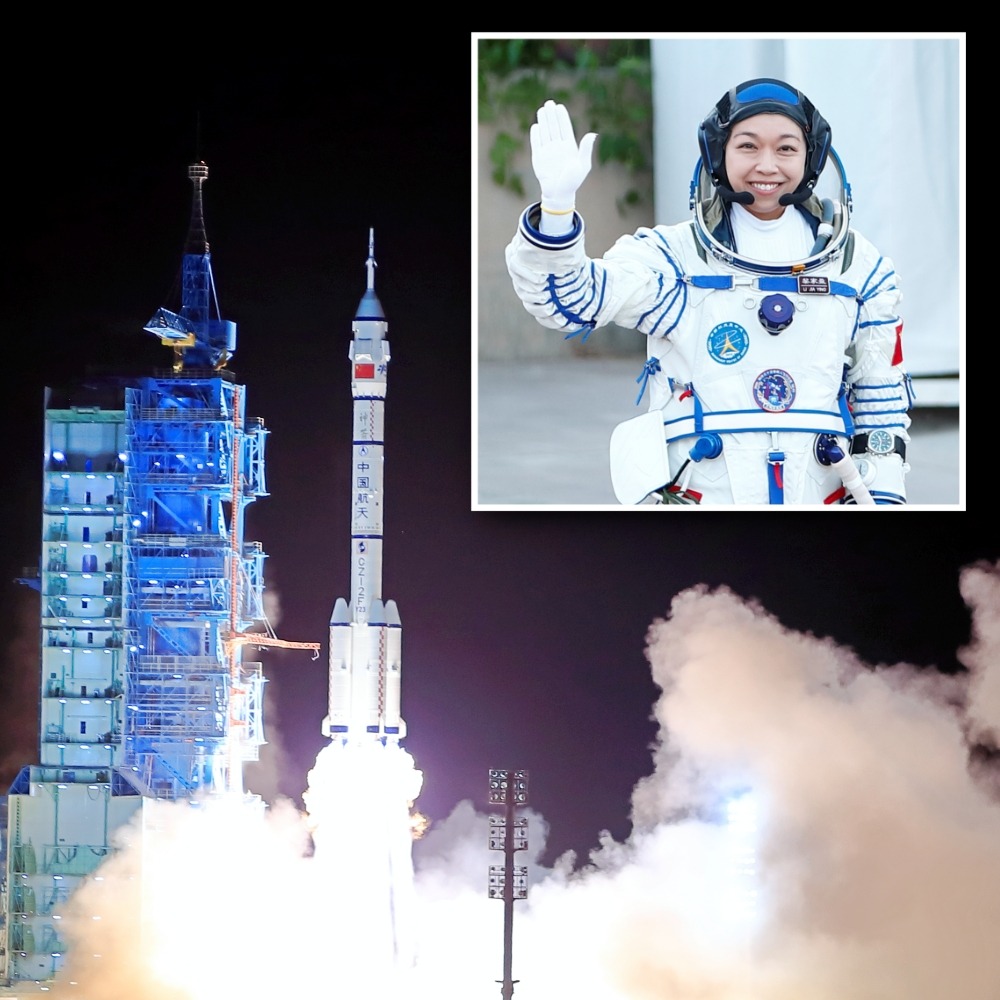
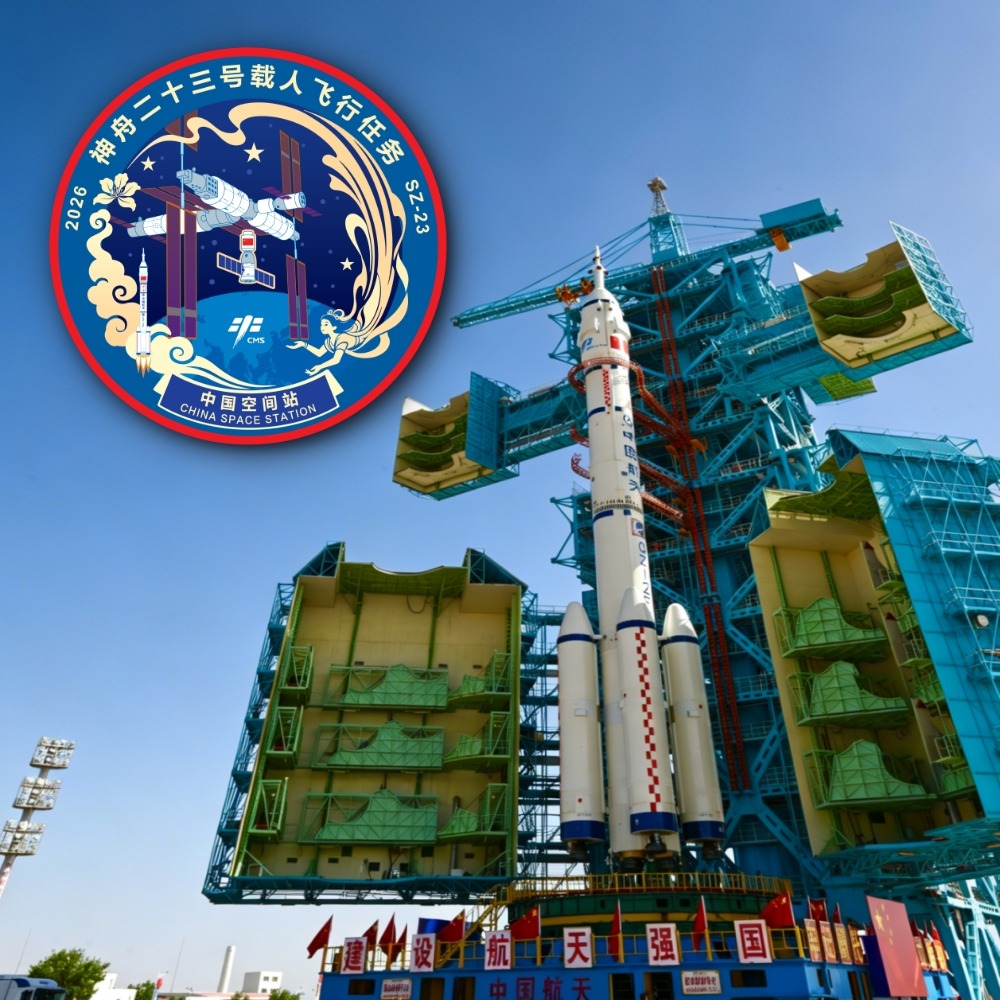
It is reported that the three Shenzhou-21 astronauts, Zhang Lu (張陸), Wu Fei (武飛), and Zhang Hongzhang (張洪章), launched late at night on 31 October 2025, and are expected to be on a six-month "business trip" at the China Space Station.
The spacecraft they travelled in used an autonomous rapid rendezvous and docking mode, docking with the China Space Station in just 3.5 hours, greatly shortening the time by 3 hours compared to previous Shenzhou spacecraft.
Read more: U.S. astronauts stuck in space for 9 months–will China face similar situation?