Published : 2025-10-24
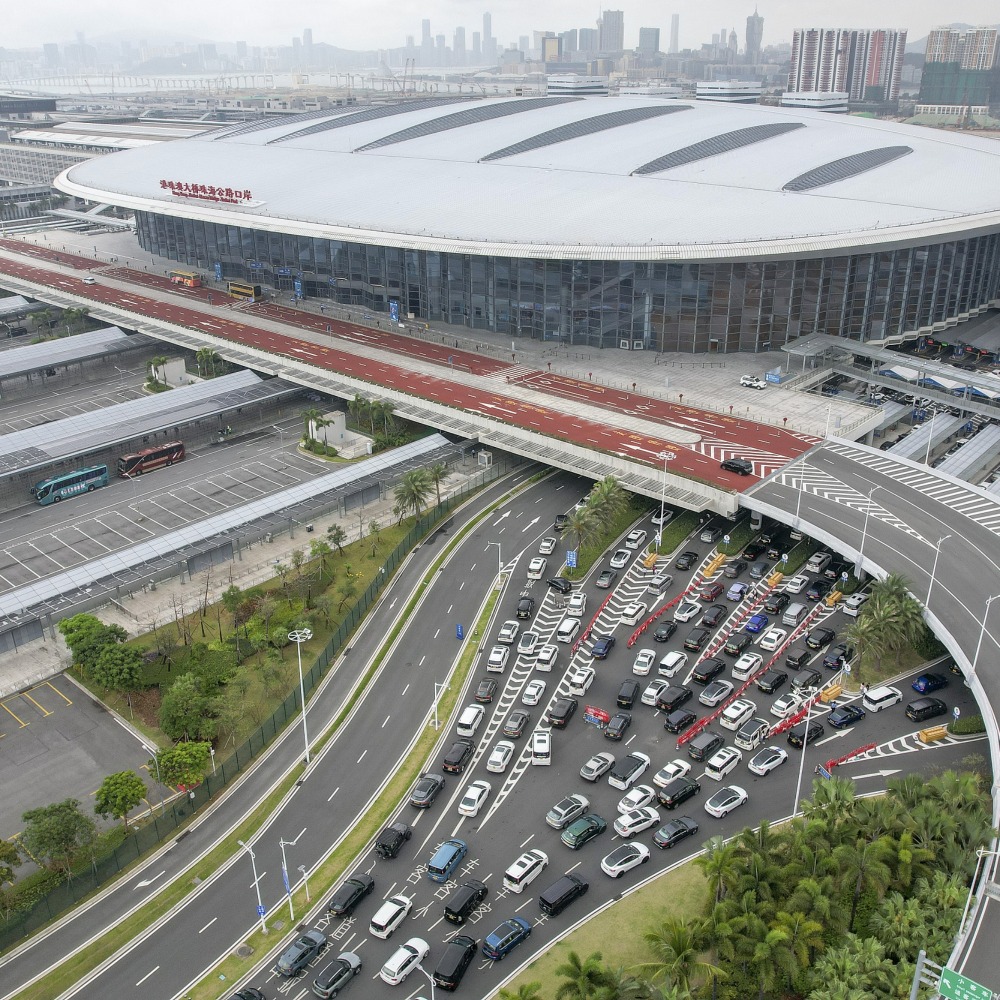
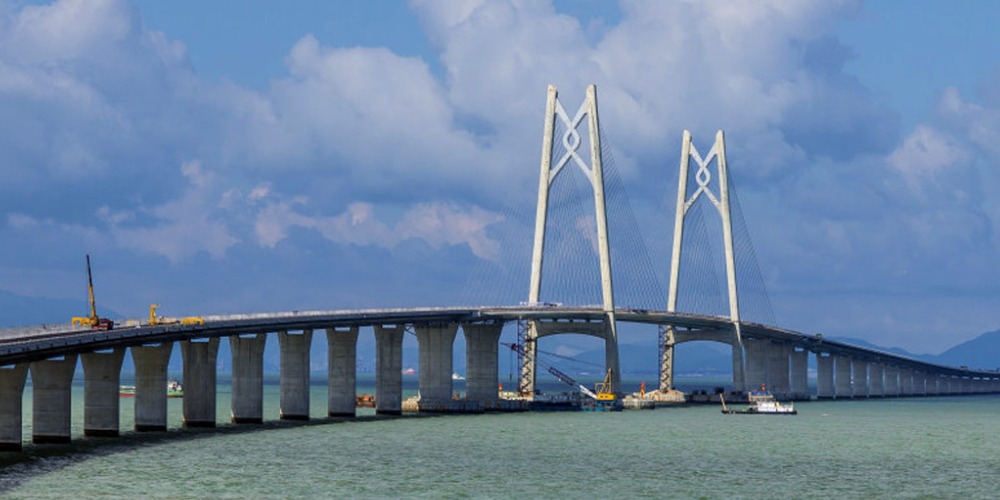
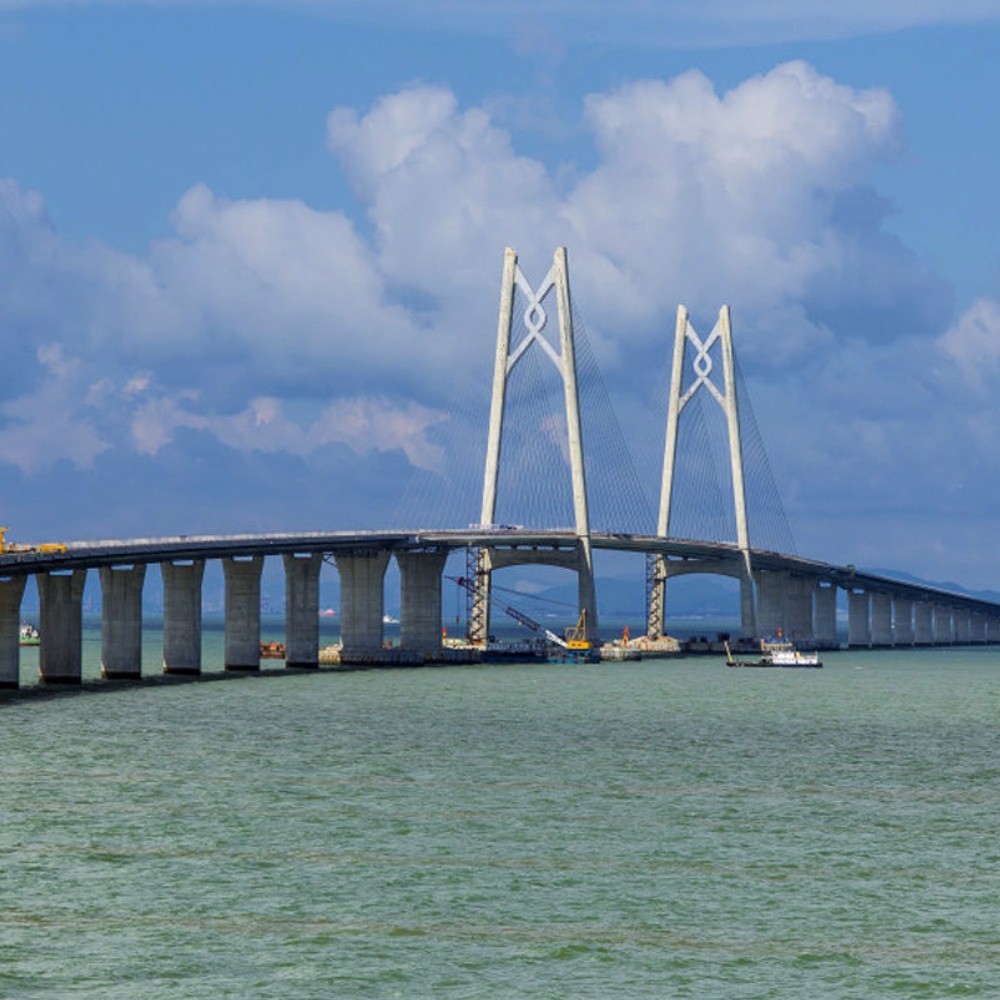
At 9 a.m. on 24 October 2018, the Hong Kong-Zhuhai-Macao Bridge (HZMB), which took 15 years to complete with a total investment of 126.9 billion RMB, officially opened to traffic.
The bridge starts in the east from the Hong Kong Port artificial island near the Hong Kong International Airport, crosses the Lingdingyang waters westwards, then connects to the Zhuhai and Macao artificial island, and ends at Hongwan, Zhuhai.
The HZMB has been lauded as one of the "Seven Wonders of the Modern World", and is the longest, most expensive, and most difficult to construct sea-crossing bridge in the construction history of New China.
The bridge has a total length of approximately 55 kilometres and is the first mega cross-sea transport project jointly built by Guangdong Province, Hong Kong, and Macao under the "One Country, Two Systems" framework.
Construction of the HZMB project began on 15 December 2009. The main structure was fully connected on 7 July 2017, and it officially opened for traffic and operation at 9 a.m. on 24 October 2018.
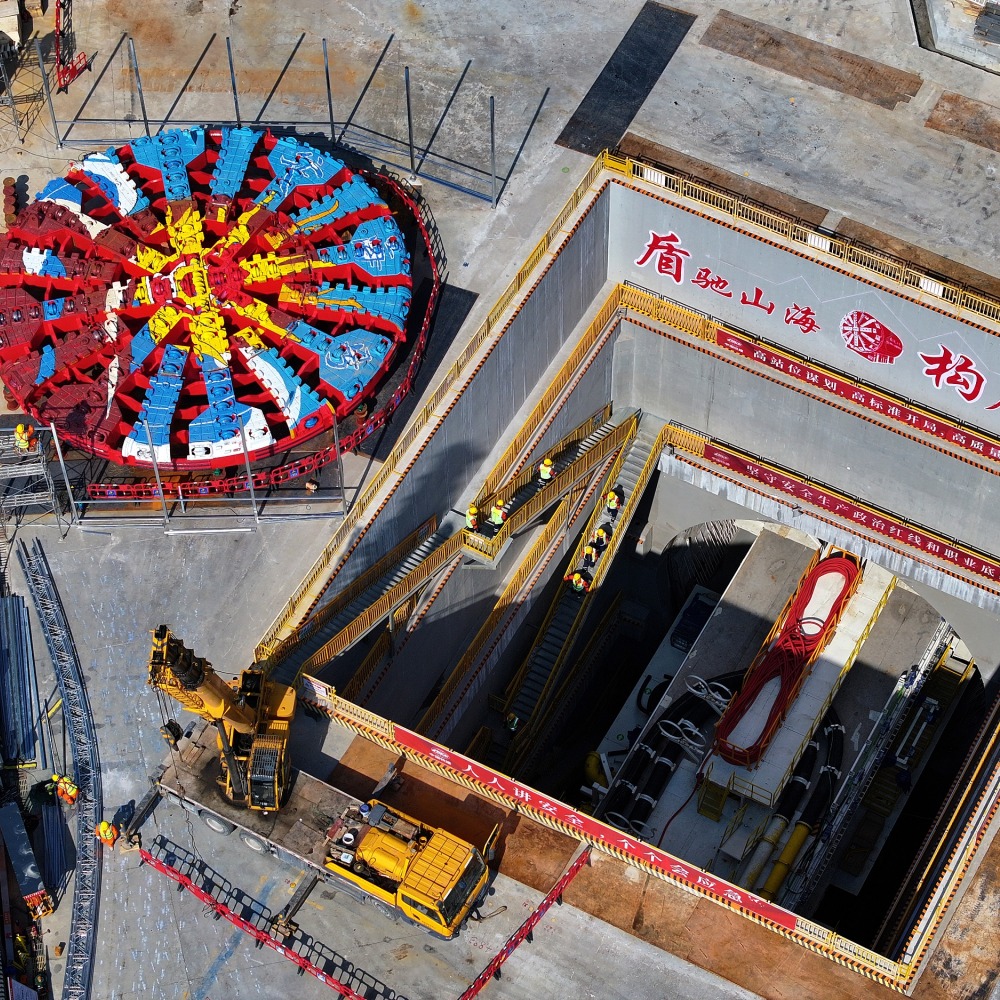
The bridge is highly innovative and forward-looking in its design concepts, construction technology, construction organisation, and management models, setting multiple world records. It also signifies that China's design, construction, and management level of tunnel-island-bridge projects is at the forefront of the world.
The Hong Kong-Zhuhai-Macao Bridge facilitates personnel exchanges and economic and trade interactions among the three places, promotes the development of the Greater Bay Area (GBA), and enhances the overall competitiveness of the Pearl River Delta region.
It is of great significance in supporting Hong Kong and Macao's integration into the country's overall development, and in comprehensively promoting mutually beneficial cooperation between the Chinese Mainland, Hong Kong, and Macao.
For citizens, they can also travel directly between Hong Kong, Zhuhai, and Macao via the HZMB through point-to-point self-driving tours or by taking different cross-boundary transport, breaking the previous limitation of mainly relying on sea travel for round trips and providing one more flexible travel option.