Published : 2025-12-18
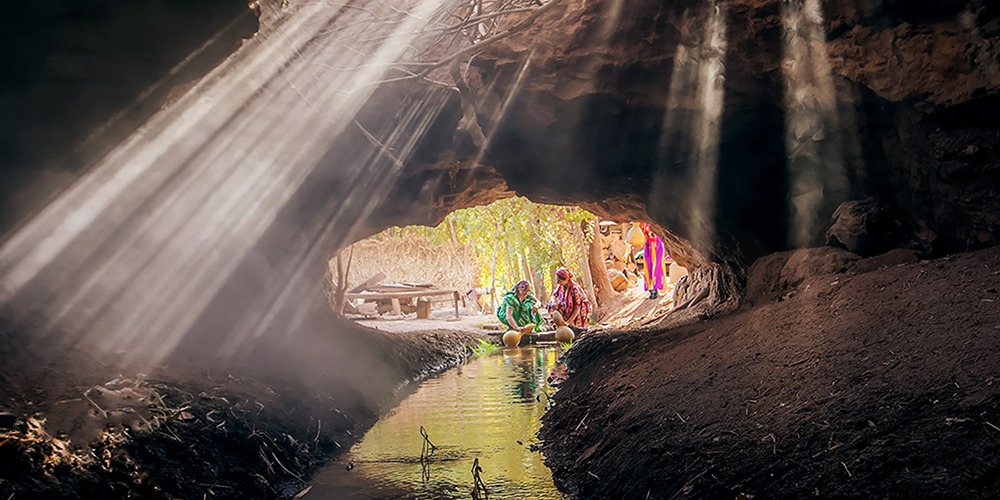
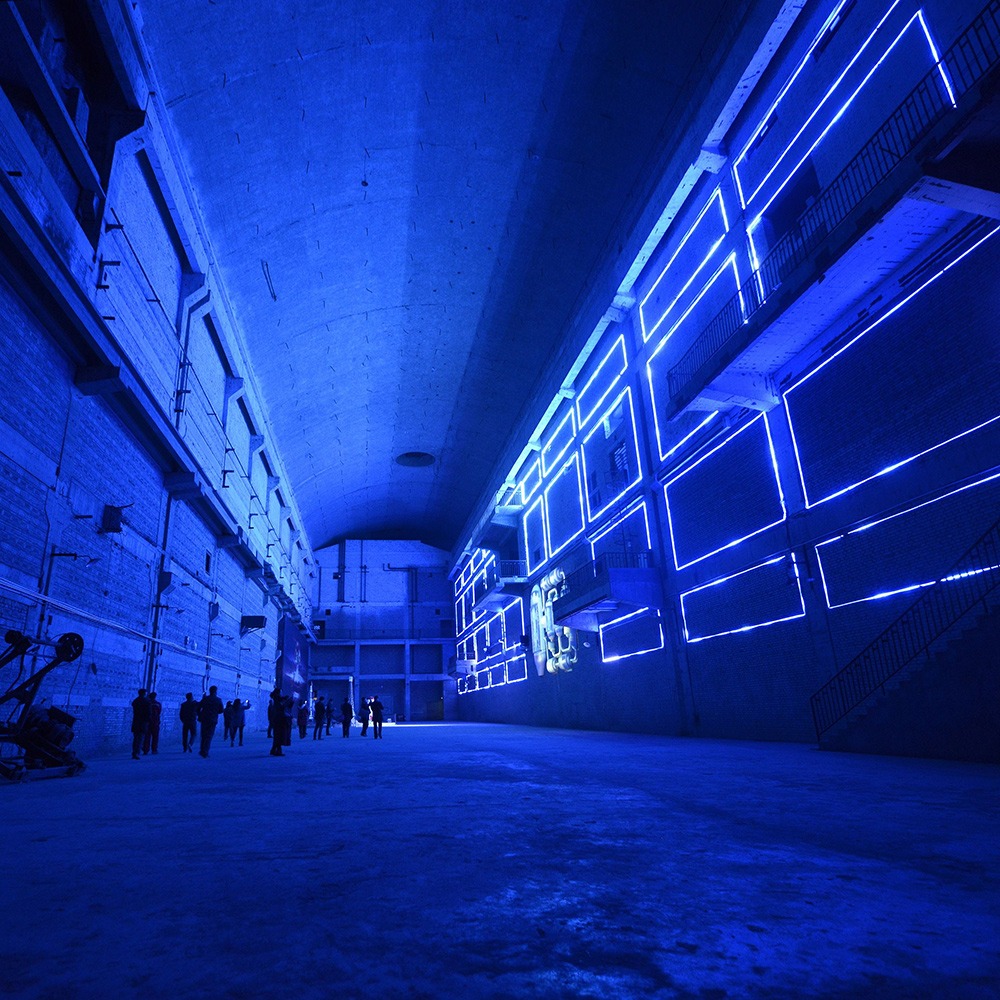
Deep beneath a small hill along the Wu River in China's Chongqing lies the world's largest underground nuclear plant—the 816 Nuclear Military Plant.
Once a top-secret project from the 1960s, it now stands as a tourist attraction. What stories lie hidden within this "underground city"?
Chongqing 816 Nuclear Plant: How many caves and chambers are there in total?
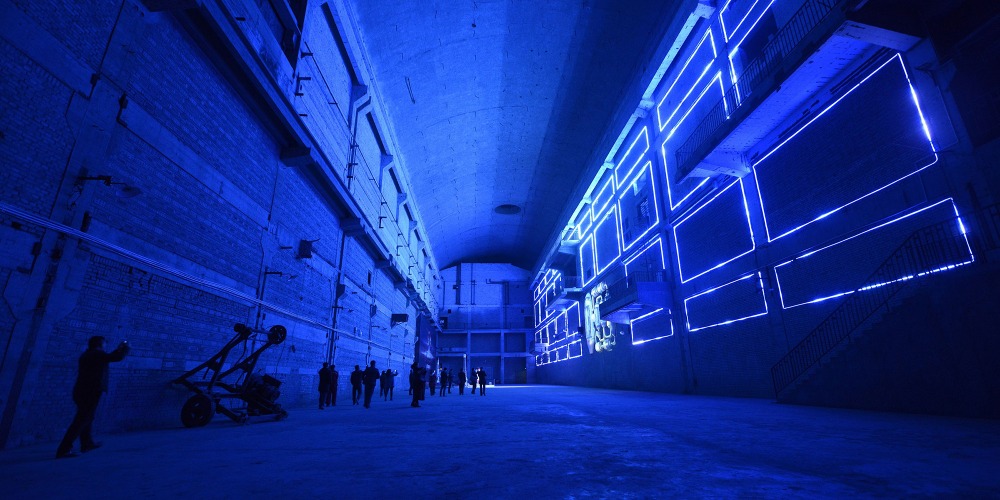
Project 816, fully named "The Underground Atomic Reactor and Chemical Reprocessing Plant of the Third Front Construction" (三線建設進洞的原子能反應堆及化學後處理工程), is located deep in the mountains of Fuling District, Chongqing City.
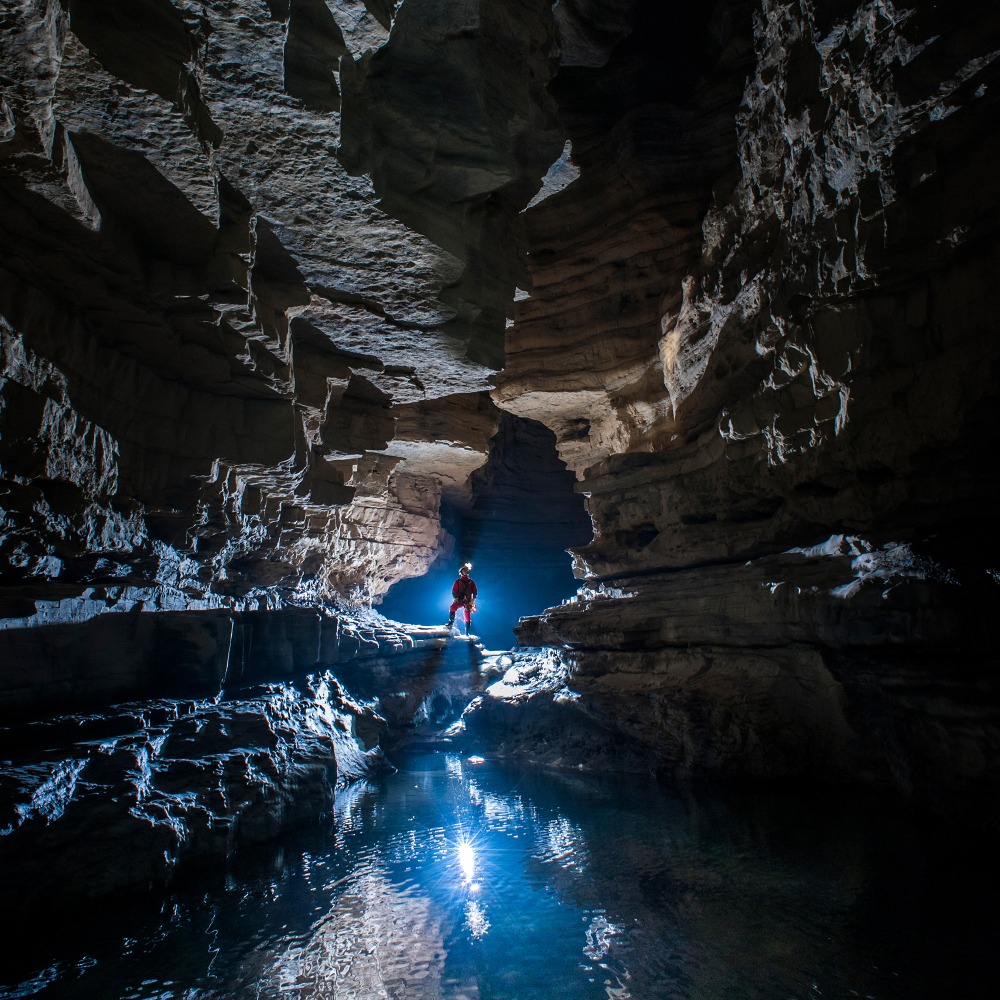
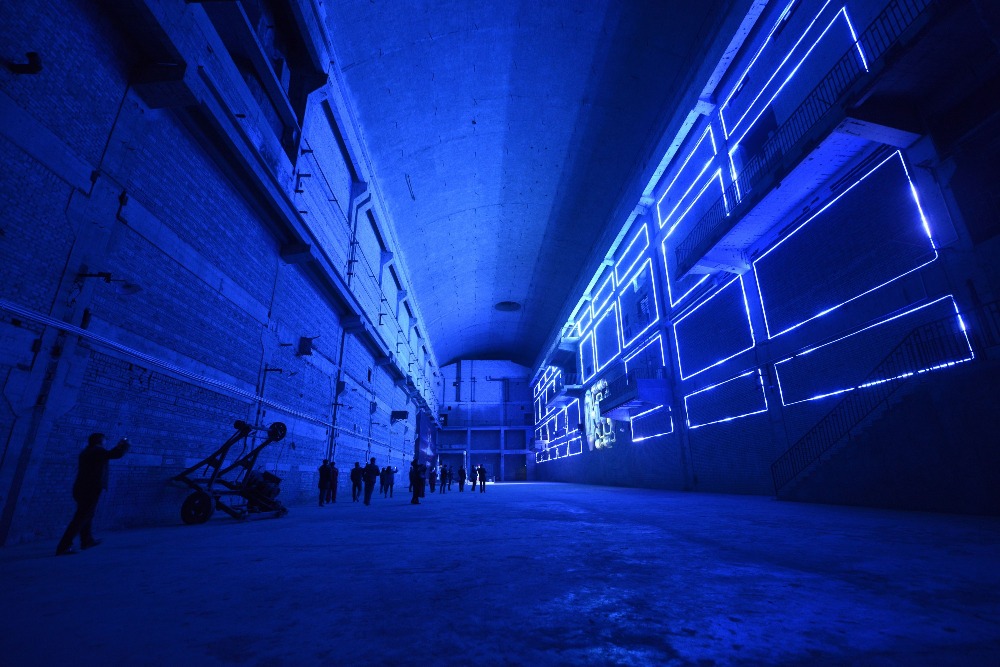
Its total area reaches 104,000 square metres, roughly equivalent to the size of 15 football pitches, and it is the world's largest man-made cave complex.
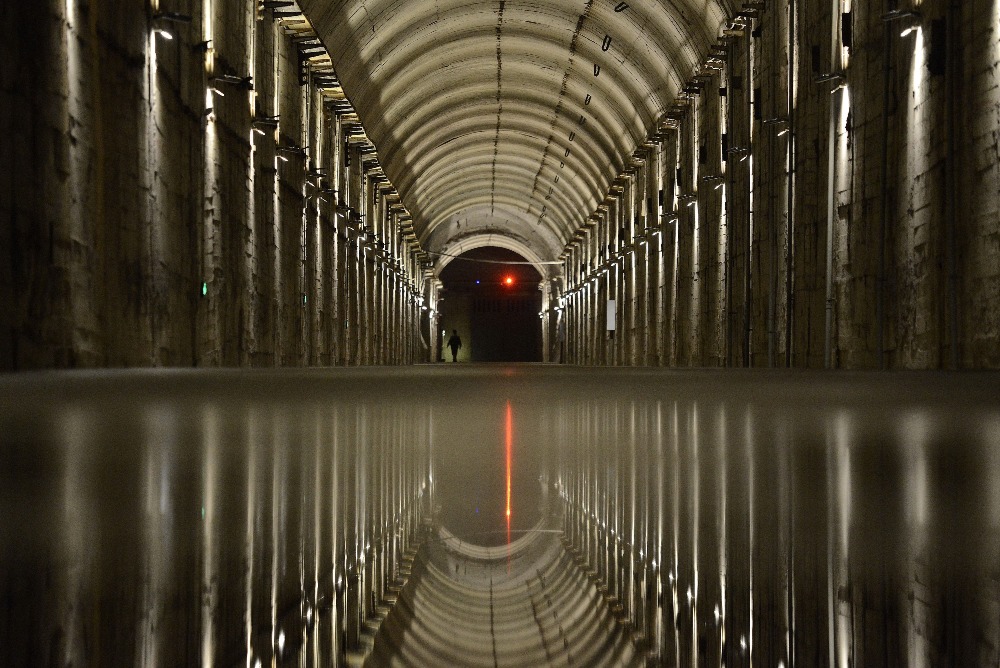
This underground nuclear plant has a total of 18 large chambers, and over 130 roads, guide tunnels, branch tunnels, tunnels, and vertical shafts, resembling a giant underground labyrinth.
Its engineering design, described as "buildings within caves, caves within buildings, and rivers within caves", won a collective award at the National Science Conference in 1978.
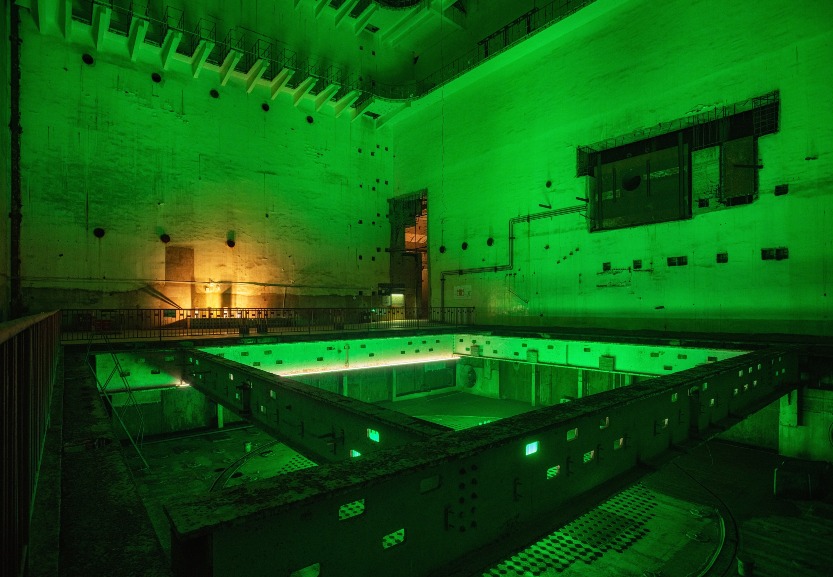
The protective layer covering the top of the entire plant is up to 200 metres thick, with the thickness over the core sections being more than 150 metres, which allows it to withstand the impact of a one-million-tonne hydrogen bomb airburst and a direct hit from a 1,000-pound bomb, as well as resist a magnitude-8 earthquake.
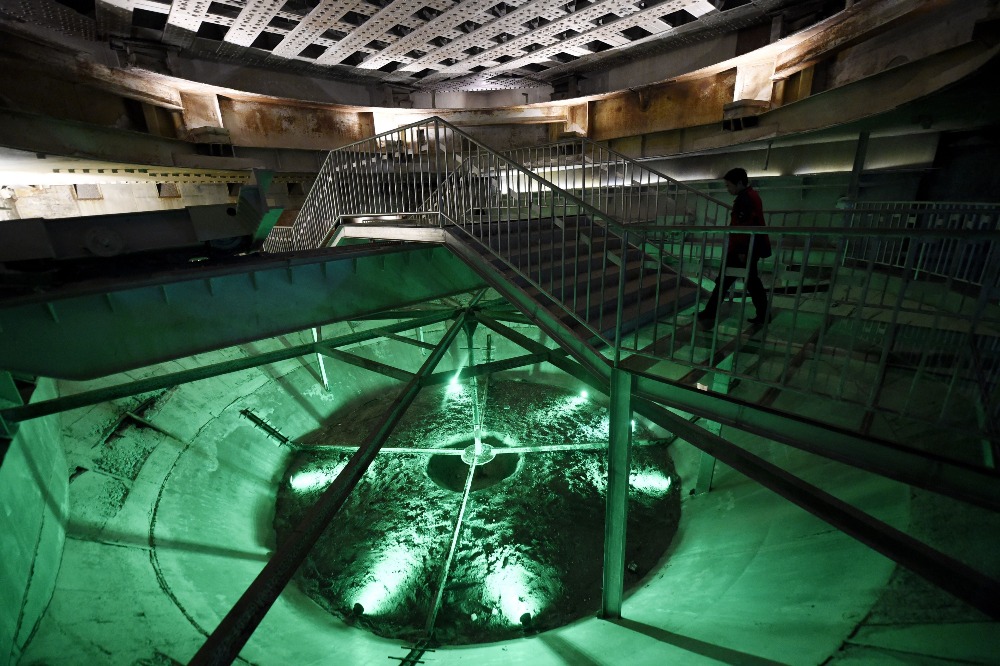
Since the plant was never put into operation and never stored any nuclear materials, there is no need to worry about radiation issues.
It was built in the 1960s and was China's second nuclear raw material industrial base at the time, primarily to provide raw materials for manufacturing atomic bombs.
The largest underground nuclear plant: Construction halted for peace
In the early days after the founding of the People's Republic of China (PRC) in 1949, why was such a vast sum of money spent on building a nuclear plant like this? This has to do with the historical context of the time.
After the Second World War, whilst the nuclear-armed superpowers of the U.S. and the former Soviet Union struggled for hegemony, the Vietnam War erupted. With tensions simmering on the Indian border and relations with the Soviets souring, China was, in effect, under attack from front and rear.
Out of security concerns, the national leaders of China at the time decided to establish a strategic rear, which is the famous "Third Front Construction".
The coastal areas were the first line; the central regions were the second line; and the third line referred to the vast region east of the Wushaoling Mountains (烏鞘嶺) in Gansu Provine, west of the Beijing-Guangzhou Railway, south of Yanmen Pass (雁門關) in Shanxi Province, and north of Shaoguan (韶關) in Guangdong Province.
In the strategic rear area, a nuclear industrial base with greater concealment and security became an urgent necessity for China's military defence at the time, and so the "top secret" military Project 816 came into being.
However, the international situation was changing rapidly.
In 1984, peace and development became the global mainstream, and construction on the 816 Nuclear Military Plant, which was not yet completed, was officially halted.
Thanks to the 17-year efforts of tens of thousands of workers, 85% of the cavern's construction work and 60% of the installation work had been completed by then.
Declassified in 2002: Nuclear plant turned into tourist attraction
In 2002, China approved the declassification of Project 816, and this top-secret factory, abandoned for many years, was revealed to the world for the first time.
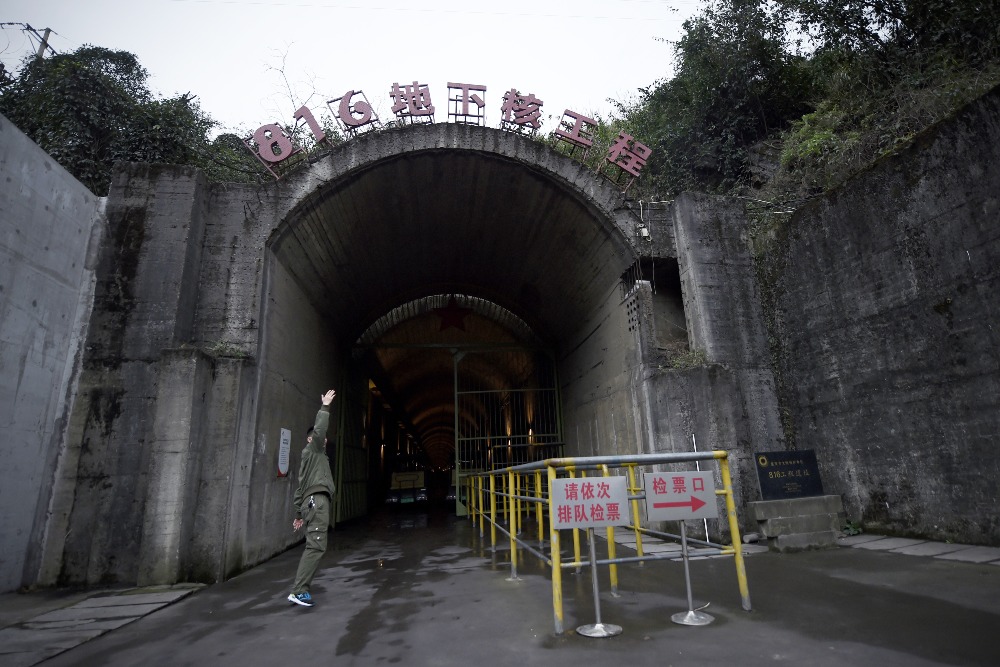
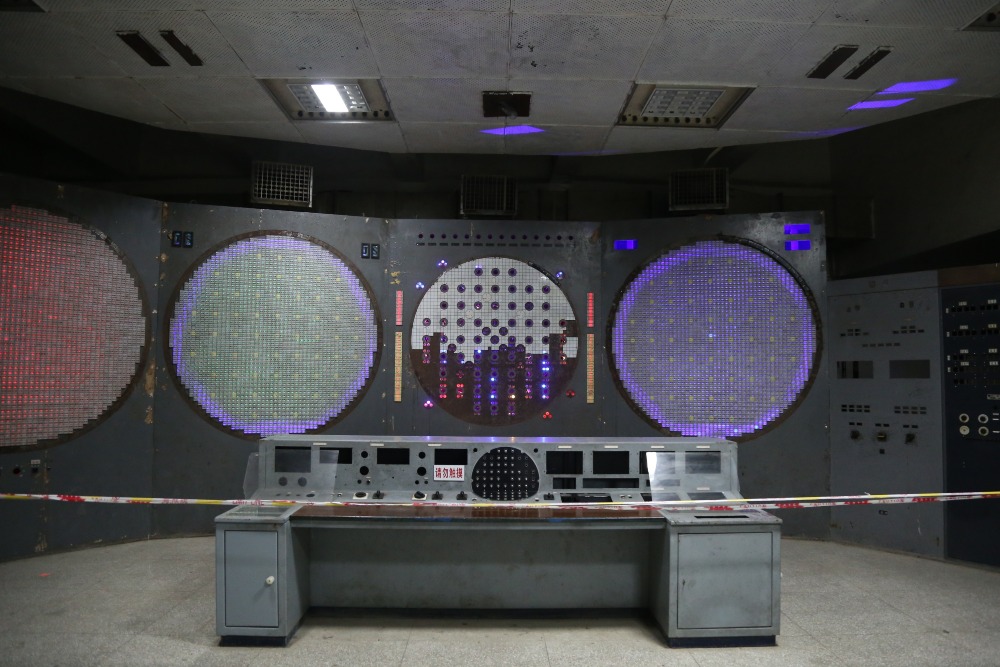
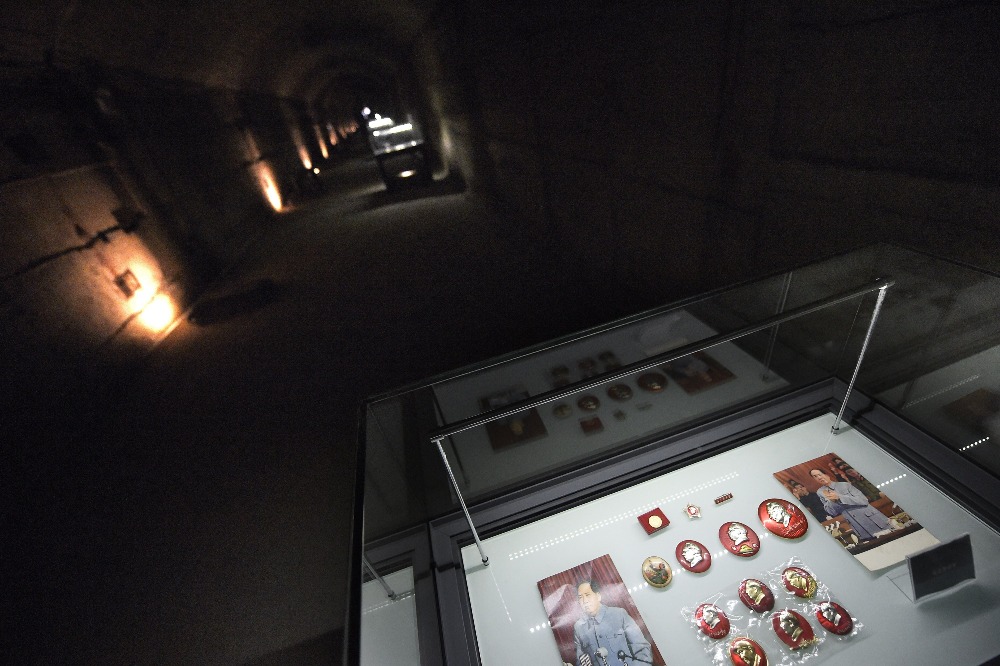
In 2010, parts of the cavern complex were opened to the public as a tourist attraction. It simulates and restores some functions of the nuclear project, allowing visitors to relive that special period of history. On its opening day, it attracted more than 6,000 tourists.
Read more: The world's deepest underground laboratory hides the secrets of the universe?