Published : 2026-07-16
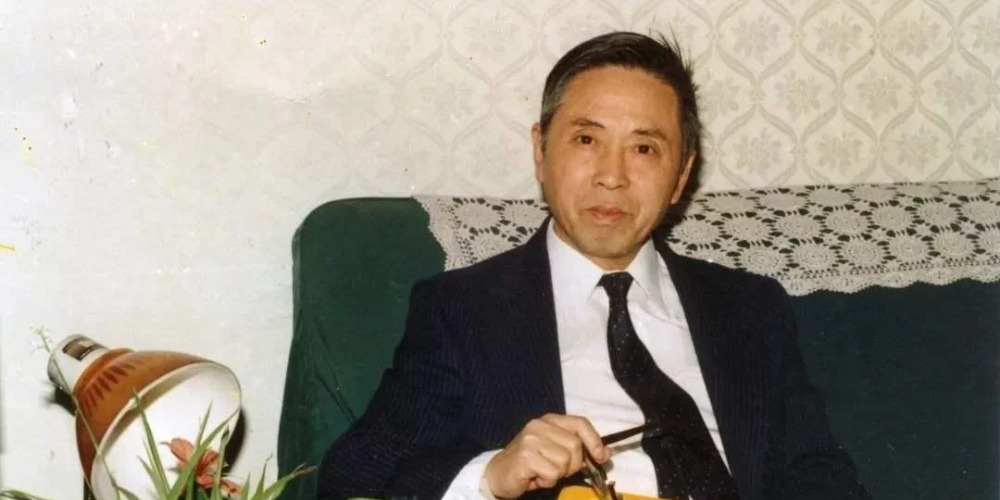
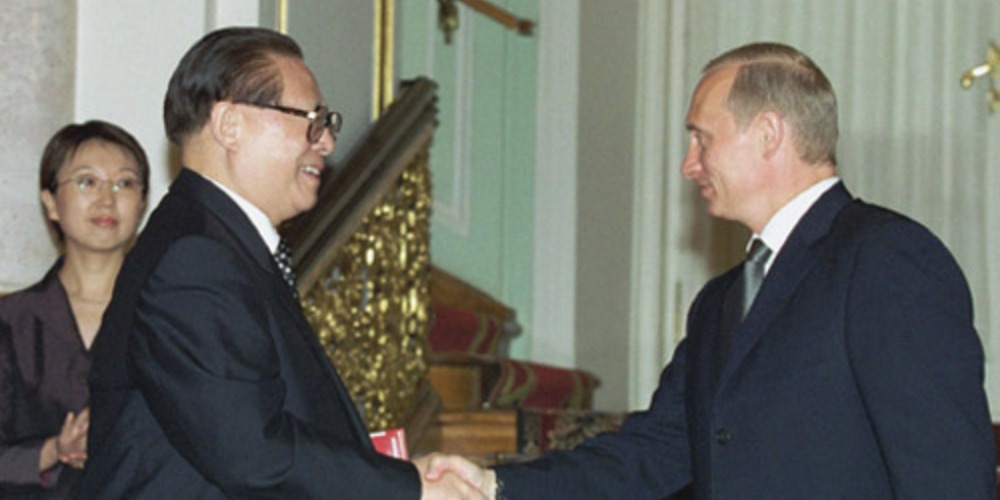
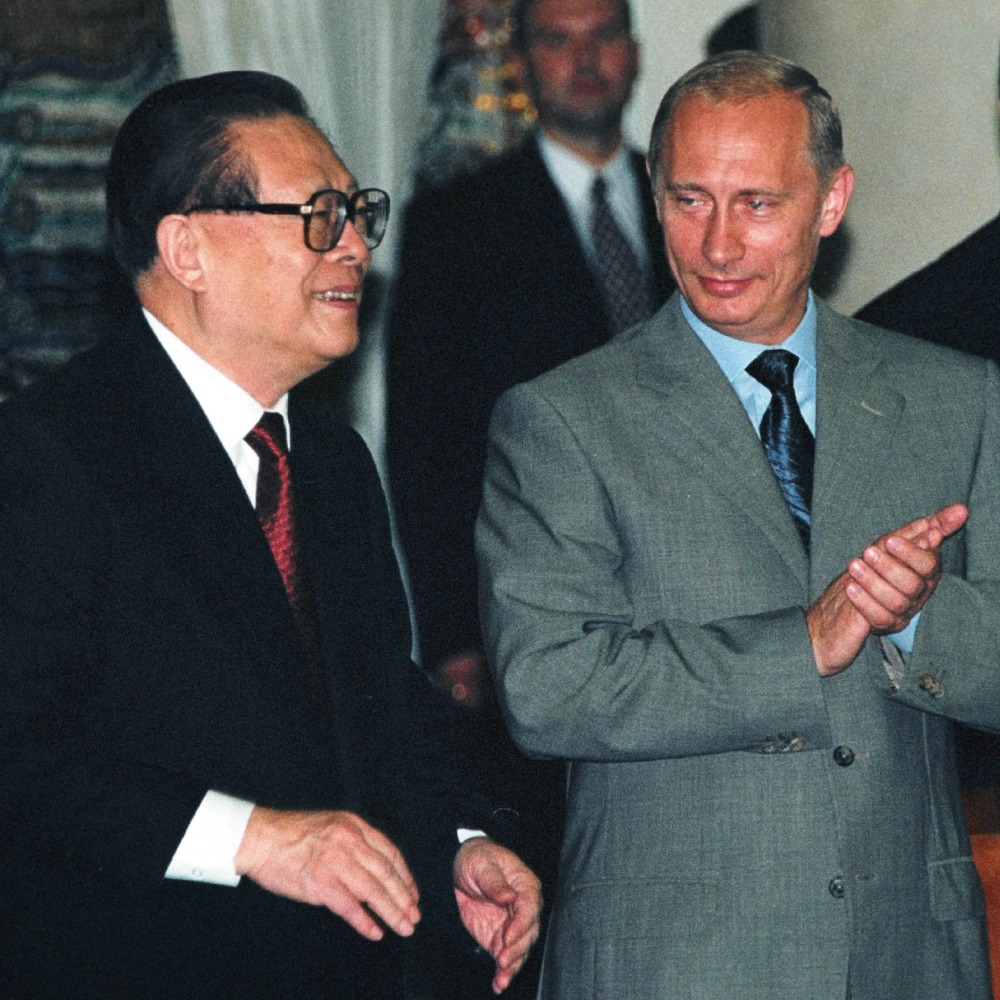
On 16 July, 2001, then Chinese President Jiang Zemin (江澤民) and Russian President Putin signed the Treaty of Good-Neighborliness and Friendly Cooperation Between the People's Republic of China and the Russian Federation ("the Treaty") in Moscow.
China and Russia firmly believe that consolidating friendly, good-neighbourly, and mutually beneficial cooperation in various fields between the two countries is in the fundamental interest of the peoples of both nations and is conducive to maintaining peace and stability in Asia and the world.
The signing of the Treaty is an important milestone in the history of relations between the two countries, marking the official entry of both parties' relations into a new stage.
Built on the summarised historical experiences, the treaty outlines the main principles, spirit, and achievements of China-Russia relations, legally establishing the peaceful notion of "generational friendship, never becoming enemies" between the peoples of the two countries.
The treaty confirms that the friendly relations between the two countries are built on new types of state relations, which do not align, confront, or target third countries.
According to the Treaty, the contracting parties will long-term comprehensively develop a strategic cooperative partnership of good neighbourliness, friendship, cooperation, and equal trust based on recognised principles and norms of international law, mutual respect for sovereignty and territorial integrity, non-aggression, non-interference in internal affairs, equality and mutual benefit, and peaceful coexistence.
Simultaneously, China and Russia will not use force or threaten to use force, nor will they take economic or other pressure measures against each other.
Any differences between the parties will only be resolved peacefully in accordance with the provisions of the UN Charter and other recognised principles and norms of international law.
Moreover, the two countries will respect each other's chosen political, economic, social, and cultural development paths according to their national conditions, ensuring the long-term stable development of bilateral relations.
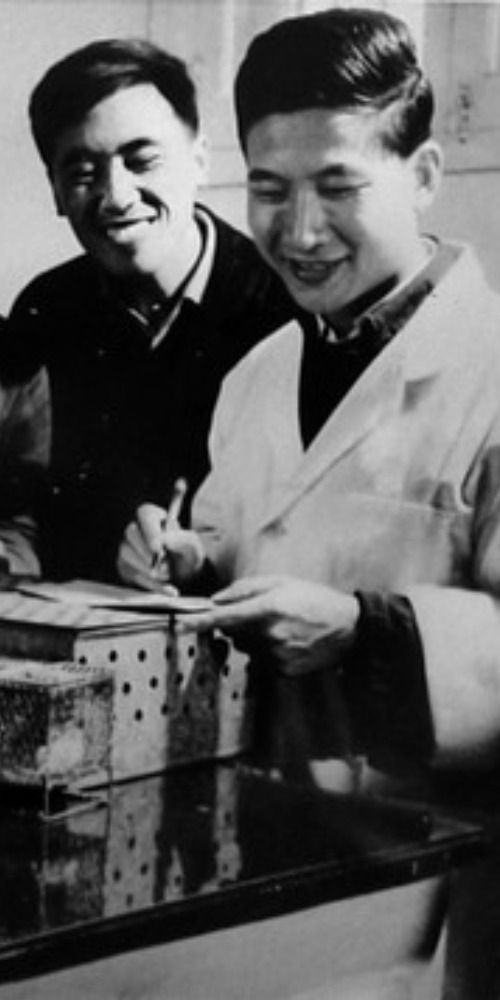
Looking back, relations between China and Russia have experienced ups and downs. After multiple rounds of negotiations, China and the Soviet Union signed the Sino-Soviet Agreement on New Defense Technologies (the "Agreement") on 15 October, 1957.
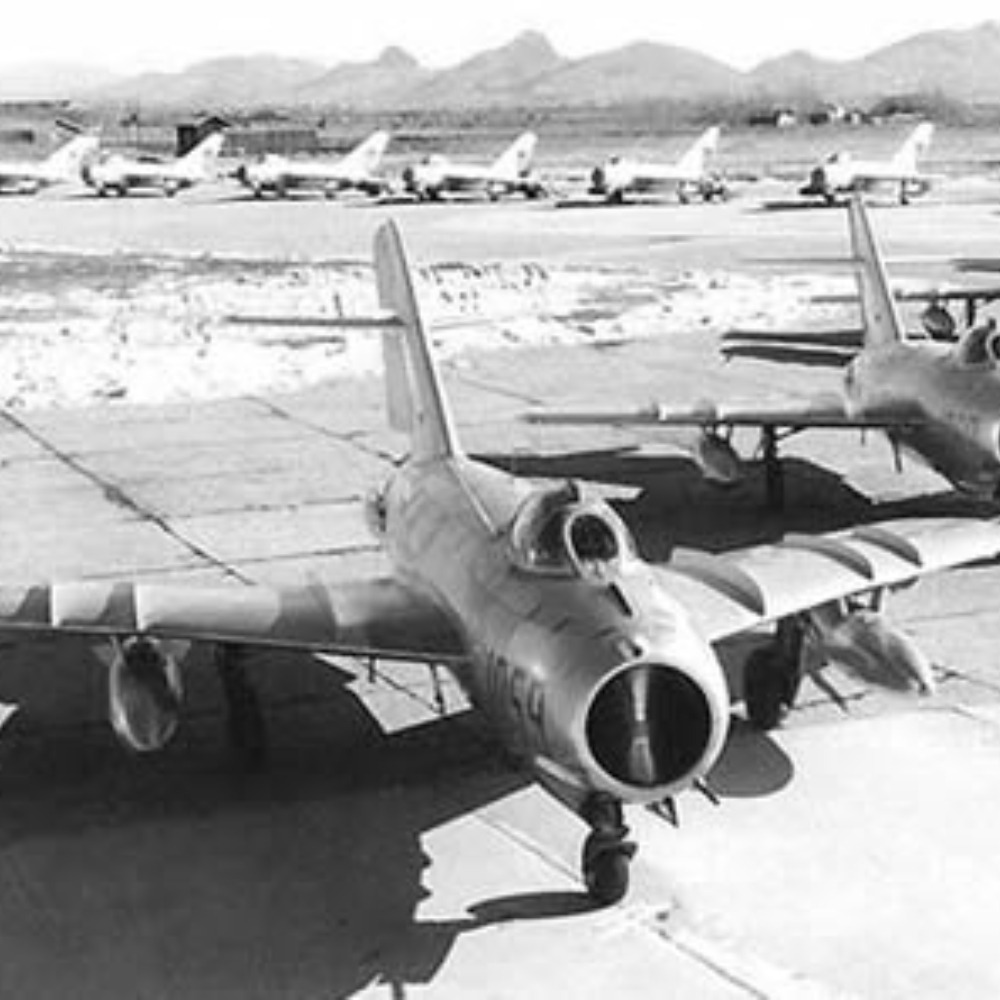
At that time, the Soviet Union agreed to assist China in developing its own atomic bomb, providing manufacturing technologies for certain advanced weapons, including atomic bombs and missiles, and sending relevant experts to China to help with the research and development work.
However, the Agreement lasted less than two years. In June 1959, the Soviet Union unilaterally terminated its implementation.
On 16 July, 1960, the Soviet government officially notified the Chinese Ministry of Foreign Affairs of its decision to recall all Soviet experts working in China. Subsequently, within just over a month, all 1,390 Soviet experts were withdrawn.
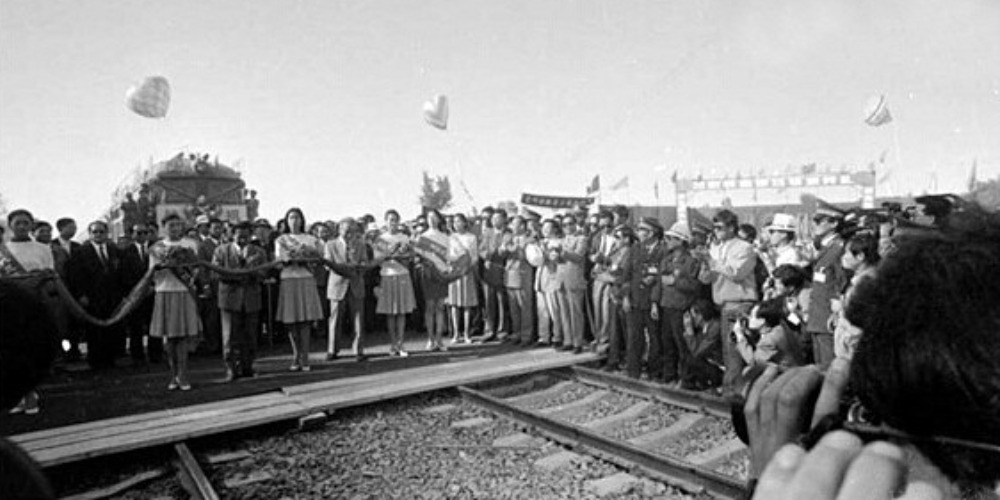
It was not until 41 years later, on the very same date—16 July, 2001—that China and Russia, setting aside past grievances, signed the Sino-Russian Treaty of Good-Neighborliness and Friendly Cooperation, once again opening the door to friendly cooperation between the two countries.