Published : 2026-03-29
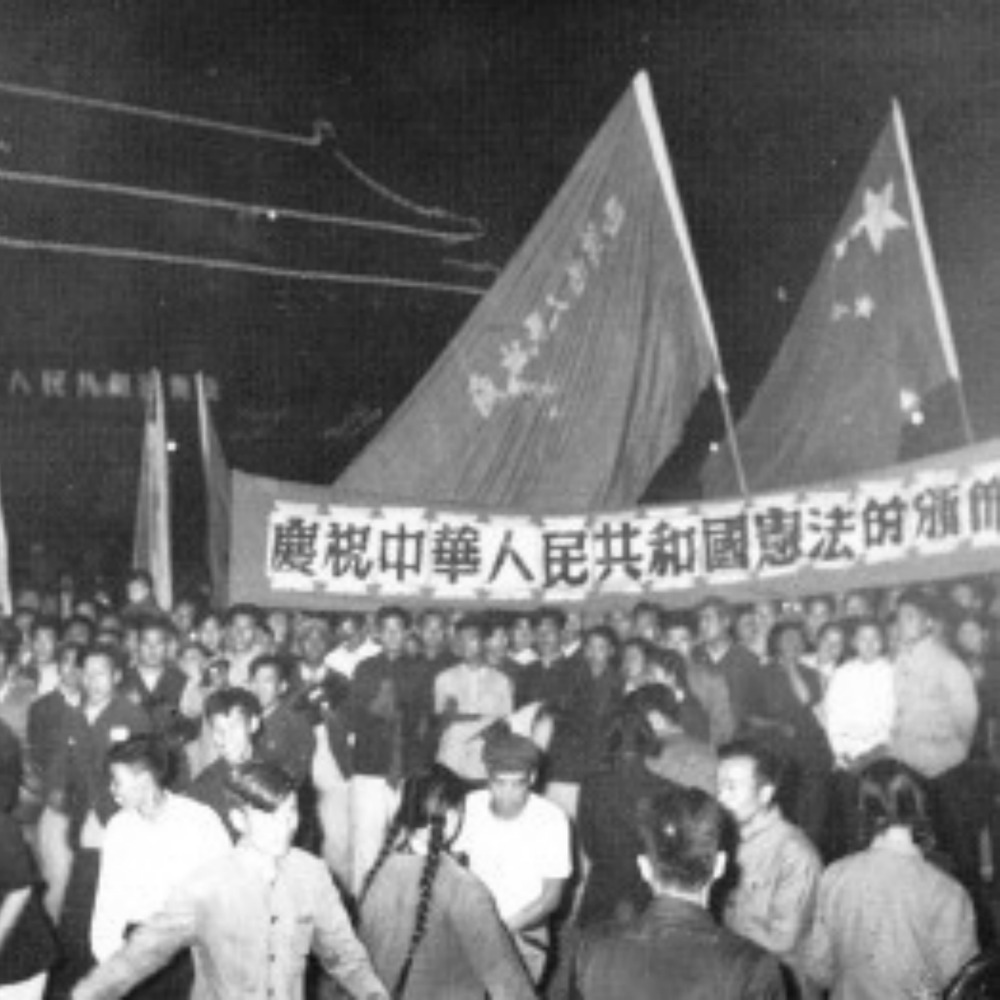
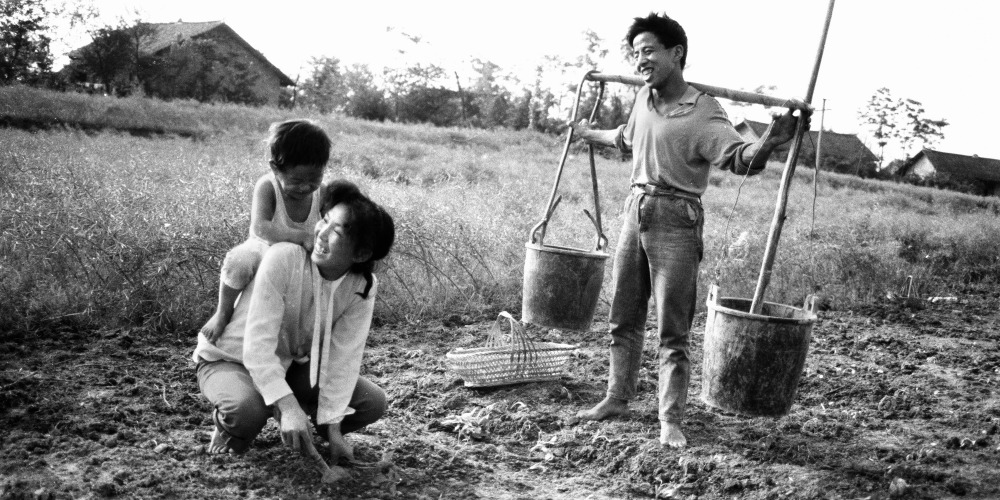
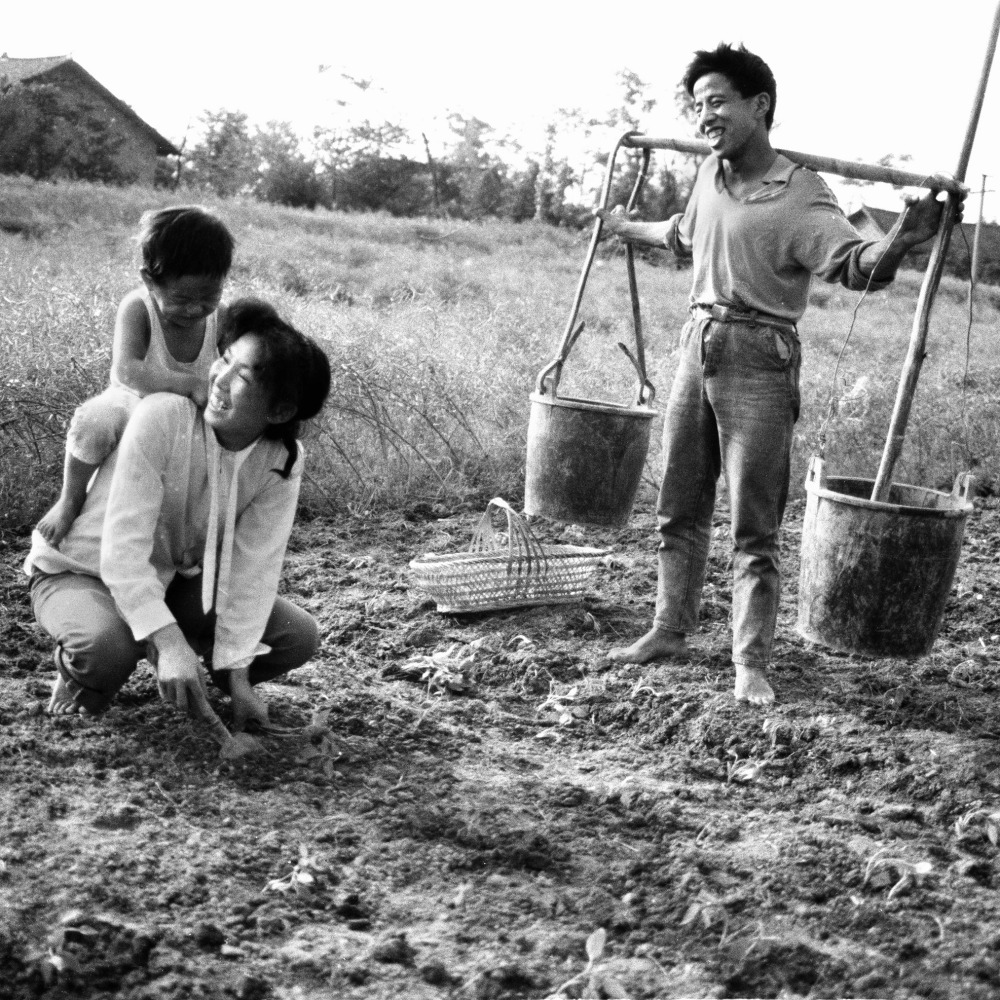
On 29 March, 1993, the household contract responsibility system with income linked to output, commonly known as "the all-round contract" or "Da Bao Gan"(大包乾), was formally written into China's Constitution.
In 1978, Anhui Province was hit by a severe drought. In order to save themselves, the farmers of Xiaogang Village in the Fengyang County abandoned the original collective model, created and secretly implemented the "household contract responsibility system", where each household unit "ensured the state's quota, saved enough for the collective, and kept the remainder for themselves".
This method was simple and effective, and it was well-received. Local governments in Sichuan, Gansu, Yunnan, Guangdong, and other provinces gradually relaxed their policies.
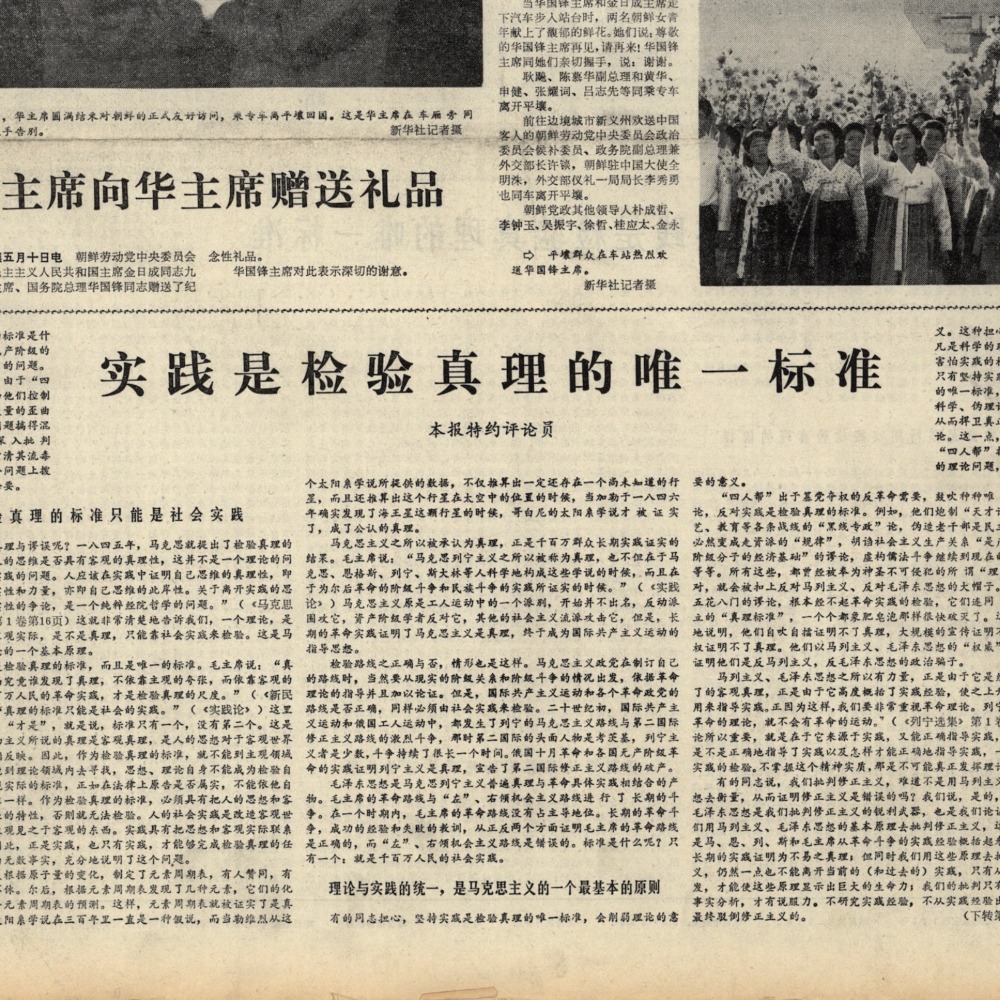
In May 1980, Deng Xiaoping (鄧小平) also endorsed the household contract responsibility system.
Two years later, the Central Committee of the Communist Party of China (CPC) issued Document No. 1, clearly stating that the "household contract responsibility system" and other responsibility systems were part of the socialist collective economic responsibility system.
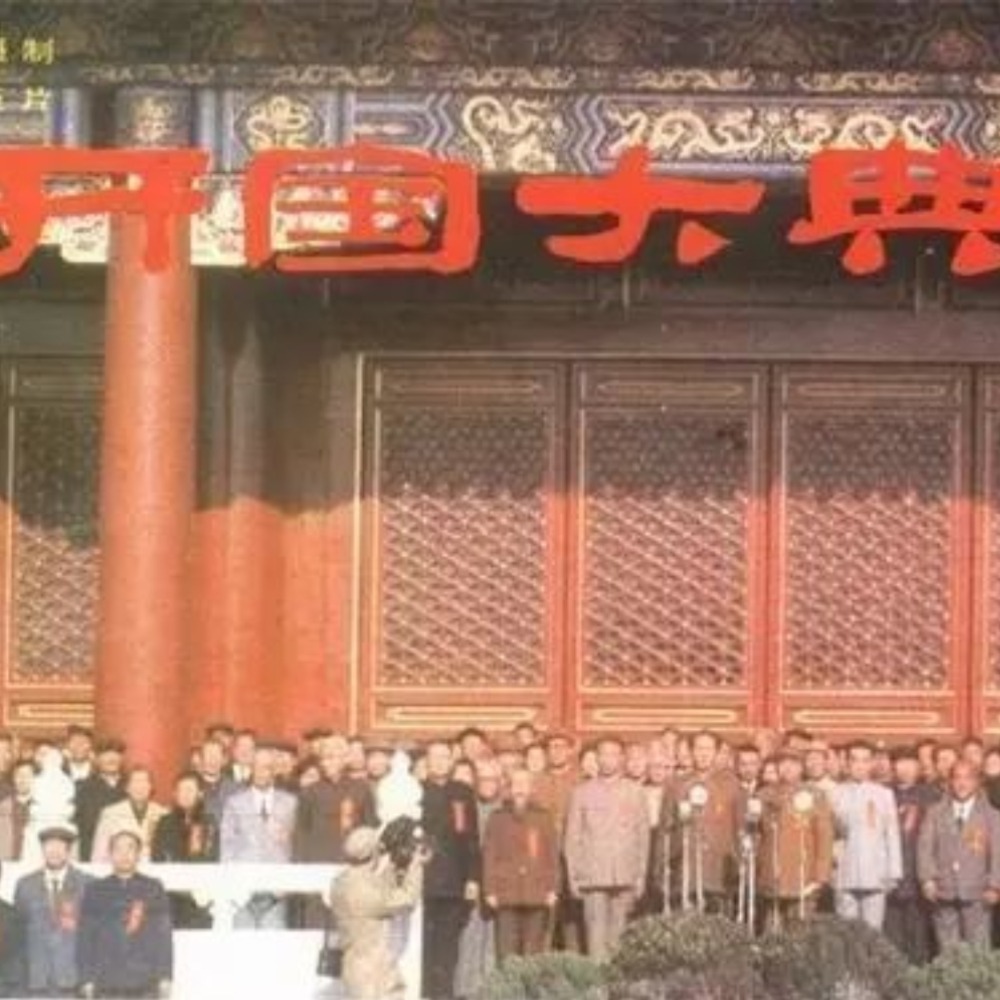
By 1993, the first session of the 8th National People's Congress NPC) was held from 15 to 31 March, during which the "Amendment to the Constitution of the People's Republic of China" was passed by vote, incorporating the "household contract responsibility system" into the Constitution of the People's Republic of China.