Published : 2026-06-25
As the 2026 FIFA World Cup heats up, two Chinese cities have already "lifted the trophy" away from the pitch.
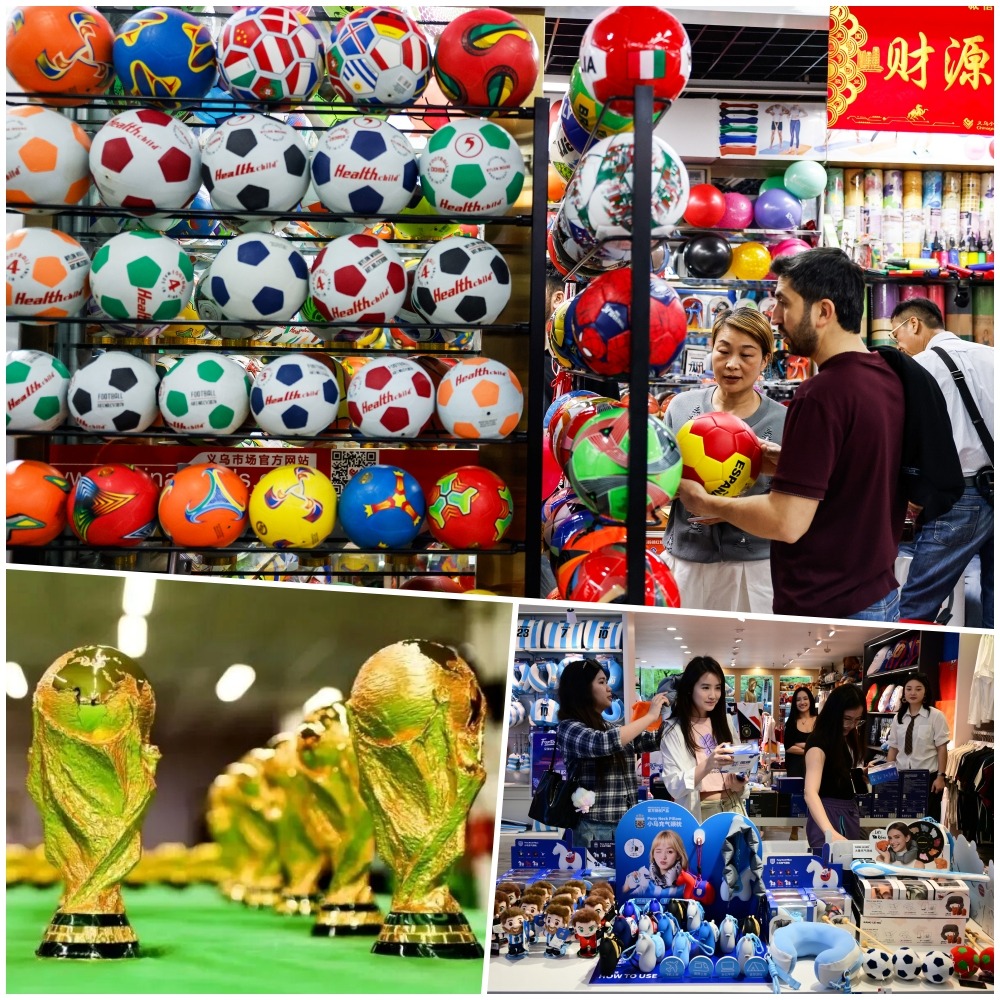
Yiwu has snapped up nearly 70% of the global market for tournament merchandise, while Dongguan holds the exclusive, top-tier global licence for the iconic FIFA World Cup Trophy. In this invisible industrial race, how exactly did they secure their win?
2026 FIFA World Cup|Yiwu: From "selling products" to "selling designs"
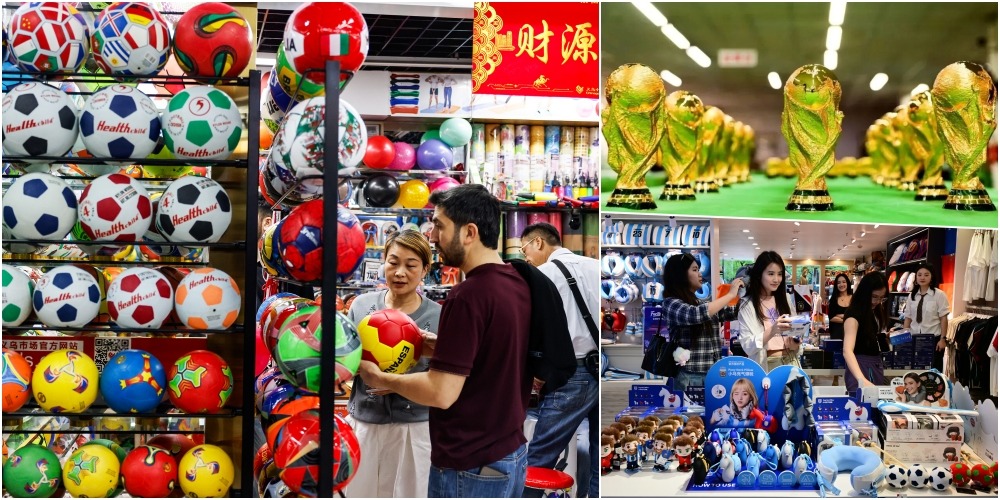
From the sea of flags waving in the stands to the wigs and shirts worn by fans—not to mention the mountains of supporters' gear stocking the shops—all manner of goods from east China's Yiwu (義烏), the "world's supermarket", have undoubtedly become the ultimate "atmosphere makers" both inside and outside the stadiums.
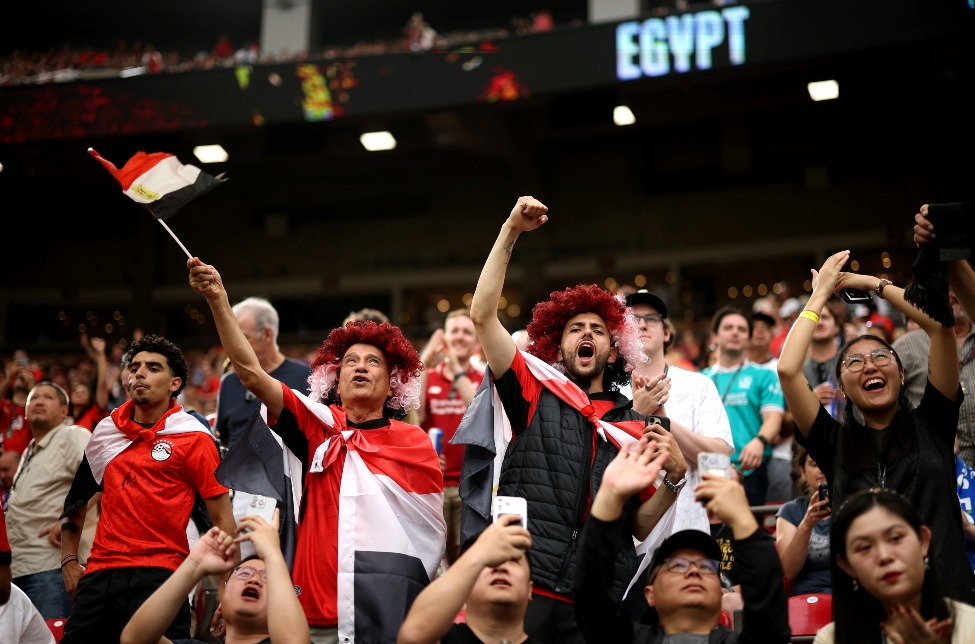
Yiwu's ability to anchor this "invisible home turf" no longer relies merely on low costs, but on two new trump cards.
The first ace up their sleeve is the pivot from "selling products" to "selling design".
In recent years, an increasing number of Yiwu merchants have placed greater emphasis on intellectual property (IP).
On one hand, they have secured official licensing from FIFA and various national teams; on the other, they are developing their own original patents, moving up the value chain into the creative sector where they hold the upper hand.
As of January 2026, Yiwu boasts 230,000 valid domestic registered trademarks, with international trademarks also surpassing 2,500, reflecting a maturing brand landscape.
Some merchants have registered over 40 overseas design patents specifically for the World Cup, driving a 20% price premium on their products. Others have secured official IP licensing for eight footballing heavyweights—including Argentina, Portugal, Spain, and France—turning "official merchandise" into their core competitive advantage.
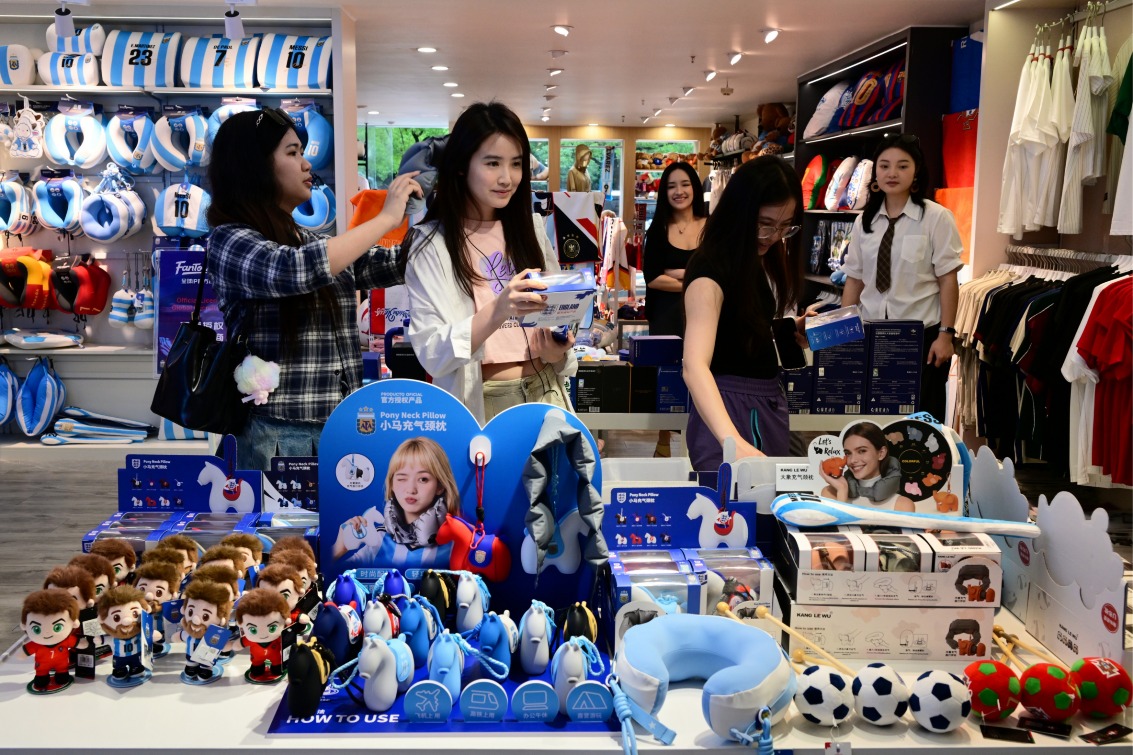
The second trump card comes from the reshaping of the manufacturing process by AI.
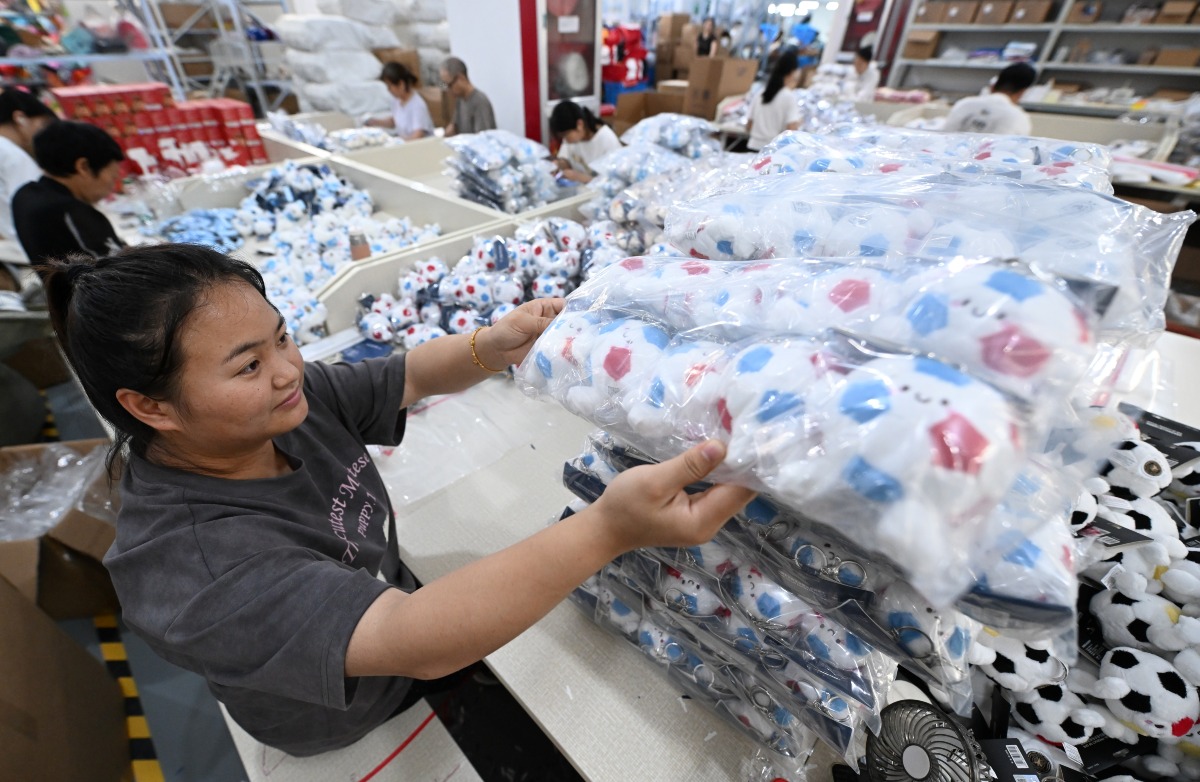
With the help of AI, Yiwu's research and development efficiency has greatly improved. AI quickly generates multiple design proposals and directly interfaces with digital sampling systems, reducing decision-making and trial-and-error costs, and compressing the order fulfilment process, which used to take a week, to be completed in about two days.
Best-selling items at this World Cup, such as the "screaming chicken" toys and themed wearable nail art, are all creative products of AI and manufacturing. These hit items help Yiwu merchants to more accurately capture the event's traffic and increase added value.
Upgrades in technology and business models continue to translate into impressive foreign trade results. Customs data shows that in the first quarter of 2026, Yiwu's exports of sporting goods and equipment reached 2.83 billion RMB, a year-on-year increase of 12%.
As the tournament progresses, additional orders are constantly pouring in, and Yiwu merchants are very confident about their shipping speed: "After the champion is decided in the early hours of 20 July, a new batch of products can be delivered to customers on the same day."
2026 FIFA World Cup| Dongguan: The industrial chain behind the iconic World Cup Trophy
If Yiwu wins on the creative front, then Dongguan (東莞) wins in the depth of its manufacturing system.
Wagon, a Dongguan-based giftware company, started as an OEM (original equipment manufacturer) for the World Cup back in 1994. After over 30 years of development, it has now become the "exclusive global top-tier licensed manufacturer of the FIFA World Cup Trophy".
For this edition, they have launched a 26-centimetre replica trophy ornament. This height was chosen to echo the year 2026, making it the largest product of its kind within the current global licensing framework. Crucially, their licensing partnership has been extended all the way to 2034, spanning multiple upcoming tournaments.
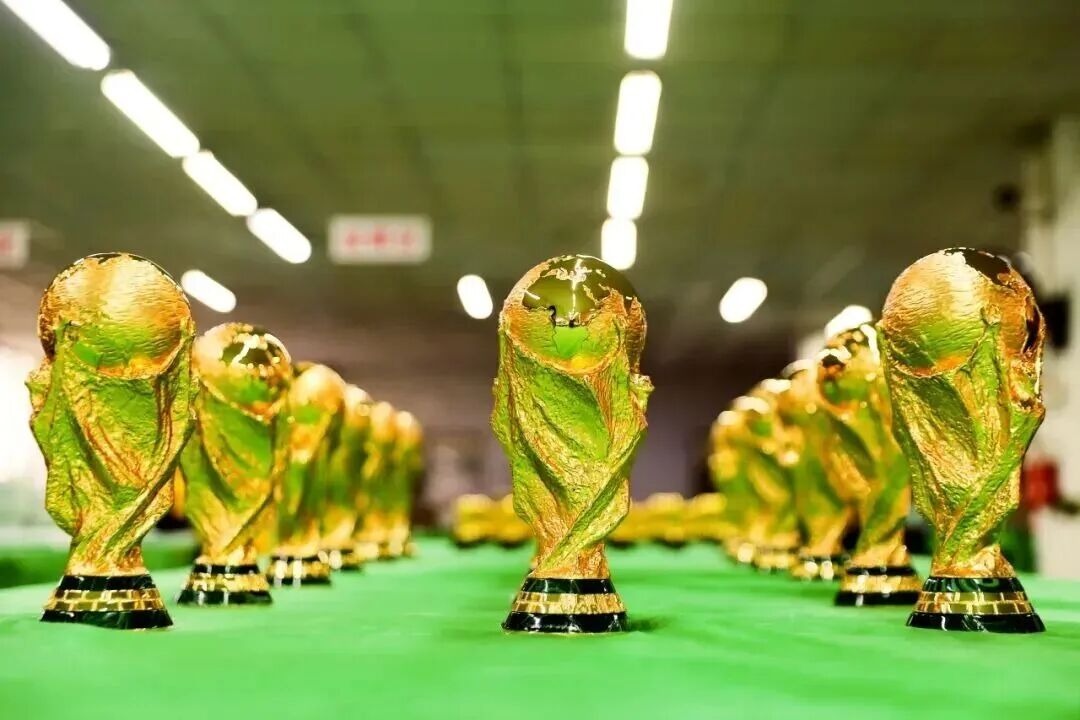
Each and every FIFA World Cup trophy is 100% made in Dongguan.
Behind this is the collaborative work of nearly ten local companies, which divide the labour to complete the entire process including copper body casting, gold plating, base processing, printing, and packaging, forming a highly mature industrial chain.
This high-density industrial cluster allows suppliers, even when faced with last-minute design changes, to quickly produce samples, adjust processes in real-time, and deliver on time.
Previously, FIFA had considered moving part of the production to Vietnam, but found that the local factories could only mass-produce simple goods. The FIFA World Cup trophy, with its extremely high "value", was ultimately entrusted to Dongguan for production, which indirectly attests to the comprehensive strength of China's manufacturing industry.
2026 FIFA Cup|Quanzhou & Hangzhou: From manufacturing to cultural export
This "invisible competition" is also extending from manufacturing to the levels of branding and culture.
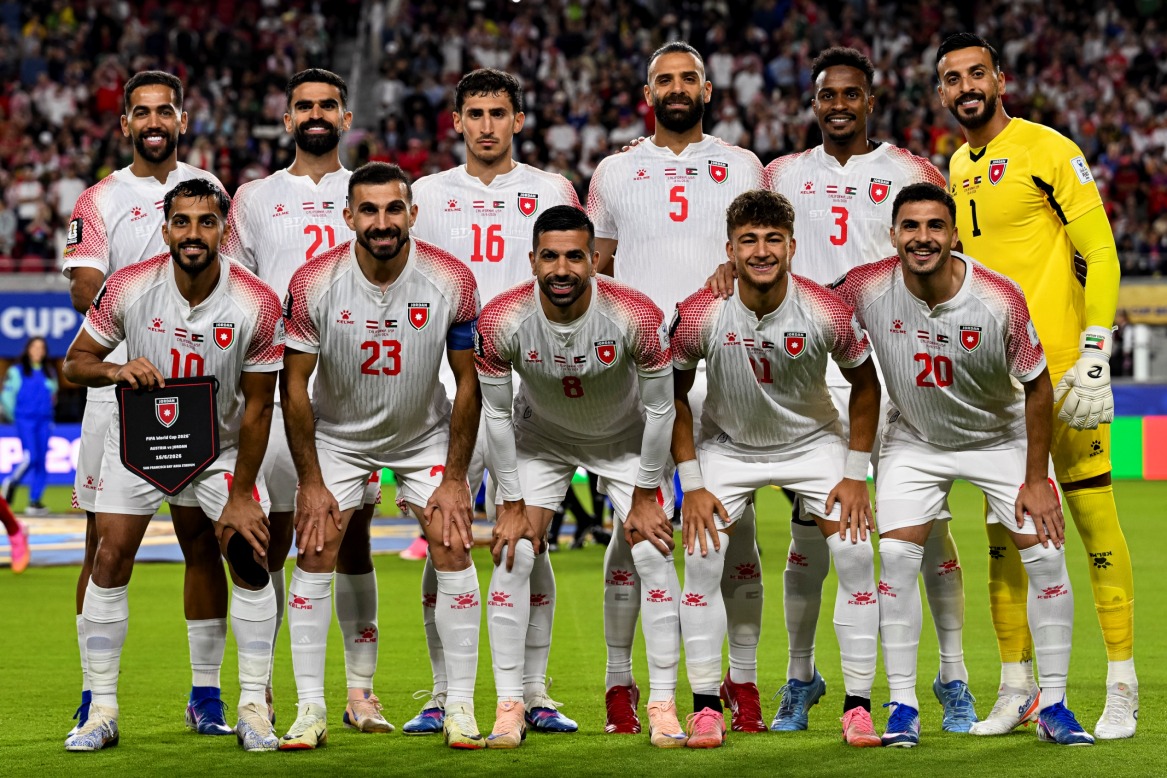
In Quanzhou (泉州), the sports brand Kelme (卡爾美) has secured orders for the team kits of national teams such as Jordan. Using its self-developed functional fabrics to create lightweight football shirts, it has successfully broken through in a market monopolised by international giants.
As the master licensee for the Greater China region for the 2026 World Cup, Hangzhou-based Kayford (孚德) has launched over a thousand new products. Among them, the "Intangible Cultural Heritage Limited Edition" series marks the first time that traditional Chinese handicrafts have been incorporated into official World Cup products on a large scale.
From Yiwu's creative supply chain and Dongguan's high-end manufacturing, to Quanzhou and Hangzhou breaking through in branding and culture—these cities are using their own unique "styles of play" to rewrite China's "track record" at the World Cup.