Published : 2026-06-02
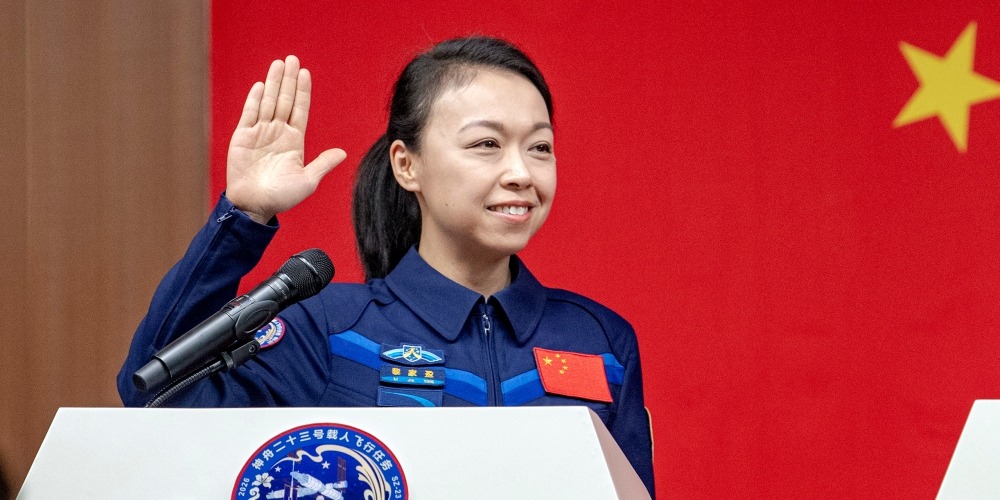
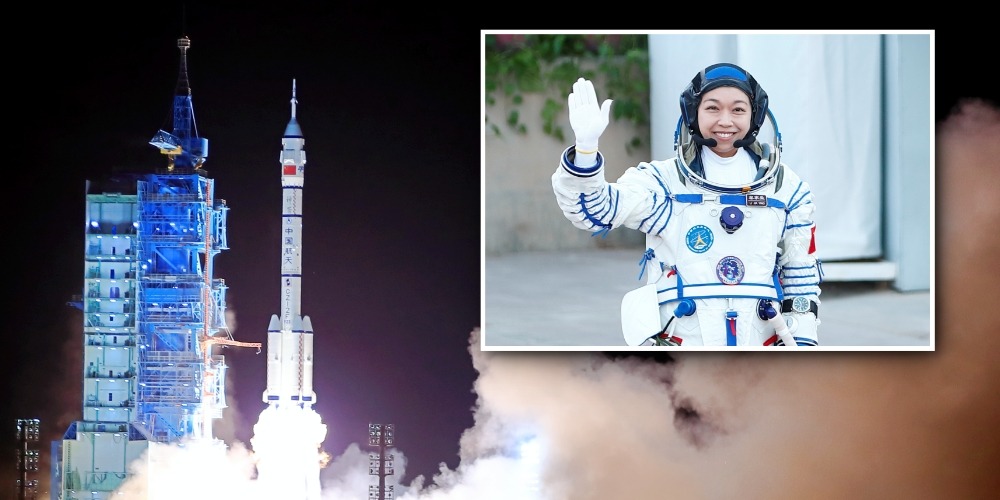
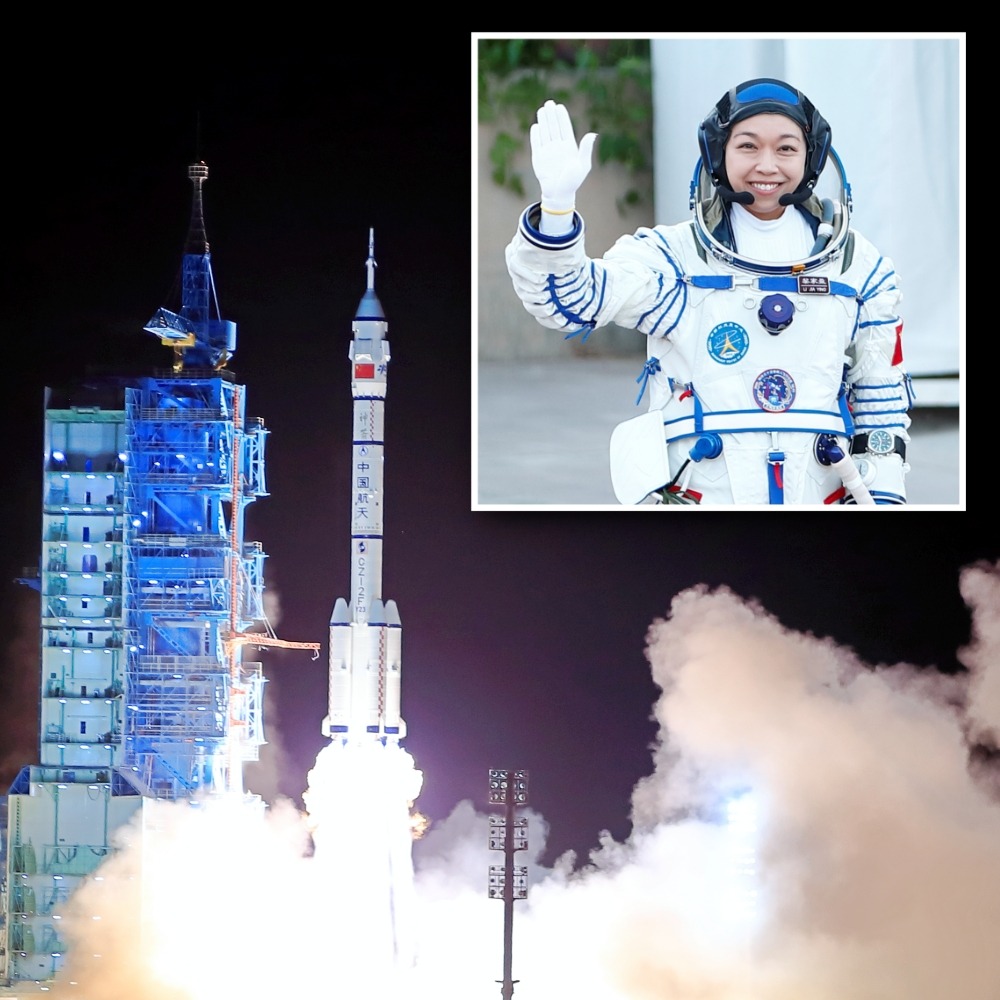
The first astronaut from Hong Kong, Lai Ka-ying (黎家盈), has been stationed in China's space station Tiangong as a payload specialist aboard the Shenzhou-23 spacecraft, beginning a six-month mission. What exactly does a payload specialist do? Will she perform a spacewalk?
Payload specialists included from the third batch of astronauts
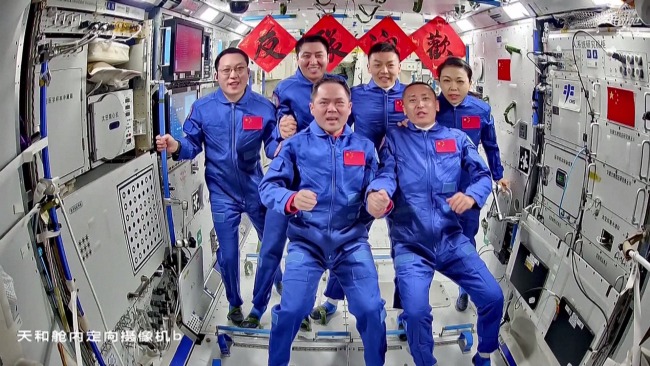
As to whether Lai Ka-ying will perform a spacewalk, we must begin by explaining what a payload specialist is.
In the early stages of China's manned space programme, spacecraft were not yet mature and numerous technologies needed to be verified, so the primary task of astronauts was to operate the spacecraft and related systems; they were astronaut-pilots.
These astronauts were mainly selected from air force pilots, because they have excellent physical and psychological qualities and are better able to cope with emergencies.
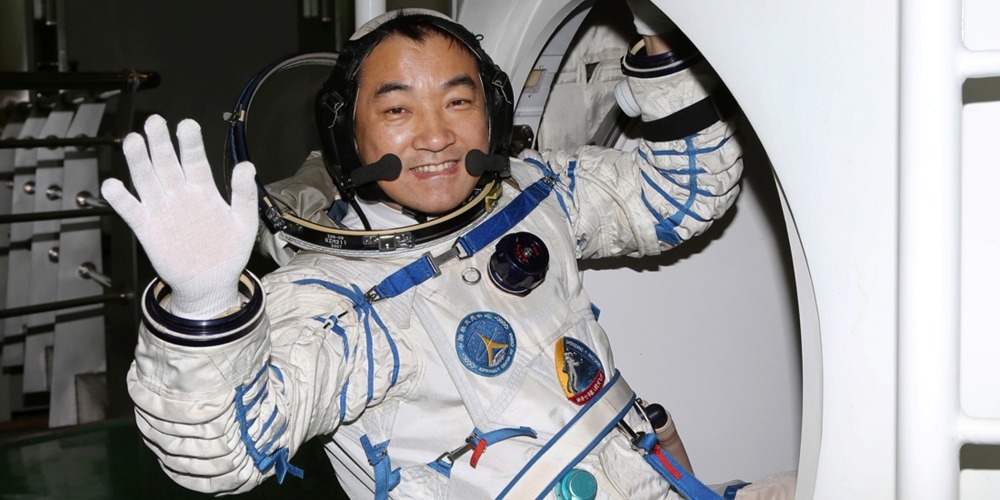
China's first and second batches of astronauts, including the first Chinese person in space, Yang Liwei (楊利偉), and "Space Teacher" Wang Yaping (王亞平), were all astronaut-pilots.
As manned spaceflight technology gradually matured, particularly after the China Space Station became operational in 2021, astronauts must divide up their tasks.
Starting from the selection of the third batch of astronauts in 2018, two new categories of astronauts were added: aerospace flight engineers and payload specialists.
Not a professional astronaut, no military status
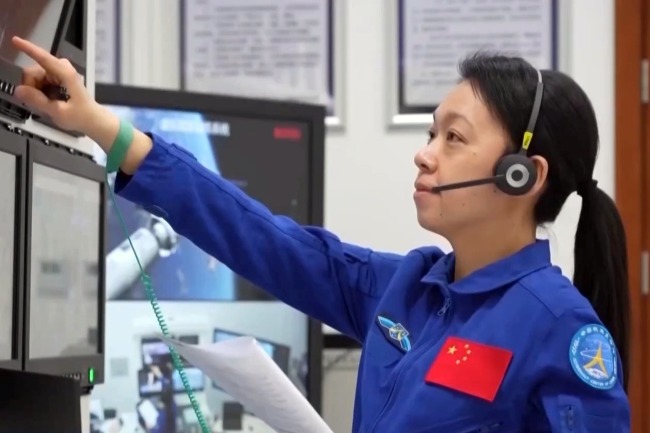
Flight engineers are mainly responsible for the construction and maintenance of the space station, such as extravehicular assembly and repairs, and operating the robotic arm.
Most of them are engineering and technical personnel from scientific research institutions and aerospace enterprises, possessing profound professional knowledge of space system operations and equipment maintenance.
The term "payload specialist" is quite special. Simply put, "payload" refers to the instruments and equipment of a spacecraft, and a payload specialist is a scientist or expert who operates these instruments and equipment to conduct high-level and complex experiments in space.
They often have expertise in specific fields outside of aerospace and come from research institutions.
In addition to differences in their work, the status of the three types of astronauts also differs. China's astronaut-pilots and flight engineers are both professional astronauts with military status.
Payload specialists, on the other hand, are not professional astronauts and are not necessarily members of the People's Liberation Army (PLA).
Besides, during the astronaut selection process, the physical fitness requirements for a payload specialist are relatively lower than those for spacecraft pilots and spaceflight engineers.
Their training content also differs to a certain extent. Payload specialists focus more on instrument installation, debugging and operation, and relatively less on piloting spacecraft and managing space station systems.
Lai Ka-ying flies to space aboard Shenzhou-23
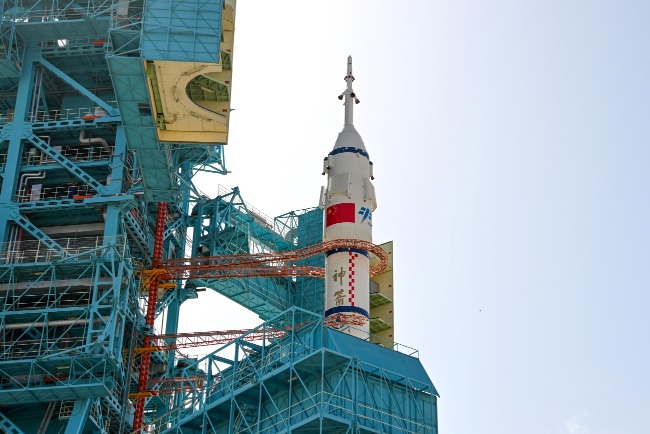
Of course, all astronauts who can complete the training are of an all-rounder level, and Lai Ka-ying from Hong Kong is no exception.
China's space authorities began selecting the fourth batch of astronauts in 2022, which included selecting payload specialists from the Hong Kong and Macao regions for the first time. Ultimately, Lai Ka-ying, a Police Superintendent with a doctorate in information technology, was selected.
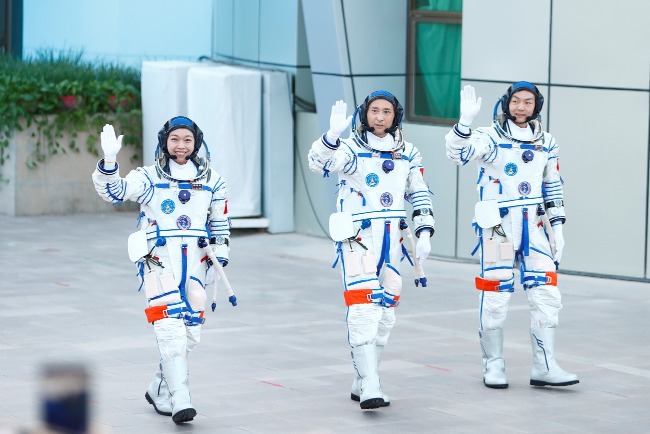
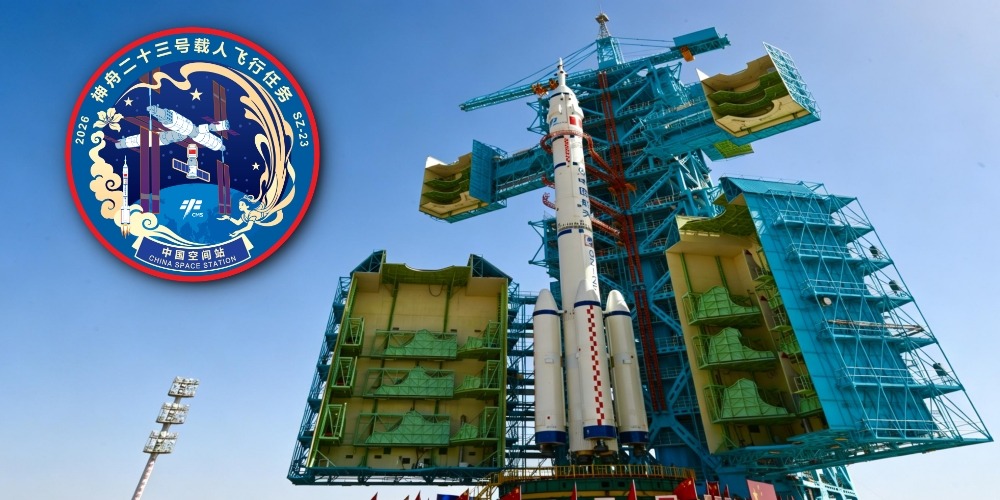
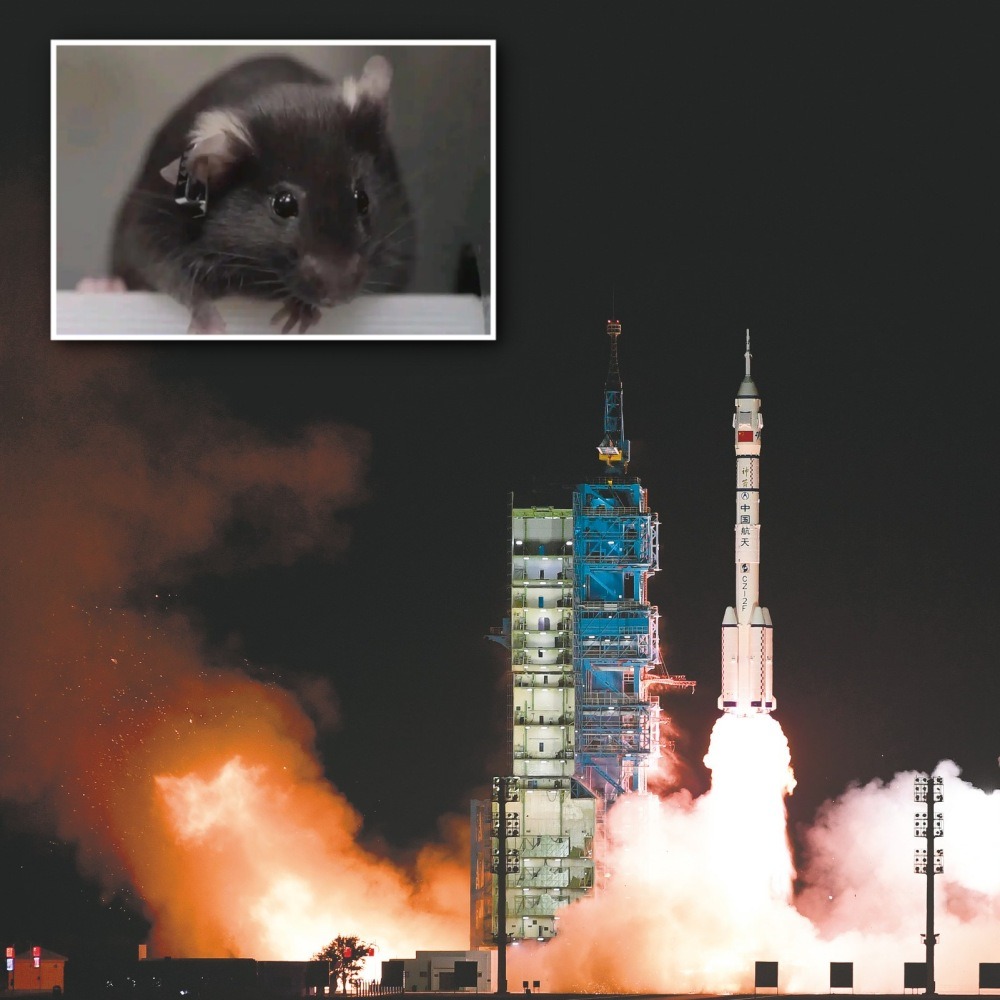
Having completed training in eight major categories, she journeyed to the Tiangong space station aboard Shenzhou-23 on 24 May 2026.
Lai Ka-ying is the third payload specialist to be stationed in Tiangong, following Gui Haichao (桂海潮) from the Shenzhou-16 mission and Zhang Hongzhang (張洪章) from the Shenzhou-21 mission. She is also the first female Chinese payload specialist to fly to space.
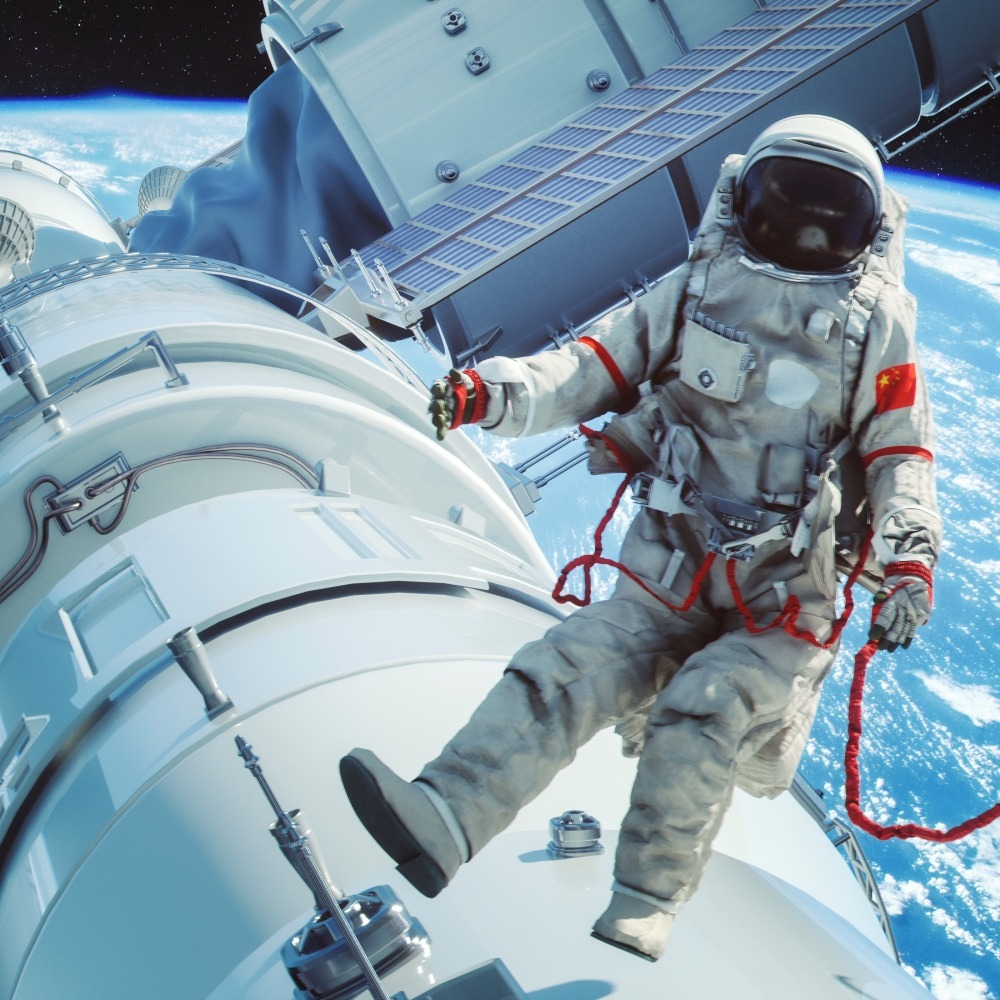
Returning to the original question, will Lai Ka-ying perform extravehicular activities and conduct a spacewalk during her stay in Tiangong? The China Manned Space Agency has not provided a clear statement on this, but space enthusiasts believe the chances are slim.
A Hong Kong astronaut operating Hong Kong-made instruments?
Space enthusiasts point out that since the Chinese space station became operational, every Shenzhou mission has included arrangements for extravehicular activities, but not every astronaut gets the opportunity to perform one.
Focusing solely on payload specialists, neither Gui Haichao nor Zhang Hongzhang performed an extravehicular activity previously. They both remained in the space station to provide support while their crewmates were outside.
Astronauts each have their own division of work. Extravehicular activities are clearly not a payload specialist's speciality. Moreover, extravehicular activities are high-risk and have more demanding physical requirements, so it is perfectly understandable that they are only performed by professional astronauts.
As for what experiments or research Lai Ka-ying will conduct, the authorities have not revealed details, but space enthusiasts believe that since she is an information technology expert, her research may be related to this field.
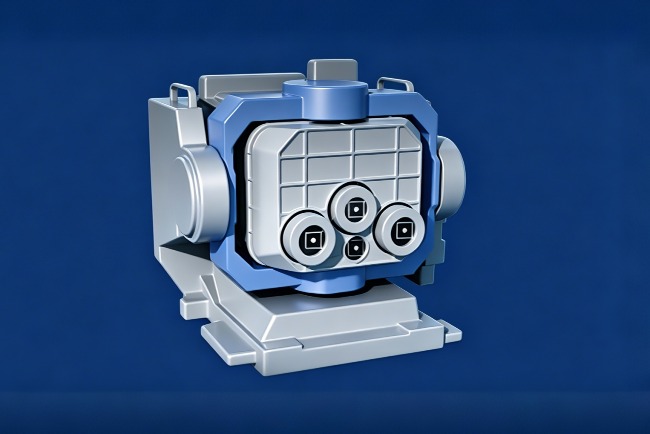
Meanwhile, the MUSICO, developed by a Hong Kong team to monitor the Earth's greenhouse gas emissions from space, will be installed on Tiangong. It seems logical for a Hong Kong-made instrument to be operated by a Hong Kong astronaut.
Read more: China's Shenzhou-23: Will a HK female astronaut make the historic spaceflight?